A-Z stress relief Articles

  • Ashwagandha: An Adaptogen For Well-Being

    Ashwagandha (Withania somnifera) is an Ayurvedic herb found in warm climates. It is an adaptogen that helps bring balance to the body and support adrenal health. In Ayurveda, it is classified as a Rasayana (rejuvenation) herb, which can promote physical and mental health, rejuvenate the body in debilitated conditions and increase longevity.

    Current research has implicated this herb in supporting various health conditions, which is why thousands of people turn to adaptogenic herbs to help ward off fatigue, stress and anxiety without the negative side effects associated with prescription drugs. 

    Continue reading to learn the plant history of Ashwagandha, how it can benefit your health, and how to take it as a supplement to promote well-being. 

    What Is Ashwagandha? 

    Ashwagandha is close to 5,000 years old, which is as old as Ayurveda itself. While the origins of this adaptogenic herb aren't totally confirmed, ancient texts believe this evergreen shrub originates from Indian and Asian regions. 

    It contains many active compounds, including withanolides, which have been known to support inflammation and possess antioxidant effects. These chemicals resemble human steroid (stress and sex) hormones. This gives them the potential to supplement these hormones in the body in cases of insufficient production or to compete with excess levels produced. This means that supplementation may help normalize hormone levels, whether high or low. 

    Ashwagandha Health Benefits

    Ashwagandha helps balance and support the adrenal glands through times of stress. It also acts as a nervous system tonic and an immune modulator. It can also help support:

    • Feelings of Anxiety
    • Sexual Dysfunction
    • Neurologically Degenerative Conditions 
    • Autoimmune Diseases
    • Arthritis 
    • Healthy Cell Growth

    Hormone Support

    Ashwagandha supplements also prevent the depletion of vitamin C in the body. This is important because your adrenal glands need vitamin C to produce hormones such as cortisol and sex hormones. Ashwagandha has also been studied for its ability to increase sexual functioning and physical endurance by stimulating the production of testosterone. Testosterone is produced in the adrenal glands and is responsible for libido and muscle growth. This herb can also help to improve semen quality, and it has been able to reduce the expression of a certain estrogen receptor in human tissues and act as a male aphrodisiac. 

    Immune System Modulation

    Ashwagandha root also modulates the immune system. It does this by helping to promote underactive immune responses and reduce overactive immune responses like those in autoimmune diseases. Because of these effects, it has also been studied for its ability to protect joint cartilage in cases of rheumatoid and osteoarthritis. 

    Neuroprotective Benefits

    The herb also benefits neurological issues and protects against age-related degenerative diseases. 

    In addition, this herb can be used to help lessen feelings of anxiety, which has been verified by several studies in the last few years.

    Taking Ashwagandha As A Supplement

    You can find it as a raw herb, liquid extract, tincture, and encapsulated herb. Most supplements use the root of the plant, however, there is some research involving leaf extract. You can find this herb isolated or in combination with other herbs. 

    Wondering how much Ashwagandha to take per day? Dosing varies depending on the situation, form and particular study:

    • Root extract: 1-2g daily
    • Tea: You can take up to 3 cups a day of the herb's tea (using 1-6g of the whole herb)
    • Liquid and tincture preparations: between 2 and 4ml three times daily
    • Leaf extract: there is no current dosing as the research is still relatively new

    Important Information & Potential Side Effects

    Pregnant women should not use Ashwagandha because it may increase the risk of miscarriage. Do not use it if you suffer from hypertension. It may also increase the effect of the sedative and anti-anxiety medication. Do not use it if you take digoxin, as there is a potential for interaction.

    Ashwagandha FAQs

    What is Ashwagandha?

    Ashwagandha is an herb that helps adrenal and nervous system health.

    What does it do?

    The herb can support physical and mental health and rejuvenate the body.

    How much Ashwagandha root should I take?

    Although there is no standard dose, generally consider using between one and two grams daily. Drink 3 cups of tea daily, or take 2-4 millilitres of tincture three times daily as your practitioner recommends. (Higher doses may be appropriate for specific conditions.)

    Where can I buy Ashwagandha supplements in Canada?

    You can find ashwagandha supplements at most health food stores.

    Is Ashwagandha safe?

    Yes, ashwagandha is widely known to be safe. However, you should avoid taking ashwagandha supplements if you are pregnant, have high blood pressure, or take sedative medications.
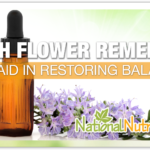
  • Bach Flower Remedies: An Introduction

    Between 1928-1935, Dr. Edward Bach, pathologist, and bacteriologist discovered and developed a series of 38 flower essences that help correct various emotional imbalances, which we now call Bach flower remedies. Dr. Bach’s philosophy was that healing the emotions would ultimately result in good health.

    What Are Bach Flowers?

    Bach Flower Essences are a system of 38 flower essences designed to promote emotional balance. They are made by combining 100% naturally from spring water infused with wildflowers by either steeping them in the sun or by gently boiling and then cooled outdoors. This infused water is then combined with a 50:50 solution of brandy and water. The alcohol in Bach Remedies is used as a natural preservative. Some remedies are now available in an alcohol-free glycerine base. Each remedy can be used alone or in a combination of up to 7 different remedies based on an individual's emotional characteristics. The best known, and the only generally prepared combination, is Rescue Remedy®.

    Health Benefits of Bach Flowers

    The flower essences created by Dr. Bach are designed to be used to balance negative emotions paving the way for physical healing. Dr. Bach grouped his 38 remedies into 7 different emotional categories with certain remedies representing specific emotional characteristics of a particular category. The groupings are listed below. More information on the categories and the specific remedies contained in each can be found by clicking the category link.

    Fear – there are five remedies in this category offering courage, fearlessness, reassurance, composure, and peace of mind.

    Uncertainty – the six remedies in this category help to ‘know your own mind’ by offering resolve, encouragement, hope, decisiveness, direction, and guidance.

    Loneliness – three remedies that help to reach out to others offering patience, connection, and tranquility.

    Over-sensitive – four remedies to help with assertiveness, constancy, goodwill, and openness in order to stand your ground.

    Despondency or Despair – promoting joy and hope through eight possible remedies offering comfort, positivity, support, absolution, solace, confidence, strength, and faith.

    Over-Caring for Others – ‘Live and Let Live’ with five possible remedies offering inspiration, unwinding, tolerance, release, and flow.

    Insufficient Interest in the Present – seven possible remedies offering presence, focus, insight, tranquility, enthusiasm, brightness, and restoration to help live for today.

    How Do They Work?

    Bach Flower Essences are designed to work on an energy level. Each flower essence carries the energy of the plant from which it was made. These work individually to rebalance and heal a specific emotional state. Emotional healing can be a treatment in and of itself, however, it is thought that once the energy and emotional state are in balance, the process of physical healing can then take place.

    Bach Flower remedies are gentle and completely safe. They can be taken by persons of any age and are also harmless for pets and animals. They are safe to take with any herb, supplement, or medication and can be taken as often as needed. Overdose is not possible, if not needed, they will simply not work.

    How To Use Bach Flowers?

    The Bach Flower Essences are very easy to take and can be taken in a variety of ways. For immediate use, take 2 drops of the appropriate remedy either directly on the tongue or in a glass of water that can be sipped at intervals.
    For longer-term use, up to 7 individual essences can be combined in a 30mL dropper bottle and topped up with mineral water. Take 4 drops of this mixture up to four times daily. These combinations are usually put together by a professional specially trained in Bach Flower Essences.

  • Bacopa Supplement

    Bacopa Monniera is a small creeping herb with light purple flowers and numerous branches. It grows naturally in the wet soil and marshes of India and the tropics, and has been used for centuries in Aryuvedic medicine as a brain tonic. It was known to support memory, learning and concentration. Today, you can often bind bacopa supplements at health food stores and their Aryuvedic uses are well supported.

    How Does Bacopa Support Health?

    A specific constituent of Bacopa, triterpenoid saponins, contain bacosides which are responsible for Bacopa's ability to enhance nerve impulses in the brain. These bacosides aid in the repair of damage to neurons and therefore in restoration of synaptic activity. They are also said to increase neuronal synthesis. These effects have only been demonstrated with long term use of 3 months or more.

    Bacopa has also been found to be effective in relieving anxiety and reducing seizures in individuals with epilepsy. Studies have shown it to be effective in relieving symptoms of IBS and gastric ulcers, as well as bronchitis and asthma.

    How To Take Bacopa Supplements: Forms, Formats & Dosages

    The average dosage ranges from 200-400 mg/day standardized to 20% bacosides. Children are recommended to consume 50-100 mg/day. Bacopa is available in capsule and liquid or tincture form and is often included in combinations aimed at memory or cognitive improvement.

    Side Effects & Cautions

    There are no toxicity issues with Bacopa, although they have been reports of minor GI discomfort. Individuals taking benzodiazepines, SSRI's and SNRI's along with Bacopa, may notice excessive drowsiness.

  • Basil Essential Oil

    Basil essential oil is great for coughs, sore muscles and joints.

    Essentials oils have been used around the globe for centuries. They are used for both pleasure and medicinal purposes. Medicinally, certain essential oils can be ingested orally to have a biochemical effect on your body. Because essential oils are volatile, meaning they can evaporate into the air especially when added to hot water, they can be breathed in through your respiratory system.

    This can have a local effect on your sinuses, nasal passages and lungs. They can even enter your blood circulation through being inhaled which will then have a biochemical effect on your entire body. Topically essential oils work by penetrating your skin to affect an area locally and by penetrating your skin a small amount can enter your blood stream affecting your whole body. Applied topically, essential oils are absorbed through your olfactory nerve in your nose affecting your brain and nervous system. These various pathways can affect your health both mentally and physically. The study of Aromatherapy – the medicinal use of essential oils – falls under the new science called Psychoneuroimmunology, which is the study of the interaction of your psyche, nervous system and immune system. Science has shown that when you have a positive outlook and feel relaxed your immune system works better.

    Aromatherapy and the use of essential oils and resins from plants have been used in cultures globally since Biblical times. They were in such demand that they played an important role in international trade around the globe. In Egypt, high priests recorded the many medicinal uses of essential oils onto papyrus paper. Records show the Chinese used aromatic herbs and massage over 2000 years ago. And in Indian Ayurvedic medicine, essential oils were and still are used in massage and on pressure points to correct underlying imbalances and to improve health.

    How To Use Aromatherapy

    • inhaled through steam inhalation, humidifiers, diffusers, and vaporizers
    • added to a carrier oil and applied to your skin directly or as a hot or cold compress
    • spritzed onto objects like pillows, bedding and furniture
    • added to infusers, potpourri and candles to enhance the odour of an indoor space
    • applied to skin as perfume
    • used as a gargle or mouth wash, added to toothpaste, soaps, cleaning solutions, lotions and creams, face and body spray
    • added to baths, hot tubs, Jacuzzis, hand and foot baths and saunas

    What is Basil Essential Oil?

    Basil Essential Oil is oil extracted from the Basil herb widely used in cooking.

    Basil Essential Oil makes for a very potent concentration of Basil with all of its health benefits.

    Currently there are over 150 varieties of Basil and the variety called Ociumum basilicum is the most used for making an Essential Oil of Basil.

    Health Benefits of Basil Essential Oil

    Basil Oil can be used for many things. It is anti-viral and anti-bacterial. And it’s also great as a decongestant during colds, coughs or bronchitis. Basil opens your respiratory airways while it dries phlegm produced during a cough or cold. And in the process will kill the virus and bacteria causing the infection. So during a cold or cough rub Basil on your chest, neck and upper back, do steam inhalations, and put Basil Oil in a diffuser so it pervades your bedroom air at night, similar to how people use Eucalyptus Essential Oil.

    Basil Oil is also great for sore muscles and joints. So if you have arthritis apply some Basil oil to the affected area a few times daily for relief of aches and pains due to strained muscles and inflamed joints.

    Basil Oil is also great for headaches, migraines and menstrual pains. Apply Basil Oil topically to affected areas a few times a day for relief of pain.

    How Do You Use Basil Essential Oil?

    Topically: in a carrier oil like Jojoba, Sweet Almond or Grape Seed Oil:

    • Sore tense muscles
    • Aches and pains
    • Sore joints, Arthritis
    • Post exercise sore muscles
    • On chest and neck for colds, coughs, asthma, sinus infections
    • On affected areas for headaches, migraines or menstrual pain
    • On neck, chest and upper back for colds, coughs, bronchitis and other respiratory infections
    • Topically for tooth infections and tooth abscesses

    Inhaled via steam inhalation, vaporizer, bath, diffuser or humidifier:

    • Coughs, colds
    • Bronchitis, pneumonia
    • Sinusitis, sinus infections

    Works synergistically with:

    • For colds – Eucalyptus, Oregano, Ginger, Balsam Fir
    • For sore muscles and Joints – Frankincense, Ginger, Rosemary, Balsam Fir
  • Catnip: Uses & Health Benefits

    Many cat lovers have this herb around the house but have probably never considered taking it themselves, until now. For those without a cat, you may be wondering, what is catnip and how can it benefit my health? Catnip has been used in traditional medicine for many years. Its appeal stems from the fact that its actions are gentle and soothing.

    Chemical Composition of Catnip

    Catnip has several chemical components that relax the nervous system, thereby inducing sleep or alleviating anxiety. Catnip also contains a variety of minerals, including calcium and magnesium, which probably contribute to its’ relaxing qualities by deceasing muscle tension.

    Key Health Benefits of Taking Catnip Supplements

    There are many conditions that are improved by catnip including inflammation, colds and flus, insomnia, anxiety and stress. Catnip aids in healthy digestion and is recommended by naturopathic practitioners to be taken after meals or for an upset stomach, as it helps to soothe stomach irritation and decrease gas and bloating.

    How Can I Take Catnip?

    One popular method for consuming catnip is as a tea; however, it can also be found in capsules, as a tincture or mixed in with formulas made to ease digestion or aid in relaxation. Even children can be given catnip tea as a fever relief.

    Cautions & Considerations of Herbal Supplements

    Catnip should not be used in pregnancy because it may lead to miscarriage. Due to catnip’s mild sedating action it may increase the effect of some anti-anxiety or sleep inducing medications.

  • Essential Oils: Uses, Benefits & More

    Essential oils are aromatic compounds extracted from several different plants. They are also known as volatile oils because they evaporate quickly, which is also how they create such a strong aroma in the air. Because of this ability to quickly create strong scents, these oils are often used in perfumes, cosmetics, soaps and other scented products. The best essential oils are steam distilled or cold pressed, pure and potent. 

    How Are The Best Essential Oils Extracted?

    Essential oils are extracted from the plant by steam distillation, cold pressing, or solvent extraction. High-quality products create a pure product that will evaporate cleanly if dripped on a piece of paper. Each type of extraction is used for different plant materials. 

    Solvent extraction is used for substances like flowers that contain very little volatile oil, and those that can be damaged by the temperatures used in steam distillation. The solvents used are hexane or supercritical carbon dioxide. However, steam distilled or cold pressed performed at lower temperatures is preferred to maintain the integrity of the active compounds.

    Key Medicinal Properties of Essential Oils

    The benefits of essential oils are as diverse as the oils themselves. Some are diluted and used as skin treatments for acne or rashes, while others, food-grade oils, are used for internal use to fight infection or even help treat specific diseases. 

    Often current research will focus on specific compounds found in essential oils, to determine which one is responsible for their medicinal benefits. More traditional herbalists believe that it is the synergy between all of the active constituents in the oil that provides the full benefit. In some cases, the benefits of essential oils can simply be attributed to the effect of their scent on the brain. To stimulate the limbic system in the brain, essential oils are often used for aromatherapy in combination with massage and other balancing techniques. 

    Proper Dilution For Aromatherapy

    Because of their extremely concentrated state, it is important to dilute essential oils in other high-quality carrier oils like olive, almond, grapeseed, or sesame. Keeping in the spirit of oil not mixing with water, an essential oil can only be diluted by mixing it with another oil. When essential oils are used without being diluted, they can cause severe skin irritation, gastrointestinal upset and even liver damage in the long term. Certain essential oils are not for internal use and can be toxic even in small amounts. It's equally important to remember that certain essential oils are toxic to pets, so be sure to only use oils that are safe for dogs and cats if you have pets. 

    Most Common Essential Oils

    • Basil
      In aromatherapy, basil oil is used to treat nervous disorders, migraines, and stress headaches. It is an energizing oil that can help to clear the mind, relieve intellectual fatigue, and improve focus. Basil oil also benefits the respiratory tract and can be useful in the treatment of asthma, bronchitis and sinus infections.
    • Bergamot
      Most useful in the treatment of skin conditions, diluted bergamot oil can help treat acne, boils, abscesses, and psoriasis. When using it topically, be sure to avoid sun exposure as bergamot oil is phototoxic, meaning it reacts with light to cause damage to the skin. In aromatherapy, it is used to help reduce stress, as well as treat depression and anxiety.
    • Chamomile (Roman)
      When diluted and used topically, Roman chamomile can be used to help soothe and calm skin that is red and inflamed. It also has gentle anti-bacterial properties, which is why this essential oil is often used by natural health practitioners in the treatment of acne, particularly on more delicate skin where Tea Tree oil may be too irritating.
    • Cedarwood
      This essential oil is most notably known for its soothing effects. It is also antiseptic, astringent, expectorant, and antifungal, making it very useful for the treatment of infections. It is a tonic, diuretic, and emmenagogue, meaning that it can promote urination and menstrual bleeding. It is particularly used topically for its ability to soothe itching of the skin, for balancing oily skin and for the treatment of dandruff.
    • Cinnamon
      We are all familiar with the earthy spicy smell of cinnamon in our food. The essential oil from the leaf is commonly used for digestive concerns like constipation and flatulence as well as exhaustion and low blood pressure. It should always be diluted to avoid irritating skin and mucous membranes. Because of its blood thinning effects, it should be used with caution in those with more severe illnesses and taking anticoagulant medications.
    • Clove
      In our history, clove oil was commonly used as a topical anesthetic in the mouth for toothaches and infections. It has also been found to be useful in the treatment of arthritis, asthma, bronchitis, as well as sprains and strains. It must be diluted because it is a strong mucous membrane irritant.
    • Eucalyptus
      One of the most commonly used essential oils for the treatment of respiratory conditions is eucalyptus oil. It can easily be used in warm water and the steam inhaled for many lung conditions such as bronchitis, catarrh, colds, coughing, fever, flu and sinusitis. It is also useful when used topically to treat arthritis, and poor circulation in small amounts. It should never be taken internally as it is extremely toxic, use it with caution.
    • Frankincense
      In aromatherapy, frankincense is excellent for helping with anxiety. It is considered to be grounding and calming without having a sedating effect. When used in a steam inhalation, frankincense can help to treat asthma and bronchitis, as well as reduce extreme coughing. When used topically in carrier oil, frankincense is commonly used to treat scars and stretch marks on the skin.
    • Geranium
      This essential oil is particularly popular for skin balancing. It is used for the treatment of acne and oily skin. Often it is used for the brightening of dull skin and reducing the appearance of cellulite. It must be diluted in carrier oil and should be used with caution as some people may experience an allergic response.
    • Jasmine
      We are all familiar with the warm floral scent of jasmine, but did you know that its aroma can be used to help treat depression and exhaustion? When used topically, in a carrier oil, jasmine can help to soften and protect dry and sensitive skin. 
    • Lavender
      This essential oil is anti-viral, and anti-bacterial and can dramatically speed the healing of burns, cuts, bites, and stings. Because it is less reactive, this is one of the only essential oils that can be applied without a carrier oil. In aromatherapy, lavender is used to help promote relaxation and sleep. 
    • Lemon
      The topical use of lemon essential oil is useful in the treatment of leg and foot conditions such as varicose veins, corns, athlete’s foot, and warts. It can also be used to help treat colds and flu and to balance oily skin. Avoid exposing skin treated with lemon oil to the sun as it can be phototoxic.
    • Orange
      When cleaning the house naturally, this essential oil is a mainstay. A few drops in warm water can be used to wipe down most hard surfaces to remove grease and grime and leave behind a nice fresh scent. It is a stimulating and cheering fragrance, and when applied topically in a carrier oil, it promotes lymphatic drainage and brightens skin.
    • Oregano
      One of the most popular essential oils for use in a variety of infections, including colds, flu and gastroenteritis, is oregano oil. It can be diluted in carrier oil and used internally to help destroy any invading micro-organisms. It is important to supplement with a probiotic when taking oregano oil internally to help replenish the intestinal flora. 
    • Patchouli
      This aroma is most commonly associated with the “hippie” movement in the 1960s. In aromatherapy, this oil is said to have a grounding and relaxing effect. Medicinally, patchouli essential oil is used to treat a wide variety of skin conditions including acne, eczema, dermatitis, oily and/or dry skin, and athlete’s foot. Essentially, patchouli has a powerful balancing effect on the mind and body (especially skin).
    • Peppermint
      This essential oil is effective at blocking the nerve channels that transmit pain signals. Thus, when diluted and applied topically, peppermint oil can help to reduce the sensation of pain. It can also be used internally to help reduce gas and bloating, as well as prevent digestive spasms.
    • Rose
      The smell of rose essential oil is both floral and sweet and is used in aromatherapy for reducing the symptoms of grief and depression. When very dilute, its soft aroma is also used to treat insomnia. Rose oil is also frequently used topically in skin products to help benefit eczema and mature skin, especially in post-menopausal women.
    • Rosemary
      When it is used topically, rosemary can help to relieve joint aches and muscle pains. It is also often used to help aid digestion and prevent spasms of the gallbladder and digestive tract. Rosemary oil is another of the few essential oils that can be used without carrier oil if desired. This essential oil is used in aromatherapy to improve memory and mental clarity. 
    • Sage (Clary)
      This essential oil is used to help treat menstrual problems such as amenorrhea and dysmenorrheal. It is also commonly used to treat respiratory conditions such as asthma, cough, or sore throat. Because of its ability to promote menstruation, this oil should be avoided in pregnancy. It can also have a significant relaxing effect that has been compared to narcotics, which is beneficial for the treatment of stress, but clary sage should be avoided when drinking or performing activities that require concentration like driving. 
    • Sandalwood
      Another of the more common fragrances found on the market (think air fresheners), sandalwood is commonly used for skin and lung concerns. Common conditions that this essential oil can benefit are bronchitis, laryngitis, chapped/dry skin, oily skin, scars, and stretch marks.
    • Tea Tree
      One of the most commonly used essential oils in the treatment of skin disorders, Tea Tree oil is excellent at clearing acne, candida, athlete’s foot, ringworm, itching, oily skin and warts. 
    • Wintergreen
      The main constituent in wintergreen oil is methyl salicylate, which has been long studied for its medicinal anti-inflammatory and pain-reducing properties. In fact, this constituent is a very close relative to aspirin. It is also warming and soothing and helps to promote self-acceptance.

    Proper Storage of Essential Oils

    Because of their volatile nature, essential oils can react with their storage containers, particularly those made of rubber or plastic. In general, essential oils are best handled with glass pipettes and glass storage bottles. Keep products away from pets, as essential oils can be toxic to some animals, particularly cats.

  • Explore Kava Root: An Herbal Remedy

    Kava root, otherwise known as piper methysticum, is a member of the pepper family and is native to Polynesia, from which it spread to many western Pacific islands. Traditionally the rhizomes were chewed or ground into a pulp and mixed with water/liquid to create a thick mash that slightly numbed the mouth and induced feelings of well-being, calm and contentment.

    'Kava ceremonies' were even held for visiting royalty or special guests. It was James Cook who first introduced the herb to Europe. A little over 20 years ago, Kava became very popular in the West and became a go-to herb for the treatment of anxiety and insomnia. Still today, it is considered an extremely effective alternative to anti-depressants and sleep aids, often associated with undesirable side effects. Kava's active compounds are known collectively as kavalactones. Research has demonstrated the ability of kavalactones to bind to several receptors in the brain, including dopamine receptors. This explains the herb's calming, muscle relaxing and mild analgesic-like effects.

    Selecting Quality Kava Root Supplements & What To Look For

    Ensure that when you are looking for a kava kava supplement you find a standardized extract type, as this will make certain that you are taking a kava supplement with a guaranteed minimum potency of the therapeutically established clinical dosage. High-quality kava herb supplements are typically standardized to a minimum of 30% kavalactones.

    This type is superior to the tea form made from the raw root, which must be consumed in larger doses to compensate for the lower level of active ingredient.

    Safety Precautions & Insights When Taking Kava Supplements

    Kava is available in the United States, and also in Canada as it has recently received approval for sale from Health Canada and has been issued a Natural Health Product number. The Natural Health Product Number identifies its safety and therapeutic effectiveness for anxiety, stress, and insomnia.

    Most people who take kava feel calm and relaxed, so it is important not to take kava at times when you require mental alertness, such as driving.

    Kava Kava is ideal for those who experience periodic anxiety or stress as it does not require consistent use to be effective. This relaxing herb can be used on an as-needed basis and will produce calming effects usually on the first usage of kava.

  • Jasmine: A Medical Herb

    Jasmine is a shrub indigenous to Old World European Mediterranean countries such as France, Italy and Greece. Its vines climb the sides of trees and buildings. This shrub is very well known for its beautiful white flowers which smell similar to orange and lemon tree blossoms…

    Jasmine's Medicinal History

    Jasmine is used as a medicinal herb and has long been used in Aromatherapy, the art of using herb macerates in oil medicinally and as a tea for centuries. This herb is frequently mixed with Green Tea and labelled Jasmine Green Tea to give it its characteristic odour and taste.

    Parts of the Jasmine Plant That Are Used

    This herb is used mostly to flavour Green Tea. The flowers are picked during the day and laid over the green tea leaves so at night when the flowers open and emit their beautiful fragrance it scents the tea leaves.

    As an essential oil, Jasmine is used mixed with a carrier oil like Jojoba or Grape Seed Oil and used in massage therapy around the globe. You can also find it as an alcohol extract for oral consumption.

    Key Health Benefits of Jasmine

    This herb has been used for many ailments. When used topically, the oil can treat joint pain and inflammation. As a tea, it has been used for digestion, cough and to soothe the throat. 

    Studies show that the Jasmine fragrance affects your nervous system. It affects your autonomic nervous system creating the feeling of relaxation and elevated mood due to its medicinal property called linalool and through your olfactory nerves in your nose. Specifically, Jasmine decreases heart rate and produces a calming effect. 

    Jasmine can also increase circulation, specifically your heart circulation and circulation to your extremities. Given that it is a sedative which calms your autonomic nervous system it will slow your heart rate and dilate blood vessels, making it a great cardiovascular herb. 

    Tips For Using Jasmine In Your Daily Routine

    This herb can be drunk daily in Green Tea to give you a sense of relaxation but with a little extra energy which Green Tea provides.

    In an alcoholic extract, Jasmine can be ingested in a little water to improve circulation and digestion and for its calming effects.

    As an essential oil, Jasmine can be put into an infuser and emitted into your office or home to make the air smell delightful and provide a calming environment for your coworkers and family. It can also be put in natural unscented cleaning solutions like vinegar and water to clean your household. Jasmine oil, like Lavender oil, can be added to water and spritzed onto your pillows to have a calming effect at bedtime. This is great if you suffer from insomnia or if your kids have trouble settling at bedtime. Or if you simply enjoy the smell of this flower you can use the essential oil as a perfume.

  • Lavender Essential Oil

    Plant Information

    Plant History

    The colour purple is known for being a rich colour that exudes royalty; therefore, it is no surprise that Lavender and lavender essential oil was a favourite among royal families. The Lavender plant has Egyptian and Mediterranean origins. Egyptian royals and high priests used Lavender all throughout life by adding it to their cosmetics, medicines and tombs. While lavender was used cosmetically and for it’s alluring aroma, it wasn’t until 77 AD when a Greek philosopher had the first record of Lavender being used for its healing qualities. At that time it was noted that when taken internally, Lavender helped with indigestion, headaches and sore throats, while externally, it helped clean wounds, alleviate burns or other skin irritations. As time passed, the Romans used Lavender in their washing to scent both their baths and clothes as well as for its healing and antiseptic properties. Roman soldiers took Lavender in their first aid kit when heading off to war to dress wounds. WhileLavender originated in Egypt & the Mediterranean, the English played a large role in its history by cultivating some of the most fragrant Lavender in Europe and by bringing Lavender into mass markets. In the 17th century, an English herbalist deemed Lavender oil as a “cure-all” and during the plague of 1665, Lavender oil sale prices skyrocketed because it was believed to protect people from the infectious disease. During the Victorian era, Mitcham, a suburb of London, was the hub for Lavender oil production and during that time, England's Lavender products became well known world wide. Lavender production continued to grow and is being used today as a remedy for stress, insomnia, tension and congested sinuses. 

    Botanical Information

    Lavender is one of 47 species of flowering plants that are part of the mint family. It is a perennial shrub and its flowers are a favourite amongst bees. While purple or mauve-blue lavender flowers are most commonly known, this plant can also bloom white or pink flowers. There are 3 main types of Lavender used in essential oils: Lavandula angustifolia, which is the main type that’s used in aromatherapy because of it’s potency and its sweeter scent. The second strain is Lavandin,which is a cross between Lavendula angustifolia and Lavandula latifolia, this strain offers more oil production and is used to give products a Lavender scent, like laundry detergents and perfumes, but isn’t as potent as the former, and therefore shouldn’t be used for therapeutic grade essential oils. Lastly, Spike lavender, which is more herbaceous and therapeutic,therefore it is used in medicinal settings with the guidance of a certified aromatherapist. 

    Growing Information

    Lavender is a great addition to any garden as it doesn’t require a lot of maintenance. This plant can survive in a dry environment with a high ph soil. Lavender thrives best when watered occasionally, has adequate drainage and space and lots of sunlight. It is easy to maintain as it only needs to be pruned once or twice a year and once it’s established, it doesn’t need to be re-fertilized.

    Parts Used To Make Lavender Essential Oil

    The flowers, buds and leaves of the lavender plant can be used for various purposes. Typically, the buds are dried and used to enhance culinary dishes, teas or in a healing compress. The fresh flowers are used for decoration or to garnish dishes and the dried flowers are popular in potpourris and perfumes. The flowers can also be dried or distilled for oil extraction. The leaves are great when dried to mix into spices, such as Herb de Provence and other various seasonings or to add to a compress to relieve headaches or muscle tension. 

    Lavender Essential Oil Information

    Extraction Method: How To Make Lavender Oil

    Therapeutic essential oils are extracted either through steam distillation or cold expression. Lavender oil is extracted through straight steam distillation using a Still. The plant is hung inside an apparatus above boiling water. As the steam rises, it pulls the oil out of the plant. The steam then carries the oil along the tubing of the apparatus and into the condenser where the steam is then cooled. This causes it to re-liquify, forcing the essential oil to float on top of the water vapour, which is then siphoned off. The floral water is then used as a fragrant water in cosmetics and the oil is used for therapeutic purposes in aromatherapy. 

    Active Ingredients Found in Lavender Oil

    The Lavender flower is the main source of Lavender oil extraction. The active ingredients found in Lavender are: 51% Linalool, and 35% Linalyl Acetate. Linalool is a terpene alcohol and it’s what gives Lavender it’s floral scent. 

    Lavender Oil Applications & Benefits

    Calming Benefits

    Lavender is widely known to create a calm, stress free environment and is linked to anxiety support. Some ways you canincorporate Lavender essential oil in your routine to create a soothing, euphoric environment is to:

    • Add 1-4 drops of lavender essential oil to a warm bath and mix in with water
    • Add 10-12 drops of lavender essential oil to a diffuser 
    • Mix 1 drop of lavender essential oil with 1 drop carrier oil (grapeseed, jojoba oil) and rub on your temples, wrists or upper lip to inhale
    • Put 1-2 drops on a handkerchief and inhale during meditation or slow breathing 
    • Carry a rollerball of lavender oil and inhale with slow breaths when feelings of stress or anxiety arrive

    Deodorant

    Lavender oil can make for a great natural deodorant because it’s anti-bacterial. Therefore, it can prevent the growth of bacteria, leaving fewer bacteria to mingle with sweat that causes unpleasant body odor. While a natural deodorant won’t stop you from sweating like commercial antiperspirants, they are safe to reapply as needed and by making your own, you can alter the proportions to your personal preference/needs (see below for recipe).

    Headache Relief

    Lavender oil relieves stress and tension and can be a natural remedy for headache relief. In fact, Queen Elizabeth 1 used Lavender to treat her migraines. Below are some Queen approved ways you can try it out for yourself:

    • Add 3-5 drops of lavender essential oil in 3 cups of boiling water, place face 14 inches from bowl, close eyes and slowly inhale the steam. 
    • Mix 2-3 drops of lavender oil into a cup of cold or warm water, depending on your preference, dip a facecloth in the water, wring it out and lie down, placing the wet cloth on the forehead or base of the neck. 
    •  Add 1 drop of lavender oil per 1 drop of your favourite carrier oil (grape seed, jojoba) and apply it to your temples, hairline or the base of your neck. 

    Pest Banisher

    Lavender has been used in repellants for a long time. It can help fight off pesky mosquitos, moths, flies and even fleas on your pets. To keep your backyard pest free you can:

    • Plant lavender flowers
    • Burn a lavender infused candle
    • Rub lavender oil (mix 1 drop of lavender oil with 1 drop of your favourite carrier oil) on exposed areas, i.e. neck, underarms, behind ears, ankles etc.
    • Diffuse lavender oil outside. 
    • To keep flies out of your home, simply diffuse 10-12 drops of lavender oil in your diffuser, or place lavender bouquets inside your house.

    Insomnia Support

    As previously mentioned, lavender oil can help induce feelings of calmness and can help promote deep, slow wave, sleep. The findings of an EEG scan in one study showed participants were in a more drowsy state after undergoing a lavender aromatherapy session. Ways to help insomnia with lavender oil is to:

    • In a small spray bottle, add 1 ounce of witch hazel, 10 drops of lavender essential oil and mix with 3 ounces of water. Just before bed, spray on your bed linens or pajamas for a restful nights sleep.
    • Diffuse 10-12 drops of lavender oil 30 minutes before bed and let it run into the night
    • Apply 2-3 drops of lavender oil per ounce of carrier oil and apply to the body, especially the feet

    Shopping Tips For Quality Lavender Oil

    Lavender oil should be steam distilled if you want an oil that's pure and free of solvents. At National Nutrition, we carry a variety of high quality lavender oils.

  • Lemon Balm Benefits & Uses

    A perennial bush with serrated heart-shaped leaves which have a mild taste and smell like lemon. Lemon balm, part of the mint family, has been cultivated around the Mediterranean coast for over 2,000 years. Historically, many attributed increased intelligence to individuals who consumed it regularly. Now lemon balm is much more widely known for its health benefits and uses as a sedative, plus its anti-spasmodic and anti-bacterial uses. For some, it is still considered a cure-all.

    Key Health Benefits of Lemon Balm

    Lemon Balm has always been known for its general effects on the nervous system as a whole commonly used for stress and anxiety, lack of appetite, digestive discomfort, depression and for general strengthening of the memory and mind. Today, there is again a lot of attention on lemon balm in the treatment of Alzheimer's and dementia, showing results of improved mood and mental performance. It is also commonly prescribed for insomnia or difficulty relaxing, as well as for calming spasms of the digestive tract.

    Lemon Balm Supplement Varieties

    Lemon Balm is frequently paired with valerian root, as a sleep aid and anti-anxiety remedy. There is also strong evidence of lemon balm's efficacy in treating genital or oral herpes, decreasing the duration of sores and length between outbreaks. Although its specific anti-viral actions are poorly understood, it is suspected it interferes with virus receptors on host cells. If you are an outdoor enthusiast looking for natural options, the crushed leaves can also be rubbed over the skin for a natural mosquito repellent.

    Lemon balm can be taken in capsule or tincture form and is commonly found in anti-anxiety or sleep-promoting combinations. 

    Potential Side Effects & Cautions

    Lemon balm maintains an excellent safety record. There are no side effects for interactions associated with its use, although it is not to be taken by pregnant or breastfeeding women. Individuals taking benzodiazepines, SSRI or SNRI's may notice some mild drowsiness if combining lemon balm with these medications. Recommended dosages vary anywhere from 100-500 mg/day.

  • Passion Flower

    Passion Flower is a vine found along the roadside across North America. It has been used traditionally as a sedative, reducing hyperactivity and anxiety. Passion flower’s chemical components, maltol and ethylmaltol relax areas of the brain and reduce muscle tension. They bind to the same receptors used by sedative medications. Passion flower can be used for stress, anxiety, insomnia, hyperactivity and nervousness.

    Top Health Benefits & Uses For Passion Flower

    Sedative

    Passion flower’s chemical components, maltol and ethylmaltol relax certain areas of the brain and reduce muscle tension.Although the exact mechanism isn’t yet known, it is believed that the passion flower helps to boost GABA levels in the brain, thus promoting relaxation. This allows Passion Flower to benefit anxiety and to help promote sleep in those with insomnia. 

    Mood Support

    Interestingly, in addition to its sedating abilities, some species of passion flower have been found to contain constituents that act as MAO inhibitors, thus providing them with antidepressant properties much like pharmaceutical medications with the same action (eg. Marplan, Nardil, and Parnate).

    Main Constituents of Passion Flower

    Chrysin

    One particular species of passion flower, called Blue passion flower (Passiflora caerulea) is the main source of a substance called chrysin. Chrysin has long been favoured as an estrogen inhibitor in body-building circles, while more recent research has found it to be effective against cardiovascular disease. 

    Taking Passion Flower Supplements

    Dried passion flower plants can be made into tea. Passion flower can also be purchased in capsules or as a tincture. Passion flowers may be found in formulas for relaxing the mind and body and for promoting sleep. The dose of passion flower varies depending on whether it is alone or in a combination formula, with doses ranging from 50-500mg daily in divided doses. It seems to work well when taken with other sedating herbs like valerian.

  • Reishi Mushroom

    What Are Reishi Mushrooms?

    Reishi are a member of the fungi kingdom and are one of the oldest mushrooms to be used in Traditional Chinese Medicine (TCM). Ganoderma has an affinity for the immune system, which is why it has been studied extensively in the treatment of cell growth. It has been shown to prevent angiogenesis, the formation of new blood vessels, which many unhealthy cells use to form new unhealthy cells and keep disease strong and growing.

    Health Benefits of Reishi

    Ganoderma is also used as a form of palliative care, improving quality of life by decreasing symptoms such as sweating, nausea, vomiting and insomnia. In terms of immune disorders, it is also showing promise against HIV activity, slowly the progression to AIDS in some individuals. Ganoderma has anti-viral, anti-bacterial and anti-microbial action.

    Reishi is both immune modulating and immune supportive, meaning it not only helps to strengthen the immune system when needed but in immune disorders in which it is dangerous to do so, it actually balances the immune system out. This prevents our immune system from over reaction and creating too much inflammation. Allergy is an example of a concern for which Reishi’s may be indicated due to its anti-inflammatory properties, along with its ability to balance out our innate immune response.

    Reishi reduces cholesterol synthesis in the liver (which also benefits the heart) and has recently been looked at as a treatment for hepatitis, an inflammatory disease of the liver. It has been shown to protect against atherosclerosis, and reduce blood clotting by inhibiting platelet aggregation, which is part of an inflammatory cascade. It has also been shown to decrease blood pressure. Individuals with diabetes have found it helpful in decreasing blood sugar. Reishi is also an antioxidant and can be used to prevent free radical damage.

    Supplement Varieties

    Reishi can be crushed and taken directly in capsules, or pieces of the mushroom can be steeped in hot water to make a tea. Recommended dose varies, depending on health concern, although anywhere from 2-6 g/day is considered safe. Some individuals have reported headaches, skin rash and dizziness. If you are on anti-hypoglycemic or medication to lower blood pressure, be cautious that these levels do not decrease too quickly or become too low while taking Ganoderma.

  • Rhodiola Rosea

    What is Rhodiola?

    Rhodiola is an adaptogenic herb which means it supports you under stress. It helps balance adrenal function, fatigue, cardiovascular function, blood sugar, mood, and cognitive function.

    There are over 50 species of Rhodiola. One species has received much attention called Rhodiola rosea. Rhodiola rosea grows throughout mountainous cold regions in the higher altitude and elevations of the Northern hemisphere. Its fragrant roots have been used medicinally for centuries by cultures throughout the Northern hemisphere.

    Similar to Ginsengs, Rhodiola helps you maintain balance and health.

    What is Rhodiola Used For and How Does it Work?

    Stress Balance

    Adrenal glands are in charge of numerous functions in your body. Coping with stress is one of them. Under stress, physical, mental or emotional, your adrenal glands secrete the hormones, adrenaline and cortisol. These hormones stimulate circulation, heart rate, increase blood sugar and give you energy to mount to the challenge at hand.

    Your adrenal glands are part of a greater system called your Hypothalamic Pituitary Adrenal Axis (HPS). This is a neuroendocrine pathway that specifically connects your hypothalamus and pituitary gland in your brain to your adrenals glands. So when you are under stress your brain tells your adrenal glands to increase adrenaline and cortisol secretion.

    The problem is we, as a culture, live pretty stressful lives so our adrenal glands are constantly secreting these hormones. Your body can handle this for a period of time without adverse effects. But after repeated acute or chronic exposure to stress your HPS system becomes less responsive to keep up the pace. Your adrenals glands then decrease secretion of these hormones and your ability to cope with stress becomes compromised. This means that you won’t have the same energy, focus or coping ability when you need it.

    Blood Sugar Balance

    Another example of the adaptive balancing effect of Rhodiola is it helps to balance blood sugar levels. One key component called Salidrosides has been found to prevent excessive blood sugar levels. Studies show that after an injection of adrenaline, which normally causes blood sugar levels to rise, blood sugar levels remain steady. Salidrosides have been shown to also prevent blood sugar levels from falling too low after an injection of insulin. Overall this means that when taking Rhodiola your blood sugar levels will remain more balanced, which reduces your risk of becoming diabetic and insulin resistant.

    Cardiovascular Health

    Another example of Rhodiola functioning as an adaptogen is its ability to protect your heart from stress. When lab animals are subjected to extreme cold or to high doses of the stress hormone adrenaline, the regularity of their heart rate is disrupted and the oxygen supply is temporarily cut off. This causes an overall increase in heart rate called tachycardia and an irregular heart rate called an arrhythmia. But animals failed to produce these signs of heart stress when given regular doses of Rhodiola. Rhodiola furthermore increased circulation and reduced damage to the muscle cells of the heart. It also balanced the overflow of negative neurotransmitters normally associated with these stressors.

    Mood and Cognitive Function

    Rhodiola can improve mood and your ability to focus and think clearly. It’s well documented that Rhodiola has a direct effect on a variety of neurotransmitters, one of which is serotonin, responsible for a feeling of happiness and well being.

    Laboratory studies show that Rhodiola enhances the transport of the serotonin raw materials, tryptophan and 5-hydroxytryptophan (5-HTP), across the blood-brain barrier. Increased levels of these amino acids allow for more serotonin to be made in your brain. Rhodiola also decreases the action of the serotonin-degrading catechol-O-methyltransferase (COMT) enzyme. This means serotonin can remain active longer stimulating you to feel more focused and happy longer. This is similar to how a class of anti-depressants work called SSRIs.

    Rhodiola also boosts brain levels of other neurotransmitters, dopamine, acetylcholine, and norepinephrine, all of which are key neurotransmitters targeted by major classes of antidepressant drugs.

    By positively affecting these neurotransmitters, Rhodiola demonstrates improvements in symptoms like depression, exhaustion, decreased motivation, daytime sleepiness, sleep disturbances, concentration deficiencies, forgetfulness, susceptibility to stress and irritability.

    Taking Rhodiola Supplements

    Rhodiola comes in liquid or capsule forms. It can be taken for long periods of time without negative side effects. It is particularly beneficial for those who have stressful jobs, are students, are shift workers, who are athletes, who have blood sugar issues and who have cardiovascular disease.

  • Schisandra

    What is Schisandra?

    The deciduous creeping vine called magnolia (Schisandra chinensis) that is native to China and Japan. It is also commonly known as Schisandra or Schizandra. The berries of this vine have been used in traditional Chinese medicine for centuries. Its Chinese name is wu wei zi meaning five taste fruit/seed. It is called this because the berry possesses sweet, salty, bitter, hot and sour tastes all in the same bite.

    This balance of flavours is often sought after in Asian cuisine. The Chinese have been using it for centuries as an adaptogen, to increase stamina /fight fatigue, optimize mental functioning, support the health of the sex organs and revitalize skin.

    Key Health Benefits of Schisandra

    Stress Support

    Schisandra is primarily used for its adaptogenic and calming effects and has the rare characteristic of providing these benefits without sedating the taker. For this reason, it can be used at the start of your day to regulate stress by supporting the adrenal gland and balancing cortisol levels, without making you drowsy. At the same time, it is equally effective when used before bed, for calming and anxiety-induced sleep problems. Schisandra can be used to treat stress-induced palpitations and dyspnea, which are common symptoms of a panic attack.

    Menopausal Mental Health

    Schisandra has been shown to have mild phytoestrogenic effects, meaning that it may help to treat menopausal symptoms in women. Because this herb is also renowned for its adaptogenic and calming effects, it can further benefit menopausal women, particularly in instances of insomnia and/or depression. It would likely also benefit mood swings, anxiety, and other menopause-related mental health symptoms.

    Antioxidant Ability

    Schisandra is well known for its antioxidant and immune modulating effects. Research has recently demonstrated that it may be of great benefit to the liver as it may be involved in activating the production of glutathione. Glutathione is an incredibly strong antioxidant molecule in the body responsible for helping to protect our bodies against free radical damage. This effect is particularly noticeable in the liver where Schisandra has been shown to be protective against liver damage. There is also some preliminary evidence for its use in unhealthy cell prevention, particularly in the colon, but further research is required.

    Taking Schisandra Supplements

    Schisandra may be found in capsule, tincture (liquid extract), syrup, juice or infused to make tea. In capsule form, the typical dosage ranges from 1.5 – 6g/day. Although it is considered and safe herb, there have been a few reports of cases of photosensitivity, stomach pain, as well as drowsiness.

    Important Information

    Discontinue use if these side effects develop. Individuals taking blood sugar or anticoagulant medication may want to consult a physician before taking Schisandra. There is also a lack of evidence in terms of safety during pregnancy and breastfeeding. For this reason, it is recommended that you avoid using Schisandra at these times.

  • Siberian Ginseng (Eleuthero)

    What is Eleuthero (Siberian Ginseng)?

    Eleutherococcus senticosus is a woody shrub with thick twisted roots that is often called "Eleuthero" for short. It is found in the forests of south-eastern Russia, northern China, Korea and Japan. Eleuthero is also called "Siberian ginseng", and is often grouped with other ginseng herbs, although it has distinct chemical constituents called eleutherosides.

    Like the other ginsengs, eleuthero can be used as an adaptogen. It is also an antioxidant, a nervine (to decrease anxiety), an immune system tonic, and has anti-inflammatory and cholesterol reducing properties.

    Eleuthero is currently used by healthcare providers for the treatment of chronic fatigue, lupus, HIV, and cold and flu. It is also used to prevent herpes simplex outbreaks, and to treat adrenal and endocrine dysfunction due to chronic stress. It is particularly renowned for its mood and energy enhancing effects.

    Historical and Traditional Uses of Siberian Ginseng

    For over 2,000 years, Siberian Ginseng has been a key medicinal herb in Traditional Chinese Medicine. The root and root bark were used to prevent respiratory infections and serve as a cardiovascular tonic. It was renowned for restoring vitality, enhancing memory, stimulating appetite, boosting stamina, and improving overall well-being. Similarly, in Russian fold traditions, Eleuthera was valued for enhancing strength, endurance, and cognitive function. It was widely used to combat chronic fatigue, enhance physical performance, and support the immune system by warding off colds and flu.

    How Can I Take Siberian Ginseng?

    Eleuthero can be taken internally as an extract or by using the whole herb, dried and powdered. Often, Siberian ginseng will be found in combination formulas along with other ginsengs or other adaptogenic herbs and nutrients.

    In general, when taking the whole herb, the dose is 2-3 grams per day. But when taking a solid extract standardized to 0.8% eleutherosides, 300 to 400mg is the general dose per day. Liquid, alcohol-based extracts on the other hand, can be taken in divided doses of 8 to 10ml per day.

    Although it is taken in similar dosages to the other ginsengs, Eleuthero can be taken for longer periods of time without rest due to its gentle and more nourishing nature.

    Important Information

    There are minimal side effects reported with the use of Siberian ginseng, although some individuals may find it interferes with sleep if taken too close to bedtime. Eleuthero is not recommended for individuals with high blood pressure or cardiac disease, and must be used with caution for those on medication for high blood pressure. Also, be cautious when using digoxin with Eleuthero. Due to a lack of research, Eleuthero should not be used during pregnancy and lactation.

  • Spearmint Essential Oil

    What is Spearmint Essential Oil?

    Spearmint essential oil is a refreshing botanical extract derived from the leaves of the spearmint plant (Mentha spicata). Typically obtained through steam distillation, the oil captures the plant's naturally occurring aromatic compounds, including carvone, which contributes to its crisp, sweet, and minty scent. Widely used in aromatherapy and natural wellness products, spearmint essential oil is valued for its uplifting aroma and gentle cooling sensation. Compared to other mint oils, it's often considered milder. This makes it a popular choice in personal care products, massage blends, and home fragrances. 

    Today, it is commonly found in diffusers, topical preparations, and natural cleaning products. 

    Spearmint Essential Oil's Origins & Traditional Uses

    Spearmint has been cultivated for centuries across Europe, Asia, and the Mediterranean region. Historically, the plant was used to support digestion, freshen breath, and promote comfort after meals. Ancient herbal traditions also incorporated spearmint into teas and tonics for its soothing properties and refreshing flavour. Its aromatic leaves were used in bathing rituals and household cleaners.

    Over time, the extraction of spearmint essential oil allowed these traditional applications to evolve into more concentrated and versatile forms, bridging historical plant use with modern aromatherapy and natural wellness routines. 

    Spearmint Oil's Uses & Applications

    In contemporary natural health and lifestyle practices, spearmint essential oil is valued for its versatility. Aromatically, it is frequently used in diffusers to promote a fresh, uplifting atmosphere and encourage mental clarity or focus. Topically, when diluted properly, it can be incorporated into massage oils or skincare blends to provide a cooling, revitalizing sensation. Spearmint oil is also used in homemade cleaning products. 

    Additionally, it appears in oral care formulations and personal care products like soaps and shampoos. Its approachable fragrance and balanced profile make it a popular choice for everyday use. 

    Cautions & Considerations

    Like all essential oils, spearmint is highly concentrated and should be handled with care. Proper dilution with a carrier oil is essential before topical application to reduce the risk of irritation or sensitivity; a patch test it recommended. Avoid contact with the eyes and mucous membranes, and consult a healthcare professional before use during pregnancy, breastfeeding, or when managing health conditions. Special attention should also be given to pet safety. Diffusing oils or leaving them accessible to pets can be highly toxic; therefore, keep them out of reach of pets and children, and when diffusing, ensure proper ventilation. 

  • Valerian

    Valerian has been used traditionally for many years as a sedative and alleviator of anxiety. It has many benefits over the use of pharmaceutical sedatives and sleep aids. This herb does not alter the brain waves that occur as part of normal sleep patterns. Therefore, the sleep that you get after taking valerian is just as restful as normal sleep.

    Traditional Uses of Valerian

    Valerian (Valeriana officinalis) is a flowering plant native to Europe and parts of Asia, known for its distinctive sweet smell. Historically, it has been used since ancient times by Greek and Roman physicians as a natural remedy for insomnia and anxiety. Botanically, the plant can grow up to five feet tall, with clusters of small pink or white flowers. Traditionally, the root was harvested and dried, then used in teas or tinctures to calm the mind and promote relaxation

    Modern-Day Benefits of Valerian

    Today, valerian root is known for its ability to support healthy sleep patterns. Unlike commercial sleep aids, it doesn't produce grogginess the next morning. Instead, valerian’s chemical components, the valepotriates, valerianic acids and pungent oils, relax the central nervous system (CNS) by binding to the same receptors that are used by sedative medications. This calms the CNS, easing tension and reducing stress, and making it easier to fall asleep naturally. 

    It also relaxes the gastrointestinal tract and skeletal muscles; therefore, this herb can be used for restless leg syndrome and muscle spasms. It can also be used for stress and tension associated with PMS.

    This gentle, non-habit-forming herb relaxes the body and mind without disrupting next-day focus or energy. 

    Valerian Supplement Varieties

    You can find valerian in a few different forms to suit your individual preference. Dried valerian root can be made into a tea, and is a classic way to unwind before bed. 

    This herb can also be purchased in capsules or as a tincture. Tinctures are more concentrated formulas and can be taken directly or added to water. It's important to note that water-soluble extracts of valerian contain more active ingredients than dried or alcohol-based formulas. Capsules and tablets provide a convenient, measured dose for those on the go. 

    This herb may be found as a standalone supplement or in formulas for relaxing the mind and body. When choosing supplements, look for standardized extracts and follow dosage instructions carefully for best results. Always consult a healthcare provider if you're combining valerian with other medications or supplements. 

    Cautions & Considerations

    Due to valerian’s sedating action, it may increase the effect of some anti-anxiety, anti-depression, anti-histamine, and sleep-inducing medications. Do not use valerian when performing activities that require alertness. Children can be harmed by some components of this herb, including the valepotriates and baldrinal. Never give valerian to children under the age of three.

  • Vitamin B-5 Pantothenic Acid

    Pantothenic acid is a water-soluble B vitamin, also known as pantothenate, or vitamin B5. The form D-pantothenic acid is required by the body as an essential nutrient, meaning that we cannot synthesize it from other substances. Interestingly, the friendly bacteria located in the intestines can produce vitamin B5 that we can then absorb, or we can absorb it directly from our food. B5 is commonly known as the "anti-stress" vitamin, and most people in today's fast-paced society can benefit from its supplementation. Pantothenic acid can be used to treat anemia, depression, anxiety and fatigue.

    How Vitamin B-5 Pantothenic Acid Helps Health

    Used to Help Make CoA – Neuronal Signalling and Stress

    Vitamin B5 is used in the synthesis of coenzyme A (CoA), which is an active group that is extremely important for a wide variety of functions in the body. It is involved in energy metabolism in the cell and in the synthesis of fatty acids and cholesterol. CoA is also used in the production of acetylcholine (a neurotransmitter), meaning that it is used in nerve signal transduction throughout the body. CoA is also involved in enzyme activation and deactivation, through which it controls the signalling and function of an even larger number of processes in the body. It is thought to help the body deal with stress by aiding the production of hormones that help the body respond to stress, and supporting the production of neurotransmitters in the brain that are depleted in stressful situations.

    Wound Healing and Skin Conditions

    Pantothenic acid has been shown to increase the rate of wound healing, particularly following surgery. It is involved in red blood cell formation, helping to prevent anemia. It also plays a role in the formation of antibodies for proper functioning of the immune system. The topical application of panthenol has been examined for its ability to help reduce acne outbreaks. A chemical made from vitamin B5, called dexpanthenol, is often used topically for various skin conditions, such as itching, mild eczema, insect stings, bites, poison ivy, diaper rash, and acne. It is also applied topically for preventing and treating skin reactions caused by radiation therapy.

    Energy and Stress Adaptation

    Because vitamin B5 aids in the processing of fats, carbohydrates, proteins, and other vitamins during digestion, it can directly increase the body's energy utilization. In addition to this, its ability to regulate proper nerve cell signalling and stress response helps to improve feelings of well-being and stress-adaptation. B5 is sometimes called the "anti-stress" vitamin.

    Arthritis

    There was some promising research performed in the 1980's on the improvement of the symptoms of rheumatoid arthritis (RA) using vitamin B5. This examination was performed because low serum vitamin B5 levels are associated with a higher risk of developing RA. Supplementation of calcium pantothenate (a B5 derivative), improves the symptoms of RA, particularly morning pain and stiffness.

    Hair Care Controversy

    Vitamin B5 has been added to a number of hair care products because preliminary trials in mice found benefit to hair growth. The same effect has not been seen in human trials, so the actual benefit is unlikely.

    Pantethine Vs Pantothenic Acid

    One form of B5, called pantethine, lowers LDL ("bad") cholesterol and triglycerides, while raising the levels of HDL ("good") cholesterol. This effect is especially seen in individuals with diabetes.

    Co-Supplementation

    All of the B vitamins work together and are best used by the body in a B complex, which is why most B complex supplements include a small dose of B5 in them. B vitamins are water-soluble, and any extra from large doses is easily flushed out of the body. Thus, it is best to take lower dosages of the B complex several times a day, rather than one large dose. Spray or sublingual forms of B vitamins are easily absorbed, as are capsules. If your digestion is healthy, then the tablet form is usually suitable for most people. B5 is an important aid for the utilization of other vitamins, particularly /articles/supplements/vitamin-b-2/or /articles/supplements/vitamin-b-2/.

    Taking Vitamin B-5 Pantothenic Acid Supplements

    If additional supplementation of pantothenic acid is needed, it can be taken in addition to a B complex. It can be supplemented between 10 and 100mg daily. Panthenol is a derivative of B5 that is often added to topical products, such as those for hair care. Pantethine is the most stable and active form of B5 and is the only form of B5 known to regulate cholesterol. Generally, vitamin B5 is supplemented using the calcium pantothenate form.

    Important Information

    B5 interacts with sulfa drugs, caffeine, sleeping pills, estrogen and alcohol. It may also interact with drugs used to treat Alzheimer's disease. B5 is destroyed by heat, canning practices and other food processing techniques.

  • What Are Adaptogens?

    Natural remedies and supplements have been on the rise and one category of herbal supplements that has gained significant attention are adaptogens. These powerful botanical substances have been used for centuries in traditional healing practices such as Ayurveda and Chinese medicine. 

    Derived from plants like maca and Ashwagandha, adaptogens are known for their ability to help the body adapt to stress and promote overall well-being. Keep reading while we discuss different adaptogens, who should consider taking them, supplement format options and what to look for in a quality product.

    Types of Adaptogens

    Rhodiola - One of its key properties is its ability to support your body's stress response by regulating cortisol levels which can become imbalanced due to chronic stress. Rhodiola has also been studied for its potential effects on mental performance and fatigue. The research suggests that it may help improve cognitive function, enhance focus and concentration, and reduce mental fatigue. Rhodiola also has a potential role in supporting mood and emotional well-being with some studies suggesting that it may help reduce symptoms of depression and anxiety by modulating neurotransmitters such as serotonin and dopamine.

    Maca - Maca is well known for its potential to support hormone balance. Believed to have an impact on the endocrine system, which controls hormone production and regulation in the body, maca may be beneficial if you experience hormonal imbalances or want to support your reproductive health. 

    Aside from hormonal support, maca has been associated with increased energy levels and improved mood. It is believed to enhance stamina and endurance, making it a popular choice among athletes and those seeking a natural energy boost. Furthermore, maca is also regarded as having positive effects on sexual function and libido. Some studies suggest that it may help improve sexual desire and alleviate symptoms of sexual dysfunction.

    Ashwagandha – With its potential to reduce stress and anxiety, studies have shown that Ashwagandha may help lower cortisol levels, aka, the "stress hormone." By reducing cortisol levels, Ashwagandha helps promote a sense of calmness and relaxation.

    This herb has also been studied for its potential anti-inflammatory properties. Chronic inflammation is linked to various health issues with preliminary research suggesting that Ashwagandha may help reduce inflammation.

    Ginseng - Ginseng contains compounds called ginsenosides that have been shown to enhance immune function, helping your body fight off infections and diseases. Ginseng is also known for its potential to improve mental performance and reduce fatigue. It has been found to improve cognitive function, memory, and concentration. Additionally, ginseng may help alleviate symptoms of stress and anxiety by promoting a sense of calmness.

    Like many of the other adaptogens, many turn to ginseng as a natural alternative to caffeine or other stimulants because of its energy-boosting effects. It can provide a sustained energy boost without the jitters or crashes often associated with other energy-boosting substances.

    Lastly, in Ayurvedic medicine, ginseng is considered a rejuvenating herb with properties that promote vitality and longevity. It is often used alongside other herbs like maca and Ashwagandha to support overall health and well-being.

    Schisandra - When it comes to adaptogen supplements, Schisandra is often mentioned alongside others like maca and Ashwagandha. Derived from the Schisandra chinensis plant, this berry has a long history of use in traditional Ayurvedic medicine. One of the key benefits of Schisandra is its ability to support the body's stress response. It helps regulate cortisol levels, which can become imbalanced during times of chronic stress. By doing so, it may help improve energy levels, reduce fatigue, and enhance mental clarity.

    Additionally, Schisandra is known for its antioxidant properties. Antioxidants help protect cells from damage caused by free radicals, which can contribute to various health issues. This berry is rich in phytochemicals that have been shown to have protective effects on liver health and may support healthy aging.

    Mushrooms - Mushrooms contain bioactive compounds that can help regulate your body's stress response, promote immune function, and enhance energy levels.

    The popular Reishi mushroom is known for its immune-boosting properties, Lion's Mane is touted for its brain-supporting properties and Cordyceps mushrooms can aid in physical performance and endurance.

    Who Should Consider Adaptogenic Herbs?

    Since adaptogenic supplements can support your body’s natural stress response and promote feelings of balance and calmness, they may be beneficial if you experience high levels of stress or have a demanding lifestyle.

    They’re also useful if you struggle with fatigue or low energy levels as these herbs are known to support energy production and improve stamina.

    While adaptogens are generally deemed safe for most individuals, it is always recommended to consult with a healthcare professional before starting any new supplement regimen, especially if you take any medications. 

    Adaptogen Supplement Formats

    While these herbs can be found in individual dried herb formats, they are also available in supplement form. Supplements are found in capsule, tincture and powdered formats both individually and in combination formulas. 

    Capsules are convenient to take if you have a busy lifestyle or are often on-the-go and powders mix well into beverages, oatmeal or baked goods. While you may lean towards individual supplements for specific health concerns, combination formulas are also favoured for a synergistic, well-rounded protocol. 

    What To Look For When Shopping For Adaptogens

    When shopping for quality supplements, it’s important to choose brands with a positive reputation. You want to make sure your supplement choices use pure and potent ingredients that are sourced using reputable farming practices such as organic or wild-harvested. Another thing to look for is if the brand uses rigorous testing protocols either in-house or with third-party testing. This helps to ensure your supplement is safe and pure. If you are still unsure which brand to choose, speak to one of our qualified team members. 

19 Item(s)

First name is required!
Last name is required!
First name is not valid!
Last name is not valid!
Please enter a valid email address.
Email address is required!
This email is already registered!
Password is required!
Enter a valid password!
Please enter 6 or more characters!
Please enter 16 or less characters!
Please ensure your passwords match.
Terms and Conditions are required!
Incorrect FormKey!
Incorrect Email or Password!
reCAPTCHA is mandatory. Click check box beside I am not a robot
Invalid login/register data, Kindly contact customer service agent.