
A-Z sports nutrition Articles

  • Football Player Diet

    wes Welker

    You may have watched a professional sports game and wondered, how do those athletes have the stamina to play a game, let alone a season with games that are often back to back? Indeed, it takes a large amount of dedication to stick to an exercise regimen and the diet of a pro football player; however, there are things you can do in your everyday life to get you one step closer to training like a pro.

    Let's explore some important nutrients athletes need to consume and the exercise they need to perform to stay in shape.

    Important Nutrients For Pro Football Players

    Protein Considerations

    When it comes to eating and building the body of a football player, there are a variety of proteins to choose from to create the ideal diet. However, different football positions have different dietary needs, for instance, a wide receiver needs to be fast and lean, while a running back needs to be large but quick and don't forget the linemen which need to be thick and sturdy. Decide what your goals will be and then tailor your protein consumption to that. There are also many effective protein supplements for vegans to increase their protein consumption as well.

    Eating Like A Fast and Lean Wide Receiver
    If you picture the average NFL Wide Receiver, you generally see a tall, thin, but muscular man who is capable of running a 4.3-second 40-yard dash. For this, a whey protein isolate would be the way to go. High protein and no carbs or fats will help you lean down and allow you to run faster, and jump higher – like Wes Welker.

    Thick But Nimble Like A Running Back
    When it comes to an NFL Running Back, you'll need to be stocky enough to run through the tackle, yet lean enough so you're capable of juking and out-running opposing linemen. Doesn't Marshawn Lynch make it look easy? To achieve this body type, your ideal protein would be a meal replacement. Meal replacements still have a high protein content, but are also higher in carbs and fats, which helps put on the lean, thick mass necessary to be a running back.

    Becoming A Brick House Like a Lineman
    Your average NFL lineman is no average-sized dude, usually weighing in at 300-350lbs, but still capable of running a 5-second 40-yard dash and benching over 400lbs. Is anyone else picturing Bobby Wagner? For this, a weight gainer would be the fastest route to go. The idea of a weight gainer is to get as many calories as possible, and no joke, most of them have over 1000 calories per serving. If you wanna be the beast, a weight gainer will have you looking like a monster in no time.

    And For Those That Are Vegan...
    Unfortunately, Vegans don't get the same variety with their protein as you would expect, but it is on the rise among professional athletes. If you're looking for a vegan protein, look for a vegan protein blend, with 4 to 5 types of protein. This is ideal because the protein blends have a more complete amino acid profile than any one given choice. Further to this, if you're looking to be a wide receiver, you would be fine with the vegan blend on its own. If you're aiming to be the running back, there are vegan meal replacements out there that would substitute nicely. For aspiring linemen, the vegan protein blend or vegan meal replacement would have to be your starting point, and just add on from there. Waxy maize, coconut oil and any nut butter make nice additions to your vegan protein, ensuring you get the adequate calories needed to bulk up.

    Train Like A Pro Football Player

    Do you have what it takes to train like a pro baller? While many coaches have their players on strict diets to bulk up, that's certainly not the only way they get 'big and huge' or 'lean and mean'. Ask any football player where he finds the most results for his game, and they will all say the same: the weight room.

    Believe it or not, you don't have to live at the gym to get on the same workout routine. If you stick to the following workout 3x a week (you need the other days off to let your muscles rest, recover and rebuild) then you'll see results. It is recommended that you do these exercises in the order listed, as it is intentionally done to work the biggest muscle group to the smallest. Execute 4 sets of 5-8 reps, aiming to do as many as possible. Once you can do more than 8 reps in all 4 sets, increase your weight by 5 lbs.

    Don't forget to keep your muscles well hydrated, take those days off to rest and keep track of your progress.

    iron-weights

    Here are some important exercises to hit those large muscle groups...

    • Squat
    • Bench Press
    • Calves
    • Bicep Curls
    • Military Press (forward, reverse, repeat..)
    • Leg Curl
    • Alternate Incline/Decline Bench Press
    • Wide-Grip Pullups
    • Tricep Pull-Down
    • One Arm Dumbbell Row
    • Good Morning/Back Extension
    • Reverse Wide-Grip, Underhand and Overhand Pullups, Dips
    • Running (speed and agility exercises)

    Need a little more direction - check out these NFL Workout Videos.

  • New Sports Nutrition Supplements

    You may spend an hour training each day, but the other 23 hours are just, if not more important, to see the results you want. And that's where sports nutrition supplements like pre-workouts and whey protein powders come in.

    At National Nutrition, we know that finding the right sports nutrition products can help you stay energized, hydrated and healthy while you're training. As a natural health and supplement store, we're always looking for new products to add to our shelves that not only inspire you to get or stay active, but help you achieve the most benefits from your healthy routine.

    That's why National Nutrition is excited to offer you new sports nutrition products from BioSteel, ATP Lab, Alani Nu and ProSupps.

    Before we get into these exciting brands, we'll give you a quick refresher on why sports nutrition is so important.

    Why Are Sports Nutrition Supplements Important?

    Sports nutrition is important because it helps to fuel more effective workouts and keep you in the game, mentally and physically (yes, this means better workouts!).

    Most sports nutrition supplements will fall into these categories:

    • Pre-workout: Pre-workout supplements aim to support exercise performance and energy before training sessions. They typically contain ingredients like caffeine and amino acids that help with energy levels and focus, allowing you to push harder during your workouts.
    • Post-workout: Post-workout supplements support recovery after intense exercise. These products are often stand-alone protein powders that help your muscles recover. Some formulas may include a small amount of carbohydrates to replenish your glycogen stores that may have become depleted during exercise, while others may include a superfood formula to help combat post-workout stiffness and facilitate recovery. Protein powder can be drunk at any time of day. It can increase daily intake and support muscle mass, satiety, and healthy weight goals.
    • Hydration: Hydration supplements help support fluid and electrolyte balance during exercise. These products contain electrolytes and/or carbohydrates, which are essential for maintaining proper fluid levels in the body.

    Simply put, if you want to make the most out of your workouts, you will want to look to quality sports nutrition.

    What Are The Best Sports Nutrition Supplement Brands?

    National Nutrition is thrilled to add these new product lines to our shelves.

    BioSteel

    BioSteel is a sports nutrition supplement company based in Toronto. The company creates products for athletes and active individuals. Their products don't contain sugar, and BioSteel Canada is a trusted brand in sports nutrition; in fact, they are the official sports supplements partner of the NHL. Their lineup includes pre-workout formulas, hydration products, and recovery supplements. As a National Nutrition customer, you'll now be able to find BioSteel's protein powders, sports hydration products, and pre-workout supplements on our shelves.

    ATP Lab

    ATP Lab is a Canadian sports nutrition company specializing in pharmaceutical-grade sports nutrition products. Their products include whey protein powders, pre-workouts, and recovery blends. ATP Lab is known for its high-quality ingredients and effective supplements; we know you'll love them too. ATP Lab has developed a unique protein powder called Supreme Beef Protein. This protein is sourced from beef bone broth and hydrolyzed bovine collagen. It’s a clean, nutrient-dense protein that is free of hormones and antibiotics. ATP Lab is a great choice for athletes looking for a reliable brand that makes top-quality supplements.

    Alani Nu

    This is a popular brand that is focused on being with you every step of your journey. Alani Nu has a great selection of supplements to help you achieve your goals, whether you're looking to lose weight or build muscle. All Alani Nu products are produced in the United States and have thousands of positive reviews from happy customers. We know you'll love Alani Nu's unique flavours, like confetti cake whey protein powder and mimosa-flavoured pre-workout.

    ProSupps

    Pro Supps makes a wide range of products to fuel your reps, improve blood flow, and ultimately deliver more powerful workouts. ProSupps is well known for its pre-workout, HYDE. Some HYDE formulas contain up to 300 mg of caffeine per serving. Certain products also include electrolytes and hydration ingredients. Many users consider HYDE one of the stronger pre-workout options available. They are always pushing the envelope in sports nutrition to provide athletes with better products.

    Sports nutrition supplements and whey protein are important for anyone who wants to push the limits on their workouts. Whether you’re a professional athlete or just looking to get in shape, sports nutrition can help you dig deeper. New sports nutrition supplements are hitting the market every day. We are excited to offer these new and quality brands to help you reach your fitness goals so you can be the healthiest version of yourself.

  • Sports Nutrition

    Sports nutrition plays a vital role in helping your body perform, recover, and thrive, whether you're a weekend warrior or a dedicated athlete. From the power of balanced, whole-food meals to the strategic use of pre-, intra-, and post- workout supplements, the right approach can enhance energy, endurance, and muscle repair. In this article, we explore how smart nutrition choices can support performance and help reduce delayed-onset muscle soreness (DOMS) for faster, stronger recovery. 

    Healthy Eating: An Important Component of Sports Nutrition

    Carbohydrates are the fuel that muscle cells use to do their work. Protein makes the building blocks the body uses to repair damaged muscle and to build more muscle. It is important that you time your intake of these nutrients to give your muscles food to run on during exercise, and building blocks to repair themselves and grow afterward.

    What Kind of Workout Supplements Should I Use?

    Pre-Workout Supplements Benefits

    It is generally a good idea to eat a small snack before the workout consisting of easy-to-digest carbohydrates. This can be as simple as eating a piece of fruit. There are a number of pre-workout supplement powders available. These often contain some essential vitamins and minerals, as well as energy-boosting supplements. So long as these elements are quickly absorbed and do not burden your digestive system, they can help increase your energy level as you go into your routine. Often these pre-workout supplements also include nutrients that help boost your muscle metabolism to help ensure you can get the most out of your workout.

    It is important to warm up sufficiently prior to any exercise. This can be anything that gets your body gently moving for at least 5 minutes, such as a light jog, jumping rope, or slow jumping jacks. This gives your body the time it needs to increase your heart rate and promote increased blood flow to your muscles. Blood flow to the muscles is extremely important for promoting nutrient delivery and waste removal during your workout.

    Intra-Workout Supplement Options

    If you exercise for longer than 2 hours, then it is beneficial to include simple carbohydrates (complex sugars) to prevent the body from breaking down muscle and to rebuild depleted energy reserves. These carbohydrate boosts are often supplemented using an energy gel or bar.

    The average person hitting the gym has very little dietary requirement during their workout. It is generally not necessary to eat during a workout unless it goes on longer than 2 hours. The premise is that your pre-workout snack should cover your energy requirements for the first 2 hours. Unnecessarily adding the type of carbohydrate boost mentioned above during a workout can interfere with achieving a weight loss goal and, in large enough amounts, can actually promote weight gain. This includes sugary beverages, even if they claim to be "sport drinks". Excess carbohydrate ingested above and beyond that used for activity is stored as fat in the body.

    Fluid intake during exercise is also important to prevent dehydration. In general, it is most beneficial to simply drink water during a workout to keep a balanced fluid level, although with more strenuous activity a gentle electrolyte solution may help keep electrolyte levels up as well, which can reduce muscle cramping.

    Post-Workout Recovery Supplements

    The average person exercising to maintain fitness should eat and drink as soon as possible after a workout. This can simply consist of a healthy portion of protein, complex carbohydrates (starches), and fluid such as water. It's often not convenient to prepare a full meal immediately after a workout. One simple way to get the benefits of the meal, without the work, is to supplement with a protein shake or bar. These protein supplements often contain sufficient protein and carbohydrate to replenish what you lost during your workout. With protein powders, you are also mixing it in a fluid, which helps replenish fluid balance. If you are using this to replace a meal, you can also try a meal replacement powder, which will also contain essential vitamins and minerals that you may have depleted during your workout.

    Those training harder for marathons or endurance events should include a much higher amount of carbohydrates and protein.

    In general, fat should make up 20 - 30% of your daily caloric intake. Healthy fats are important for health, particularly skin, hair and digestive health.

    How Can I Prevent DOMS (Delayed Onset Muscle Soreness)?

    Anyone who has ever done an intense workout is familiar with delayed onset muscle soreness (DOMS). DOMS is that feeling you get the next day, or even two days following a workout where your muscles are stiff, sore, and not as strong as they usually are. This is caused by the microscopic damage that strenuous exercise does to our muscles. An accumulation of tiny muscle tears and the buildup of lactic acid from exercise without sufficient oxygen and blood flow causes local pain. If you are having difficulty performing your normal activities the next day, it is generally a sign that your workout was too intense for your current fitness level. When this occurs, it is a good idea to scale back a bit until your fitness level improves, and then gradually increase your intensity over time.

    If you are just trying to avoid the slight stiffness and sore muscles after a challenging workout, there are a few supplements that can help, such as branched-chainamino acids (BCAAs), or L-glutamine powder. Both of these are supplemented prior to a workout to help prevent the problem in the first place.

  • Top 7 Uses For Creatine

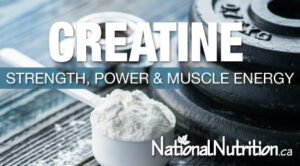
    Creatine has been popular amongst athletes and workout enthusiasts for years. It’s well-known for its ability to increase endurance and muscle mass; however, research shows that creatine has many uses and can support your health beyond the gym.

    Let’s take a further look at what creatine is and uncover the top seven ways it can be used to support your health and well-being.

    What Is Creatine?

    Creatine is synthesized in the body from three amino acids: glycine, arginine, and methionine, and it is naturally produced in your liver, kidneys, and pancreas. The creatine your body creates mostly goes to your muscles, with the rest going to your heart, brain and other tissues. While your body can produce half the amount of creatine that your body needs on its own, the other half comes from diet or supplementation. Foods that are rich in creatine include:

    • Red Meat
    • Seafood
    • Animal Milk

    The main uses for creatine are its ability to supply your muscles with a steady source of energy, which helps them contract and continue working properly, especially while exercising. This is why creatine is a popular sports nutrition supplement.

    What Are The Benefits & Uses Of Creatine?

    1. Muscle Growth & Hypertrophy

    Creatine helps build muscle mass by increasing the water content of your muscle cells. This enhances cell volume, a key trigger in muscle growth. Creatine also helps regenerate ATP (adenosine triphosphate), your body’s main source of energy during short, intense physical activity. This allows you to lift heavier, perform more reps, and maintain your energy through the entirety of your workout.

    2. Improves Strength & Power

    Many scientific studies have found that creatine supplementation can increase strength by 5-15%. This nutrient enhances strength and high-intensity performance by boosting ATP resynthesis during anaerobic activity, like weightlifting, sprinting, and HIIT. This provides you with more power during short bursts of activity.

    3. Enhanced Recovery Post-Workout

    Creatine supplements aid in muscle recovery and reduce post-workout soreness known as Delayed Onset Muscle Soreness (DOMS). This is due to its anti-inflammatory properties that help reduce muscle cell damage and inflammation post-exercise. It also supports muscle glycogen replenishment, which is needed for recovery, especially after intense resistance training or endurance sessions. 

    4. Increased Exercise Endurance

    Creatine boosts your endurance and performance because it supports sustained ATP production during prolonged training regimens. This helps reduce fatigue, allowing athletes to maintain performance longer. This is particularly useful in training regimens, marathons, and exercises that involve stop-and-go movements like soccer or CrossFit.

    5. Cognitive Function and Brain Health

    Creatine has been shown to support memory, mental clarity and cognitive performance. Like your muscles, your brain uses ATP for energy. These supplements increase phosphocreatine stores in the brain, supporting energy metabolism and cognitive tasks like memory recall, reaction time, and mental fatigue resistance, especially in sleep-derived or stressed individuals.

    6. Anti-Aging & Neuroprotection

    Unfortunately, with age, both muscle mass and cognitive function decline. Thankfully, scientific data shows creatine helps combat signs of aging by supporting age-related muscle loss and brain health.

    It helps prevent sarcopenia (age-related muscle wasting), preserves lean mass and muscle strength, and has the propensity to protect against neurodegenerative diseases due to its role in cellular energy homeostasis.

    7. Hormonal Support and Cellular Health

    Creatine supplementation has shown promise in supporting anabolic hormones and reducing oxidative stress. It’s linked to an increase in IGF-1 (Insulin-like Growth Factor 1), a hormone that plays a significant role in muscle development and cellular repair. It also acts as an antioxidant, reducing oxidative damage to cells, particularly in tissues like the liver and brain.

    How To Take Creatine Supplements

    While your body naturally produces half the amount of creatine it needs, some foods are rich in creatine, but it's often difficult for your body to obtain adequate amounts of this nutrient from diet alone. This is where supplementation may be beneficial, because they are formulated to provide a sufficient dose of creatine that’s pure, safe and bioavailable.

    Supplement Dose:

    Typical dosing ranges from 3-5 grams per day; however, if you’re using it as a sports supplement, there’s often a loading phase. Therefore, it’s best to follow the label directions on the product of your choice that best suits your needs.

    Supplement Formats:

    Creatine supplements are available in powder and capsule formats. Both formats are equally good, with capsules often being more convenient and easier to take when at the gym, while powders help increase hydration since you mix them with water or your favourite beverage.

    Regardless of the supplement you choose, always select a product that’s clean, potent, and from a trusted brand.

    Where Can I Find Quality Creatine Supplements?

    At National Nutrition, we strive to provide the most trusted brands in natural health. When you shop with us, you can be sure you’ll find a wide range of supplement varieties, receive knowledgeable and friendly customer service, and competitive pricing. We also offer same-day fulfilment on qualifying orders and free shipping on Canadian orders over $79.

    Frequently Asked Questions About Creatine

    1. What Does Creatine Do To The Body?

    Although creatine has many uses for your health, the top reason people take it is that it helps maintain energy supply, which supports muscles during intense lifting or exercise. It also increases muscle growth and speeds up muscle recovery.

    2. Are There Side Effects of Creatine?

    When taken as directed, creatine is generally well-tolerated and safe. Some research suggests people with kidney issues shouldn’t take this supplement, but for those with healthy kidney function, it’s considered safe.

    3. Is Creatine Beneficial If You Don’t Work Out?

    Yes, creatine has been linked to improving cognitive function and blood sugar management.

    4. Does Creatine Increase Testosterone?

    No, creatine supplementation does not directly increase testosterone levels.

4 Item(s)

First name is required!
Last name is required!
First name is not valid!
Last name is not valid!
Please enter a valid email address.
Email address is required!
This email is already registered!
Password is required!
Enter a valid password!
Please enter 6 or more characters!
Please enter 16 or less characters!
Please ensure your passwords match.
Terms and Conditions are required!
Incorrect FormKey!
Incorrect Email or Password!
reCAPTCHA is mandatory. Click check box beside I am not a robot
Invalid login/register data, Kindly contact customer service agent.