

A-Z vein health Articles

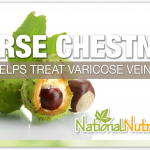
  • Horse Chestnut: A Natural Remedy For Varicose Veins

    The tree (Aesculus hippocastanum) is commonly known as “horse chestnut” because of its large seeds that resemble chestnuts (although they are not related species). Extracts from the seeds have been used to treat chronic venous insufficiency.

    Understanding Chronic Venous Insufficiency

    This condition is caused by a blockage or valve failure in one or more of the major veins, most commonly in the legs. Since the blood cannot properly return to the heart, it pools in the veins, especially when movement is restricted, as in periods of prolonged standing. Thus, the veins in the legs are constantly filled with blood and can begin to bulge, resulting in a condition known as varicose veins. It can also cause swelling and purple discolouration of the legs, thickened skin on the feet and ankles, and even ulcers of the skin when the stasis is prolonged. This type of venous stasis also causes other venous conditions like hemorrhoids.

    Other Health Benefits of Horse Chestnut

    In addition to being effective in the treatment of chronic venous insufficiency, this herb has also long been used in the treatment of:

    • Diarrhea
    • Fever
    • Cough
    • Enlarged prostate
    • Eczema
    • Menstrual pain

    It is also used in Bach flower remedies, and when the bud is used, it is called “chestnut bud”, whereas when the flowers are used it is called “white chestnut”.

    Finding Safe Horse Chestnut Supplements

    Young, fresh nuts contain some alkaloid saponins and glucosides, which can be poisonous when eaten. Be sure to only supplement with processed extracts from trusted sources. 

    Extracts are standardized to the percentage of the active ingredient called aescin that they contain. Optimal aescin content is considered to be 17% or greater for supplementation at the recommended dose of 300mg two times daily. These extracts are generally found in capsule form either alone or in combination with other vitamins and herbs for vein health.

    Potential Side Effects

    When taken by mouth: Standardized horse chestnut seed extract products are likely safe for most people when used short term. Only use products which have had esculin, a toxic substance, removed. Horse chestnut products can sometimes cause side effects such as dizziness, headache, stomach upset, and itching.

    Raw horse chestnut seed, bark, flower, and leaf contain esculin and are unsafe to use. Signs of esculin poisoning include stomach upset, muscle twitching, weakness, vomiting, diarrhea, depression, and paralysis. Seek immediate medical attention if you've accidentally consumed raw horse chestnut. 

    When applied to the skin: There isn't enough reliable information to know if horse chestnut is safe. Some people are allergic to horse chestnut

  • Rutin

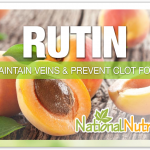
    Rutin is one of the main bioflavonoids used commonly in supplements. It has been found to help reduce inflammation and to protect the cardiovascular system. Rutin is actually made up of quercetin bound to a double sugar molecule called rutinose.

    Healthcare practitioners will often recommend rutin supplementation for the support of healthy veins and in combination with vitamin C.

    Benefits of Rutin & Bioflavonoids

    Bioflavonoids are essential for the proper absorption of vitamin C. The body cannot produce them directly, so they must be ingested through the diet. These molecules are generally very useful in the protection of the circulatory system by helping to strengthen the vein and artery walls. Bioflavonoids have also been long used to reduce excessive immune responses by inhibiting pro-inflammatory signaling molecules in the body. This helps them be of benefit in the treatment of autoimmune disorders and allergies. All bioflavonoids are also excellent antioxidants that help to neutralize free radicals and protect the body against toxins that promote aging and damage to the cardiovascular system.

    Cardiovascular Health

    Rutin has both anti-inflammatory and anticoagulant properties. This means that it improves circulation and prevents platelet aggregation, which can help to prevent atherosclerosis and clot formation. It also strengthens the capillaries, and reduces the toxicity of oxidized LDL (“bad”) cholesterol. Like other bioflavonoids, this is a potent antioxidant, combating free radical damage from a variety of sources. All of this combines to allow rutin to help lower the risk of heart disease.

    Skin and Vein Health

    Rutin also helps to maintain the health of the venous system, making it useful in the treatment of varicose veins and hemorrhoids. This bioflavonoid also helps the body to utilize vitamin C and to maintain collagen, both of which are important for healthy skin and tissue formation.

    How Can I Get More Rutin?

    Rutin is found in a variety of foods including: apricots, buckwheat, cherries, prunes, asparagus, rosehips and the white rinds of citrus fruits. Supplemental rutin is found in powdered form alone and in combination with vitamin C and in formulas targeting vein health. The optimal dosage ranges anywhere from 200-600 mg/day.

2 Item(s)

First name is required!
Last name is required!
First name is not valid!
Last name is not valid!
Please enter a valid email address.
Email address is required!
This email is already registered!
Password is required!
Enter a valid password!
Please enter 6 or more characters!
Please enter 16 or less characters!
Please ensure your passwords match.
Terms and Conditions are required!
Incorrect FormKey!
Incorrect Email or Password!
reCAPTCHA is mandatory. Click check box beside I am not a robot
Invalid login/register data, Kindly contact customer service agent.







