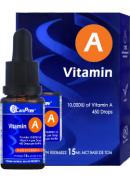
- 10,000IU (3,022mcg RAE)
- Vitamin A (all-trans retinyl palmitate)
Medium chain triglycerides (from coconut), d-alpha tocopherol.
Do not use if seal is broken. Keep out of reach of children.
 Liquid
15ml
Adults - Take 1 drop per day or as directed by a healthcare practitioner.
- The ideal form necessary for improving vision, immune, skin and digestive conditions
- Delivered in a base of medium chain triglycerides for optimal absorption and assimilation
- Readily available ‘active’ all-trans-retinyl-palmitate form
- No conversion in the body needed like other carotenoid forms
- Free from dairy, gluten, soy and GMOs. Vegan

Feeling Better Together - Found at National Nutrition
Support performance, recovery, and overall wellness with CanPrev’s premium amino acid formulas. L-Arginine promotes healthy blood flow and cardiovascular support, while L-Glutamine aids muscle recovery and gut health. L-Glycine supports collagen production and repair, and L-Lysine helps maintain skin, bone, and immune health. L-Taurine enhances endurance and hydration, while L-Tyrosine supports focus, mood, and thyroid function. Completing the range, MuscleRescue Precision Amino Acid Blend delivers a balanced spectrum of essential amino acids to optimize muscle growth, recovery, and performance, making CanPrev a top choice for high-quality amino acid supplementation. Read more >- Reviews
- POST A NEW REVIEW
Reviews By Rating
helpful votes
2
2 customers found this product review helpful
VITAMIN A: BENEFITS, USES, DOSAGE
Vitamin A protects the eye, prevents night blindness, and improves the skin…
Vitamin A is a nutrient in the body that can be found in two many forms. When it is being stored for later use, vitamin A is found in a form called retinol. The active form of vitamin A is called retinal, and is used in the retina (the back of our eye) for both low light, and colour vision. These two forms are easily converted back and forth between them as the body requires. Oxidized vitamin A is called retinoic acid, and cannot be converted back to the other forms in the body. Interestingly, although humans cannot synthesize vitamin A directly, the liver can convert certain types of carotenoids, such as beta-carotene, into retinol as required.
Vitamin A And Vision
In the retina of the eye, retinal binds to two different protein types called rods (rhodopsin), and cones (iodopsin). These proteins line the back of the eye in vast numbers, like the pixels of your computer screen. When these pigment molecules are exposed to light, enzymatic reactions occur that trigger the optic nerve to send a signal to the visual centre of the brain. The brain then processes the pattern of these reactions to produce the image we see in our minds. Interestingly, iodopsin is required to see colour, and rhodopsin is needed to see black and white, and for night vision. Vitamin A deficiency often initially presents with poor night vision or night blindness as one of the first symptoms. As deficiency progresses, colour vision may suffer as well.
Retinoic Acid And Skin
Another form of vitamin A in the body is called retinoic acid, which is created by irreversible oxidation. This form of vitamin A plays a role in gene transcription, either signaling or inhibiting gene expression. Retinoic acid also plays a role in skin health, and can be synthesized in the body from retinyl palmitate. Thus, retinyl palmitate is often found in commercial acne treatments and skin creams. Tretinoin, a similar chemical, can be applied topically to reduce fine lines in the skin and fade age spots. In fact, one form of retinoic acid is used in high doses orally, and is a prescription medication for acne treatment you probably know as "Accutane" (isotretinoin).
Immune Effects
Vitamin A is also required for red blood cell production and overall immune function. It serves to enhance the immune response in epithelial tissues, like skin and mucous membranes, making them more resistant to infection. Some current research has been exploring the use of extremely high doses of vitamin A for treatment of cancer and HIV, but severe toxic side effects have prevented further human trials.
Deficiency
In most of the world, deficiency in vitamin A is uncommon, but it is extremely common in developing countries, particularly Southeast Asia and Africa. When these deficiencies occur, they primarily affect the eye, causing dryness, night blindness or total blindness. Vitamin A deficiency can also result in growth retardation, and has been found to be associated with a variety of female reproductive system concerns. It is believed that this is due to its function in the development of mucous membranes. Individuals with amenorrhea, menorrhagia, cervical dysplasia, fibrocystic breasts, interstitial cystitis, and vaginitis will all benefit from either oral supplementation or topical applications of vitamin A.
Vitamin A Toxicity
Vitamin A is a fat-soluble vitamin, so excesses are not easily excreted from the body (unlike most water-soluble vitamins), and large amounts can cause toxicity. Toxic signs and symptoms include: nausea, vomiting, jaundice, elevated liver enzymes, lack of appetite, blurry vision, headaches, hair loss, drowsiness, and altered mental state. A water-soluble form of vitamin A was synthesized in a lab, but was found to be significantly more toxic than its natural counterpart.
Carotenes and Vitamin A
Vitamin A is absorbed through the digestion of animal products. The liver can also synthesize vitamin A from some carotenes that are found in vegetables. The only carotenes that can undergo this conversion in humans are: alpha-carotene, beta-carotene, gamma-carotene (xanthophyll) and beta-cryptoxanthin. This conversion is also dependent on an enzyme that may have reduced function in some individuals, resulting in an increased need for direct ingestion of vitamin A.
How Can I Get Vitamin A?
Food sources of vitamin A include: liver (beef liver, cod liver oil), carrot, sweet potato, spinach, kale, pumpkin, butter, cheddar cheese, egg, and milk. Recommended dosing of Vitamin A in supplement form varies, but is from 2000-3000IU/day (600-900 μg/day). During lactation and pregnancy, the RDA's are slightly increased, but caution should be used as vitamin A can cause birth defects when taken in high doses.
Important Information
Osteoporosis is more likely to develop in individuals ingesting higher than recommended amounts of Vitamin A (5000IU/day or more). Vitamin A in high amounts is particularly hard on a developing fetus and can cause birth defects, particularly during the first trimester. Pregnant women should be careful to take the appropriate dosage. It may be preferable to supplement beta-carotene instead of directly supplementing vitamin A during these times to allow the body to only synthesize as much vitamin A as it requires.
Back to Top ↑