

- 6X
- Allium cepa
- 8X
- Arsenicum album
- 6X
- Nux vomica
- 6X
- Euphrasia officinalis
- 6X
- Sabadilla
- 6X
- Sticta pulmonaria
- 6X
- Aralia racemosa
- 8X
- Cuprum metallicum
Lactose, magnesium stearate.
Do not use if seal is broken. Keep out of reach of children. Consult a healthcare practitioner before use if you are pregnant or nursing. If symptoms persist or worsen after 72 hours, discontinue use and consult a healthcare practitioner. Do not exceed recommended dosage. Keep at room temperature
 Chewable
60 Tabs
Children (6 to 11 years): 1 tablet Adults (12 years and over): 2 tablets Chew and let dissolve tablets in mouth 3 times a day and reduce intake as symptoms improve or as directed by a healthcare practitioner. Acute condition: Take tablets every 15-60 minutes until symptoms improve (maximum 12 times per day). Then return to general directions. To be taken away from meals."
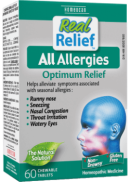
- May help relieve symptoms associated with seasonal allergies
- Homeopathic medicine
- Non-Drowsy
- Gluten Free

Why Choose Homeocan Therapeutics?
Homeocan Therapeutics is a well-known Canadian brand specializing in homeopathic remedies. Their wide range of popular products includes homeopathic pellets to support allergies, sleep, immune health and stress and topical products like traumacare and arnica gel. Homeocan is trusted in providing safe and effective alternatives to conventional medicine. Read more >- Reviews
- POST A NEW REVIEW
ENVIRONMENTAL ALLERGIES
By: Articles by a Naturopathic Doctor and a Holistic Nutritionist
Allergies aren't so much a disease in themselves, but a symptom of a weakened immune system or other health problem. Treat the underlying cause, not just the symptom for long term relief...
Allergens can be any substance but the most common ones are dust, pollen, animal hair, animal dander, insect bites, grasses, molds and fungus, cleaning products and metal in costume jewelry. Heredity does appear to play a role in allergies.
If both parents have allergies then the child will have a 70 percent chance of developing allergies. Persons who are not breastfed are also more likely to develop allergies.
Allergens can be any substance but the most common ones are dust, pollen, animal hair, animal dander, insect bites, grasses, molds and fungus, cleaning products and metal in costume jewelry. Heredity does appear to play a role in allergies. If both parents have allergies then the child will have a 70 percent chance of developing allergies. Persons who are not breastfed are also more likely to develop allergies.
Allergic reactions occur when our immune system comes into contact with substances and interprets them as threatening. At times of physical and emotional stress, the immune system might show a heightened response to allergens and have a more difficult time dealing with fungal and parasitic infections. The body releases histamine which creates inflammation of the mucous membranes and can cause reactions of varying severity. Some of the more common, less severe symptoms are itching, increased mucous production, redness and swelling. Serious reactions may cause asthma attacks, severe hives and rashes and anaphylactic reactions.
Conventional treatment of environmental allergies is targeted at decreasing symptoms. Antihistamines are the most common treatment for moderate allergies. They inhibit the ability of mast cells to release histamine. Steroid nasal sprays also decrease nasal allergy symptoms. Long-term effects of using these sprays may include glaucoma and decreased bone density. Anaphylactic reactions cause the swelling of the air passages. They are treated with injections of nor epinephrine. This hormone causes a sympathetic nervous system response resulting in an opening of the airways.
There are many ways of decreasing allergic reactions. Take only hypoallergenic supplements. Keep rooms free of dust and use an air purification system. Avoid feather and down bedding. Keep windows closed during times when the allergen is present in the air. Pollen is at highest concentrations between 5 and 10 AM and lowest after it rains. Use mold proof paint and disinfectant in the house. Exercise indoors. Do not smoke and eliminate exposure to second hand smoke. Keep plants that remove pollutants from air. These types include bamboo palm, Boston fern, dracaena, English ivy, ficus ali, peace lily, rubber plant and spider plant. Wear protective clothing when handling allergenic substances and wash after using them. Use calendula cream to heal skin reactions. Avoid cantaloupe if you have a ragweed allergy. Cantaloupe contains similar proteins to ragweed. Decrease stress, eat healthy and be well rested. Perform regular cleansing of the liver, kidney and intestinal tract to reduce the build up of allergens in the system.
Back to Top ↑
-
Sale: $3.99
Reg.: $4.24 (Save $0.25)
-

Sensitive Skin Oil - FREE Moisturizer (Gel) - 56g - Derma E
Sale: $34.99
Reg.: $46.99 (Save $12.00)












