

- 20mg
- Arnica montana (flower) extract equivalent to dry flower
Glyceryl caprylate, p-Anisic acid, Gluconolactone and ethanol.
Do not use if security seal is broken. For external use on unbroken skin only. Keep out of reach of children. Contains ethanol. Store below 30C.
 Cream
Cream
100g
Massage a moderate amount into the affected area 3 times daily. If symptoms persist, talk to your health professional
- Aid bruising, sprains & minor sporting injuries
- High herb potency in a naturally derived, paraben free base
- Absorbs Quickly And Is Not Greasy
- Helpful For Pain From Arthritis

- Reviews
- POST A NEW REVIEW
Reviews By Rating
helpful votes
1
1 customers found this product review helpful
ARNICA MONTANA
By: Articles by a Naturopathic Doctor (N.D.)
Sprains, bruises and sore muscles don’t stand a chance against mighty Arnica...
Arnica’s hairy stem and bright yellow flower which blooms about mid-summer can grow to be about 2 feet tall. It is native to the mountains of Europe, Central Asia and Siberia, and it’s cultivated in North America. It’s preference for Mountainous areas gave it the common name of mountain tobacco or mountain daisy.
Arnica has been used for centuries for the treatment of muscle ache, to reduce inflammation, heal bruising, sprains and wounds. Currently it is also used in the treatment of both osteoarthritis and rheumatoid arthritis to reduce pain and inflammation. It is typically used superficially on the affected area as a cream, ointment, gel or salve. Arnica should never be used on broken skin and after prolonged use may cause toxic skin reactions, such as peeling, eczema or blistering.
Arnica is also very commonly used internally as an acute homeopathic treatment for any kind of aches, pains, physical trauma, or pre and post surgery. Arnica is also widely used in Germany for heart conditions, although usually in a gentle form such as tea, as arnica can cause severe side effects of vomiting, increasing heart rate and nervous disorders when taken internally. As a homeopathic treatment, because it is so diluted, there are no toxic side effects.
Studies have shown that it is actually an active ingredient in the herb called henelin that is responsible for its anti-inflammatory, analgesic and anti-septic properties. It appears to work by stimulating white blood cells within muscle or joint tissue to remove stagnant or congested blood. It has also been shown to dilate sub-coetaneous blood vessels, again making movement easier.
Arnica Montana – Quick Facts
Parts Used
· Flowers (Dried), Root.
Applications
· Muscle Aches And Pains, Bruises, Sprains, Inflammation, Osteoarthritis, Rheumatoid Arthritis, Fracture And Other Physical Trauma
Optimum Dosage
· No Determined Amount Is Considered Unsafe When Applying Arnica Topically. As A Homeopathic Treatment It Is Commonly Prescribed At A Dose Of 30 Ch.
Works Well With
· It Is Often Found In Combination Remedies Alongside Calendula, Witch Hazel And Others
Important Information
· Arnica Can Have Toxic Effects When Taken Internally Or Used Externally For Prolonged Periods. Do Not Apply Arnica Topically Over Broken Skin.
Back to Top ↑

-

Clean Gainer (Campfire S'mores) - 10Lbs
Sale: $114.99
Reg.: $119.99 (Save $5.00)
-
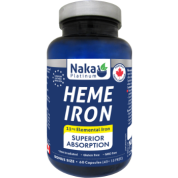
Heme Iron (Bovine Source) - 45 + 15 Caps BONUS
Sale: $25.99
Reg.: $28.99 (Save $3.00)












