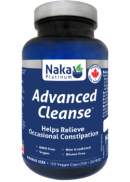
- 300 mg
- Triphala fruit extract (4:1, QCE 1200mg)
- 100 mg
- Myrobalan (Terminalia bellirica, Fruit) (4:1, QCE 400mg)
- 100 mg
- Haritaki (Terminalia chebula, Fruit) (4:1, QCE 400mg)
- 100 mg
- Amla (Phyllanthus emblica, Fruit) (4:1, QCE 400mg)
- 120 mg
- Magnesium (Magnesium oxide)
- 75mg
- Aloe (Aloe vera, Leaf latex)
- 25 mg
- Marshmallow (Althaea officinalis, Root)
- 25 mg
- Dandelion (Taraxacum officinale, Root)
Magnesium stearate (vegetable source), Hypromellose (capsule ingredient).
Sealed for your protection. Keep out of the reach of children. Do not use if safety seal is broken or missing. For freshness store in a cool, dry place. Please see below for more information.
 Veggie Caps
125 V-caps
Adults: 2 capsules 1 time per day. Take a single dose at bedtime, a few hours before or after taking other medications or health products, two to three times per week. Frequency of use may be increased up to once daily if results are not observed. Allow at least 6 to 12 hours for laxative effect to occur.
- Helps Relieve Occasional Constipation
- Helps to maintain normal electrolyte balance
- Helps to maintain proper muscle function, including the heart muscle
- Digestive tonic to promote digestive fire, increase appetite and aid in digestion (stomachic)
- No added gluten, nuts, eggs, animal products, dairy products, fish or shellfish, soy, corn, starch, wheat or yeast

Premium Quality & Canadian Made - 12 New Added
Founded in 1991, Naka’s success has been built upon introducing innovative supplements in liquid or easy-to-swallow capsule forms designed to meet the better health needs of consumers worldwide. Their most popular supplements include: Naka Pro Collagen, Naka Vital Greens, Naka Magnesium Bisglycinate, Naka Nutri Flex, Naka Vital Greens and Naka Probiotics.You can find Naka herbs and buy Naka supplements at NationalNutrition.ca Read more >- Reviews
- POST A NEW REVIEW
NAKA PLATINUM'S ADVANCED CLEANSE:
Cautions and Warnings:
- Consult a health care practitioner if symptoms persist or worsen.
- Consult a health care practitioner prior to use if you have faecal impaction or symptoms such as abdominal pain, nausea, fever or vomiting.
- Consult a health care practitioner prior to use if you have a kidney disorder, or are taking cardiac medications (e.g. cardiac glycosides or antiarrhythmic medications)
- Consult a health care practitioner prior to use if you are taking thiazide diuretics, corticosteroids, licorice root, or other medications or health products that may aggravate electrolyte imbalance
- Reduce dose or stop use if you experience abdominal pain, cramps, spasms and/or diarrhoea.
- Consult a health care practitioner prior to use if you have liver or gall bladder diseases, and/or intestinal obstruction.
- Consult a health care practitioner prior to use if you have diabetes.
Contraindications:
- Do not use this product if you have abnormal constric- tions of the gastrointestinal tract, potential or existing intestinal blockage, atonic bowel, appendicitis, inflammatory colon disease (e.g. Crohn’s disease or ulcerative colitis), abdominal pain of unknown origin, undiagnosed rectal bleeding, severe dehydration with depleted water or electrolytes, hemorrhoids or diarrhoea.
- Do not use this product if you are pregnant or breast feeding.
Known Adverse Reactions:
Stop use if hypersensitivity/allergy occurs.
Constipation
By: Articles by a Naturopathic Doctor (N.D.)
Frustrating and often overlooked as a serious medical condition, constipation can cause problems if left unrelieved. While many factors contribute to constipation, many of these are within our control...
Constipation is not a disease in itself but it is a symptom of another problem. It is defined as difficulty in passing stool or the infrequent passage of stool. The resulting stool may cause pain and bleeding as it passes, because it is so hard and dry. Constipation is very unhealthy because it impedes the ability of your body to release toxins. Most cases of constipation can be improved with lifestyle and diet changes. If those changes do not seem to help then a further investigation should be performed to rule out more serious pathology.
Natural and conventional treatment of constipation involves the use of laxatives. Just because a laxative is natural does not mean that you cannot become dependent on it.
Bulk forming agents increase the bulk and water content of stool. They are the only laxatives that are safe to use every day. Psyllium, bran, flaxseeds, apple pectin and chicory root are examples of natural bulk formers.
Stool softeners soften fecal matter so that it passes more easily. Pharmaceutical stool softeners, like mineral oil and docusate sodium, should not be taken daily because they can decrease vitamin absorption, alter drug concentrations and cause liver damage. Natural stool softeners are cold pressed oils. They also provide essential fatty acids for the health of the intestinal cells.
Osmotic agents pull more water into the intestine to stimulate bowel movements. They can cause dependency with repeated use. Examples are Magnesium, milk of magnesia, Epsom salts and sorbitol. Stimulant laxatives irritate the intestine to cause a bowel movement. They can cause damage and dependency with repeated usage. Natural and pharmaceutical examples are bisacodyl, senna, cascara sagrada and castor oil.
Lifestyle changes to help with constipation include regular exercise and stress reduction. Never suppress the urge to defecate. Do not strain to pass stool because it can contribute to hemorrhoid formation.
Minimize straining by ensuring that your thighs are parallel to the floor when sitting on the toilet. Use a footstool if necessary.
Tackling the emotional aspects of constipation should also be undertaken. It can sometimes reflect the inability to “let go” of certain things that have happened in a person’s life. Sometimes this emotional connection can even go back to trauma in childhood. Abdominal massage and hydrotherapy can be helpful to regulate bowel movements.
Some ways you can ease the symptoms of and prevent and treat constipation are: take a close look at your diet and try to identify irritating substances, drink 8-10 8oz glasses of water per day, try a cleanse specifically made for the colon which can clean the colon of any build-up and improve its functioning, get enough fibre by eating a high-fibre and low-fat diet, stimulate the digestive tract in the morning with a glass of warm water and lemon and be sure to consume vegetables, figs, prunes, whole grains and fresh fruits with skins. Some foods to avoid include, spicy food, salt, coffee, processed food, dairy, fats and alcohol.
Back to Top ↑