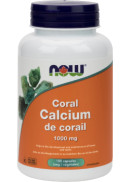
1 vcap contains:
- 350mg
- Calcium (from Fossilized Coral Calcium)
- 1000mg
- Fossilized Coral Calcium
Other Ingredients:
Cellulose, Cellulose (capsule), Silica and Magnesium Stearate (vegetable source)
Cellulose, Cellulose (capsule), Silica and Magnesium Stearate (vegetable source)
Important Information:
Contains no sugar, salt, yeast, wheat, gluten, corn, soy, milk, egg, preservatives.
Format
 Veggie Caps
100 V-caps
Dosage
As a dietary supplement, take 1 Vcaps 2 to 3 times daily, preferably before meals with water.
Product Information:
- Naturally rich in trace minerals
- Derived form above ground coral reefs in Okinawa, Japan
- Highly absorbable
- Increases alkalinity of the blood
- Carefully tested for optimal purity

Since 1968 NOW has been a leader in the natural products industry. NOW Foods is an award-winning and highly respected manufacturer of vitamins, minerals, dietary supplements and natural foods. Now Foods brings you over 1600 Natural Foods, Supplements, Sports Nutrition and Personal Care Products. NOW supplements are high quality products at affordable prices. Read more >
What People Are Saying:
- Reviews
- POST A NEW REVIEW
Reviews for:
Coral Calcium 1,000mg - 100 V-Caps
(1 review)
Reviews By Rating
helpful votes
0
0 customers found this product review helpful
More Info
Mined solely from the most select above ground resources in Japan, NOW Coral Calcium is an outstanding and cost effective alternative to more expensive mass-market brands. This exceptional complex of fossilized coral calcium is naturally enriched with an abundance of trace minerals that allow for effortless absorption and optimal utilization. Extreme care is used when processing this nutrient rich macro-mineral to assure ideal calcium content, low heavy metal ratios, and zero irradiation/radioactivity.
What are Coral Minerals?
A small sea animal creates coral by ingesting ionic ocean minerals and secreting them into a coral formation, eventually producing a coral reef. This natural balance of 74 organic coral minerals are harvested from above sea coral deposits and crushed into an ultra-fine powder. The natural balance of all 74 minerals is important because each mineral requires other minerals to perform their numerous functions.
What makes coral minerals so absorbable is their natural ability to become ionic upon contact with moisture. This natural ability to ionize, combined with the full spectrum of trace minerals present,makes coral a desirable form of calcium.
How do Coral Minerals work?
Minerals are the basic foundation for health. From our bones to the multitude of enzymatic activities within and outside our cells, minerals are the keys that open the door to optimum health. This is accomplished by supplying the body with the necessary minerals that have crucial roles to play in good health. The calcium and other naturally occurring minerals in coral support the delicate pH balance of body fluids and tissues. Calcium is the most abundant mineral in the body, making up 1.5-2% of its total weight. Coral Calcium contains mostly calcium carbonate, though the presence of other trace minerals is important to the action of this mineral supplement.
Coral Calcium is often used to increase the alkalinity of the blood and fluids when it gets too low. Low blood pH, often called chronic acidosis, is implicated in bone thinning and other nutritionally-related disfunctions.
Many people in our society are mineral deficient because the soils have become depleted through unsustainable farming practices. When the minerals are supplied in an absorbable form, health can improve. Coral contains trace amounts of every mineral needed by the body and is known for their synergism. Orthopedic surgeons use pieces of coral for bone grafts because the bone and tendons readily accept the coral.
Where does NOW's coral come from?
All coral supplied to NOW is harvested from an above sea area in Okinawa, Japan. Thousands of years ago, this coral was a thriving coral reef. Geologically, this coral was pushed up above sea level, free from the ocean pollution of the industrial era.
Only the pristine white coral heads are harvested. This harvesting process involves removal of the protective layer of soil that accumulated over the years and collecting the ancient coral. After the coral is collected, it is ground into fine powder The ground coral is purified in a vacuum ozone chamber and then shipped to us. This protects the living coral reefs and ocean environment from the effects of vacuuming the shallow ocean floor, which is another method of harvesting coral calcium
The Importance of Calcium
Calcium is an important mineral for the optimal functioning of many body systems. Calcium is a major mineral found in the bones and teeth. Deficiency of calcium causes bone and joint diseases such as osteomalacia, osteoporosis and osteo-arthritis. It also leads to poor growth and poor bone density in children. Calcium also protects the body from heavy metal toxicity because if calcium is deficient lead is absorbed by the body and deposited in the teeth and bones.
The muscles use calcium during contractions and by the nerves for proper transmission of impulses. If a deficiency of calcium affects the most important muscle, the heart, it can lead to arrhythmias. Calcium also helps with insomnia and muscle cramps by relaxing the muscles. Calcium lowers cholesterol, by inhibiting plaque formation, and lowers blood pressure, by ensuring the proper functioning of the arterial muscles. Calcium is pulled out of the bones when the body becomes too acidic. This can occur due to the use of some medications, poor diet or when the body is in a state of inflammation, like rheumatoid arthritis or lupus. Calcium is involved at the level of the cell with the structure of the RNA and DNA molecules and the activation of enzymes for the use of fats. Calcium is commonly recommended by natural health care practitioners for osteoporosis, osteoarthritis, cardiovascular disease, PMS, pregnancy, optimal cell growth, nervous disorders, and insomnia.
Synergistic Nutrients
Synergistic Nutrientscan make a substantial difference in the uptake of calcium by the bones. For a variety of different reasons calcium can be difficult to absorb - one of them being that as a mineral, calcium has a negative charge that can repel it from the cells of the body. It's very important, then, for people concerned about bone health that nutrients be taken along with calcium. Some of them include: magnesium (in a 2:1 ratio), zinc, silica, manganese, copper, boron, and potassium. While there are others, these are the ones that can make the biggest difference for bioavailability. Some of these, like magnesium and zinc, can increase absorption in the gut, while others, like the boron and silica increase the actual uptake of calcium by the bones and its subsequent integration as new bone mass.
What are Coral Minerals?
A small sea animal creates coral by ingesting ionic ocean minerals and secreting them into a coral formation, eventually producing a coral reef. This natural balance of 74 organic coral minerals are harvested from above sea coral deposits and crushed into an ultra-fine powder. The natural balance of all 74 minerals is important because each mineral requires other minerals to perform their numerous functions.
What makes coral minerals so absorbable is their natural ability to become ionic upon contact with moisture. This natural ability to ionize, combined with the full spectrum of trace minerals present,makes coral a desirable form of calcium.
How do Coral Minerals work?
Minerals are the basic foundation for health. From our bones to the multitude of enzymatic activities within and outside our cells, minerals are the keys that open the door to optimum health. This is accomplished by supplying the body with the necessary minerals that have crucial roles to play in good health. The calcium and other naturally occurring minerals in coral support the delicate pH balance of body fluids and tissues. Calcium is the most abundant mineral in the body, making up 1.5-2% of its total weight. Coral Calcium contains mostly calcium carbonate, though the presence of other trace minerals is important to the action of this mineral supplement.
Coral Calcium is often used to increase the alkalinity of the blood and fluids when it gets too low. Low blood pH, often called chronic acidosis, is implicated in bone thinning and other nutritionally-related disfunctions.
Many people in our society are mineral deficient because the soils have become depleted through unsustainable farming practices. When the minerals are supplied in an absorbable form, health can improve. Coral contains trace amounts of every mineral needed by the body and is known for their synergism. Orthopedic surgeons use pieces of coral for bone grafts because the bone and tendons readily accept the coral.
Where does NOW's coral come from?
All coral supplied to NOW is harvested from an above sea area in Okinawa, Japan. Thousands of years ago, this coral was a thriving coral reef. Geologically, this coral was pushed up above sea level, free from the ocean pollution of the industrial era.
Only the pristine white coral heads are harvested. This harvesting process involves removal of the protective layer of soil that accumulated over the years and collecting the ancient coral. After the coral is collected, it is ground into fine powder The ground coral is purified in a vacuum ozone chamber and then shipped to us. This protects the living coral reefs and ocean environment from the effects of vacuuming the shallow ocean floor, which is another method of harvesting coral calcium
The Importance of Calcium
Calcium is an important mineral for the optimal functioning of many body systems. Calcium is a major mineral found in the bones and teeth. Deficiency of calcium causes bone and joint diseases such as osteomalacia, osteoporosis and osteo-arthritis. It also leads to poor growth and poor bone density in children. Calcium also protects the body from heavy metal toxicity because if calcium is deficient lead is absorbed by the body and deposited in the teeth and bones.
The muscles use calcium during contractions and by the nerves for proper transmission of impulses. If a deficiency of calcium affects the most important muscle, the heart, it can lead to arrhythmias. Calcium also helps with insomnia and muscle cramps by relaxing the muscles. Calcium lowers cholesterol, by inhibiting plaque formation, and lowers blood pressure, by ensuring the proper functioning of the arterial muscles. Calcium is pulled out of the bones when the body becomes too acidic. This can occur due to the use of some medications, poor diet or when the body is in a state of inflammation, like rheumatoid arthritis or lupus. Calcium is involved at the level of the cell with the structure of the RNA and DNA molecules and the activation of enzymes for the use of fats. Calcium is commonly recommended by natural health care practitioners for osteoporosis, osteoarthritis, cardiovascular disease, PMS, pregnancy, optimal cell growth, nervous disorders, and insomnia.
Synergistic Nutrients
Synergistic Nutrientscan make a substantial difference in the uptake of calcium by the bones. For a variety of different reasons calcium can be difficult to absorb - one of them being that as a mineral, calcium has a negative charge that can repel it from the cells of the body. It's very important, then, for people concerned about bone health that nutrients be taken along with calcium. Some of them include: magnesium (in a 2:1 ratio), zinc, silica, manganese, copper, boron, and potassium. While there are others, these are the ones that can make the biggest difference for bioavailability. Some of these, like magnesium and zinc, can increase absorption in the gut, while others, like the boron and silica increase the actual uptake of calcium by the bones and its subsequent integration as new bone mass.
Back to Top ↑