

Avoid contact with eyes. For external use only. If skin irritation occurs, discontinue use. Consult physician if taking medications (especially diuretics), or have a medical condition (especially a kidney, heart, or respiratory condition).
Flakes
1531g
Foot Bath: Dissolve 1 cup in approximately 1 gallon of warm water. Soak 20-30 minutes. Full Bath: Dissolve 4 cups in bathtub filled with warm water. Soak 20-30 minutes. Rinse and pat dry.
- 100% Pure
- From the Ancient Zechstein Seabed
- Highly Concentrated
- Ideal for skin in need of softening and hydration
- Made without gluten, paraben free, vegan

- Reviews
- POST A NEW REVIEW
MAGNESIUM: HOW CAN IT HELP YOUR HEALTH?
You’ve probably heard that magnesium is critical for strong & healthy bones, but did you know that it plays a role in every cell inside your body? Indeed, this mineral is essential to all living beings and is involved in over 300 biochemical reactions inside the body through its role as an enzymatic co-factor.
Without magnesium, nerve and muscle impulse transmission becomes compromised, which directly impacts our nervous system. It is known as the “relaxation mineral” and is central to the stress response, so, when in adequate amounts, enables the body to better handle various stressors. Supplementing with magnesium will help calm the nervous system, as well as balance mood, PMS and resolve sleep problems & insomnia.
It is also a powerful antispasmodic so is invaluable to relax muscles, alleviate spasms, tics, twitches, and even relieve menstrual and gastrointestinal cramps. In addition, magnesium is essential to the cardiovascular system and deficiency can cause abnormal heart rhythms, coronary spasms, and buildup of arterial plaque. It also works in tandem with calcium to support healthy blood pressure.
Unfortunately, deficiency in this mineral is one of the top four most prevalent, along with vitamins A and D, and omega-3 fatty acids. This is worrying when you consider how critical magnesium is to health. Even if you adhere to a clean and varied diet, thanks to soil depletion, most foods today contain far less magnesium than they once did. Add to this the fact that stress depletes this mineral, and that certain people have more difficulty absorbing magnesium, and it becomes clear that most, if not all people, could benefit from a supplement.
Benefits Of Magnesium
- Maintains Healthy Heart Rhythm
- Relaxes Muscles & Prevents Spasms and Cramping
- Relieves Stress & Anxiety & Balances Mood
Who Need Magnesium?
These supplements are often recommended as a sleep aid, as well as for mood support. It is also frequently recommended by practitioners to support healthy nerve transmission and to calm leg cramps, or restless leg syndrome. In addition, more and more, magnesium supplements are being used to help soothe chronic pain conditions. Let's not forget that it is essential to building and maintaining strong bones, and supplementation has even shown to significantly slow the development of osteoporosis.
Magnesium Potency, Forms & Formats
Potency
Magnesium supplements come in different potencies – typically between 250 and 400 mg and the recommended daily dose is 310 to 420 mg daily.
Forms
These supplements come in a variety of compounds. The forms that offer the best absorbability and bioavailability according to research include; Magnesium Chelate, Glycinate, and Citrate (though it's important to know the citrate has laxative properties and can be useful for those who suffer from constipation). Magnesium Threonate — is a newer form that seems ideally suited to heart health.
Formats
This supplement is available in capsules, tablets, liquids, chewables, gummies, and powders. There’s something for everyone!
Choosing The Right Supplement
Magnesium pairs well with B6 which helps escort magnesium into the cells where it's needed, as well as with its natural partner calcium, to support optimal bone and joint formation, maintenance, and renewal. Gaba is another great partner since magnesium binds to Gaba receptors in the brain to exert a calming effect on the nervous system.
Diabetics, the elderly, those with existing GI conditions, and alcoholics are particularly at risk of magnesium deficiency. In such instances, speak to your health care provider to discuss the appropriate dose and complete supplement protocol.
Back to Top ↑

-
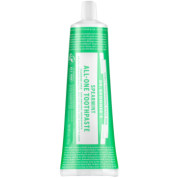
All-One Toothpaste (Spearmint) - 140g
Our Price: $7.99 -
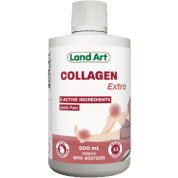
Sale: $40.49
Reg.: $47.49 (Save $7.00)
-

Wheat Grass 500mg - 90 Tabs - Flora
Sale: $15.99
Reg.: $19.99 (Save $4.00)












