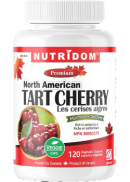
- 500 mg
- Montmorency Tart Cherry (prunus cerasus)
Microcrystalline cellulose, Hypomellose (capsule shell)
 Veggie Caps
120 V-caps
Adults: 1-2 Capsule(s) 1-2 times per day.
- Canadian Made
- Lab Tested
- Health Canada Approved
- Antioxidant Support

Uniting Families with Healthy Habits at National Nutrition
Every Nutridom product is crafted with non-GMO, sustainably sourced ingredients and features clinically proven key actives to ensure real, measurable results. From immune and joint support to energy, beauty, and digestive health, Nutridom offers a comprehensive line of natural supplements that meet the highest standards of quality and efficacy. Read more >- Reviews
- POST A NEW REVIEW
What Is An Antioxidant?
Antioxidants are a large class of substances that help to neutralize free radicals. Free radicals are unstable molecules with unpaired electrons that are highly reactive, damaging surrounding cell membranes, fats, and fat-soluble vitamins and nutrients. We encounter free radicals through environmental exposures, such as cigarette smoke, air pollution, processed foods, and ultraviolet radiation from the sun (UV rays).
What Are The Effects Of Free Radicals?
Because of the highly reactive nature of free radicals, they can cause damage to any aspect of our cells and tissues. When the injury affects the cellular DNA, the disease can result. When the damage is to cell membranes and nutrients, an inflammatory response can cause various diseases. Eventually, with the prolonged free radical attack, the body begins to break down, resulting in the physical signs of aging.
What Does An Antioxidant Do?
Antioxidants play a huge role in our everyday cellular processes. Because of their far-reaching effects, it is challenging to study the impact of supplementation directly. Instead, research has focused on what occurs when antioxidant levels are low and oxidative stress increases in the body. This condition has been associated with stroke, cardiovascular disease, neurodegenerative disease, arthritis, Parkinson's, Alzheimer's, diabetes, and the physical signs of aging.
Because of their ability to neutralize free radicals, antioxidants act as guardians in our bodies by protecting our cells, DNA, and nutrients from attack. Thus, antioxidants almost work as a "fountain of youth" by protecting us from the physical causes of aging and many diseases. Therefore, it seems rational to suppose that increasing the intake of antioxidants can help to protect against the development of these conditions.
A-Z Of Antioxidants
Some examples of better sources of antioxidants are listed below. Please note that fruits and vegetables naturally contain varying combinations and concentrations of many of the vitamins and nutrients listed here:
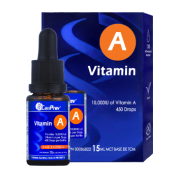
Vitamin A
This vitamin is required to create molecules in the back of our eyes responsible for vision. Vitamin A also affects blood cell development, immunity, and skin health.
Vitamin C
This vitamin speeds tissue growth and repair, supports hormone production, increases immune system functioning and protects the body from toxins. It also regulates cholesterol, blood pressure and blood clotting.
Vitamin E
Vitamin E is a class of molecules that act as powerful antioxidants that can prevent, and treat, many conditions associated with aging, such as cardiovascular disease, cataracts and Alzheimer's Disease.
Alpha Lipoic Acid
Alpha lipoic acid is a potent dual solubility antioxidant and mitochondrial coenzyme that aids in burning glucose to form energy (as ATP). It is soluble in both fats and water and aids in blood sugar control and liver detoxification. It also helps to regenerate other antioxidants so they can continue to function even after they have been used once.
Carotenoids
This class of molecules is responsible for much of our vision and dramatically benefits eye health. Some examples of common carotenoids are astaxanthin, zeaxanthin, lutein, lycopene and beta-carotene.
CoEnzyme Q10 (CoQ10)
CoQ10 plays a role in the prevention of several cardiovascular diseases, such as heart attacks, strokes, high blood pressure, and high cholesterol.
Super Oxide Dysmutase (SOD)
This enzyme is present in our cells and is responsible for converting the free radical superoxide into hydrogen peroxide and oxygen. It plays a huge role as an antioxidant and anti-inflammatory molecule.
Glutathione
This peptide is found in our liver and plays a significant role in our detoxification pathways. It is used to change toxic chemicals and metabolic byproducts into harmless substances for excretion from the body.
Matcha
Like super-concentrated green tea, matcha helps to provide a massive dose of antioxidants equivalent to drinking 10 cups of regular green tea!
Melatonin
This naturally occurring hormone is released in our brain and is responsible for the feeling we call "sleepy." Levels decline with age, and it is theorized that supplementation can help reverse the effects of aging.
Superfruits
These fruits contain such high levels of antioxidants by weight that they have earned the title "superfruit." Some examples of superfruits are açaí berry, goji berry, noni fruit, and sea-buckthorn.
What Is An ORAC Value?
Oxygen Radical Absorbance Capacity (ORAC) is a laboratory test used as the industry standard for measuring antioxidant capacity in foods. Although ORAC is not a universal standard, it is a commonly accepted way of comparing water-soluble antioxidants like anthocyanins to each other. Different extracts and brands of each substance tested rate differently on the ORAC scale, likely because they have been processed differently. It is recommended that the average person get at least 1670 ORAC per day. Additional health benefits occur at around 2,000 – 3,000 ORAC per day. For some ideas of ORAC scores, please see the table below:
Back to Top ↑