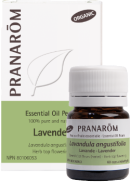
- 40 mcl
- Lavandula angustifolia (Lavender essential oil) (herb top flowering)
Sunflower Oil, Gelatin, Glycerin, Tocopherols.
Consult a healthcare practitioner prior to use if you are suffering from acute abdominal pain; if you have a liver disorder. Consult a healthcare practitioner if symptoms of mental and/or digestive stress persist or worsen. Exercise caution when operating heavy machinery or other motorized vehicles or when engaging in activities requiring alertness. Do not use if you are pregnant or breastfeeding, or if you are allergic to fish (gelatin). Hypersensitivity (e.g. allergy), irritation and gastrointestinal discomfort (e.g. nausea and vomiting) may occur; if so, discontinue use. Do not use if the safety seal is broken or missing. Keep out of reach of children. Keep in a cool, dry place away from light.
 Softgels
60 Softgels
Adults and adolescents (12 years and older): Take 1 softgel capsule 1-6 times daily or as directed by a healthcare practitioner. To help you fall asleep: Take before bedtime.
- Used in Herbal Medicine to help sleep
- Helps relieve mild symptoms of mental stress and exhaustion
- Can help relieve mild digestive discomfort.
- Easy to take mini gelcaps
- 100% pure and natural essential oils
- Organic

- Reviews
- POST A NEW REVIEW
LAVENDER
This herb has been used for centuries as a perfume agent that repels insects, promotes relaxation, healing of the skin, and even hair regrowth! …
Lavender is a group of plants in the Lavandula family. It is often grown as an ornamental plant in gardens, although it also has culinary, aromatherapeutic and medicinal properties.
Lavender Oil
The essential oil of lavender is extracted from the lavender plant and used for a variety of health benefits. It is antiseptic and anti-inflammatory, making it useful in topical inflammatory conditions like eczema and acne.
Aromatherapy
The scent of lavender can be of great benefit in cases of anxiety and stress by promoting relaxation. For more information, please see our Stress and Anxiety articles. The calming properties of lavender are also beneficial in promoting sleep in cases of insomnia. For more information, please see our Insomnia article. It may help to relieve tension headaches when rubbed on the skin and inhaled as a vapour. When vaporized, lavender oil can help treat respiratory infections and soothe a cough.
Topical Use
Lavender oil is frequently added to skin products like balms, salves, perfumes, and cosmetics. It can be used as an antiseptic to clean minor injuries and burns. It is also a pain reliever and can be applied topically to treat insect bites and stings. When added to massage oil, lavender can help to relieve joint and muscle pain. It has also been shown to be helpful in healing episiotomy wounds after childbirth. As with most essential oils, lavender oil should be diluted in a carrier oil to reduce the risk of damage to the skin.
Hormonal Effects
Lavender can have a weak estrogenic effect. This effect becomes particularly prevalent in children whose sex hormone levels are still low. Lavender oil in shampoos and lotions has been implicated to have some hormonal effects in children. There have been suggestions that in a few cases lavender caused abnormal breast development in young boys, and early puberty in young girls. Ongoing use of lavender essential oil in young children is not recommended until further research can clarify this effect. It is unlikely that this effect is strong enough to affect adults with far greater hormone production of their own.
Culinary Use
The floral and slightly sweet flavour of lavender is sometimes added to baking, and paired with sheep’s milk and goat’s milk cheeses to compliment their flavours. A spice blend called herbes de Provence also contains lavender leaves combined with savory, fennel, basil and thyme.
Hair Growth
Scientific research has shown that the application of a mixture of essential oils to alopecia areata can actually cause a return of hair growth by up to 44%. The mixture is 3 drops of lavender oil, 3 drops of rosemary oil, 2 drops of thyme oil, and 2 drops of cedarwood, all mixed into jojoba (carrier) oil and 20ml of grapeseed oil. This mixture is applied to any bald spots and massaged in each night. Effects are seen over a period of a few weeks.
Other Uses
Bunches of lavender can actually be used to repel insects, so it is commonly used in natural repellant sprays. Because of its calming scent, lavender is also often found in potpourri. In fact, pouches of lavender can be stored with clean linens and clothing to maintain a fresh scent and to deter moths. Some initial research has been performed on whether lavender can be used internally to help treat gastrointestinal upset, but further research is required to be sure of any effects.
How Can I Use Lavender?
Lavender can be found as an essential oil that can be diluted in a carrier oil (or in a 1:10 dilution in water) and used topically for relaxation and pain relief, or can be vaporized for aromatherapeutic effect. A few drops of this oil can be added to hot water or a bath to promote relaxation. Flowerheads can be added to a cup of boiling water to make a relaxing tea to promote sleep. Commercially made tea bags are also available. Dried bunches of lavender can be stored with clothing or hung to deter insects. Lavender is commonly found in a variety of cosmetic and moisturizing products, deodorants, and bath salts.
Lavender – Quick Facts
Parts Used
· Flowers, Essential Oil.
Applications
· Dermatitis, Acne, Skin Infections, Stress, Anxiety, Scent And Flavour Applications
Optimum Dosage
· There Is No Standard Dosing For The Use Of Lavender.
Works Well With
· Witch Hazel, Calendula, Chamomile
Important Information
· Do Not Use If You Have A Known Allergy To Lavender.
· Avoid Use During Pregnancy And Lactation, And Do Not Use In Children For Prolonged Periods Of Time.
· Use Caution With Narcotic, Sedative, And Blood Thinning Medications, As Lavender Can Increase Their Effects.
Back to Top ↑