

- 250 mg
- Yarrow flowering top (Achillea millefolium) QCE (1:4)
- QCE = Quantity Crude Equivalent
Consult a health care practitioner if menorrhagia (heavy menstrual bleeding) persists for longer than 3 months or if other symptoms worsen or persist. Do not use if pregnant or if you have a known allergy to yarrow or other members of the Compositae (daisy) family of plants.
 Liquid
250ml
Take 1.6 ml (48 drops) 3 times daily in a little water on an empty stomach.
- Helps to relieve menstrual cramps and stops excessive menstrual bleeding
- A tonic for cardiovascular health
- Assists in digestion
- Stimulates appetite
- Relief from fever, the common cold and hay fever
- Gluten-free

Wild Crafted & Organic Liquid Herbs - 50 New Added
St. Francis Herb Farm is a leading natural health and herbal supplement company with popular immune-supporting products like Deep Immune and Chest Rub. They also offers a top-selling stress-supporting supplement, Strest Adrenal Tonic. St. Francis Herbs use high-quality herbs and delivers on quality. Read more >- Reviews
- POST A NEW REVIEW
YARROW
Dealing with your hormones is made easier with Yarrow, you'll also subside muscle spasms and pains at the same time...
Yarrow (Achillea millefolium) is a flowering plant that was used in ancient times to stop the bleeding from battle wounds. More recently, yarrow has primarily been thought of as a tonic for the digestive and female hormonal systems. Yarrow has a number of beneficial effects on health; It is useful as a sedative, anti-inflammatory, digestive, antispasmodic, and tonic. It can be used to treat conditions such as: insomnia, anxiety, muscle spasms, digestive disturbance, diarrhea, headaches, pain, fevers, and the symptoms of the common cold.
Digestion and Antispasmodic
Yarrow can be used as a digestive bitter that promotes the increased secretion of digestive juices. This increases the secretion of saliva, stomach acid, digestive enzymes and bile, all of which promotes better digestion and helps to alleviate symptoms of: gas, bloating, and constipation. Because yarrow also has antispasmodic abilities, it can help to reduce spasms in the digestive tract, including IBS, and gallbladder attacks.
Hormonal Effects
Recent research has indicated that yarrow may contain phytoestrogens, which are plant-derived chemicals that act on estrogen receptors in the human body. This allows yarrow to help balance female hormones by covering for a deficiency and blocking an excess of estrogen. Yarrow was also traditionally used as a tonic for the uterus, which helps to relieve menstrual cramps and stops excessive menstrual bleeding.
Slows Bleeding
The traditional use of yarrow to stop the bleeding from open wounds has since been supported by research. Applying the leaves of yarrow to a wound can help to slow the bleeding. It has also been found to slow excess menstrual bleeding. Interestingly, taking yarrow internally has also been shown to stimulate circulation and may be able to help lower blood pressure. Because of this, yarrow is thought to be a blood regulator, and will either promote circulation or slowing of the blood as required.
Antibiotic
The aerial parts of yarrow are also used to help break up phlegm, a common symptom of infection. Extracts of yarrow have been shown to have antibiotic activity.
Anti-inflammatory
The ability of yarrow to reduce inflammation, and inflammation-associated pain has been well established. It can help to reduce the effects of the common cold and can help with the treatment of fever, by promoting a healthy sweat.
Cosmetics
Yarrow is often added to cosmetics and personal hygiene products. It is valued for its astringent, cleansing and tonic effects on the skin. Since it is high in antioxidants, yarrow is also valued for its protective and anti-aging effect.
How can I take yarrow?
Most yarrow supplements are made as encapsulated or loose dried herb, or a tincture. It can be found alone or in combination formulas for digestion, bleeding, hormone regulation, and anti-inflammatory effects. The essential oil of yarrow contains thujone a substance that is toxic and should only be used under professional supervision. It used to often be added to massage oils to be used topically as an anti-inflammatory for inflamed joints. Yarrow is also often found in cosmetics and cleansing hair products. The typical dose for loose or encapsulated herb is 4.5g per day in divided doses, although this is not based on research. Follow the manufacturer's directions on the product label of your supplement.
Yarrow – QUICK FACTS
PARTS USED
· Whole plant. Arial parts have been most studied.
APPLICATIONS
· Indigestion, female hormonal imbalances, muscle spasms, pain, inflammation, bleeding.
OPTIMUM DOSAGE
· Dried Herb: 4.5g per day in divided doses, or follow the manufacturer's label instructions. Tincture 5-60 drops daily. (Clinical doses may be higher as recommended by your practitioner).
WORKS WELL WITH
· Chamomile, fennel, black cohosh, chaste tree, wild yam.
IMPORTANT INFORMATION
· Do not use yarrow if you are allergic to the ragweed family.
· Use caution when taking yarrow in pregnancy as formulas high in thujone can cause miscarriage.
· Yarrow can irritate gastrointestinal ulcers or intestinal inflammation.
· Discontinue use at least 2 weeks prior to surgery to avoid bleeding complications.
· Do not use yarrow if you are taking blood thinners, sedatives or lithium.
Back to Top ↑

-
Traumeel Ointment - 50g - Heel
Our Price: $0.00 -
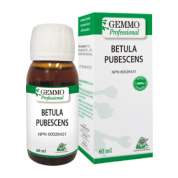
Betula Pubescens (Gemmo) - 60ml
Our Price: $19.47












