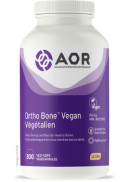
10 capsules contain:
- 1000mg
- Calcium (citrate malate)
- 420mg
- Magnesium (ascorbate, aspartate)
- 1000IU
- Vitamin D3 (Cholecalciferol)
- 120 mcg
- Vitamin K2
- 60 mcg
- MK-4
- 60 mcg
- MK-7
- 700mcg
- Boron (from boron citrate)
- 11mg
- Zinc (from zinc citrate)
- 2.3mg
- Manganese (from manganese bisglycinate)
- 1mg
- Copper (from copper citrate)
- 35mg
- Silicon (HVP chelate from soy)
- 400mcg
- Folic acid (as calcium L-5-MTHF)
- 24mcg
- Vitamin B12 (as Methylcobalamin)
- 90mg
- Vitamin C (from magnesium ascorbate)
Non-medicinal Ingredients:
Tapioca dextrin, maltodextrin, citric acid, glycine, L-aspartic acid, rice and soy flour, magnesium trisilicate, silica, sucrose, acacia gum, corn starch, tricalcium phosphate, medium chain triglycerides. Capsule: hypromellose.
Tapioca dextrin, maltodextrin, citric acid, glycine, L-aspartic acid, rice and soy flour, magnesium trisilicate, silica, sucrose, acacia gum, corn starch, tricalcium phosphate, medium chain triglycerides. Capsule: hypromellose.
Important Information:
Contains no wheat, gluten, peanuts, sesame seeds, sulphites, mustard, dairy, eggs or any animal by-product. Consult a health care practitioner prior to use if you are taking blood thinners. Some people may experience diarrhea. This product contains corn and soy derived ingredient, do not consume if you have such allergies.
Format
 Veggie Caps
300 V-caps
Dosage
Take up to 10 capsules daily with meals, or as directed by a qualified health care practitioner. Take a few hours before or after taking other medications.
Product Information:
- Excellent source of Calcium and other nutrients
- Supports bone health
- Helps prevent degenerative bone diseases
- Vegan friendly

Innovative Formulas by AOR Canada found at National Nutrition
AOR Canada is the innovative formulators of Canada’s best-selling antioxidant support, AOR Advanced B Complex and AOR Tri-B12. They are also known for their top bone health supplements, Ortho Adapt and Bone Basics. You can also SHOP AOR's Nattokinase, and trusted Curcumin Ultra, Curcumin Active and Curcumin95 inflammation support at National Nutrition.ca. AOR are leaders in natural health with innovative product development. Read more >What People Are Saying:
- Reviews
- POST A NEW REVIEW
Reviews for:
Ortho-Bone Vegan - 300 V-Caps
(2 reviews)
Reviews By Rating
helpful votes
3
3 customers found this product review helpful
More Info
About Ortho Bone Vegan from AOR
OrthoBone Vegan is an advanced combination of nutrients to support the health of the skeletal system. The formula features calcium citrate-malate, which is a more bioavailable calcium than simple calcium citrate, and whose documented support for bone health is superior to that of any other vegetarian calcium source. It also includes menatetrenone (the vitamin form made by the human body for targeted use and backed by clinical trials) and all other key bone health nutrients in research-backed doses and forms.*
Osteoporosis was once thought of as an unfortunate condition that was of potential concern only to elderly women. Yet as people are living longer lives, the concern for enhancing the quality and health of those lives is increasing, elevating conditions such as osteoporosis to the forefront of preventative health. A central pillar in preventative health is understanding the true importance of nutrition, yet discord and confusion prevail even among the most health-conscious individuals about the right dose and form of even the most well-established bone health nutrients.
When bone mass and/or density is gradually lost alongside the aging process, what is in fact happening is that bones are losing calcium, magnesium and other minerals, making the bones thinner in a process referred to as osteopenia. Osteopenia, over time and further bone loss, leads to full-blown osteoporosis. Minerals such as calcium are constantly being added to and taken away from bone. When these minerals are taken away faster than they can be added, (a process that accelerates with age) the bones become lighter, less dense, and more porous. This makes the bones weaker and increases their risk of fracture. Bone Mineral Density (BMD) tests can measure the extent of this process with regular x-rays, but such tests cannot measure any mild onset of osteopenia. In fact, a bone must lose at least a quarter of its weight before a regular X-ray can detect the problem. In short, an ounce of prevention is worth a ton of cure. In matters pertinent to bone health, prevention is measured in nutrients - both in quality and quantity.
Calcium
Traditional methods of maintaining bone health correlate with the efforts of health conscious individuals who supplement with a daily multi-vitamin/multi-mineral. Users of such an essential supplement (combined with a sensible diet) often assume that it covers something as elemental as bone health. The fact of the matter is that people in the high-risk demographic for developing osteopenia likely have a higher need for certain specific essential nutrients, especially minerals. Of these, calcium is certainly one of the most familiar. Most recommended daily allowances for calcium stand at around 1,000 milligrams, although 1,500 milligrams are recommended for those in the osteopenia high risk group. Even with the effects of processing taken into account, calcium is still prevalent to such a degree in common dairy foods such as milk and cheese that deficiencies are not as widespread as that of other minerals. Nevertheless, deficiencies do occur, and it is noteworthy to remember that even the finest multi-vitamin/multi-mineral one-a-days rarely contain more than 300 milligrams of calcium.
However, the amount of calcium consumed is not the same as the amount of calcium absorbed. Calcium citrate-malate is a more bioavailable calcium than simple calcium citrate, and its documented support for bone health is superior to that of any other vegetarian calcium source. In fact, one study demonstrated the absorption efficiency from a 250 milligram dose of calcium citrate malate to be 35%; from calcium carbonate, 27%; and from tricalcium phosphate, 25%. In comparison, the rate of calcium absorption from milk was found to be 29%. The scientific reasoning for the aforementioned calcium recommendations for high risk groups used traditional (dietary) calcium sources for calculating the required amounts.
Calcium citrate-malate is also not the same as calcium citrate, or as a simple admixture of calcium citrate and calcium malate. Calcium citrate-malate is prepared in such a way that a significant number of its calcium atoms are bound to both citrate and malate molecules at once. This unique form makes calcium citrate-malate six to nine times more easily dissolved in the stomach than plain calcium citrate.
Vitamin D
Another nutrient essential to bone health is Vitamin D. Vitamin D is the single most important factor in the absorption of calcium. Vitamin D2 (Ergocalciferol) is the plant form of vitamin D found in vegetables and yeast. Although humans are fully capable of endogenous vitamin D production, this is dependent upon adequate exposure to the UVB rays in sunlight, making a constant, steady intake of this vitamin difficult for high-risk demographics who are often confined indoors. This is compounded by the lack of sunlight in the winter months and in more extreme latitudes, further underlying the importance of supplementation. Clinical trials show that calcium supplementation provides better results when combined with vitamin D at doses greater than 300 IU per day.
Menatetrenone
Menatetrenone is a specific form of vitamin K2, not to be confused with the common phylloquinone (vitamin K1) or even the bacterial menaquinones (which are also forms of vitamin K2). Multiple clinical trials show that megadose Menatetrenone supplements reduce fracture rates in osteoporotic women at least as well as Fosamax-type drugs, and do so without having much influence on bone mineral density. What makes menatetrenone unique is that it actually improves the quality of the bone itself. Contrary to popular perceptions, bone is not a solid mass, but a complex interpenetrating honeycomb of plates woven together by rods of tissue. The structural integrity of this network - its "connectivity" - is a major contributor to the bone's ability to withstand fracture. Menatetrenone has shown its most potent effects to be improving the quality of this infrastructure.
Strontium
Strontium is a trace mineral found alongside calcium in most foods that normally contain the latter. Studies dating back to the 1940's have indicated that it may be an essential nutrient for the normal development, structure, function, and health of the skeletal system. However, difficulties in assessing the mechanism of action for its effectiveness somehow caused this mineral to slip into near scientific obscurity for almost four decades. New scientific research in the early 1980's revealed that strontium accelerates the procreation of early phase osteoblasts (cells that build bone) while simultaneously reducing the rate of bone resorption, which is the process by which old bone tissue is broken down and removed by special cells called osteoclasts.
Boron
Boron's effect on bone appears to be mediated by its ability to reduce the urinary excretion of calcium and magnesium, and this ability is due to its actions in the kidney. As stated above, this calcium-preserving effect of boron becomes pronounced in circumstances in which dietary magnesium is low. Therefore, boron is in effect acting as a backup system for magnesium in order to preserve calcium in the blood and reduce urinary calcium loss.
Boron also appears to enhance vitamin D, and although there is likely a relationship between this and it's calcium-preserving effect, an accurate description for the mechanism of action of boron's vitamin D enhancement is unclear.
Magnesium
Magnesium is another mineral commonly associated with the maintenance of bone health, which is very easy to fathom when one considers that two-thirds of the body's magnesium stores are located in our bone structure. Much of the magnesium within this bone structure is part of the bone's crystal lattice (which can metaphorically be referred to as the "bone scaffolding") where it binds together with the minerals phosphorus and calcium. Magnesium on its own has been shown to slow the rate of bone turnover, which is when the growth of new bone is outpaced by the degeneration of old. Magnesium shortages result in the reduced assimilation of vitamin D as well as the inhibition of parathyroid hormone, leading to low blood calcium levels. In a two-year, open, controlled trial, 71% of women receiving magnesium supplements experienced increased bone mineral density where as the women not receiving supplements suffered bone loss. The amount of magnesium in even the highest quality multi-vitamin/multi-mineral supplements is still well below levels which researchers believe are needed for prevention in high risk demographics.
Several other minerals have also been identified as co-factors for enzymes involved in bone metabolism - notably zinc, copper, and manganese. The latter is essential for the proper function of the osteoblast cells that are responsible for building new bone. Manganese also increases the activity of the enzyme alkaline phosphatase and as well as growth factors such as estrogen and IGF-1 in a manner that is directly pertinent to these osteoblast cells. Copper is essential for producing an enzyme called lysyl oxidase which cross-links (strengthens) collagen. Zinc, in turn, is essential for the operation of copper, since unbalanced zinc intake can reduce copper absorption.
Additionally, recent research indicates that silicon stimulates the formation of type 1 collagen as well as playing an important role in the body's glycosaminoglycan network, which utilizes compounds such as hyaluronic acid and chondroitin sulfate in the cartilage, bone, and skin. Even vitamin C, a substance not normally associated with bone health, has been identified as a "possibly important modifiable risk factor for osteoporosis and bone fracture." Finally, methylating nutrients such as vitamin B12 and folic acid may also be important to bone health, perhaps due to their ability to counter the toxic effects of homocysteine on the protein fibers in bone.
OrthoBone Vegan is an advanced combination of nutrients to support the health of the skeletal system. The formula features calcium citrate-malate, which is a more bioavailable calcium than simple calcium citrate, and whose documented support for bone health is superior to that of any other vegetarian calcium source. It also includes menatetrenone (the vitamin form made by the human body for targeted use and backed by clinical trials) and all other key bone health nutrients in research-backed doses and forms.*
Osteoporosis was once thought of as an unfortunate condition that was of potential concern only to elderly women. Yet as people are living longer lives, the concern for enhancing the quality and health of those lives is increasing, elevating conditions such as osteoporosis to the forefront of preventative health. A central pillar in preventative health is understanding the true importance of nutrition, yet discord and confusion prevail even among the most health-conscious individuals about the right dose and form of even the most well-established bone health nutrients.
When bone mass and/or density is gradually lost alongside the aging process, what is in fact happening is that bones are losing calcium, magnesium and other minerals, making the bones thinner in a process referred to as osteopenia. Osteopenia, over time and further bone loss, leads to full-blown osteoporosis. Minerals such as calcium are constantly being added to and taken away from bone. When these minerals are taken away faster than they can be added, (a process that accelerates with age) the bones become lighter, less dense, and more porous. This makes the bones weaker and increases their risk of fracture. Bone Mineral Density (BMD) tests can measure the extent of this process with regular x-rays, but such tests cannot measure any mild onset of osteopenia. In fact, a bone must lose at least a quarter of its weight before a regular X-ray can detect the problem. In short, an ounce of prevention is worth a ton of cure. In matters pertinent to bone health, prevention is measured in nutrients - both in quality and quantity.
Calcium
Traditional methods of maintaining bone health correlate with the efforts of health conscious individuals who supplement with a daily multi-vitamin/multi-mineral. Users of such an essential supplement (combined with a sensible diet) often assume that it covers something as elemental as bone health. The fact of the matter is that people in the high-risk demographic for developing osteopenia likely have a higher need for certain specific essential nutrients, especially minerals. Of these, calcium is certainly one of the most familiar. Most recommended daily allowances for calcium stand at around 1,000 milligrams, although 1,500 milligrams are recommended for those in the osteopenia high risk group. Even with the effects of processing taken into account, calcium is still prevalent to such a degree in common dairy foods such as milk and cheese that deficiencies are not as widespread as that of other minerals. Nevertheless, deficiencies do occur, and it is noteworthy to remember that even the finest multi-vitamin/multi-mineral one-a-days rarely contain more than 300 milligrams of calcium.
However, the amount of calcium consumed is not the same as the amount of calcium absorbed. Calcium citrate-malate is a more bioavailable calcium than simple calcium citrate, and its documented support for bone health is superior to that of any other vegetarian calcium source. In fact, one study demonstrated the absorption efficiency from a 250 milligram dose of calcium citrate malate to be 35%; from calcium carbonate, 27%; and from tricalcium phosphate, 25%. In comparison, the rate of calcium absorption from milk was found to be 29%. The scientific reasoning for the aforementioned calcium recommendations for high risk groups used traditional (dietary) calcium sources for calculating the required amounts.
Calcium citrate-malate is also not the same as calcium citrate, or as a simple admixture of calcium citrate and calcium malate. Calcium citrate-malate is prepared in such a way that a significant number of its calcium atoms are bound to both citrate and malate molecules at once. This unique form makes calcium citrate-malate six to nine times more easily dissolved in the stomach than plain calcium citrate.
Vitamin D
Another nutrient essential to bone health is Vitamin D. Vitamin D is the single most important factor in the absorption of calcium. Vitamin D2 (Ergocalciferol) is the plant form of vitamin D found in vegetables and yeast. Although humans are fully capable of endogenous vitamin D production, this is dependent upon adequate exposure to the UVB rays in sunlight, making a constant, steady intake of this vitamin difficult for high-risk demographics who are often confined indoors. This is compounded by the lack of sunlight in the winter months and in more extreme latitudes, further underlying the importance of supplementation. Clinical trials show that calcium supplementation provides better results when combined with vitamin D at doses greater than 300 IU per day.
Menatetrenone
Menatetrenone is a specific form of vitamin K2, not to be confused with the common phylloquinone (vitamin K1) or even the bacterial menaquinones (which are also forms of vitamin K2). Multiple clinical trials show that megadose Menatetrenone supplements reduce fracture rates in osteoporotic women at least as well as Fosamax-type drugs, and do so without having much influence on bone mineral density. What makes menatetrenone unique is that it actually improves the quality of the bone itself. Contrary to popular perceptions, bone is not a solid mass, but a complex interpenetrating honeycomb of plates woven together by rods of tissue. The structural integrity of this network - its "connectivity" - is a major contributor to the bone's ability to withstand fracture. Menatetrenone has shown its most potent effects to be improving the quality of this infrastructure.
Strontium
Strontium is a trace mineral found alongside calcium in most foods that normally contain the latter. Studies dating back to the 1940's have indicated that it may be an essential nutrient for the normal development, structure, function, and health of the skeletal system. However, difficulties in assessing the mechanism of action for its effectiveness somehow caused this mineral to slip into near scientific obscurity for almost four decades. New scientific research in the early 1980's revealed that strontium accelerates the procreation of early phase osteoblasts (cells that build bone) while simultaneously reducing the rate of bone resorption, which is the process by which old bone tissue is broken down and removed by special cells called osteoclasts.
Boron
Boron's effect on bone appears to be mediated by its ability to reduce the urinary excretion of calcium and magnesium, and this ability is due to its actions in the kidney. As stated above, this calcium-preserving effect of boron becomes pronounced in circumstances in which dietary magnesium is low. Therefore, boron is in effect acting as a backup system for magnesium in order to preserve calcium in the blood and reduce urinary calcium loss.
Boron also appears to enhance vitamin D, and although there is likely a relationship between this and it's calcium-preserving effect, an accurate description for the mechanism of action of boron's vitamin D enhancement is unclear.
Magnesium
Magnesium is another mineral commonly associated with the maintenance of bone health, which is very easy to fathom when one considers that two-thirds of the body's magnesium stores are located in our bone structure. Much of the magnesium within this bone structure is part of the bone's crystal lattice (which can metaphorically be referred to as the "bone scaffolding") where it binds together with the minerals phosphorus and calcium. Magnesium on its own has been shown to slow the rate of bone turnover, which is when the growth of new bone is outpaced by the degeneration of old. Magnesium shortages result in the reduced assimilation of vitamin D as well as the inhibition of parathyroid hormone, leading to low blood calcium levels. In a two-year, open, controlled trial, 71% of women receiving magnesium supplements experienced increased bone mineral density where as the women not receiving supplements suffered bone loss. The amount of magnesium in even the highest quality multi-vitamin/multi-mineral supplements is still well below levels which researchers believe are needed for prevention in high risk demographics.
Several other minerals have also been identified as co-factors for enzymes involved in bone metabolism - notably zinc, copper, and manganese. The latter is essential for the proper function of the osteoblast cells that are responsible for building new bone. Manganese also increases the activity of the enzyme alkaline phosphatase and as well as growth factors such as estrogen and IGF-1 in a manner that is directly pertinent to these osteoblast cells. Copper is essential for producing an enzyme called lysyl oxidase which cross-links (strengthens) collagen. Zinc, in turn, is essential for the operation of copper, since unbalanced zinc intake can reduce copper absorption.
Additionally, recent research indicates that silicon stimulates the formation of type 1 collagen as well as playing an important role in the body's glycosaminoglycan network, which utilizes compounds such as hyaluronic acid and chondroitin sulfate in the cartilage, bone, and skin. Even vitamin C, a substance not normally associated with bone health, has been identified as a "possibly important modifiable risk factor for osteoporosis and bone fracture." Finally, methylating nutrients such as vitamin B12 and folic acid may also be important to bone health, perhaps due to their ability to counter the toxic effects of homocysteine on the protein fibers in bone.
Back to Top ↑