A-Z mental clarity Articles

  • Choline: Explore It's Role For Good Health

    Choline is a member of the B Vitamin family and is a water-soluble essential nutrient for the human body. It plays several important roles including maintaining the structure of cell membranes and improving cell signaling. It is also one of the few substances that can cross the blood-brain barrier to produce chemical messengers in the brain called neurotransmitters.

    The most important of these choline-based neurotransmitters is acetylcholine, the molecule responsible for memory. It is commonly recommended by natural health care practitioners for a variety of different therapeutic applications, including Fatty Liver, Cardiovascular Health, Depression, poor concentration, and neurological diseases such as Multiple Sclerosis, Tardive Dyskinesia, and Parkinson’s disease.

    Key Health Benefits Choline Has On Your Body

    Choline's Advantageous Effects On Brain Health

    One of the most important roles this vitamin plays in the body is its role in the brain. As mentioned above, it can form acetylcholine which supports memory. Because of this, insufficient amounts can affect memory. It also plays an integral role in the formation of the cell membranes of all the neurons in the body and the protective myelin sheath surrounding the peripheral nerves. These are the nerves that conduct messages from the brain to the muscles and organs of your body. Myelin performs a similar function to the insulation sheathing of electrical wires, preventing misfiring and “short-circuits”. If this protective sheath degenerates (as in Multiple Sclerosis), a “shorting out” of the message that the nerve is carrying occurs. Choline is often supplemented in place of Phosphatidylcholine to avoid gastrointestinal side effects when attempting to support these brain functions.

    Choline's Role In Fat Metabolism

    Choline is well known for its role as a fat emulsifier, which means that it helps to make fat dissolve in water. When fat can be soluble in water substances like our blood or body tissues, it can more easily be carried to the cells in our bodies. For this emulsifying function, this vitamin works best when combined with inositol. Choline also helps to regulate fat metabolism both for storage and for its use. It also helps to regulate cholesterol metabolism in the liver and gallbladder, breaking them down into smaller particles, which makes it easier for your body to reduce the accumulation. For more information on these functions, please see our High Cholesterol article.

    Choline's Advantages For Heart Health

    It helps to reduce cholesterol levels in the body and also helps to reduce homocysteine. Homocysteine is a pro-inflammatory marker molecule that is associated with many different diseases in humans, including cardiovascular disease and Arteriosclerosis. Preventing high levels of homocysteine in the body can help to prevent the development of disease. Once a disease is established, altering homocysteine has little effect. Because of this, choline will be most beneficial in the prevention of heart disease.

    Choline's Role in Hormone Production

    Since healthy fats play a large role in hormone formation, choline can also help to optimize hormone levels in both men and women. Pregnancy is a time when choline demands in the body are greatest. It is important that pregnant women ingest sufficient amounts of this vitamin to meet their newfound requirements. This is especially true during the 3rd trimester when the fetal brain is developing and requires sufficient choline for cell membranes and acetylcholine production. This need continues after birth, and new mothers should continue taking higher levels of this supplement while breastfeeding to help further support brain growth in the infant.

    Understanding B Vitamin Co-Supplementation

    All of the B vitamins work together in the body and are best taken in a B complex, which is why many B complex supplements include a small dose of choline in them. If additional supplementation of choline is needed, it should be combined with a good B complex to maintain balance in the body. Choline also works quite well with inositol for fat metabolism, and they are commonly paired in combination supplements.

    Symptoms of Choline Deficiency

    The most common signs of choline deficiency are Fatty Liver Disease and kidney failure. Diets low in natural choline can also cause infertility, stunted growth, bone abnormalities, neurological disorders, and hypertension. Certain groups of people are at risk for deficiency of choline, including but not limited to vegetarians, vegans, endurance athletes, and chronic alcoholics. Oral contraceptives, estrogen, sulfa drugs, food processing and alcohol also all deplete choline levels in the body. If any of these affect you, it is a good idea to increase choline in your diet or with supplementation.

    Top Nutritional Sources of Choline

    There are several foods rich in choline such as egg yolks, legumes, meat, milk, soybeans and whole grains. In supplemental form, choline can be found in capsules or tablets, and often in complex with other B vitamins. Most B vitamins are water-soluble and any unused excess is flushed out of the body easily. Because of this, it is generally best to take lower dosages of the B complex several times a day, rather than one large dose. Lecithin is 13% choline by weight and may be used as a source for supplementation as an alternative to choline tablets or powder. The recommended supplemental dose of choline is between 500 and 1000mg daily, although it can vary widely depending on dietary intake.
  • Histidine: An Essential Amino Acid For The Central Nervous System

    The amino acids that the body cannot produce, and need to be taken in through the diet, are called essential. Histidine is one of these essential amino acids. It is important for the growth and repair of several body tissues. In the central nervous system (brain and spinal cord), this amino protects the myelin sheath that surrounds nerve fibres.

    If this protective sheath degenerates a "shorting out" of the message occurs and the signal never gets to the appropriate part of the body. This is what happens in the disease of multiple sclerosis.

    The Role of Histidine In Your Body

    This amino acid helps to manufacture red and white blood cells in the bone marrow. Red blood cells are oxygen-carrying cells. The medical term for a lack of oxygen-carrying ability is anemia and it results in fatigue. White blood cells are part of your immune system. They protect your body from harmful microorganisms (infection) and monitor your cells to eliminate those that work improperly.

    Health Benefits of Histidine

    Histamine is a chemical that is derived from this amino acid. It is well known as the cause of allergic symptoms like a runny nose and itchy, watery eyes. However, histamine is necessary for certain bodily functions like the production of stomach acid and sexual arousal and pleasure. 

    Histidine can be supplemented for the following conditions: 

    • Multiple sclerosis
    • Nerve degeneration
    • Anemia
    • Low immune functioning
    • Hypertension
    • Heavy metal toxicity
    • Rheumatoid arthritis
    • Impotence
    • Low libido
    • Indigestion

    Histidine Supplement Varieties

    The biologically active form of this amino acid is L-histidine. It is found in capsules. To increase your production of histamine supplement with L-histidine, vitamin B3 and vitamin B6. Take amino acid supplements at least 1/2 hour before or after a meal to maximize their absorption. If you take an individual amino acid supplement for longer than one month, add an amino acid complex to the protocol to prevent the deficiency of other amino acids.

    Potential Side Effects & Contraindications

    Methionine counteracts the effect of histidine. Individuals with schizophrenia, anxiety or bipolar disorder should not use histidine.

  • Nootropic Supplements: Smart Nutrients for a Smarter You

    If you find your memory just isn’t what it used to be, are having trouble focusing, performing, or are constantly feeling fatigued, distracted, or moody, your brain likely needs a little support. Whether you’re a busy mom trying to juggle it all, a high-powered executive that's "always-on", or a student trying to make ends meet, a variety of things can impact your brain health, clarity, and performance. Let's explore how nootropic supplements can help enhance your cognitive health.

    Understanding How Brain Health Is Impacted

    Many people suffer from nutrient deficiencies, sugar addiction, stress overload - all of which adversely affect brain health. Like all things health-related, you have to start with the basics: addressing the underlying issues, including your diet, stress levels, sleep, and physical activity (or lack thereof). So before you reach for that second, third (or dare we say it - fourth) cuppa joe and further compromise your brain health (as well as deplete precious nutrients), let’s look at some powerful, effective, and safe natural nootropic supplements that can fuel your brain and supercharge your cognition.

    Nootropics = “smart pills” are cognitive enhancers that help improve memory, focus, concentration, learning capability, reasoning, and motivation.

    Key Nootropics That Help Boost Cognitive Health

    Omega-3 Fatty Acids For Brain Support

    Your brain is approximately 60 % fat, and Essential Fatty Acids (EFAs) are among the most crucial nutrients for brain integrity and its ability to perform.1 Omega-3s are essential building blocks for a healthy brain and may offer protection against damage to brain cells. They may also help support memory and focus and reduce inflammation. Omega-3s become increasingly important as you age, and research suggests that increasing our intake now is likely to prevent the onset of dementia.2 This is huge – especially when you consider that the Lancet recently revealed that 40% of Alzheimer’s cases are considered preventable.3 Because we can’t make omega-3s in our body, we have to get them from diet and/or supplements. And while eating more fish will certainly supply some EFAs, a good-quality omega-3 supplement will provide the therapeutic quantities your brain needs to function optimally now and well into old age.

    Medium Chain Triglycerides (MCTs) As A Nootropic

    MCTs (primarily from coconut or palm), are typically associated with athletes, the gym crowd, or the keto diet, however, they also offer tremendous benefits to brain health and performance. MCT oil is sometimes – perfectly justifiably – referred to as “rocket fuel for the brain. It’s specifically because of their shorter length, that MCTs are more easily digested, and can be used as an immediate clean source of energy. MCTs also don’t have a stimulatory effect on insulin. This is important because lower insulin levels improve the quality and duration of intellectual performance in infants, adults, the elderly as well as in diabetics, (and you guessed it, poor glycemic control is associated with lower performance and memory).

    Ginkgo Biloba As A Nootropic

    Ginkgo, an extract from the leaf of the Chinese ginkgo tree, is a classic nootropic and has been shown to offer very tangible benefits to the brain: improved cognitive function, healthy mood balance, increased energy, better memory4 as well as decreased anxiety. Ginko is so effective that it’s a prescribed medicine in Germany for a variety of cognitive conditions. Anything from improving memory and focus, to increasing vascular dilation, improving blood flow and the health of blood vessels, promoting recovery from strokes, as well as improving circulatory problems and those related to memory impairment. Ginkgo also offers other benefits because it has a protective effect against mitochondrial damage and oxidative stress, so helps reduce inflammation and prevent free radical damage (including in the brain – a key factor in the development of dementia).

    Vinpocetine For Cognitive Health

    Vinpocetine is an exciting nootropic derived from the periwinkle plant. It has a hefty body of research behind it, and, like ginkgo, it’s sold under prescription in Europe and other parts of the world to help improve symptoms of dementia and Alzheimer’s disease. Vinpocetine is an effective supplement that helps stimulate and support blood flow to the brain, as well as raises oxygen levels in the brain, which together, boosts cerebral metabolism (so better focus, concentration, memory, and, performance). As a bonus, vinpocetine has thermogenic properties, so can help boost overall metabolism, support weight loss, and enhance exercise performance. Pairing vinpocetine with ginkgo multiplies the benefits, which is why you’ll often find supplements that combine the two.

    Gotu Kola As A Nootropic

    Gotu kola is another classic nootropic that has a wide range of potential brain and cognitive health applications. One of the most well-known benefits of Gotu kola is its ability to improve cognition and memory at the molecular level, which is why it’s one of the most widely used supplements for dementia and Alzheimer’s disease worldwide. Interestingly, because of its name, a lot of people believe it contains caffeine, however that could not be further from the truth. Gotu kola is actually a relaxant with well-documented anxiety-relieving and antidepressant effects, so can be invaluable in a variety of both acute and chronic acute stress and anxiety conditions.

    Magnesium L-Threonate For Cognitive Support

    Magnesium is involved in over 300 enzymatic reactions throughout the body, and its deficiency can impact your health in multiple ways – including compromising brain health. Contrary to other forms of magnesium, Magnesium L-Threonate (Mag T) is absorbed rapidly and has the unique ability to cross the blood-brain barrier, and boost brain levels of magnesium. This is why Mag T can quickly remedy cognitive dysfunction, sleep disorders, and anxiety. In addition, this form of magnesium has also shown to be able to structurally reverse certain aspects of brain aging. Research has shown that once inside the brain, Mag T increases the density of synapses, one of the primary causes of cognitive decline.5

    Vitamin B-12 – Methylcobalamin As A Nootropic

    Methylcobalamin is the only form of Vitamin B-12 that can cross the blood-brain barrier, without biotransformation. Its methyl group stimulates the synthesis of serotonin, a neurotransmitter responsible for stabilizing our moods. And serotonin imbalance is a key factor in mental health conditions such as ADHD, as well as anxiety and depressive conditions. Methylcobalamin also protects your brain against excitotoxins and helps lower harmful levels of homocysteine. Practitioners will often recommend it to help treat memory loss, poor concentration, and Alzheimer's disease, as well as to improve mood end energy in both the young and old. Finally, it’s worth noting that a methylcobalamin supplement is ideal for those under a lot of stress.

    PS – Phospholipids As A Nootropic

    Phosphatidylserine fulfills a variety of vital functions in your body, but above and beyond everything else, it’s a key building block for brain cells. PS is a phospholipid that contains both amino acids and fatty acids. Omega-3 fatty acids work synergistically with PS to provide the building blocks for healthy cell membranes (i.e. to help ensure a healthy brain). Because PS can cross the blood-brain barrier, it’s able to offer direct support both to the structure and function of your brain cells. PS has been used extensively to stimulate cognitive function, enhance focus, concentration, and performance, as well as sharpen memory across age groups. PS is also used extensively for Alzheimer’s disease, age-related cognitive decline, depressive conditions, ADHD, and to boost athletic performance.

    Amino Acids For Cognitive Health

    Amino acids combine to create proteins and serve as precursors to several neurotransmitters - chemicals in the brain that either excite or inhibit your neurons. Certain amino acids can cross the blood-brain barrier, where they can stimulate the synthesis of neurotransmitters, so have a direct impact on brain chemistry and mood balance. Each amino acid, of course, has its distinct functions inside your body, and some play an integral role in your brain function, cognition, and mood balance. Recent research has shown that supplementing with the following 7 key essential amino acids - leucine, phenylalanine, lysine isoleucine, histidine, valine, and tryptophan - improves attention and cognitive flexibility, as well as psychosocial functioning, and ultimately, prevents cognitive decline.6

    As you can plainly see, brain boosting supplements and nootropics are a no-brainer (pun intended!) for anyone looking to optimize brain health, sharpen their performance, and maintain healthy cognition throughout life.

  • Phosphatidyl Serine (Ps)

    Phosphatidyl serine (PS) is naturally produced in the brain, although its production dwindles as we age. This molecule is a type of phospholipid, which has one water-soluble side and one fat-soluble side. These properties allow phospholipids to form a double layer that makes up the outer membrane of each of our cells.

    The protective coating of the brain and nerve cells is also composed of phospholipids. Natural health practitioners often recommend PS for Memory, Alzheimer’s disease, Sports Injuries, and even Depression.

    Understanding Cell Membranes

    The contents of each cell in your body are surrounded and protected by a double-layered phospholipid sac. This cellular membrane holds signal molecules and receptors that allow the cell to communicate with the outside world. The more fluid and flexible the cellular membrane, the more easily it can communicate, making each cell more efficient. Also, as each of your cells becomes more flexible, this offers increased suppleness and flexibility in your tissues. This can help to provide healthier supple skin, more flexible muscles and better brain communication.

    Phosphatidyl Serine's Role in Cell Membranes

    Interestingly, PS is usually only found on the inner layer of cell membranes. The cell tightly controls this, until the time comes for that cell to die. When a cell has reached the end of its life, it begins flipping PS to the outer layer of the cell membrane, and this acts as a signal to the immune system that it is time to destroy that cell. Thus, sufficient PS in the body supports the proper removal of damaged and aged cells. It also plays a role in triggering blood clotting.

    Top Health Benefits of Phosphatidyl Serine

    Role in The Brain

    If the cell membranes of nerves in the brain are not sufficiently fluid, then they cannot effectively transfer information and nerve signals. Over time, this can lead to cognitive decline. Sufficient PS present in the brain cells can result in better cognitive function. PS can also cross the blood-brain barrier to produce the brain chemicals (neurotransmitters) that aid in memory - particularly acetylcholine. It has also been shown to help boost mood in those with mental stress. In general, the brain can produce sufficient PS as it requires, but this production becomes stunted during the absence of sufficient B Vitamins and Essential Fatty Acids. Interestingly, one study found that supplementation with PS can improve ADHD symptoms. Further research is required to confirm these results.

    Role in Athletic Training

    Supplementation with PS has been shown to promote faster exercise recovery and prevent muscle soreness. It has also been shown to support a healthy hormonal balance in athletes and can help to reduce or prevent some of the side effects of overtraining.

    Tips For Taking Quality Phosphatidyl Serine Supplements

    PS supplements are available in capsules. It is naturally present in animal tissues, particularly those from the brain, liver and kidney. Now, PS supplemental use is commonly produced from soybeans due to recent mad cow scares. Because of this, individuals with soy sensitivities should not use PS supplements. The recommended maintenance dosage is between 100-300mg daily, although some practitioners may recommend a loading dose of 300-500mg daily for 2 weeks before starting the maintenance dose.

  • Pine Essential Oil

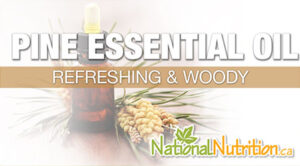
    A favourite during the holiday season, Pine has a fresh, lively scent that is both invigorating and uplifting. Used traditionally by Ancient Greeks and Egyptians for bronchitis, tuberculosis, and pneumonia. Pine was thought to have healing and restorative powers. The Native Americans chewed on the needle to defend against scurvy. They also used them on their beds to ward off fleas, lice and bed bugs. Today, many people reap the benefits of pine through aromatherapy and the use of pine essential oil.

    What is Pine Oil and How is it Extracted?

    Pine oil is derived from the needles, twigs, and bark of pine trees, primarily through steam distillation. This process involves steaming the plant material to release its volatile compounds, which are then condensed into a pure, aromatic oil. The resulting oil captures the essence of the pine tree, offering a fresh, crisp, and invigorating aroma.

    What Are the Health Benefits of Pine Essential Oil?

    Pine essential oil is celebrated for its powerful therapeutic properties. It acts as a natural stress reliever, thanks to compounds like phenols, which help calm the mind and reduce anxiety. It's also known for its antiseptic qualities, making it effective in supporting respiratory health by helping to relive cold symptoms, clear nasal congestion, and prevent the spread of infections. Additionally, pine oil can promote better circulation, soothe sore muscles, and support skin health by alleviating dryness, irritation, and skin conditions like eczema.

    How To Use Pine Essential Oil

    Today, pine oil is widely used in aromatherapy and personal care. It can be diffused to create a refreshing and uplifting atmosphere, or blended into massage oils to relieve muscle tension and rheumatism. Its balsamic scent is also popular in bath oils, foams, and natural cleaning products, where it provides both cleansing and invigorating benefits. Moreover, pine oil is known for its ability to support respiratory health and help manage conditions like colds and flu.

    Frequently Asked Questions About Pine Oil

    1. Can Pine Oil Be Used on the Skin?

    Yes, but it needs to always be diluted with a carrier oil before topical application to prevent irritation.

    2. Is Pine Oil Safe for Pets?

    Pine oil is harmful to pets, especially cats and dogs. It's best to not use this oil on or near pets to avoid issues.

    3. How Can I Use Pine Oil for Respiratory Health?

    You can diffuse it in an essential oil diffuser, add a few drops to a steam inhalation, or blend it into a chest rub to help clear congestion.

  • Rhodiola Rosea

    What is Rhodiola?

    Rhodiola is an adaptogenic herb which means it supports you under stress. It helps balance adrenal function, fatigue, cardiovascular function, blood sugar, mood, and cognitive function.

    There are over 50 species of Rhodiola. One species has received much attention called Rhodiola rosea. Rhodiola rosea grows throughout mountainous cold regions in the higher altitude and elevations of the Northern hemisphere. Its fragrant roots have been used medicinally for centuries by cultures throughout the Northern hemisphere.

    Similar to Ginsengs, Rhodiola helps you maintain balance and health.

    What is Rhodiola Used For and How Does it Work?

    Stress Balance

    Adrenal glands are in charge of numerous functions in your body. Coping with stress is one of them. Under stress, physical, mental or emotional, your adrenal glands secrete the hormones, adrenaline and cortisol. These hormones stimulate circulation, heart rate, increase blood sugar and give you energy to mount to the challenge at hand.

    Your adrenal glands are part of a greater system called your Hypothalamic Pituitary Adrenal Axis (HPS). This is a neuroendocrine pathway that specifically connects your hypothalamus and pituitary gland in your brain to your adrenals glands. So when you are under stress your brain tells your adrenal glands to increase adrenaline and cortisol secretion.

    The problem is we, as a culture, live pretty stressful lives so our adrenal glands are constantly secreting these hormones. Your body can handle this for a period of time without adverse effects. But after repeated acute or chronic exposure to stress your HPS system becomes less responsive to keep up the pace. Your adrenals glands then decrease secretion of these hormones and your ability to cope with stress becomes compromised. This means that you won’t have the same energy, focus or coping ability when you need it.

    Blood Sugar Balance

    Another example of the adaptive balancing effect of Rhodiola is it helps to balance blood sugar levels. One key component called Salidrosides has been found to prevent excessive blood sugar levels. Studies show that after an injection of adrenaline, which normally causes blood sugar levels to rise, blood sugar levels remain steady. Salidrosides have been shown to also prevent blood sugar levels from falling too low after an injection of insulin. Overall this means that when taking Rhodiola your blood sugar levels will remain more balanced, which reduces your risk of becoming diabetic and insulin resistant.

    Cardiovascular Health

    Another example of Rhodiola functioning as an adaptogen is its ability to protect your heart from stress. When lab animals are subjected to extreme cold or to high doses of the stress hormone adrenaline, the regularity of their heart rate is disrupted and the oxygen supply is temporarily cut off. This causes an overall increase in heart rate called tachycardia and an irregular heart rate called an arrhythmia. But animals failed to produce these signs of heart stress when given regular doses of Rhodiola. Rhodiola furthermore increased circulation and reduced damage to the muscle cells of the heart. It also balanced the overflow of negative neurotransmitters normally associated with these stressors.

    Mood and Cognitive Function

    Rhodiola can improve mood and your ability to focus and think clearly. It’s well documented that Rhodiola has a direct effect on a variety of neurotransmitters, one of which is serotonin, responsible for a feeling of happiness and well being.

    Laboratory studies show that Rhodiola enhances the transport of the serotonin raw materials, tryptophan and 5-hydroxytryptophan (5-HTP), across the blood-brain barrier. Increased levels of these amino acids allow for more serotonin to be made in your brain. Rhodiola also decreases the action of the serotonin-degrading catechol-O-methyltransferase (COMT) enzyme. This means serotonin can remain active longer stimulating you to feel more focused and happy longer. This is similar to how a class of anti-depressants work called SSRIs.

    Rhodiola also boosts brain levels of other neurotransmitters, dopamine, acetylcholine, and norepinephrine, all of which are key neurotransmitters targeted by major classes of antidepressant drugs.

    By positively affecting these neurotransmitters, Rhodiola demonstrates improvements in symptoms like depression, exhaustion, decreased motivation, daytime sleepiness, sleep disturbances, concentration deficiencies, forgetfulness, susceptibility to stress and irritability.

    Taking Rhodiola Supplements

    Rhodiola comes in liquid or capsule forms. It can be taken for long periods of time without negative side effects. It is particularly beneficial for those who have stressful jobs, are students, are shift workers, who are athletes, who have blood sugar issues and who have cardiovascular disease.

6 Item(s)

First name is required!
Last name is required!
First name is not valid!
Last name is not valid!
Please enter a valid email address.
Email address is required!
This email is already registered!
Password is required!
Enter a valid password!
Please enter 6 or more characters!
Please enter 16 or less characters!
Please ensure your passwords match.
Terms and Conditions are required!
Incorrect FormKey!
Incorrect Email or Password!
reCAPTCHA is mandatory. Click check box beside I am not a robot
Invalid login/register data, Kindly contact customer service agent.