A-Z respiratory health Articles

  • Balsam Fir Essential Oil

    Balsam Fir essential oil is great for soothing sore muscles.

    Introduction To Essential Oils

    Essentials oils have been used around the globe for centuries. They are used for both pleasure and medicinal purposes. Medicinally, certain essential oils can be ingested orally to have a biochemical effect on your body. Because essential oils are volatile, meaning they can evaporate into the air especially when added to hot water, they can be breathed in through your respiratory system.

    This can have a local effect on your sinuses, nasal passages and lungs. They can even enter your blood circulation through being inhaled which will then have a biochemical effect on your entire body. Topically essential oils work by penetrating your skin to affect an area locally and by penetrating your skin a small amount can enter your blood stream affecting your whole body. Applied topically, essential oils are absorbed through your olfactory nerve in your nose affecting your brain and nervous system. These various pathways can affect your health both mentally and physically. The study of Aromatherapy – the medicinal use of essential oils – falls under the new science called Psychoneuroimmunology, which is the study of the interaction of your psyche, nervous system and immune system. Science has shown that when you have a positive outlook and feel relaxed your immune system works better.

    Aromatherapy and the use of essential oils and resins from plants have been used in cultures globally since Biblical times. They were in such demand that they played an important role in international trade around the globe. In Egypt, high priests recorded the many medicinal uses of essential oils onto papyrus paper. Records show the Chinese used aromatic herbs and massage over 2000 years ago. And in Indian Ayurvedic medicine, essential oils were and still are used in massage and on pressure points to correct underlying imbalances and to improve health.

    How To Use Essential Oils

    • inhaled through steam inhalation, humidifiers, diffusers, and vaporizers
    • added to a carrier oil and applied to your skin directly or as a hot or cold compress
    • spritzed onto objects like pillows, bedding and furniture
    • added to infusers, potpourri and candles to enhance the odour of an indoor space
    • applied to skin as perfume
    • used as a gargle or mouth wash, added to toothpaste, soaps, cleaning solutions, lotions and creams, face and body spray
    • added to baths, hot tubs, Jacuzzis, hand and foot baths and saunas

    What is Balsam Fir Essential Oil?

    Balsam Fir Essential Oil is oil extracted from the Balsam Fir tree native to Eastern and Central Canada and North-eastern United States.

    Its oil is located in its needles and is extracted by steam distillation and used for culinary and medicinal purposes. It’s often added to natural cleaning products and candles to make indoor spaces smell welcoming and clean.

    Health Benefits of Balsam Fir

    Balsam Fir Essential Oil is used topically as a soothing agent for tense and sore muscles. This is because it acts to draw blood circulation to affected areas which hydrates and nourishes tense and sore muscles. It’s also good for aches and pains from exercise.

    Balsam Fir is good for your respiratory system. It’s oil opens respiratory airways in your nose, sinuses, bronchi and lungs. This is especially useful during coughs, asthma, sinus infections and colds.

    Balsam Fir Essential Oil is also thought to work on a mental emotional level. It’s thought to be transformational in changing beliefs and emotional patterns. It grounds the body and empowers the mind.

    Ways To Use Balsam Fir Oil

    Topically: in a carrier oil like Jojoba, Sweet Almond or Grape Seed Oil:

    • For sore tense muscles
    • Aches and pains
    • Sore joints, Arthritis
    • Post exercise
    • On chest and neck for colds, coughs, asthma, sinus infections

    Inhaled via steam inhalation, vaporizer, bath, diffuser or humidifier:

    Works synergistically with:

    • For colds – Eucalyptus, Oregano, Ginger
    • For sore muscles – Frankincense, Ginger, Rosemary
    • To ground the body and energize the mind – Geranium, Lavender, Rosemary, Basil

  • Basil Essential Oil

    Basil essential oil is great for coughs, sore muscles and joints.

    Essentials oils have been used around the globe for centuries. They are used for both pleasure and medicinal purposes. Medicinally, certain essential oils can be ingested orally to have a biochemical effect on your body. Because essential oils are volatile, meaning they can evaporate into the air especially when added to hot water, they can be breathed in through your respiratory system.

    This can have a local effect on your sinuses, nasal passages and lungs. They can even enter your blood circulation through being inhaled which will then have a biochemical effect on your entire body. Topically essential oils work by penetrating your skin to affect an area locally and by penetrating your skin a small amount can enter your blood stream affecting your whole body. Applied topically, essential oils are absorbed through your olfactory nerve in your nose affecting your brain and nervous system. These various pathways can affect your health both mentally and physically. The study of Aromatherapy – the medicinal use of essential oils – falls under the new science called Psychoneuroimmunology, which is the study of the interaction of your psyche, nervous system and immune system. Science has shown that when you have a positive outlook and feel relaxed your immune system works better.

    Aromatherapy and the use of essential oils and resins from plants have been used in cultures globally since Biblical times. They were in such demand that they played an important role in international trade around the globe. In Egypt, high priests recorded the many medicinal uses of essential oils onto papyrus paper. Records show the Chinese used aromatic herbs and massage over 2000 years ago. And in Indian Ayurvedic medicine, essential oils were and still are used in massage and on pressure points to correct underlying imbalances and to improve health.

    How To Use Aromatherapy

    • inhaled through steam inhalation, humidifiers, diffusers, and vaporizers
    • added to a carrier oil and applied to your skin directly or as a hot or cold compress
    • spritzed onto objects like pillows, bedding and furniture
    • added to infusers, potpourri and candles to enhance the odour of an indoor space
    • applied to skin as perfume
    • used as a gargle or mouth wash, added to toothpaste, soaps, cleaning solutions, lotions and creams, face and body spray
    • added to baths, hot tubs, Jacuzzis, hand and foot baths and saunas

    What is Basil Essential Oil?

    Basil Essential Oil is oil extracted from the Basil herb widely used in cooking.

    Basil Essential Oil makes for a very potent concentration of Basil with all of its health benefits.

    Currently there are over 150 varieties of Basil and the variety called Ociumum basilicum is the most used for making an Essential Oil of Basil.

    Health Benefits of Basil Essential Oil

    Basil Oil can be used for many things. It is anti-viral and anti-bacterial. And it’s also great as a decongestant during colds, coughs or bronchitis. Basil opens your respiratory airways while it dries phlegm produced during a cough or cold. And in the process will kill the virus and bacteria causing the infection. So during a cold or cough rub Basil on your chest, neck and upper back, do steam inhalations, and put Basil Oil in a diffuser so it pervades your bedroom air at night, similar to how people use Eucalyptus Essential Oil.

    Basil Oil is also great for sore muscles and joints. So if you have arthritis apply some Basil oil to the affected area a few times daily for relief of aches and pains due to strained muscles and inflamed joints.

    Basil Oil is also great for headaches, migraines and menstrual pains. Apply Basil Oil topically to affected areas a few times a day for relief of pain.

    How Do You Use Basil Essential Oil?

    Topically: in a carrier oil like Jojoba, Sweet Almond or Grape Seed Oil:

    • Sore tense muscles
    • Aches and pains
    • Sore joints, Arthritis
    • Post exercise sore muscles
    • On chest and neck for colds, coughs, asthma, sinus infections
    • On affected areas for headaches, migraines or menstrual pain
    • On neck, chest and upper back for colds, coughs, bronchitis and other respiratory infections
    • Topically for tooth infections and tooth abscesses

    Inhaled via steam inhalation, vaporizer, bath, diffuser or humidifier:

    • Coughs, colds
    • Bronchitis, pneumonia
    • Sinusitis, sinus infections

    Works synergistically with:

    • For colds – Eucalyptus, Oregano, Ginger, Balsam Fir
    • For sore muscles and Joints – Frankincense, Ginger, Rosemary, Balsam Fir
  • Cordyceps Mushroom Powder

    Cordyceps is a type of fungus that germinates in a living organism, most commonly in the caterpillar larvae. This entire caterpillar-fungi combination is hand-collected for medicinal use in areas such as Tibet, China, Nepal and India, where it has been used for centuries. Today, you can find cordyceps mushroom in supplement powder, capsules or whole to steep in tea. 

    Discover The History of Cordyceps Mushroom

    Cordyceps is a well-known remedy in Traditional Chinese Medicine (TCM), Tibetan Medicine and Herbal Folk Medicine. It has traditionally been shown to increase oxygen capacity, the amount of oxygen that can be carried by our red blood cells. This increases oxygen exchange in the lung; therefore, increasing energy, endurance and stamina.

    Top Health Benefits of Cordyceps Mushroom Powder

    Due to its affinity for the Lung, Cordyceps has been used to treat a wide range of respiratory ailments. It also has a strong affinity for the kidney and is, therefore, used in elderly populations to improve fatigue. Cordyceps are also known to boost immune health, which is especially effective for cold and flu prevention. 

    Taking Cordyceps Mushroom Powder Supplements

    The daily dosage of Cordyceps tends to be about 3-4 grams a day, but depending on the health concern, many TCM practitioners will go significantly higher. It is typically prepared as a tea, eaten whole by itself, or cooked in a variety of dishes. Cordyceps can be costly, and there are no reliable standards from which to compare different brands. The use of cultivated Cordyceps is the most cost-effective, but make sure it comes from a reliable source. 

    When shopping for cordyceps supplements, look for brands that use pure, potent sources that are sustainably farmed from wild-harvest, organic sources. 

    Final Cautions & Considerations To Consider

    It is considered non-toxic and safe with no contraindications for use. Individuals already using anti-diabetic medications need to be careful to avoid a hypoglycemic state. The combination of medication and Cordyceps together may be too strong they may need to readjust the dosage of the drug. The same warning should be given to individuals already taking an antiretroviral medication.

  • Diacetyl

    Is Diacetyl Harmful? 

    We are all familiar with the delicious, characteristic taste of butter. Butter naturally contains two compounds that create this flavour: acetoin and diacetyl. This compound is a natural byproduct of fermentation, and because of its buttery flavour, manufacturers often add these chemicals to processed foods to give them an artificial butter flavour. Researchers have linked diacetyl to diseases including popcorn worker's lung (bronchiolitis obliterans), and Alzheimer’s Disease. More research is needed.

    What Foods Contain Diacetyl?

    Diacetyl is a natural by-product of the fermentation process in certain alcoholic beverages, mainly wine and beer. Brewers may increase or reduce diacetylmorphine during production. These changes affect the beverage's final flavour.

    Potential Health Risks of Diacetyl

    Manufacturers use this by-product to create buttery flavours in margarine, processed foods, beverages, and oil-based products. It also enhances mouthfeel.

    Popcorn Worker’s Lung

    In the mid-2000’s, it became apparent that workers in several factories manufacturing artificial popcorn flavouring were coming down with serious lung conditions. Prolonged exposure to the inhalation of diacetyl vapours has been shown to cause bronchiolitis obliterans. In this disease, the normal lung tissue becomes inflamed and scarred, which eventually completely obstructs the airways.  At this time, the only known cure for this disease is a lung transplant. 

    Lawmakers introduced safety measures in 2009 and 2010 to protect workers who manufacture diacetyl. Many manufacturers are also voluntarily reducing their use of this compound in products, especially heated products like microwave popcorn, to help prevent exposure to consumers. Microwaving popcorn vaporizes diacetyl. Steam from the bag can release the compound into the air.

    Alzheimer’s Disease

    There is some preliminary evidence that this compound may also contribute to the progression of Alzheimer’s Disease. It was found that in a test tube, diacetyl increases beta-amyloid aggregation, one of the processes linked to the progressive loss of neurons in the brain.

    How Can I Avoid Diacetyl Exposure?

    The only proven health risk of this compound is its inhalation over time.  If you simply MUST have your butter flavoured microwave popcorn, then be sure to avoid inhaling the fumes, especially when it is fresh and steaming. Make freshly popped popcorn and add your own butter instead to completely avoid the risk. There is very little evidence that eating this compound is a health concern. Researchers need further studies to confirm the risks. Avoid artificial butter flavouring and some fermented alcoholic beverages to reduce exposure.

  • Elecampane Supplement Benefits

    Elecampane, also called horse-heal or elfdock, is a widespread plant species in the sunflower family Asteraceae. It is native to Eurasia from Spain to Xinjiang province in western China and naturalized in parts of North America. The root of this herb has long been used for its medicinal properties. 

    Key Health Benefits of Elecampane

    Cough Support

    Elecampane's anti-tussive properties are what makes it effective in decreasing coughs. It also possesses expectorant properties which can help loosen phlegm and mucus. It can be used for those nasty, lingering coughs and colds that make you feel unwell for weeks. It can be used for chronic coughs too, like those that are due to smoking or asthma.

    Lung Support

    This is a great herb for lung support which can be taken to support asthma, bronchitis and intense coughs, meaning that it supports the normal functioning of the respiratory tract

    Parasite Control

    Another less well-known use for this herb is as a treatment for parasite infections, although there is not much information on exactly how elecampane is beneficial in this case.

    Elecampane Supplement Varieties: Potency, Forms & Formats

    Elecampane can be purchased as a dried herb, encapsulated herb, liquid extract or tincture. It is found in formulas for coughs, asthma and lung cleansing.

    Potential Side Effects

    Skin contact with this herb may cause contact dermatitis. Elecampane is possibly safe for most adults when taken by mouth in usual medicinal amounts, but is possibly unsafe when taken in large amounts. Large amounts of elecampane can cause vomiting, diarrhea, spasms, and paralysis.

  • Eucalyptus Essential Oil

    Eucalyptus Plant Information

    Plant History

    The Eucalyptus tree was given it’s name in 1777 by French botanist, Charles-Louis Heritier when he was studying the plant in London. It was at this time the English discovered that eucalyptus was more effective at treating ailments than peppermint. Although eucalyptus was heavily studied in England and the rest of Europe, it’s origins are from Australia, Tasmania and the neighbouring islands. Natives to Australia knew about the plants therapeutic nature long before the English, deeming it a cure-all natural remedy. The application that gained the most attention by medical professionals was when aboriginals used eucalyptus leaves to treat severe injuries by wrapping stitched wounds with the leaves to speed up the healing process and fully fight off infection. As Australian doctors and surgeons caught on to this, they started using eucalyptus and its oil in their practices by prescribing it to treat chest problems like asthma, bronchitis and the common cold and flu. As eucalypti gained popularity in the medical world, pharmacist Joseph Bosisto started the exploitation of eucalyptus oil in 1852 by producing and selling it commercially. As more people became aware of Eucalypti’s benefits, German doctors Cole and Homeyer, were the first to write about and publish it’s antiseptic and antibacterial properties. In fact, it was so effective at purifying and treating disease, European governments would send eucalyptus trees to countries suffering from malaria outbreaks. The trees would be planted near wet, marshy areas with contaminated water. Since the trees absorb water quickly, they would dry up the area and purify the soil, leaving the area cleansed. Although eucalyptus has amazing healing benefits, in 1858, Australians from Kyneton, Victoria discovered a new way to use this oil. Theturned it into a gas to provide electricity throughout the town and used it as an alternative to coal. Today, Eucalyptus oil is still being used as a cure-all and can replace many modern-day pharmaceutical products. 

    Botanical Information

    Eucalyptus is the tallest flowering tree on Earth, with the ability to grow to 300 feet. There are over 700 species of Eucalypti, most of which are native to Australia, the Rainbow Eucalyptus being the most unique. Having a multi-coloured trunk that looks like a psychedelic dream, it’s truly one of mother natures masterpieces. Eucalypti belongs to the Myrtle family (Myrtaceae). These trees grow quickly and have long leaves that hang vertically. They also grow flowers and fruit however, the essential oil is extracted from the leaves in a ratio of 1:50 lbs.

    Growing Information

    When planting Eucalyptus, it needs to be planted in an area that provides full sun. It can tolerate a variety of soils, but it needs adequate drainage in order to survive. These trees survive best in a warmer environment that doesn’t reach below 10 degrees celsius however, some species of eucalypti can be planted in a 2ft diameter pot and be moved indoors during colder months. 

    Parts Used For Eucalyptus Essential Oil

    In Australia, they use many parts of the tree, but for oil extraction, only the leaves are used. 

    Eucalyptus Oil Information

    Extraction Method

    Eucalyptus' essential oil lies in the leaves and is extracted through steam distillation. The fresh or slightly dried leaves are hung in the still where the chamber begins to heat up with steam. As the steam rises, it heats the leaves and they sweat out the oil. The oil and steam then travel through the apparatus into another chamber where they are cooled, forcing the vapour to turn back into its liquid state. As the steam liquefies, the oil floats on top where it is then separated. 

    Active Ingredients Found in Eucalyptus Essential Oil

    The chemical composition of Eucalyptus essential oil is made up of: 1,8- Cineole (eucalyptol or cajeputol), Limonene, Para-Cymene and Alpha-Pinene.

    Eucalyptus Oil Benefits & Applications

    Respiratory Support

    Eucalyptus can treat many respiratory issues like; asthma, bronchitis, clear sinuses and help clear nasal passages when suffering from a cold or flu. 

    • Add 3 drops eucalyptus essential oil to a bowl of steaming water, with your face 5” away from the bowl, place a towel over your head and inhale the steam slowly and deeply to help relieve symptoms. 
    • Diffuse 6 drops eucalyptus oil in your diffuser and run throughout the day or night. 
    • Dilute 3 drops eucalyptus oil with 8ml almond oil and rub on your chest. 

    Disinfectant

    This oil has many great antibacterial and antiseptic properties which makes it a great disinfectant to use around the house, for cuts or wounds, to cleanse the body or purify the air you breathe. 

    • Dilute 3 drops eucalyptus essential oil with 8ml almond oil and rub onto hands to help cleanse your hands throughout the day or when sick. 
    • Cleanse the body by adding 4 drops eucalyptus oil to a warm bath.
    • Disinfect surfaces by adding 20 drops eucalyptus oil to a spray bottle filled with equal parts white vinegar and distilled water. 
    • Keep wounds clean by rubbing 3 drops eucalyptus oil with 7ml tamanu oil.
    • Purify the air, especially when others are sick, by diffusing 10 drops eucalyptus oil in your home or office. 

    Ache & Pain Remedy

    Eucalyptus oil is an analgesic, making it a great natural remedy for aches, pain and inflammation. 

    • Rub 4 drops eucalyptus oil, mixed with 10ml jojoba oil on inflamed or sore muscles after athletic activity.
    • Add 3 drops eucalyptus oil to a compress and dip it into hot or cold water, apply the compress to pained or inflamed area, making sure to move it often if the compress is hot.
    • Relieve joint or arthritis pain by adding 3 drops eucalyptus oil to 10ml argan oil in a roller ball, roll it along joints to relive pain and inflammation. 

    Stress Relief

    Eucalyptus has a calming effect that can support stress symptoms and help you relax and unwind. 

    • Diffuse 6 drops eucalyptus oil and meditate or lay back with eyes closed to relax.
    • Place 4 drops eucalyptus essential oil in a small bowl of warm water and place next to steaming shower, inhale while you relax under the hot shower water. 
    • Put 3 drops eucalyptus oil on a wash cloth and rub or dab on body (avoiding sensitive areas) while standing under running shower water. The scent will help relax you while the oil will help purify the body. 
    • Add 4 drops eucalyptus essential oil to a bowl of warm water, dampen cloth, wring it out and place over closed eyes or forehead, lay back and relax. This will create a calming feeling and help relieve any tension. 

    Shopping For Eucalyptus Oil

    Eucalyptus essential oil is best when it's steam distilled and organic when possible. Always purchase an essential oil that's either steam distilled or cold-pressed, aromatic, and pure. National Nutrition has many high quality Eucalyptus essential oils, shop them here.


  • Eucalyptus: Understanding Its Health Benefits

    The Australian Aborigines were the first to use Eucalyptus for its medicinal properties. They would use the oil externally to heal wounds and infections. It is both an antiseptic and astringent and, therefore, effectively dries up and cleans the affected area.

    Medical Properties Found in Eucalyptus

    The oil's primary active ingredient, eucalyptol (cineole), is what gives the leaves this anti-septic quality and its effectiveness against a variety of bacteria, especially Staphylococcus. Eucalyptus has the common name of fever tree, not only because it brings down fever, but more so because it helped to wipe out Malaria in the 1800s. The roots of these trees absorb a huge amount of water, thus drying up mosquito-infested marshes, sending the mosquitoes packing and stopping the spread of the deadly disease.

    Eucalyptus is also an expectorant, anti-inflammatory, deodorant and anti-spasmodic. Ointments made of this oil can be applied under the nose or over the chest to relieve congestion and loosen phlegm in the case of a dry cough. It is often added to cough drops, cough syrups and chest rubs for this purpose. Diluted eucalyptus oil can be used as a soothing rub for rheumatism, neuralgia, bruises, sprains, and sore muscles. Some individuals will use these teas and tinctures as an internal deodorant for bad breath and body odour. As an anti-spasmodic, eucalyptus is again used for cough relief and to reduce menstrual cramping.

    Eucalyptus Supplement Varieties

    Eucalyptus is available as a tincture, cream, ointment, essential oil, or lozenge. Many health food stores carry this fresh or dried leaf in bulk. 

    It can be ingested through the use of teas or tincture preparations, inhaled, or applied externally. Undiluted eucalyptus oil should never be ingested. 

    Cautions & Side Effects

    As an oil, this should never be ingested. Small amounts of undiluted oil (even in amounts as little as one teaspoon) are toxic and may cause circulatory problems, collapse, suffocation, or death. 

    When applied topically, this oil should always be diluted in a carrier oil such as almond, grapeseed, or other vegetable oil before applying it to the skin. Applying this oil to the skin may cause a rash in those who are sensitive or allergic to eucalyptus. Eucalyptus tinctures should include 5-10% essential oil, at a dose of 1-3 ml/day. Ointments should contain 5-20% essential oil to be effective.

  • Fennel Benefits: Exploring This Medicinal Herb

    Fennel seed is a gentle digestive aid that has a pleasant licorice taste and aroma. It can be used as a flavouring in baked goods and desserts. Fennel offers these health benefits due to its active ingredients, like the essential oils contained inside the seeds.

    Top Medicinal Constituents Found in Fennel Seeds

    There are over 28 compounds that have been identified in fennel seeds. These medicinal compounds include anethole, fenchone, methyl chavicol, and limonene, to name a few. These constituents are what give fennel its amazing health benefits. In animal and test-tube studies, they found that the organic compound anethole has antimicrobial, antiviral and anti-inflammatory properties, plus it protects against unhealthy cell growth.

    Key Health Benefits of Fennel

    As mentioned above, fennel is a great digestive-supporting supplement. It decreases that “heavy” feeling you get in your stomach after eating a large meal by promoting movement in the gastrointestinal tract. Ironically, it also decreases intestinal spasms when it is taken in larger quantities.

    In the respiratory tract, the essential oils decrease mucus secretions and increase the activity of the little hairs that line the tract. The hairs are responsible for moving mucus out of the lungs and up to the throat where it can be expectorated.

    Fennel seed is recommended by natural health practitioners for a variety of concerns including:

    Different Varieties of Fennel Supplements

    Fennel seeds are usually crushed or ground to release the essential oils (medicinal ingredients). They can be purchased loose, in tea bags or encapsulated. Fennel may be found in formulas for soothing the digestive tract or decreasing coughs.

    Potential Side Effects & Cautions To Consider

    It has been reported that fennel can lead to allergic bronchial and skin reactions but these reactions are rare. Fennel essential oil is a concentrated form of fennel. All essential oils carry an increased risk of toxicity when they are used internally and should not be given to pregnant women or children.

  • Lobelia: An Herbal Remedy For Good Health

    Lobelia was a traditional Native American remedy for asthma and bronchitis. The leaves stems and flowering tops were dried and smoked to quiet bronchial spasms. They also chewed the leaves for sore throat and cough. Let's explore more of its health benefits. 

    Key Health Benefits of Lobelia

    Lobelia was also prescribed to reduce fevers and induce vomiting, which was considered cleansing. Poultices made of the root and leaves were applied externally to relieve sprains, bruising and insect bites. Today it is most commonly used as a bronchodilator, making breathing easier for patients with asthma or other pulmonary disorders.

    Top Constituents of Lobelia

    Lobeline is the most active among the many alkaloids that lobelia contains. Lobeline is a cousin to nicotine with the ability to activate nicotine-like receptors in the brain, without the addictive side effects. This prompted the addition of this herb into many anti-smoking aids to cure habitual tobacco use. More recent research has indicated that lobelia's toxic effects may be exaggerated when combined with nicotine and the use of lobelia in these products has decreased.

    Important Information & Potential Side Effects

    Lobelia should only be used for medicinal use under the supervision of a healthcare provider. It is safe in appropriate and small doses, but even a small overdose can have side effects, including slowing respiration and drastically lowering blood pressure. In large doses, lobelia can cause severe nausea, vomiting, convulsions, and even complete respiratory failure. For most individuals, as a liquid extract (1:1 ratio in 50 % alcohol) take .2-.6 ml three times/day. As a tincture (1:8 ratio in 60% alcohol) take .6-2ml three times/day. As a dried herb, combine 200-600 mg steeped with 1 cup of boiling water three times/day.

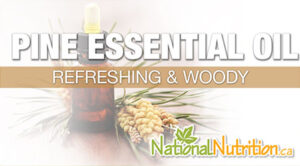
  • Pine Essential Oil

    A favourite during the holiday season, Pine has a fresh, lively scent that is both invigorating and uplifting. Used traditionally by Ancient Greeks and Egyptians for bronchitis, tuberculosis, and pneumonia. Pine was thought to have healing and restorative powers. The Native Americans chewed on the needle to defend against scurvy. They also used them on their beds to ward off fleas, lice and bed bugs. Today, many people reap the benefits of pine through aromatherapy and the use of pine essential oil.

    What is Pine Oil and How is it Extracted?

    Pine oil is derived from the needles, twigs, and bark of pine trees, primarily through steam distillation. This process involves steaming the plant material to release its volatile compounds, which are then condensed into a pure, aromatic oil. The resulting oil captures the essence of the pine tree, offering a fresh, crisp, and invigorating aroma.

    What Are the Health Benefits of Pine Essential Oil?

    Pine essential oil is celebrated for its powerful therapeutic properties. It acts as a natural stress reliever, thanks to compounds like phenols, which help calm the mind and reduce anxiety. It's also known for its antiseptic qualities, making it effective in supporting respiratory health by helping to relive cold symptoms, clear nasal congestion, and prevent the spread of infections. Additionally, pine oil can promote better circulation, soothe sore muscles, and support skin health by alleviating dryness, irritation, and skin conditions like eczema.

    How To Use Pine Essential Oil

    Today, pine oil is widely used in aromatherapy and personal care. It can be diffused to create a refreshing and uplifting atmosphere, or blended into massage oils to relieve muscle tension and rheumatism. Its balsamic scent is also popular in bath oils, foams, and natural cleaning products, where it provides both cleansing and invigorating benefits. Moreover, pine oil is known for its ability to support respiratory health and help manage conditions like colds and flu.

    Frequently Asked Questions About Pine Oil

    1. Can Pine Oil Be Used on the Skin?

    Yes, but it needs to always be diluted with a carrier oil before topical application to prevent irritation.

    2. Is Pine Oil Safe for Pets?

    Pine oil is harmful to pets, especially cats and dogs. It's best to not use this oil on or near pets to avoid issues.

    3. How Can I Use Pine Oil for Respiratory Health?

    You can diffuse it in an essential oil diffuser, add a few drops to a steam inhalation, or blend it into a chest rub to help clear congestion.

  • Pneumonia & Lung Health

    Pneumonia is an inflammation of the small lung sacs where air exchange occurs. It can be the result of an infection such as a bacteria, virus or fungus. It can also happen due to the inhalation of toxins or aspiration – when something other than air enters the lungs - of other fluids like stomach juices. Let's explore symptoms of pneumonia and ways to support it if you do become ill with it. 

    Understanding Pneumonia

    Not everyone who is exposed to pneumonia-producing microbes gets pneumonia. It is far more common in those with other respiratory conditions, the elderly, infants, heavy smokers and immuno-compromised or immobile individuals.

    Symptoms of Pneumonia

    Pneumonias can develop slowly, without many symptoms, or quickly, with intense symptoms. Classic pneumonia signs are painful, dry cough, fatigue and high fever. Breathing becomes laboured due to the pain. As the pneumonia progresses, the cough loosens, and rust-coloured mucus is expectorated.

    Pneumonia Support Options

    Conventional Treatments

    Conventional treatment of infectious pneumonia uses antibiotics, antiviral or antifungal medications. They do not address the root cause of the problem, which is usually weakened immunity or an underlying medical condition. Repeated use of antibiotics for upper respiratory infections can lead to the evolution of antibiotic-resistant bacteria that can cause pneumonia. Make sure to replace the helpful bacteria in your system with a probiotic supplement after antibiotic therapy.

    Natural Support

    Nutritional support for pneumonia focuses on immune function and lung health.

    Vitamin C provides a strong foundation for immune support. Combine it with echinacea and zinc for added immune benefits. Colostrum and astragalus support prevention and recovery during infection. Oregano oil and goldenseal help the body fight lung infections.

    Supporting lung health may reduce damage and scarring. NAC (N-acetylcysteine) helps break down thick mucus. It makes mucus easier to expel from the lungs. NAC also helps reduce lung inflammation and irritation.

    Licorice may also reduce mucus and inflammation. Avoid licorice if you hace high blood pressure.

    Coenzyme Q10 supports oxygen transport and cellular energy production. It may also support immune function and reduce inflammatory damage.

    Moderate exercise and deep breathing support lung function. However, prioritize rest during active pneumonia. Return to normal activities only after full recovery.

    Keep indoor air moist whenever possible. Spend time outdoors in fresh air when appropriate. Steam inhalations with thyme and eucalyptus may help relax airways. These herbs also provide antimicrobial properties.

    Hydrotherapy may support immune function. Alternate one minute of hot water with one minute of cold water. Repeat several times and always finish with cold water.

    After recovery, blow up a balloon several times daily. This exercise may help restore lung strength.

    Dietary Approaches for Pneumonia

    • Increase fluid intake to help thin mucus secretions.
    • Detoxify periodically to reduce the body's toxic burden.
    • Eat plenty of raw fruits and vegetables like onions and garlic for their antimicrobial compounds.
    • Include flaxseed or fish oil for anti-inflammatory fatty acids.
    • Limit animal products that contain inflammatory precursors.
    • Avoid dairy products that may increase mucus production.
    • Avoid processed foods, white flour, and refined sugar.
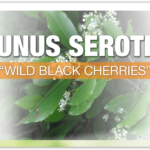
  • Prunus Serotina

    Prunus Serotina, commonly known as wild cherry bark, has a long history of use in traditional herbal practices for supporting respiratory and digestive wellness. Valued for its naturally occurring plant compounds, this botanical is often included in natural health formulas designed to promote comfort and balance. In this article, let's explore what Prunus Serotina is, the potential benefits and uses that make it a popular choice.

    What Is Prunus Serotina?

    Prunus Serotina is a tree native to North America whose bark has traditionally been used in herbal wellness. The inner bark is valued for its natural plant compounds, including flavonoids and tannins, which are believed to support respiratory comfort and digestive balance. Today, Prunus Serotina is often found in natural health supplements and botanical formulas aimed at promoting overall wellness and soothing the body's natural systems.

    Health Benefits of Prunus Serotina

    The aromatic inner bark of the wild cherry tree was first used by the Native Americans to treat a cough and cold. The bark was made into teas or infusions to reduce fever, control diarrhea, cure headache and ease laryngitis.

    Prunus Serotina is also well respected for its actions against a sore throat, lung ailments such as bronchitis and pneumonia, upset stomach and general malaise. You can see why attention has recently turned to the use of prunus serotina for flu prevention and treatment, as well as an everyday cough and cold.

    Wild cherry bark contains a glycoside called prunasin which has been found responsible for its anti-spasmodic properties. Prunasin relaxes the smooth muscle lining of the bronchioles. Its sedative effects give it great strength against irritating and persistent coughs that can prevent sleep.

    Important Considerations

    There are no known safety issues with the use of wild cherry bark. It should be noted that the leaves of the wild cherry tree also contain prunasin and when damaged by frost, or drought (when they wilt) or even trampled by animals, the prunasin is broken down and releases cyanide poison. When even small amounts of the damaged leaves are eaten by humans or animals, the consequences can be deadly and symptoms can appear within minutes of ingestion. It is always best to avoid ingesting the berries when you find them in the wild, in case of unseen damage.

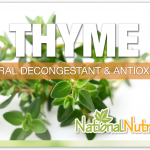
  • Thyme: A Timeless Herb

    Thyme has earned its place as both a beloved culinary herb and a respected traditional remedy. Known for its aromatic fragrance and earthy flavour, this Mediterranean plant has been used for centuries to support respiratory health, digestion, and immune function. 

    Today, thyme continues to bridge the gap between kitchen and apothecary, offering benefits in its whole herb form, as a dried spice, and as a concentrated essential oil. 

    What is Thyme?

    Thyme (Thymus vulgaris) is a perennial evergreen herb belonging to the Lamiaceae (mint) family. Native to the Mediterranean region, it thrives in sunny, dry climates and well-drained soil. The plant grows as a low shrub with small, gray-green leaves and delicate purple or pink flowers. 

    Historically, it was used in ancient Egypt for embalming, in Greece as incense in temples, and in traditional European herbal medicine for respiratory and digestive support. Its therapeutic properties are largely attributed to active compounds such as thymol, carvacrol, and rosmarinic acid, which contribute to its antimicrobial, antioxidant, and anti-inflammatory effects. 

    Health Benefits of Thyme

    Respiratory Support

    This herb has long been valued for supporting respiratory health. Its natural compounds, particularly thymol, help loosen mucus and soothe irritated airways. Herbal preparations are often used to ease coughs, bronchial congestion, and seasonal throat discomfort. Its mild antispasmodic properties may also help calm persistent coughing. 

    Immune System Support

    Rich in antioxidants and antimicrobial compounds, thyme helps defend the body against oxidative stress and environmental pathogens. Thymol and carvacrol have been studied for their ability to inhibit certain bacteria and fungi, making thyme a popular choice during cold and flu season. 

    Digestive Health

    Traditionally, this herb has been used to stimulate digestion and reduce bloating or gas. It may help relax the digestive tract while supporting healthy gut balance. Its antimicrobial properties can also contribute to maintaining a healthy intestinal environment. 

    Anti-Inflammatory and Antioxidant Effects

    Thyme contains flavonoids and phenolic compounds that help neutralize free radicals. These antioxidant actions may support overall cellular health and reduce inflammation in the body. 

    Forms of Thyme

    Loose Herbs (Dried or Fresh)

    Loose thyme leaves can be steeped as an herbal tea or used in homemade infusions. As a tea, it is commonly consumed to soothe sore throats, support respiratory comfort, and promote digestion. To prepare, steep 1-2 teaspoons of thyme tea or dried herbs in hot water. 

    Fresh or dried loose herbs may also be used in steam inhalations for respiratory support. This traditional method allows aromatic compounds to be inhaled directly. 

    Culinary Uses

    As a spice, it is a kitchen staple. This spice enhances soups, stews, roasted vegetables, poultry, and more. Beyond flavour, using thyme as a spice offers gentle digestive and antioxidant benefits. Regular culinary use may contribute to overall wellness by incorporating its bioactive plant compounds into daily meals. 

    Because it is milder in this form, thyme used as a spice is generally safe for routine use. 

    Thyme As An Essential Oil

    As an essential oil, it is highly concentrated and obtained through steam distillation of the leaves and flowering tops. It is most commonly used in aromatherapy and topical applications. 

    When properly diluted in a carrier oil, it may be applied to the chest for respiratory support or used in massage blends for muscle comfort. In diffusers, it can help purify indoor air and promote a sense of clarity. It is also a topical antifungal for both the skin and scalp. You can add a couple of drops to your shampoo before washing your hair. 

    Due to its potency, thyme essential oil must always be diluted before being applied to the skin and should never be ingested. It is also toxic to pets, so keep away from them. 

    Important Information on Thyme

    The essential oil of thyme is a highly concentrated substance. When using essential oils, especially in sensitive areas, be sure to test the oil first on a small area. If necessary, dilute the oil in a carrier oil, such as olive, almond or any cooking oil. Thyme oil or herb can be used for steam inhalation.

    Essential oils are toxic when taken internally. Thyme may cause an allergic reaction when used topically or internally. Individuals with ulcers, intestinal inflammation or other gastrointestinal conditions or those with irritation in the urinary tract, may not wish to use thyme.

13 Item(s)

First name is required!
Last name is required!
First name is not valid!
Last name is not valid!
Please enter a valid email address.
Email address is required!
This email is already registered!
Password is required!
Enter a valid password!
Please enter 6 or more characters!
Please enter 16 or less characters!
Please ensure your passwords match.
Terms and Conditions are required!
Incorrect FormKey!
Incorrect Email or Password!
reCAPTCHA is mandatory. Click check box beside I am not a robot
Invalid login/register data, Kindly contact customer service agent.