


A-Z natural pain relief Articles

  • Crampbark: Explore Its Powerful Healing Benefits

    Crampbark is a well-known quick and effective treatment for menstrual cramping, but did you know you can use it for all different kinds of cramping? It is a muscle relaxant that can also be used for intestinal cramping, leg muscle cramping and urinary tract cramping. It is a good idea to keep this versatile herb on hand in your medicine cabinet to treat symptomatic cramping.

    Exploring The History & Roots of Crampbark

    Viburnum opulus, more commonly known as crampbark, is an ornamental shrub with medicinal properties. Just as its name implies, the bark of this plant is used to treat all sorts of cramps. 

    Key Medicinal Properties Found in Crampbark

    This herb is a uterine antispasmodic herb that relaxes the muscular part of the uterus. The bark and root bark contain the active components scopoletin and viopudial, which work to relax smooth muscle. These active components have a strong relaxing effect on uterine smooth muscle but also have a relaxing effect on smooth muscle throughout the body including the intestines, and the small airways in the lungs, kidneys and bladder.

    Top Health Benefits of Crampbark

    Crampbark has a long history of use for menstrual cramps and usually works very quickly. It is a uterine antispasmodic that is not only great for menstrual cramping, it also has been used to halt contractions during premature labour, as well as build up uterine muscle during the last trimester of pregnancy to prepare for easier labour. However, it is important to first consult with an experienced herbalist or naturopathic doctor before using crampbark during pregnancy.

    Since crampbark is a muscle relaxant, it can also be used for intestinal cramping and muscle cramps anywhere in the body including leg cramps and a stiff neck. Crampbark relaxes smooth muscle and has been used to treat the spasmodic nature of asthma and colic. It is also effective as a kidney stimulant for urinary conditions that cause pain and spasms.

    Tips For Taking Crampbark Supplements

    Crampbark is typically available in tincture (liquid) form, which is the most effective and bioavailable. For menstrual cramps, take 30-60 drops every hour until cramping subsides, and then take 30-60 drops every 2-3 hours. 

    Reduce the dosage as symptoms decrease. It’s best to start taking crampbark 1-2 days before menstrual cramping starts but can be taken only as needed. There is no need to take this herb throughout the menstrual cycle, only use it when cramping occurs.

    For other types of cramping in adults, take 30-60 drops every 2-3 hours and reduce the dosage as cramping subsides.

  • Eucalyptus Essential Oil

    Eucalyptus Plant Information

    Plant History

    The Eucalyptus tree was given it’s name in 1777 by French botanist, Charles-Louis Heritier when he was studying the plant in London. It was at this time the English discovered that eucalyptus was more effective at treating ailments than peppermint. Although eucalyptus was heavily studied in England and the rest of Europe, it’s origins are from Australia, Tasmania and the neighbouring islands. Natives to Australia knew about the plants therapeutic nature long before the English, deeming it a cure-all natural remedy. The application that gained the most attention by medical professionals was when aboriginals used eucalyptus leaves to treat severe injuries by wrapping stitched wounds with the leaves to speed up the healing process and fully fight off infection. As Australian doctors and surgeons caught on to this, they started using eucalyptus and its oil in their practices by prescribing it to treat chest problems like asthma, bronchitis and the common cold and flu. As eucalypti gained popularity in the medical world, pharmacist Joseph Bosisto started the exploitation of eucalyptus oil in 1852 by producing and selling it commercially. As more people became aware of Eucalypti’s benefits, German doctors Cole and Homeyer, were the first to write about and publish it’s antiseptic and antibacterial properties. In fact, it was so effective at purifying and treating disease, European governments would send eucalyptus trees to countries suffering from malaria outbreaks. The trees would be planted near wet, marshy areas with contaminated water. Since the trees absorb water quickly, they would dry up the area and purify the soil, leaving the area cleansed. Although eucalyptus has amazing healing benefits, in 1858, Australians from Kyneton, Victoria discovered a new way to use this oil. Theturned it into a gas to provide electricity throughout the town and used it as an alternative to coal. Today, Eucalyptus oil is still being used as a cure-all and can replace many modern-day pharmaceutical products. 

    Botanical Information

    Eucalyptus is the tallest flowering tree on Earth, with the ability to grow to 300 feet. There are over 700 species of Eucalypti, most of which are native to Australia, the Rainbow Eucalyptus being the most unique. Having a multi-coloured trunk that looks like a psychedelic dream, it’s truly one of mother natures masterpieces. Eucalypti belongs to the Myrtle family (Myrtaceae). These trees grow quickly and have long leaves that hang vertically. They also grow flowers and fruit however, the essential oil is extracted from the leaves in a ratio of 1:50 lbs.

    Growing Information

    When planting Eucalyptus, it needs to be planted in an area that provides full sun. It can tolerate a variety of soils, but it needs adequate drainage in order to survive. These trees survive best in a warmer environment that doesn’t reach below 10 degrees celsius however, some species of eucalypti can be planted in a 2ft diameter pot and be moved indoors during colder months. 

    Parts Used For Eucalyptus Essential Oil

    In Australia, they use many parts of the tree, but for oil extraction, only the leaves are used. 

    Eucalyptus Oil Information

    Extraction Method

    Eucalyptus' essential oil lies in the leaves and is extracted through steam distillation. The fresh or slightly dried leaves are hung in the still where the chamber begins to heat up with steam. As the steam rises, it heats the leaves and they sweat out the oil. The oil and steam then travel through the apparatus into another chamber where they are cooled, forcing the vapour to turn back into its liquid state. As the steam liquefies, the oil floats on top where it is then separated. 

    Active Ingredients Found in Eucalyptus Essential Oil

    The chemical composition of Eucalyptus essential oil is made up of: 1,8- Cineole (eucalyptol or cajeputol), Limonene, Para-Cymene and Alpha-Pinene.

    Eucalyptus Oil Benefits & Applications

    Respiratory Support

    Eucalyptus can treat many respiratory issues like; asthma, bronchitis, clear sinuses and help clear nasal passages when suffering from a cold or flu. 

    • Add 3 drops eucalyptus essential oil to a bowl of steaming water, with your face 5” away from the bowl, place a towel over your head and inhale the steam slowly and deeply to help relieve symptoms. 
    • Diffuse 6 drops eucalyptus oil in your diffuser and run throughout the day or night. 
    • Dilute 3 drops eucalyptus oil with 8ml almond oil and rub on your chest. 

    Disinfectant

    This oil has many great antibacterial and antiseptic properties which makes it a great disinfectant to use around the house, for cuts or wounds, to cleanse the body or purify the air you breathe. 

    • Dilute 3 drops eucalyptus essential oil with 8ml almond oil and rub onto hands to help cleanse your hands throughout the day or when sick. 
    • Cleanse the body by adding 4 drops eucalyptus oil to a warm bath.
    • Disinfect surfaces by adding 20 drops eucalyptus oil to a spray bottle filled with equal parts white vinegar and distilled water. 
    • Keep wounds clean by rubbing 3 drops eucalyptus oil with 7ml tamanu oil.
    • Purify the air, especially when others are sick, by diffusing 10 drops eucalyptus oil in your home or office. 

    Ache & Pain Remedy

    Eucalyptus oil is an analgesic, making it a great natural remedy for aches, pain and inflammation. 

    • Rub 4 drops eucalyptus oil, mixed with 10ml jojoba oil on inflamed or sore muscles after athletic activity.
    • Add 3 drops eucalyptus oil to a compress and dip it into hot or cold water, apply the compress to pained or inflamed area, making sure to move it often if the compress is hot.
    • Relieve joint or arthritis pain by adding 3 drops eucalyptus oil to 10ml argan oil in a roller ball, roll it along joints to relive pain and inflammation. 

    Stress Relief

    Eucalyptus has a calming effect that can support stress symptoms and help you relax and unwind. 

    • Diffuse 6 drops eucalyptus oil and meditate or lay back with eyes closed to relax.
    • Place 4 drops eucalyptus essential oil in a small bowl of warm water and place next to steaming shower, inhale while you relax under the hot shower water. 
    • Put 3 drops eucalyptus oil on a wash cloth and rub or dab on body (avoiding sensitive areas) while standing under running shower water. The scent will help relax you while the oil will help purify the body. 
    • Add 4 drops eucalyptus essential oil to a bowl of warm water, dampen cloth, wring it out and place over closed eyes or forehead, lay back and relax. This will create a calming feeling and help relieve any tension. 

    Shopping For Eucalyptus Oil

    Eucalyptus essential oil is best when it's steam distilled and organic when possible. Always purchase an essential oil that's either steam distilled or cold-pressed, aromatic, and pure. National Nutrition has many high quality Eucalyptus essential oils, shop them here.


  • Lemongrass Essential Oil

    Botanical Information For Lemongrass

    Plant History

    The origins of lemongrass come from tropical climates such as; Africa, Asia, Southeast Asia, Australia and Oceanic countries. There are two main types of lemongrass, Cymbopogon Citratus and Cymbopogon Flexuosus. C. Citratus is often used in Indian, Chinese and Thai cuisine to aid in digestion and C. Flexuosus is mainly used in essential oil therapy. Lemongrass is sometimes referred to as “fever grass” because it can help break high body temperatures when lemongrass leaves are muddled into tea. This plant has also been used for it’s antimicrobial properties and can treat infection, kill pesky bugs, help in cold and flu recovery and can alleviate muscle stiffness by increasing circulation. In 1905, thetherapeutic properties of this plant peaked and in 1947, lemongrass began to be grown commercially in Florida & Haiti. 

    Botanical Information

    Lemongrass belongs to the Poaceae family which is also home to 55 other plant species. These plants are a perennial herb and grow in clusters, often reaching 2 meters in diameter, with leaves that can grow up to 1 meter in length. These plants can also have a fragrant aroma, bringing freshness to the areas they are grown. 

    Growing Information

    Lemongrass needs a warm, humid climate with full sunlight in order to survive. In North America this plant would thrivebest in southern USA. You can grow lemongrass indoors or in a greenhouse, just ensure to replicate a tropical environment and plant in a pot using rich, well-draining soil and ensure the roots don’t dry out. This plant also needs to be fertilized every couple of weeks during its growing season. 

    Parts of The Plant That's Used For Lemongrass Essential Oil

    Once lemongrass blades reach 12” in height and the base of the stems are 1/2” thick, they can be harvested. The whole shoot can be used, the base of the stalk is edible and used in many dishes, suc as coconut curries and the leaves can be used in teas or for oil extraction. 

    Lemongrass Oil Information

    Extraction Method For Lemongrass Essential Oil

    Lemongrass oil is extracted through steam distillation, as are most essential oils. Fresh leaves or freeze dried leaves are used in the extraction process. The leaves are placed in a chamber of the steaming still and as the steam heats up, it pulls the essential oil out of the leaves. The steam and oil then travel through the apparatus and when they reach a holding chamber, the temperature cools, causing it to re-liquify. The mixture is then carried through to the separator and the oil is siphoned off the water and used in essential oils, while the fragrant water is commonly used in cosmetics and to scent products. 

    Active Ingredients Found In Lemongrass Essential Oil

    The main active ingredients in Lemongrass are; Mycrene, Citronellal, Geranyl Acetate, Nerol, Geraniol, Neral, Limonene and Citral. 

    Lemongrass Essential Oil Applications & Benefits

    Invigorate, Revitalize, Uplift

    Lemongrass oil is very uplifting and invigorating. It’s citrusy scent helps boost energy and mood. If you’re looking for a mid-afternoon energy boost, you can incorporate lemongrass oil to your daily routine: 

    • Add 10-12 drops of lemongrass essential oil to a diffuser 
    • Mix 1 drop of lemongrass essential oil with 1 drop carrier oil (grapeseed, jojoba oil) and rub onto your wrists and neck
    • Fill a spray bottle with water and add 3-4 drops lemongrass oil, shake and use as a make up setting spray or skin freshener to help energize your spirit and skin. 
    • Mix 3-4 drops lemongrass oil to a spray bottle filled with water, shake and use as a room freshener. 

    Pests Be Gone

    Lemongrass oil makes for a great repellant because it’s not only effective and chemical free, but it smells great too. To use as a repellant:

    • Mix 5 drops lemongrass oil to a rollerball filled with jojoba oil and rub on wrists, ankles and behind the ears or anywhere else that’s exposed
    • Diffuse 10 drops of lemongrass oil in a diffuser in your backyard or house to keep mosquitos, flies and fleas out of your home
    • Mix 5 drops lemongrass oil and 3 drops citronella oil in a spritz bottle filled with witch hazel and water, shake well and spray over clothing as needed. 

    Immune Support

    Lemongrass has great anti-bacterial properties and can fight bacteria that causes cold and flu. Lemongrass can also help regulate body temperature. To use lemongrass to help combat the cold season:

    • Add 3-5 drops of lemongrass essential oil in 3 cups of boiling water, place face 14 inches from bowl, close eyes and slowly inhale the steam. 
    • Diffuse 10 drops of lemongrass oil in a diffuser and use as you would a vaporizer
    •  Add 2 drops of lemongrass oil per 2 drops of your favourite carrier oil (tamanu, jojoba) and apply it to your temples and chest to inhale during sleep. 

    Headache Relief

    Lemongrass oil makes a great headache remedy and can revitalize your mood at the same time. If you find yourself being effected by headache pain, but don’t have time to nap it off, these remedies can help:

    • Diffuse 10-15 drops of lemongrass oil in a diffuser
    • Mix 3 drops lemongrass oil to a rollerball filled with jojoba oil and massage on temples and base of neck
    • Add 3 drops of lemongrass oil to a bowl of hot or cold water and place a cloth in the water. Wring it out and lay or tie the cloth on forehead or at the base of your neck, depending where the headache tension is coming from. Inhale deeply for 15-20 minutes. 

    Stress & Sleep Support

    Revitalizing as lemongrass can be, it can also have calming properties depending on how it’s used. Many spas use lemongrass infused oils and creams to create a relaxing atmosphere. To help feel more relaxed with lemongrass:

    • In a small spray bottle; add 1 ounce of witch hazel, 10 drops of lemongrass oil and 5 drops lavender essential oil. Mix with 3 ounces of water and just before bed, spray on your bed linens or pajamas for a restful nights sleep. 
    • Diffuse 10-12 drops of lemongrass oil and 5 drops jasmine oil 30 minutes before bed and let it run into the night
    • Apply 2-3 drops of lemongrass oil into your favourite unscented body cream or lotion and massage over body before bed.

    Shopping For Quality Lemongrass Oil

    When buying Lemongrass oil, you will want to follow the information listed above. Opt for one that is steam distilled as this creates an oil that's pure and clean. You can find high quality Lemongrass essential Oils here.


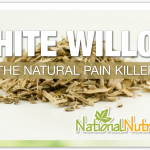
  • White Willow - Natural Pain Relief

    White willow has been used for centuries as a natural remedy. Often referred to as "nature's aspirin," this traditional herb contains compounds that helped inspire the development of modern aspirin. 

    Today, it is still valued for its pain-relieving capabilities. In this article, we will delve into where this herb comes from, its health benefits, and supplement varieties. 

    What is White Willow?

    White willow (Salix alba) is a deciduous tree native to Europe and parts of Western and Central Asia. It commonly grows in moist environments such as riverbanks, wetlands, and floodplains. The tree can reach heights of up to 25 meters and is easily recognized by its slender branches, narrow silver-green leaves, and rough gray bark. 

    In herbal medicine, the bark of the tree is the most valued part. Historically, ancient Greek and Egyptian healers used willow bark preparations to treat pain and fevers. Indigenous traditions across Europe and Asia also used it to relieve headaches, joint discomfort, and inflammatory conditions. 

    Today, the dried bark remains popular in the herbal medicine community for natural pain relief and anti-inflammatory support. 

    Active Compounds in White Willow

    The medicinal effects of this herb mainly come from its compound, salicylates, particularly salicin. When consumed, it is converted in the body into salicylic acid, which is closely related to the active compound used to develop aspirin. 

    This herb also contains additional plant compounds, including:

    • Flavonoids
    • Polyphenols
    • Tannins

    Health Benefits of White Willow

    Natural health practitioners use this herb for headaches, arthritis, gout, muscle injury, joint injury, other inflammatory conditions and fevers.

    Pain Relief

    One of the most well-known benefits of white willow is its ability to relieve pain. The salicylates in it act in a similar way to aspirin, helping reduce discomfort by calming inflammatory pathways in the body. 

    Herbal practitioners commonly recommend this herb for headaches, muscle injuries, and joint pain.

    Anti-Inflammatory Support

    White willow is widely used to help reduce inflammation throughout the body. This makes it a common herbal option for conditions involving joint inflammation or tissue irritation. 

    It may be particularly helpful for inflammatory conditions such as arthritis and gout. 

    Fever Reduction

    White willow has traditionally been used as an antipyretic, meaning it may help reduce fever. By influencing inflammatory compounds involved in fever response, this herb has been used historically to support the body during illness.

    Joint & Muscle Pain

    Because of its combined anti-inflammatory and pain-relieving properties, this herb is often used to support recovery from muscle injuries, joint strain, and physical stress. It may help ease stiffness and improve comfort during healing. 

    Respiratory Support

    White willow may also help reduce mucus secretions, which can provide support during certain respiratory conditions where excess mucus contributes to discomfort. 

    White Willow Supplement Varieties

    White willow is often available as encapsulated bark, powdered bark, liquid extracts, and dried bark preparations. 

    High-quality herbal supplements are often standardized to contain specific levels of active salicylates. Standardization helps ensure consistency and potency in each dose. 

    Some important considerations when choosing a supplement include:

    • Look for products standardized for active compounds.
    • Supplements made from white willow bark alone are typically stronger than those made from the whole tree. 
    • White willow is often included in pain relief and anti-inflammatory herbal blends. 

    Traditional herbal preparations may also use dried willow bark in teas or decoctions, although capsules are typically more convenient and consistent in dosage.

    Safety Information

    Although this herb is a natural remedy, it must be used with caution due to its salicylate content. 

    Because its compounds are similar to aspirin, it may reduce blood clotting ability. Those taking blood thinners, aspirin, or NSAIDs should consult a healthcare provider before using white willow. 

    Other important safety considerations to consider:

    • Avoid use if you have active bleeding disorders.
    • Stop using at least 2 weeks prior to surgery or dental procedures.
    • Do not use if you're allergic to aspirin. 
    • Don't use if pregnant or breastfeeding. 
    • Avoid use if you have liver or kidney disease. 
    • Do not give it to children due to the risk of Reye's syndrome.
    • It may interact with many medications; consult your doctor before use.

4 Item(s)

First name is required!
Last name is required!
First name is not valid!
Last name is not valid!
Please enter a valid email address.
Email address is required!
This email is already registered!
Password is required!
Enter a valid password!
Please enter 6 or more characters!
Please enter 16 or less characters!
Please ensure your passwords match.
Terms and Conditions are required!
Incorrect FormKey!
Incorrect Email or Password!
reCAPTCHA is mandatory. Click check box beside I am not a robot
Invalid login/register data, Kindly contact customer service agent.







