A-Z herbal remedies Articles

  • Butcher's Broom

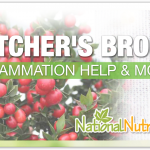
    What Is Butcher's Broom?

    Butcher’s broom contains two molecules that look like the fluid balancing and anti-inflammatory hormones that are made in the adrenal gland. Thus this herb stimulates hormone receptors as the body's own hormones would.

    Important Health Benefits of Butcher's Broom

    This herbs fluid balancing and anti-inflammatory actions help with conditions where fluid is interfering with nerve function, such as a carpal tunnel or Meniere’s syndrome. It also decreases fluid buildup in tissues, which is called edema, and vessels. This herb contains many nutrients like rutin, a bioflavonoid that decreases the permeability of vessels and increases vessel strength. Thus its content treats conditions such as hemorrhoids or varicose veins because causes fluid buildup and they occur due to compromised veins and capillaries. Its anti-inflammatory properties have made it helpful for inflammatory conditions like arthritis.

    Butcher's Broom Supplement Varieties

    Butcher’s broom can be used as an encapsulated herb, dried plant or tincture. It may be found in combinations that target venous congestion. The bioflavonoids, rutin, will work most effectively when this herb is taken in combination with vitamin C and bioflavonoids.

    Cautions & Considerations

    While there is no standard dosing for this supplement, it's best to follow labelling directions on your supplement of choice. Clinical doses may be higher, but should only be taken under the guidance of your healthcare practitioner. 

  • Calendula Benefits, Uses & Products

    What Is Calendula?

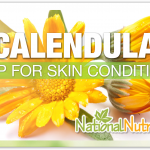
    Due to its bright colour, the beautiful Marigold flower was historically thought to elevate people's moods and encourage cheerfulness. Medicinally, calendula is used for its benefits that decrease inflammation and stimulate the growth of skin and mucus membranes. 

    Extracts of calendula have also been shown to inhibit the growth of bacteria and viruses. All of these medicinal properties make calendula excellent for wound healing and a good addition to your first aid kit.

    Health Benefits of Calendula

    Calendula is an herb that's been used for many years for its multiple healing benefits. Due to its antibacterial and anti-inflammatory properties, Calendula is commonly used as a topical remedy for burns, cuts, rashes, acne, eczema, psoriasis and any other skin conditions. Some calendula products that are formulated for internal use can be gargled to heal sores, and abrasions in the mouth or stop toothaches.

    Other internal benefits of ingestible calendula include soothing the stomach lining and it is often recommended for gastritis and stomach ulcers. 

    Calendula Supplements & Products

    Given the different applications for calendula, topical or internal, it is available in a range of formats. For external use, calendula can be found in many herbal salves and creams. Dried flowers can also be used as a wash or soaked into a poultice. 

    For internal consumption, dried calendula can also be made into tea or can be found as a supplement in capsule or tincture formats

    Calendula Cautions & Considerations

    Calendula should not be used internally in pregnancy because it may lead to miscarriage. Calendula is a member of the ragweed family and should be used with caution by sensitive individuals.

  • Chanca Piedra

    Among its many actions, it is most well known for its ability to expel stones. Specifically, it is thought by many to be the 'miracle' cure for both gallstones and kidney stones. It has been shown effective for both treatment and prevention in those who have susceptibility.

    Indigenous to the rainforests of the Amazon, Chanca Piedra has been used in tropical areas throughout the world for centuries.

    How Can Chanca Piedra Help My Health?

    Unfortunately, there is a lack of clinical research supporting the efficacy of Chanca Piedra for the majority of its uses. There has been no single constituent or chemical isolated as responsible for its immense and positive health effects. The whole plant is used medicinally, and like so many natural remedies, may remain a medicine based on history and observation, as opposed to clinical research.

    Key Health Benefits of Chanca Piedra

    Chanca Piedra is also used as a potent detoxification aid, primarily due to its effect on liver function. It has been shown to help support healthy liver function and protect the liver against cellular damage. Chanca Piedra has been used to treat jaundice, anemia as well as protect against the incidence of unhealthy cell growth in the liver, as well as liver damage due to alcohol, including fatty liver. It is a bitter herb, meaning it helps to stimulate digestive enzymes and the secretion of bile from the liver and gallbladder. As such, Chanca Piedra has been used to stimulate and promote healthy digestion and elimination, relieve dyspepsia and expel gas and bloating. Its bitter properties may also play a part in its anti-diabetic action, as well. There are some animal studies on the blood sugar-regulating effect of Chanca Piedra. Although further human trials need to be conducted, this has great promise for diabetic patients having difficulty with glucose control.

    Chanca Piedra acts as an effective but mild diuretic and as such, has the ability to exert hypotensive actions, lowering blood pressure. It is also believed to have cholesterol-lowering effects. Chanca Piedra has both antibacterial and anti-viral properties. It has been used for a variety of urinary tract infections, and STIs, as well as studied for its potential in helping hepatitis and HIV viruses.

    Chanca Piedra Supplement Varieties

    Chanca Piedra is available as a supplement in capsule or tincture form. The loose-dried plant can also be made into a tea. There is little information on specific dosage recommendations, although some literature states that 2-3 g/day is a therapeutic dose. Chanca Piedra is contraindicated in pregnancy and during breastfeeding. Some data suggests it may have an antifertility effect and until further studies are conducted, it is not recommended for women seeking pregnancy. Due to its medicinal effects, individuals currently taking medication to lower blood sugar and blood pressure, including diuretics, should be under the supervision of a healthcare practitioner if taking Chanca Piedra concurrently.

  • Digestive Bitters

    Digestive bitters are some of the oldest medicines in a number of different cultures around the world. There are a large number of bitters available, and each has additional health benefits that are unique to the herb in question. In general, digestive bitters can promote healthy appetite and digestion, as well as reduce a number of symptoms of poor digestion such as: gas, bloating, diarrhea, constipation and heartburn.

    How Do Digestive Bitters Work?

    Digestive bitters are herbs that have constituents that taste exactly how the name implies. This bitter taste stimulates certain receptors in the mouth, located on our taste buds. Once the receptors are stimulated, it causes a signal to be sent to the brain that activates all digestive functions at once. First, salivation increases, flooding the mouth with saliva. Then, this signal also causes increased stomach acid production, and stimulates the stomach to begin its digestive motions. This results in the movement of any gas inside, and creates the all-to-familiar rumbling in your stomach and sensation of hunger. After stimulating these early digestive functions, the brain also signals the release of bile and pancreatic juices, into the small intestine. These allow for the proper digestion of fat, carbohydrate and protein.

    Digestive Bitters Health Benefits

    Improved Digestion

    Because digestive bitters help to promote healthy digestion, they can help treat a number of problems associated with sluggish digestion including: incomplete protein digestion, fatty stools, gas, bloating, and constipation. Sufficient stomach acid is required for proper protein digestion, and proper absorption of B12 and iron. Anemia (pale skin, dizziness, and fatigue), and ridges in the nails are common signs of insufficient stomach acid (hypochlorhydria). Digestive enzymes properly break down all of our food and insufficient amounts leaves undigested food in our guts that our gut bacteria digest instead, creating gas and toxins that can cause bloating, and constipation or diarrhea.

    Increased Bile Release

    They also promote increased secretion of bile from the liver, thus helping the liver to flush out excess waste such as cholesterol and toxins. This can also help to flush the gallbladder and reduce the risk of developing gallstones. Many bitter herbs are also able to help fight infections and kill parasites and can be used in formulas to help prevent and treat infection. Individual bitter herbs may have additional benefits unique to their constituents. For more information on each herb, please click the links below.

    Herbs That Act As Digestive Bitters

    There are a large number of herbs with bitter properties that can act as digestive bitters. Some of the most well known, and widely used digestive bitters are listed below:

    • Burdock An herb that can help to restore the body to its proper functioning, Burdock is a blood purifier, digestive bitter, antimicrobial, and more.
    • Dandelion The roots and leaves of dandelion both have health benefits, but it is the roots that provide digestive benefits and bitter properties. The leaves can act to cleanse the urinary tract.
    • Gentian This herb contains a constituent that may be the most bitter-tasting compound known to date. It is well established as a bitter herb that is excellent at stimulating digestion and can also help to fight infection.
    • Goldenseal Berberines are found in high concentration in this herb that is also known as the "king of the mucous membranes". Goldenseal is a potent bitter that is also an effective antimicrobial that can treat a number of infections and bowel conditions.
    • Wormwood Although this herb is best known for its traditional use in the spirit absinthe, it is also used to help treat parasite infections and to promote healthy digestion.
    • Yarrow Originally used to stop the bleeding of battle wounds, it can also be used as a sedative, anti-inflammatory, digestive bitter, antispasmodic and tonic. It has been shown to help regulate female hormones, slow bleeding, prevent infection, and support healthy cells.

    Digestive Bitter Supplements: Combination Formulas

    There are a number of bitter combination formulas that have different combinations of the above herbs and/or other bitter herbs. Many of these are based on long traditions in the region of their production. One particularly common example of this is Swedish Bitters, which is a digestive and general tonic that has been used for hundreds of years. There are also a number of cultures that offer bitter digestif liqueurs traditionally taken after a meal. There are also many liver formulas created using digestive bitters, as many of these herbs cross over to have liver-cleansing properties as well.

    How Can I Take Bitters?

    It is the taste of the herbs that triggers the response from the brain causing increased secretion of digestive juices. Thus, in order to help with digestion, bitter herbs must be tasted, like when you take them in a tincture, liqueur, or tea. Encapsulated herbs are swallowed, thus bypassing the taste buds, and will not stimulate digestion. Bitter herbs can often be found in digestion and liver formulas, as well as formulas for weight loss and constipation.

  • Echinacea Supplement Uses, Benefits & More

    Echinacea is the top natural supplement sold today, and for one good reason; it's an immune powerhouse! If we take a historical look back at the roots of ancient medicine, Echinacea has an impressive resume- especially when we associate it with the bounce-back time needed to recover from sickness. If that doesn't convince you, it was even in Dr. Oz's Top 3 Supplements for fighting against cold and flu.

    Key Health Benefits of An Echinacea Supplement

    Echinacea has several immune-specific actions in the body, including antibacterial, antimicrobial, anti-viral, anti-protozoal and anti-parasitic.

    It’s also a decongestant, lymphatic (meaning it helps to tonify the lymphatic system), anti-inflammatory, and effective immunostimulant. Immunostimulants are products that increase the functions of the immune system, which as we know, is the system of the body that is responsible for protecting us from infection. Immunostimulants can act on any number of immune cells and ward off infection in several ways.

    Immune System Support Properties

    Echinacea stimulates white blood cells, which scavenge for bacteria and cellular waste. It also stimulates helper 'T cells', which mobilize other immune cells to fight infection. Finally, if that weren't enough, echinacea stimulates the production of collagen which rebuilds damaged tissue. 

    For those of us who aren't Doctors, what does all this mean? It means that it can cut an individual’s chances of catching a cold or flu, as well as shorten the duration of these infections once caught. Echinacea is recommended by natural health practitioners for a variety of conditions including prevention and early treatment of colds and flu, as well as skin infections and ulcers, herpes, canker sores, eczema and wound cleansing. Before echinacea was used to fight against the dreaded cold and flu, it was used in part, to help with snakebites – this was before it was used as a herbal medicine.

    Anti-Aging Benefits

    Echinacea is a potent antioxidant and free radical scavenger. Free radicals are atoms that are missing an electron and steal them from healthy atoms, or cells; thus damaging healthy cells. Antioxidants stabilize free radicals, reducing their capacity for damage. Antioxidants protect healthy cells as well as protect your body from aging. 

    Different Types of Echinacea

    There are a few species of Echinacea, including the more commonly known and used angustifolia, purpurea, and pallida. Look for root extracts, as studies show the root to be more the source of medicinal content and responsible for its medicinal action. Echinacea can be purchased as a loose herb, encapsulated herb, tablets, extract or tincture. It is very often paired with goldenseal and other immune-specific herbs, for cold and flu support and prevention.

    Shopping For A Quality Echinacea Supplement

    Fortunately for us, Dr. Oz did his homework. Echinaforce by A. Vogel is one of the strongest lines of defence – Dr. Oz named A. Vogel and this product line specifically, as one of the Top 3 supplements to take at the onset of cold and flu. A. Vogel makes their herbal remedy using fresh, organically grown plants. 

    Tinctures are carefully concentrated under a vacuum and used for the production of their tablets, such as Echinaforce Extra, as well as their toothpaste and cream. A. Vogel's products are sugar and gluten-free and certified by Bio Suisse. It is best to take them at the first sign of infection. Along with echinacea, this tablet also contains organically grown dried roots. Echinaforce can also be purchased in liquid or lozenges.

    Interactions, Warnings and Side Effects

    Echinacea is in the same plant family as ragweed; therefore, it is not recommended that individuals with ragweed allergies use echinacea. Due to Echinacea’s immunostimulating action, those on immunosuppressive or immunoglobulin therapies, such as transplant recipients, should not use it. 

    Those with auto-immune conditions, such as lupus, RA, and diabetes, should use with caution and only under the supervision of a healthcare professional. Those with renal disease should not use Echinacea because it may lead to electrolyte imbalances. It's wise to remember that prolonged use of Echinacea is not recommended, as the body appears to become resistant to its immunostimulating properties. Long-term use of greater than 8 weeks is not advised.

  • Fo Ti: Understanding Its Benefits & Uses

    Fo Ti is a traditional Chinese herb used to stimulate kidney energy. The kidney in Asian medicine is the organ that holds vital energy. The strength of the kidney is determined at birth from the energetic stores of the parents and it can be nurtured during the lifetime by using herbs and practices that support the kidney.

    Understanding Kidney Energy: Healthy vs Weak

    The vitality of kidney energy is seen when you have good stamina, healthy digestion, proper musculoskeletal function, clear, smooth skin and healthy hair. Signs of weak kidney energy are what Westerners see as the signs of aging, joint pain, low energy, wrinkled skin and greying hair. 

    Key Health Benefits of Fo-Ti Supplements 

    This herb may be recommended by natural health practitioners for:

    • Lessens Fatigue
    • Supports Hair Health
    • Alleviates Constipation
    • Boosts Heart Health
    • Enhances Immune System
    • Protects The Liver
    • Recovery After Surgery or Illness
    • Decreases Impotence
    • Improves Low Libido
    • Supports Arthritis
    • Promotes Longevity 

    Fo Ti Supplement Varieties: Forms, & Formats

    This herb can be purchased as a loose herb for making tea, a popular way to use this herb in Asia. Supplements of encapsulated Fo Ti are also available as tinctures. Fo Ti is also found in traditional Chinese formulas.

    Final Cautions & Considerations

    Use caution when purchasing these formulas because their quality varies widely and manufacturing practices in China are not well regulated. Although unregulated substances are not supposed to be sold in Canada, some products may be entering Canada illegally and contain toxins like heavy metals.

  • Gotu Kola Benefits & Uses

    Gotu kola is an herb that helps to benefit the healing of damaged tissues. It is not related to the kola nut and does not contain caffeine. Gotu kola stimulates the production of connective tissue including keratin; the material that your body uses to repair breaks in the skin.

    Main Health Benefits of Gotu Kola 

    As mentioned, Gotu Kola has great benefits for the skin, while it can help repair the skin barrier, when applied topically it can also:

    • Treat Wounds
    • Fight Skin Infection
    • Alleviate Psoriasis Symptoms
    • Heal Surgical Wounds

    Key Constituents Found in Gotu Kola

    Gotu kola has some antioxidant properties. Free radicals are unstable molecules that in their bid to become more stable must bump into healthy cells and cause damage. Gotu kola’s antioxidant properties neutralize free radicals and therefore, reduce damage to the skin and vascular system. This makes gotu kola a good herb for conditions of vein laxity and poor circulation such as varicose veins and hemorrhoids.

    Gotu kola also increases the levels of antioxidants that are found in the liver. These molecules help the body to process and excrete toxins. Finally, gotu kola increases circulation and has been used to aid memory, alleviate fatigue and increase libido.

    Gotu Kola Supplement Options

    Gotu kola is commonly purchased as tea, encapsulated herb or tincture. Gotu kola products should be standardized as an assurance of the amount of active compounds they contain. Gotu kola can be found in combination products for memory, sexual functioning and vein support. Topically tea, creams and salves can be used to help heal wounds or treat skin conditions.

    Potential Contraindications & Cautions 

    Individuals taking sedatives or anti-anxiety medication, because gotu kola may add to their effect, should use gotu kola supplements with caution. Gotu kola should not be used during activities that require alertness. Gotu kola should not be used in pregnancy because it can cause miscarriage. Topical application of gotu kola may cause contact dermatitis.

  • Juniper

    Juniper shrubs produce berries that are the principal flavouring agent in gin. Unfortunately, there aren’t enough of the medicinally active oils in gin to make it a form of supplementation. The most well-known use of this herb is as a treatment for bladder infection. Let's explore how this herb can help your health. 

    Key Health Benefits of Juniper

    Juniper is a diuretic and antiseptic in the urinary tract. These properties are due to the volatile oils found in the berries. Furthermore, it is also used to relieve chronic arthritis and gout.

    This herb contains bitter substances that cause the release of saliva and digestive juices when it is tasted. This makes it useful for indigestion and lack of appetite. Juniper may also be recommended by natural health practitioners for prostate disorders or swelling in the lower legs.

    Taking Juniper & Finding Quality Supplements

    These berries can be used as raw berries, dried berries, encapsulated berries, tincture or tea. Fresh berries must be harvested in the second year to get high amounts of medicinal activity. Much of the essential oil content of the berries is lost during drying so fresh berries or liquid preparations are usually the most potent forms of this herb. It can be found as a component of formulas for urinary infections, arthritis and prostate disorders. If it is used as a digestive aid then forms other than encapsulated berries should be used so that the herb is tasted.

    Potential Side Effects Or Contraindications

    There are possible interactions between juniper and diuretics or hypoglycemic medication. Juniper inhibits the absorption of minerals like iron and supplementation is advisable if you use juniper for long periods. Pregnant women and people with kidney disease should not use this herb.

  • Medicinal Herbs: Best Forms & Formats

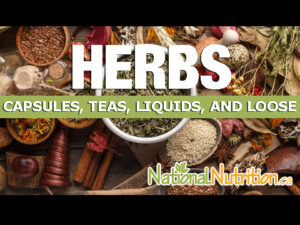
    Herb Capsules, Teas, Liquids, and Loose

    Herbal medicine is an approach to health care that focuses on the body as a whole and uses medicinal herbs rather than synthetic drugs, but what's best: liquid herbs, bulk herbs, or capsules? It has been part of traditional health care systems in many countries for centuries.

    However, when it comes to taking your herbs, there are a lot of options. When you shop our in person or online shelves, you can find a plethora of tinctures, loose teas, capsules, and so much more. But the leading question still lingers: which one is best?

    We've put together a list of the different types of capsules, teas, and liquids available on our website and how they compare. Read on for an introduction to herbal medicine, including what exactly makes herbs so unique and how they can support your health.

    An Introduction to Medicinal Herbs

    Herbs contain active ingredients as well as a wide array of beneficial compounds called phytonutrients. They will also contain some inactive components. The amount of active ingredients varies from plant to plant and depends on growing conditions.

    Most gardeners know that a crop won't grow as well in a year with less rainfall and sunshine. This can result in differences in the flavour, colour and consistency of the plant. The time of year that an herb or plant is harvested can also impact the plant's nutrient profile.

    Additionally, some herbs and plants are more absorbable than others. For example, curcumin (one of the active compounds in turmeric) can be difficult for the body to absorb and is generally absorbed at low levels.

    Herbalists have long understood the medicinal value of plants, which is why you often see herbs in tincture format or listed as a percentage when sold as a capsule or powder.

    This means that the active ingredients in an herb are standardized, or guaranteed to be present at a clinically effective dose. This is what is tested in research studies to determine whether an herb is beneficial. Simply put, standardized herbs ensure you are getting a consistent dose of the active ingredient found in the herb—every single time.

    Whole Plant vs Standardized Extracts

    Standardized extracts are concentrated forms of specific active ingredients from a medicinal herb. For example, we could extract all of the caffeine from coffee beans and create a pill that contains a high dose of caffeine.

    Whole plant extracts offer some advantages and disadvantages over standardized extracts because they contain all parts of the plant, not just one compound. These are usually found in teas.

    The problem with whole plant extracts is that they can be hard to dose since there’s no standardization. This means that the amount of active ingredients in a serving varies depending on the bottle.

    This is why, when it comes to therapeutic benefits, standardized extracts deliver the active ingredients in precise amounts.

    Medicinal Herb Formats

    As you can see, there are advantages to buying an herbal preparation with a standardized dose. Now read on to learn about the different formats of herbs and when you would want to choose one over the other.

    Herbal Capsules

    Capsules contain whole plant extracts that are usually standardized to ensure consistent potency. They are easy to swallow and effective when taken on an empty stomach. Capsules are best suited for short-term use due to their high concentration level. Many people prefer to take capsules because of their convenience; they're easy to travel with and easy to take.

    Nature's Way has a reputation for being one of Canada's most trusted brands for natural health products. That's because they use pure, high-quality ingredients in all their formulas. The company's team of professionals performs thorough testing on raw materials and every batch of product. The company approaches quality from all angles, carefully implementing chemical testing, identity testing, and microbiological testing. At National Nutrition, we carry a wide variety of Nature's Way herbal capsules.

    Medicinal Herb Teas

    Medicinal herb teas are made from specific parts of plants (flowers, roots, or berries) and contain many active compounds and polyphenols found in the whole herb. They are steeped in hot water and consumed. Tea can be used for a long time. However, if you are using herbs for an acute condition or need a specific dose of active ingredients, teas may not be the ideal choice, as you would need to drink a lot of tea every day to get therapeutic benefits. 

    That said, tea can be a great way to incorporate beneficial herbs into your routine. Try unwinding after a long day with a relaxing and sleep-inducing tea blend or soothing menstrual cramps with a warm cup of tea.

    Celebration Herbals are passionate formulators who make herbal teas that are all made from organically grown herbs.

    Herbal Liquids

    Liquids (also called tinctures) are usually made by soaking herbs in alcohol, vinegar, or glycerin. They can be taken on their own, or, if you don't like the taste of herbs, you can mix them with juice.

    Teas and capsules rely on the digestive process to be fully absorbed. Liquids, on the other hand, are absorbed quickly into the bloodstream and may take effect within 15 to 30 minutes.

    Plus, tinctures and liquids are easy to measure, so you know that you are getting a consistent dose every single time.

    The tinctures produced by St. Francis Herb Farm are well known. Their herbalists know that each herb has its own energy, and the right extraction method—temperature and length of time—for the particular herb's medicine depends on a number of factors. St. Francis is well-known for their Holistic Herb Approach™, which treats each herb in its own distinct manner. They customize their extraction approach based on studying decades of herbal texts. St. Francis Herb Farm makes both individual and blended formulas that are effective and easy to take.

    Loose Medicinal Herbs

    Bulk herbs are the leaves or flowers of a plant. Compared to liquid herbs, They can be dried and ground into powder, which is then used in herbal preparations or made into teas. This form of herb is great for the budding herbalist because it can be used to make teas, tinctures, or salves. Loose herbs are also very cost-effective.

    When buying dried or loose herbs, make sure they’re labelled "organic" to ensure they were grown without pesticides. At National Nutrition, we carry Organic Connections, which is a family-owned Canadian company. Since its inception, the company has been distributing the highest-quality organic herbs and seeds available. The company works directly with herbal farmers and wild crafters to ensure that their products meet high standards.

    If you still have questions, we're here to help. Stop by our store (or visit us online) and chat with one of our experts to be further guided to the right format of herb for you.


  • Phellodendron Amurense

    Phellodendron amurense is a species of cork tree native to Eastern Asia that can also be found in some parts of North America. In traditional Chinese medicine, P. amurense is used to treat: abdominal pain, diarrhea, gastroenteritis, andinfections of the lungs and urinary tract. This plant extract contains berbe rines, which have strong anti-bacterial properties.

    Key Health Advantages of Phellodendron Amurense

    Antioxidant Benefits

    P. amurense has been found to produce increased skin antioxidant and immunity levels in animals. It has also been shown to slow unhealthy cell formation in the lungs of mice. One 2011 review noted that P. amurense has great potential as an agent for irregular cell growth in the prostate. Further research is required, but many studies attributed the immune-boosting benefits of P. amurense to its berberine content. It has also been found to directly inhibit multidrug-resistant bacteria, such as MRSA. It can also be combined with antibiotics to promote the destruction of drug-resistant bacteria because it can reverse the bacteria's drug resistance, thus allowing the antibiotics to work again.

    Osteoarthritis Support

    Interestingly, recent research has shown that P. amurense is an effective treatment for osteoarthritis. A study done in 2011 found that oral supplementation of P. amurense prevents the breakdown of cartilage and thus, protects against the joint deterioration associated with osteoarthritis (OA). This round of research was promoted by a 2009 study that examined the benefits of P. amurense (in combination with citrus sinensis peel extract) in OA patients and found improvement in their symptoms. They were surprised to also find that the supplementation group also lost an average of 5% of their body weight after 8 weeks of treatment. This herbal combination was also found to benefit cardiovascular risk factors, such as lipid levels, blood pressure and fasting glucose.

    Weight Loss Help

    When P. amurense is combined with other herbs such as citrus sinensis or magnolia, it has been found to help promote weight loss. When combined with magnolia in particular, P. amurense was shown to relieve transitory anxiety in premenopausal women and thus reduce stress-associated over-eating. A 2006 study found that P. amurense helped healthy, overweight premenopausal women (20-50 years of age) reduce their stress eating. They had lower levels of the stress hormone cortisol at the end of the day, felt more able to manage their stress, and gained significantly less weight than the control group during the study.

    Taking Quality Phellodendron Amurense Supplements

    In general, Phellodendron amurense is found in combination formulas. It can most commonly be found in the proprietary blend known as Relora. Because the research in humans has combinations of P. amurense with other herbs such as magnolia (Relora) or with citrus sinensis, the exact dose of P. amurense required for effects is not established. The combination products are used at a dose of around 750mg daily in two or three divided doses.

  • Scutellaria Lateriflora (Skullcap)

    Skullcap may be just what you need to let it all go and help you to get to sleep and better cope with your demanding lifestyle.

    What is Scutellaria Lateriflora?

    Scutellaria grows in the damp woodlands or swamps of Eastern North America. It has pointed leaves and many two-lobed violet blue (sometimes pink) flowers. All aerial or above-ground parts of this perennial are dried and used medicinally.

    Native tribes in the eastern parts of the United States were the first to use Skullcap medicinally. At that time it was used to treat female conditions, including menstrual pain or irregularity. It went on to become the cure for rabies in the 1700’s, which also explains why many know it as mad-dog weed or mad-dog skullcap. Although we now know that skullcap was not a cure, it does alleviate some of the symptomology such as twitching or convulsion.

    Top Health Benefits of Skullcap

    Today, the use of skullcap is centered on its efficacy with nervous conditions, such as anxiety, stress, muscular spasm or tension due to stress and insomnia.

    Although Scutellaria has not been studied extensively in terms of its medicinal properties, it is believed that one of its more abundant flavanoids, scutellarin, is responsible for its sedative, nervine and anti-spasmodic effects. As well as treating tension, anxiety, and insomnia, it is also commonly prescribed for tension headaches, menstrual cramping, fibromyalgia and mild cases of Tourette’s or seizure disorders. Research is also now suggesting that this same flavanoid may improve blood flow in patients prone to clots, those suffering from cerebral thrombosis or stroke-induced paralysis.

    Skullcap Supplement Varieties

    As with most herbs, skullcap can be used as a tincture, made into a tea or infusion, as well as powdered and used in capsules. Although there are no safety issues with the herb itself, there have been a number of reports of patients suffering liver damage following consumption of a similar herb that is often mislabeled as skullcap. A dosage of anywhere from 3-6 g/day is considered safe and effective. If combined with other herbs, the dosage may be considerably less, as to allow the formula a more synergistic effect.

  • White Willow - Natural Pain Relief

    White willow has been used for centuries as a natural remedy. Often referred to as "nature's aspirin," this traditional herb contains compounds that helped inspire the development of modern aspirin. 

    Today, it is still valued for its pain-relieving capabilities. In this article, we will delve into where this herb comes from, its health benefits, and supplement varieties. 

    What is White Willow?

    White willow (Salix alba) is a deciduous tree native to Europe and parts of Western and Central Asia. It commonly grows in moist environments such as riverbanks, wetlands, and floodplains. The tree can reach heights of up to 25 meters and is easily recognized by its slender branches, narrow silver-green leaves, and rough gray bark. 

    In herbal medicine, the bark of the tree is the most valued part. Historically, ancient Greek and Egyptian healers used willow bark preparations to treat pain and fevers. Indigenous traditions across Europe and Asia also used it to relieve headaches, joint discomfort, and inflammatory conditions. 

    Today, the dried bark remains popular in the herbal medicine community for natural pain relief and anti-inflammatory support. 

    Active Compounds in White Willow

    The medicinal effects of this herb mainly come from its compound, salicylates, particularly salicin. When consumed, it is converted in the body into salicylic acid, which is closely related to the active compound used to develop aspirin. 

    This herb also contains additional plant compounds, including:

    • Flavonoids
    • Polyphenols
    • Tannins

    Health Benefits of White Willow

    Natural health practitioners use this herb for headaches, arthritis, gout, muscle injury, joint injury, other inflammatory conditions and fevers.

    Pain Relief

    One of the most well-known benefits of white willow is its ability to relieve pain. The salicylates in it act in a similar way to aspirin, helping reduce discomfort by calming inflammatory pathways in the body. 

    Herbal practitioners commonly recommend this herb for headaches, muscle injuries, and joint pain.

    Anti-Inflammatory Support

    White willow is widely used to help reduce inflammation throughout the body. This makes it a common herbal option for conditions involving joint inflammation or tissue irritation. 

    It may be particularly helpful for inflammatory conditions such as arthritis and gout. 

    Fever Reduction

    White willow has traditionally been used as an antipyretic, meaning it may help reduce fever. By influencing inflammatory compounds involved in fever response, this herb has been used historically to support the body during illness.

    Joint & Muscle Pain

    Because of its combined anti-inflammatory and pain-relieving properties, this herb is often used to support recovery from muscle injuries, joint strain, and physical stress. It may help ease stiffness and improve comfort during healing. 

    Respiratory Support

    White willow may also help reduce mucus secretions, which can provide support during certain respiratory conditions where excess mucus contributes to discomfort. 

    White Willow Supplement Varieties

    White willow is often available as encapsulated bark, powdered bark, liquid extracts, and dried bark preparations. 

    High-quality herbal supplements are often standardized to contain specific levels of active salicylates. Standardization helps ensure consistency and potency in each dose. 

    Some important considerations when choosing a supplement include:

    • Look for products standardized for active compounds.
    • Supplements made from white willow bark alone are typically stronger than those made from the whole tree. 
    • White willow is often included in pain relief and anti-inflammatory herbal blends. 

    Traditional herbal preparations may also use dried willow bark in teas or decoctions, although capsules are typically more convenient and consistent in dosage.

    Safety Information

    Although this herb is a natural remedy, it must be used with caution due to its salicylate content. 

    Because its compounds are similar to aspirin, it may reduce blood clotting ability. Those taking blood thinners, aspirin, or NSAIDs should consult a healthcare provider before using white willow. 

    Other important safety considerations to consider:

    • Avoid use if you have active bleeding disorders.
    • Stop using at least 2 weeks prior to surgery or dental procedures.
    • Do not use if you're allergic to aspirin. 
    • Don't use if pregnant or breastfeeding. 
    • Avoid use if you have liver or kidney disease. 
    • Do not give it to children due to the risk of Reye's syndrome.
    • It may interact with many medications; consult your doctor before use.

12 Item(s)

First name is required!
Last name is required!
First name is not valid!
Last name is not valid!
Please enter a valid email address.
Email address is required!
This email is already registered!
Password is required!
Enter a valid password!
Please enter 6 or more characters!
Please enter 16 or less characters!
Please ensure your passwords match.
Terms and Conditions are required!
Incorrect FormKey!
Incorrect Email or Password!
reCAPTCHA is mandatory. Click check box beside I am not a robot
Invalid login/register data, Kindly contact customer service agent.