

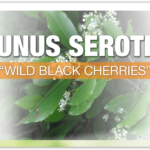
Prunus Serotina, commonly known as wild cherry bark, has a long history of use in traditional herbal practices for supporting respiratory and digestive wellness. Valued for its naturally occurring plant compounds, this botanical is often included in natural health formulas designed to promote comfort and balance. In this article, let's explore what Prunus Serotina is, the potential benefits and uses that make it a popular choice.
What Is Prunus Serotina?
Prunus Serotina is a tree native to North America whose bark has traditionally been used in herbal wellness. The inner bark is valued for its natural plant compounds, including flavonoids and tannins, which are believed to support respiratory comfort and digestive balance. Today, Prunus Serotina is often found in natural health supplements and botanical formulas aimed at promoting overall wellness and soothing the body's natural systems.
Health Benefits of Prunus Serotina
The aromatic inner bark of the wild cherry tree was first used by the Native Americans to treat a cough and cold. The bark was made into teas or infusions to reduce fever, control diarrhea, cure headache and ease laryngitis.
Prunus Serotina is also well respected for its actions against a sore throat, lung ailments such as bronchitis and pneumonia, upset stomach and general malaise. You can see why attention has recently turned to the use of prunus serotina for flu prevention and treatment, as well as an everyday cough and cold.
Wild cherry bark contains a glycoside called prunasin which has been found responsible for its anti-spasmodic properties. Prunasin relaxes the smooth muscle lining of the bronchioles. Its sedative effects give it great strength against irritating and persistent coughs that can prevent sleep.
Important Considerations
There are no known safety issues with the use of wild cherry bark. It should be noted that the leaves of the wild cherry tree also contain prunasin and when damaged by frost, or drought (when they wilt) or even trampled by animals, the prunasin is broken down and releases cyanide poison. When even small amounts of the damaged leaves are eaten by humans or animals, the consequences can be deadly and symptoms can appear within minutes of ingestion. It is always best to avoid ingesting the berries when you find them in the wild, in case of unseen damage.








