A-Z natural remedies Articles

  • A Guide To Yeast Infections

    Vaginal yeast infections are a common, irritating condition in the lives of many women. In fact, up to 75% of women will have a yeast infection at some point in their lives. Infection of the vaginal mucosa by yeast called Candida (most commonly Candida albicans) results in local inflammation and causes a number of uncomfortable symptoms. In a small percentage of cases, the yeast infections can become chronic, which means that they occur more than 4 times a year. This is often a sign of some other underlying condition or imbalance.

    What Are The Signs and Symptoms of Yeast Infections?

    Local infection of the vagina and surrounding vulva can cause a variety of symptoms, including itching, pain, redness, discomfort, and a thick white discharge that resembles cottage cheese. If the infection progresses and becomes more severe, the vagina can swell, and a fissure (crack) can develop, causing painful sores in the area. Most commonly, women suffering from a yeast infection will first complain of burning, soreness, and pain during intercourse, along with an increased discharge.

    What Causes Yeast Infections?

    Candida overgrowth causes yeast infection symptoms, but underlying imbalances often trigger that overgrowth. Bacteria and candida naturally live in the vagina and help maintain balance. The most common cause of imbalance in women is the hormone fluctuations that occur during the menstrual cycle. Natural vaginal flora changes throughout the menstrual cycle. Changes in pH and secretions during menstruation can reduce beneficial bacteria like lactobacilli and bifidobacteria. When the natural bacterial flora disappears, it leaves more available nutrients and space for Candida to grow and flourish, which can quickly become an overgrowth. Several factors can disrupt natural vaginal flora. These include pH-imbalanced douches, antibiotics, and conditions like diabetes and AIDS.

    Chronic Yeast Infections & Underlying Illness

    A very common cause of recurring yeast infections is unregulated high blood sugar levels caused by diabetes. With access to far more sugar than normal, both bacteria and yeast can grow excessively in the vagina and cause symptoms of infection. AIDS can weaken the immune system and reduce its ability to regulate vaginal flora. Hormonal imbalances can also disrupt vaginal flora and increase yeast infection risk. Hormonal contraceptives may contribute to yeast infections in some people. Recurring yeast infections can sometimes occur during early pregnancy. It is important with chronic yeast infections to discover what is going on beneath the surface, as recurring infections can be a sign of a larger problem.

    Are There Prevention Tips For Yeast Infections?

    Even if you monitor your overall health and hormonal balance to prevent these disruptions, Yeast Infections can still occur. Some contributing factors are the use of vaginal douches, so avoiding these can help to prevent infections. Simply wash the external vulva with gentle soap and water and dry. The vagina will naturally maintain itself using its own secretions, and using harsh cleansers can unbalance this effect. Avoid wearing tight-fitting clothing, and give the vagina and surrounding vulva time to "breathe" during the day or night, as proper aeration can help to prevent microbial overgrowth. This means spending time not wearing underwear or using breathable natural fabrics such as cotton or bamboo.

    What Yeast Infection Treatment Options Are Available?

    Conventional Treatments

    The most common over-the-counter and prescription treatments for Yeast Infections are antifungal drugs such as Nystatin and Butoconazole. These can come as topical creams, vaginal suppositories or pills. According to research, these medications are ineffective in up to 20% of cases, which means that they fail to clear the infection in 7-10 days. Some medications can also have side effects such as headache and nausea.

    Home Treatments

    One common home remedy for yeast infections is the use of garlic. It can be eaten at anywhere from 1-3 cloves a day (raw is preferable to maintain the active constituents). Alternatively, some practitioners recommend using garlic internally. Some people use garlic as a home remedy for yeast infections. Pierce a garlic clove several times with a fork before use. Thread string or floss through the clove for easier removal. Some people insert the clove into the vagina overnight. If removal concerns you, wrap crushed garlic in cheesecloth first. Tie the cheesecloth securely before insertion. Garlic may irritate sensitive tissue in some people. However, many people are uncomfortable with inserting garlic internally, so you can supplement with garlic extract instead to help kill off the excess yeast, although this may take a few more days to be effective. The active constituents in the garlic will kill off excess Candida, whether used internally or by mouth. If you combine this with probiotic supplementation, most yeast infections will clear in as little as one treatment, although some may take a few days of repeated use.

    Supplement Support

    Probiotics
    One of the easiest ways to treat the symptoms of a vaginal yeast infection is through the use of probiotics. There are a number of products particularly targeted at vaginal colonization, and they can be supplemented either by mouth or as direct vaginal suppositories. Be sure to find a supplement that emphasizes Lactobacillus acidophilus, Lactobacillus rhamnosus, Bifidobacterium longus, and Bifidobacterium bifidus.

    Caprylic Acid
    One antifungal agent that has been proven to be effective against Candida is caprylic acid. Although it is generally used for systemic yeast overload, this supplement can help to reduce vaginal Candida infections as well.

    Grapefruit Seed Extract
    This potent extract can be used topically and internally to kill Candida inside and out.

    Diet and Lifestyle
    Reducing your sugar intake and ensuring you drink enough water are two ways you can help your body to fight off the infection. Get enough sleep and be sure to take care of yourself. Often these small infections are a sign that our immune system is run down and we may need to take some time to replenish and rest.

    Key Facts About Yeast Infections

    If symptoms persist for longer than one week, or if you have chronic yeast infections (more than 4 per year), seek advice from your healthcare provider. Do not use formulas intended for internal use externally or in the vagina, as they may cause further irritation.

    The following list of supplements can be used for preventing and treating vaginal yeast infections. Adult doses are given. Ensure all products are yeast-free. If you are pregnant or breastfeeding, seek advice from a health professional before beginning treatment.

  • Allergies (Environmental)

    Many people suffer from environmental allergies and get a flare-up during Spring when the air is filled with pollen. However, environmental allergens can be any substance, but the most common ones go beyond pollen and include dust, pollen, animal hair, animal dander, insect bites, grasses, moulds and fungus, cleaning products and metal in costume jewelry. 

    These allergies can be hereditary, and they appear to play a role in allergies. If both parents have allergies, then the child will have a 70 percent chance of developing allergies. People who are not breastfed are also more likely to develop allergies.

    What Causes Allergic Reactions?

    Allergic reactions occur when your immune system comes into contact with substances and interprets them as threatening. At times of physical and emotional stress, the immune system might show a heightened response to allergens and have a more difficult time dealing with fungal and parasitic infections. The body releases histamine, which creates inflammation of the mucous membranes and can cause reactions of varying severity. 

    Some of the more common, less severe symptoms are:

    • Itching
    • Increased mucous production
    • Redness
    • Swelling

    Serious reactions may cause asthma attacks, severe hives and rashes and anaphylactic reactions.

    Conventional Treatments For Environmental Allergies

    Conventional treatment of environmental allergies is targeted at decreasing symptoms. Antihistamines are the most common treatment for moderate allergies. They inhibit the ability of mast cells to release histamine. Steroid nasal sprays also decrease nasal allergy symptoms. Long-term effects of using these sprays may include glaucoma and decreased bone density. Anaphylactic reactions cause the swelling of the air passages. They are treated with injections of norepinephrine. This hormone causes a sympathetic nervous system response, resulting in an opening of the airways.

    What Are Natural Treatments For Environmental Allergies?

    There are many ways of decreasing allergic reactions, these include:

    Take only hypoallergenic supplements. Keep rooms free of dust and use an air purification system. Avoid feather and down bedding. Keep windows closed during times when the allergen is present in the air. Pollen is at its highest concentrations between 5 and 10 AM and lowest after it rains. Use mould-proof paint and disinfectant in the house. Exercise indoors. Do not smoke and eliminate exposure to secondhand smoke. Keep plants that remove pollutants from the air, these types include bamboo palm, Boston fern, dracaena, English ivy, ficus ali, peace lily, rubber plant and spider plant. Wear protective clothing when handling allergenic substances and wash after using them. Use calendula cream to heal skin reactions. Avoid cantaloupe if you have a ragweed allergy, as cantaloupe contains similar proteins to ragweed. Decrease stress, eat healthy and be well rested. Perform regular cleansing of the liver, kidney and intestinal tract to reduce the build up of allergens in the system.

  • Bach Flower Remedies: A Thorough Guide

    The 38 different Bach Flower Remedies are divided into 7 different categories representing various common aspects of emotional imbalances, fear, uncertainty, loneliness, over-sensitive, despondency & despair, and over-caring for others. Each individual remedy is included in one of the categories and represents a particular characteristic of the grouping in which it is found. Let's explore this bach flower guide to discover how they can support your well-being.

    A Guide To Bach Flower Remedies

    Bach Flowers For Despondency and Despair – Find Joy & Hope

    Crab Apple Self-Loathing
    The first bach flower remedy in this guide is crab apple. Known as the cleansing remedy, and as such is the added 'sixth ingredient' in Rescue Cream. Its main use is to help people who feel that they have something unclean or poisonous about them, or who dislike some aspect of their appearance or personality.

    Sometimes there might be very real things wrong with someone in this state, but they will disregard the big problems and concentrate obsessively on the one thing that they have fixed on. This is why Crab Apple is sometimes given to people to cleanse obsessive, repetitive behaviour such as hand-washing, re-checking that appliances are unplugged, and so on.

    “This is the remedy of cleansing. For those who feel as if they had something not quite clean about themselves. Often it is something of apparently little importance: in others there may be more serious disease which is almost disregarded compared to the one thing on which they concentrate. In both types they are anxious to be free from the one particular thing which is greatest in their minds and which seems so essential to them that it should be cured. They become despondent if treatment fails. Being a cleanser, this remedy purifies wounds if the patient has reason to believe that some poison has entered which must be drawn out.” Dr. Edward Bach

    Promotes: Self-Acceptance Click for Products

    ElmOverwhelmed by Responsibility
    This remedy in this guide is for people suffering a temporary loss of self-confidence due to the overwhelming amount of responsibility they have taken on. Genuine Elm types are people who are successful and carrying out work that they believe in, but at times feel the weight of the charge on them and become depressed and concerned that they will not be able to go on.

    The remedy helps to dispel these feelings so that the Elm person can resume his or her life without thought of failure.

    The Elm state can be usefully contrasted with the Larch state: whereas people in the former take up challenges willingly and then only later, and only occasionally, doubt their abilities, Larch people are convinced they are going to fail right from the start, and so they tend not to try things in the first place.

    “Those who are doing good work, are following the calling of their life and who hope to do something of importance, and this often for the benefit of humanity. At times there may be periods of depression when they feel that the task they have undertaken is too difficult, and not within the power of a human being.” Dr. Edward Bach

    Promotes: Support Click for Products

    Larch Lack of Confidence
    The remedy for people who feel that they are not as good as others and that they are bound to fail. They lack confidence in their ability to succeed and so often do not even bother trying.

    The remedy helps people in this state to go ahead regardless of thoughts of success and failure. More able to take risks and be involved in life, they get more out of living.
    “For those who do not consider themselves as good or capable as those around them, who expect failure, who feel that they will never be a success, and so do not venture or make a strong enough attempt to succeed.” Dr. Edward Bach

    Promotes: Confidence Click for Products

    OakKeeps Going Past the Point of Exhaustion
    This remedy in this guide is for strong, steady people who never give up under adversity. Instead they plod on with determination, and never consider resting until they are past the point of exhaustion. Because they are so steady they often have many people relying on them, and their sense of duty is strong, so that they can feel frustrated and unhappy if illness or exhaustion get in the way of discharging duties.

    So much is positive about the Oak person, but the negative side is the stubborn refusal to rest or sit back when the need for rest is obvious to all around. The remedy is used to help the Oak remain strong in adversity and not crack under the strain, while at the same time a different wisdom is learned, so that the person in this state can learn when not to strive.

    “For those who are struggling and fighting strongly to get well, or in connection with the affairs of their daily life. They will go on trying one thing after another, though their case may seem hopeless. They will fight on. They are discontented with themselves if illness interferes with their duties or helping others. They are brave people, fighting against great difficulties, without loss of hope or effort.” Dr. Edward Bach

    Promotes: Strength Click for Products

    Pine - Guilt
    For people who blame themselves for something they feel they have done in the past, some neglect of a parent, some fault in themselves, something they have left undone, and for those who reproach themselves that, even though they may have been successful in their work, they should have done better. They are never, as Dr Bach writes in "The Twelve Healers", content with their own efforts or the results. They also at times tend to claim responsibility for the mistakes made by others.

    They are perfectionists and set themselves high standards, and this may cause them to over-work and strain to do better, and when the strain becomes too much for the physical body, they blame themselves for the ensuing illness as they feel they are failing in their duty to others, to their work and the family responsibilities. This guilt-complex takes so much of the joy out of their lives and they become despondent and begin to despair. They can often feel so guilty about some minor matter that these thoughts fill their minds and they are always asking for forgiveness.

    “For those who blame themselves. Even when successful they think that they could have done better, and are never content with their efforts or the results. They are hard-working and suffer much from the faults they attach to themselves. Sometimes if there is any mistake it is due to another, but they will claim responsibility even for that.” Dr. Edward Bach

    Promotes: Forgiveness, Absolution Click for Products

    Star of Bethlehem Shock
    This next bach flower in this guide, star of Bethlehem, is the remedy for the after-effects of any shock, such as unexpected bad news or an unexpected and unwelcome event. And it can be used just as well for the effects of a shock received many years ago, even very early in childhood.

    This is also the remedy for the sense of emptiness and loss that sometimes occurs when a loved one dies or moves away, since this too can be a great shock to the system. Star of Bethlehem is the comforting remedy to give in such circumstances.

    “For those in great distress under conditions which for a time produce great unhappiness. The shock of serious news, the loss of some one dear, the fright following an accident, and such like. For those who for a time refuse to be consoled this remedy brings comfort.” Dr. Edward Bach

    Promotes: Comfort Click for Products

    Sweet Chestnut Mental Anguish
    The remedy for people who have reached the limits of their endurance, who have explored all avenues but see no way out of their difficulties, and who feel that there is nothing left for them but annihilation and emptiness. Whereas people in a Gorse state have fallen into a state of hopelessness when there are actually possible solutions all around, the person in a Sweet Chestnut state is genuinely at the end of the line: theirs is appalling, final despair.

    The remedy helps people in this extreme state to remain masters of their lives and renew their hope and strength. And sometimes a way out may open even at this stage of life.

    “For those moments which happen to some people when the anguish is so great as to seem to be unbearable. When the mind or body feels as if it had borne to the uttermost limit of its endurance, and that now it must give way. When it seems there is nothing but destruction and annihilation left to face.” Dr. Edward Bach

    Promotes: Solace Click for Products

    WillowSelf-Pity and Resentment
    This bach flower in our guide is for people who feel resentful and bitter about the way their lives have gone. They begrudge others their successes and happiness, and are reluctant to admit when their own lives go well; preferring to concentrate on what is going wrong. Willow people are grumblers, and when ill make bad patients because they are never satisfied with what is done for them.

    Willow can be compared to Holly in that it too is a negative state directed towards others. But where Holly burns with hatred and suspicion, Willow smoulders with resentment and self-pity.

    The remedy is given to encourage the rebirth of optimism and faith, and to help the person in the negative Willow state to be more generous in praise of others and also more aware of how his own negative thinking can attract the very ill-fortune that he blames on others.

    “For those who have suffered adversity or misfortune and find these difficult to accept, without complaint or resentment, as they judge life much by the success which it brings. They feel that they have not deserved so great a trial, that it was unjust, and they become embittered. They often take less interest and less activity in those things of life which they had previously enjoyed.” Dr. Edward Bach

    Promotes: Faith Click for Products

    Bach Flowers for Fear – Face Your Fears

    AspenFear of Unknown Things, Fear or Uneasiness But Cannot Say Why
    This next bach flower in our guide is the remedy for any fear where the cause of the fear cannot be named. At one end of the spectrum the Aspen fear can be no more than a sense of foreboding, an uneasy anxiety that something unpleasant or frightening is going to happen.

    “Vague unknown fears, for which there can be given no explanation, no reason. Yet the patient may be terrified of something terrible going to happen, he knows not what. These vague unexplainable fears may haunt by night or day. Sufferers often are afraid to tell their trouble to others.” Dr. Edward Bach

    Promotes: Reassurance Click for Products

    Cherry PlumFear of the Mind Giving Way
    The Cherry Plum fear is very specific: it is the fear that one is going to lose control of oneself and do something dreadful, which can include injuring others and suicide. Cherry Plum is also the remedy for the loss of control when it has in fact already taken place, and because of the frantic fear and dread associated with loss of control. (Think of the fear of a small child in a screaming, irrational rage.) Fears of going mad and of acting irrationally are Cherry Plum fears.

    “Fear of the mind being over-strained, of reason giving way, of doing fearful and dreaded things, not wished and known wrong, yet there comes the thought and impulse to do them.” Dr. Edward Bach

    Promotes: Composure Click for Products

    MimulusFear of Known Things
    Whenever you are frightened of something or you are anxious about something, remember this bach flower from our guide, Mimulus, a remedy for everyday fears. Fear of public speaking, of the dark, of aggressive dogs, or of illness or pain. Phobias such as the fear of spiders or of birds are also Mimulus fears, since the cause of the fear can be named.

    Mimulus is used as a type remedy for people who tend to be nervous, timid and shy generally. Sometimes people of this type may blush easily or stammer, and they will usually avoid social occasions and any event where they will be in the limelight. Mimulus is the remedy to encourage the quiet courage and strength that lies hidden in such people, so that they can face the everyday trials of life with steadfastness.

    “Fear of worldly things, illness, pain, accidents, poverty, of dark, of being alone, of misfortune. These are specific fears of everyday life. These people quietly and secretly bear their dread; they do not freely speak of it to others.” Dr. Edward Bach

    Promotes: Courage Click for Products

    Red Chestnut – Fear for the Welfare of Loved Ones
    The red chesnut bach flower in our guide is for people who feel fear for the well-being of others: the husband afraid when his wife goes out alone after dark, the mother fretting over what may happen to her child at school. Red Chestnut fears are natural, normal concerns magnified to the point where they may have a negative effect on the person who is the object of concern, destroying confidence and undermining self-belief.

    The remedy helps people in this state to send out calm, unworried thoughts to their loved ones, so that instead of making everyone anxious they are rocks of strength on whom others lean.

    “For those who find it difficult not to be anxious for other people. Often they have ceased to worry about themselves, but for those of whom they are fond they may suffer much, frequently anticipating that some unfortunate thing may happen to them.” Dr. Edward Bach

    Promotes: Peace of Mind Click for Products

    Rock RoseTerror and Fright
    The remedy against terror. The Rock Rose state may start out as a Mimulus, Aspen or Red Chestnut state, but it is further along the path from any of these, being a panicky, terror-struck fear that makes conscious thought and decision next to impossible.

    The remedy provides calm and courage. The self is forgotten and strength reappears.

    “The rescue remedy. The remedy of emergency for cases where there even appears no hope. In accident or sudden illness, or when the patient is very frightened or terrified or if the condition is serious enough to cause great fear to those around. If the patient is not conscious the lips may be moistened with the remedy.” Dr. Edward Bach

    Promotes: Fearlessness Click for Products

    Bach Remedy Guide for Insufficient Interest in the Present – Live for Today

    Chestnut BudFailure to Learn From Mistakes
    This next bach flower in our guide, chesnut bud, is for people who fail to learn the lessons of life. They may repeat the same mistakes over and over - for example, taking a succession of identical office jobs and being surprised to find each one unfulfilling. In other cases, they see others making a mistake and the results that arise, but then fail to apply this lesson to their own lives and go right ahead and make the same mistake themselves.

    “For those who do not take full advantage of observation and experience, and who take a longer time than others to learn the lessons of daily life. Whereas one experience would be enough for some, such people find it necessary to have more, sometimes several, before the lesson is learnt. Therefore, to their regret, they find themselves having to make the same error on different occasions when once would have been enough, or observation of others could have spared them even that one fault.” Dr. Edward Bach

    Promotes: Insight Click for Products

    ClematisDaydreaming About the Future
    For people whose minds drift away from the present into fantasies of the future, or into alternative versions of the present. Often their dreams are of great future success, creative endeavor and achievement, but the danger for people in this state is that their dreams will remain fantasies because the Clematis person is not sufficiently anchored in reality to make them happen.

    The remedy helps to bring these people back to earth and back to themselves so that they can build castles in life instead of in the air.

    Sometimes the Clematis state is confused with the Honeysuckle state, but in fact the two are quite different. In the Honeysuckle state the person is living in nostalgic fantasies of the past or reliving old regrets; but the Clematis person's thoughts drift away to imagined futures.

    Clematis is one of the ingredients in Rescue Remedy, where it is used to help the fuzzy, light-headed feeling that can come at times of emergency.

    “Those who are dreamy, drowsy, not fully awake, no great interest in life. Quiet people, not really happy in their present circumstances, living more in the future than in the present; living in hopes of happier times, when their ideals may come true. In illness some make little or no effort to get well, and in certain cases may even look forward to death, in the hope of better times; or maybe, meeting again some beloved one whom they have lost.” Dr. Edward Bach

    Promotes: Focus Click for Products

    HoneysuckleLiving in the Past
    Honeysuckle bach flower in our guide is for those who live in the past instead of the present. They feel that their best days are behind them and that there is little to look forward to, and as a consequence they prefer to dwell on past happiness’s (or past misfortunes). At a more minor key, homesickness and nostalgia are also Honeysuckle states.

    The remedy helps the person in this state to learn from the past without needing to relive it, so that the person can progress on into the present and take joy from today and tomorrow.

    “Those who live much in the past, perhaps a time of great happiness, or memories of a lost friend, or ambitions which have not come true. They do not expect further happiness such as they have had.” Dr. Edward Bach

    Promotes: Involvement in Present Click for Products

    MustardDeep Gloom
    This is the remedy for deep gloom and depression that descends for no apparent reason out of a clear blue sky. People in this state often list all the reasons they have to feel happy and contented, but still everything looks black and hopeless to them.

    The remedy helps to dispel the clouds so that the person can once again find joy and peace in life.

    “Those who are liable to times of gloom, or even despair, as though a cold dark cloud overshadowed them and hid the light and the joy of life. It may not be possible to give any reason or explanation for such attacks. Under these conditions it is almost impossible to appear happy or cheerful.” Dr. Edward Bach

    Promotes: Brightness Click for Products

    OliveExhaustion
    The remedy for tiredness and exhaustion after an effort of some kind, such as hard physical or mental labour, or the long struggle against illness. It can be usefully contrasted with Hornbeam, which is the remedy for tiredness felt even before an effort has been made.

    The remedy is given to restore feelings of strength and the faith needed to continue.

    “Those who have suffered much mentally or physically and are so exhausted and weary that they feel they have no more strength to make any effort. Daily life is hard work for them, without pleasure.” Dr. Edward Bach

    Promotes: Rejuvenation Click for Products

    White Chestnut - Unwanted Thoughts & Mental Arguments
    The bach flower remedy in our guide for unwanted thoughts, worries and mental arguments, which intrude into the mind and stop people from concentrating on things that they should be doing. White Chestnut thoughts are repetitive and go nowhere, simply circling round and round in the head like a stuck gramophone record.

    The remedy is used to help people control their thoughts again so that they can deal calmly and rationally with any underlying problems that might be causing the trouble.

    “For those who cannot prevent thoughts, ideas, arguments which they do not desire from entering their minds. Usually at such times when the interest of the moment is not strong enough to keep the mind full. Thoughts which worry and will remain, or if for a time thrown out, will return. They seem to circle round and round and cause mental torture. The presence of such unpleasant thoughts drives out peace and interferes with being able to think only of the work or pleasure of the day.” Dr. Edward Bach

    Promotes: Tranquility Click for Products

    Wild RoseApathy
    For people who have accepted all that life throws at them and have given up the struggle for fulfillment. Instead they have resigned themselves to the way things are, to the extent where they don't even complain or seem particularly unhappy. Instead they shrug their shoulders - there's no point complaining or trying to change - and seem happy just to drift through life.

    The remedy is given to reawaken interest in life. The positive Wild Rose person will still be a happy-go-lucky type, but instead of apathy will feel a sense of purpose that will bring increased happiness and enjoyment.

    “Those who without apparently sufficient reason become resigned to all that happens, and just glide through life, take it as it is, without any effort to improve things and find some joy. They have surrendered to the struggle of life without complaint.” Dr. Edward Bach

    Promotes: Enthusiasm Click for Products

    Bach Flower Guide for Loneliness – Reach Out To Others

    Heather - Self-Centeredness or Self-Concern
    This is the bach flower in our guide for those who are obsessed with themselves, but who do not like to be alone. Dr Bach called them 'buttonholers' because they do anything to keep people with them, all the time talking at exhaustive length about their problems and illnesses, great and small, until people begin actively to avoid them. Thus the thing Heather people fear - loneliness - is brought about because of their own behaviour.

    The remedy is given to help Heather people see their own concerns in the context of other people's. Having suffered themselves from the need to talk, they become good listeners and great supports for others. As a result people seek them out for their compassion rather than avoiding them because of their self-centeredness.

    “Those who are always seeking the companionship of anyone who may be available, as they find it necessary to discuss their own affairs with others, no matter whom it may be. They are very unhappy if they have to be alone for any length of time.” Dr. Edward Bach

    Promotes: Tranquility Click for Products

    ImpatiensImpatience
    As its name suggests the remedy against impatience and against frustration and irritability caused by impatience. Anyone can get into this state of mind, but there are also genuine Impatiens types, who live life at a rush and hate being held back by more methodical people. To avoid this irritation they try if possible to work alone: the Impatiens boss is the one who sends staff home early so she can get the job finished quicker!

    The remedy helps these people be less hasty and more relaxed and patient with others. It is also an ingredient in the composite Rescue Remedy, where it is used to help calm agitated thoughts and feelings.

    “Those who are quick in thought and action and who wish all things to be done without hesitation or delay. When ill they are anxious for a hasty recovery. They find it very difficult to be patient with people who are slow, as they consider it wrong and a waste of time, and they will endeavour to make such people quicker in all ways. They often prefer to work and think alone, so that they can do everything at their own speed.” Dr. Edward Bach

    Promotes: Patience Click for Products

    Water VioletPride and Aloofness
    This bach flower remedy in our guide is for those talented, capable people whose independence and self-reliance can make them seem to be proud and disdainful of others. True Water Violet people are quiet and dignified and prefer their own company or that of a few close friends, but where their natural reserve has built a barrier between them and others they may actually become lonely and be unable to make contact with others. When this happens the remedy can help to bring them back into balance so that they can be more involved with humanity.

    “For those who in health or illness like to be alone. Very quiet people, who move about without noise, speak little, and then gently. Very independent, capable and self-reliant. Almost free of the opinions of others. They are aloof, leave people alone and go their own way. Often clever and talented. Their peace and calmness is a blessing to those around them.” Dr. Edward Bach

    Promotes: Connection Click for Products

    Bach Flower Guide for Over-Caring For Others – Live and Let Live

    Beech Intolerance & Over Critical Perfectionists
    Beech is a bach flower in our guide that was described by Dr Bach as the remedy for people who 'feel the need to see more good and beauty in all that surrounds them.' Beech people - or people in a Beech state - are intolerant of people who are not just like them. They lack compassion and understanding of the different circumstances and different paths that other people are given, and fail to see that others too are working towards perfection but in different ways.

    Sometimes Beech intolerance is manifested as outbursts of irritability: the remedy helps to encourage tolerance and understanding, and as this happens so the irritability also fades.

    “For those who feel the need to see more good and beauty in all that surrounds them. And, although much appears to be wrong, to have the ability to see the good growing within. So as to be able to be more tolerant, lenient and understanding of the different way each individual and all things are working to their own final perfection.” Dr. Edward Bach

    Promotes: Tolerance Click for Products

    Chicory Selfish, Possessive Love
    People are full of love and care for their families and friends. But they expect to receive back all the love they give, with interest, and feel slighted and unnecessarily hurt if they don't get what they expect. Also, their great love can lead them to hold onto their loved ones and try to keep them dependent and close to hand. This can stifle the development of other personalities, or simply drive them away.

    When someone falls into this negative Chicory state the remedy is used to bring out the positive side of the Chicory person: love given unconditionally and in freedom.

    “Those who are very mindful of the needs of others; they tend to be over-full of care for children, relatives, friends, always finding something that should be put right. They are continually correcting what they consider wrong, and enjoy doing so. They desire that those for whom they care should be near them.” Dr. Edward Bach

    Promotes: Release Click for Products

    Rock WaterSelf-Denial, Rigidity
    Rock water is a bach flower in our guide for people who take self-repression and self-denial to extremes. They are very wrapped up in themselves, seeking always to perfect themselves in some way and setting themselves targets and being very unkind to themselves if they fail to live according to their own rules. If they seek to influence others it is not directly but by example only.

    The Rock Water remedy does not stop people from having high ideals or from trying to meet them. But it does help ease the excesses of the Rock Water personality, so that people like this can show more flexibility when it is necessary, and are not so hard on themselves.

    “Those who are very strict in their way of living; they deny themselves many of the joys and pleasures of life because they consider it might interfere with their work. They are hard masters to themselves. They wish to be well and strong and active, and will do anything which they believe will keep them so. They hope to be examples which will appeal to others who may then follow their ideas and are better as a result.” Dr. Edward Bach

    Promotes: Flow Click for Products

    VervainOver-Enthusiasm
    People are perfectionists with a keen sense of justice and extreme mental energy that they willingly throw behind those causes that they believe in. Their enthusiasm can be infectious, and they feel a strong need to persuade others to their own point of view.

    At an extreme Vervain people can become fanatics, unable to listen to alternative points of view, and they may put themselves under a great deal of stress because they find it so hard to switch off and relax. The remedy is given to help people in this state to pull back from time to time so that body and mind and be restored. It encourages the wisdom to enjoy life and the passage of time instead of always feeling the need to be active.

    “Those with fixed principles and ideas, which they are confident, are right, and which they very rarely change. They have a great wish to convert all around them to their own views of life. They are strong of will and have much courage when they are convinced of those things that they wish to teach. In illness they struggle on long after many would have given up their duties.” Dr. Edward Bach

    Promotes: Unwinding Click for Products

    VineDominance and Inflexibility
    For people who know their own minds and think they know what is best for others. They are mentally strong and enjoy the exercise of power, but in their negative states this can lead them to dominate others by force alone. Tyrannical fathers and overbearing bosses are typical negative Vines, in that they will expect absolute obedience from others and will not be overly concerned with winning hearts and minds as long as their orders are followed. In this respect they are very different from Vervain people, who will attempt to convert others to their way of thinking: Vines are content with the simple imposition of discipline.

    In their positive aspect Vine people make wise, gentle and loving guides who can inspire and lead others without resorting to force. The remedy is given to encourage this positive side of the Vine nature.

    “Very capable people, certain of their own ability, confident of success. Being so assured, they think that it would be for the benefit of others if they could be persuaded to do things as they themselves do, or as they are certain is right. Even in illness they will direct their attendants. They may be of great value in emergency.” Dr. Edward Bach

    Promotes: Inspiration Click for Products

    Bach Flower Guide for Over-Sensitive – Stand Your Ground

    Agrimony - Mental Torture Behind a Cheerful Face
    Agrimony is the bach flower in our guide for people who keep their troubles hidden under a mask of pleasure and happiness. The archetypal Agrimony person would be the sad clown, suffering anguish inside but still the life and soul of the party. Their friends are often the last to know that anything is wrong in the Agrimony person's life.

    Sometimes Agrimony people turn to drinking or drugs to help them maintain a mask of happiness, and they tend not to like being alone since they find it harder to keep the mask up when they are forced into their own company. Instead they will seek out friends, parties and bright lights. Only at night when they are alone with their thoughts will the mental torture they have repressed so successfully come back to haunt them.

    Agrimony is given to help people to accept and come to terms with the darker side of life and their own personalities, so that they can become more rounded human beings. They will not lose their sense of humour, but they will laugh at their troubles to dispel them, rather than laughing to hide them. As a mood remedy, Agrimony helps anyone who is trying not to face a trouble and using jokes and witticisms and smiles to avoid a painful reality.

    “The jovial, cheerful, humorous people who love peace and are distressed by argument or quarrel, to avoid which they will agree to give up much. Though generally they have troubles and are tormented and restless and worried in mind or in body, they hide their cares behind their humour and jesting and are considered very good friends to know. They often take alcohol or drugs in excess, to stimulate themselves and help themselves bear their trials with cheerfulness.” Dr. Edward Bach

    Promotes: Openness Click for Products

    CentauryInability to Say No
    For people who find it difficult to say 'no' to other people. They are kind, gentle souls and like to be of help to others. But sometimes other more ruthless people will take advantage of this, and instead of willing service the Centaury ends up the slave of another's wishes.

    The Centaury remedy does not harden the Centaury personality. Instead it supports the development of courage and self-determination so that Centaury people are better able to draw the line and make space where they can be themselves free of the desires and commands of others.

    “Kind, quiet, gentle people who are over-anxious to serve others. They overtax their strength in their endeavours. Their wish so grows upon them that they become more servants than willing helpers. Their good nature leads them to do more than their own share of work, and in so doing they may neglect their own particular mission in life.” Dr. Edward Bach

    Promotes: Assertiveness Click for Products

    HollyHate, Jealousy, Envy
    Often thought of as the remedy for anger - but this isn't necessarily the case. Where Holly is for anger, it will be because the anger is based specifically on hatred, suspicion, envy or jealousy. But in other cases other remedies would be needed, such as Impatiens when anger is due to impatience, Vervain where it is caused by a sense of injustice, or Chicory where the angry person feels snubbed and hurt by ingratitude in others.

    Holly is for very negative, aggressive feelings directed at others. The basic problem is an absence of love, and the remedy works to encourage generosity of spirit and openness towards others.

    “For those who sometimes are attacked by thoughts of such kind as jealousy, envy, revenge, suspicion. For the different forms of vexation. Within themselves they may suffer much, often when there is no real cause for their unhappiness.” Dr. Edward Bach

    Promotes: Goodwill Click for Products

    Walnut Protection From Outside Influences
    The bach flower remedy in our guide to help to protect against outside influences in general, and against the effects of change in particular.

    Walnut types are people who are fulfilling their purpose in life but who under the influence of the opinions, theories or beliefs of others or of external circumstances in general, may be led to doubt their path. They are not like Cerato people, who actively seek out the opinions of others, but instead may be affected almost despite themselves.

    As a remedy against the effects of change, Walnut is useful at all the transitions of life, from being born to teething to going to school to puberty to marriage to childbearing to retirement and beyond. It helps to break links with the past so that the person can move forward with confidence and without undue suffering.

    “For those who have definite ideals and ambitions in life and are fulfilling them, but on rare occasions are tempted to be led away from their own ideas, aims and work by the enthusiasm, convictions or strong opinions of others. The remedy gives constancy and protection from outside influences.” Dr. Edward Bach

    Promotes: Constancy Click for Products

    Bach Flower Remedies for Emergencies and Crises - Rescue Remedy®

    Rescue Remedy® is one of the only emergency combination products designed by Dr. Edward Bach. It is made up of a specific combination of five different flower essences and is designed to provide comfort and reassurance to help with the stresses of daily life. It helps to restore inner calm, control, and focus. Rescue Remedy® is made up of:

    Rock Rosefor terror and panic

    Impatiensfor irritation and impatience

    Clematisfor lack of focus

    Star of Bethlehemfor shock

    Cherry Plumfor irrational thoughts and a lack of self-control

    Rescue Remedy® has been used successfully on stressful days where we suffer from impatience, tension and pressure. It has also been used successfully with children to stop a tantrum, before a speech or job interview. Rescue Remedy® helps us relax, get focused and get the needed calmness.

    Many people chose to carry Rescue Remedy® in their purse, at the office, in the car or in the diaper bag. You never know when you need it. Pregnant women in labour have made the experience easier and less traumatic by taking Rescue Remedy®. Rescue Remedy® can also be taken just before going to bed to calm a troubled mind.

    Rescue Remedy® is available in a variety of different formats including the traditional liquid, but also gum, spray, pastilles, and cream.

    Click for Products

    Bach Flowers for Uncertainty – Know Your Own Mind

    CeratoLack of Trust in Own Decisions
    The bach flower in our guide for people who lack faith in their own judgement. Faced with the need to make a decision they are not like the Scleranthus people who hesitate and cannot make up their minds, because they can come to a decision without too much trouble. But having done so the doubts creep in and they are no longer sure if what they have decided is right. They then go around asking for the opinions and advice of others. They end up hopelessly confused or doing something that they know in their hearts is not right for them.

    Cerato is the bach flower remedy in this guide to give people in this state more faith in their judgement so that they can listen to their inner voices and trust their intuition.

    “Those who have not sufficient confidence in themselves to make their own decisions. They constantly seek advice from others, and are often misguided.” Dr. Edward Bach

    Promotes: Guidance Click for Products

    GentianDiscouragement After a Set-Back
    The remedy for the relatively mild downheartedness and despondency that follows when something has gone wrong. As soon as things start to go right again this kind of despondency tends to lift by itself, but the remedy can be used to lift it the sooner so that the person is better able to make things go right, instead of just hoping they will do so.

    Gentian is often confused with Gorse, but in fact they can be told apart quite easily. People in a Gorse state have decided to give up and so feel completely without hope. They have pitched their tents and refuse to be encouraged, and even if they are persuaded to try to find a way out they will do so grudgingly, assuring everyone that there is no use even trying. People in a Gentian state are discouraged: but they will soon pick up again when things start to go right.

    “Those who are easily discouraged. They may be progressing well in illness or in the affairs of their daily life, but any small delay or hindrance to progress causes doubt and soon disheartens them.” Dr. Edward Bach

    Promotes: Encouragement Click for Products

    GorseHopelessness & Despair
    The bach flower in our guide for people who have given up belief that there is any hope for them. It is a far stronger kind of downheartedness than the Gentian state, because Gorse people almost willfully refuse to be encouraged, so certain are they that their case is hopeless. If ill, they may think of themselves as incurable, or say that they inherited this or that from their families so that nothing can be done for them.

    Gorse is however classed by Dr Bach as a remedy for uncertainty, and not as a remedy for despair like for example Sweet Chestnut. This demonstrates that the main problem with Gorse people is a loss of certainty: if they can be persuaded to see things in a different light their faith in their lives would be renewed and they could go forward with a surer step. This is what the Gorse remedy helps to achieve.

    “Very great hopelessness, they have given up belief that more can be done for them. Under persuasion or to please others they may try different treatments, at the same time assuring those around that there is so little hope of relief.” Dr. Edward Bach

    Promotes: Renewed Hope Click for Products

    Hornbeam - Procrastination
    Used against feelings of exhaustion and tiredness that comes before an effort has been made. The person in this state feels that he or she is too tired to cope with the demands of the day. It's easier to stay in bed or put off making a start - but if an effort can be made to get started the weariness will fade, a sign that unlike the Olive state this is a mental rather than a physical weariness.

    “For those who feel that they have not sufficient strength, mentally or physically, to carry the burden of life placed upon them; the affairs of every day seem too much for them to accomplish, though they generally succeed in fulfilling their task. For those who believe that some part, of mind or body, needs to be strengthened before they can easily fulfill their work.” Dr. Edward Bach

    Promotes: Resolve Click for Products

    ScleranthusInability to Choose From Known Options
    The remedy for people who find it difficult to make up their minds which option of two or more they ought to choose. The Scleranthus indecision commonly affects the small decisions of life as much as the big ones: 'should I marry Joe or Peter?' and 'should I buy a red notebook or a blue one?' are both Scleranthus states.

    Sometimes the chronic uncertainty of the Scleranthus person manifests itself in other ways. There may be mood swings and even motion sickness: although these symptoms are not in themselves infallible guides to Scleranthus, but only signs that this is a remedy to consider. In any case, the remedy is given to help the person to act more decisively and know his or her own mind.

    “Those who suffer much from being unable to decide between two things; the first one seeming right, then the other. They are usually quiet people, and bear their difficulty alone, as they are not inclined to discuss it with others.”

    Promotes: Decisiveness Click for Products

    Wild OatUncertainty Over Life Direction
    The remedy for people who feel that they want to do something worthwhile with their lives but do not know in which direction they should move. So instead they drift from occupation to occupation, but without finding their true path, which leads in turn to feelings of frustration and consequent depression.

    This state of indecision is not like the Scleranthus one, because in the case of Scleranthus the path itself isn't in doubt, but rather the different ways of following it: the different options are known. Wild Oat people do not know what their options are because their goals are not defined.

    The remedy helps people to find their true role, putting them back in touch with their own basic purpose in life so that the way ahead seems obvious.

    “Those who have ambitions to do something of prominence in life, who wish to have much experience, and to enjoy all that which is possible for them, to take life to the full. Their difficulty is to determine what occupation to follow; as although their ambitions are strong, they have no calling which appeals to them above all others. This may cause delay and dissatisfaction.” Dr. Edward Bach

    Promotes: Direction Click for Products

  • Bach Flower Remedies: An Introduction

    Between 1928-1935, Dr. Edward Bach, pathologist, and bacteriologist discovered and developed a series of 38 flower essences that help correct various emotional imbalances, which we now call Bach flower remedies. Dr. Bach’s philosophy was that healing the emotions would ultimately result in good health.

    What Are Bach Flowers?

    Bach Flower Essences are a system of 38 flower essences designed to promote emotional balance. They are made by combining 100% naturally from spring water infused with wildflowers by either steeping them in the sun or by gently boiling and then cooled outdoors. This infused water is then combined with a 50:50 solution of brandy and water. The alcohol in Bach Remedies is used as a natural preservative. Some remedies are now available in an alcohol-free glycerine base. Each remedy can be used alone or in a combination of up to 7 different remedies based on an individual's emotional characteristics. The best known, and the only generally prepared combination, is Rescue Remedy®.

    Health Benefits of Bach Flowers

    The flower essences created by Dr. Bach are designed to be used to balance negative emotions paving the way for physical healing. Dr. Bach grouped his 38 remedies into 7 different emotional categories with certain remedies representing specific emotional characteristics of a particular category. The groupings are listed below. More information on the categories and the specific remedies contained in each can be found by clicking the category link.

    Fear – there are five remedies in this category offering courage, fearlessness, reassurance, composure, and peace of mind.

    Uncertainty – the six remedies in this category help to ‘know your own mind’ by offering resolve, encouragement, hope, decisiveness, direction, and guidance.

    Loneliness – three remedies that help to reach out to others offering patience, connection, and tranquility.

    Over-sensitive – four remedies to help with assertiveness, constancy, goodwill, and openness in order to stand your ground.

    Despondency or Despair – promoting joy and hope through eight possible remedies offering comfort, positivity, support, absolution, solace, confidence, strength, and faith.

    Over-Caring for Others – ‘Live and Let Live’ with five possible remedies offering inspiration, unwinding, tolerance, release, and flow.

    Insufficient Interest in the Present – seven possible remedies offering presence, focus, insight, tranquility, enthusiasm, brightness, and restoration to help live for today.

    How Do They Work?

    Bach Flower Essences are designed to work on an energy level. Each flower essence carries the energy of the plant from which it was made. These work individually to rebalance and heal a specific emotional state. Emotional healing can be a treatment in and of itself, however, it is thought that once the energy and emotional state are in balance, the process of physical healing can then take place.

    Bach Flower remedies are gentle and completely safe. They can be taken by persons of any age and are also harmless for pets and animals. They are safe to take with any herb, supplement, or medication and can be taken as often as needed. Overdose is not possible, if not needed, they will simply not work.

    How To Use Bach Flowers?

    The Bach Flower Essences are very easy to take and can be taken in a variety of ways. For immediate use, take 2 drops of the appropriate remedy either directly on the tongue or in a glass of water that can be sipped at intervals.
    For longer-term use, up to 7 individual essences can be combined in a 30mL dropper bottle and topped up with mineral water. Take 4 drops of this mixture up to four times daily. These combinations are usually put together by a professional specially trained in Bach Flower Essences.

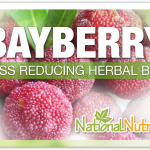
  • Bayberry

    Bayberry is the common name for a shrub in the Myrica family that has small berries with a thick wax coating. This indigestible wax coating was used in the past to make candles. The root bark contains a very high concentration of tannins, which are constituents that promote the tightening of mucous membranes and help to protect against infection. Bayberry has been used traditionally as an anti-diarrheal medicine as it reduces the leaking of fluid into the digestive tract, and thus helps to prevent watery stools.

    Key Health Benefits of Bayberry

    Anti-infection
    Bayberry root bark is used for the topical treatment of infection. Diluted tea can be gargled for sore throats or used as a vaginal douche for vaginitis. Bayberry extract has been shown to inhibit growth and toxic release by the bacteria that causes cholera. It can also be used to treat skin infections and wounds to prevent bacterial growth.

    How To Take These Supplements

    The root extract of Bayberry can be used topically as needed for wounds or infections. Internally, for the treatment of diarrhea, there is no known standardized dosing. Because of this, it can be dosed according to the manufacturer's label instructions.

  • Bentonite Clay Benefits

    Bentonite is a commercial name for a specific constituent of many medicinal clays called montmorillonite, which comes from volcanic ash. Bentonite Clay offers many benefits because it contains high concentrations of iron, calcium, magnesium and silica. It has been used for centuries, both topically and internally, for protection from toxins and radioactive substances, as well as heavy metal poisoning.

    How Does Bentonite Clay Work In My Body?

    When Bentonite reacts with water in the body, it swells up and acts as a sponge, attracting and neutralizing toxins and poisons (primarily throughout the intestinal tract), eliminating these harmful substances through the feces.

    Bentonite Clay Health Benefits

    Detoxification

    Given its action within the body, Bentonite is readily available as an effective cleanse/detoxification substance or paired with fibre as part of a complete detoxification program. It is also used in many yeast-busting formulas, to absorb excess pathogenic bacteria in the gut, helping to restore and balance gut flora. Healthy detoxification and elimination of excess yeast can both result in noticeable improvements in gut motility and absorption of nutrients from foods, improved immune function, increased energy and clearer complexion.

    Bentonite has also been reported to treat the following conditions:

    • Indigestion and ulcer
    • Constipation and diarrhea
    • Food allergies
    • Viral infection, flu, parasites
    • Radiation/ cancer treatment

    pH Balancing

    Acid-loving pathogens and diseases feed off an acidic internal environment. Unfortunately, due to poor diet, medications, and nutrient-poor soil conditions, among several other reasons, an overly acidic environment is all too common. See more on the health benefits of balanced pH. Bentonite clay is rich in minerals and naturally alkaline, supporting internal homeostasis, including a healthy pH. You can test your pH levels quickly and easily at home, using pH strips (note slightly different ranges, depending on whether testing salivary or urinary pH), available at your local health food/supplement store.

    Bentonite Clay Supplement Usage

    Bentonite clay is available as a supplement in both liquid and powder form. Look for a food-grade supplement as there are many topical application products on the market. Most should be mixed with water; however, it's important to follow the dosing instructions on the product closely.

    Safety Information

    Bentonite is not to be used during pregnancy and while nursing. It is also extremely important to take Bentonite away from all supplements and foods of nutritional value, as it will absorb these substances and negate their nutritional benefit. Take one hour before or two hours after a meal or ingestion of supplements or medications. It is recommended to take a probiotic following a round of Bentonite, as it can deplete levels of 'healthy' bacteria. Bentonite should be taken with plenty of water.

  • Birch Tree Bark: Discover Its Health Benefits

    The birch tree (Betula spp.) is sought after for its wood, bark, leaves and sap. Birchwood was favoured by the First Nations of North America for canoe building because of its lightweight and flexibility. In Britain, the leaves were used to treat rheumatism and headaches, and the springtime sap was thought to be beneficial for the kidneys and bladder.

    Birch sap was used by pioneers in North America as a springtime tonic, a gargle for sore throats, and a wash for skin conditions. Current applications for birch do not differ much from traditional uses, except new implications that support birch promotes healthy cell growth. 

    Health Benefits of Birch Tree Compounds

    Birch and Unhealthy Cell Growth

    Birch bark contains a variety of anti-inflammatory and apoptosis (controlled cell death) mediating substances such as betulinic acid, betulin, oleanolic acid, and lupeol, which may be beneficial in helping actinic keratosis (a precancerous skin condition). Lab studies have found that a chemical found in birch (betulic acid) can kill unhealthy cells. The human digestive tract cannot extract betulic acid directly, but, a fungus called chaga that grows on birch trees may bypass this difficulty. 

    Skin Support

    Birch supports skin health because of its anti-inflammatory constituents, it is often added to cosmetic products to help reduce inflammation and redness in skin. It also helps regulate cell reproduction. Using birch extracts directly on the skin helps bypass the limited absorption in the digestive tract.

    Joint Pain & Sores

    Therapeutically, birch tree leaves have been used for joint pain taken both internally as tea, and used as an external rub. Birch extract applied topically is also helpful to heal and protect boils and sores.

    Diuretic Properties

    Birch sap contains chemicals that act as a diuretic, making it useful for urinary tract infections when combined with other herbs. Birch leaves contain salicylates (like aspirin), and therefore exhibit anti-inflammatory and pain-relieving properties. 

    How To Take Birch Tree Supplements

    Birch supplements can be purchased as an encapsulated herb, raw herb or tincture. It may be found in combination supplements for urinary tract infections or kidney cleansing. Birch sap is often added to natural salves or creams to be rubbed onto painful joints and muscles. It can also be found in cosmetic products to help reduce inflammation and redness.

    Important Information About Birch Tree Supplements

    Birch should be used with caution if you are nursing or pregnant. Those who are allergic to aspirin should not use birch. Because of its effect on the kidneys, birch should not be used by anyone with compromised kidney function or heart failure.

  • Black Seed Oil Uses & Benefits

    Black seed oil, also known as Black Cumin Seed, has been used for thousands of years as a medicine to cure just about everything. The prophet Mohammed proclaimed over fourteen hundred years ago that “Black Seed heals every disease except for death”. It was even found in King Tut's tomb, suggesting it was used medicinally as far back as his reign in Egypt.

    What Is Black Seed Oil?

    While different from the spice cumin, the Black Cumin Seed is also used in cooking practices worldwide. Black Cumin Seed comes from a beautiful flowing plant from the Ranunculaceae family. The seeds are harvested and used medicinally and for culinary purposes. Its oil is extracted from the seeds making Black Cumin Seed Oil also great for medicinal and culinary purposes.

    The main medicinal effects of Black Cumin Seed and Black Cumin Seed Oil are on your immune system and inflammation.

    Medicinal Applications of Black Seed

    Historically, Black Cumin Seed and its oil have been used to combat conditions we now understand to be related to fundamental, age-related, inflammatory and immunological disturbances.

    This can be anything from fighting acute and chronic infections to cardiovascular disease, allergies allergic asthma, and a low-functioning immune system.

    Black seed oil is also great if you just need an immune boost in the fall and winter. Or if want a potent antioxidant in food form.

    Key Health Benefits of Black Seed Oil

    Anti-Inflammatory and Immune Booster

    Studies show Black Cumin Seed oil contains components that re-establish optimal inflammation balance, while at the same time promoting healthy immune responses to infection.

    Many disease states are a result of chronic inflammation in the body – like cardiovascular disease, arthritis, tendinitis, inflammatory bowel disease, sinusitis, etc.

    Specifically, Black Cumin Seed combats inflammation by suppressing enzymes that produce pro-inflammatory cytokines called interleukins and leukotrienes. It also suppresses the activity of the master inflammatory regulator complex called NF-Kappa B. It inhibits 5-Lox and Cox1, which produce inflammatory mediators called leukotrienes and prostaglandins. Among other things, Black Cumin Seed reduces a compound called 5-HETE, a precursor to inflammatory molecules which increase inflammation.

    The other major benefit of Black Cumin Seed is it boosts your immune system. Specifically, studies have shown it increases anti-tumor cells, t-cells, and natural killer cells which deactivate bacteria, viruses and abnormal cells.

    And while Black Cumin Seed down-regulates chronic inflammation, it also increases inflammation when it comes to fighting infection. Specifically, it activates pro-inflammatory cytokines which are vital to overcoming infections.

    Asthma and Allergies

    Black Cumin Seed oil is very effective in treating allergies and allergic asthma. Because it decreases chronic inflammation common in allergic rhinitis, sinusitis and asthma, it helps with symptoms of a chronic stuffed runny nose and sinus pain from excess mucus and inflammation of the mucus membranes. Also, it combats infections in these areas which commonly go with chronic mucus production. Black Cumin Seed also acts as a bronco-dilator, anti-histamine, immune stimulant and anti-spasmodic, which is key to helping with asthma.

    Cardiovascular Disease

    Black Cumin Seed is great for cardiovascular disease, especially atherosclerosis, arteritis, phlebitis and other cardiovascular diseases involving chronic inflammation. Because many cardiovascular diseases involve chronic inflammation, Black Cumin Seed combats the reasons and the effects of chronic inflammation. It is also high in an antioxidant called Thymoquinone. This protects arteries from lipid peroxidase enzymes which damage fats and increase LDL cholesterol.

    How To Use Black Seed Supplements

    Black Cumin Seed and Black Cumin Seed Oil can be used on salads, cereal, Oatmeal or in a shake. Some people bake with it, but it is best not to heat the seeds or oil because they are fragile and can become damaged by the heating process.

    Black Cumin Seed Oil can also be found in capsule form which can be found at your trusted natural health food store both in person and online. 

  • Bronchitis & Lung Health

    Bronchitis is an inflammation of the airways that can often result in difficulty breathing. It can occur acutely as the result of an infection or chronically in the case of respiratory diseases like asthma or emphysema. Acute bronchitis most commonly begins with cold symptoms and a dry cough. As it progresses, the cough can become deeper, more painful and more productive with respect to mucous. This is why lung health support is important. Discover ways you can keep your lungs healthy.

    What Causes Bronchitis?

    Phlegm and Congestion

    Acute and chronic bronchitis often cause congestion from excess phlegm buildup. Phlegm can be clear, white, or yellow. It can vary in thickness and cause chest tightness and breathlessness.

    While acute bronchitis cases usually resolve in a few weeks, chronic cases can last over extended periods of time.

    The cough associated with chronic bronchitis is usually less severe but constant. Bronchitis may or may not produce phlegm. Repeated exposure to tobacco smoke, environmental chemicals, or allergens often causes it. A weak immune system can also result in repeated bronchial infections.

    What Lung Health & Bronchitis Support Options Are Available?

    Air Purification For Lung Health

    Avoidance of all irritating substances is important for the prevention of bronchitis. Home air purification systems, humidifiers and dehumidifiers can be helpful. Keep plants that remove pollutants from the air. These types include bamboo palm, Boston fern, dracaena, English ivy, ficus ali, peace lily, rubber plant and spider plant.

    Breathing Exercises For Lung Support

    Regular moderate exercise and deep breathing practices can decrease hypersensitivity of the airways. Steam inhalations with thyme or eucalyptus essential oils are antispasmodic and antimicrobial.

    Use hydrotherapy to boost the immune system. At the end of your shower, alternate one minute of hot water with one minute of cold water. Alternate several times, always ending with cold. To restore strength to the lungs, blow up a balloon several times a day.

    Reduce Inflammation

    It’s important to keep the body detoxified to reduce strain on the lungs. Our lungs work to filter through toxins, so by altering the diet to ensure adequate intake of nutrients, vitamins and antioxidants you can improve bronchial symptoms. Raw fruits and vegetables are best, and by including onion and garlic, you can cause an anti-inflammatory effect in the lungs. Another source of anti-inflammatory healing is flaxseed and fish oils.

    Diet and Bronchitis

    Dietary approaches to bronchitis are as follows. Increase fluid intake to decrease the viscosity of mucous secretions. The lungs help remove toxins when the body's primary detoxification organs become overwhelmed.

    Conventional Treatments

    Conventional treatment of severe or chronic bronchitis involves bronchodilators. They treat the symptoms of bronchitis by reducing bronchospasms and inflammation. They do not address the root cause of the problem. Doctors often treat acute infective bronchitis with antibiotics. Make sure to replace the helpful bacteria in your system with a probiotic supplement after antibiotic therapy.

    Important Information

    Some foods to avoid are dairy products, white flour, sugar, and processed foods, which increase mucous production. Avoid animal products because they can promote inflammation.

  • Burdock Root Supplement Varieties

    What Is Burdock Root?

    Burdock root is a plant that is found around the world, in Asia, Europe and North America. It is an alternative herb, meaning that it helps to restore normal functioning to the body when systems get out of balance. It is a blood purifier, digestive bitter, antimicrobial, blood sugar regulator, and anti-cancer agent. Burdock is often recommended by healthcare practitioners to treat a variety of conditions including boils, eczema, cancer, diabetes, heavy metal toxicity, liver conditions, gallbladder dysfunction and gout.

    4 Top Health Benefits of Burdock Root

    Blood Purifying Properties

    Burdock root is particularly known in the herbal medicine community for its ability to remove toxins from the body by cleaning the blood. Because of this, Burdock is used for skin conditions, like acne, and gout that are considered to result from toxin accumulation. Burdock can also be used to cleanse toxins from the intestinal tract. It is a bitter herb that causes the release of digestive juices and bile, thus helping with intestinal cleansing.

    Digestive Bitter

    Because of its bitter flavour, Burdock can increase appetite and digestion. It does this by stimulating the flow of digestive juices such as stomach acid, digestive enzymes from the pancreas and bile from the liver. Increasing the flow of these juices helps the body to complete proper digestion and will help to reduce the number of symptoms associated with poor digestion such as gas, bloating, diarrhea, constipation and heartburn.

    Antimicrobial Properties

    Extracts of burdock contain antimicrobial substances that are useful for halting infections anywhere in the body, including the digestive tract. Because of this, Burdock can help to treat diarrhea of infectious origin and can help to improve a poor bacterial balance in the gut.

    Blood Sugar Regulation

    Studies have shown that burdock contains constituents that resemble insulin, our body's blood sugar-regulating hormone. Because of this, it can be used to help manage high blood sugar, a symptom commonly associated with diabetes. Reducing blood sugar is also helpful in preventing the growth of unhealthy cells. Interestingly, Burdock has also been found to contain several anti-mutagenic components that can help prevent DNA damage that can lead to the formation of unhealthy cells.

    How To Take Burdock Root Supplements

    Burdock can be used as an encapsulated herb, dried root, tincture or liquid extract. The roots contain the most concentrated medicinal substances: insulin-like compounds, antioxidants and bitters. Burdock can also be used topically to treat skin conditions, just be sure to dilute any alcohol-based formulas to avoid skin irritation. It is found as a component of many cleansing and detoxification formulas. It is also a part of the "Essiac" formula, which has traditionally been used for cancer and detoxifying. To help with digestion, bitter herbs must be tasted, so using a tincture or tea form is often best. Encapsulated herbs are swallowed, thus bypassing the taste buds, and will not stimulate digestion.

  • Butterbur Benefits For Good Health

    Butterbur is the common name used for plants in the Petasites family, and Common butterbur (Petasites hybridus) is the one used most commonly for its medicinal benefits. Historically, herbalists used Butterbur for the treatment of water retention, cough, fever, headaches, asthma and stress.

    Top Health Benefits of Butterbur

    Migraine Relief

    In addition to its historic use, Butterbur has been used in research trials for the treatment of migraines. It has been shown to help reduce the frequency and severity of attacks. There is a standardized extract of Butterbur that is called Petadolex. At a dose of 150mg daily (75mg twice daily), this extract was shown to reduce the frequency of migraine attacks by over 50%, after four months of consistent treatment.

    Spasmolytic Benefits

    Another major function of Butterbur is the relaxation of spasms in a variety of different body systems. Benefits have been found in spasms of the urinary tract, which can help to reduce the symptoms of urgency and frequency in those with overactive bladder. It also helps to relieve spasms in the gastrointestinal tract, as in cases of Irritable Bowel Disease (IBD), and in the bile duct, which can help to reduce the painful symptoms associated with Gallstones.

    Seasonal Allergies

    Daily supplementation of Butterbur leaf extract has been shown to help reduce nasal itching in those suffering from hay fever in equivalent amounts to two over the counter medications (cetirizine and fexofenadine).

    Butterbur Supplement Varieties, Uses & Benefits

    Butterbur can be found alone or in combination with other herbs in capsule form. Some manufacturers will use the proprietary form of Butterbur extract that has been used in research studies (Petadolex), which can also be found in capsule form. Research has shown that a daily dose of 150mg helps to prevent migraines, while only 100mg was not successful. The dose for the spasmolytic properties has not yet been established, so follow the dosing directions provided by the manufacturer. For hay fever, 100mg daily is successful.

    Shopping For Quality Herbal Supplements

    When shopping for herbal supplements, you want to make sure your'e choosing a trustworthy and high-quality brand that formulates pure and potent supplements.

  • Camphor Essential Oil

    Camphor essential oil comes from Camphor trees. The Camphor tree grows 35 meters tall. Camphor trees are native to Taiwan, China and Japan. Camphor was traditionally used in Persia against infection and during plagues. White Camphor oil only is used in Aromatherapy. The yellow and brown Camphor oil has toxic effects as it is too high in a compound called safrole.

    What Is Aromath-what-is-aromatherapyherapy?

    Aromatherapy

    The study of Aromatherapy – the medicinal use of essential oils – falls under the new science called Psychoneuroimmunology, which is the study of the interaction of your psyche, nervous system and immune system. Science has shown that when you have a positive outlook and feel relaxed your immune system works better.

    Aromatherapy and the use of essential oils and resins from plants have been used in cultures globally since Biblical times. They were in such demand that they played an important role in international trade around the globe. In Egypt, high priests recorded the many medicinal uses of essential oils on papyrus paper. Records show the Chinese used aromatic herbs and massage over 2000 years ago. In Indian Ayurvedic medicine, essential oils were and still are used in massage and on pressure points to correct underlying imbalances and to improve health.

    Essential Oils

    Essential oils have been used around the globe for centuries. They are used for both pleasure and medicinal purposes. Medicinally, essential oils have been used in Aromatherapy for centuries. Due to these oil's biochemical makeup, they possess healing properties that can have a positive effect on health. 

    Because essential oils are volatile, meaning they can evaporate into the air, especially when added to hot water, they can be breathed in through your respiratory system. This can have a local effect on your sinuses, nasal passages and lungs. 

    They can even enter your blood circulation when inhaled, which will then have a biochemical effect on your entire body. 

    Topically essential oils work by penetrating your skin to affect an area locally and by penetrating your skin a small amount can enter your bloodstream affecting your whole body. Applied topically, essential oils are absorbed through the olfactory nerve in your nose affecting your brain and nervous system. These various pathways can affect your health both mentally and physically. 

    Health Benefits of Camphor Essential Oil

    Camphor oil, apart from having a cool, penetrating and lasting aroma, has many medicinal properties. The various components in Camphor oil are Alcohol, Borneol, Pinene, Camphene, Camphor, Terpene and Safrol. Based on these compounds, Camphor acts as a disinfectant, antiseptic and decongestant.

    You can use Camphor for skin infections, rashes, acne, eczema or psoriasis works by killing bacteria, yeast and fungus that may be contributing to your skin symptoms.

    Camphor can also be used for coughs, colds, bronchitis, pneumonia and other forms of respiratory infections. When inhaled, Camphor kills the bugs responsible for causing your respiratory infection and it dries mucus so it acts as a decongestant. Camphor is a very efficient antispasmodic and gives immediate relief from spasmodic coughs.

    Topically: in a carrier oil like Jojoba, Sweet Almond or Grape Seed Oil:

    • rashes
    • skin infections
    • eczema, psoriasis
    • acne
    • fungal skin infections – ringworm, athlete's foot, fungal toenails

    Inhaled via steam inhalation, vaporizer, bath, diffuser or humidifier:

    • coughs, colds
    • sinus infections
    • bronchitis, laryngitis, pneumonia
    • croup

    How Can I Use Camphor Essential Oil?

    Essential Oils can be:

    • inhaled through steam inhalation, humidifiers, diffusers, and vaporizers
    • added to a carrier oil and applied to your skin directly or as a hot or cold compress
    • spritzed onto objects like pillows, bedding and furniture
    • added to infusers, potpourri and candles to enhance the odour of an indoor space
    • applied to the skin as perfume
    • used as a gargle or mouthwash, added to toothpaste, soaps, cleaning solutions, lotions and creams, face and body spray
    • added to baths, hot tubs, Jacuzzis, hand and foot baths and saunas

    What Essential Oils Mix Well With Camphor?

    • oregano
    • Rosemary
    • tea tree
    • thyme
    • wintergreen
    • chamomile, lavender
  • Clove Essential Oil

    Plant Information

    Plant History

    Clove's official name is Syzygium aromaticum and is an evergreen that's part of the Myrtle family. This tree grows small, brown buds which we all know as the popular clove spice. Clove is native to the Indonesian islands and natives to the Molucca islands would plant a clove tree for every child that was born and it was believed that the health and life of the tree was linked to the fate of the child it was planted for. Chinese people would use clove for oral care to freshen their breath before meeting with the Emperor, but because Clove was expensive, which made it a very coveted spice, Europeans started a war over it. Europeans fought with native Indonesians to be able to take part in the Clove business and the Dutch wanted to gain a monopoly over this industry and set fire to the Indonesian clove trees and since the trees had special meaning to Indonesians, they revolted and a blood battle began. By the 18th century, clove was introduced to many other regions which made the price drop and it was during this time that Clove was available for everyone, not just the rich and royal. Asian cultures mainly used Clove as a spice and the Indians in particular used clove for it's antiviral medicinal properties in oral care, treating malaria and supporting digestion. Today, Clove oil is a great aromatherapy oil and diffusing this essential oil can help deter insects, clean the air and support anxiety and overall mood.

    Botanical Information

    The Clove tree is an evergreen which can grow up to 40 feet in height. This tree has bright, green leaves and in it’s fifth year, grows flower buds which are nail shaped and turn brown upon drying. The tree is planted from seeds in a shaded area and while it is a slower growing tree, it can live up to 100 years. When the tree does start to grow flower buds, it can grow up to 75 pounds of dried buds per annum. Harvesting is done in late summer and winter, the buds are then sun-dried to create clove spice or oil. 

    Growing Information

    If growing a clove tree outdoors, it is best to do so in a tropical environment. For those in a non-tropical environment, it is best to plant in a pot that can be taken indoors during the colder months. Clove trees thrive in an environment of 20-30 degrees celsius, but can withstand temperatures as low as 10 degrees celsius. It is best to start your planting process with seeds that are able to germinate, therefore find seeds that have been freshly harvested and that aren’t dried out. Place seeds on top of the soil and cover the pot with a plastic sheet to promote a humid environment. The soil that is best for clove is rich, can drain well and contains organic matter. This tree requires adequate water, especially in it’s first years, but be careful not to overwater the plant either. 

    Parts Used For Clove Oil

    When extracting Clove oil, the bud, leaf or stem can be used. The chemical composition is dependent upon the part of the plant the oil is derived from.

    Clove Oil Information

    Extraction Method: How To Make Clove Oil

    Clove oil is extracted through steam distillation, as are most essential oils. The bud, leaf or stem is placed in a chamber of the steaming still and as the steam heats up, it pulls the essential oil out. The steam and oil then travel through the apparatus and when they reach a holding chamber, the temperature cools, causing it to re -liquify. The mixture is then carried through to the separator and the oil is siphoned off the water and used in essential oils, while the fragrant water is commonly used to scent products.

    Active Ingredients Found in Clove Oil

    The main chemical components of clove oil are eugenol, eugenol acetate, iso-eugenol and caryophyllene. Oil extracted from the flower buds consists of 60-90% eugenol, eugenyl acetate and caryophyllene. If the oil is extracted from the leaf, it consists of 82-88% eugenol and little to no eugenyl acetate. And lastly, if the oil is derived from the stem, it consists of 90-95% eugenol.

    Clove Oil Benefits & Applications

    Air Purifier

    Clove oil is a very powerful antiseptic, which makes it great for purifying the air.

    Either add 4 drops of Clove oil to your diffuser or mix 8 drops of Clove oil with 30ml of Witch Hazel and 30ml of Avocado oil in a 60ml amber glass spritz bottle. Spray as a room spray and purify the air at the same time.

    Muscle Relaxant

    Clove oil is also antispasmodic which makes it great for alleviating muscle pain or stomach cramping when applied topically.

    In a 30ml amber aromatherapy bottle mix 25ml Avocado oil and 4 drops of Clove oil. Shake to blend and massage into sore muscles or rub on abdomen in a clockwise motion.

    Pest Relief

    Clove oil has great insecticide benefits and can help deter insects when diffused indoors our outdoors or by dampening a cotton swab and placing them in places like the attic or by doorways that insects like to crawl into.

    Where To Buy Quality Clove Oil

    National Nutrition has a myriad of quality essential oils, you can shop steam distilled clove essential oil here.

  • Colloidal Silver Gel & Supplement Varieties

    Colloidal silver is a natural antibiotic and disinfectant. Colloidal refers to the suspension of minute silver particles in pure water. Colloidal silver has been found to kill more than 650 disease-causing organisms. In supplement form, it is available in many formats including colloidal silver in liquid form that can be taken internally for gastrointestinal and respiratory infections and colloidal silver gel, which can be applied topically for fungal infections on the skin or in the nails. It can help prevent the infection of burns, wounds, cuts, rashes and sunburns.

    Discover All The Ways To Use Colloidal Silver 

    Silver can be gargled, to kill mouth bacteria that cause bad breath or relieve mouth sores and toothaches. It can be placed into the eye for eye infections and into the ear for ear infections (make sure the eardrum is not damaged before placing anything in the ear!) Colloidal silver can be used to disinfect air filters, ducts and vents, kitchen tools and children’s toys.

    Top Health Benefits of Colloidal Silver

    • Preventing & Fighting Cold & Flu Symptoms
    • Alleviates Discomfort & Heals Skin Wounds & Conditions
    • Disinfecting Properties On Household Surfaces
    • Suport Oral Hygiene & Fresh Breath

    Selecting Quality Colloidal Silver Supplements

    Colloidal silver is typically diluted with water and can be found in a liquid or gel format. Depending on the format, it can be used internally or topically. When found in a liquid formula, it can be found in a spray or typical liquid bottle and dosing directions on the label should be followed since each manufacturer offers different dilutions. 

    Colloidal silver can be kept in the fridge after opening but should not be put in the freezer. Because it is an antibiotic it will kill all the bacteria that are normally present in your intestines, including healthy bacteria. The healthy bacteria help your body to break down food and produce vitamins. It is important to replace the friendly bacteria, with a probiotic supplement after using colloidal silver. A general rule is to take a month of probiotic supplementation for every week of antibiotic therapy. If you are concurrently taking a probiotic supplement and colloidal silver keep the timing of the dosing as far apart as possible.

  • Constipation: Causes, Symptoms & Natural Remedies

    Digestive discomfort, like constipation, can majorly impact how you feel day to day, affecting everything from energy levels to mood. When things aren't moving as they should, it can be painful. It's often a sign that your body needs a little extra support. Many people are turning to natural constipation remedies to gently restore balance and promote regularity.

    If you're looking to explore simple yet effective ways to prevent and support constipation, so you can feel lighter and more energized, keep reading.

    What is Constipation?

    Constipation is not a disease in itself, but it is a symptom of another problem. It is defined as difficulty in passing stool or the infrequent passage of stool. The resulting stool may cause pain and bleeding as it passes, because it is so hard and dry. Constipation is very unhealthy because it impedes the ability of your body to release toxins. Most cases of constipation can be improved with lifestyle and diet changes. If those changes do not seem to help, then a further investigation should be performed to rule out more serious pathology.

    What Are Natural & Conventional Constipation Remedies?

    Natural and conventional remedies for constipation involve the use of laxatives. But remember, just because a laxative is natural does not mean that you cannot become dependent on it.

    Increased Fibre

    Bulk-forming agents increase the bulk and water content of stool. They are the only laxatives that are safe to use every day. Psyllium, bran, flaxseeds, apple pectin and chicory root are examples of natural bulk formers.

    Stool Softeners

    Stool softeners soften fecal matter so that it passes more easily. Pharmaceutical stool softeners, like mineral oil and docusate sodium, should not be taken daily because they can decrease vitamin absorption, alter drug concentrations and cause liver damage. Natural stool softeners are cold-pressed oils. They also provide essential fatty acids for the health of the intestinal cells.

    Osmotic Remedies

    Osmotic agents pull more water into the intestine to stimulate bowel movements. They can cause dependency with repeated use. Examples are magnesium, milk of magnesia, Epsom salts and sorbitol.

    Stimulating Laxatives

    Stimulant laxatives irritate the intestine to cause a bowel movement. They can cause damage and dependency with repeated usage. Natural and pharmaceutical examples are bisacodyl, senna, cascara sagrada and castor oil.

    Lifestyle Tips

    Lifestyle changes to help with constipation include regular exercise and stress reduction. Never suppress the urge to defecate. Do not strain to pass stool because it can contribute to hemorrhoid formation.

    Minimize straining by ensuring that your thighs are parallel to the floor when sitting on the toilet. Use a footstool if necessary.

    Tackling the emotional aspects of constipation should also be undertaken. It can sometimes reflect the inability to “let go” of certain things that have happened in a person’s life. Sometimes this emotional connection can even go back to trauma in childhood. Abdominal massage and hydrotherapy can help regulate bowel movements.

    Natural Remedies To Prevent Constipation

    Some ways you can ease the symptoms of and prevent and treat constipation are: take a close look at your diet and try to identify irritating substances, drink 8-10 8oz glasses of water per day, try a cleanse specifically made for the colon which can clean the colon of any build-up and improve its functioning, get enough fibre by eating a high-fibre and low-fat diet, stimulate the digestive tract in the morning with a glass of warm water and lemon and be sure to consume vegetables, figs, prunes, whole grains and fresh fruits with skins. Some foods to avoid include spicy foods, salt, coffee, processed foods, dairy, fats, and alcohol.

  • Dermatitis

    Dermatitis literally means “inflammation of the skin”. It is a general term used to describe any skin that may scale, flake, thicken, weep, crust and itch or hurt. The skin will also often change colour and become reddened or less pigmented than the surrounding skin. People often use eczema and dermatitis interchangeably. However, eczema is one subtype of dermatitis called atopic dermatitis. There are many different forms and causes of dermatitis. Because of this, the treatment for dermatitis can also vary. Let's explore some natural support options for the different types of dermatitis to keep your skin healthy.

    What Are The Types of Dermatitis?

    An immune hypersensitivity reaction causes atopic Dermatitis (eczema). Chemicals or foods can trigger this reaction after inhalation or indigestion. Eczema often occurs alongside asthma and seasonal allergies. Stress and temperature changes commonly worsen symptoms. The rash results in breaks in the skin that can create easy openings for infection. Staphylococcus is a common secondary infection of eczema. Treatment for atopic dermatitis is the removal of the allergic substances from the diet or environment.  When this is not possible, there are supplements that can help to reduce the excessive immune response to help clear the physical symptoms.

    Contact Dermatitis is an inflammation of the skin that results from direct skin contact with a particular substance, much like the name implies. This contact can cause irritation or an allergic reaction.  Common causes of irritation are detergents, fabric softeners, soaps, and other chemicals. Irritant dermatitis most commonly appears as a burn on the skin. Allergic reactions can occur with any substance, depending on your body’s unique sensitivity. Some causes of allergic contact dermatitis are far more universal, such as poison ivy, poison oak, and some fragrances.

    Seborrheic dermatitis affects the scalp or face. A fungal infection commonly causes this form of skin irritation.

    What Are Natural & Conventional Dermatitis Support Options?

    Conventional Treatment

    Most cases of dermatitis are conventionally treated with the use of corticosteroid cream or oral corticosteroids. This treatment suppresses the immune response and thus can improve the symptoms of dermatitis, but does not treat the underlying cause and will not prevent its reoccurrence. Side effects of this medication include skin-thinning, immune suppression and decreased bone density with prolonged use.

    Lifestyle Changes

    To fight dermatitis, topically avoid chlorinated tap water for drinking and bathing. Use gloves while handling any substance that irritates the skin.

    Avoid perfumes and colourings in laundry and personal hygiene products. Use glycerin and natural soaps to wash your body, face and hair. For dermatitis in the scalp, make a concentrated tea with rosemary, nettle, witch hazel and tea tree oil. Apply it to the scalp after shampooing and leave on for 10-15minutes.  You can also take oatmeal baths to relieve itching.

    Natural Dietary Changes For Dermatitis Support

    By including detoxifying foods in your diet, like high-fibre foods, and drinking lots of water, you can take an important step in preventing dermatitis. Some foods that people tend to be sensitive to include: dairy products, alcohol, fried foods, products with high sugar content, caffeine, raw eggs, strawberries, peanuts, chocolate and soy. If making small dietary changes does not help, then consider going on a hypoallergenic diet for a minimum of 2 months, where you will eliminate suspect foods entirely. It’s important to eat foods high in zinc, such as sunflower seeds, raw nuts and whole grains. Raw foods like almonds, beets, chard and cashews contain helpful oxalic acid and fruit, like mango and apricot, will provide you with hydration and alpha-hydroxy acids.

    Natural Topical Dermatitis Support

    There are an incredibly large number of topical treatments on the market for dermatitis. Unfortunately, we must determine the underlying cause to completely eradicate symptoms. While we are figuring out the root cause, topical creams and ointments can help to manage the symptoms. Calendula or vitamin E cream or ointment can be used to help heal the skin more quickly. Application of medicinal clay to the affected area will help to draw out toxins and speed healing. It is important to keep the area moisturized and avoid picking and scratching at scales and dry skin to prevent infection. If an area does become infected, diluted tea tree oil or grapefruit seed extract can be used to clean the area. If your rash persists despite treatment, be sure to get tested by your healthcare practitioner to rule out a fungal infection.  

  • Endometriosis

    Ongoing hormonal and inflammatory issues can significantly reduce energy, comfort, and quality of life. Balanced nutrition, lifestyle support, and targetetd strategies help you regain control of your health. Many people now use endometriosis supplements to support hormonal balance, reduce inflammation, and improve daily comfort. Let's explore effective ways women can support their bodies and feel their best. 

    What is Endometriosis?

    Endometriosis occurs when endometrial cells grow outside the uterus instead of within it.

    These cells most often grow on the ovaries, fallopian tubes, uterus surface, intestines, and pelvic lining. In sever cases, they spread to the vagina, bladder, or abdominal cavity. Endometrial cells are the same cells that are shed each month during menstruation. Outside of the uterus, these cells are referred to as endometriomas or endometriosis implants.

    Whar Causes And Risk Factors Are Associated With Endometriosis? 

    Endometriosis risk factors are numeroud, but heredity plays the largest role. Women with an immediate relative have six times higher risk. Endometriosis most commonly affects women between ages 24 and 40. However, endometriosis can present itself at the beginning of menstruation or near menopause. Women face higher endometriosis risk with longer periods, shorter cycles, and elevated estrogen levels. Lack of exercise, IUS use, childhood abuse history, and high-fat diets also increase risk.

    Evidence now suggests that an immunological deficiency plays a large role in the development of endometriosis. The immune system may fail to detect pelvic abnormalities and cannot prevent endometrial cell growth in improper locations. Studies have shown a correlation between suppressed immunity and a higher number and greater area of implants.

    What Are Symptoms of Endometriosis?

    The severity of symptoms associated with endometriosis varies between individuals. Almost all women with endometriosis experience a classic triad of symptoms, including pain with menses (dysmenorrhea), pain with intercourse (dyspareunia) and infertility. For some women, menses can cause such excruciating pain that they are unable to leave their homes, go to work or carry on activities of daily living. A labour-like, severe cramping or bearing down type pain usually begins just prior to menses and can last a couple of days into bleeding. Some women experience nausea and vomiting, diarrhea, or even fainting during this time. The severity was once thought to depend on the number of cells that grew in abnormal places, but we now know that it is actually the depth of the cells, how deep they grow into the other tissue, that seems to correspond with the degree of pain a woman experiences.

    Diagnosing Endometriosis 

    The only way to definitively diagnose endometriosis is via one of two procedures. A laparoscopy is a surgical procedure in which a scope is inserted through one of two very small pelvic incisions. A laparotomy is a more major surgical procedure.

    Supplements & Lifestyle Support For Endometriosis 

    Lifestyle Habits

    There are many nutritional and lifestyle recommendations that can both prevent and help to treat and decrease the symptoms of endometriosis. Simply ensuring that you are getting more than sufficient green leafy vegetables and fruit into your daily diet is a great start. Try to make them organic when and if possible. Liver-friendly fruits and vegetables, like carrots, beets, dandelion greens, kale, cabbage and lemon, increase the detoxification ability of the liver, thus decreasing the amount of excess or exogenous estrogen. Increasing fiber also increases transit time and helps to bind excess hormones. Decreasing intake of red meat has also been shown to drastically decrease the risk of developing endometriosis. Even lean meat protein can promote inflammation and pain. Many healthcare practitioners encourage women with endometriosis to try to incorporate more vegetable proteins, almonds, soy and even fish into their diet instead. Limiting refined sugar, caffeine, and alcohol has also been shown to significantly reduce the risk of developing endometriosis. Regular exercise is also key in preventing endometriosis, as well as minimizing stress.

    Endometriosis Supporting Supplements

    There are many supplements that may be beneficial in preventing the onset or reducing symptoms of Endometriosis. For the most part, we want to keep in mind our objective of supporting the immune system, reducing inflammation and pain, supporting and aiding the liver in detoxification and removal of excess hormones, and combating free radical damage. Any combination of these.

  • Estrogen Balance

    Hormonal balance plays a crucial role in how you feel day to day, influencing everything from mood and energy levels to metabolism and overall well-being. When estrogen levels become imbalanced, it can disrupt this delicate system and affect multiple areas of health. As a result, many individuals are turning to estrogen balance supplements to help support hormone regulation, promote detoxification, and restore a sense of balance.

    In this article, we'll explore natural ways to support healthy estrogen levels and optimize your overall wellness.

    What is Estrogen?

    Estrogen is a sex hormone present in all humans. In men, the estrogen levels are much lower and are dwarfed by testosterone production. For women, estrogen levels fluctuate during the menstrual cycle and alternate with progesterone. In general, estrogen is responsible for everything associated with the first half of the menstrual cycle, including building up the lining of the uterus and preparing for ovulation. Estrogen levels are balanced in the body by progesterone, the hormone responsible for maintaining the uterine lining and holding the body in a pregnancy-ready state. A drop in both of these hormones results in menstruation, the shedding of the lining of the uterus. Excess estrogen can be due to high estrogen levels or due to low progesterone levels, resulting in a relative excess of estrogen.

    What Are The Forms of Estrogen?

    There are several forms of estrogen that affect the body. Endogenous estrogens originate inside the body, and exogenous estrogens originate outside the body.

    Exogenous estrogens come from chemical compounds called xenoestrogens or plant-derived phytoestrogens. Xenoestrogens include industrial chemicals that mimic estrogen activity. Phytoestrogens come from plants and influence hormonal balance.

    Endogenous estrogens are mainly formed in the ovaries. However, the liver and adrenal glands also produce small amounts. Additionally, fat cells secrete estrogen, so excess body fat may contribute to hormonal imbalance.

    Women produce three main estrogens called estrone (E1), estradiol (E2), and estriol (E3). E2 acts as the most active form during reproductive years. E1 becomes dominant during menopause. E3 plays a supporting role throughout hormonal shifts.

    Nutritional Information

    estrogen # % of estrogen activity metabolite
    estrone e1 10 - 20% moderate 2-oh-e /
    4-oh-e
    estradiol e2 10 - 30% high 2-oh-e
    estriol e3 60 - 80% least 4-oh-e /
    16-alpha-e

    Phytoestrogens come from plant sources and influence estrogen receptors in the body. They exert weaker effects than endogenous estrogens but still help regulate balance. When estrogen levels rise, phytoestrogens block receptors and reduce activity. When estrogen levels drop, they mildly stimulate receptors. This dual action helps hormonal balance in women.

    Xenoestrogens include industrial compounds that disrupt endocrine function. They bind to estrogen receptors and mimic natural hormones. Examples include PCB (polychlorinated biphenyls), BPA (bisphenol A), and phthalates. Regulatory agencies have restricted many of these compounds due to health concerns.

    Estrogen Receptor

    These chemical estrogen disruptors are linked to developmental abnormalities in babies and hormone-sensitive cancers like breast and uterine cancer. They also associate with infertility in male wildlife exposed to contaminated environments. Researchers suggest similar risks may affect human males exposed to these chemicals.

    Estrogen and Mood

    Estrogen plays a significant role in women's mental health. Sudden estrogen drops are associated with depressed mood, postpartum depression, and menopausal mood swings. Excess estrogen can also contribute to hormonal imbalance symptoms. Excess estrogen can also cause problems in women, like:

    Nutritional Information

    signs of estrogen dominance (excess estrogen)
    breast tenderness hypoglycemia
    breast cancer increased blood clotting
    decreased sex drive irregular & heavy menstrual bleeding
    infertility endometriosis
    uterine fibroids mood swings
    fat gain around the middle ovarian cysts
    fibrocystic breast disease uterine cancer
    headaches water retention and bloating

    Estrogen Metabolism

    Estrogen metabolism determines many risks linked to estrogen dominance. Harmful effects often come from estrogen breakdown products. Healthy liver and colon functions support proper estrogen clearance.

    Estrogen Balance Support & Supplements

    There are a number of supplements that can help the body to naturally rebalance its own estrogen levels. Ensuring sufficient fibre in the diet to prevent reabsorption of excreted estrogen, and herbal support to help the body balance hormones naturally, can both help to keep hormonal balance in the body. See the list below for supplements that may help to regulate female sex hormone balance. If excess estrogen might be a problem for you, see the estrogen detoxification article using the link above for more information on supporting proper estrogen metabolism.

    Important Information

    The use of hormone-regulating herbs is not recommended when you are suffering from hormone-sensitive cancers or conditions, as there is a risk of aggravation. Low progesterone levels can mimic the effects of excess estrogen. Consult your healthcare practitioner to ensure you are treating your hormonal imbalance in the correct way.

  • Eye Infection

    Eye discomfort and irritation can disrupt your daily routine, making even simple tasks like reading or using screens feel challenging. When symptoms arise, finding gentle and effective ways to support recovery becomes a top priority. In addition to proper hygiene and care, many people are exploring eye infection supplements to help support immune function, soothe inflammation, and promote overall eye health. In this article, we'll explore natural ways to support your eyes and maintain clear, comfortable vision. 

    What Are Common Symptoms of an Eye Infection?

    It feels itchy and irritated. The eyelids may stick together after remaining closed for extended periods due to pus buildup. Bacterial infections, viral infections, eye injuries, allergies, or irritants can cause Pink eye. Common irritants are smoke, chlorine, contact lens solution and makeup. Infectious conjunctivitis is very contagious and often spreads to the other eye.

    Types of Eye Infections

    Blepharitis is inflammation of the eyelash follicles or glands on the outer edge of the eyelids. Symptoms of blepharitis include redness, itching, burning, swelling, tearing and the feeling that there is something in the eye. Blepharitis may cause eyelash loss and crust the eyelids shit after prolonged eye closure. Bacterial or viral infections, seborrheic dermatitis, eyestrain, poor sleep, or weakened immunity can contribute to blepharitis.

    Eye Infection Supplements + Conventional & Natural Therapies

    Conventional Therapies

    Doctors typically treat bacterial conjuncitivits and blepharitis with antibiotic eye drops. For non-bacterial irritation, doctors may prescribe steroid eye drops to reduce inflammation.

    Prevention Techniques

    In order to prevent and reduce eye infections, it’s important to practice good hygiene. In the case of eye health, this includes keeping your hands away from your eyes as much as possible – especially if you are suffering from a cold or flu. If you must touch your eyes, wash your hands thoroughly before. If it’s possible, try not to use contact lenses when experiencing an eye infection since the lens solution could be carrying bacteria and lead to recurrent infections of the eye. Lens solution is also an irritant. At home, minimize the use of antibacterial soaps and cleaning products which can cause the disease-causing potential of viruses and bacteria to increase.

    Natural Eye Infection Therapies & Supplements

    There are several physical therapies for eye infections. Make a compress out of grated fresh potato. Wrap it in gauze and place it over the eye to decrease inflammation. Use an herbal tea as a warm compress or wash. Good choices are eyebright (for any type of irritation or inflammation) or goldenseal (for an infection).

    Dietary approaches for eye infections are as follows. Increase fluid intake to decrease the viscosity of eye discharges. A diet high in raw fruits and vegetables provides a good source of vitamins, minerals and antioxidants. Focus on green leafy vegetables and deep coloured berries. Flaxseed and fish oils contain essential fatty acids that are anti-inflammatory. Avoid processed foods, white flour and sugar products, all of which increase mucous production.

  • Feverfew Benefits & Uses

    Tanacetum parthenium, also known as Chrysanthemum parthenium and Pyrethrum parthenium, more commonly referred to as feverfew, is a flowering plant in the daisy family, Asteraceae. It may be grown as an ornamental plant, but it has a long history of medicinal benefits. 

    It's been found to be the most effective natural supplement used to treat migraines. Feverfew has been clinically proven in many studies to reduce the frequency and severity of migraines in about 75% of people who use it. Most people who take feverfew get fewer migraines, and when they do get them, they are much less severe.

    Medicinal Properties Found in Feverfew 

    This plant is filled with potent essential oil and flavonoids which contribute to some of feverfews health benefits; however, it's the parthenolide compounds in the plant's leaves that may provide the most benefit. 

    Key Health Benefits of Feverfew

    It's thought that feverfew contains substances, including parthenolide, that cause relaxation of smooth muscle tissue that surrounds arteries of the body. By relaxing the arteries in the brain, the active ingredients in feverfew can reduce the spasms that are the primary cause of migraines.

    The uterus also contains smooth muscle therefore feverfew can also relieve menstrual cramps. Feverfew also acts as an anti-inflammatory, by inhibiting the production of chemicals that cause inflammation, and as a blood thinner, by inhibiting the clotting of platelets. Feverfew is used to treat inflammatory conditions like rheumatoid arthritis and colitis.

    Feverfew Supplement Benefits & Varieties

    Most feverfew supplements are made of encapsulated dried herb, tincture or loose herb. Better quality supplements are standardized which is an assurance that the product contains feverfew and has some active properties. Feverfew may be found in formulas for migraine relief or inflammation.

    Important Considerations & Cautions

    Feverfew is not helpful if it is taken only during acute migraine attacks. It may take several weeks of using feverfew before migraines are relieved and a one-month minimum trial is recommended. Abrupt discontinuation of feverfew may result in rebound headaches, nervousness, insomnia, joint pain or stiffness. These withdrawal symptoms are temporary.

    Potential Side Effects

    Due to feverfew’s blood thinning properties individuals with active bleeding, blood clotting disorders or those who use blood thinners, anti-inflammatories or aspirin-containing products should use caution when taking feverfew. 

    For the same reason, stop using Feverfew 2 weeks before surgery or dental procedures. Feverfew may stimulate menstruation and should not be used in pregnancy. Feverfew is in the same plant family as ragweed therefore individuals with ragweed allergies should not use feverfew.

  • Grapefruit Seed Extract: How To Guide

    Grapefruit seed extract (GSE), also known as citrus seed extract, is a liquid extract derived from the seeds, pulp, and white membranes of grapefruit. GSE is prepared by grinding the grapefruit seed and juiceless pulp, then mixing it with glycerin. It's touted for its many health benefits and everyday uses, let's explore.

    Top Benefits of Grapefruit Seed Extract

    Anti-Fungal Support

    GSE is somewhat of a cure-all, given its versatility and mode of action. It is a powerful anti-bacterial and anti-fungal, making it a staple in terms of treatment and protection from reoccurring and hard-to-treat fungal infections. It can be taken internally or used topically, and it's gentle, so it will not harm or disrupt the "good bacteria" or healthy flora in the body like many pharmaceutical counterparts so often do.

    Yeast/Candida

    One of the most effective and common uses of grapefruit seed extract is its action on yeast or candida infections. Candida is a fungus that is normally found in both the gastrointestinal and the genital tracts. Candida becomes an infection when the fungus spreads to other areas of the body because it becomes overgrown in the areas it should be/it naturally occurs. Our natural flora is disturbed and yeast can dominate, unopposed by the other naturally occurring bacteria in these areas. Numerous symptoms accompany a candida infection, perhaps the most common being fatigue. It is a disease of the immune system, as it is a deficiency in the immune system that allows the yeast to grow more easily (unopposed).

    Antioxidant Properties

    Grapefruit seed extract also contains high amounts of vitamins C, and E and bioflavonoids. As such, it is a potent and effective antioxidant, neutralizing free radicals that can damage cells.

    Discover The Many Uses For Grapefruit Seed Extract

    Grapefruit seed extract is one of the more versatile natural products on the market, simply due to its action both internally and externally. For this reason, it's often recommended that the liquid extract be a household staple. 

    Topically, grapefruit seed extract has been used to treat everything from diaper rash to fungal infections of the nail. It can also be used as a fruit and veg wash. Dilute in water and let your veggies and fruit soak for 30 minutes. 

    Internally, one of the best uses for grapefruit seed extract is as a treatment for yeast and candida; however, make sure it is a food-grade supplement before ingesting. In comparison to Tea Tree, another well-known anti-bacterial and anti-fungal, the fact that you can take grapefruit seed internally (you can't do this with tea tree), allows for a more well-rounded and powerful treatment. It can be used as a douche for yeast infections, as well.

    Don't forget to Dilute

    If you are using a concentrate, make sure to dilute your GSE before use. As expected, it can be very acidic and can irritate the skin, as well as internally. Play around and find the strength that works for you. Some liquid extracts are already diluted in a glycerin base. You may still need to add some water or juice to these before taking them internally. 

    GSE is also available in capsule form and very often found in combination products aimed at treating candida. There is currently no proven effective dosage for grapefruit seed extract. Studies have used dosages ranging from 450 mg to 15 grams, depending on the issue.

    Important Information & Contraindications of GSE

    Grapefruit can have several interactions with certain drugs, like warfarin. GSE affects the rate at which certain medications are passed through the liver and can greatly affect potency. If you are using GSE and on any medication, check with your pharmacist, MD or Naturopath to ensure there are no interactions.

  • Hemorrhoids

    Hemorrhoids are swollen and distended veins occurring in the rectal and anal area. They are caused by increased pressure in the area and a weakening of the vessel walls. These effects can be caused by constipation, poor diet, obesity, hormonal changes (like those in pregnancy) and prolonged periods of sitting or standing.

    What Are Symptoms & Signs of Hemorrhoids?

    Hemorrhoids can be asymptomatic, only symptomatic during flare-ups or constantly bothersome. Pain and itching are the most common symptoms. These are usually worse during and after a bowel movement. Bleeding and burning can also occur. In more severe cases, the hemorrhoid may protrude externally and can look like a hanging “bunch of grapes”.

    What Are Treatment Options For Hemorrhoids?

    Conventional treatments for hemorrhoids include both medication and/or surgery. Topical treatments may contain heavy metals and anesthetics. The medication in suppositories can be easily absorbed into the body through the colonic mucosa; pregnant women should proceed with caution. Pain medications like aspirin and ibuprofen might cause more harm than good since they are blood thinners and can increase bleeding. If taking painkillers for hemorrhoids, the best option is acetaminophen. Surgical interventions, which are aimed at reducing or removing hemorrhoids, can be successful but must be followed with appropriate diet and lifestyle changes to prevent recurrence.

    Lifestyle Changes

    Hemorrhoids are benefited by regular exercise and reducing stress. Be sure to never suppress the urge to defecate. Do not strain to pass stool because it can contribute to hemorrhoid formation. Minimize straining by ensuring that your thighs are parallel to the floor, or with your knees higher than your thighs, when sitting on the toilet. Use a footstool if necessary. Avoid strong laxatives, because they also increase internal straining.

    Topical Treatments For Hemorrhoids

    Topically apply Aloe Vera gel to the anus to relieve pain and soothe the burning sensation. Witch Hazel is an astringent that tightens the blood vessels and stops bleeding. It can be applied several times daily with a cotton pad as needed. It is important to keep the area clean to prevent infection in the irritated mucous membrane. There are numerous herbs that can be steeped into teas and used as a poultice. These can often be as effective as conventional creams and ointments (think Preparation-H). You can try Bayberry, Calendula, Chamomile, Goldenseal, Elderberry, Slippery Elm and Yarrow. Using teas made from one or any combination of these herbs may also be used as a wash after bowel movements. There are a number of homeopathic preparations that can also be used topically to help relieve the symptoms of hemorrhoids.

    Dietary Changes

    One of the most important dietary changes involves a high fibre diet. Fibre adds bulk to the stool and maintains regularity. Eat whole grain products, fruits and vegetables. Eat at least one salad of raw vegetables daily. Consume dark green, leafy vegetables as a source of Vitamin K to help blood clotting. Eat citrus fruits and berries for bioflavonoids, which strengthen capillaries. Be sure to drink 2L of filtered water daily to soften stools and maintain regularity. You can also use 1 tbsp of flax seed oil, or other healthful Omega 3 oils with each meal to combat constipation. Avoid constipating and irritating foods such as dairy products, spicy food, fats, processed foods, salt, alcohol, coffee, chocolate, cocoa, cola and black tea.

    Supplements for Hemorrhoids

    Internally, there are a number of supplements that can be used to support vein health. Bioflavonoids can be combined with vitamin C to help strengthen the vein walls and prevent bulging. For more information, please see our Vitamin C and Bioflavonoid articles. Some particular bioflavonoid supplements are Diosmin, Hesperidin, Rutin, Quercetin, and Pycnogenol. Some homeopathics may also help to treat and prevent hemorrhoids, especially combination formulas targeted to that effect. Herbs that can be taken internally to help with hemorrhoids include: Butcher’s Broom, Horse Chestnut, and Bilberry. Often, vein health formulas can be used to prevent the formation of hemorrhoids. These formulas contain a combination of the above-listed substances.

    Hemorrhoid Prevention Tips

    Avoid remaining stationary for long periods of time, as it can stagnate the circulation. Instead, practice pelvic rocking and pelvic circling to increase circulation to the area. Sit on soft surfaces, but do not use a donut-shaped pillow. Those pillows actually increase pressure on the vessels and can worsen hemorrhoids. Performing Kegel exercises can also help to strengthen the pelvic floor and prevent backflow and pooling of venous blood in the area.

  • Indigestion

    Digestive discomfort can quickly disrupt your day, leaving you feeling heavy, bloated, and low on energy. When digestion isn't running smoothly, it can affect everything from nutrient absorption to overall well-being. Alongside mindful eating and lifestyle habits, many people are turning to indigestion supplements to help support digestive function, ease discomfort, and restore balance. In this article, we'll explore natural strategies to help you feel lighter, more comfortable, and back in control of your digestion.

    What is Indigestion?

    Indigestion is caused by an inability to break down and absorb food. It has probably affected everyone at least once and, most likely, after a Thanksgiving dinner. It is usually directly related to the type of food eaten and poor eating habits.

    Causes of Indigestion

    Chronic indigestion may be related to a lack of bile, stomach acid and enzymes, or food sensitivities. It occurs more commonly as we age because our production of digestive enzymes and stomach acid decreases. Indigestion symptoms include a burning sensation in the stomach or chest, a heavy sensation, belching, flatulence, bloating, nausea and decreased appetite.

    Indigestion Treatments & Supplements

    Conventional treatment of indigestion involves symptomatic treatment, usually with antacids. Prolonged use of antacids can cause mineral imbalances because they contain large amounts of sodium, aluminum, calcium and magnesium. Excess sodium can worsen hypertension, and aluminum has been connected to Alzheimer’s disease. Antacids also change the pH of the stomach so that food is improperly broken down, actually leading to worse indigestion. Drugs to suppress acid production are also prescribed. Long-term use of these medicines can damage the stomach lining, leading to tumour formation. Other side effects include impotence or breast enlargement.

    It is important when you experience chronic digestive symptoms like heartburn that you support the health of your stomach, intestinal, and esophogeal lining. The flare up, absence, or reflux of acid can damage the lining of the gut, creating further digestive challenges, in particular leaky gut, in which undigested food particles leak out from the intestines and then into the blood stream. See the list below for supplements that can help you maintain the health of the gut lining.

    Indigestion Prevention Tips

    To prevent indigestion, eat small meals, chew well and eat slowly so that you do not swallow excess air. Relax and enjoy the smell and taste of food. This will stimulate the release of digestive juices. Do not drink liquids while eating because it dilutes digestive juices. Avoid foods that are extremely hot or cold. Avoid things that increase stomach acidity like alcohol, coffee, tea, colas, tobacco, aspirin, ibuprofen and spicy foods. If you have low stomach acid, take lemon juice or take apple cider vinegar with your meals. Avoid any foods that you are sensitive to. An elimination or rotation diet may be necessary to uncover specific food allergens. Combinations of certain foods can also be difficult to digest. Use food-combining guidelines to make digestion easier.

    Eat papayas, pineapple and kiwi with your meal because they contain protein digestive enzymes. To help fat digestion, take unrefined, cold pressed nut or seed oils, like walnut, pumpkin or flax, with your meal. To relieve indigestion symptoms, eat bitter green leafy vegetables like endive, lettuce and artichokes. Prepare them as a salad or steam them and eat them with boiled potatoes. Carrot and cabbage coleslaw with yogurt or kefir helps with heartburn.

  • Lavender Essential Oil

    Plant Information

    Plant History

    The colour purple is known for being a rich colour that exudes royalty; therefore, it is no surprise that Lavender and lavender essential oil was a favourite among royal families. The Lavender plant has Egyptian and Mediterranean origins. Egyptian royals and high priests used Lavender all throughout life by adding it to their cosmetics, medicines and tombs. While lavender was used cosmetically and for it’s alluring aroma, it wasn’t until 77 AD when a Greek philosopher had the first record of Lavender being used for its healing qualities. At that time it was noted that when taken internally, Lavender helped with indigestion, headaches and sore throats, while externally, it helped clean wounds, alleviate burns or other skin irritations. As time passed, the Romans used Lavender in their washing to scent both their baths and clothes as well as for its healing and antiseptic properties. Roman soldiers took Lavender in their first aid kit when heading off to war to dress wounds. WhileLavender originated in Egypt & the Mediterranean, the English played a large role in its history by cultivating some of the most fragrant Lavender in Europe and by bringing Lavender into mass markets. In the 17th century, an English herbalist deemed Lavender oil as a “cure-all” and during the plague of 1665, Lavender oil sale prices skyrocketed because it was believed to protect people from the infectious disease. During the Victorian era, Mitcham, a suburb of London, was the hub for Lavender oil production and during that time, England's Lavender products became well known world wide. Lavender production continued to grow and is being used today as a remedy for stress, insomnia, tension and congested sinuses. 

    Botanical Information

    Lavender is one of 47 species of flowering plants that are part of the mint family. It is a perennial shrub and its flowers are a favourite amongst bees. While purple or mauve-blue lavender flowers are most commonly known, this plant can also bloom white or pink flowers. There are 3 main types of Lavender used in essential oils: Lavandula angustifolia, which is the main type that’s used in aromatherapy because of it’s potency and its sweeter scent. The second strain is Lavandin,which is a cross between Lavendula angustifolia and Lavandula latifolia, this strain offers more oil production and is used to give products a Lavender scent, like laundry detergents and perfumes, but isn’t as potent as the former, and therefore shouldn’t be used for therapeutic grade essential oils. Lastly, Spike lavender, which is more herbaceous and therapeutic,therefore it is used in medicinal settings with the guidance of a certified aromatherapist. 

    Growing Information

    Lavender is a great addition to any garden as it doesn’t require a lot of maintenance. This plant can survive in a dry environment with a high ph soil. Lavender thrives best when watered occasionally, has adequate drainage and space and lots of sunlight. It is easy to maintain as it only needs to be pruned once or twice a year and once it’s established, it doesn’t need to be re-fertilized.

    Parts Used To Make Lavender Essential Oil

    The flowers, buds and leaves of the lavender plant can be used for various purposes. Typically, the buds are dried and used to enhance culinary dishes, teas or in a healing compress. The fresh flowers are used for decoration or to garnish dishes and the dried flowers are popular in potpourris and perfumes. The flowers can also be dried or distilled for oil extraction. The leaves are great when dried to mix into spices, such as Herb de Provence and other various seasonings or to add to a compress to relieve headaches or muscle tension. 

    Lavender Essential Oil Information

    Extraction Method: How To Make Lavender Oil

    Therapeutic essential oils are extracted either through steam distillation or cold expression. Lavender oil is extracted through straight steam distillation using a Still. The plant is hung inside an apparatus above boiling water. As the steam rises, it pulls the oil out of the plant. The steam then carries the oil along the tubing of the apparatus and into the condenser where the steam is then cooled. This causes it to re-liquify, forcing the essential oil to float on top of the water vapour, which is then siphoned off. The floral water is then used as a fragrant water in cosmetics and the oil is used for therapeutic purposes in aromatherapy. 

    Active Ingredients Found in Lavender Oil

    The Lavender flower is the main source of Lavender oil extraction. The active ingredients found in Lavender are: 51% Linalool, and 35% Linalyl Acetate. Linalool is a terpene alcohol and it’s what gives Lavender it’s floral scent. 

    Lavender Oil Applications & Benefits

    Calming Benefits

    Lavender is widely known to create a calm, stress free environment and is linked to anxiety support. Some ways you canincorporate Lavender essential oil in your routine to create a soothing, euphoric environment is to:

    • Add 1-4 drops of lavender essential oil to a warm bath and mix in with water
    • Add 10-12 drops of lavender essential oil to a diffuser 
    • Mix 1 drop of lavender essential oil with 1 drop carrier oil (grapeseed, jojoba oil) and rub on your temples, wrists or upper lip to inhale
    • Put 1-2 drops on a handkerchief and inhale during meditation or slow breathing 
    • Carry a rollerball of lavender oil and inhale with slow breaths when feelings of stress or anxiety arrive

    Deodorant

    Lavender oil can make for a great natural deodorant because it’s anti-bacterial. Therefore, it can prevent the growth of bacteria, leaving fewer bacteria to mingle with sweat that causes unpleasant body odor. While a natural deodorant won’t stop you from sweating like commercial antiperspirants, they are safe to reapply as needed and by making your own, you can alter the proportions to your personal preference/needs (see below for recipe).

    Headache Relief

    Lavender oil relieves stress and tension and can be a natural remedy for headache relief. In fact, Queen Elizabeth 1 used Lavender to treat her migraines. Below are some Queen approved ways you can try it out for yourself:

    • Add 3-5 drops of lavender essential oil in 3 cups of boiling water, place face 14 inches from bowl, close eyes and slowly inhale the steam. 
    • Mix 2-3 drops of lavender oil into a cup of cold or warm water, depending on your preference, dip a facecloth in the water, wring it out and lie down, placing the wet cloth on the forehead or base of the neck. 
    •  Add 1 drop of lavender oil per 1 drop of your favourite carrier oil (grape seed, jojoba) and apply it to your temples, hairline or the base of your neck. 

    Pest Banisher

    Lavender has been used in repellants for a long time. It can help fight off pesky mosquitos, moths, flies and even fleas on your pets. To keep your backyard pest free you can:

    • Plant lavender flowers
    • Burn a lavender infused candle
    • Rub lavender oil (mix 1 drop of lavender oil with 1 drop of your favourite carrier oil) on exposed areas, i.e. neck, underarms, behind ears, ankles etc.
    • Diffuse lavender oil outside. 
    • To keep flies out of your home, simply diffuse 10-12 drops of lavender oil in your diffuser, or place lavender bouquets inside your house.

    Insomnia Support

    As previously mentioned, lavender oil can help induce feelings of calmness and can help promote deep, slow wave, sleep. The findings of an EEG scan in one study showed participants were in a more drowsy state after undergoing a lavender aromatherapy session. Ways to help insomnia with lavender oil is to:

    • In a small spray bottle, add 1 ounce of witch hazel, 10 drops of lavender essential oil and mix with 3 ounces of water. Just before bed, spray on your bed linens or pajamas for a restful nights sleep.
    • Diffuse 10-12 drops of lavender oil 30 minutes before bed and let it run into the night
    • Apply 2-3 drops of lavender oil per ounce of carrier oil and apply to the body, especially the feet

    Shopping Tips For Quality Lavender Oil

    Lavender oil should be steam distilled if you want an oil that's pure and free of solvents. At National Nutrition, we carry a variety of high quality lavender oils.

  • Lobelia: An Herbal Remedy For Good Health

    Lobelia was a traditional Native American remedy for asthma and bronchitis. The leaves stems and flowering tops were dried and smoked to quiet bronchial spasms. They also chewed the leaves for sore throat and cough. Let's explore more of its health benefits. 

    Key Health Benefits of Lobelia

    Lobelia was also prescribed to reduce fevers and induce vomiting, which was considered cleansing. Poultices made of the root and leaves were applied externally to relieve sprains, bruising and insect bites. Today it is most commonly used as a bronchodilator, making breathing easier for patients with asthma or other pulmonary disorders.

    Top Constituents of Lobelia

    Lobeline is the most active among the many alkaloids that lobelia contains. Lobeline is a cousin to nicotine with the ability to activate nicotine-like receptors in the brain, without the addictive side effects. This prompted the addition of this herb into many anti-smoking aids to cure habitual tobacco use. More recent research has indicated that lobelia's toxic effects may be exaggerated when combined with nicotine and the use of lobelia in these products has decreased.

    Important Information & Potential Side Effects

    Lobelia should only be used for medicinal use under the supervision of a healthcare provider. It is safe in appropriate and small doses, but even a small overdose can have side effects, including slowing respiration and drastically lowering blood pressure. In large doses, lobelia can cause severe nausea, vomiting, convulsions, and even complete respiratory failure. For most individuals, as a liquid extract (1:1 ratio in 50 % alcohol) take .2-.6 ml three times/day. As a tincture (1:8 ratio in 60% alcohol) take .6-2ml three times/day. As a dried herb, combine 200-600 mg steeped with 1 cup of boiling water three times/day.

  • Magnolia Bark Benefits & Health Advantages

    Magnolia is the common name for an entire genus of trees, although the most common example of these is Magnolia officinalis (Magnolia-bark). The Magnolia tree is native to China and is renowned for its beautiful, fragrant flowers. An extract from the bark of these trees is known as Magnolia bark extract (MBE), or Hou po in traditional Chinese medicine, it offers many benefits and has been used for centuries.

    MBE contains magnolol and honokiol, two compounds shown to have anti-anxiety properties, as well as the ability to reduce allergic reactions and asthma. It was also traditionally used for problems with digestion and the symptoms of the common cold.

    Key Health Benefits of Magnolia Bark 

    Healthy Cell Growth

    Magnolia bark extract offers benefits that have been the topic of a large number of research studies in the last 5 years. Recent studies have shown magnolia bark extract is anti-angiogenic, meaning that it prevents the growth of new blood vessels, thus preventing growing tumours from diverting the blood supply and appropriating more resources for growth. It has also been shown to prevent the growth of unhealthy skin cells in a test tube. Research has also established that MBE prevents metastasis of human prostate carcinoma cells and induces their apoptosis ("cell suicide"). Some more recentstudies have also shown that MBE is cytotoxic against several different abnormal cell lines in a test tube. All of the current results are from test tube or murine (mouse) studies, so much more research is required before these results can be extended to humans, but it is an exciting line of thinking.

    Weight Loss Benefits

    There is a proprietary combination product from Next Pharmaceuticals called Relora that contains both Magnolia and an extract from Phellodendron amurense. Relora is effective in reducing high cortisol (stress hormones) levels and can act as an anxiolytic: reducing anxiety and promoting relaxation without causing drowsiness. Interestingly, a 2006 study found that this formula helped healthy, overweight, premenopausal women (20-50 years of age) reduce their stress-associated eating. They had lower levels of cortisol at the end of the day, felt more able to manage their stress, and gained significantly less weight than the control group during the study.

    Oral and Dental Health

    Magnolia bark extract benefits also include inhibiting many of the bacteria responsible for the cavities formed in teeth ("dental caries") as well as periodontal disease. A 2011 study found that chewing magnolia bark extract in a chewing gum base over one month had many beneficial effects on oral health, including a reduction in salivary bacteria, particularly the species that cause bad breath. Thus MBE can reduce the risk of cavities and gingivitis when chewed. A study performed in 2000 showed that Magnolia has antifungal activity as well.

    Bone Health Benefits

    Honokiol, one of the major Magnolia constituents, has been shown to promote bone growth and mineralization. Thismeans that MBE can have positive effects on skeletal strength and bone density.

    Exploring The Best Magnolia Bark Supplements

    Magnolia bark extract can be found in several different supplements on its own or in combination with other herbs, as is the case in the proprietary formula named Relora. It can also be found in natural chewing gum and other oral health products. There is no established dose for the use of MBE. When using Relora, the recommended dosage is 250mg three times daily (a total of 750mg). When taking other combinations, it would be best to follow the manufacturer's instructions.

  • Menopause Support

    Once treated by mainstream medicine as a disease, menopause is a normal transition in a woman’s life from an age of fertility to one of wisdom. Like anything important in a woman’s life, this transition can sometimes be a challenge. With the recent revelation that standard hormone replacement therapy (HRT) for the relief of hot flashes caused a significant increase in the risk of cancer, a course of action for menopausal support can be confusing. But there are effective and safe alternatives to HRT.

    Understanding Menopause

    Clinically, menopause is complete when one year has passed since the cessation of menstruation. The perimenopausal period can last for several years. During this time, women experience gradual cycle changes like more or less bleeding and variations in cycle length. Anemia can occur due to heavy menstrual bleeding. Another way to experience menopause is through the removal of the ovaries. Hormonal shifts during perimenopause or after ovary removal cause hot flashes, night sweats, vaginal dryness, low libido, urinary incontinence, dizziness, heart palpitations, headaches and mood swings. Factors that aggravate symptoms are poor diet, stress, alcohol, caffeine, tobacco and spices.

    Around menopause, hormone release occurs sporadically and produces symptoms such as hot flashes, night sweats, vaginal dryness, low libido, urinary incontinence, dizziness, heart palpitations, headaches, irregular cycles, irregular bleeding and mood swings. Estrogen receptors are located on non-reproductive cells, too. Therefore, menopause affects the aging of a woman’s whole body. Skin cells need estrogen to stay smooth and moist. The thyroid gland uses estrogen to maintain body temperature. Proper bone formation requires estrogen. The arteries and heart require estrogen for maintaining their functioning.

    Progesterone and testosterone levels also decline in menopause. Progesterone has a calming effect on the brain and nervous system, and menopausal women may suffer from anxiety, depression or other emotional concerns. Testosterone regulates the libido and contributes to a decrease in sex drive, often reported by menopausal women.

    Menopausal Symptoms

    Synthetic hormone replacement therapy can relieve common perimenopausal aymptoms. It may also support heart and bone health. Some studies suggest hormone therapy may carry health risks, regardless of the source. Talk to a health professional about the benefits and drawbacks of hormone replacement.

    The relief of these symptoms and natural support for the increased risk of other health concerns aggravated by menopause should include some or all of the following: balancing of hormones (sex hormones as well as adrenal and thyroid hormones), reducing symptoms like hot flashes and mood swings, supporting bone health, and supporting heart health. Natural support of the menopausal woman involves supporting the whole body because at menopause, women lose the protective effect of estrogen on the body. The skeletal and cardiovascular systems are especially susceptible to degeneration due to low estrogen levels.

    Understanding Women's Hormones During Menopause

    Hormones are very powerful substances that regulate bodily functions and cause dramatic changes in our health. Estrogen levels fluctuate and decline during perimenopause and menopause. These changes can trigger menopausal symptoms. Some herbs contain plant compounds that may support hormonal balance. They may offer a natural alternative to conventional hormone therapy. Some of these herbs include: Vitex, dong quai, black cohosh, damiana, soy extracts, licorice and others. Use standardized extract versions of these plants as they are stronger than the raw versions and contain a consistent amount of active ingredient. Progesterone levels can also be optimized with the essential fat supplements primrose oil or borage oil. Both of these contain the essential fat GLA, which your body needs to produce progesterone. Both of these work well combined with vitamin E. An imbalance between estrogen and progesterone is largely the reason why women experience hot flashes and an increased risk of heart disease and osteoporosis.

    Other hormones, such as thyroid and adrenal gland hormones, can also fluctuate during menopause & perimenopause, causing symptoms such as fatigue, anxiety, stress, and insomnia.

    Menopausal Symptom Support

    Supporting thyroid health may help reduce symptoms. Kelp, tyrosine, and iodine can support thyroid function. Stress can also affect the adrenal glands during this transition. The adrenal glands manufacture hormones that help our bodies deal with stress effectively. When you are under long term stress, they can become exhausted and fatigue and a feeling of uncontrollable stress results. Support your adrenal glands with vitamins C and B (in particular B5).

    Also use an herbal adrenal support formula with some or all of the following herbs: licorice, Siberian ginseng, ashwagandha, and astragalus.

    If you or your practitioner suspect estrogen dominance, follow the above recommendations for increasing progesterone production, in addition to taking supplements to balance excess levels of estrogens, especially estrogen analogs in the form of toxins from the environment. Use the supplements D-glucarate, I3C (indole – 3- carbinol), and milk thistle to help your liver break down xeno-estrogens.

    Menopausal Hot Flashes, Insomnia & Anxiety Support

    Many women find relief from hot flashes, insomnia, depression, and vaginal dryness. For sleep support, consider valerian, calcium, magnesium, or melatonin. For depression and mood swings, St. John’s wort is effective in relieving mild to moderate depression and anxiety. Vitamin E and aloe can be applied topically to help relieve vaginal dryness.

    Menopausal Bone Health Support

    Osteoporosis is a major concern for many menopausal women. Calcium and magnesium form the foundation of a bone-support supplement program. Experts often recommend 1,500mg of elemental calcium and 750mg of magnesium daily. However, calcium absorption varies by form. Calcium carbonate, commonly found in drugstores, is less bioavailable than chelated or citrate calcium. These forms improve absorption and support bone health more effectively. Calcium microcrystalline hydroxyapatite (CMHA) is another therapeutic form. CMHA contains the same mineral structure found in bone. Clinical studies show it can increase bone mass and reduce bone loss. Healthcare professionals typcially recommend CMHA for people with diagnosed osteoporosis.

    Synergistic nutrients can improve calcium absorption and support bone health. Calcium can be difficult for the body to absorb efficiently. Magnesium, zinc, silica, manganese, copper, boron, and potassium help increase calcium bioavailability. Magnesium and zinc support calcium absorption in the gut. Boron and silica help the bones incorporate calcium into new bone tissue. Maintaining an alkaline pH also supports bone health dueing menopause. Excess acidity can cause the body to draw minerals from the bones. Over time, this process may contribute to bone loss. Green food supplements and potassium-rich foods can help maintain alkalinity. Regular pH monitoring can help guide dietary and supplement adjustments.

    Heart Health & Menopause

    An increased risk of heart disease and stroke is also a concern for menopausal women. While heading towards age sixty usually carries with it an increased risk of heart attack and stroke for most people, declining levels of healthy estrogens accelerate this risk for menopausal women. Several supplements can help you to optimize your heart health during menopause. One of the best supplements proven to help maintain heart health is Coenzyme Q10. COQ10 helps the heart use oxygen and energy effectively, and its highest concentration in the body is found in the heart. Use 60-120mg daily of COQ10. Hawthorn berry contains bioflavanoids that have proven blood pressure reducing properties and that also act as a heart tonic.

    It is important that you stay active during perimenopause and menopause. Exercise has many benefits for menopausal women, including reducing the risk of osteoporosis, heart attacks and strokes. Stress can also be managed with exercise and enjoyable activities.

    Dietary Support During Menopause

    Dietary support during perimenopause consists of a diet high in whole grains, nuts, seeds, cold-pressed nut and seed oils, vegetables, fruits, eggs, yogurt and nutritional yeast. These foods provide vitamin E, vitamin C, bioflavonoids, essential fatty acids and B vitamins. These nutrients enhance estrogen production and regulate estrogen levels in the body. Soy products should be consumed because they contain plant estrogens. Eat foods that are high in calcium, such as green leafy vegetables, eggs, shellfish and fermented dairy products. Drink 2L of filtered water daily to hydrate the skin ands mucus membranes. Avoid coffee and alcohol because they increase calcium excretion and exacerbate symptoms. Avoid animal products because they contribute to hot flashes and increase calcium loss.

    One and a half to two litres of filtered water or herbal tea should be consumed daily to prevent dehydration. Avoid caffeine and alcohol, which increase fluid loss. There are three aspects to a bone building diet. Bone-forming minerals, including calcium, must be taken in. Accessory nutrients that help calcium utilization must also be available. Finally, the body must become alkaline because an acidic environment causes calcium to be drawn from the bones in order to buffer the acidity. Dietary changes for heart health include maintaining adequate fibre intake and lowering the fat and cholesterol content of your foods.

  • Motion Sickness Relief

    We’ve all experienced motion sickness to some degree or another, but some people are more sensitive to it than others. Whether it’s in a car, a boat or an airplane, motion sickness can make your trip very uncomfortable and even cause a great deal of distress. Let's explore ways to support motion sickness with supplements and prevention tips. 

    What Causes Motion Sickness?

    Motion sickness occurs when the part of the inner ear responsible for balance is disturbed by chaotic motion. The eyes contribute to motion sickness by giving feedback to the brain that is constantly moving. Symptoms of motion sickness are nausea, excess salivation, vomiting, headaches, sweating and pallor of the skin. Factors that make motion sickness worse are poor air quality, lack of oxygen, overindulgence in food or alcohol, anxiety, stress, dehydration and jet lag.

    Motion Sickness Support Options

    Anti-nausea medication is usually used for motion sickness. The main side effect is drowsiness. They cannot be taken with other sleep aids, tranquillizers, or alcohol.

    You can reduce motion sickness naturally with a number of different safe and effective nutritional supplements, including:

    Ginger - This spice commonly used in cooking has an incredible nausea reducing power that equals many of the conventional over-the-counter drug medications (such as Dramamine) for reducing motion sickness. It is safe and has none of the potential side effects that can occur with conventional medications. Its active ingredient is gingerol and is best taken in a standardized (concentrated) supplement form rather than the raw powder.

    The best time to take ginger for motion sickness is about an hour before you begin travelling. It can be taken at the onset of symptoms, but it will be most effective when taken in advance. Ginger can help relieve nausea, upset stomach, acid reflux, and heartburn.

    Other supplements effective for relieving motion sickness include: 

    • Vitamin B6 (helps relieve dizziness)
    • Magnesium (helps relieve stomach acidity)
    • Activated charcoal (helps absorb toxins and relieves nausea)
    • Peppermint (relieves muscular contractions involved in nausea)

    To reduce motion sickness, focus your eyes on a steady object that is a good distance away from where you are located. Sit in the front seat or in the middle of the vehicle. Lay your head back onto the headrest. Do not travel on an empty stomach. Do not drink alcohol while travelling because it causes dehydration.

    How Can I Prevent Motion Sickness?

    There are a few ways to prevent motion sickness. Before and during travel, drink lots of water and juice to settle the stomach. Apricot and carrot juice are good choices. Eat whole grains, wheat germ, millet or nutritional yeast as a source of the anti-nausea vitamin, B6. During the trip, if you begin to get queasy, eat wholegrain crackers, suck on a lemon or lime, or chew a piece of ginger root, parsley or raw pumpkin seeds.

  • Neem Oil Benefits & Uses

    Neem is an evergreen that grows in the tropics and sub-tropics. Neem oil has been used widely in Indian traditional medicine for various therapeutic purposes and to protect against new diseases. Scientific investigations carried out during the last two decades have reported many medicinal properties of Neem.

    Key Medicinal Properties Found In Neem Oil 

    The medicinal uses are attributed to several compounds including:

    • Azadirachtin
    • Meliantriol
    • Vitamin E

    Top Health Advantages of Neem Oil

    Neem oil has been used for skin conditions to aid in relieving itchiness and keeping skin healthy. It's also widely used in toothpaste for its dental hygiene benefits and eliminating odour from bad breath. 

    It is also found in many personal hygiene products due to its skin benefits and deodorizing capabilities. Neem-based formulations are safe, natural, and biodegradable unlike chemical and synthetic formulas which leave behind residues polluting air, water and soil.

    Shopping For Quality Neem Products
    Neem can be purchased as an essential oil, cream, salve or ointment. Neem is usually used on the skin, as a mouthwash, or as an inhalation. However, it's important to note that you should not ingest neem unless it's already formulated in your dental hygiene product. 

    In North America, it is rarely used internally but it is used in India for internal conditions. It can also be found in hygiene products. Essential oils are concentrated substances and should not be used internally and should properly be diluted with a carrier oil when applied topically.

    Potential Side Effects & Cautions

    You should also keep neem oil away from pets as it may be toxic. There has never been a report of the topical or dental application of neem causing an adverse side effect. It is always recommended that personal reaction and tolerance to herbal products be tested at the onset of use for any new supplement. The safety of neem in children, pregnant women and nursing mothers has not been determined.

  • Oregano: Uses Beyond The Kitchen

    Oregano (Origanum vulgare) is a plant in the mint family that is closely related to marjoram. It has been used worldwide as a culinary spice for flavouring grilled meats and vegetables and as a preservative for meats. In ancient Greece, Hippocrates used oregano as an antiseptic, and as a cure for stomach and respiratory ailments. More current healthcare practitioners use oregano extract for its antibacterial, antiviral, and antifungal properties. Oregano oil can be used topically for skin infections, like Athlete's foot, ringworm and folliculitis. It is also useful for treating colds, sore throats, coughs, chronic respiratory conditions, yeast infections, viral infections, bacterial infections, diarrhea and indigestion.

    Top Health Benefits of Oregano

    Respiratory Infections

    This herb not only kills infecting microbes in the respiratory tract but also acts as an expectorant (helps to expel mucus) and antispasmodic (relieves coughing). This is beneficial for a number of respiratory conditions like bronchitis, croup, and common colds and flu. If you are using oregano for respiratory concerns, be sure to use an oregano supplement that's made for internal use.

    Digestion and IBD

    In the digestive tract oregano soothes digestion and decreases diarrhea, by stopping intestinal spasms. It also directly kills gastrointestinal microbes and lessens gas and bloating. The current theory is that Inflammatory Bowel Diseases like Crohn's and Colitis may have a triad of predisposing factors. These factors include an unbalanced gut flora, a trigger event such as physical or emotional stress, and a bacterial or microbial invasion (infection). Given this theory, studies are currently investigating the use of oregano oil to treat IBD and help prevent flares. If you are using oregano for digestive concerns, be sure to use an oregano supplement that's made for internal use.

    Oral Health

    Oregano formulated for internal uses can also be used or oral hygiene. Rub on the gums to treat and prevent gingivitis, as well as a few drops added to your toothbrush to kill germs and treat bad breath.

    External Uses

    Externally, you can apply oregano to almost any affected area, although use extreme caution when treating highly sensitive mucosal membranes, such as the vagina and anal areas. It is highly recommended, when treating these areas that you use a carrier oil to dilute the essential oil, to prevent burns. Olive, almond or coconut oils are all good options. Before applying externally, you may want to test a small area of skin with the diluted essential oil, to ensure there is no reaction or determine if further dilution is necessary. A few drops of oregano oil can be added to shampoos to treat dandruff, eczema or seborrheic dermatitis of the scalp.

    Best Co-Supplements To Take With Oregano

    It is essential to be sure that you supplement probiotics when taking oregano internally. Because of its antimicrobial action, oregano can also eradicate the normal healthy gut flora, which can cause further digestive problems. Supplementing probiotics can replenish this loss and prevent future infections.

    Oregano As An Essential Oil

    The essential oil of oregano is a highly concentrated substance. It comes in various strengths, sometimes referred to as a percentage (i.e.: P73). Make note of the phenol carvacrol, one of the most active ingredients in oregano, responsible for the majority of its medicinal benefits. A carvacrol content of 70% or more is optimal.

    Tips on Taking Oregano Oil

    Oregano can be purchased as a loose herb, encapsulated herb, spice or essential oil. The loose herb can be made into a poultice for topical application, used for inhalation or taken as a tea for internal use. Oregano may be included in combination teas for soothing digestion. When the essential oil is taken internally, 1-3 drops under the tongue, 3x/daily is a typical dosage. Acutely, you can do up to 3 drops every hour for the first day you are experiencing signs and symptoms of cold, flu or food poisoning (for up to 10 hours). The earlier in the infection cycle that oregano is taken the more easily it prevents progression to a full-blown illness.

  • Poison Ivy

    Coming into contact with poison ivy can quickly lead to uncomfortable itching, redness, and skin irritation that may linger for days or weeks. Finding effective ways to soothe the skin and support healing is essential for reducing discomfort and preventing further irritation. Alongside proper skin care and hygiene, many people look for natural approaches to poison ivy treatment to help calm inflammation and promote recovery. In this article, we'll explore practical strategies to help relieve symptoms and support healthy skin.

    What Is Poison Ivy?

    Poison Ivy, Oak and Sumac are a family of plant found all over North America, most commonly in wooded areas. These plants all produce urushiol, a sap or resin that causes an allergic reaction or contact dermatitis when it comes in contact with skin. This results in severe itching and an often painful rash. Some individuals are more sensitive than others.

    15-30 % of the population will have no reaction, while a small percentage of the population can have an anaphylactic episode, following exposure. With repeated exposure, the reaction is often more severe. The typical rash will develop within a few hours to one week following exposure and the rash can last anywhere from one to four weeks. There is no way to distinguish a poison ivy rash from that of poison oak or poison sumac.

    What To Do If You Come In Contact With Poison Ivy

    Poison ivy, oak, and sumac are not contagious, but can spread very easily if the resin is not removed from the skin. Be sure to thoroughly wash all exposed areas and clothing as soon as possible to prevent spreading to other parts of the body.

    Animals can also spread poison ivy, although they do not often have symptoms themselves. If you suspect your pet may have poison ivy, give them a thorough washing (wear gloves) so they do not pass it on to you.

    Poison Ivy Prevention Tips

    The best prevention is simply to avoid contact, which means you need to know what to look for. These plants commonly grow along the edges of wooded areas. Poison ivy and poison oak fature clusters of three leaflets. Their leaves appear red or reddish-orange in spring and fall. They appear bright green or yellow-green during summer. Each leaflet cluster grows on its own stem. That stem connects to the main vine. Posion sumac typically produces five, seven, or more leaflets. Some plants may appear hairy on their stems or leaflets. None of these plants produce thorns.

    There is a small amount of research suggesting that quercetin and high dose vitamin C (3000-8000mg/day in divided doses. 1000 mg at a time) during the spring months, when poison ivy is at its most irritating (when it is full of sap) can help to prevent a reaction, or minimize a reaction in those who are most sensitive. Vitamin C is a natural anti-histamine and helps to reduce swelling, so it is also useful in these doses as a treatment. Bentoquatam (Ivy block) is a bentonate-based topical medication intended to act as a shield against exposure to urushiol, the oil found in plants such as poison ivy or poison oak. Contact your pharmacist to see if this product is available in your area.

    Poison Ivy Treatment Options

    You can take black walnut internally or apply it directly to rashes and blisters. Black walnut works best for acute treatment of lingering infections. It helps fight infection and limit spreading. You can also take goldenseal internally or apply it topically. Goldenseal works especially well when swelling or inflammation occurs. Aloe Vera and Witch Hazel are also good topically for relieving the itch and healing the skin once the infection is on its way out. Rhus Toxidendron is the stand-by homeopathic for the treatment poison ivy. It has been shown to relieve itching and promotes faster healing.

    Calamine

    Calamine lotion, a combination of zinc oxide and iron oxide, is widely used as an anti-pyretic (anti-itch) remedy for the treatment of poison ivy, chicken pox, stings, and more. Unfortunately, there is little to no research supporting its safety or effectiveness for these uses.

    Nutritional Information

    poison ivy - quick facts
    black walnuttake as directed. apply topically as needed
    used to treat infection and skin wounds. high in tannins, to diminish pain and swelling.
    goldensealoral: 500-1000 mg/day. apply topically as needed antimicrobial and anti inflammatory. astringent and antiseptic.
    quercetin with vitamin cquercetin 300-1500 mg/day with 1000-5000 vitamin c daily in divided doses. natural anti-histamines, balancing immune reaction.
    aloe veraapply topically as needed. protects tissue from infection, possesses anti-inflammatory properties, soothes and helps to heal skin.
    rhus toxidendron200ch or 30 ch, consult homeopathic doctor for individual dose recommendations. traditional homeopathic for the treatment of poison ivy/oak/sumac.
  • Prunus Serotina

    Prunus Serotina, commonly known as wild cherry bark, has a long history of use in traditional herbal practices for supporting respiratory and digestive wellness. Valued for its naturally occurring plant compounds, this botanical is often included in natural health formulas designed to promote comfort and balance. In this article, let's explore what Prunus Serotina is, the potential benefits and uses that make it a popular choice.

    What Is Prunus Serotina?

    Prunus Serotina is a tree native to North America whose bark has traditionally been used in herbal wellness. The inner bark is valued for its natural plant compounds, including flavonoids and tannins, which are believed to support respiratory comfort and digestive balance. Today, Prunus Serotina is often found in natural health supplements and botanical formulas aimed at promoting overall wellness and soothing the body's natural systems.

    Health Benefits of Prunus Serotina

    The aromatic inner bark of the wild cherry tree was first used by the Native Americans to treat a cough and cold. The bark was made into teas or infusions to reduce fever, control diarrhea, cure headache and ease laryngitis.

    Prunus Serotina is also well respected for its actions against a sore throat, lung ailments such as bronchitis and pneumonia, upset stomach and general malaise. You can see why attention has recently turned to the use of prunus serotina for flu prevention and treatment, as well as an everyday cough and cold.

    Wild cherry bark contains a glycoside called prunasin which has been found responsible for its anti-spasmodic properties. Prunasin relaxes the smooth muscle lining of the bronchioles. Its sedative effects give it great strength against irritating and persistent coughs that can prevent sleep.

    Important Considerations

    There are no known safety issues with the use of wild cherry bark. It should be noted that the leaves of the wild cherry tree also contain prunasin and when damaged by frost, or drought (when they wilt) or even trampled by animals, the prunasin is broken down and releases cyanide poison. When even small amounts of the damaged leaves are eaten by humans or animals, the consequences can be deadly and symptoms can appear within minutes of ingestion. It is always best to avoid ingesting the berries when you find them in the wild, in case of unseen damage.

  • Psoriasis Relief

    Chronic, recurrent, and often difficult to manage with conventional treatment, psoriasis is an autoimmune disorder in which your body’s immune system attacks the skin, causing an increase in the production of skin layers. Triggers for someone predisposed to psoriasis include hormonal changes, emotional stress, recurrent skin irritations, surgery, cuts, medications, poor diet, poor digestive function, other autoimmune disorders, and alcohol consumption.

    What is Psoriasis?

    Toxicity in the body, especially the liver, can play a significant role in aggravating a flare-up.

    Psoriasis is characterized by patches of thick, silvery scales surrounded by a red border. Often these patches can be raised up like a thick scab. Scratching the scales produces pinpoint bleeding. It is not itchy and does not cause scarring. Typical locations are on the elbows, knees, scalp and lower back, although any area can be affected. Psoriasis near the nails causes ridges and pitting.

    What Are Psoriasis Treatment & Support Options?

    Conventional Methods

    Conventional treatment of psoriasis involves using creams and ointments to remove the scales. Corticosteroid creams decrease the multiplication of skin cells but cause skin thinning, immune suppression, and decreased bone density. In severe cases, strong medications like methotrexate, acitretin and etretinate are used. Some of these medications have lots of side effects. None of these treatments will prevent psoriasis recurrence.

    Natural Methods For Psoriasis Relief

    Treating psoriasis nutritionally can involve three different approaches; a combination of all four usually works best: 

    • Reducing the autoimmune reaction
    • Improving the overall health of the skin
    • Detoxification

    Reduce The Autoimmune Reaction

    Reducing the autoimmune response involved in psoriasis can be challenging. However, certain supplements may support immune balance. Research shows plant sterols and sterolins help regulate immune activity and support overactive immune cells. Moducare is a well-known option, with other sterol and sterolin products also available. Evening primrose oil may also support immune function. Some people combine these supplements as part of a psoriasis support plan.

    Strengthen Skin Health

    Skin health depends on many factors, especially essential fatty acids. These fats support skin moisture and repair. Combine borage or evening primrose oil with flax and fish oil for omega-3, omega-6, and omega-9 balance. People with psoriasis may use more essential fats than usual. Silica, vitamin A, and vitamin D may also support healthy skin function.

    Detoxification

    Detoxifying the blood and liver may help reduce psoriasis flare severity and duration. Toxin buildup increases immune stress in autoimmune conditions like psoriasis. Some people use red clover, burdock, and dandelion to support blood cleansing. Milk thistle may support liver function and has been studied in psoriasis cases. Glutamine supports intestinal lining health and may help maintain gut barrier integrity.

    Dietary Tips For Psoriasis Support

    Dietary changes can support psoriasis management. High-fiber foods and water support detoxification when elimination systems become overburdened. Avoid foods that trigger sensitivities, including sugar, dairy, alcohol, caffeine, chocolate, fried foods, and processed foods. Some people also avoid strawberries, peanuts, nuts, citrus products, and red meat due to potential inflammatory responses. Choose plant proteins like tofu, beans, potatoes, and nuts. Include flaxseed, fish oil, and fatty deep-sea fish for essential fatty acids. Eat raw fruits and vegetables, especially yellow root vegetables. Liquid whey may support skin balance if you tolerate dairy.

    Topical Applications For Psoriasis Treatment & Relief

    To fight psoriasis topically, avoid chlorinated tap water for drinking and bathing, perfumes, and colourings in laundry and personal hygiene products. Instead, opt for natural soaps containing tar to wash your body, face and hair. If psoriasis is on the scalp, always blow-dry your hair. Moderate sunbathing often decreases psoriasis outbreaks, as does applying a seawater compress, liquid whey, comfrey, lavender or stinging nettle to affected areas. Salicylic Acid is also known to soften and removes psoriasis scales. Lastly, avoid stress and ensure regular sleep patterns.

  • Rescue Remedy by Bach Flower

    What is Rescue Remedy?

    Rescue Remedy is one of the only emergency combination products designed by Dr. Edward Bach. It is made up of a specific combination of five different flower essences and is designed to provide comfort and reassurance to help with the stresses of daily life. It helps to restore inner calm, control, and focus. This product is made up of:

    • Rock Rose – for terror and panic
    • Impatiens – for irritation and impatience
    • Clematis – for lack of focus
    • Star of Bethlehem – for shock
    • Cherry Plum – for irrational thoughts and a lack of self-control

    Top Benefits of Rescue Remedy

    Rescue Remedy has been used successfully on stressful days where people suffer from impatience, tension and pressure. It has also been used successfully with children to stop a tantrum, or before a speech or job interview. Rescue® Remedy helps promote relaxation, focus, and calmness.

    Supplement Varieties

    Rescue Remedy® is available in a variety of different formats including the traditional liquid, but also gum, spray, pastilles, and cream.

    Cautions & Considerations

    Many people choose to carry Rescue Remedy® in their purse, at the office, in the car or in the diaper bag. You never know when you need it. Pregnant women in labour have made the experience easier and less traumatic by taking Rescue Remedy®. It can also be taken just before going to bed to calm a troubled mind.

  • Scars: A Guide To Natural Scar Support

    The skin is the largest organ in our body. It completely encloses the rest of our tissues and helps to protect them against pathogens and toxins in the outside environment. When our skin is injured or cut, it must repair itself to maintain the protective integrity, or infection can occur. There are a number of vitamins, minerals, and herbs that can help to support healthy scar formation and return to normal skin appearance and function.

    Understanding Scar Formation

    Any trauma to the tissue is quickly sealed by clotting blood, and immune cells immediately migrate to the area to begin repair. This is all a natural part of the healing process. Repair cells called fibroblasts move to the cut region and begin to lay down strands of collagen, much like those found in normal tissue. Scar tissue is more organized than normal tissue, and most of the collagen strands are laid in line with one another, which results in the more dense and shiny tissue we know as a "scar". This scar formation begins in the deepest layers of tissue and finishes at the surface.

    What Are The Different Types of Scars?

    Hypertrophic Scars

    Sometimes during growth and repair, a scar can grow to become raised beyond the normal skin level, without growing beyond the boundaries of the original wound. This type of overgrowth is known as a hypertrophic scar.

    Keloids

    A keloid forms when the hypertrophy of a scar passes beyond the original wound boundaries and begins to expand in claw-like growths over normal tissue. Keloids can become quite large. They are firm, rubbery, shiny tissue masses that are often accompanied by severe itchiness and pain. Keloids are more commonly found in darker-skinned females and most often form on the head, neck and chest. Many medical doctors will attempt surgical removal of the keloid, but in more than 50% of cases, it will grow back. Those who have had one keloid form are at a much greater risk of forming another in the future and should avoid injury and surgeries that will create scars whenever possible.

    Stretch Marks

    During periods of sudden growth or weight gain, like during puberty or pregnancy, the skin cannot keep up with the growth of the rest of the body. Stretching skin beyond its limits creates small tears. The body fills these breaks with scar tissue. This process creates the pink lines commonly called stretch marks. Over time, these scar lines will contract and pale in colour, helping them to become less noticeable. Research has shown that high levels of the stress hormone cortisol increase the likelihood of forming stretch marks. Thus, proper stress management can help to prevent the formation of stretch marks during times of growth and weight gain.

    Organ Scarring

    Damage from poor blood flow or toxins can reduce organ function. Moderate to severe heart attacks and liver cirrhosis can cause this damage. Scar tissue can replace healthy tissue and reduce organ performance. Adhesions form when scar tissue develops between organs. These scars can tighten over time and affect function.

    What Supplements Support For Good Scar Formation?

    Collagen

    Much like the rest of our tissue, scar tissue is made up mostly of collagen. The collagen laid down in scar tissue is mostly type I and type III collagen. These help reinforce the tissue structure and hold the edges of the wound together again. Supplementation with collagen during the healing process can help promote proper scar formation.

    Vitamin C

    Without sufficient vitamin C, the body cannot complete scar formation. In fact, during the remodelling of scars, a lack of vitamin C causes the scars to reopen because the body cannot form new tissue. This reopening of old scars is one of the symptoms of scurvy, the common name for vitamin C deficiency. Mant scar creams, oils, and ointments contain vitamin C. Research suggests vitamin C supports collagen formation and wound healing. These processes may help improve scar appearance over time.

    Minerals

    There are a number of trace minerals that play an essential role in proper wound healing and scar formation. The most important are: zinccopper and manganese. These processes involve signaling pathways that support wound healing. They also rely on the structural building blocks of tissue.

    Calendula

    After a scab falls away, calendula creams may help smooth and soften healing skin. This can help to speed healing and promote a less visible scar in future. Be sure not to use calendula prior to complete closure of the wound, as it can cause the superficial layers of skin to heal too quickly, which can accidentally seal in a pocket of infection below.

    Vitamin E

    Topical vitamin E has long been used to aid the treatment of new scars. Recent research has found that this may not be successful in up to 1/3rd of cases and in some cases may actually cause hypertrophy of the scar. A large number of scar treatment creams and oils still contain vitamin E, and many still swear by its use.

  • Sinusitis: Allergy or Infection?

    An infected or irritated sinus can be just that, irritating. Symptoms can come and go or persist for days, weeks, or even months. Therefore, identifying the cause helps create a treatment plan that fits your needs. Keep reading to understand the role of the sinuses and explore the symptoms and treatment options for sinusitis.

    What is Sinusitis?

    The sinuses are cavities in our facial bones that normally hold air. Sinusitis is an inflammation of the lining of these cavities. It can result from an unresolved upper respiratory infection, dental infections, environmental allergies, food allergies, exposure to irritants in the air or swimming. Inflamed sinuses can be difficult to heal because the area has limited circulation and airflow. Reoccuring or persistent sinusitis may signal an overwhelmed immune system. 50-80% of those with chronic sinusitis also suffer from allergies.

    What Are Common Symptoms of Sinusitis?

    Sinusitis symtpoms depend on which sinus becomes infected. Pain often occurs over the affected sinus area. People may experience this pain as dull, aching, or sharp. Additionally, the pain often worsens when pressing on the bone or bending over. Greenish-yellow mucus can be blown out of a stuffy nose, and the voice becomes nasal. In acute infection, fever, fatigue and facial swelling can occur.

    How Can I Treat Sinusitis?

    Conventional Treatment

    Conventional treatment involves the use of antibiotics or antifungal agents. This usually takes care of the current infection. However, the body becomes more susceptible to future infections if friendly bacteria are not replaced. Furthermore, antiobiotic overuse has contributed to antiobiotic-resistant strains of many organisms. Individuals can help minimize resistance by using antibiotics sparingly and always completing their prescriptions.

    Natural Treatment Options

    Sinusitis treatment depends on the underlying cause.

    For bacterial or viral infections, some supplements may support immune function. Common options include echinacea, oregano oil, goldenseal, and vitamin C. To reduce congestion, consider NAC and eucalyptus oil.

    Several homeopathic remedies may provide symptom relief for allergic sinusitis. Bioflavonoids like quercetin and grape seed extract may help support healthy histamine responses. These compounds may also help reduce sinus inflammation. Vitamin C may enhance their effectiveness. See the chart below for therapeutic dosages.

    Physical Treatments

    Perform steam inhalations, or use a humidifier, with eucalyptus oil.

    Use hydrotherapy to boost the immune system. At the end of your shower, alternate one minute of hot water with one minute of cold water. Alternate several times, always ending with cold.

    Dietary Considerations

    Dietary approaches to sinusitis are as follows:

    • Increase fluid intake
    • Eat raw fruits and vegetables
    • A deficiency of vitamin A can lead to sinusitis, be sure to eat lots of yellow/orange fruits and vegetables.
    • Onions and garlic are good sources of substances that make up anti-inflammatory compounds and help to kill microbes.
    • Flaxseed and fish oils contain essential fatty acids that are anti-inflammatory.

    Foods To Avoid

    Additionally, avoid animal products because they may contain inflammatory precursors. Avoid spicy foods, alcohol, dairy products, processed foods, white flour and sugar products, all of which increase mucous production.

    If you have food allergies, remove the most commonly allergenic substances from your diet and undergo a food sensitivity assessment. Avoid milk, wheat, eggs, citrus fruits, corn and peanuts.

  • Urinary Tract Infection Relief & Bladder Health

    Urinary tract infections (UTIs) are quite common, especially in women. Infections usually begin when bacteria colonize the bladder lining and cause inflammation (cystitis). The infection may spread up into the kidney, causing nephritis, or to the prostate, causing prostatitis. Let's explore some ways to find urinary tract infection relief and protect your badder health in case you find yourself coming down with a UTI. 

    What Are Urinary Tract Infections?

    Interstitial cystitis is a chronic infection between the bladder lining and muscular layer. Its exact cause is unknown, but it is usually non-infectious and occurs subsequent to several cystitis episodes.

    Factors that predispose an individual to bladder infections are:

    • Poor hygiene
    • The use of perfumed or coloured hygiene products
    • Antibiotic use
    • Oral contraceptive use
    • Catheter use
    • Sexually transmitted diseases
    • Stress
    • Poor nutrition

    Urinary Tract Infection Symptoms

    Symptoms of cystitis are urinary frequency and urgency with burning pain on urination. Emptying the bladder may not relieve the symptoms. The urine may be cloudy or “coke coloured”, due to the presence of blood. Lab testing of the urine reveals the presence of bacteria. Symptoms can be mild, with gradual onset or severe, with a quick onset. Fever and lower back pain signal that the kidney is affected. The symptoms of interstitial cystitis are the same but are usually recurring, and lab testing is negative for bacteria.

    How Can I Prevent Urinary Tract Infections?

    Conventional Treatments

    Conventional treatment of cystitis involves the use of antibiotics to clear up the current infection. However, the body becomes susceptible to subsequent infections if friendly bacteria are not replaced. The overuse of antibiotics has also led to antibiotic-resistant strains of urinary tract pathogens. Individuals can help to minimize resistance by using antibiotics sparingly and always taking prescriptions until they are finished.

    Lifestyle Factors For Urinary Tract Infection Relief

    Good personal hygiene habits can go a long way in preventing cystitis. Women should never wipe back to front when using the toilet, and both men and women should urinate following sexual activity and intercourse. Any feminine hygiene products and toilet paper that are scented, coloured or contaminated should be avoided, and underwear should be breathable and not too tight. Some products that might cause irritation of the bladder include lubricants, spermicides, douches and latex condoms.

    Diet For Good Bladder Health & UTI Relief

    Dietary interventions to prevent cystitis include drinking 2-2.5 litres of filtered water or unsweetened cranberry juice daily. This flushes the urinary tract.

    Cranberry juice inhibits bacterial growth and prevents the binding of the bacteria to the bladder wall. Carrot and watermelon juices also flush the urinary tract. Eat garlic for its antibacterial properties. Avoid spicy foods, acidic foods, refined carbohydrates, sugar in all forms, coffee, black tea, tomatoes, spinach and yeast because they may irritate the bladder. For interstitial cystitis, maintain an alkaline diet. Read the article entitled “Acid/Alkali balance” for more information.

  • Uterine Fibroids

    What Are Uterine Fibroids?

    Fibroids are benign growths of muscle tissue in the uterus. They are very common among women from age 30 until menopause. At menopause, decreasing hormone levels cause the fibroids to shrink. Many women have asymptomatic fibroids, and the severity of symptoms does not correlate with the number or size of the fibroids.

    What Causes Uterine Fibroids?

    Fibroids grow when high estrogen levels stimulate them. Anything that increases estrogen can worsen fibroids. For example, oral contraceptives, pregnancy, high stress levels, a diet high in meat, a diet high in saturated fat and obesity can stimulate fibroids.

    Key Symptoms of Uterine Fibroids

    Symptoms of fibroids include:

    • Heavy menstrual bleeding
    • Menstrual cramps
    • Abdominal bloating
    • Spotting between periods
    • Anemia
    • Pain during intercourse
    • Constipation
    • Bladder irritation

    How Can I Treat Uterine Fibroids?

    Conventional Treatment Options

    Conventional treatment is only recommended if the fibroids are large or the symptoms are severe. Several different techniques can be used to remove the fibroids, but unless estrogen levels decrease, there is a 50 percent chance that they will return. Natural therapies are aimed at decreasing estrogen levels to shrink fibroids and prevent their recurrence.

    Natural Treatment Options

    Two important organs tasked with processing and regulating hormones are the liver and the bowels. Our bowels are responsible for removing excess hormones – so to optimize the bowels and liver's functioning, it’s important to cleanse and detoxify regularly. Another option is to apply castor oil packs to the abdomen on alternating days so as to ease fibroid symptoms and increase hormone processing.

    You can also minimize estrogen through diet. Limit red meat, chicken, and dairy products, as well as coffee, black tea, chocolate, and cola, the latter of which contain methylxanthines and promote fibroid growth.

    Foods that should be eaten include soy products. Soy contains plant estrogens that help to balance estrogen levels. Foods rich in vitamin K should also be eaten to reduce excess bleeding. These foods include leafy greens and seaweeds. Use essential fatty acids, found in flax, walnut and pumpkin seed oil, because they are anti-inflammatory and decrease cramping.

  • Warts

    Persistent, frustrating, unsightly and even contagious, warts can often be difficult to treat. Antibiotics are ineffective against them because they are caused by a virus instead of a bacterium. They can last for years without treatment and can even be painful at any size.

    What Causes Warts?

    This common skin infection is caused by various strains of the papillomavirus. The virus causes cell multiplication in the skin, resulting in a visible bumpy growth. Susceptibility to them is increased in areas of repeated injury and among children, the elderly and the immunocompromised. They may appear and disappear spontaneously.

    What Types of Warts Are There?

    Common Warts

    Common warts are the most common type of wart. They usually appear on the hands, fingers, knees, or around the nails. This type often has a rough, raised texture. They may also contain tiny black dots from small clotted blood vessels.

    Planter Warts

    These develop on the soles of the feet and can become painful when pressure from walking or standing increases. Unlike other types, they often grow inward because of body weight pressing them into the skin and may feel like stepping on a small stone. 

    Flat Warts

    These are smaller, smoother, and flatter than other types and often appear in clusters. They commonly develop on the face, arms, legs, or areas frequently shaved, making them more likely to spread through skin irritation. 

    Filiform Warts

    This kind has a distinctive long, narrow, or thread-like appearance and is most commonly found around the eyes, nose, mouth, and neck. They tend to grow quickly and may become bothersome due to their location. 

    Genital Warts

    They occur in the genital or anal region and are caused by certain strains of HPV. They may appear as small bumps or clusters and can vary in size and shape, often requiring medical evaluation and management.

    It's important to remember: no matter the type of wart, do not touch, cut or pick at a wart because it can be highly contagious once the surface is removed.

    Treatment Options For Warts

    Conventional Treatments

    ealthcare providers usually recommend conventional treatment only in certain situations. For example, painful plantar warts may need treatment if they affect walking. Genital warts require medical attention because they spread easily. Some strains of HPV linked to genital warts may increase cervical cancer risk. Other treatments involves freezing, electric current, laser, or chemical therapy.

    Natural Treatment Options & Prevention Tips

    Several natural approaches may support wart management and immune health. Some people apply vitamin E or vitamin A oils directly to warts. People also use colloidal silver topically, although evidence supporting wart treatment remains limited. Some people apply tea tree oil directly to warts. Tea tree oil may irritate sensitive skin in some people. Tea tree oil may irritate sensitive skin in some people. People sometimes use oil of oregano in a similar way.

    Immune boosting supplements can also be used to fight the viral infection that causes the wart. See the table below for information about specific supplements that you can use.

    Dietary therapy for warts involves a diet high in raw fruits and vegetables because their enzymes stimulate the body. Eat pumpkin seeds as a source of zinc, which boosts the immune system. Increase your consumption of sulphur-containing amino acids by eating asparagus, citrus fruits, eggs, garlic and onions. Eliminate foods that decrease immunity like white sugar, white flour, saturated animal fat, trans fats and junk foods.

  • What Is An Overactive Bladder?

    The bladder is the hollow organ located in the lower front of the pelvis that is responsible for holding urine produced by the kidneys until we can find an appropriate time to urinate. In order to accommodate more urine as time passes, the bladder actually expands and stretches a little like a balloon. Unfortunately, as we age, our bladder can become overactive. 

    The average person’s bladder can hold anywhere from 350 to 550ml of urine at any time, although the urge to urinate tends to occur at around 200ml of fluid. Normal urination occurs at around every 3-4 hours in people with an average fluid intake.

    Overactive Bladder - Urge Incontinence

    There are two major muscles involved in urination; the sphincter at the external end of the urethra must relax to allow the urine to pass, and an internal muscle is then responsible for squeezing the bladder to force out the urine. When these muscles contract or relax at the wrong times, it can result in frequent strong urges to urinate and even cause urine to leak out at unintended times. This is a condition known as urge incontinence, or more commonly known as overactive bladder. It is important to distinguish the urgency of overactive bladder from Urinary Incontinence, where urine leakage occurs due to activities that increase abdominal pressure like sneezing or laughing.

    What Causes An Overactive Bladder?

    There are many potential causes of overactive bladder, some more serious and some that are very simple to treat. Common causes are: bladder inflammation, bladder stones, and bladder infection. Anything that blocks proper draining of the bladder can also cause an overactive bladder, such as an enlarged prostate or urethral obstruction. More serious conditions are bladder cancer and nervous system diseases (like Multiple Sclerosis) or nerve injuries (like a stroke). Unfortunately, many cases of urge incontinence are of unknown cause, making this a difficult condition to treat.

    Conventional Treatment Options

    Medical doctors will most commonly treat an overactive bladder with medications to help relax the bladder muscles to prevent the spasms that trigger urgency and leakage. Side effects of these medications include dry mouth, constipation, and glaucoma. Some doctors may instead prescribe tricyclic antidepressants to prevent stimulation of the bladder walls. Side effects of these medications include: blurred vision, dizziness, dry mouth, fatigue, insomnia, and nausea. In severe cases, surgery may also be presented as an option.

    Natural Treatment Options For Overactive Bladder

    Diet 

    Monitoring and managing your consumption of liquids can help reduce some symptoms. If your bladder is infected or irritated, drinking more water can help ease your bladder. Even if your bladder isn’t infected, drinking more water can help reduce urine odour in the case of leaking. Ensure that your water consumption is steady rather than all at once. Drinks that contain caffeine, like coffee, tea, and energy drinks, will only further irritate your bladder. Some foods, namely acidic foods like citrus, as well as spicy foods, would be beneficial to avoid. By maintaining a healthy weight and diet, urination frequency should be reduced.

    Lifestyle

    A healthcare practitioner should diagnose bladder symptoms and rule out infections or bladder stones. A simple urinalysis can identify underlying issues and guide treatment. Staying active helps maintain a healthy weight and supports pelvic floor strength. Avoid urethral irritation from harsh soaps, bubble baths, and tight clothing. Choose breathable cotton underwear and sanitary pads to reduce bacterial growth. Urinate after sex to help flush bacteria from the urethra. Sit fully on the toilet to empty the bladder completely. Avoid squatting, which may prevent complete bladder emptying. Review medications for diruetic effects and discuss alternatives with your doctor. Acupuncture may also help reduce symptoms of an overactive bladder.

    Kegel Exercises

    Kegel exercises and other means of strengthening the muscles of the pelvic floor can significantly improve the symptoms of an overactive bladder. These exercises simply involve squeezing and lifting the vaginal and rectal muscles as though you are holding in urgent urine and/or stool. Hold this squeeze for 5-10 seconds each time without clenching your buttocks; Repeat 5 or more times daily. You can do them anywhere, and no one will have to know! Other options include vaginal weight training, where a small weight is held in the vagina for 15 minutes a few times a day to help tighten the pelvic floor. When these muscles become stronger, they help to prevent bladder leakage.

    Sanitary Products

    Often, the use of sanitary pads or adult diapers is our biggest fear of aging, and people will avoid them at all costs. There’s a feeling of loss of dignity with loss of continence. This doesn’t have to be the case. Interestingly, we can use these devices as stop-gap measures while we deal with the underlying problem to get life back on track. One example of these measures is bladder retraining.

    Bladder Retraining

    We are born without control over bladder function. Infants release urine automatically when the bladder fills. This explains why toddlers require potty training. Similar techniques can retrain bladder control later in life. Bladder muscles can gradually learn to hold urine longer. Start by tracking your urination habits in a journal for one week. Use this information to create a realistic bathroom schedule. Begin with manageable intervals, such as 1-1.5 hours. Practice holding urine between scheduled bathroom visits. Sanitary products can help manage urgency or leakage during training. Over time, bladder control improves. Gradually increase the time between bathroom trips by 30 minutes. The goal is to urinate every 3-4 hours.
    Supplements

    The proper treatment of an overactive bladder will always rely on an understanding of the underlying cause of the problem. There are a number of things that can help to reduce the symptoms, but the ultimate goal is always to fix the root of the problem, so the symptoms resolve naturally. There are a number of anti-spasmodic herbs that can help to reduce the smooth muscle spasms associated with an overactive bladder. Butterbur, in particular, can help to reduce spasms in the urinary tract, and thus reduce the urgency and leaking associated with this condition. Supplementing Magnesium can also help to relax the smooth muscles of the bladder and prevent spasms. There are a number of herbs that can soothe bladder irritation, such as marshmallow, and in men, Saw Palmetto can help prevent BPH associated problems.

  • What Is Prunella Vulgaris?

    Prunella Vulgaris has been used for centuries on almost every continent in the world. It has numerous medicinal properties, including antibacterial, anti-inflammatory, antipyretic, anti-septic, anti-viral, astringent, carminative, diuretic, antioxidant and so much more. Prunella is also edible and can be added to and eaten in salads, soups and stews. In traditional Chinese medicine, “heal all” was associated with liver pathologies.

    The Prunella flower itself is thought to resemble a throat. It has been shown to have an affinity for the throat and is effective in treating throat afflictions. It also has a long-standing reputation as a wound-healing herb.

    What is Prunella Vulgaris?

    Prunella Vulgaris is a low growing perennial with an underground “weed” that sends up a red coloured stem ending in blue-violet flowers. These flowering stems, much loved by bees, are what give prunella its medicinal properties. Prunella grows in sunny, dry and open grasslands.

    Prunella Vulgaris Health Benefits

    Prunella is used for the effective treatment of sore throat, fever, diarrhea, headache, conjunctivitis, hemorrhoids, heavy menstruation, internal bleeding, nephritis and other kidney pathologies, weaknesses of the liver and the cardiovascular system. Prunella is a strong antibacterial that has been found useful in inhibiting the growth of pseudomonas, Bacillus typhi, E. coli and Mycobacterium tuberculi among others. As an immune tonic, studies are showing promising support using Prunella to help HIV, unhealthy cell growth, and herpes.

    Important Information

    There are no known side effects, toxicity or contraindications with the use of prunella. It has been shown safe in large doses up to 30 g/day, although oral doses tend to be prescribed at anywhere from 6-15 g/day. Individuals on blood thinners may want to exercise extra caution when also using Prunella, as it also has anti-coagulant properties.

  • Wormwood

    Wormwood (Artemisia absinthium) is a tall bush whose characteristic odour makes it useful in the garden as a means of inhibiting weeds and pests such as insects and larvae. Many are familiar with its use in the bright green spirit called absinthe that is strictly regulated in North America due to its thujone content. Water extracts of wormwood will contain very little thujone.
    Health Benefits of Wormwood

    Digestive Support

    It is primarily used for stimulating increased movement in the gastrointestinal tract and promoting the release of digestive juices. In the stomach, increased digestive juices can stimulate appetite and help with indigestion. In the intestines, increased bile and pancreatic juices can alleviate the heaviness that one feels after a large meal. It can also improve the digestion of fats and proteins. At the level of the large intestine, wormwood acts as a laxative by increasing gut motility, the speed at which the intestines push food and waste through. 

    Anti-parasitic and Antimicrobial

    Wormwood is often used as an aid in the treatment of parasitic infections, as it can be used to flush the body of parasites that have already been killed by other herbs. Because of this, it is often found in combination formulas for the treatment of parasitic infections. Wormwood has also been found to have antimicrobial acitivity, especially against Gram-positive bacteria, like Staph and Strep. Externally, it has been used to heal wounds, ulcers, acne and insect bites.

    Shopping For Quality Wormwood Supplements

    Most wormwood supplements are made as encapsulated dried herb, a tincture of the same plant parts or loose dried herb. It is often found as a component of anti-parasitic and laxative formulas. 

    When doing a parasite cleanse, it is advisable to seek help from a health professional who can monitor your progress and decrease possible treatment side effects. The essential oil of wormwood is extremely toxic and should only be used under professional supervision. 

    Wormwood is also commonly found in digestive bitter combinations. In order to help with digestion, bitter herbs must be tasted, like when you take in a tincture or tea. Encapsulated herbs are swallowed, thus bypassing the taste buds, and will not stimulate digestion.

42 Item(s)

First name is required!
Last name is required!
First name is not valid!
Last name is not valid!
Please enter a valid email address.
Email address is required!
This email is already registered!
Password is required!
Enter a valid password!
Please enter 6 or more characters!
Please enter 16 or less characters!
Please ensure your passwords match.
Terms and Conditions are required!
Incorrect FormKey!
Incorrect Email or Password!
reCAPTCHA is mandatory. Click check box beside I am not a robot
Invalid login/register data, Kindly contact customer service agent.