

- 235mg
- Organic Black Cohosh (fresh root, actaea racemosa)
- 57%
- Organic Alcohol
Consult a health care practitioner if you are breastfeeding, if symptoms persist or worsen, if you have liver problems or if symptoms of liver troubles appear. Do not use during pregnancy.
 Liquid
50ml
Adults 1 ml, 3 times per day. Shake well before using. Take in a mouthful of water 15 to 30 minutes before meals. For long-term use, take 6 days out of 7.
- Ease premenstrual tension and cramping
- Help relieve menopausal symptoms
- No additives, colouring, added sugar, gluten, soy or GMOs.
- Kosher, vegan and non-irradiated

Herbalist Recommended Tinctures, Teas, & Capsules
Clef des Champs is a Canadian company that was founded by an herbalist in Quebec. All of their herbs are organically grown in their own garden in the Quebec mountains. The natural elements nourish each herb until it’s ready to be picked, dried and made into one of their natural formulations. Their blends offer support for many health concerns including; oral health, women’s health, immune and respiratory health, digestive health, men’s prostate health, and muscle and joint relief. Available in water-alcohol, alcohol-free, capsule, syrup or salve formula’s, Clef des Champs uses the healing power of herbs to support your needs. Read more >
- Reviews
- POST A NEW REVIEW
BLACK COHOSH TINCTURE - PREMENSTRUAL TENSION
Mode Of Action
Black cohosh is used mainly during the premenstrual phase and menopause. It acts in three ways: it normalizes estrogen levels, it is antispasmodic and it calms nervous irritability. It is especially helpful for irritability due to hormone imbalance and it calms nervous troubles of PMS and menopause: irritability, anxiety, nervous tension, sleep disorder, migraines and symptoms of minor depression. Black cohosh is also a tonic of the uterus and reproductive organs. It reduces uterine cramps and normalizes
scant menstrual flow.
Black cohosh is frequently used as a treatment complement for conditions that require a decrease of LH (luteinising hormone), such as cysts and PCOS (polycystic ovarian syndrome). Studies have shown that black cohosh’s ability to reduce hot flashes is due to its inhibiting action on LH. It reduces vaginal dryness and helps reduce fibroids in post-menopausal women. Studies have also shown that black cohosh does not seem to have a proliferative effect on breast abnormal cells and that it is safe to use for women with a history or a genetic predisposition to breast cell growths.
Actaea racemosa is a cardio-vascular tonic. This makes it particularly interesting for cardiac troubles linked to menopause. It improves blood circulation, normalizes blood pressure and reduces heart palpitations. The antispasmodic action of black cohosh reduces spasms, muscle tension and bronchial spasms. It is antirheumatic, anti-inflammatory and analgesic. It is used to reduce tinnitus.
The main constituents of black cohosh are triterpene glycosides (actein, cimicifugoside, cimifugin, racemoside, cimiracemoside A), acids (ferulic, isoferulic, salicylic, caffeic), flavonoids (biochanin A, kaempferol) fatty acids (oleic, linoleic, palmitic), tannins and carbohydrates.
Helpful Associations
Menopausix for the discomforts of menopause.
Hormonix for PMS, irregular periods, menopause.
Hormonatop for symptoms of menopause, cysts, endometriosis.
Yarrow or Chaste Tree tincture for hot flashes during menopause.
Menstruix for PMS, excess menstrual flow or painful period.
Hawthorn for cardiac troubles during menopause.
Uses
Female reproductive system: irregular periods, excessive blood flow, hormone imbalance, post-partum bleeding, premenstrual syndrome (PMS), dysmenorrhea, symptoms of menopause (hot flashes, vaginal dryness, insomnia, nervous tension).
Nervous and cardiovascular systems: anxiety, nervous tension due to PMS and menopause, hypertension, palpitations.
Other: muscle spasms and muscle pain, joint pain, tinnitus, cough, bronchial spasms, whooping cough.
History
Black cohosh is indigenous to North America and was widely used in the medicine of the First Nations. The eastern tribes of North America such as the Cherokee, the Delaware, the Iroquois and the Mi’gmaq used black cohosh to relieve many conditions: insomnia, gynecological troubles, rheumatism and rashes. The herb was quickly adopted by the European settlers and included in the American pharmacopeia. It was first introduced to the medical community in 1844 by Dr John King who prescribed it
for rheumatism and nervous troubles. In the middle of the 19th century, the American eclectic doctors used it to treat conditions of the female reproductive system such as dysmenorrhea, infertility, miscarriage and severe post-partum cramps. Today, it is one of the most widely used herbs by women for menopause.
Back to Top ↑

-
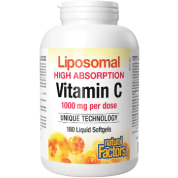
Liposomal High Absorption Vitamin C 1,000mg - 180 Liquid Softgels
Sale: $36.97
Reg.: $52.99 (Save $16.02)
-

Coconut Oil (Organic Virgin) - 1.6L + 445ml FREE
Sale: $34.99
Reg.: $39.99 (Save $5.00)
-

Little Leaves Kids Conditioner (Blueberry) - 240ml
Sale: $10.39
Reg.: $12.99 (Save $2.60)












