

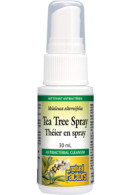
- Melaleuca alternifolia (Tea Tree) leaf oil,
- alcohol denat, water, glycerin, menthol,
- Mentha piperita (Peppermint) oil
For external use only.
 Liquid
30ml
Spray onto intended area requiring anti-bacterial/ anti-septic support, repeat as required.
- Antibacterial and antiseptic first-aid treatment for minor skin abrasions
- Fights bacteria, fungal infections, parasites, and viruses
- Relieves acne, athlete's foot, and skin inflammation associated with eczema or dermatitis
- Convenient disinfectant spray for the locker room, gym, swimming pool, or other public facility
- Acts as a natural herbal insect repellant

Trusted Wellness For 60 Years, Sold at National Nutrition.
Based in British Columbia, Natural Factors Canada is one of the largest manufacturers of nutritional products in North America. Natural Factor Supplements origins reach back to the 1950s, & right from day one, they've been fully committed to making products right. Today, Natural Factors vitamins brings you tested and true products like Acidophilus and Bifidus, Ultimate Multi Probiotics, RX Omega-3, Theracurmin, PGX Daily, Whey Factors Protein and Oil of Oregano all of which you can BUY right here at National Nutrition.ca. Read more >- Reviews
- POST A NEW REVIEW
Reviews By Rating
helpful votes
3
3 customers found this product review helpful
Tea Tree Oil
It may not be the first thing you think of, but it's an essential addition to any first aid bag or suitcase. Tea tree oil is one of the strongest and most effective natural antiseptics; killing bacteria, viruses, and fungi upon contact.
Australian Aboriginals have been using Malaleuca alternifolia, aka Tea tree, for centuries. They used to brew the leaves and apply the pulp on a variety of ailments and to repel insects. When samples of Tea Tree were brought to England for study, its anti-fungal, antibacterial and anti-inflammatory effects were confirmed. It is now well-known and commonly used to treat acne, cuts, wounds, sore throat, ringworm, athlete's foot, vaginal infections, hemorrhoids, insect bites and dandruff.
It is important to note that Tea Tree oil is toxic when ingested. It can cause vomiting, diarrhea, severe rash, confusion and even coma. Be cautious or refrain from using Tea Tree topically on pets, as they may ingest the tea tree while grooming. A small number of patients also experience contact dermatitis when using Tea Tree oil topically. Using a diluted concentration may help to decrease the incidence of any skin reaction.
Tea Tree can be applied directly to an acne lesion, or directly to lesions of Athletes foot or Ringworm. Be aware some drying will occur. Add 2 or 3 drops to shampoo before washing hair for dandruff treatment. For athlete's foot bath, soak feet 3 times a day, for 15 minutes each in a small tub of water mixed with 20-25 drops of Tea Tree oil. For a vaginal douche to treat a yeast infection or vaginitis, mix 1 tsp for every 2 cups of water. Douche daily for 4-6 weeks. This same mixture can also be applied to and used to treat external hemorrhoids.
TYPES OF SKIN INFECTIONS
Bacterial Infections
The most common skin infections are caused by two types of bacteria: called Staphylococcus aureus and Streptococcus pyogenes, which are commonly referred to as Staph and Strep respectively. More recently, an increasing number of cases have been caused by MRSA (methicillin resistant Staphylococcus aureus). There are a number of other organisms that can infect the skin, and generally these will cause pus at the site from the resulting immune response. The colour of the pus can help distinguish the infecting bacteria, so be sure to mention the colour to your healthcare practitioner.
Impetigo
Infection of broken skin with certain types of Staph (and less commonly Strep) can cause small pustules or larger blisters that rupture and leave behind a golden crust that appears much like dried honey. This type of infection is called impetigo.
Cellulitis
When skin infections become deeply rooted, they can spread beneath the surface and create a widening area of redness and inflammation. The skin becomes tight and looks stretched and shiny as the inflammation progresses, which is often accompanied by pain and tenderness. If the infection continues to spread then symptoms can progress to fever, chills, nausea, vomiting and a general feeling of being unwell. This makes it a risk for developing a blood infection that can spread throughout the body (sepsis). This type of infection is very serious and if you are suffering from these symptoms you should seek emergency medical attention immediately. Conventional treatment is to take blood cultures and do a course of antibiotics over 7-10 days.
Viral Infection - Warts
Although we initially think of viral infections as those that cause the common cold and the flu, warts are actually caused by a viral infection as well. The human papilloma virus causes a rough bump to grow on the skin, either alone or in clusters. Warts are more common in areas of repeated injury like the soles of the feet, or in those with reduced immune function. For more information on increasing the immune system, please see our Immune Support article. Be sure to avoid touching or picking at the wart as this can result in spread of the virus to other areas.
Fungal Infection - Ringworm and Candida
When fungi are able to infect the skin, it is often a sign of immunodeficiency. This can be due to an underlying disease state, or because of chronic stress. For more information, please see our Stress article. There are a number of different types of fungi that cause a variety of conditions such as: thrush (Candida), athlete's foot, jock itch, and ringworm (Tinea species). For more information, please see our Candida and Tinea articles.
Wound Care
If the skin does become damaged, it is essential to quickly clean and disinfect any broken skin. This can stop any infection from starting in the wound. Be sure to remove any foreign debris and wash it gently with warm water. Shallow wounds can be disinfected with rubbing alcohol or peroxide and covered with a sterile bandage. Bandages help to protect the skin against infection while the skin is allowed to heal over once more. For deeper wounds, be sure to seek the appropriate medical attention.
Prevention
Although some causes are unavoidable, there are some general tips that can help prevent skin infection. It is extremely important to do everything possible to maintain the integrity of the skin. Be careful to avoid trauma, and be sure to wear safety equipment during sports and activities. Wearing protective footwear while visiting public pools can help to protect against athlete's foot and warts. Washing the skin regularly using warm water and gentle soap can help to protect against infection. It is most important to wash hands frequently, especially when using public places and after being in contact with anyone carrying infection. Moisturizing daily can help to protect the skin against cracking, and peeling which can help to maintain skin integrity.
Treatment
Each particular skin infection may require a slightly different treatment protocol, so be sure to understand what type of infection you have before you begin treatment. If you are unsure, your healthcare practitioner can help to guide you. There are a number of supplements that can help prevent and treat infections.
Back to Top ↑
-

Sale: $47.99
Reg.: $51.99 (Save $4.00)
-

Sale: $43.99
Reg.: $54.99 (Save $11.00)
-

Holy Basil Liquid Herb - 50ml - Botanica
Sale: $15.99
Reg.: $19.99 (Save $4.00)












