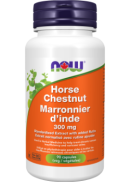
- 300 mg
- Horse Chestnut Extract (Aesculus hippocastanum) (Seed) (Standardized to contain min. 20% (60 mg) Triterpenoid Saponins as Aescin)
- 200 mg
- Rutin (from Dimorphandra mollis)
Veg Capsule (hypromellose, water), Calcium Citrate, Silica, Stearic Acid (vegetable source)
Consult a health care practitioner prior to use if you have a bleeding disorders or are taking blood thinners, or if symptoms persist or worsen. Do not use if you have impaired heart, kidney, and/or liver functions, or are pregnant or breastfeeding. Some people may experience headaches, dizziness, gastric irritation, or itchiness.
 Veggie Caps
90 V-caps
Take 1 capsule twice daily between meals
- Help treat chronic venous insufficiency and varicose veins
- Standardized Extract with added Rutin
- Anti-Inflammatory, Antioxidant, Anti-Edematous, Pain-reliever
- Free from dairy, egg, gluten, nut, soy, sugar & GMOs
- Hexane free & Vegan

- Reviews
- POST A NEW REVIEW
HORSE CHESTNUT BENEFITS
Horse Chestnut, or Aesculus hippocastanum, is an iconic tree species originating from southeastern Europe, specifically the Balkan Peninsula. Horse Chestnut has long been cherished for its striking appearance, historical significance, and diverse therapeutic benefits.
Indeed, Horse Chestnut has a rich history of medicinal uses, particularly in herbal medicine. Traditionally, herbalists utilized the tree’s leaves, bark, and seeds to address a wide array of health issues, but perhaps most notably, venous insufficiency, swelling, and inflammation. Venous insufficiency, of course, is a condition in which the veins in the legs do not efficiently return blood to the heart, often due to weakened or damaged vein valves. Common symptoms include swelling, typically in the ankle and lower leg, edema, pain, aching and cramping, and varicose veins.
Horse Chestnut’s medicinal properties result from a unique blend of compounds, including saponins, tannins, flavonoids, coumarins, starch, proteins, and fats. The seeds, in particular, contain a substance called aescin, known to promote vascular health and alleviate the symptoms of circulatory disorders. Aescin, in fact, is often used to treat chronic venous insufficiency, varicose veins, and edema by strengthening blood vessel walls and reducing inflammation. Moreover, aescin has been shown to exhibit anti-inflammatory, antioxidant, and vasoconstrictive (blood vessel narrowing) properties, which is why it is frequently added to topical creams and ointments to alleviate the discomfort associated with varicose veins, hemorrhoids, and other circulatory disorders.
Top Health Benefits For Horse Chestnut
- Alleviates Symptoms Of Chronic Venous Insufficiency (CVI)
- Anti-Inflammatory, Antioxidant, Anti-Edematous, Pain-reliever
- Diuretic Effect
- Helps manage Varicose Veins
- Relieve The Symptoms Of hemorrhoids (Itching, Pain, And Swelling)
- Speeds Wound Healing
Who Would Benefit From Horse Chestnut?
Horse Chestnut is ideal for individuals experiencing circulatory and vascular issues, including chronic venous insufficiency, varicose veins, hemorrhoids, and compromised blood flow. People who stand or sit for extended periods, such as office workers, those in the service industry (servers and grocery store employees,) or long-distance travellers, may also find horse chestnut supplementation helpful to help reduce leg swelling and discomfort.
Horse Chestnut Supplement Varieties
Aescin extracted from horse chestnut is used in many pharmaceutical drugs for venous insufficiency - a true testament to the plant’s efficacy. Horse chestnut is also widely available in supplement form, such as capsules, tablets, and liquid extracts. Additionally, topical creams and gels containing horse chestnut extract are available. These can be used externally to help alleviate symptoms of conditions like varicose veins and swelling.
Final Considerations For Herbal Supplements
While horse chestnut extract is generally well tolerated, it can cause adverse effects in some individuals. Common side effects may include stomach upset, headache, and itching. Individuals with allergies to the plant should not use horse chestnut, as it may cause skin irritation or allergic reactions. People with liver disease, bleeding disorders, or those taking anticoagulant medications should not use horse chestnut, as it can exacerbate these conditions.
Back to Top ↑