

- 100mg
- Magnesium
- 350mg
- Malic Acid
Free from: yeast, gluten, starch, soy, egg, dairy, artificial colours or preservatives.
 Capsules
90 Caps
1 capsule daily with food or as directed by physician.
- Nutritional support for Fibromyalgia sufferers
- Reduces pain
- Reduces muscle tension
- Alleviates sensitivity
- Easy to swallow and digest capsule form

- Reviews
- POST A NEW REVIEW
Reviews By Rating
helpful votes
5
5 customers found this product review helpful
Facts & Support forPrairie Naturals' Mag-Force
Nutritional supplement specifically formulated for Fibromyalgia sufferers. Prairie Naturals MAG-FORCE works to alleviate the pain, sensitivity and muscle tension that individuals afflicted with this disease know well. This special formula synergistically combines Magnesium Citrate (natural muscle relaxant) and Malic Acid (prevents muscle weakness and fatigue) in a base of Bromelain (pineapple enzyme).
Magnesium
It is possible that 50 % or more of the population is "subclinically deficient" or have low magnesium stores despite normal serum levels. These deficiencies may have to do with low dietary intake of magnesium, due to poor dietary habits, or loss through refining and processing of foods. Foods rich in magnesium include dark leafy vegetables, bananas, avocado, peas, legumes, soy and whole grains.
Without magnesium the transmission of nerve and muscle impulses is compromised. This can lead to nervous system disorders, muscle weakness or contraction, cramps and spasms. As an example, magnesium has been shown to decrease menstrual pain by relaxing the uterine muscles. In pregnancy, magnesium acts as a uterine relaxant and can prevent premature labour.
Given its vital role in nerve and muscle function, magnesium is also an especially important mineral for heart health. Deficiency can cause abnormal heart rhythms, coronary spasms and calcification of the arteries. Studies have also shown that women, in particular, low in magnesium are at a higher risk of developing hypertension.
Magnesium deficiency has also been strongly associated with depression, as well as migraines, ADD, PMS, fibromyalgia, asthma, allergies and type II diabetes. Studies show supplemental magnesium in pregnancy also decreases the risk of birth defects such as cerebral palsy. It has been researched for its ability to protect against osteoporosis and as well as support healthy cell growth.
The body's need for magnesium is increased by heavy exercise, the consumption of alcohol and the use of diuretics, oral contraceptives or hormone replacement therapy. Diarrhea, fluoride intake and high levels of zinc and vitamin D increase the body's need for magnesium. Magnesium absorption is decreased by fat-soluble vitamins (vitamins A, D, E and K), fatty foods, calcium, cod liver oil and foods containing oxalic acid. Oxalic acid containing foods include almonds, chard, cocoa, rhubarb, spinach and black tea.
Bromelain
The bromelains are a group of naturally occurring protein-digestive (proteolytic) enzymes. They are found in the stem of the pineapple. Other components of the stem, including various enzymes and calcium, are also present in commercial bromelain preparations.
Besides being used as a protein digestive aid, the enzymes in bromelain inhibit inflammatory chemicals called prostaglandins. The anti-inflammatory effect has been studied for its effectiveness in inflammatory conditions like arthritis and sinusitis.
In order to get substantial amounts of bromelain from pineapple you must eat the fibrous stem, therefore it is much easier to use a supplement form. Bromelain can be purchased in capsules. Enteric-coated capsules limit the use of bromelain in food digestion. They have been studied, with mixed results, for anti-inflammatory conditions. Bromelain is found as a component of digestive, multi-enzyme or anti-inflammatory formulas. Supplements should be standardized as an assurance of the enzyme activity of the preparation.
Do not take bromelain if you have active stomach ulcers, active bleeding, hypertension or cardiovascular disease. Bromelain should not be used with blood thinners, NSAIDs or aspirin. Discontinue bromelain 2 weeks prior to dental work or surgery.
Fibromyalgia
Fibromyalgia causes pain in the muscles, tendons, ligaments and fibrous tissue of the body. The areas most affected by fibromyalgia are the neck, shoulders, lower back, chest and thighs. It is difficult to diagnose and can have a similar presentation to chronic fatigue syndrome, hypothyroidism and inflammatory arthritis.
Symptoms of fibromyalgia begin with muscle stiffness, aching and spasms that are worse after activity.
It leads to an overall feeling of fatigue. Other symptoms are bowel problems, depression, anxiety and poor sleep. Blood tests in fibromyalgia sufferers show abnormally shaped red blood cell clusters called rouleau formations. Individuals affected by fibromyalgia usually lead a high stress lifestyle. Other possible causes of fibromyalgia include viral infection, toxin accumulation and food allergies.
Conventional treatment of fibromyalgia involves antidepressant medication. It is thought to help because the symptoms of pain and altered sleep are due to a disturbance of the central nervous system.
Stress reduction techniques such as deep breathing exercises and moderate physical activity can decrease fibromyalgia symptoms. Copper bracelets can be worn around the wrist to produce a whole body anti-inflammatory effect. Topically, juniper or St. John's wort oil can be rubbed into the painful area. Hydrotherapy with warm compresses or baths can provide relief.
Back to Top ↑

-
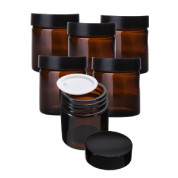
DIY Amber Cream Jars - 6 x 20ml
Sale: $9.99
Reg.: $12.99 (Save $3.00)












