

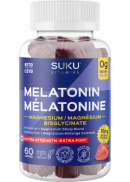
- 10mg
- Melatonin
- 20mg
- Magnesium (bisglycinate)
Tapioca syrup, Water, Fruit flavour (Natural), Pectin, Agar, Citric Acid, Sodium citrate dihydrate, Vegetable juice, Pea protein concentrate, Stevia leaf extract, Medium chain triglycerides, Carnauba wax
Avoid taking with alcohol or other products that cause drowsiness. Avoid driving or using machinery for 5 hours. Consult a healthcare practitioner or physician if sleeplessness persists for more than 4 weeks (Chronic insomnia). Consult a health care practitioner prior to use if: you are taking steroids, blood thinners, or medications for seizures, blood pressure, to suppress the immune system, to affect mental state or increase sedation; you have cardiovascular, immune, liver or kidney disease, seizure disorders, asthma or diabetes. Contraindications: Do not use if you are pregnant or breastfeeding. Known adverse reactions: Stop use if allergic reaction occurs or if you experience headache, confusion or nausea. Store in dry, cool space. Keep out of reach of children.
 Gummies
60 Gummies
Adults: Take 1 gummy daily. Take as needed, 30 to 60 minutes before bedtime.
- Helps the body reset its sleep-wake cycle
- Works as a sleep aid to promote restful sleep
- Helps you fall asleep faster
- Delicious Strawberry Flavour
- Gluten, dairy, tree nut, shellfish, soy, egg, peanut free. Non-GMO
- Pectin based
- Sugar-free, sugar-alcohol free, vegan & keto-friendly

Daily Health Made Easy with SUKU Gummy Vitamins
Bridging the gap between beauty and wellness, Suku Vitamins formulates natural gummies for your skins health and overall well-being. They partner with naturopaths and nutritionists to ensure their ingredients are science-backed and in their most absorbable form. These Canadian made supplements are tested for purity and quality 3 times, and unlike most gummies, are free from sugar, sugar alcohols, and artificial colours and flavours. They offer a wide range of plant-based, non GMO, keto and allergen friendly supplements to support radiant, youthful skin; restful sleep; adult and kids immunity; men’s, women’s and kids multi’s; stress; prenatal concerns, and hair health. Read more >- Reviews
- POST A NEW REVIEW
UNDERSTANDING MELATONIN, THE SLEEPY HORMONE
At the center of our biological rhythms, one molecule plays a pivotal role in orchestrating the symphony of sleep and wakefulness—melatonin. Often referred to as the "hormone of darkness," melatonin is a fascinating compound produced by the pineal gland in response to the natural cycles of light and darkness. Let's delve into the origins of melatonin, explore its multiple functions in the body, and look at the delicate balance that governs its effects.
Understanding The Circadian Rhythm
Nestled deep within the brain, the pineal gland acts as the master timekeeper, sensitive to the daily rhythms of light and darkness. As the sun sets and darkness descends, the pineal gland begins to secrete melatonin into the bloodstream. This natural response to diminishing light levels marks the initiation of the body's preparation for rest and rejuvenation.
Effects Melatonin Has On Your Body
Regulating Sleep-Wake Cycles: Melatonin is a key player in regulating our circadian rhythm, the internal clock that dictates when we feel alert and when we grow tired. As darkness falls, melatonin levels rise, signalling to the body that it's time to wind down and prepare for sleep. This delicate dance between melatonin and our internal clock ensures a restful and restorative night's sleep.
Antioxidant Properties: Beyond its role in sleep, melatonin is a potent antioxidant that scavenges free radicals in the body. This protective function helps mitigate oxidative stress and improves our overall health and longevity.
Implications Of Too Much Or Too Little Melatonin
When the natural production of melatonin is disrupted, it can lead to sleep disorders such as insomnia. Factors such as exposure to artificial light at night (smartphones, tablets, computers...), irregular sleep schedules, or age-related changes can affect melatonin production. Insufficient melatonin can result in difficulty falling or staying asleep, impacting our overall sleep quality.
Conversely, excess melatonin during waking hours can lead to daytime sleepiness and fatigue. This is often the result of taking too high a dose of melatonin supplements. Shift work, jet lag, or irregular sleep patterns can also disrupt the delicate balance of melatonin release, causing a misalignment of the circadian rhythm. This misalignment can contribute to a variety of health issues, including mood disturbances, compromised immune function, and metabolic disruptions.
Quality Melatonin Supplement Varieties
Melatonin supplements are widely available in various delivery formats, catering to diverse preferences and needs. Standard oral tablets are the most common, with doses typically ranging from 1 to 10 mg. Sublingual tablets or dissolvable forms are another alternative for those who prefer faster absorption. Melatonin is also available in liquid form, allowing for easy customization of doses. Extended-release capsules are also available, they slowly release melatonin over an extended period and provide sustained support throughout the night. Additionally, melatonin-infused gummies have gained popularity in recent years, especially among those who prefer a fun and more palatable option. It's also worth noting that while melatonin can be purchased as a standalone supplement, it is also frequently combined with herbs known to promote sleep and relaxation and other sleep-friendly nutrients such as magnesium, Vitamin D, Vitamin B6, GABA, tryptophan, and others for more profound effects.
Shopping For Popular Melatonin Supplements
While melatonin supplements are commonly used to address sleep-related issues and jet lag, it's important to consider potential drawbacks associated with its use. One significant concern is the potential for disrupting the body's own natural melatonin production. Indeed, some studies have suggested that regular supplementation may signal to the body that it no longer needs to synthesize as much melatonin, leading to a dependency on external sources. This could feasibly disrupt sleep patterns permanently. Additionally, the optimal dosage and timing for melatonin dosing can vary among individuals, and improper use may result in side effects such as headaches, dizziness, nausea, and vivid dreams and/or nightmares. Given this, melatonin is probably best reserved for short-term or as-needed use rather than dosed daily.
Back to Top ↑
-

Immuno Vocalix Tincture (Organic) - 50ml
Sale: $19.99
Reg.: $21.10 (Save $1.11)












