

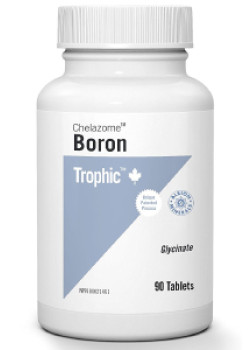
Boron Amino Acid Chelate - 90 Tabs - Trophic
We're sorry, we no longer carry this item.
Check These out
Suggested, Similar, & Related Products:
Sale: $17.99
Reg.: $29.99 (Save $12.00)
(Click Add to Select Bonus)
Sale: $19.99
Reg.: $39.99 (Save $20.00)
(Click Add to Select Bonus)
Sale: $12.99
Reg.: $17.99 (Save $5.00)
Sale: $27.99
Reg.: $49.99 (Save $22.00)
(Click Add to Select Bonus)
Sale: $56.45
Reg.: $70.57 (Save $14.12)
(Click Add to Select Bonus)
Sale: $14.99
Reg.: $19.99 (Save $5.00)
(Click Add to Select Bonus)
Sale: $9.99
Reg.: $14.99 (Save $5.00)
Sale: $9.99
Reg.: $12.99 (Save $3.00)
Or, Shop our Latest Deals:
Shop Now >- 3mg
- Boron Glycinate)(Amino Acid Chelate)
Microcrystalline cellulose, magnesium stearate
Do not use if you are pregnant or breastfeeding. Consult a healthcare practitioner prior to use if you have been diagnosed with estrogen dependent cancer. Manufactured under the unique Albion Laboratories' process (patented and patents pending) whereby the minerals are chelated by amino acids, peptides and polypeptides.
No added yeast, wheat, soy, gluten, corn, dairy, artificial colors, sugar, preservatives or animal products.
 Tablets
90 Tabs
Take 1-2 tablets daily, or as recommended by a health care practitioner.
- Optimal daily dose
- Amino Acid complex for enhanced absorption
- Certified potency
- Helps prevent loss of calcium & magnesium
- Supports health blood levels of estradiol

- Reviews
- POST A NEW REVIEW
Boron is a mineral that is needed in small amounts by the body and is therefore called a trace mineral. It is needed for the normal growth and renewal of bone and muscle. It supports bone growth by aiding in the conversion of vitamin D into its active form.vitamin D then regulates the uptake of bone building minerals in the intestine and oversees the cells that regulate the process of bone renewal.
Boron keeps levels of calcium and magnesium balanced in the body and thus supports the normal functioning of muscles. Finally, boron facilitates the production of hormones, like estrogen and testosterone. Estrogen enhances the activity of bone-building osteoclasts and testosterone increases the body's muscle building abilities. Boron is commonly recommended by natural health care practitioners for osteoporosis, osteoarthritis and rheumatoid arthritis.
In Canada the use of boron was recently approved for sale. It is difficult to find boron in multivitamin/mineral supplements or bone supporting formulas, but a few do exist. Boron may also be available as a single mineral in tablet form. Complex or citrated boron supplements are easier for the body to use.
Bone Health
An adult human has 206 bones, which are constantly being renewed and remodelled. Bones perform several important roles in the body. Bones form a framework that supports the body and protects soft organs. They are an essential part of movement because muscles attach here and the arrangement of bones determines the type of movement that can be done.
Bones are important storehouses of minerals, including the major buffer, calcium. They also contain an inner core of marrow that produces blood and immune cells.
Most people do not think about bone health until they are in their later years. This is a mistake because significant increases in bone density can only be made in childhood or early adulthood (up to age 30). For the remainder of our lives the goal is to maintain our bones.
Osteomalacia is an inadequacy of bone mineralization. There is a normal amount of bone but it is weak. Weight bearing bones may be deformed. Eating a well balanced diet that provides sufficient amounts of protein, calcium and trace minerals can rectify this problem.
Osteoporosis is a loss of bone density. The bony matrix is of normal composition but decreased amounts because more bone is being broken down than is being produced. Testosterone and estrogen maintain bone density by promoting bone building and slowing bone removal. This is one reason why bone density decreases as we age.
Factors Negatively affecting Bone Health may include:
- Hormonal conditions like hyperthyroidism, diabetes or the use of medications like corticosteroids
- Immobility or insufficient weight bearing exercise
- Dietary deficiencies in protein and minerals
- Insufficient vitamin D intake and production
- Excess body acidity
Luckily there are many things that one can do to reduce the impact of the factors mentioned above
Stay active to increase your bone health. Immobility and insufficient weight bearing exercise cause bone loss. Gravity puts a stress on the bone and the body responds by increasing the density of the bone.
A healthy diet, with sufficient protein intake, is one protective factor against bone loss. Dietary deficiencies of protein cause bone loss because the bone is constantly remodelling itself. Up to 7% of our bone mass is turned over every week.
Choose lean meats, fermented dairy products and legumes to fill your daily protein requirements. Supplement with protein powder or amino acid complex if you cannot consume enough protein.
There are a multitude of minerals that form the matrix of the bone. Deficiency in any one of these nutrients can lead to bone loss. Minerals can be lost in the cooking process so eat your vegetables and fruits raw or lightly steamed. Drink filtered or spring water. If you drink reverse osmosis or distilled water replace the missing minerals with a supplement.
Back to Top ↑












