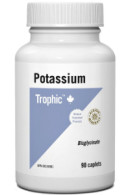
- 99mg
- Potassium (amino acid chelate)
Microcrystalline Cellulose
Diacalcium Phosphate
Magnesium Stearate (all from vegetable source)
Contains no yeast, wheat, soy, gluten, dairy, corn, artificial colour, preservatives.
 Capsules
90 Caplets
Take 1 caplet daily or as directed by a health care practitioner.
- Pre-chelated to relieve the body of this task
- Promotes natural growth and healthy skin
- Promotes physiological & metabolic processes
- Works with sodium for maintenance of the nervous system

- Reviews
- POST A NEW REVIEW
Reviews By Rating
helpful votes
0
0 customers found this product review helpful
Potassium is essential to life! Trophic, by pre-chelating potassium with amino acids, relieves the body of this task. Trophic's patented Albion Potassium, chelated with natural amino acids, provides superior biological activity or bioavailability and absorption. It is involved with sodium in
maintaining the body's acid/base balance and promoting physiological and metabolic processes. Potassium also works with sodium for the maintenance of the nervous system. Potassium is vital in nerve impulse transmission and the release of insulin from the pancreas. Potassium supplementation promotes normal growth and healthy skin. Inorganic potassium salt tablets irritate the stomach and may cause pain. Minerals are poorly absorbed from the small intestine unless they are properly chelated with amino acids.
Potassium
Potassium is a key electrolyte that must be kept within certain limits by the body because it regulates heart rhythm and nerve transmission. Stress hormones make nerve and muscle cells fire more quickly by altering the balance of potassium and sodium inside and outside the cell. Therefore chronic stress eventually leads to an increase in the body's potassium requirements.
Potassium regulates water balance, via the kidneys, and therefore is an important component in blood pressure regulation. Potassium can prevent calcium kidney stones when taken together with magnesium. It also regulates the intake of nutrients through cell membranes. As we age this function decreases and may be a reason why circulatory damage, lethargy and weakness are common amongst the elderly.
Supplemental potassium is best taken in organic forms such as gluconate, citrate and fumarate. They usually contain 99mg of elemental potassium per tablet. Inorganic potassium is labelled as potassium sulphate, chloride, oxide and carbonate. These forms are not as easily used by the body as the organic forms. Most multivitamin/mineral preparations include a small amount of potassium.
Potassium levels are disrupted by kidney disease, diarrhea, stress, low carbohydrate diets and the use of laxatives, diuretics, alcohol, tobacco, caffeine, sugar and licorice. Individuals on heart or kidney medication should not supplement with potassium until they have consulted with a health professional.
Sodium
Sodium is a mineral that has a bad reputation because it is found in large quantities in the processed food that is a staple of the standard North American diet. Sodium is high in foods like luncheon meats, hotdogs, cured meats, like ham, bacon and corned beef, condiments like ketchup, soy sauce and mustard, cheese and milk.
It has been implicated as a causative factor in high blood pressure. This occurs because the body retains water in the blood vessels to dilute excess sodium, leading to greater blood volume and high blood pressure. Sodium is also required, with potassium and chloride, to maintain pH balance in the body. Electrolyte loss, including the loss of sodium, leads to sunstroke and heat exhaustion. Sodium ions are needed to transfer electrochemical impulses along nerves and in muscles. Therefore sodium balance is important for maintaining heart function. Those who use diuretics and fibromyalgia sufferers may benefit from moderate amounts of sodium in the diet.
Sodium can be supplemented in the diet by the use of seaweeds. Seaweeds, such as kelp, dulse and nori, contain sodium and potassium along with many other trace minerals. They can be found in tablet form or as dried sheets or flakes that can be directly added to foods. Sea salt is a better source of sodium than iodized table salt because it contains a balance of other minerals. Celtic sea salt is a variation of sea salt that is reported to have high levels of potassium and other minerals, but is relatively low in sodium. Some claim that it can actually decrease blood pressure. This type of salt is a good alternative for those that want the salty flavour but do not want to add much sodium to their diet.
Taking diuretics can deplete sodium and an estimated 20% of the elderly may be deficient in sodium due to diuretic use. Sodium, chloride and potassium are in balance with each other. A high level of one of these minerals means that the other minerals are low and vice versa. Those with cardiovascular, kidney or liver disease should carefully monitor their sodium level.
Back to Top ↑