

A-Z detox supplements Articles

  • Estrogen Detox

    Estrogen is one of the major female reproductive hormones in the human body. It is found in high levels in women during the first half of their menstrual cycle. Usually it is balanced by progesterone during the menstrual cycle. Excess estrogen can be due to high estrogen levels, or due to low progesterone levels resulting in a relative excess of estrogen. Learn how to do an estrogen detox to help balance your hormones.

    What Are The Forms of Estrogen?

    Imbalance in estrogen can come internal or external estrogens. Internal (endogenous) estrogens are those created by the human body, while external (exogenous) estrogens come from the outside world (external). External estrogens can be from chemical sources (xenoestrogens), or from plant sources (phytoestrogens). Toxic estrogens typically come from xenoestrogen sources.

    Endogenous (Internal) Estrogens

    Estrogens produced in the human body are mainly produced by the ovaries although some come from the liver and adrenal glands. Interestingly, human fat cells also secrete estrogen, so carrying excess weight can contribute to hormonal imbalances. There are three naturally occurring estrogens in women called: estrone (E1), estradiol (E2), and estriol (E3).

    E2 is the most active and influential form of estrogen in the body during our reproductive years, while E1 plays the largest role during menopause. See the chart below for a summary of endogenous estrogens. For more information on metabolites, see the paragraph on estrogen metabolism below.

    Nutritional Information

    estrogen # % of estrogen activity metabolite
    estrone e1 10 - 20% moderate 2-oh-e /
    4-oh-e
    estradiol e2 10 - 30% high 2-oh-e
    estriol e3 60 - 80% least 4-oh-e /
    16-alpha-e

    Xenoestrogens (External "Zee-no estrogens")

    There are a number of industrial chemicals that have estrogenic effects, meaning that they can bind and stimulate the body's estrogen receptors. Some examples of these compounds are: PCB (Polychlorinated biphenyl), BPA (Bisphenol A) and phthalates. Most of us are familiar with these substances from news reports of their being banned from manufacturing practices. The hormonal disruption caused by the accidental ingestion of these chemicals is associated with developmental abnormalities in babies, and with certain types of hormone sensitive cancers like breast or uterine cancer. These compounds have also been associated with infertility in male wildlife in regions of contamination. It would not be a far stretch to assume that similar effects would occur in human males exposed to the same substances.

    Excess Estrogen - Estrogen Dominance

    Excess estrogen can lead to many serious conditions and includes both natural, endogenous estrogen as well as external estrogens. There is an association between elevated estrogen and stroke, heart attack, endometrial cancer, blood clots and uterine fibroids. The increase of estrogen can not only come from having actual excess estrogen in the body, but also the ratio of estrogen to progesterone. If progesterone levels are low, then even a normal level of estrogen can be considered excess.

    Nutritional Information

    signs of estrogen dominance (excess estrogen)
    breast tenderness hypoglycemia
    breast cancer increased blood clotting
    decreased sex drive irregular & heavy menstrual bleeding
    infertility endometriosis
    uterine fibroids mood swings
    fat gain around the middle ovarian cysts
    fibrocystic breast disease uterine cancer
    headaches water retention and bloating

    What is Estrogen Metabolism?

    E2 is easily broken down to 2-OH-estrone (2-OH-E), which is a healthy breakdown product that does not have negative effects on health. When estrogen is broken down to 4-OH-estrone (4-OH-E), a "bad estrogen" that is associated with the cardiovascular problems listed above, as well as a large increase in the risk of cancer. The same is true of 16-alpha-OH-estrone (16-alpha-OH-E). There are supplements like DIM and I3C that can help support the proper metabolism of estrogen to its 2-OH-estrone metabolite.

    How Can I Do An Estrogen Detox?

    Cleaning out excess estrogens and detrimental estrogen metabolites from the body can be a complicated process. As with any detoxification regime, everything starts by making sure the removal pathways are clear and active. In the case of estrogen, this means keeping the liver and colon healthy and functioning well. The liver metabolizes estrogen, and then excretes it into the intestines where it is shed with other waste in our stool.

    Once these detoxification pathways are progressing normally, some simple dietary and lifestyle changes can help to prevent further exposure to external extrogens as well as promote a continued state of health.

    What Supplements Support An Estrogen Detox?

    Fibre is the key to continuing colon health and promoting estrogen excretion. It binds the estrogen metabolites excreted by the liver and prevents them from being reabsorbed into the bloodstream. Supplements that promote healthy liver and colon function, as well as those that promote hormonal balancing can all work together to help detoxify estrogens from the body. See the list below for a number of supplements that can help to promote estrogen detoxification.

  • Turmeric Capsules for Liver Health

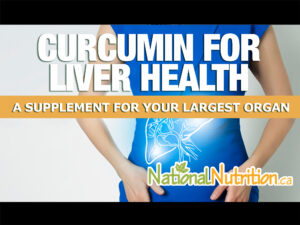
    Your liver is the largest internal organ inside your body, and it's responsible for many important functions. It converts food into nutrients used by the rest of your body, metabolizes drugs and other substances, and helps remove toxins from the blood by filtering them through bile. Since it does so much to maintain your health, show it some TLC with turmeric capsules.

    While most people link milk thistle or seasonal detoxes with liver support, another excellent supplement for your liver is curcumin. Keep reading to uncover more about curcumin and how turmeric capsules can support a healthy liver.

    Liver Health & Why It's Important

    Your liver is the largest internal organ in your body, performing over 500 functions. Here are some of its most essential duties:

    • Toxins: Each and every day, your liver must act as a filter for toxins that enter your body, such as environmental toxins, medications, and alcohol. Enzymes break down these toxins in your liver so they can be excreted from the body. Your liver also filters all of the blood in your body.
    • Bile: Your liver produces bile, which is essentially a digestive juice that breaks down fats and helps you absorb fat-soluble vitamins.
    • Vitamins: Your liver converts beta-carotene into vitamin A.
    • Storage: Your liver stores energy in the form of glycogen.
    • Hormones: Your liver breaks down your sex hormones (like estrogen and testosterone) and adrenaline and insulin (for blood sugar control) when they are no longer needed. It also converts your thyroid hormone into its active form.
    • Cholesterol: The liver also regulates cholesterol production for healthy cell membranes.

    Ways to Support Your Liver: Turmeric Capsules

    Despite all its jobs, your liver can quickly become damaged due to infection, medications and recreational drugs, alcohol consumption, stress, and environmental toxins. As we age, it is also important to consider the overall "body burden" of toxins, so they don't bog down the function of the rest of our body.

    Although the liver is the only organ capable of regenerating itself, it can benefit from a little TLC from key nutrients, including turmeric and turmeric capsules.

    How Turmeric Capsules Support a Healthy Liver

    Curcumin is a powerful antioxidant that can help reduce oxidative stress and improve liver function. Here are some of the ways that turmeric capsules can help your liver:

    • Antioxidant benefits: oxidative stress refers to the damage caused by free radicals, substances that are produced as a normal part of the body's metabolism but can wreak havoc on your cells when they're not kept in check. Antioxidants like those found in turmeric capsules help keep these harmful chemicals under control by donating electrons to neutralize the harmful molecules before they do any damage.
    • Anti-inflammatory benefits: Curcumin has also been shown to have anti-inflammatory properties, which may explain how it protects against chronic inflammation. Inflammation is linked with many different diseases, including liver disease, but supplementing with turmeric capsules appears to be able to reduce it without side effects.

    Turmeric Capsules and Dosing

    Although curcumin is the active ingredient in turmeric, it is advisable to use a quality, standardized curcumin supplement in addition to using turmeric as a spice in your kitchen.

    Why? Curcumin is not bioavailable on its own. Research has shown that the body does not absorb curcumin well when taken orally in a turmeric capsule that's not blended with piperine.

    Nowadays, some supplement manufacturers make liposomal curcumin supplements, which are better absorbed than standard turmeric capsules because curcumin is fat-soluble.

    Look for a curcumin supplement standardized to 95% curcuminoids for best results, and take 500 to 1000 mg daily. Since curcumin is fat-soluble, it is best to take turmeric capsules with meals containing a source of fat.

    Cautions for Turmeric Capsules

    People with the following conditions should use caution when using turmeric capsules as a supplement:

    • Gastrointestinal disorders
    • Biliary obstruction
    • Active bleeding

    Additionally, if you are taking any of the following medications, do not use turmeric capsules or curcumin supplements at the same time:

    • Heart medication
    • Cholesterol medication 
    • Blood thinners
    • Aspirin 
    • Nonsteroidal anti-inflammatory drugs (NSAIDs) 

    Because of its blood-thinning properties, stop using turmeric capsules or liquids 2 weeks prior to surgery or dental procedures.

    Other Tips for a Healthy Liver

    As a way to ensure that your liver remains healthy, try incorporating the following tips into your daily life:

    • Eat a healthy diet for your liver: This includes lots of colourful veggies and fruits, which contain phytonutrients, fiber, and nutrients that help your liver function at its best.
    • Follow a healthy lifestyle that includes exercise: Exercise helps increase liver circulation and can reduce stress.
    • Targeted support for your liver: Once a year, try a liver cleanse to release stored toxins. And as you age, particularly if you take prescription medications or drink alcohol, add some liver-supportive herbs and nutrients to your routine.

    Curcumin FAQs

    What is Curcumin?

    The main compound of the turmeric spice. It's most famous for its anti-inflammatory effects but has other benefits such as reducing joint pain and supporting brain health.

    How Does Curcumin Work?

    The main way that curcumin helps with inflammation is by blocking pro-inflammatory enzymes.

    Can Curcumin be Taken With Other Supplements?

    Yes! Curcumin can generally be taken with most other supplements. 

    References

    https://www.ncbi.nlm.nih.gov/pmc/articles/PMC5000414/

    https://pubmed.ncbi.nlm.nih.gov/16413584/

    https://ncbi.nlm.nih.gov/pmc/articles/PMC7694612/

2 Item(s)

First name is required!
Last name is required!
First name is not valid!
Last name is not valid!
Please enter a valid email address.
Email address is required!
This email is already registered!
Password is required!
Enter a valid password!
Please enter 6 or more characters!
Please enter 16 or less characters!
Please ensure your passwords match.
Terms and Conditions are required!
Incorrect FormKey!
Incorrect Email or Password!
reCAPTCHA is mandatory. Click check box beside I am not a robot
Invalid login/register data, Kindly contact customer service agent.







