A-Z hormone balance Articles

  • Chrysin: It's Key Health Benefits For Good Health

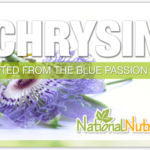
    Chrysin is a type of molecule known as a flavone. It is commonly extracted from the blue passion flower (Passiflora caerulea) but is also found in honeycomb and Indian trumpet flower (Oroxylum indicum).

    Discover How Chrysin Inhibits Aromatase

    Early evidence in the 1980's showed chrysin as an effective inhibitor of an enzyme called aromatase. Aromatase is the enzyme responsible for the synthesis of estrogen in the body. When it is inhibited, estrogen synthesis decreases. Some recent research has found that chrysin is not well absorbed in the body and thus may not have as significant of an effect on hormone levels as initially expected. Further research is required to be sure.

    Key Health Benefits of Chrysin

    Anti-Inflammatory Effects

    Chrysin and flavonoids in general have been shown to have anti-inflammatory effects in the body that can help to prevent many health concerns that stem from inflammation. Interestingly, current research has also implicated it as a potential future therapy for immunodeficiency viruses, as it may be able to inhibit the virus from expressing its genes during infection.

    Anxiety Support

    Interestingly, research in the last 25 years has found that flavonoids can affect the central nervous system. Chrysin was the first flavonoid found to have anxiety-reducing properties. This would help to explain the anxiety-reducing ability of passion flower.

    How To Safely Take Supplements For Well-Being

    Because there is very little research on this flavone in humans, the effective dose is not yet known. Generally, it is recommended at 1-4g daily in divided doses. Follow the instructions provided by the manufacturer.

  • DHEA Supplements

    Dehydroepiandrosterone (DHEA) is a hormone that is produced in the adrenal gland and acts as a precursor to over 50 different hormones in the human body. As you age, your body produces less DHEA and researchers believe that low levels of DHEA can be a factor in the development of "old age" symptoms. Some of the most important hormones that DHEA can be converted to are the sex hormones, estrogen, progesterone and testosterone. Let's explore DHEA supplements and how you can keep these levels elevated. 

    Key Health Benefits of DHEA

    DHEA supplements may be beneficial for low libido, high cholesterol, type 2 diabetes, osteoporosis, obesity, loss of muscle mass, memory problems, blood clots, depression, and fatigue. By increasing muscle mass & energy, DHEA can also improve athletic performance. These effects are likely caused by increases in testosterone levels

    Top Ways To Get More DHEA In Your Diet

    Increasing DHEA Through Diet

    There are several options to enhance the body's production of DHEA without taking DHEA supplements. By supporting the function of the adrenal gland the body can optimize its DHEA levels, relative to a person's age. Essential fatty acid and protein intake is important. Essential fatty acids, such as omega-3 fats, are used to make steroid molecules, the precursors to hormones like DHEA. Protein intake is also extremely important to reap the benefits of increased DHEA since protein is what the body uses to build muscle and repair tissue under the direction of hormones like DHEA.

    Supplements For DHEA

    Vitamins and minerals that support adrenal function include the B complex, especially B5, vitamin and zinc. Adaptogenic Herbs that support the adrenal gland, include all types of ginseng, astragalus, licorice, shiitake and maitake. Some herbs contain molecules that look like steroids and can similarly stimulate the body to hormones like DHEA. These herbs include Tribulus (puncture vine) and Damiana.

    Cautions & Considerations of DHEA Supplements

    DHEA is a restricted substance in Canada because it affects the levels of many hormones in the body. Large-scale human trials have not been conducted to assess the safety of this hormone in supplemental use. In other countries, it is found as encapsulated powder. Interestingly, another form of DHEA, known as 7-keto DHEA has some of the benefits of DHEA (weight loss, PMS, and cholesterol regulation), but does not convert into estrogen or testosterone and therefore has fewer contraindications than DHEA.

  • DIM As A Supplement

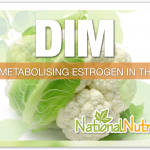
    Diindolylmethane (DIM) is a natural condensation product of indole-3-carbinol (I3C), which is found in cruciferous (Brassica family) vegetables such as cauliflower, cabbage, cress, bok choy, broccoli, kale, and similar green leaf vegetables. Increased dietary intake of these foods has been associated with a lowered risk of unhealthy cell growth, particularly those with a hormonal influence on proliferation.

    Part of this effect is likely due to DIM's role in estrogen metabolism balance in the body. There is also preliminary research implicating DIM as an immunomodulating supplement against auto-immune disease, although further research is required.

    Understanding The Relationship Between DIM and I3C

    DIM is a natural diindole condensation product of I3C created during digestion in the presence of sufficient stomach acid. This chemical is more shelf-stable and more easily absorbed in the digestive tract than I3C. Recent research has implied that benefits previously attributed to I3C may be the result of DIM created through conversion in the digestive tract. Further research is required to confirm these results before attributing all of the beneficial effects of I3C to DIM.

    Key Health Benefits of DIM

    DIM and Unhealthy Cell Growth

    Diindolylmethane has been associated with potent effects on unhealthy cell growth. Emerging evidence has shown that exposure of damaged human cells to I3C or DIM triggers transcriptional, cell signalling, enzymatic, and metabolic changes that directly lead to the stoppage of replication and/or apoptosis (regulated cell death). It has also been implicated in down-regulating genes required for damaged cells in the breast, although I3C has been studied in far greater detail for this activity.

    DIM and Estrogen Balance

    Both males and females produce estrogen naturally in their bodies, although women produce significantly higher levels. This endogenous estrogen can either be metabolized to 16alpha-hydroxyestrone (16OHE1) or 2-hydroxyestrone (2OHE1). In contrast to 2OHE1, 16OHE1 is highly estrogenic and has been found to stimulate the proliferation of several estrogen-sensitive damaged cell lines. Research suggests that DIM preferentially promotes the metabolism of estrogen to the less harmful, and less active 2-hydroxyestrone form.

    Diindolylmethane and Male Hormone Health

    DIM has been directly studied as an anti-androgen supplement that can prevent the proliferation of damaged prostate cells. It has also been found to reduce PSA expression and act as a strong competitive inhibitor of dihydrotestosterone (DHT), a hormone responsible for many male-associated problems. DIM is likely the first example of a pure androgen receptor blocker extracted from plants.

    As men age, they naturally produce lowered levels of testosterone and over time estrogen can be found in higher concentrations in their tissues, resulting in a loss of muscle mass. Testosterone is one of the hormones responsible for anabolic muscle growth in the body. There is a natural balance of the conversion of testosterone to estrogen in the body. As noted above, DIM has been shown to regulate the metabolism of estrogen in the body to be less active. This helps to shift the hormonal balance more favourably in men entering andropause ("male menopause").

    Taking DIM Supplements

    Diindolylmethane can be absorbed directly from eating cruciferous vegetables from the Brassica family, such as cauliflower, cabbage, cress, bok choy, broccoli, kale, and similar green leaf vegetables. It is important that if cooking these vegetables, not to boil them, as it will significantly reduce their beneficial content.

    To get higher doses, DIM can be supplemented using capsules or combination formulas. When supplementing DIM, it is generally taken between 100 and 200 mg per day. A dose of 200 mg was found by a preliminary safety study to be the highest dose that did not produce negative side effects in the research group.

    Final Insights, Considerations & Potential Side Effects

    DIM is considered safe in both food/diet amounts and therapeutic dosages. Excess supplementation may result in skin rashes, increased liver enzymes, as well as nausea and vomiting. Overuse and/or preventative use of DIM is further ill-advised because of its hormone-altering effects in normal individuals that can result in systemic hormone dysregulation. For this reason, do not use it as a supplement while pregnant or breastfeeding.

  • Estrogen Detox

    Estrogen is one of the major female reproductive hormones in the human body. It is found in high levels in women during the first half of their menstrual cycle. Usually it is balanced by progesterone during the menstrual cycle. Excess estrogen can be due to high estrogen levels, or due to low progesterone levels resulting in a relative excess of estrogen. Learn how to do an estrogen detox to help balance your hormones.

    What Are The Forms of Estrogen?

    Imbalance in estrogen can come internal or external estrogens. Internal (endogenous) estrogens are those created by the human body, while external (exogenous) estrogens come from the outside world (external). External estrogens can be from chemical sources (xenoestrogens), or from plant sources (phytoestrogens). Toxic estrogens typically come from xenoestrogen sources.

    Endogenous (Internal) Estrogens

    Estrogens produced in the human body are mainly produced by the ovaries although some come from the liver and adrenal glands. Interestingly, human fat cells also secrete estrogen, so carrying excess weight can contribute to hormonal imbalances. There are three naturally occurring estrogens in women called: estrone (E1), estradiol (E2), and estriol (E3).

    E2 is the most active and influential form of estrogen in the body during our reproductive years, while E1 plays the largest role during menopause. See the chart below for a summary of endogenous estrogens. For more information on metabolites, see the paragraph on estrogen metabolism below.

    Nutritional Information

    estrogen # % of estrogen activity metabolite
    estrone e1 10 - 20% moderate 2-oh-e /
    4-oh-e
    estradiol e2 10 - 30% high 2-oh-e
    estriol e3 60 - 80% least 4-oh-e /
    16-alpha-e

    Xenoestrogens (External "Zee-no estrogens")

    There are a number of industrial chemicals that have estrogenic effects, meaning that they can bind and stimulate the body's estrogen receptors. Some examples of these compounds are: PCB (Polychlorinated biphenyl), BPA (Bisphenol A) and phthalates. Most of us are familiar with these substances from news reports of their being banned from manufacturing practices. The hormonal disruption caused by the accidental ingestion of these chemicals is associated with developmental abnormalities in babies, and with certain types of hormone sensitive cancers like breast or uterine cancer. These compounds have also been associated with infertility in male wildlife in regions of contamination. It would not be a far stretch to assume that similar effects would occur in human males exposed to the same substances.

    Excess Estrogen - Estrogen Dominance

    Excess estrogen can lead to many serious conditions and includes both natural, endogenous estrogen as well as external estrogens. There is an association between elevated estrogen and stroke, heart attack, endometrial cancer, blood clots and uterine fibroids. The increase of estrogen can not only come from having actual excess estrogen in the body, but also the ratio of estrogen to progesterone. If progesterone levels are low, then even a normal level of estrogen can be considered excess.

    Nutritional Information

    signs of estrogen dominance (excess estrogen)
    breast tenderness hypoglycemia
    breast cancer increased blood clotting
    decreased sex drive irregular & heavy menstrual bleeding
    infertility endometriosis
    uterine fibroids mood swings
    fat gain around the middle ovarian cysts
    fibrocystic breast disease uterine cancer
    headaches water retention and bloating

    What is Estrogen Metabolism?

    E2 is easily broken down to 2-OH-estrone (2-OH-E), which is a healthy breakdown product that does not have negative effects on health. When estrogen is broken down to 4-OH-estrone (4-OH-E), a "bad estrogen" that is associated with the cardiovascular problems listed above, as well as a large increase in the risk of cancer. The same is true of 16-alpha-OH-estrone (16-alpha-OH-E). There are supplements like DIM and I3C that can help support the proper metabolism of estrogen to its 2-OH-estrone metabolite.

    How Can I Do An Estrogen Detox?

    Cleaning out excess estrogens and detrimental estrogen metabolites from the body can be a complicated process. As with any detoxification regime, everything starts by making sure the removal pathways are clear and active. In the case of estrogen, this means keeping the liver and colon healthy and functioning well. The liver metabolizes estrogen, and then excretes it into the intestines where it is shed with other waste in our stool.

    Once these detoxification pathways are progressing normally, some simple dietary and lifestyle changes can help to prevent further exposure to external extrogens as well as promote a continued state of health.

    What Supplements Support An Estrogen Detox?

    Fibre is the key to continuing colon health and promoting estrogen excretion. It binds the estrogen metabolites excreted by the liver and prevents them from being reabsorbed into the bloodstream. Supplements that promote healthy liver and colon function, as well as those that promote hormonal balancing can all work together to help detoxify estrogens from the body. See the list below for a number of supplements that can help to promote estrogen detoxification.

  • Estrogen: Natural Ways To Balance This Hormone

    Estrogens are a group of hormones that are produced in the ovaries in females, and small amounts in the male testicles. Estrogen is also produced in very small amounts by the adrenal gland. Throughout a woman’s life span, the production and balance of female hormones change significantly. These changes can be normal or pathological, depending on the woman’s age and resulting symptoms, thus affecting her overall health and vitality. Both high and low levels of estrogen (otherwise known as an imbalance) are associated with health problems. Luckily there are natural ways to help balance your estrogen levels.

    Different Forms of Estrogen: Estrone, Estradiol, Estriol & Xenoestrogens

    There are a few different forms of estrogen, which is important for one to understand when talking about ‘healthy’ estrogen levels. 

    Estrone

    One form, estrone, is produced in the fat cells of both men and women. Estrone is strong in terms of its stimulation of the body and must be kept in check by having adequate levels of the other estrogens, estradiol and estriol. High estrone increases the risk of heart disease, unhealthy cell growth, polycystic ovaries and PMS. Estrone becomes more abundant in women who are obese. 

    Estradiol 

    Estradiol is the most abundant estrogen in women of reproductive age. The benefits of estradiol are many, including a decrease in osteoporosis, decreased risk of unhealthy cell formation in the colon, cardiovascular disease, Alzheimer’s and general cognitive decline. It also has the overall benefit of slowing the aging process. Estradiol promotes healthy genital tissue and soft (wrinkle-free) skin. It decreases the risk of diabetes, and macular degeneration, and prevents tooth loss with aging by promoting a healthy oral mucosa. High levels of estradiol cause the same problems as high levels of estrone. 

    Estriol

    Estriol becomes important in postmenopausal women but it only stimulates the body a little as compared to estrone and estradiol. Optimal levels of estriol protect women from complaints of aging like heart disease, loss of hair, skin wrinkling and bone loss.

    Xenoestrogens

    Xenoestrogens are synthetic or natural chemical compounds that imitate estrogen in living organisms. BPA is one widely known compound with these effects. Natural xenoestrogens include phytoestrogens (more on these later). High exposure to xenoestrogens has been linked to precocious (or early) puberty, infertility and other disorders of the reproductive system.

    Yes, there are many theories about how and when to get the most accurate picture of hormone levels. Blood levels are accurate, but very specific, meaning that they will tell you your levels are on the day and time that you have the testing done. In cases of infertility, many doctors choose to check specific hormones on specific days in the cycle, to find out if levels are peaking and declining as they should be (in this case to support pregnancy). Your MD or ND can order these tests.

    The Benefits of Estrogen

    Estrogen, it's not all that bad. Estrogen protects a woman’s body in many ways. The benefits of estradiol are many, a few of the most important are:

    • Decrease in Osteoporosis
    • Decreased Risk in Unhealthy Cell Formation in Colon
    • Lowers Risk of Cardiovascular Disease
    • Protects Against Alzheimer’s and Cognitive Decline
    • Slowing or Preventing Aging Process

    Estradiol promotes healthy genital tissue and soft skin with decreased wrinkling. It decreases the risk of diabetes, and macular degeneration, and prevents tooth loss with aging by promoting a healthy oral mucosa.

    Understanding Healthy Estrogen Levels

    “Healthy” Estrogen Levels

    In a healthy middle-aged woman (before entering peri/pre-menopause), estradiol should increase throughout the first half of the cycle, peaking just before ovulation. A drastic drop in estradiol is actually what signals ovulation. Throughout the last half of the cycle, estradiol rises and falls again, but only to about half of what it does in the first part of the cycle. Once again hitting a low at the end of the cycle, menses begins.

    “High” Estrogen

    As with every ‘healthy’ state in the body, hormone health is all about BALANCE. In this sense, high estrogen can mean one of two things: estrogen is high, OR progesterone is low, and therefore estrogen is unopposed, or high relative to progesterone levels. This is referred to as relative estrogen dominance. Both of these patterns can result in the same conditions/symptom picture, as seen in PMS (breast tenderness, mood swings, headaches, cramping, acne, water retention), fibrocystic breasts, estrogen-dependent breast cancers, thyroid dysfunction, irregular cycles, etc.

    “Low” Estrogen

    Abnormally low levels of estrogen can be responsible for early menopause, delayed menstruation and more. 

    Menopausal symptoms (hot flashes, insomnia, mood swings, loss of libido, vaginal dryness, etc.) could be related to declining estrogen levels, or relative estrogen dominance, as progesterone declines both earlier and at a much faster rate than estrogen.

    Hormone Replacement Therapy: What You Need To Know

    In 2002, A Women’s Health Initiative (WHI) study was cut short when preliminary results showed that Hormone Replacement Therapy (HRT), as a combination of estrogen and progestin, had a higher rate of breast cancer, heart disease and stroke than women taking placebo. This study changed the way that HRT was recommended. 

    Now, HRT is generally used with more caution, and generally recommended as a short-term treatment only. What women should know is that there is one huge exception to the HRT-with-caution-rule, and that is in the case of hysterectomy. In women who have had a hysterectomy, there is convincing research showing that (estrogen-only) HRT may be responsible for significant protection against heart disease, blood clots, stroke or early death. 

    Estrogens are available only by prescription in Canada. They can be taken orally, by injection, or applied topically as a cream.

    Natural Alternatives To Estrogen Hormone Replacement Therapy

    Natural ways to enhance the body’s production of estrogen without taking estrogen itself, are several natural options to boost estrogen production. By supporting the function of the ovaries the body can optimize its estrogen levels, relative to a woman’s age. Supporting adrenal function is another natural way of supporting estrogen, as this is the only alternate sight of estrogen production in women, once ovarian function begins to decline.

    Fats and Protein For A Natural Estrogen Boost

    Essential fatty acid and protein intake is important. Essential fatty acids are used to make steroid molecules, the precursors to hormones like estrogens. Primrose and borage oil are two sources of essential fatty acids that have a particular affinity for balancing female hormones. Protein is what the body uses to build connective tissue, bone and fetal tissue under the direction of hormones, like estrogen.

    Natural Vitamins/Minerals For Estrogen Balance

    Vitamins and minerals that support sexual gland function include vitamin C, vitamin E, vitamin B complex, vitamin B6, zinc, beta-carotene, calcium, magnesium, selenium and zinc.

    Key Plant Medicine For Natural Estrogen Support

    Herbs can support estrogen production by containing plant estrogens (phytoestrogens); compounds that look similar to human estrogen and can interact with estrogen receptors in the human body. The important thing to remember is that these plant estrogens only stimulate the receptors a fraction of the amount that the hormone estrogen would. Therefore they can be used to treat conditions of high estrogen activity, by blocking the activity of the hormone estrogen. It can also treat conditions of low estrogen activity by binding to vacant receptor sites and causing a low level of hormonal stimulation. Some examples of plants that contain phytoestrogens are dong quai, ginkgo, Panax ginseng, licorice (glycyrrhiza glabra), red clover and soy.

  • Isoflavones: Uncover The Facts of This Nutrient

    Isoflavones are phytoestrogenic agents. This means that they contain plant estrogens, compounds that look similar to human estrogen and can interact with estrogen receptors in the human body. The important thing to remember is that these plant estrogens only stimulate the receptors a fraction of the amount that the hormone estrogen would.

    Key Health Benefits of Isoflavones & How They Work In Your Body

    These phytoestrogenic agents can be used to treat conditions, including:

    • High estrogen activity by blocking the activity of the hormone estrogen.
    • Treat conditions of low estrogen activity by binding to vacant receptor sites and causing a bit of hormonal stimulation.
    • Used to treat menopausal symptoms, like hot flashes, anxiety and depression, and PMS.
    • Estrogen is an important hormone for stopping bone resorption by osteoclast cells; therefore the phytoestrogen isoflavones prevent bone loss (osteoporosis).
    • Lower LDL (harmful) cholesterol and triglycerides.
    • Increase HDL (beneficial) cholesterol thereby decreasing your risk of heart disease.
    • May also be recommended for hormonal imbalances, PMS, menopausal symptoms, osteoporosis and high cholesterol.

    Ipriflavone is a synthetic isoflavone that inhibits bone resorption but does not have any estrogenic effect.

    Finding Quality Isoflavones In Supplement Form

    These phytoestrogenic agents are found in many plants. Supplemental isoflavones are usually purified from soy or red clover. They can be purchased in capsules. Be sure to purchase a product that has been standardized to the isoflavone content (usually genistein) and guarantee an amount of isoflavones per dose. This is an assurance that the product contains isoflavones and has some active properties. These phytoestrogenic agents can be found in formulas for hormonal balancing and osteoporosis prevention. Ipriflavone is a synthetic isoflavone that can be purchased separately.

    Potential Side Effects, Contraindications & Cautions

    Phytoestrogenic agents should not be used concurrently with estrogen medications. Women with a history of estrogen-sensitive tumours should use isoflavones with caution. Individuals with sensitivities to soy should use isoflavones sourced from red clover or other plants.

  • Menopause Support

    Once treated by mainstream medicine as a disease, menopause is a normal transition in a woman’s life from an age of fertility to one of wisdom. Like anything important in a woman’s life, this transition can sometimes be a challenge. With the recent revelation that standard hormone replacement therapy (HRT) for the relief of hot flashes caused a significant increase in the risk of cancer, a course of action for menopausal support can be confusing. But there are effective and safe alternatives to HRT.

    Understanding Menopause

    Clinically, menopause is complete when one year has passed since the cessation of menstruation. The perimenopausal period can last for several years. During this time, women experience gradual cycle changes like more or less bleeding and variations in cycle length. Anemia can occur due to heavy menstrual bleeding. Another way to experience menopause is through the removal of the ovaries. Hormonal shifts during perimenopause or after ovary removal cause hot flashes, night sweats, vaginal dryness, low libido, urinary incontinence, dizziness, heart palpitations, headaches and mood swings. Factors that aggravate symptoms are poor diet, stress, alcohol, caffeine, tobacco and spices.

    Around menopause, hormone release occurs sporadically and produces symptoms such as hot flashes, night sweats, vaginal dryness, low libido, urinary incontinence, dizziness, heart palpitations, headaches, irregular cycles, irregular bleeding and mood swings. Estrogen receptors are located on non-reproductive cells, too. Therefore, menopause affects the aging of a woman’s whole body. Skin cells need estrogen to stay smooth and moist. The thyroid gland uses estrogen to maintain body temperature. Proper bone formation requires estrogen. The arteries and heart require estrogen for maintaining their functioning.

    Progesterone and testosterone levels also decline in menopause. Progesterone has a calming effect on the brain and nervous system, and menopausal women may suffer from anxiety, depression or other emotional concerns. Testosterone regulates the libido and contributes to a decrease in sex drive, often reported by menopausal women.

    Menopausal Symptoms

    Synthetic hormone replacement therapy can relieve common perimenopausal aymptoms. It may also support heart and bone health. Some studies suggest hormone therapy may carry health risks, regardless of the source. Talk to a health professional about the benefits and drawbacks of hormone replacement.

    The relief of these symptoms and natural support for the increased risk of other health concerns aggravated by menopause should include some or all of the following: balancing of hormones (sex hormones as well as adrenal and thyroid hormones), reducing symptoms like hot flashes and mood swings, supporting bone health, and supporting heart health. Natural support of the menopausal woman involves supporting the whole body because at menopause, women lose the protective effect of estrogen on the body. The skeletal and cardiovascular systems are especially susceptible to degeneration due to low estrogen levels.

    Understanding Women's Hormones During Menopause

    Hormones are very powerful substances that regulate bodily functions and cause dramatic changes in our health. Estrogen levels fluctuate and decline during perimenopause and menopause. These changes can trigger menopausal symptoms. Some herbs contain plant compounds that may support hormonal balance. They may offer a natural alternative to conventional hormone therapy. Some of these herbs include: Vitex, dong quai, black cohosh, damiana, soy extracts, licorice and others. Use standardized extract versions of these plants as they are stronger than the raw versions and contain a consistent amount of active ingredient. Progesterone levels can also be optimized with the essential fat supplements primrose oil or borage oil. Both of these contain the essential fat GLA, which your body needs to produce progesterone. Both of these work well combined with vitamin E. An imbalance between estrogen and progesterone is largely the reason why women experience hot flashes and an increased risk of heart disease and osteoporosis.

    Other hormones, such as thyroid and adrenal gland hormones, can also fluctuate during menopause & perimenopause, causing symptoms such as fatigue, anxiety, stress, and insomnia.

    Menopausal Symptom Support

    Supporting thyroid health may help reduce symptoms. Kelp, tyrosine, and iodine can support thyroid function. Stress can also affect the adrenal glands during this transition. The adrenal glands manufacture hormones that help our bodies deal with stress effectively. When you are under long term stress, they can become exhausted and fatigue and a feeling of uncontrollable stress results. Support your adrenal glands with vitamins C and B (in particular B5).

    Also use an herbal adrenal support formula with some or all of the following herbs: licorice, Siberian ginseng, ashwagandha, and astragalus.

    If you or your practitioner suspect estrogen dominance, follow the above recommendations for increasing progesterone production, in addition to taking supplements to balance excess levels of estrogens, especially estrogen analogs in the form of toxins from the environment. Use the supplements D-glucarate, I3C (indole – 3- carbinol), and milk thistle to help your liver break down xeno-estrogens.

    Menopausal Hot Flashes, Insomnia & Anxiety Support

    Many women find relief from hot flashes, insomnia, depression, and vaginal dryness. For sleep support, consider valerian, calcium, magnesium, or melatonin. For depression and mood swings, St. John’s wort is effective in relieving mild to moderate depression and anxiety. Vitamin E and aloe can be applied topically to help relieve vaginal dryness.

    Menopausal Bone Health Support

    Osteoporosis is a major concern for many menopausal women. Calcium and magnesium form the foundation of a bone-support supplement program. Experts often recommend 1,500mg of elemental calcium and 750mg of magnesium daily. However, calcium absorption varies by form. Calcium carbonate, commonly found in drugstores, is less bioavailable than chelated or citrate calcium. These forms improve absorption and support bone health more effectively. Calcium microcrystalline hydroxyapatite (CMHA) is another therapeutic form. CMHA contains the same mineral structure found in bone. Clinical studies show it can increase bone mass and reduce bone loss. Healthcare professionals typcially recommend CMHA for people with diagnosed osteoporosis.

    Synergistic nutrients can improve calcium absorption and support bone health. Calcium can be difficult for the body to absorb efficiently. Magnesium, zinc, silica, manganese, copper, boron, and potassium help increase calcium bioavailability. Magnesium and zinc support calcium absorption in the gut. Boron and silica help the bones incorporate calcium into new bone tissue. Maintaining an alkaline pH also supports bone health dueing menopause. Excess acidity can cause the body to draw minerals from the bones. Over time, this process may contribute to bone loss. Green food supplements and potassium-rich foods can help maintain alkalinity. Regular pH monitoring can help guide dietary and supplement adjustments.

    Heart Health & Menopause

    An increased risk of heart disease and stroke is also a concern for menopausal women. While heading towards age sixty usually carries with it an increased risk of heart attack and stroke for most people, declining levels of healthy estrogens accelerate this risk for menopausal women. Several supplements can help you to optimize your heart health during menopause. One of the best supplements proven to help maintain heart health is Coenzyme Q10. COQ10 helps the heart use oxygen and energy effectively, and its highest concentration in the body is found in the heart. Use 60-120mg daily of COQ10. Hawthorn berry contains bioflavanoids that have proven blood pressure reducing properties and that also act as a heart tonic.

    It is important that you stay active during perimenopause and menopause. Exercise has many benefits for menopausal women, including reducing the risk of osteoporosis, heart attacks and strokes. Stress can also be managed with exercise and enjoyable activities.

    Dietary Support During Menopause

    Dietary support during perimenopause consists of a diet high in whole grains, nuts, seeds, cold-pressed nut and seed oils, vegetables, fruits, eggs, yogurt and nutritional yeast. These foods provide vitamin E, vitamin C, bioflavonoids, essential fatty acids and B vitamins. These nutrients enhance estrogen production and regulate estrogen levels in the body. Soy products should be consumed because they contain plant estrogens. Eat foods that are high in calcium, such as green leafy vegetables, eggs, shellfish and fermented dairy products. Drink 2L of filtered water daily to hydrate the skin ands mucus membranes. Avoid coffee and alcohol because they increase calcium excretion and exacerbate symptoms. Avoid animal products because they contribute to hot flashes and increase calcium loss.

    One and a half to two litres of filtered water or herbal tea should be consumed daily to prevent dehydration. Avoid caffeine and alcohol, which increase fluid loss. There are three aspects to a bone building diet. Bone-forming minerals, including calcium, must be taken in. Accessory nutrients that help calcium utilization must also be available. Finally, the body must become alkaline because an acidic environment causes calcium to be drawn from the bones in order to buffer the acidity. Dietary changes for heart health include maintaining adequate fibre intake and lowering the fat and cholesterol content of your foods.


  • Soy Protein

    What is Soy Protein?

    Soy protein is a pure protein source that's highly versatile, derived from soybeans, and is processed using enzymes to remove fats and carbohydrates. This complete plant-based protein offers all nine essential amino acids the human body needs. This makes it an excellent choice for vegans, vegetarians, or anyone seeking a plant-based alternative to animal protein. Not only is this protein affordable, but it's also low in saturated fat and completely cholesterol-free. 

    Commonly found in products such as tofu, tempeh, and soy milk, soy protein has become a staple in everyday diets and specialized fitness nutrition. Additionally, soy protein is known for supporting here health, improving muscle recovery, and offering a clean, sustainable protein source in a variety of nutrients. 

    Benefits & Limitations of Soy Protein

    Phytoestrogens and Menopause Benefits

    This protein powder is quite bioavailable and has a biological value (BV) of 74. Soy also contains phytoestrogens (isoflavones), which can act on human estrogen receptors to help regulate hormone effects.

    When estrogen levels are too high, phytoestrogens block the receptor to produce a minimal signal. When estrogen levels are low, the phytoestrogens can gently stimulate the estrogen receptors, helping to increase hormone-specific responses. This can be beneficial in women who are going through menopause, as it can help to increase their estrogen levels and reduce symptoms.

    Limitations of Soy Protein For Body Building

    As explained above, this protein contains phytoestrogens; therefore, it may not be the best source of protein for men seeking to gain a large amount of lean muscle mass. Muscle growth is supported by the male hormone testosterone, which competes with estrogen in the body. Introducing external estrogens, even in low doses, can interfere with bodybuilding. This is generally not a problem for the average man or woman seeking a general protein supplement, as the effects are not pronounced.

    Types of Soy Protein

    Although this protein is extracted from the soybean, each type is processed in different ways to create different products.

    Concentrate

    The concentrate form is about 70% protein and is effectively soy flour with the fat and carbohydrates removed. This form of soy protein is generally a food additive and is not used as a protein supplement.

    Isolate

    Soy isolate is a highly refined and purified form of soy protein with a minimum protein content of 90%.

    Soy Sensitivity

    Unfortunately, soy is becoming a more common food sensitivity. This may be due to genetic modification (GMO), so purchasing non-GMO products may help prevent this. Signs of food sensitivity are: gas, bloating, fatigue, irritability, dark circles under the eyes, skin rashes, and bowel changes. If these symptoms occur, consider switching to an alternate protein source.

    How Can I Get More Soy Protein?

    Soy can be incorporated into a variety of foods, including tofu and tempeh. It can also be found in protein bars, drink mixes, meal replacements, weight loss formulas, or as a plain powder. The powder can be mixed with water, juice or other fluids to create a shake, or can be added to cooking or baking to increase the protein in your food. The dose of protein powder depends on the percentage of protein by weight, as well as the individual's activity level and bodily requirements. People generally require 1 – 2 grams of protein for every kilogram of body weight. The lower end of this scale is for simply maintaining muscle mass with a sedentary lifestyle, while the higher end is for people looking to add significant muscle mass.

  • Vitex

    Vitex (Vitex agnus-castus) or Chasteberry is derived from the fruit of the Mediterranean chaste tree. 

    Its name comes from the ancient Greeks and Romans because they believed that it decreased the female libido, thus ensuring chastity. It has been eaten and worn by Monks to promote celibacy. Its modern medicinal uses are also related to sex hormones because it works by lowering prolactin levels; thus, influencing proestrogen and estrogen. It's often used to regulate menstrual cycles, treat acne, and reduce breast tenderness. Read on to learn more about the uses of Vitex and if it's right for you.

    Key Health Benefits of Vitex

    The active ingredients of chaste tree have been noted to affect the pituitary gland. This gland is located in the brain and produces hormones that stimulate the production of sex hormones in other areas of the body.

    It also contains chemicals that have the ability to stimulate human progesterone receptors and favour the production of luteinizing hormone over follicle-stimulating hormone. These hormones are used in the female body to support pregnancy and lactation, but their effects can also help other female complaints. 

    Natural health practitioners recommended chaste tree for conditions such as PMS, acne and menstrual cramps; hot flashes, vaginal dryness and other menopausal symptoms; insufficient milk production and first-trimester miscarriages.

    Vitex Supplement Varieties

    Chaste tree can be purchased as a loose herb, tincture or encapsulated herb. Better quality supplements are standardized, which is an assurance that the product contains chaste tree and has some active properties. The berry contains the greatest concentration of active ingredients.

    Important Information

    Although natural health practitioners sometimes recommend it to pregnant women, chaste tree may induce menstruation and should be used cautiously. It may alter hormonal cycles and theoretically can interfere with birth control pills and hormone replacement therapy. It alters dopamine levels and may affect drugs for seizures, Parkinson’s and mental disorders.

9 Item(s)

First name is required!
Last name is required!
First name is not valid!
Last name is not valid!
Please enter a valid email address.
Email address is required!
This email is already registered!
Password is required!
Enter a valid password!
Please enter 6 or more characters!
Please enter 16 or less characters!
Please ensure your passwords match.
Terms and Conditions are required!
Incorrect FormKey!
Incorrect Email or Password!
reCAPTCHA is mandatory. Click check box beside I am not a robot
Invalid login/register data, Kindly contact customer service agent.