A-Z liver health Articles

  • Chaparral As A Health Supplement

    Chaparral is an herb that has been used traditionally by Native North Americans for many years. It is a powerful herb that's best used with caution and for short periods. It has powerful anti-viral activities that have been studied for their ability to eliminate difficult-to-treat viruses.

    Key Health Benefits of Chaparral

    Some manufacturers claim chaparral can decrease the viral load significantly so that no trace of the virus remains in the body. This claim is unique amongst natural health products and most pharmaceutical medications, which usually only claim to reduce viral load or outbreaks.

    Chaparral may also support healthy cell growth and division. It inhibits unhealthy cell replication and prevents cells from properly using fats and proteins, thus leading to the death of unhealthy cells. This inhibition effect is also seen in normal cells, which is why this herb can be toxic to the body.

    Topically, it has traditionally been used to heal wounds caused by sunburn and radiation treatments.

    Chaparral is also an antioxidant which helps diminish free radicals in your body. Free radicals are unstable molecules that in their bid to become more stable, must bump into healthy cells and cause damage. Chaparral’s antioxidant properties neutralize free radicals. It may be recommended to protect healthy cells during heavy metal detoxification.

    Types of Chaparral Supplements

    Chaparral is most safely purchased as a proprietary extract from various manufacturers, like Virox. Some manufacturers have done extensive clinical studies on the effects of their products and the appropriate dosing regimens, decreasing the risk of side effects.

    Dried chaparral leaves can be made into a tea or purchased in tincture form. However, these products are not tested for their chemical constituents, which increases the risk associated with their use.

    When using this topically for skin conditions, dilute any alcohol-based formulas to avoid skin irritation or make a tea and apply it to the affected area.

    Potential Cautions & Contraindications

    Due to chaparral’s long list of cautions and contraindications, it is advisable to use this herb under the guidance of a health professional.

    Prolonged use or high doses of chaparral have been noted to cause liver and kidney toxicity in humans. Those with liver or kidney disease should not use this supplement. Chaparral inhibits cell replication and should not be used by pregnant women. The chemical components of this herb are transferred into breast milk, making chaparral contraindicated for nursing mothers.

    Allergic reactions to this herb have been noted from both topical and internal use.

  • D-Glucarate

    Did you know, that glucaric acid is naturally produced by the body and can be taken in by eating fruits and vegetables? Supplemental glucaric acid is formed by adding calcium to produce calcium D-glucarate. Let's further explore this supplement and how it can support your health. 

    Key Health Benefits of D-Glucarate Supplements

    Liver & Kidney Support of Glucaric Acid

    D-Glucarate is a detoxifying agent that works to increase liver processes that neutralize harmful chemicals and metabolic byproducts. It is also a great nutrient for kidney health. Animal models have shown that it can decrease kidney damage that is caused by antibiotic use. 

    D-Glucarate & Healthy Cell Management

    Preliminary studies have been done on calcium D-glucarate to see its effects on abnormal cell growth and it has been shown to decrease enzymes that are thought to stimulate this type of unhealthy cell growth. Calcium D-glucarate also helps with hormonally related abnormal cell growth by decreasing the resorption of estrogen from the gastrointestinal tract. 

    Glucaric Acid & Healthy Cholesterol Control

    Glucaric acid may also be of benefit for individuals with high cholesterol by decreasing the resorption of cholesterol from the bile, as it travels through the intestines. 

    How To Increase Your Intake of Glucaric Acid

    Glucaric acid is a nutrient found in many fruits and vegetables, like oranges, apples, grapefruit, and cruciferous vegetables. Supplemental glucaric acid is bound to calcium for stability and is available in capsule or tablet form.

    The use of calcium D-glucarate in pregnancy and lactation has not been studied. There are no reported side effects of this supplement. Calcium D-glucarate may interact with drugs such as diflunisal, ketoprofen, lorazepam, and morphine which are processed by the same set of enzymes in the liver. Alcohol may decrease the effectiveness of this supplement.

  • Dandelion Health Benefits: More Than A Weed

    It's hard to believe that the dandelion, a "weed" that aggravates so many lawn artists, also possesses many health benefits and has been an important medicinal herb throughout history. The scientific name of the dandelion is Taraxacum officinale. The name "dandelion" comes from the French "dents de lion", which translates to "lion's teeth", a reference to the shape of the edges of the leaves. The leaves of the dandelion plant are hooked and pointed, a characteristic that allows this plant to be distinguished from wild lettuce, another common lawn weed. 

    Both wild lettuce and dandelion leaves can be used to make a tasty garden salad, jam-packed with nutrients. The leaves and the roots of the dandelion plant have different medicinal properties; the leaves are a diuretic that can help clean the urinary tract, while the roots are a digestive bitter.

    Exploring Dandelion's Health Benefits

    Digestive Bitter

    Dandelion roots and leaves have a bitter taste that stimulates the release of saliva and stomach acid, thus increasing appetite. It also triggers a cascade of increased secretion of digestive juices throughout the gastrointestinal tract including bile, and pancreatic secretions, both of which promote better digestion.

    Liver and Gallbladder Health

    The dandelion plant is useful in the treatment of digestive disorders. The root of the plant stimulates the release of bile from the liver and gallbladder, which helps the body to digest fats. It also helps to flush the gallbladder and support the release of toxins by the liver. Because of this, dandelion is an excellent liver cleanser. At the same time, there is some evidence that dandelion may help to regulate cholesterol levels, which is also likely due to this bile flush response.

    Urinary Tract Cleanser

    The leaves act as a potassium-sparing diuretic, which functions equally to common prescription diuretics in studies. Thus dandelion leaf can be used to treat water retention such as retention that is due to PMS. This action also allows dandelion leaf to flush fluid through the kidneys making it a good herb for cleansing the urinary tract.

    Antimicrobial

    Dandelion has some antimicrobial properties that make it useful for infections like abscesses and boils. Because of this, and its liver cleansing abilities, dandelion can help to detoxify the body and reduce skin conditions like acne.

    Reaping The Health Benefits of Dandelion: Supplement Varieties

    Dandelion leaf and root can be used as an encapsulated herb, dried herb, tincture or liquid extract. The roots contain the medicinal constituents that support the liver and digestion, while the leaf contains the substances that support the kidney and urinary tract. 

    Dandelion root is found as a component of many intestinal and liver cleansing formulas. To help with digestion, bitter herbs must be tasted, like when you take them in a tincture or tea. Encapsulated herbs are swallowed, thus bypassing the taste buds, and will not stimulate digestion, which is why the dandelion leaf is often found as a component of kidney cleansing formulas.

    The dose of dandelion root or leaf is 500 – 1500mg per day of powdered extract. Liquid can be dosed at 15 – 30ml of root extract, or 10-30ml daily of leaf extract. But it's always best to follow the dosing recommendations on the manufacturer's label or from your healthcare practitioner. 

  • DIM As A Supplement

    Diindolylmethane (DIM) is a natural condensation product of indole-3-carbinol (I3C), which is found in cruciferous (Brassica family) vegetables such as cauliflower, cabbage, cress, bok choy, broccoli, kale, and similar green leaf vegetables. Increased dietary intake of these foods has been associated with a lowered risk of unhealthy cell growth, particularly those with a hormonal influence on proliferation.

    Part of this effect is likely due to DIM's role in estrogen metabolism balance in the body. There is also preliminary research implicating DIM as an immunomodulating supplement against auto-immune disease, although further research is required.

    Understanding The Relationship Between DIM and I3C

    DIM is a natural diindole condensation product of I3C created during digestion in the presence of sufficient stomach acid. This chemical is more shelf-stable and more easily absorbed in the digestive tract than I3C. Recent research has implied that benefits previously attributed to I3C may be the result of DIM created through conversion in the digestive tract. Further research is required to confirm these results before attributing all of the beneficial effects of I3C to DIM.

    Key Health Benefits of DIM

    DIM and Unhealthy Cell Growth

    Diindolylmethane has been associated with potent effects on unhealthy cell growth. Emerging evidence has shown that exposure of damaged human cells to I3C or DIM triggers transcriptional, cell signalling, enzymatic, and metabolic changes that directly lead to the stoppage of replication and/or apoptosis (regulated cell death). It has also been implicated in down-regulating genes required for damaged cells in the breast, although I3C has been studied in far greater detail for this activity.

    DIM and Estrogen Balance

    Both males and females produce estrogen naturally in their bodies, although women produce significantly higher levels. This endogenous estrogen can either be metabolized to 16alpha-hydroxyestrone (16OHE1) or 2-hydroxyestrone (2OHE1). In contrast to 2OHE1, 16OHE1 is highly estrogenic and has been found to stimulate the proliferation of several estrogen-sensitive damaged cell lines. Research suggests that DIM preferentially promotes the metabolism of estrogen to the less harmful, and less active 2-hydroxyestrone form.

    Diindolylmethane and Male Hormone Health

    DIM has been directly studied as an anti-androgen supplement that can prevent the proliferation of damaged prostate cells. It has also been found to reduce PSA expression and act as a strong competitive inhibitor of dihydrotestosterone (DHT), a hormone responsible for many male-associated problems. DIM is likely the first example of a pure androgen receptor blocker extracted from plants.

    As men age, they naturally produce lowered levels of testosterone and over time estrogen can be found in higher concentrations in their tissues, resulting in a loss of muscle mass. Testosterone is one of the hormones responsible for anabolic muscle growth in the body. There is a natural balance of the conversion of testosterone to estrogen in the body. As noted above, DIM has been shown to regulate the metabolism of estrogen in the body to be less active. This helps to shift the hormonal balance more favourably in men entering andropause ("male menopause").

    Taking DIM Supplements

    Diindolylmethane can be absorbed directly from eating cruciferous vegetables from the Brassica family, such as cauliflower, cabbage, cress, bok choy, broccoli, kale, and similar green leaf vegetables. It is important that if cooking these vegetables, not to boil them, as it will significantly reduce their beneficial content.

    To get higher doses, DIM can be supplemented using capsules or combination formulas. When supplementing DIM, it is generally taken between 100 and 200 mg per day. A dose of 200 mg was found by a preliminary safety study to be the highest dose that did not produce negative side effects in the research group.

    Final Insights, Considerations & Potential Side Effects

    DIM is considered safe in both food/diet amounts and therapeutic dosages. Excess supplementation may result in skin rashes, increased liver enzymes, as well as nausea and vomiting. Overuse and/or preventative use of DIM is further ill-advised because of its hormone-altering effects in normal individuals that can result in systemic hormone dysregulation. For this reason, do not use it as a supplement while pregnant or breastfeeding.

  • Fatty Liver Disease

    If you're concerned about your liver health, you're not alone. Fatty liver disease is a growing health concern that affects millions. In this article, we'll explore what it is, what causes it, and the steps you can take to protect your liver, naturally and effectively. 

    What is Fatty Liver Disease?

    Fatty liver disease is a condition where large globules of fat accumulate in the liver cells in a process called steatosis. It most commonly occurs in those with excessive alcohol intake or in those who are obese (alcoholic or nonalcoholic fatty liver disease).

    Most people with fatty liver disease have no symptoms. Doctors often diagnose it during routine physical exams or screening blood tests. This disease is largely reversible. However, fat buildup combined with liver inflammation can progress to steatohepatitis. The underlying cause determines whether it is alcoholic or nonalcoholic steatohepatitis (NASH).

    What Causes Fatty Liver?

    Alcohol use and metabolic syndrome commonly cause fatty liver disease. Diabetes, hypertension, obesity, and dyslipidemia also increase the risk. There are other, rarer metabolic disorders, nutritional deficiencies and drugs that can also cause this condition in some cases. In each case, fatty acid metabolism becomes impaired. As a result, fats accumulate in the liver instead of being properly metabolized. Because of the growing obesity epidemic in North America, these conditions are becoming much more prevalent in our current society. Estimates are that between 10 and 25% of the population suffers from some form of fatty liver.

    As the disease progresses, fat accumulates in small bubbles in the cell called liposomes. Over time, these bubbles grow larger and coalesce until eventually they take over the cell and expand its size. Over time, multiple cells may merge, creating fatty cysts that are no longer reversible. When these changes occur in conjunction with local inflammation, as in steatohepatitis, they create fibrosis around the enlarged cells. As the fibrosis accumulates, it causes further permanent damage to the structure of the liver and creates cirrhosis.

    Symptoms of Fatty Liver

    Unfortunately, the vast majority of people with fatty liver disease will have no idea that anything is wrong. Symptoms of fatty liver begin to appear only when the liver is damaged and begins to undergo cirrhosis. Once this occurs, symptoms of fatigue, fluid retention, muscle wasting, increased bruising, abdominal fullness, and jaundice will occur. If you are experiencing more than one of these symptoms, you should seek medical attention.

    Diagnosing Fatty Liver

    Doctors use physical exams and blood tests to assess liver health. An enlarged liver is often the first sign of fatty liver disease. Blood work will check for an elevation of two liver enzymes called AST and ALT. After these tests, doctors may perform a liver biopsy to evaluate fat deposits and liver cell structure. They also assess liver inflammation to distinguish fatty liver disease from steatohepatitis. Alternatively, ultrasound, CT scans, or MRI can provide less invasive diagnostic options.

    How Can I Reverse Fatty Liver Disease?

    Interestingly, most cases of fatty liver can be reversed simply by eliminating the underlying cause. In the alcoholic form, this means treating the alcohol dependency and no longer drinking. In the nonalcoholic forms, the treatment is the same as that for metabolic syndrome: reduce body weight to the normal range through a balanced diet and daily exercise. It is also important to avoid alcohol and unnecessary medications to reduce any strain on the liver.

    Fatty Liver Supplement Support

    In addition to diet and lifestyle changes in order to promote healthy weight loss and insulin levels, there are a number of supplements with some preliminary evidence in the treatment of fatty liver disease. Supplementation of 800IU of vitamin E daily has been found to eliminate NASH in 1/3rd of cases. Supplements that aid in the treatment of metabolic syndrome, as listed above, can also benefit. Reducing or eliminating diabetes can further help to reverse this liver disease. In addition to treating the underlying cause, it is also important to promote liver health with supplements such as milk thistle and NAC.

  • Hepatitis

    Maintaining optimal liver health is essential for overall well-being, especially when early signs can be easy to overlook. Paying attention to hepatitis symptoms can help you take a more proactive approach to supporting your body and preventing further strain on the liver. Alongside healthy lifestyle choices, many people are exploring liver-supporting supplements to help promote detoxification and protect the liver from inflammation. 

    What is Hepatitis?

    Hepatitis refers to inflammation of the liver and can interfere with its ability to function properly. There are several forms, each with different causes and contributing factors, but all can place stress on the body if not properly managed. While severity and progression can vary, recognizing hepatitis symptoms early is important for supporting liver health and preventing further complications. 

    It can be caused by one of the hepatitis viruses, medications or toxins. With respect to viral hepatitis, there are 6 types of viruses: A-E + G.

    What Are The Different Types of Hepatitis?

    Hepatitis A is an infection caused by contaminated food and water. It is usually only seen in North Americans who return from visiting tropical destinations where complete sanitation can often be lacking, and water quality may be poor.

    It usually resolves itself in one to two months and does not become chronic or fatal, but it can make the person affected feel quite sick.

    Hepatitis B-G is spread through contaminated blood, blood products or sexual contact. The first signs of these infections often occur several months after the infection. These viral types usually result in chronic liver inflammation that leads to liver damage and can be life-threatening.

    Health Implications of Hepatitis

    All kinds of hepatitis can have a large, negative impact on our health because the liver has an incredibly important role in detoxifying our bodies.  The liver also produces enzymes, breaks down cholesterol, aids in digestion and makes and reduces hormones.

    What Are The Symptoms Of Hepatitis

    No matter the cause, hepatitis symptoms often start with fatigue, fever, loss of appetite, nausea and vomiting. Soreness under the right ribs can be present.

    Other possible symptoms are jaundice, muscle pain, headaches and hives, as well as a variety of digestive complaints, including gas, bloating, upset stomach, and diarrhea. On a blood test, liver enzymes are elevated; if infectious, viral particles can be found.

    Supplements To Support Liver Health

    Since hepatitis causes inflammation in the liver, it's important to support the liver while undergoing treatment from your health care practitioner. 

    The liver is the body’s main detoxifier and filter. Natural treatment of all liver conditions should include liver cleansing. Supplements that help cleanse the liver and reduce inflammation include:

    • Milk Thistle
    • SAMe
    • Zinc
    • Artichoke Leaf

    Liver supportive foods should be consumed. They include artichokes, black radish, beets, carrots, spinach, sauerkraut, tomatoes and watercress. Make sure that you are getting enough water-soluble fibre in your diet, as found in apples, oats and supplemental inulin. They help to eliminate bile and toxins from the intestines. Avoid sugar, alcohol, red meat, trans-fatty acids and processed foods. They are difficult for the liver to process. Avoid high doses of niacin and vitamin A because they can raise liver enzymes.

  • Liver Disorders

    The liver is the largest solid organ in the body and performs a wide variety of different functions in the body. It produces bile for digestion, makes blood proteins, filters the blood, stores nutrients, breaks down old hormones, and detoxifies any contaminants in our bodies. Since it has a long list of functions, it's no wonder your liver could use some support, whether it's healthy or suffering from a disorder.

    Although the liver has an incredible ability to regenerate itself when damaged or lost, scarring of the liver tissue cannot be repaired. There are a number of factors that can damage the liver or reduce its function, including infection, excessive alcohol consumption, medications, recreational drugs, environmental toxins, and stress.

    Signs of Reduced Liver Function

    Depending on the cause of the problem, the symptoms of a liver condition can be varied. The most common sign of liver stagnation is jaundice, which is a buildup of bilirubin in the blood that deposits as a yellow colour in the tissues, especially in the whites of the eyes. Normally, the liver processes and filters out bilirubin so it cannot deposit in the skin. Another sign of reduced liver function is itchy skin and a feeling of fullness and discomfort in the right upper abdomen. As the damage to the liver progresses, fluid can build up in the abdomen and varicosities (large blue-purple superficial veins) appear on the skin of the abdomen and often the lower body as well.

    Common Liver Disorders

    Hepatitis

    Hepatitis is (by definition) an inflammation of the liver. It can be caused by a wide variety of factors, such as viruses, bacterial infections, medications, or toxins. There are 5 types of hepatitis viruses, A-E. Hepatitis A is an infection that comes from contaminated food and water. It is usually only seen in North Americans who return from visiting tropical destinations. It usually resolves itself in one to two months and does not become chronic. Hepatitis B-E is spread through contaminated blood, blood products or sexual contact. The first signs of these infections often occur several months after the infection. These viral types usually result in chronic liver inflammation that leads to liver damage and can be life-threatening. Overuse of alcohol, acetaminophen or ibuprofen can also cause hepatitis. Chlorinated hydrocarbons and arsenic are environmental toxins that are known to inflame the liver.

    Fatty Liver Disease

    Fatty Liver Disease is a condition where large globules of fat accumulate in the liver cells in a process called steatosis. It most commonly occurs in those with excessive alcohol intake or in those who are obese (alcoholic or nonalcoholic fatty liver disease). Most people with this condition remain asymptomatic. Doctors often discover it during routine exams or blood work. Fatty liver disease is largely reversible. However, it becomes concerning when fat buildup triggers liver inflammation. This condition develops into steatohepatitis.

    Liver Cysts 

    Liver cysts are found most often during routine screening tests for other conditions. This is a harmless condition that actually affects at least 5% of the population and does not have any harmful side effects. Only 5% of that small percentage actually develops symptoms of upper abdominal fullness or discomfort. Cysts are small, fluid-filled cavities in the liver. Local inflammation or bile duct abnormalities can cause them. Most liver cysts remain harmless. Doctors monitor them regularly when no infection develops.

    Cholestasis 

    Cholestasis is the term used to describe when there is a blockage in the bile duct leading from the liver to the intestines. This causes bile to back up into the liver, which can cause inflammation in the liver and cyst formation. If left untreated, this can damage the structure of the liver and cause hepatitis.

    Cirrhosis of the liver 

    Cirrhosis of the liver occurs when inflammation causes hardening and scarring of the liver tissue. Eventually, this scarring contracts and compromises blood flow to the liver. The most common cause is excessive alcohol consumption. Other causes are hepatitis C, steatohepatitis (inflammatory fatty liver disease) and toxicity. This is often the condition that results from other liver disorders that cause prolonged inflammation.

    Protecting Your Liver

    It is important to both protect and support the liver in all of these conditions in order to reduce the risk of their progression and help prevent any complications. Eating a healthy diet and exercising regularly are two simple ways to improve both your liver and your overall health. Avoiding the use of toxic medications, recreational drugs and alcohol helps to protect the liver against damage. Performing regular liver cleanses can help to keep the liver working at its peak function.

  • Liver Extract: Uses, Benefits & Supplements

    The liver is a large organ located just below the diaphragm on the upper right side of the abdomen. It holds a central function in the body and has an incredible number of tasks which include, but aren't limited to: breaking down and removing toxins from the blood, creating and releasing bile for digestion, and receiving and transporting fats and cholesterol around the body. Let's explore liver extract and its benefits for good health. 

    Discovering Liver Extract

    Although the liver is technically an organ and not a gland, we are listing it amongst the glandular extracts because it is being used in the same manner to treat the body. The liver is full of enzymes, nutrients, cofactors, as well as a litany of other substances. When animal liver extract is ingested, it provides the body with all of these nutrients, giving the liver extra support in its function.

    Tips On Taking Liver Extract Supplements

    Liver extract can be found in a variety of combination formulas including other liver support herbs and nutrients. It can also be found in several detoxification formulas as extra nutritional support for the liver during a cleanse. This use has gone down in recent years because of restrictions on sales, and the risk of actual contamination due to storage of toxins in the animal's liver before processing.

    Important Information & Potential Side Effects

    Because the liver is responsible for so much of the body's detoxification, it often contains a high level of contaminants. Because of this, it is very important to only ingest liver extracts from safe, sources with well-studied contamination levels to avoid the ingestion of heavy metals and other contaminants.

  • Liver Health and Detoxification

    The liver is one of your body's most vital organs. It's responsible for filtering toxins, metabolizing nutrients, and supporting overall metabolic balance. Every day, it works tirelessly to process environmental toxins, hormones, and waste products to keep the body functioning optimally. Due to this constant demand, supporting liver function has become a key focus in modern wellness. In this article on liver health and detoxification, we'll explore how the liver supports natural detox processes, and maintaining its health is essential, and how lifestyle and nutrition can help optimize performance. 

    What is The Liver's Function?

    The liver is the largest gland in the body and one of the most important organs. It has many functions. It produces bile, the digestive juice that breaks down fats and helps to absorb fat-soluble vitamins. Bile also stimulates intestinal contractions, promotes regularity, and converts beta-carotene into Vitamin A. 

    The liver acts as the filter for all of the blood in the body. Blood from the intestines, carrying nutrients, goes to the liver, where some vitamins and minerals are stored. The liver also metabolizes fat into cholesterol, phospholipids (for cell membranes), and lipoproteins (for carrying other molecules). The liver plays a role in blood sugar regulation by making the glucose tolerance factor. Sugar can be stored in the liver for later use, and extra food is converted to fat by the liver and then transported to the fatty tissue.

    The liver also filters ammonia, a natural by-product of protein breakdown, environmental toxins, medications, and alcohol. It changes these harmful products into less harmful metabolites that can then be put back into circulation and excreted by the kidneys and intestines.

    The last function of the liver is in hormone metabolism. It converts thyroid hormone into its most active form and breaks down hormones like sex hormones, adrenaline, and insulin when they are not needed.

    What Can Harm The Liver?

    The liver can become damaged from infection, excessive alcohol consumption, medications, recreational drugs, environmental toxins, and stress. Fortunately, it is also the only internal organ that has the capacity to regenerate itself.

    Hepatitis is an inflammation of the liver. The hepatitis virus, medications or toxins cause it. There are 5 types of hepatitis viruses, A-E. Hepatitis A is an infection that comes from contaminated food and water. It is usually only seen in North Americans who return from visiting tropical destinations. It usually resolves itself in one to two months and does not become chronic. Hepatitis B-E is spread through contaminated blood, blood products or sexual contact. The first signs of these infections often occur several months after the infection. These viral types usually result in chronic liver inflammation that leads to liver damage and can be life-threatening. Overuse of alcohol, acetaminophen or ibuprofen can also cause hepatitis. Chlorinated hydrocarbons and arsenic are environmental toxins that are known to damage the liver.

    Cirrhosis of the liver occurs when inflammation causes hardening and scarring of the liver tissue. Eventually, this scarring compromises blood flow to the liver. The most common cause is excessive alcohol consumption. Other causes are hepatitis C and toxicity.

    How can you naturally support the many functions of this important organ?

    • Liver supportive diet
    • Healthy lifestyle and exercise
    • Regular liver cleansing
    • Liver supportive nutrients and herbs

    Nutrients That Support The Liver & Detoxification

    Liver supportive foods include: artichokes, black radish, beets, carrots, spinach, sauerkraut, tomatoes, and watercress. Make sure that you are getting enough water-soluble fibre in your diet, as found in apples, oats, and supplemental inulin.

    Liver Detox Tips

    Sometimes the liver pathways are not working up to speed or become blocked. The backup of waste material makes it harder for the rest of the body to function normally and ultimately leads to disease. Since the environment in which we live makes it impossible for us to maintain a pristine lifestyle, regular liver cleansing is essential. Liver detoxification involves dietary, supplemental and physical interventions. For more information, see the article on detoxification.

    There are many vitamins, minerals, and nutraceuticals that can be used to support the liver. Always consult a health professional before using liver supporting nutrients because speeding up the liver's processing can affect medication levels in your body.

    They help to eliminate bile and toxins from the intestines.  Avoid sugar, alcohol, red meat, trans-fatty acids and processed foods.  They are difficult for the liver to process.  Avoid high doses of niacin and vitamin A because they can raise liver enzymes.

    Avoid excessive use of alcohol, medications and recreational drugs. Exercise promotes liver health by increasing circulation.  It also stimulates the bowels to release processed toxins. Slow bowel transit time allows toxins to re-circulate in the body and forces the liver to repeat its detoxifying activity.

    Traditional Asian medicine identifies emotions as a contributing agent in many disease processes.  The liver is affected by anger.  Anger reduction techniques, like biofeedback, or activities, such as yoga, can improve liver functioning.


  • Methionine

    The body can't produce essential amino acids, so you must obtain them through your diet. Methionine is one of these amino acids. Some people take methioneine supplements to meet their needs. Methionine plays an important role in the metabolism of protein and the production of enzymes, and it can relieve and prevent seasonal allergies. Methionine is a precursor for the production of several substances. The same is methionine bonded to ATP, the major source of energy in the body. SAMe donates molecules to other substances as a way to stabilize the molecules and reduce damage to body tissues.

    SAMe helps form sulfur-containing compounds, including glutathione. The liver uses glutathione to detoxify harmful chemicals. These chemicals include cigarette smoke, alcohol, aspirin, and acetaminophen. SAMe produces molecules that keep our cells growing and replicating at the proper rate.  B vitamins convert homocysteine into methionine. This process helps neutralize homocysteine, which can damage the cardiovascular system.

    What is Methionine?

    Methionine decreases histamine levels in the body. Researchers have linked histamine to schizophrenia and seasonal allergies. Methionine and other amino acids form creatine. It is responsible for muscle growth and energy production. Natural health practitioners for liver detoxification, heart disease, metal toxicity, schizophrenia and allergies recommend methionine.

    Methionine Supplements

    The biologically active form of methionine is L-methionine. It is commonly found in capsules. The body for the production of brain chemicals easily depletes methionine. Supplementing with choline or lecithin provides an alternative source of choline for the brain and saves methionine for other processes. S-adenosyl methionine (SAMe) is an activated form of methionine that is used for depression. Take amino acid supplements at least 1/2 hour before or after a meal to maximize their absorption. If you take an individual amino acid supplement for longer than one month, add an amino acid complex to the protocol to prevent the deficiency of other amino acids.

    Important Information

    Symptoms of toxicity, with extremely high doses, are rare but include hyperactivity, blood disorders, growth impairment, loss of appetite, and hallucinations. Take a vitamin B complex with methionine to avoid the conversion of methionine intohomocysteine. Homocysteine damages vessels and increases the risk of heart disease.

  • Milk Thistle Supplements: Benefits & Uses

    Milk thistle was used historically as a digestive aid to promote the flow of digestive juices, and as a tonic for nursing mothers to increase milk supply. Nowadays, its popularity stems from its ability to detoxify and protect the liver. Milk Thistle supplements can be found in a variety of formats. Let's further explore them. 

    Understanding The Liver's Role

    The liver is responsible for filtering out toxins that should not be in your body and processing them so that they don’t cause damage to other cells. It also metabolizes hormones and fats and makes sure that the transportation system for fats (cholesterol) is working properly. The liver's secretions, called bile, carry metabolized waste products out into the intestine, where they can be excreted. The medicinal activity of milk thistle is in a molecule called silymarin. It causes liver cells and hepatocytes to resist toxic compounds and regenerate themselves. It also increases glutathione in the liver.

    Glutathione is an antioxidant that the liver uses to catch damaging free radicals that are created when the liver changes toxins into harmless chemicals. Silymarin also blocks the toxic effects of drug overdoses and poisonings. Milk thistle is a bitter herb that causes the release of digestive juices and bile, thus helping with indigestion and intestinal cleansing. Natural health practitioners recommend milk thistle for liver toxicity, indigestion, poisonings, drug overdoses, hepatitis, jaundice, gallbladder dysfunction and high cholesterol.

    Milk Thistle Supplement Varieties & Formats

    Milk thistle supplements can be purchased as encapsulated herb, dried herb, tincture or liquid extract. Milk thistle’s active components are not soluble in water, and therefore, there is little medicinal value in drinking it as a tea. Concentrated extracts or capsules are the best forms to use. Milk thistle is found as a component of many cleansing formulas. To help with digestion, bitter herbs must be tasted, like when you take in a tincture or tea. Encapsulated herbs are swallowed, thus bypassing the taste buds, and will not stimulate digestion.

    Potential Side Effects & Considerations

    Milk thistle is a very safe herb, but it does have detoxifying properties. Individuals with serious liver disease or high levels of toxic compounds in their bodies should use milk thistle under the guidance of a health professional.

  • Ornithine

    Ornithine is a non-essential amino acid because it is a component of protein that can be manufactured by the body from another amino acid, arginine. Just because it is non-essential does not mean that the body cannot benefit from its supplementation. Ornithine plays an important role in the metabolism of protein and nitrogen-containing compounds. Thus it has an important role in muscle building and regaining muscle after periods of illness or inactivity.

    Key Benefits of Ornithine

    Ornithine is involved in the production of polyamines (growth hormone) and other compounds that promote the growth of all body tissues including muscle. Ornithine can be used for wounds and other conditions that require repair of tissue. By stimulating growth hormones, ornithine promotes the metabolism of body fat. Thus ornithine has become a popular supplement for individuals who wish to lose weight. Ornithine enhances the activity of the thymus; the gland that produces T cells for the immune system.

    Ornithine can be used for many health conditions in addition to the ones mentioned above. They include:

    Ornithine, arginine and carnitine are used by those who wish to increase their athletic performance.

    Ornithine Supplement Varieties

    The biologically active form of ornithine is L-ornithine. It is commonly found as a powder or in capsules. It is often combined with arginine and carnitine to increase the production of growth hormones and metabolizing fats. All amino acids are best taken on an empty stomach. If you take an individual amino acid supplement for longer than one month, take it with an amino acid complex to prevent the deficiency of other amino acids.

    Cautions & Considerations

    Pregnant or nursing women and children should not use ornithine. Do not use ornithine if you have schizophrenia.

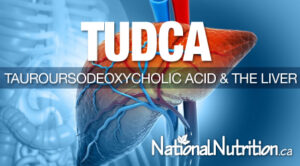
  • TUDCA Benefits & More

    The liver is a vital organ with many functions, but it primarily supports digestionmetabolism, and detoxification. It processes nutrients from the food you eat, helps regulate blood sugar, and removes toxins.

    The liver produces bile that helps digest fats and absorb fat-soluble vitamins. Once this bile hits the intestines, due to bacterial transformation, secondary bile acids are formed, including TUDCA. Let’s explore what TUDCA is and its effects on your body for liver supportdigestive health, and detoxification.

    What Is TUDCA?

    TUDCA (Tauroursodeoxycholic Acid) is a bile salt that’s a naturally occurring water-soluble compound produced in the intestines. It’s a secondary bile acid, meaning it’s formed in the intestines through the bacterial transformation of primary bile acids like cholic acid, which are produced in the liver.

    Let’s take a more in-depth look at this process:

    • Primary Bile Acids: The liver synthesizes key bile acids like cholic acid and chenodeoxycholic acid
    • Bile Release: Primary bile acids are fused with taurine or glycine and secreted into bile
    • Intestinal Conversion: Once bile reaches the intestines, bacteria convert primary bile acids into secondary ones, including UDCA (Ursodeoxycholic Acid)
    • TUDCA Formation: TUDCA is then formed when a taurine molecule is attached to UDCA

    What Are TUDCA Used For?

    TUDCA’s main benefit is its support for cellular health. It helps reduce cellular stress and decreases inflammatory pathways. Due to these effects, it has been studied and recognized for its benefits in addressing metabolic conditions, liver health, bile flow, and gut health.

    1) Metabolic Conditions

    It is hypothesized that TUDCA increases energy burn at a cellular level - which could influence insulin regulation. While the data is still not confirmed, one animal study induced an artificially high level of blood sugar into test subjects, and when treated with TUDCA, the subjects showed a 43% reduction in blood serum glucose levels.

    2) Liver Health & Detoxification

    TUDCA helps the liver by supporting a healthy inflammatory response and by lowering elevated liver enzyme levels. TUDCA supports the liver by enhancing the detoxification process and as mentioned, reducing inflammation.

    3) Bile Flow

    TUDCA improves bile flow by reducing the buildup of toxic bile acids. Some studies have found that TUDCA increased bile flow by 250%. TUDCA has also been shown to alter the composition of bile, making it contain higher amounts of compounds that help digestion in a positive way.

    4) Helps Breakdown Fats

    It improves the bile composition produced by the liver, making it more efficient at breaking down fats. This helps improve the body’s ability to digest and absorb fats and fat-soluble vitamins.

    5) Gut Health

    Research suggests that TUDCA can help protect the intestines from leaky gut syndrome by supporting messenger proteins. It was also suggested that TUDCA supports gut health by enhancing gut microbiota through the influx of primary bile acids into the gut. However, more evidence is needed to verify these findings.

    How To Take TUDCA Supplements

    TUDCA can be found in supplements and it’s often paired with choline for comprehensive liver support. While dosing varies, the typical dose is 2 250mg capsules per day; however, it’s important to follow dosing directions on the label of the supplement you choose or as directed by your healthcare practitioner.

    Shopping For TUDCA In Canada

    National Nutrition, Canada’s best health food store, carries TUDCA supplements in-store and online. With expert advice and fast, reliable shipping, we work hard to provide you with prices that can’t be beat.

    Potential Side Effects of TUDCA

    While generally considered safe, those with bile duct obstruction or liver cirrhosis should consult a healthcare professional before using. Although rare, TUDCA may cause gastrointestinal issues like diarrhea, nausea, flatulence, and mild abdominal discomfort. If you experience any of these symptoms stop taking it immediately.

  • Turmeric Capsules for Liver Health

    Your liver is the largest internal organ inside your body, and it's responsible for many important functions. It converts food into nutrients used by the rest of your body, metabolizes drugs and other substances, and helps remove toxins from the blood by filtering them through bile. Since it does so much to maintain your health, show it some TLC with turmeric capsules.

    While most people link milk thistle or seasonal detoxes with liver support, another excellent supplement for your liver is curcumin. Keep reading to uncover more about curcumin and how turmeric capsules can support a healthy liver.

    Liver Health & Why It's Important

    Your liver is the largest internal organ in your body, performing over 500 functions. Here are some of its most essential duties:

    • Toxins: Each and every day, your liver must act as a filter for toxins that enter your body, such as environmental toxins, medications, and alcohol. Enzymes break down these toxins in your liver so they can be excreted from the body. Your liver also filters all of the blood in your body.
    • Bile: Your liver produces bile, which is essentially a digestive juice that breaks down fats and helps you absorb fat-soluble vitamins.
    • Vitamins: Your liver converts beta-carotene into vitamin A.
    • Storage: Your liver stores energy in the form of glycogen.
    • Hormones: Your liver breaks down your sex hormones (like estrogen and testosterone) and adrenaline and insulin (for blood sugar control) when they are no longer needed. It also converts your thyroid hormone into its active form.
    • Cholesterol: The liver also regulates cholesterol production for healthy cell membranes.

    Ways to Support Your Liver: Turmeric Capsules

    Despite all its jobs, your liver can quickly become damaged due to infection, medications and recreational drugs, alcohol consumption, stress, and environmental toxins. As we age, it is also important to consider the overall "body burden" of toxins, so they don't bog down the function of the rest of our body.

    Although the liver is the only organ capable of regenerating itself, it can benefit from a little TLC from key nutrients, including turmeric and turmeric capsules.

    How Turmeric Capsules Support a Healthy Liver

    Curcumin is a powerful antioxidant that can help reduce oxidative stress and improve liver function. Here are some of the ways that turmeric capsules can help your liver:

    • Antioxidant benefits: oxidative stress refers to the damage caused by free radicals, substances that are produced as a normal part of the body's metabolism but can wreak havoc on your cells when they're not kept in check. Antioxidants like those found in turmeric capsules help keep these harmful chemicals under control by donating electrons to neutralize the harmful molecules before they do any damage.
    • Anti-inflammatory benefits: Curcumin has also been shown to have anti-inflammatory properties, which may explain how it protects against chronic inflammation. Inflammation is linked with many different diseases, including liver disease, but supplementing with turmeric capsules appears to be able to reduce it without side effects.

    Turmeric Capsules and Dosing

    Although curcumin is the active ingredient in turmeric, it is advisable to use a quality, standardized curcumin supplement in addition to using turmeric as a spice in your kitchen.

    Why? Curcumin is not bioavailable on its own. Research has shown that the body does not absorb curcumin well when taken orally in a turmeric capsule that's not blended with piperine.

    Nowadays, some supplement manufacturers make liposomal curcumin supplements, which are better absorbed than standard turmeric capsules because curcumin is fat-soluble.

    Look for a curcumin supplement standardized to 95% curcuminoids for best results, and take 500 to 1000 mg daily. Since curcumin is fat-soluble, it is best to take turmeric capsules with meals containing a source of fat.

    Cautions for Turmeric Capsules

    People with the following conditions should use caution when using turmeric capsules as a supplement:

    • Gastrointestinal disorders
    • Biliary obstruction
    • Active bleeding

    Additionally, if you are taking any of the following medications, do not use turmeric capsules or curcumin supplements at the same time:

    • Heart medication
    • Cholesterol medication 
    • Blood thinners
    • Aspirin 
    • Nonsteroidal anti-inflammatory drugs (NSAIDs) 

    Because of its blood-thinning properties, stop using turmeric capsules or liquids 2 weeks prior to surgery or dental procedures.

    Other Tips for a Healthy Liver

    As a way to ensure that your liver remains healthy, try incorporating the following tips into your daily life:

    • Eat a healthy diet for your liver: This includes lots of colourful veggies and fruits, which contain phytonutrients, fiber, and nutrients that help your liver function at its best.
    • Follow a healthy lifestyle that includes exercise: Exercise helps increase liver circulation and can reduce stress.
    • Targeted support for your liver: Once a year, try a liver cleanse to release stored toxins. And as you age, particularly if you take prescription medications or drink alcohol, add some liver-supportive herbs and nutrients to your routine.

    Curcumin FAQs

    What is Curcumin?

    The main compound of the turmeric spice. It's most famous for its anti-inflammatory effects but has other benefits such as reducing joint pain and supporting brain health.

    How Does Curcumin Work?

    The main way that curcumin helps with inflammation is by blocking pro-inflammatory enzymes.

    Can Curcumin be Taken With Other Supplements?

    Yes! Curcumin can generally be taken with most other supplements. 

    References

    https://www.ncbi.nlm.nih.gov/pmc/articles/PMC5000414/

    https://pubmed.ncbi.nlm.nih.gov/16413584/

    https://ncbi.nlm.nih.gov/pmc/articles/PMC7694612/

  • Yellow Dock

    Yellow dock is considered an alternative herbal remedy that has been used for centuries to support digestion, liver function, and detoxification. Derived from the root of the Rumex crispus plant, it has been valued in herbal medicine for its ability to support gentle cleansing of the digestive system and promote healthy elimination. 

    Today, this herb is commonly used in herbal formulas designed to support liver health, skin wellness, and digestive balance. 

    What is Yellow Dock?

    Yellow dock (Rumex crispus), sometimes called curly dock, is a perennial plant belonging to the Polygonaceae family. It is native to Europe and parts of Asia, but now grows widely throughout North America. 

    The plant can grow up to three feet tall and is easily recognized by its long, narrow leaves with wavy edges and tall seed stalks. The medicinal portion of the plant is the root, which contains a bright yellow interior that gives the plant its name. 

    Historically, this root has been used in traditional herbal medicine as a digestive tonic and a gentle cleansing herb. Herbal practitioners have recommended this herb to support liver function, improve nutrient absorption, and encourage healthy bowel function. 

    Compounds Found in Yellow Dock

    The health benefits of yellow dock are attributed to its naturally occurring plant compounds. These include:

    • Anthraquinones - compounds known to support gentle bowel stimulation
    • Tannins - plant compounds with astringent properties that support digestive health
    • Iron - it contains small amounts of naturally occurring iron
    • Flavonoids - antioxidant compounds that help protect cells from oxidative stress
    • Oxalic acid - a naturally occurring compound found in many leafy plants 

    Together, these compounds contribute to the herb's traditional use as a digestive support and cleansing botanical. 

    Health Benefits of Yellow Dock

    Digestive Health

    One of the most common uses of yellow dock is supporting digestive function. Compounds in yellow dock root may stimulate digestive secretions and encourage healthy bile flow. This can help improve digestion and nutrient absorption.

    Because of this, this herb has historically been used as a digestive tonic to support those with sluggish digestion.

    Gentle Detoxification

    In herbal medicine, this herb is often included in cleansing formulas designed to support the body's natural detoxification processes. The herb is believed to support liver function and healthy elimination, which are essential for removing waste products from the body. 

    By supporting digestive and liver function, this herb may promote overall metabolic balance. 

    Healthy Bowel Function

    The anthraquinones present in the root may help promote gentle bowel stimulation. For this reason, the herb has historically been used to support regular bowel movements and relieve occasional constipation. 

    Unlike harsher stimulant laxatives, this herb is often considered a mild herbal option. 

    Skin Health

    Traditional herbal practitioners have long associated digestive and liver health with the appearance of the skin. Because this herb removes toxins from the body, it's been said to help skin conditions like acne, eczema, and psoriasis, all of which are considered to result from toxin accumulation. This is why this herb has been included in herbal blends designed to support skin clarity and overall skin health.

    Antioxidant Support

    The flavonoids found in yellow dock act as antioxidants that help protect the body's cells from oxidative stress. Antioxidants are important for supporting overall wellness and reducing damage caused by free radicals. 

    Yellow Dock Supplements

    Today, yellow dock is available in several supplement forms. The most common include:

    • Capsules or tablets containing the powdered root
    • Liquid herbal extracts or tinctures
    • Herbal teas
    • Herbal detox or digestive formulas containing yellow dock as a supporting ingredient

    When choosing a supplement, it's best to look for products from reputable manufacturers that provide quality assurance and clearly list the botanical name (Rumex crispus) on the label. 

    Standardized herbal supplements or products made specifically from yellow dock root may provide more consistent potency than those made from whole plant material. It can also be applied topically to treat skin conditions as long as it's diluted if it's an alcohol-based formula. 

    Safety Considerations

    Although this herb has a long history of traditional use, it should be used responsibly. 

    Important safety considerations include:

    • Large amounts of yellow dock may cause digestive upset or loose stools.
    • Because it contains oxalic acid, those with kidney stones or kidney disorders should use caution.
    • It may stimulate bowel movements and should not be used excessively. 
    • If you are pregnant or breastfeeding, or taking other medications, you should consult a healthcare practitioner prior to use
    • Yellow dock leaves may contain high levels of oxalic acid and can be poisonous in large quantities.

15 Item(s)

First name is required!
Last name is required!
First name is not valid!
Last name is not valid!
Please enter a valid email address.
Email address is required!
This email is already registered!
Password is required!
Enter a valid password!
Please enter 6 or more characters!
Please enter 16 or less characters!
Please ensure your passwords match.
Terms and Conditions are required!
Incorrect FormKey!
Incorrect Email or Password!
reCAPTCHA is mandatory. Click check box beside I am not a robot
Invalid login/register data, Kindly contact customer service agent.