A-Z turmeric benefits Articles

  • Curcumin: Health Benefits of This Golden Supplement

    One of the leading health benefits of curcumin is its antioxidant properties that combat free radicals. Free radicals are unstable molecules that cause damage to the body's tissues when they bump into healthy cells. Thus turmeric can be used to stop infections, protect the liver from toxins, fight inflammation and may be helpful in healthy cell growth.

    Key Health Benefits of Curcumin

    Curcumin's Natural Anti-Inflammatory Health Benefits

    The same molecules found in curcumin inhibit inflammation anywhere within the body, thus acting as pain relieving agents, as well. Curcumin has been shown to improve joint mobility and reduce the pain and swelling associated with all forms of arthritis. This activity is equivalent to the effect of some NSAID drugs. 

    Curcumin, Natural Cholesterol Control

    Curcumin also lowers the level of harmful, or LDL, cholesterol and increases the level of helpful, or HDL, cholesterol. It increases circulation and blood flow. All of these properties make curcumin a good choice for individuals with compromised circulation, heart disease and high cholesterol.

    Brain Health Benefits of Curcumin

    Recently, curcumin has been recognized for its anti-amyloid properties. A key feature of Alzheimer's disease is the development of amyloid plaques in the brain. Beta-amyloid is a normally harmless protein which builds up in the brain as we age. It is thought that some sort of genetic defect in these proteins may be involved in the degree of decline in neuronal activity that occurs in individuals suffering from Alzheimer's. Curcumin, due to its anti-amyloid properties is showing significant results in terms of treatment for these patients, improving overall memory.

    Uncovering Curcumin Supplement Varieties: Formats, Forms & Potency

    Curcumin can be used as a spice (turmeric), encapsulated herb, dried herb, tincture or liquid extract. Better quality supplements are standardized which is an assurance that the product contains a certain amount of the more well-known active constituents. Curcumin is found as a component of pain-relieving, anti-inflammatory and cholesterol-lowering formulas. It may also be found in topical creams or gels for pain relief.

    Enhancing Curcumin's Bioavailability - Meriva and Longvida

    Curcumin is a lipophilic or fat-soluble substance. Our ability to effectively absorb curcumin is low. Its ability to reach the bloodstream to have its therapeutic effect has been questioned by those in the health field. Recently, supplement companies have started to change their formulations (liposomal curcumin, curcumin nanoparticles, curcumin phospholipid complexes) all in the name of making the curcumin more readily absorbed, with a significantly higher percentage of curcumin reaching the bloodstream.

    Two raw material suppliers to nutritional supplement manufacturers now produce enhanced curcumin extracts bonded to phospholipid complexes, which improve the absorption and activity of Curcumin dramatically, giving better therapeutic results when used in clinical applications such as arthritis, detoxification, and brain health.

    Final Cautions & Potential Side Effects

    Curcumin contains substances that decrease blood clotting ability therefore those with active bleeding, or individuals who use blood thinners, aspirin or NSAIDs should use caution. For the same reason, stop using curcumin 2 weeks before surgery or dental procedures. Curcumin may alter the effectiveness of some heart and cholesterol medications. Some individuals have found it to irritate the gastrointestinal tract and liver or gallbladder.
  • Turmeric

    You are probably familiar with curcumin as the spice that gives curried dishes their characteristic colour and flavour. Turmeric is the active ingredient in curcumin and contains antioxidant chemicals, called curcuminoids, for neutralizing free radicals. Free radicals are unstable molecules that cause damage to the body’s tissues when they bump into healthy cells.

    Key Health Benefits of Turmeric

    Turmeric can be used to stop infections, protect the liver from toxins and may be useful for unhealthy cells. The same molecules inhibit inflammation, thus acting as pain relieving agents. It has been shown to improve joint mobility and reduce the pain and swelling associated with all forms of arthritis. This activity is equivalent to the effect of some NSAID drugs.

    This nutrient lowers the level of harmful, or LDL, cholesterol and increases the level of helpful, or HDL, cholesterol. It also increases circulation and blood flow. All of these properties make turmeric a good choice for individuals with compromised circulation, heart disease and high cholesterol.

    Shopping For Turmeric & Supplements

    Turmeric can be used as a spice, encapsulated herb, dried herb, tincture or liquid extract. Better quality supplements are standardized which is an assurance that the product contains turmeric and has some active properties. It is often found as a component of pain relieving, anti-inflammatory and cholesterol lowering formulas. This nutrient may be found in topical creams or gels for pain relief, and supplements are sometimes labelled as curcumin.

    Important Information

    Turmeric contains substances that decrease your blood clotting ability; therefore, those with active bleeding, or those who use blood thinners, aspirin or NSAIDs should use caution.

    For the same reason, stop using turmeric 2 weeks prior to surgery or dental procedures. It may alter the effectiveness of some heart and cholesterol medications and may irritate the gastrointestinal tract and liver or gallbladder, in some individuals, because it causes the release of digestive juices.

  • Turmeric Capsules for Liver Health

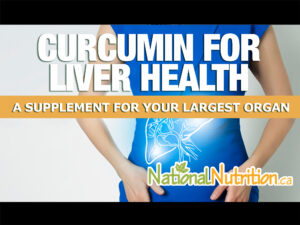
    Your liver is the largest internal organ inside your body, and it's responsible for many important functions. It converts food into nutrients used by the rest of your body, metabolizes drugs and other substances, and helps remove toxins from the blood by filtering them through bile. Since it does so much to maintain your health, show it some TLC with turmeric capsules.

    While most people link milk thistle or seasonal detoxes with liver support, another excellent supplement for your liver is curcumin. Keep reading to uncover more about curcumin and how turmeric capsules can support a healthy liver.

    Liver Health & Why It's Important

    Your liver is the largest internal organ in your body, performing over 500 functions. Here are some of its most essential duties:

    • Toxins: Each and every day, your liver must act as a filter for toxins that enter your body, such as environmental toxins, medications, and alcohol. Enzymes break down these toxins in your liver so they can be excreted from the body. Your liver also filters all of the blood in your body.
    • Bile: Your liver produces bile, which is essentially a digestive juice that breaks down fats and helps you absorb fat-soluble vitamins.
    • Vitamins: Your liver converts beta-carotene into vitamin A.
    • Storage: Your liver stores energy in the form of glycogen.
    • Hormones: Your liver breaks down your sex hormones (like estrogen and testosterone) and adrenaline and insulin (for blood sugar control) when they are no longer needed. It also converts your thyroid hormone into its active form.
    • Cholesterol: The liver also regulates cholesterol production for healthy cell membranes.

    Ways to Support Your Liver: Turmeric Capsules

    Despite all its jobs, your liver can quickly become damaged due to infection, medications and recreational drugs, alcohol consumption, stress, and environmental toxins. As we age, it is also important to consider the overall "body burden" of toxins, so they don't bog down the function of the rest of our body.

    Although the liver is the only organ capable of regenerating itself, it can benefit from a little TLC from key nutrients, including turmeric and turmeric capsules.

    How Turmeric Capsules Support a Healthy Liver

    Curcumin is a powerful antioxidant that can help reduce oxidative stress and improve liver function. Here are some of the ways that turmeric capsules can help your liver:

    • Antioxidant benefits: oxidative stress refers to the damage caused by free radicals, substances that are produced as a normal part of the body's metabolism but can wreak havoc on your cells when they're not kept in check. Antioxidants like those found in turmeric capsules help keep these harmful chemicals under control by donating electrons to neutralize the harmful molecules before they do any damage.
    • Anti-inflammatory benefits: Curcumin has also been shown to have anti-inflammatory properties, which may explain how it protects against chronic inflammation. Inflammation is linked with many different diseases, including liver disease, but supplementing with turmeric capsules appears to be able to reduce it without side effects.

    Turmeric Capsules and Dosing

    Although curcumin is the active ingredient in turmeric, it is advisable to use a quality, standardized curcumin supplement in addition to using turmeric as a spice in your kitchen.

    Why? Curcumin is not bioavailable on its own. Research has shown that the body does not absorb curcumin well when taken orally in a turmeric capsule that's not blended with piperine.

    Nowadays, some supplement manufacturers make liposomal curcumin supplements, which are better absorbed than standard turmeric capsules because curcumin is fat-soluble.

    Look for a curcumin supplement standardized to 95% curcuminoids for best results, and take 500 to 1000 mg daily. Since curcumin is fat-soluble, it is best to take turmeric capsules with meals containing a source of fat.

    Cautions for Turmeric Capsules

    People with the following conditions should use caution when using turmeric capsules as a supplement:

    • Gastrointestinal disorders
    • Biliary obstruction
    • Active bleeding

    Additionally, if you are taking any of the following medications, do not use turmeric capsules or curcumin supplements at the same time:

    • Heart medication
    • Cholesterol medication 
    • Blood thinners
    • Aspirin 
    • Nonsteroidal anti-inflammatory drugs (NSAIDs) 

    Because of its blood-thinning properties, stop using turmeric capsules or liquids 2 weeks prior to surgery or dental procedures.

    Other Tips for a Healthy Liver

    As a way to ensure that your liver remains healthy, try incorporating the following tips into your daily life:

    • Eat a healthy diet for your liver: This includes lots of colourful veggies and fruits, which contain phytonutrients, fiber, and nutrients that help your liver function at its best.
    • Follow a healthy lifestyle that includes exercise: Exercise helps increase liver circulation and can reduce stress.
    • Targeted support for your liver: Once a year, try a liver cleanse to release stored toxins. And as you age, particularly if you take prescription medications or drink alcohol, add some liver-supportive herbs and nutrients to your routine.

    Curcumin FAQs

    What is Curcumin?

    The main compound of the turmeric spice. It's most famous for its anti-inflammatory effects but has other benefits such as reducing joint pain and supporting brain health.

    How Does Curcumin Work?

    The main way that curcumin helps with inflammation is by blocking pro-inflammatory enzymes.

    Can Curcumin be Taken With Other Supplements?

    Yes! Curcumin can generally be taken with most other supplements. 

    References

    https://www.ncbi.nlm.nih.gov/pmc/articles/PMC5000414/

    https://pubmed.ncbi.nlm.nih.gov/16413584/

    https://ncbi.nlm.nih.gov/pmc/articles/PMC7694612/

  • Turmeric for Inflammation

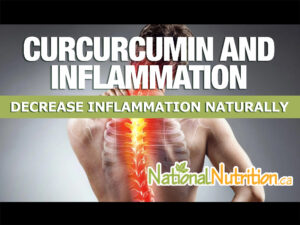
    Inflammation happens, but turmeric can help! Even if you eat well, stay active, and take care of ourselves, inflammation can sometimes creep in. Typically, when we think of inflammation, we think of joint pain due to arthritis. But inflammation can also manifest as joint pain, headaches, a skin rash, or a minor skin breakout. Thankfully there are natural ways to help with this, cue turmeric's anti-inflammatory properties.

    One of the best-known supplements to help manage inflammation is curcumin. Research has found that curcumin may help decrease inflammation by inhibiting pro-inflammatory enzymes and increasing levels of anti-inflammatory compounds.

    In this article, we'll cover what inflammation is and how curcumin, the active ingredient in turmeric, can help to tamper down the inflammatory response. Ready to learn? Let's go!

    What is Inflammation?

    We often think of inflammation as a negative reaction our body has, but inflammation isn't always bad.

    Inflammation is the body's response to injury or irritation. It helps heal wounds, clear infections, and remove damaged cells from the body. Inflammation occurs when white blood cells rush to an affected area to repair it and fight off infection. These cells release chemicals that cause nearby blood vessels to become larger and more permeable to bring more nutrients into the damaged tissue, a process called vasodilation.

    Inflammation also causes pain and swelling because it stimulates nerve endings in your skin (called nociceptors). This means that even minor injuries can trigger inflammation, increasing the sensitivity of these nerves. That's why it's important to have turmeric on hand, a natural anti-inflammatory.

    Inflammation And How Turmeric Can Helps

    Curcumin is a natural antioxidant that contains anti-inflammatory properties. It is derived from the root of turmeric and has been used in Ayurvedic medicine for centuries to treat various health conditions, including inflammation.

    Curcumin has been shown to reduce symptoms associated with arthritis and other inflammatory conditions such as Crohn's disease, psoriasis, and ulcerative colitis. Here's a summary:

    • Osteoarthritis is a type of joint pain related to aging and the wearing down of cartilage in your joints. It's especially common in the knees, hips, and hands. Curcumin from Turmeric has been shown to decrease inflammation and pain and swelling associated with osteoarthritis. However, it is not a cure for arthritis. Instead, curcumin works with your body's natural processes to ease the discomfort associated with arthritis.
    • Rheumatoid arthritis (RA) is an autoimmune disease that affects joints, especially in the hands and feet. Turmeric has long been used to treat arthritis, and studies have shown that curcumin can help reduce inflammation associated with rheumatoid arthritis.
    • Ulcerative colitis is an inflammatory bowel disease (IBD) that causes ulcers in your colon, rectum, and/or stomach lining. Turmeric has been shown to help with symptoms associated with ulcerative colitis, such as abdominal pain and diarrhea. Additionally, supplementing with curcumin was associated with a lower disease relapse rate.

    How does it do this? Turmeric helps reduce inflammation by inhibiting the production of pro-inflammatory molecules called cytokines, growth factors, and enzymes like COX-2. COX2 produces chemicals called prostaglandins that cause pain and swelling when there's an injury or infection. By inhibiting COX2 activity, curcumin reduces inflammation at its source.

    In addition to its anti-inflammatory properties, curcumin has antioxidant properties that can help protect against oxidative stress caused by free radicals or reactive oxygen species (ROS).

    Plus, studies have found that turmeric may be as effective as NSAIDs at treating joint pain and stiffness but with fewer side effects. This is also great news for anyone who is sensitive to this class of drugs.

    Supplementing With Turmeric For Inflammation

    Curcumin supplements can be taken by anyone who has an inflammatory condition. Additionally, turmeric is a great supplement to have on hand for other inflammation issues, such as:

    • Post-workout
    • To support headaches and muscle aches
    • To keep on hand for injuries

    It’s important to note that while curcumin is naturally occurring in turmeric, supplement forms are not always standardized. Some brands may contain more bioavailable forms of curcumin than others. Ideally, curcumin supplements should be standardized to 95% curcumin.

    People with gastrointestinal disorders, biliary obstruction, or active bleeding should use caution when taking turmeric. Do not use turmeric and heart medications, cholesterol medications, blood thinners, aspirin, or nonsteroidal anti-inflammatory drugs (NSAIDs) simultaneously. Stop using turmeric two weeks before surgery or dental procedures.

    In conclusion, inflammation is a normal response to injury or irritation, but it can become a problem when it becomes chronic or prolonged. Curcumin is a natural antioxidant with anti-inflammatory properties, these properties are what make turmeric great for reducing inflammation in the body. This means that if you have arthritis or other inflammatory conditions, curcumin may help relieve joint pain and stiffness while reducing the side effects associated with traditional medications like NSAIDs (nonsteroidal anti-inflammatory drugs).

    Curcumin FAQs

    Where Can I Buy Curcumin?

    You can shop our top curcumin picks here.

    Will Curcumin Lower Blood Pressure?

    Yes, curcumin has been shown to lower blood pressure and should be used with caution if you take medication to lower blood pressure.

    Is Curcumin Gluten-Free?

    Curcumin is gluten-free.

    Can I Take Turmeric With Ibuprofen for Inflammation or in General?

    Yes, turmeric can be taken with ibuprofen or other pain relievers without adverse effects.

    References

    https://pubmed.ncbi.nlm.nih.gov/25337545/

    https://pubmed.ncbi.nlm.nih.gov/22407780/

    https://pubmed.ncbi.nlm.nih.gov/3546166/

    https://pubmed.ncbi.nlm.nih.gov/16413584/

4 Item(s)

First name is required!
Last name is required!
First name is not valid!
Last name is not valid!
Please enter a valid email address.
Email address is required!
This email is already registered!
Password is required!
Enter a valid password!
Please enter 6 or more characters!
Please enter 16 or less characters!
Please ensure your passwords match.
Terms and Conditions are required!
Incorrect FormKey!
Incorrect Email or Password!
reCAPTCHA is mandatory. Click check box beside I am not a robot
Invalid login/register data, Kindly contact customer service agent.