A-Z immune boost Articles

  • Amla: An Antioxidant For Overall Well-Being

    Amla is the fruit of a deciduous tree (Emblica officinalis) that is also commonly known as Gooseberry or Indian gooseberry. It has been used in traditional Ayurvedic medicine to balance all three doshas (bodily humours). It is considered unusual because it contains five of the six tastes recognized in Ayurvedic medicine. As a fruit or supplement, alma was and is still used to enhance digestion, reduce fever, purify the blood, reduce cough and asthma, and strengthen and tone the entire body. It is one of the main ingredients in Chyawanprash, a remedy for improved immunity and vitality. Today, amla is available in fruit, powder and supplement form.

    Amla Supplements Key Health Benefits

    Digestion and Diabetes

    The amla fruit is commonly used in Ayurvedic medicine for the treatment of digestive disorders. It is a laxative and carminative, meaning that it can help to reduce the formation of gas, and promotes the movement of stool through the digestive tract. It has commonly been used as an antacid to help in the treatment of gastroesophageal reflux disease (GERD). For more information, please see our GERD article. It has also been found to help regulate blood sugar, a property that is beneficial in the treatment of diabetes.

    Vitamin C - Antioxidant

    Interestingly, amla is the richest food source of vitamin C currently known. Each fruit contains two times the vitamin C found in oranges, which is pretty impressive considering how tiny amla fruit is in comparison. Vitamin C is a strong antioxidant. For more information, please see our Vitamin C article. It also contains a number of other nutrients, such as chromium, zinc, and copper. These and other nutrients support the building and maintenance of tissues.

    Cardiovascular Health

    Research in India has found that 500mg of amla extract when taken daily for over 6 months helps to reduce LDL (“bad”) cholesterol, while significantly increasing HDL (“good”) cholesterol. This type of cholesterol shift helps to reduce the risk of cardiovascular disease.

    Immune Protection

    Amla has also been found to protect the immune system at the cellular level. This supports healthy immune responses in the body, even during toxic assault. This is often the role it is intended to play in Chyawanprash.

    Shopping For Amla Supplements

    When shopping for amla supplements, dried berries, or amla powder, be sure to look for organic varieties when possible. You will also want to make sure there aren't any added preservatives or fillers in your supplement. You can find quality amla supplements at a reputable health food store like Nationalnutrition.ca.

  • Cat's Claw Benefits For Your Health

    Cat’s claw is a herb that comes to us from the rainforest and native civilizations like the Incas. The name of this climbing vine comes from the curved thorns that the plant uses to fasten itself onto other plants. Cat’s claw benefits health because it contains so many active ingredients that possess medicinal properties.

    It takes three to eight years for cat’s claw vines to become large enough to harvest. Increased demand for this plant has made Cat's claw an endangered species in some South American countries. The government of Peru has implemented a planting campaign to preserve cat’s claw. 

    Key Health Benefits of Cat's Claw

    Cat's Claw is best known as an immune modulator, meaning that it can increase deficient immune responses, which cause things like frequent colds and flu, as well as decrease improper immune responses, as happens in allergic reactions and inflammatory diseases.

    Cat’s claw is also an anti-inflammatory agent that can be used for chronic inflammation. It has antioxidant activity which fights free radicals (unstable molecules that in their bid to become more stable bump into healthy cells and cause damage). Cat’s claw’s antioxidant properties neutralize free radicals and reduce damage to the body, including damage to genetic material that may lead to unhealthy cell changes. Cat’s claw is recommended by natural health practitioners for a variety of conditions including the following, including viral infections, fungal infections, bacterial infections, arthritis, colitis, Crohn’s disease, stomach ulcers, chronic fatigue syndrome, autoimmune disorders and unhealthy cell division.

    Selecting The Best Cat's Claw Supplement Variety

    Cat’s claw can be purchased as a loose herb, encapsulated herb or tincture. Cat’s claw may be found in formulas for pain relief, arthritis, colds and flu or intestinal cleansing. You may want to inquire as to the source of the cat’s claw that you purchase to ensure it's pure, potent and high-quality.

    Cautions, Considerations & Potential Side Effects

    Cat’s claw should not be used in pregnancy because it may lead to miscarriage. Due to catnip’s immunostimulating action those on immunosuppressive or immunoglobulin therapies, such as transplant recipients, should not use it. Cat’s claw decreases blood clotting and should not be used by people with active bleeding, those who have had surgery recently or those who use blood-thinning medications, anti-inflammatories or aspirin.

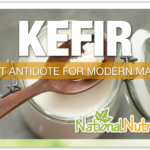
  • Kefir: A Fermented Drink Rich In Probiotics

    Long ago when refrigeration was not available and milk would spoil humans invented ways to preserve food via fermenting to lengthen its shelf life. Kefir is one example of this. Kefir is a yogurt-like fermented drink made from Kefir grains, a natural lactic acid-producing bacteria and yeast. When added to milk, Kefir grains create a wonderful tart and refreshing drink that offers many health benefits. 

    What Is Kefir?

    Kefir is an enzyme-rich food filled with friendly microorganisms which balance healthy organisms in your body. Having more nutrients than yogurt, Kefir supplies complete vegetarian protein, essential minerals and valuable B vitamins.

    Kefir can be made from any type of milk, cow, goat or sheep, coconut, rice or soy.

    For the lactose intolerant, Kefir’s abundance of beneficial yeast and bacteria provides lactase, an enzyme which consumes most of the lactose sugar left after the culturing process. This makes it easier to digest for those who are sensitive to lactose.

    You can also make Kefir with water. This is called Tibicos and dried fruit like figs and dates plus lemon juice are traditionally added.

    Key Health Benefits of Kefir & Its Uses

    Kefir has been used for hundreds of years if not longer as a nutritional beverage and cure-all for most illnesses. Traditionally it was used in northern Europe and Russia for stomach ailments, diarrhea, or colds and flu. 

    Today Kefir is used both nutritionally and for culinary purposes. It can be used to make sourdough bread, as a substitute for buttermilk in baking, in soups and place of milk on cereal.

    Today Kefir is used to heal issues like Leaky Gut, IBS, reflux and chronic indigestion. It can also be used for skin afflictions and bowel disturbances like constipation and diarrhea. It’s great for vegetarians and those with low bone density as in Osteopenia and Osteoporosis.

    Exploring How Kefir Works In Your Body To Provide Healthy Benefits

    Because Kefir is one of the most probiotic-rich foods available it’s great for those with digestive conditions which originate from an imbalance of gut flora. Such is the case with antibiotic use. It’s also great for those who want to get probiotics from their food.

    Kefir has all the essential amino acids you need to make any protein you need; as such it’s considered a complete protein. This makes it a staple for Ova-lacto vegetarians or for those wanting to reduce animal meat, which is important in cardiovascular disease.

    Kefir offers other nutritional value too. As it ferments the bacteria and yeast produce essential vitamins and minerals like B Vitamins, Calcium, Magnesium, Vitamin K2 and Biotin. This makes Kefir highly beneficial to your bone mineral density by supplying critical minerals and nutrients your bones need.

    Taking Kefir Products & Supplements

    Kefir can be drunk straight or added to health shakes, baking, and soups.

    Kefir can be store-bought or made at home by purchasing Kefir grains from your local health food store or online.

  • Lactoferrin: Understanding Its Uses & Benefits

    Lactoferrin is a protein that packs a nutritious punch. Ultimately, it has several benefits including; stimulating immunity, antibacterial effects, improving the health of the gut flora, regulating iron absorption and increasing bone health.

    Immunity is comprised of two systems; innate immunity and adaptive immunity. This protein works to increase your innate immunity, which is your first line of defence against foreign invaders. This will help you understand some of the unique attributes of this amazing protein.

    What Is Lactoferrin?

    Lactoferrin is a protein naturally found in human breast milk and bovine milk. Its highest concentration is found in human colostrum, which is the part of breast milk that transfers immunity to the newborn. Colostrum is the first breast milk the newborn receives immediately after birth and during the first few days of life. It is the most important food for the newborn because it contains antibodies to boost the undeveloped immune system and contains proteins, such as lactoferrin, that set up the digestive system for long-term health through innate immunity. This nutrient is known to support the proper development of the intestinal flora, skeletal structure and immune system of the newborn.

    Key Health Benefits of Lactoferrin

    Lactoferrin is best known for its immune-stimulating abilities. Specifically, this powerful protein boosts the first-line defenses of the immune system through the stimulation of white blood cells and its action right at the mucous membranes of the digestive tract. It also is antibacterial and antiviral, so it not only increases your body’s ability to fight infection; it also kills bacteria and viruses for a double whammy against infections.

    Interestingly, this nutrient can be used to increase bone health. Studies have shown that lactoferrin can stimulate bone growth by stimulating the activity of osteoblasts. Osteoblasts are the cells that create and strengthen bone.

    Understanding How This Protein Works In The Body

    Evidence suggests that supplementing with this protein increases the phagocytic (the engulfment and destruction of foreign invaders and debris) activity of immune cells, as well as stimulating the natural killer cells of the immune system. Lactoferrin also works directly at the intestinal mucosa to stimulate the production of intestinal cells and to promote the good bacteria in the intestine. It does this by reducing the “bad bacteria” and helping the spread of the “good bacteria” such as lactobacillus and bifidobacterium.

    Lactoferrin’s antioxidant and antibacterial activity comes from its ability to bind iron. Free iron is a harmful oxidant and promotes bacterial growth. Lactoferrin will bind free iron, making it unavailable to bacteria, which require it for growth and multiplication.

    Due to lactoferrin’s ability to transport iron, it may also increase the body’s ability to absorb iron. Taking this protein along with supplemental iron or a diet rich in iron can improve anemia.

    Using Lactoferrin Supplement Varieties

    You can supplement directly with Lactoferrin in capsule form. You can also find lactoferrin naturally occurring in colostrum products and some colostrum supplements will indicate the amount of lactoferrin present. Since lactoferrin is also found in bovine milk, there is a small amount found in whey protein and you will find that some whey proteins have been formulated to contain higher levels of lactoferrin.

  • Mint and Lime-Zest Infused Water

    Let’s put some mojito-style fun into your plain old Jane water with this delicious infused combination! This trio of mint, cucumber and lime will not only taste good, it also scores straight A’s when it comes to your health. With the citrus giving your immune system a daily boost, aiding in digestion, freshening your breath and even helping to aid in weight loss - we bet you didn’t think a glass of water could do all that!

  • Probiotic Lactobacillus

    What Is Lactobacillus?

    Much like the name implies, Lactobacilli form a major part of the lactic acid bacteria group. This means lactobacillus helps to break down lactose (milk sugar) into sub-units that your intestinal tract can absorb. In manufacturing, Lactobacilli are used in the production of yogurt, cheese, sauerkraut, and other fermented foods. In humans, these bacteria can be found in the gastrointestinal tract and vagina, where they act as symbiotic probiotics ("good", protective bacteria).

    Health Benefits of Lactobacillus Probiotics

    Digestive Health Benefits

    Like many other probiotics, Lactobacilli are commonly used to prevent and treat gastrointestinal disturbances like diarrhea, including infectious cases like traveller's diarrhea, and those caused by antibiotic use. Interestingly, Lactobacillus has also been found to help increase the speed of recovery in viral cases of diarrhea as well, particularly in children infected with rotavirus.

    Inflammation Support

    Some strains of Lactobacillus have been found to possess anti-inflammatory activities. The research is preliminary, and only in mice, but supplementation with these species helped to reduce the risk of inflammation and unhealthy cell formation.

    Vaginal Health Benefits

    Lactobacillus bacteria are good at getting established in the vagina. This helps to protect against vaginal infections, both by pathological bacteria, and by Candida. Thus, supplementing with Lactobacillus spp. can protect against vaginal yeast infections, and help to speed recovery upon infection.

    Skin and Immune Health Support

    Gut health is closely linked to both immune and skin health, both of which contribute to skin disorders such as eczema, rosacea, and acne. Colonization with good gut bacteria can help to regulate the immune system since over 70% of our immune cells are located in our gut (GALT).

    Types of Lactobacillus Strains

    The term Lactobacillus covers a genus that contains over 180 species, and an even larger number of strains. A few of these species are commonly used in probiotic supplements, and have been shown to be beneficial to our health.

    L. acidophilus (Acidophilus)

    This is the most commonly known species of probiotic on the market today. It can naturally be found in the entire gastrointestinal tract, including the mouth. It is commonly added to many fermented foods in small amounts, particularly dairy products, and supplementation has been found to have a number of health benefits.

    It can prevent and treat small bowel bacterial overgrowth, and help promote proper lactose digestion in lactose-intolerant individuals. Certain species have also been shown to protect against infection with E. coli O157:H7, and may help to reduce blood cholesterol levels (strain L1). There is also a strain of L. acidophilus that has been shown to prevent the growth of pathological bacteria such as Salmonella and Campylobacter (strain LA-5). In addition to its protective function, this type of bacteria also converts vitamin K1 in the gut into the K2 form that is beneficial for blood clotting and bone health. Although L. acidophilus has been found to help decrease vaginal colonization by Candida ("yeast"), it does not actually remain and colonize the vagina and thus, will not protect against future infection. Some women experience burning in the vagina after using vaginal suppositories containing this particular bacterium, and use should be discontinued if these symptoms occur during treatment. Because of its widespread benefits and ease of colonizing the GI tract, L. acidophilus is found in a wide variety of probiotic supplements and foods, and can easily be incorporated into one's diet.

    L. casei

    This bacterium is found in the mouth and human intestine that is very adaptable to a variety of temperatures and pH environments. It produces large amounts of amylase, the enzyme responsible for the digestion of sugar in the gastrointestinal tract. Recent research has shown that L. casei can also help to ferment beans so they produce less gas upon digestion. This bacteria has also been used in critically ill children suffering from diarrhea to help reduce the symptoms and speed healing. This type of bacteria has been shown to bind to the cells of the gastrointestinal tract and stimulate the local immune cells (GALT). This helps to boost the immune system, and prevent local infections in the gut, which is especially useful in times of stress, when the immune system is suppressed.

    L. plantarum

    One of the more common strains of Lactobacillus found in food is L. plantarum, and natural sources include: saurerkraut, pickles, olives, kimchi, as well as some fermented cheeses. One study showed that it may help to reduce the allergenic potential of soy flour by digesting certain proteins, thus helping to prevent allergic reactions in sensitive individuals. Much of the research on this species is preliminary and further research is required before conclusions can be drawn, but in general, it is considered to have the same general digestive benefits as the other Lactobacillus species (those listed in the paragraphs above).

    L. rhamnosus

    This particular species of Lactobacillus has been found to be especially useful in the urogenital tract. It is extremely resistant to the harsh acidic conditions found in the stomach, so it easily makes it into the rest of the gut and other areas of the body. One strain, L. rhamnosus GG has been shown to be particularly useful at inhibiting colonization of the vagina and the urinary tract by pathologenic organisms. It can also help to protect the digestive tract, much like the other Lactobacillus strains. Some preliminary research in mice has shown that gut colonization with L. rhamnosus reduced affected GABA receptors in the brain, and helped to reduce anxiety levels. More research is required before we can assume this effect happens in humans as well.

    How can I Take Lactobacillus?

    The doses available in food products are often too small to have an impact and cannot have the medicinal effects required to prevent or treat the medical conditions listed above. Because of this, it is better to supplement with a product with a known concentration of bacteria to ensure you get the effects you seek. Lactobacillus can be found in capsules or powder, alone or in combination with other beneficial probiotic strains. When taken in powder form, this particular probiotic may be associated with increased tooth decay. Because of this effect, supplementing Lactobacillus in capsule form to avoid exposure in the mouth might be preferable. Alternatively, you can rinse your mouth thoroughly with water after taking a powdered form of Lactobacillus to help protect your teeth.


6 Item(s)

First name is required!
Last name is required!
First name is not valid!
Last name is not valid!
Please enter a valid email address.
Email address is required!
This email is already registered!
Password is required!
Enter a valid password!
Please enter 6 or more characters!
Please enter 16 or less characters!
Please ensure your passwords match.
Terms and Conditions are required!
Incorrect FormKey!
Incorrect Email or Password!
reCAPTCHA is mandatory. Click check box beside I am not a robot
Invalid login/register data, Kindly contact customer service agent.