

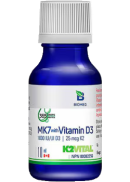
- 25 mcg
- Vitamin K2 (Menaquinone 7)
- 25 mcg (1000 IU)
- Vitamin D3 (Cholecalciferol)
Coconut oil, medium chain triglycerides, lemon flavour
Store at room temperature in a cool dry place. Keep out of reach of children. Safety sealed for your protection, do not use if safety seal is broken or missing.
 Liquid
10ml
Adults: 1 drop (0.028 ml) once daily.
- Build and maintain strong teeth and bones
- Helps prevent Osteoporosis
- 365 drops per bottle
- MK7 is the most stable form of vitamin K2
- Dairy, & Gluten Free

Science-Driven. Results-Proven. Biomed at National Nutrition
Founded in 1995, Biomed is a proudly Canadian, independently owned supplier of professional-grade nutraceuticals and remedies. Guided by naturopathic and biological medicine principles, Biomed develops products and education that address the root cause of health concerns while advancing clinical understanding. From supplements and drainage remedies to organotherapy, homeopathics, and isopathics, Biomed delivers trusted solutions for integrative care. Biomed is committed to quality, excellence, and supporting healthcare providers in improving patient outcomes. Read more >- Reviews
- POST A NEW REVIEW
THE ADVANTAGES OF COMBINING VITAMIN K & VITAMIN D
Vitamins are indispensable to maintaining good health, but some work even better when taken together. Vitamins K and D are a perfect example, both of which are involved in a variety of bodily functions. While each vitamin offers unique health benefits, their combination in supplements is becoming increasingly popular due to their complementary actions. Let's take a look at each individually and then explore their synergistic effects when combined.
How Does Vitamin K Support Health?
Vitamin K is a fat-soluble vitamin that plays a crucial role in blood clotting and bone health. It exists in two main forms: vitamin K1 (phylloquinone), found in leafy greens like spinach and kale, and vitamin K2 (menaquinone), which is produced by bacteria in the gut and also found in fermented foods and animal products. Overall, Vitamin K is essential for activating proteins that help blood clot properly, which is critical for wound healing. Additionally, it contributes to bone strength by helping the body use calcium effectively.
In recent years, vitamin K2 has garnered particular attention for its role in bone and cardiovascular health. Indeed, research has shown that it helps direct calcium to the bones where it is needed while preventing its buildup in the arteries, a process that can lead to heart disease (atherosclerosis). This dual action makes vitamin K an essential nutrient both for a healthy skeletal system and optimal heart health.
Discover How Vitamin D Supports Health
vitamin D is another fat-soluble vitamin, often called the "sunshine vitamin," because the body produces it when the skin is exposed to sunlight. Vitamin D is well-known for regulating calcium and phosphorus levels in the body, which is vital for maintaining strong bones and teeth. It also offers significant support to the immune system, helps regulate mood, and has been linked to reducing the risk of chronic illnesses like diabetes and cardiovascular disease across the lifespan.
Vitamin D exists in two main forms: D2 (ergocalciferol) and D3 (cholecalciferol), with the latter being the more effective form in raising blood levels of vitamin D. While D2 is found in some plant sources, D3 comes exclusively from animal sources and is synthesized in the skin through sunlight exposure. Deficiency in vitamin D can lead to bone-related issues such as osteoporosis in adults and rickets in children, as well as a weakened immune system. Other consequences of vitamin D deficiency include heart disease and stroke, depression, multiple sclerosis, type 2 diabetes, and other conditions.
Advantages Of Combining Vitamin's K & D
Though vitamins K and D serve distinct roles, they work synergistically in the body, particularly when it comes tocalcium metabolism. Indeed, while vitamin D promotes calcium absorption from the diet into the bloodstream, without vitamin K, calcium may not be efficiently directed to where it is needed most—the bones. Instead, it could end up in soft tissues like the arteries, leading to calcification and increasing the risk of cardiovascular disease.
Vitamin K, especially K2, helps prevent this issue by ensuring calcium is deposited in the bones, not the arteries. Taking these two vitamins together is a proactive step that helps reduce the risk of fractures, improve bone density, and lower the likelihood of arterial calcification, making you a responsible guardian of your overall well-being.
Synergistic Health Benefits Of Vitamins K & D
Bone Health: Help in calcium absorption and utilization, strengthening bones and reducing fracture risk
Cardiovascular Health: Prevent calcium buildup in arteries, reducing risk of heart disease and stroke
Immune System Support: Boost immune function
Mental Health: Support mental well-being
Energy Levels: Enhance overall energy
Nutritional Gaps: Useful for those lacking sunlight or dietary sources of vitamins K and D
Combination Supplements: Formats, Potencies, And Recommended Dosages
Vitamin K and D supplements are available in a variety of delivery formats. The most common forms include capsules, soft gels, tablets, and drops. Some supplements combine vitamin K2 and D3 in a single formula to simplify supplementation.
Typical potencies for vitamin D3 range from 1,000 to 5,000 IU, depending on the individual's needs and sun exposure. For vitamin K2, potencies typically range from 100 to 200 micrograms. The right dose for you will depend on factors such as age, gender, bone density, and cardiovascular health.
Lifestyle Tips To Help You Manage Bone & Cardiovascular Health
While vitamin K and D supplements can be valuable allies for bone and cardiovascular health, they are most effective when combined with a holistic approach to wellness. Regular weight-bearing exercises like walking, jogging, or strength training are vital for maintaining bone density and cardiovascular fitness. Activities that stress your bones also help stimulate bone formation and strength.
Additionally, a balanced diet rich in fruits, vegetables, lean proteins, and healthy fats is ideal for supporting overall health. Ensure adequate intake of other essential nutrients like magnesium and omega-3 fatty acids, which play important roles in bone and heart health. Staying hydrated and avoiding excessive alcohol and smoking further promote bone and cardiovascular health.
Back to Top ↑
-

Ignite - Sx For Her - 20 Caps - Ignite - Sx
Sale: $54.99
Reg.: $64.99 (Save $10.00)
-

Sale: $15.99
Reg.: $17.99 (Save $2.00)












