

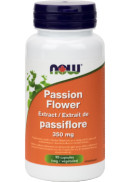
- 350 mg
- Passion Flower Extract (Passiflora incarnata) (Flower and Aerial Parts) (min. 3.5% Vitexin)
Cellulose (capsule), Ascorbyl Palmitate and Silica.
This product may cause drowsiness. Pregnant/lactating women or those currently taking any medications, please consult your healthcare practitioner before using this product. Contains no: sugar, salt, yeast, wheat, gluten, soy, milk, egg, shellfish or preservatives.
 Veggie Caps
90 V-caps
As a dietary supplement, take 1-2 Vcaps daily as needed.
- Natural Stress Relief
- Standardized 3.5% Extract
- Supports a Calm Mood
- A Dietary Supplement
- 100% vegetarian/vegan

- Reviews
- POST A NEW REVIEW
Reviews By Rating
helpful votes
2
2 customers found this product review helpful
Passion flower is a vine that is found along the roadside in many North American locations. It has been used traditionally as a sedative, reducing hyperactivity and anxiety. Passion flower's chemical components, maltol and ethylmaltol relax areas of the brain and reduce muscle tension. They bind to the same receptors that are used by sedative medications. Passion flower can be used for stress, anxiety, insomnia, hyperactivity and nervousness.
Dried passion flower can be made into a tea. Passion flower can also be purchased in capsules or as a tincture. Passion flower may be found in formulas for relaxing the mind and body. It seems to work well when taken with other sedating herbs like valerian.
Due to passion flower's sedating action it may increase the effect of some anti-anxiety, anti-depressive, or sleep inducing medications. Do not use passion flower when performing activities that require alertness. Theoretically passion flower may stimulate the uterus and should be used with caution in pregnant women.
Get a Better Nights Rest
We need deep and sound sleep to allow both our bodies and our minds to recuperate from the challenges and (often) stress of our daily lives. When we don't get enough good quality sleep, it affects our body in many ways. Many bodily processes are regulated by sleep for example production of certain neurotransmitters and hormones. If the specific glands and cells do not receive the correct messages produced by sleeping, then the healthy amount of these important substances may not be produced. Depression may result in the case of neurotransmitter deficiency. Fatigue or anxiety may result in the case of insufficient adrenal or thyroid hormones. Feeling tired frequently can reduce someone's enjoyment of life.
Many factors can affect whether or not you are able to get to sleep deeply and soundly on any given night.
Stress can have a large impact on your ability to relax and subsequently get to sleep. Chronic neurotransmitter deficiencies can make it difficult to get to sleep no matter how hard you try. Nutritional deficiencies can make reduce your body's ability to produce these important brain hormones.
Nutritional support for insomnia should include supplements to address each of these factors, including: stress reduction, optimizing neurotransmitter production, addressing potential sleep disorders, and taking supplements to improve overall sleep quality.
Stress reduction can be supported with a number of effective and safe nutritional supplements and herbs. A foundation for any stress reduction program should always include nutritional and herbal support for your adrenal glands. Use a combination of B complex and vitamin C along with a herbal adrenal formula that includes siberian ginseng, licorice, and ashwaghanda or rhodiola. Most people notice that this combination helps to take the "edge" off of stress.
Optimizing neurotransmitter production is crucial, as these are the chemical messengers that tell your brain when it's time to go to sleep. Melatonin is a neurohormone that regulates your sleep cycle. Often used for jet lag, it help to "reset" your sleep cycle when it has been disrupted by travel or irregular sleeping. The amino acid 5HTP is the direct precursor to the neurotransmitter serotonin, which is partly responsible for sound sleep, healthy mood and for feeling calm. The herb St. John's wort can also help to elevate neurotransmitter levels and can also help reduce anxiety and nervousness. None of these should be taken with recommendation antidepressants.
Sleep disorders like sleep apnoea are difficult to treat and require a formal sleep study for a positive diagnosis. Restless leg and periodic limb movement syndrome are other common sleep disorders.
Nutritional supplements and herbs can be of benefit, in particular those recommended in this article for stress reduction. Those specific for getting or staying asleep can be of some benefit as part of an overall sleep improvement strategy along with conventional treatments.
The ability to get to sleep and stay asleepcan also be supported with several nutritional supplements and herbs. The active ingredient in the herb valerian bonds to relaxation receptor sites in the brain. While not as effective as pharmaceutical sleeping pills, valerian is clinically proven and will not cause a hangover in the morning. Chamomile tea, passion flower, and hops can also help you get to sleep. Fast acting sublingual lozenge form melatonin is an effective alternative to addictive sleeping pills. Use the regular, slower acting tablets or capsules to help you stay asleep.
Conventional treatment of insomnia involves sedative or tranquilizing medication. Sedatives make insomnia worse because they induce a sleep that lacks normal REM patterning. They also are psychologically and physically addicting. Tranquilizers side effects include confusion, sluggishness, restlessness, anxiety and dependency. Over the counter sleep medications have side effects such as agitation, confusion, depression, dry mouth and a worsening of prostate conditions. Overall, individuals on sleep medications are 50% more likely to die in accidents than those who are not on such medications.
Back to Top ↑
-

IBS Urgency (10 Billion) - 60 Caps
Sale: $59.99
Reg.: $67.98 (Save $7.99)












