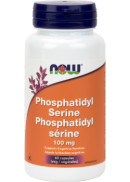
- 100mg
- Phosphatidyl Serine (from SerinAid®, Soy Lecithin)
- 100mg
- Choline (from Choline Bitartrate)
- 50mg
- Inositol
Cellulose, Veg Capsule (hypromellose, water), Silica, Magnesium Stearate (vegetable source).
Do not use if you are pregnant or breastfeeding. Natural colour variations may occur in this product.
 Veggie Caps
60 V-caps
Adult Dosage: Take 1 capsule 3 times daily with meals.
- Supports cognitive functions
- Involved in learning, memory and mood
- Enhanced with Choline and Inositol
- A good choice for seniors and those concerned with memory concerns
- Easy to swallow Vcaps
- Free from dairy, gluten, nuts, eggs

- Reviews
- POST A NEW REVIEW
PHOSPHATIDYL SERINE
A phospholipid compound derived from soy lecithin that plays an essential role in cell membrane composition and intercellular communication. Phosphatidyl Serine is a major structural component of neural membranes where it asists in the conduction of electrical impulses and facilitates the activity of neurotransmittters involved in learning, memory and mood. These properties make NOW Phosphatidyl Serine an ideal supplement for the support of cognitive function.
PS And Brain Function
Phospholipids are a class of fat-like molecules that promote cell membrane fluidity, facilitate cell-to-cell signaling, and assist in the processing of nutrients by the cell. Membranes are the fatty barriers that surround every cell and many structures within the cell. With age, our cell membranes tend to get stiffer and more resistant to the movement of molecules within the membrane, as well as to the transfer of molecules into and out of the cell. This decrease in molecular movement can result in reduced communication between cells and ultimately to increased cellular dysfunction and disease.
Phosphatidyl Serine (PS) is a naturally occurring phospholipid that is critical for the normal functioning of all cells. PS is the phospholipid most concentrated in the brain and nervous system, where it is important for the conduction of nerve impulses. In addition, PS is essential for the accumulation, storage, and release of neurotransmitters. In this way, PS supports brain and cognitive functions, including mood and memory.
PS Helps To Reduce Cortisol Production
Excessive stress, whether physical or emotional, forces the increased production of cortisol, a stress hormone, by the adrenal glands. While cortisol production is a normal and necessary part of the stress response, too much of it can accelerate many aspects of aging, including memory loss. Chronic excess cortisol levels prevent the brain's uptake of glucose and inhibit communication between brain cells. Consequently, excess cortisol can actually injure and destroy cells, resulting in cognitive decline.
The brain's response to stress appears to be related to PS. In 1992, a double blind, placebo-controlled studies involving healthy young men showed that PS could blunt the stress response induced by exercise. Furthermore, a more recent study has shown that PS supplementation may influence subjective feelings of stress and improve mood in young adults when placed in situations where stressful mental tasks were performed.
The Body's Need For PS
Although the body can make its own PS, humans still rely on receiving some from the diet. Modern diets, however, tend to be low in PS. Furthermore, production of phospholipids declines with age. Therefore, supplementation with PS may be particularly helpful for anyone wishing to support memory and brain function.
Food For Your Brain!
Although the brain and nervous system is somewhat protected from factors which can invade other body cells, its segregation also makes it prone to the build-up of toxins and other harmful agents. Because it contains a significant amount of fat, fat-soluble toxins like heavy metals, and environmental chemicals, like DDT, can concentrate in the brain.
Poor diet hampers the functioning of the central nervous system because it is an extremely vital area that has high metabolic requirements. The brain uses only the sugar, glucose, for energy. Unlike other body cells, it cannot use protein or fat if sugar is unavailable. Everyone has felt the foggy feeling in your head when your brain is lacking sugar. And then, after consuming a sugary snack or drink, the temporary increase in alertness you feel.
Fats, amino acids and vitamins must also be in abundant supply for nervous system functioning. The brain and nerve sheaths are made of fats that are deficient in the standard North American diet. This results in compromised nerve conduction and brain cell communication. amino acids are obtained in the diet from protein and make up neurotransmitters. Neurotransmitters are nervous system hormones that coordinate brain cell functions. Several vitamins, especially B vitamins, are important for the production of neurotransmitters and the efficiency of nerve transmissions.
Undergo regular detoxification, under the guidance of a health professional,to rid the body of toxins. Drink 2L of filtered water daily to help to flush toxins from the system. Essential fatty acids stabilize the nerve sheath. Flax, pumpkin and sunflower seed oils should be a daily addition to the diet. Fish also contain essential fatty acids but are usually contaminated with heavy metals. Saturated fats from animal sources, margarine and shortening interfere with the use of essential fatty acids and should be avoided. Consume foods that are high in lecithin and B vitamins including green, leafy vegetables, nutritional yeast and soy products. Eat more fibre and protein, as it helps to stabilize blood sugar.
Back to Top ↑