

A-Z inflammation support Articles

  • Curcumin Supplements

    You are probably familiar with turmeric as the spice that gives curried dishes their characteristic colour and flavour. Turmeric (or curcumin) contains antioxidant chemicals called curcuminoids that neutralize free radicals, fight inflammation, and more. However, the spice doesn't offer enough bioavailable curcuminoids to reap major health benefits, that's where curcumin supplements come in.

    The use of turmeric (Curcuma longa) dates back to 4000 years ago in Vedic India, where it was used as a culinary spice and included in religious ceremonies. The name turmeric derives from the Latin word terra merita (meritorious earth), referring to the colour of ground turmeric, which resembles a mineral pigment. Turmeric is also known as "Indian saffron." In Sanskrit, turmeric has 53 different names, from vishagni (the killer of poison) to ratrimanika (as beautiful as moonlight) and jayanti (one that wins over diseases).

    Today, turmeric is used in kitchens worldwide, and curcumin is widely available as a supplement. Keep reading to learn everything you have ever wanted to learn about curcumin. But first, we will talk about the difference between turmeric and curcumin.

    What Is the Difference Between Curcumin vs Turmeric?

    Although curcumin and turmeric are sometimes used interchangeably, turmeric is the plant's root, while curcumin is its active ingredient.

    Turmeric has been used in cooking for centuries because of its bright yellow colour, and it's often added to dishes like curry, where it gives prepared mustard its bright yellow colour.

    Curcumin is a powerful antioxidant and anti-inflammatory agent that's been shown to have many health benefits. Turmeric contains between 2 and 9% curcuminoids. Of all the curcuminoids found in turmeric, curcumin is the most abundant and provides about 75% of the total curcuminoids. Curry powders contain turmeric and other spices but often contain relatively low amounts of curcumin.

    Most studies showing the benefit of turmeric or curcumin have used curcumin alone.

    How Can Curcumin Supplements Help?

    Curcumin is of benefit if you:

    • Experience joint pain
    • Suffer from an inflammatory condition
    • Want to support healthy aging
    • Want a healthy brain (including mood and cognition)
    • Have an active injury
    • Are healing from surgery

    Keep reading as we dive into how turmeric works for specific health goals.

    How Curcumin Supplements Work

    Curcumin, a Natural Anti-Inflammatory

    Free radicals are unstable molecules that cause damage to the body's tissues when they bump into healthy cells. Curcumin is an antioxidant, and its molecules contain an extra electron that can be donated to free radicals.

    Turmeric works for inflammation because these same antioxidant molecules inhibit inflammation anywhere within the body, thus acting as pain-relieving agents. Curcumin has been shown to improve joint mobility and reduce the pain and swelling associated with all forms of arthritis. This activity is equivalent to the effect of some NSAID drugs, without the side effects.

    Curcumin also lowers the level of harmful, or LDL, cholesterol and increases the level of helpful, or HDL, cholesterol. It increases circulation and blood flow. These properties make curcumin a good choice for individuals with compromised circulation, heart disease, and high cholesterol.

    Curcumin and Joint Pain

    Many people in their 30s and 40s have some joint degeneration, though not all of them experience symptoms.

    Interestingly, rates of joint pain are lower in countries that consume turmeric. Numerous studies show improved joint mobility and reduced joint pain from taking curcumin. The mechanism behind this is the ability of curcumin to stop some of the pathways that cause pain in the body. Supplementing with curcumin has been shown to reduce joint pain and improve joint mobility in both osteoarthritis and rheumatoid arthritis. That said, curcumin can also be used by active people who want to prevent joint degeneration, as well as those with active injury, to reduce pain and inflammation in the joints.

    Curcumin and Brain Health

    Turmeric supplements for brain health is very beneficial, in fact, curcumin has been recognized for its anti-amyloid properties to support brain health. A key feature of Alzheimer's disease is the development of amyloid plaques in the brain. Beta-amyloid is a normally harmless protein that builds up in the brain as we age. It is thought that some genetic defect in these proteins may be involved in the decline in neuronal activity in individuals suffering from Alzheimer's. Due to its anti-amyloid properties, curcumin is showing significant results in terms of treatment for these patients, improving their overall memory.

    Curcumin and Liver Health

    Consuming curcumin can help reduce oxidative stress and improve liver function by protecting the liver from toxins, improving liver function, and stimulating molecules and substances like glutathione and bile that enhance detoxification. Curcumin is a powerful antioxidant that can help keep your cells healthy by neutralizing free radicals. These substances are produced as a normal part of the body's metabolism but can do damage when they're not kept in check by antioxidants like curcumin. Curcumin has also been shown to have anti-inflammatory properties, which may explain how it protects against chronic inflammation. Inflammation is linked with many different diseases, including liver disease, but curcumin and turmeric supplements can support the liver and appears to be able to reduce inflammation without side effects.

    Curcumin and Antioxidant Benefits

    Curcumin acts as an antioxidant by neutralizing free radicals and unstable molecules with an unpaired electron. They can be present in the body due to food, chemicals we are exposed to (including pesticides), and even stress. Unfortunately, prolonged free radical attacks can accelerate the physical signs of aging. But because curcumin molecules contain an extra electron, they can neutralize free radical damage. Curcumin can also help combat oxidative stress, which occurs when the body is exposed to too many free radicals. Curcumin works by neutralizing these free radicals and preventing oxidative stress from occurring. Also, because it can regulate certain enzymes in the body, curcumin can help stimulate glutathione, our "master" antioxidant that helps detoxify the body by neutralizing harmful free radicals.

    Curcumin Absorbability

    Despite all its benefits, curcumin has very low bioavailability. Researchers have invested in simulations and animal studies to investigate how curcumin works in the body.

    In one animal study, researchers found that curcumin was absorbed in rates of 60 to 66%, regardless of the dose. This suggests that absorption of curcumin won't necessarily increase if a larger dose is taken.

    Researchers have examined various complex methods of increasing the bioavailability of curcumin, including blocking specific metabolic pathways in the body and changing the molecule. Lucky for us, the curcumin supplements available today are much more easily absorbed, ensuring that the key active ingredients will make it to where they will provide benefit. We'll get into more of those details in the next section.

    How to Use Curcumin as a Supplement

    Curcumin can be used as a spice (turmeric), an encapsulated herb, a dried herb, a tincture, or a liquid extract. Better-quality supplements are standardized, assuring the product contains a certain amount of the more well-known active constituents. Curcumin is found as a component of pain-relieving, anti-inflammatory, and cholesterol-lowering formulas. There are many curcumin supplements available in Canada, these include formats such as topical creams or gels for pain relief, and curcumin capsules and liquids.

    Standardized Curcumin 

    There are a variety of curcumin supplements available, and the potency varies. The recommended daily dose is 500 to 1000 mg, but you should look for a brand that states that the turmeric extract has been standardized to 95% curcuminoids.

    Enhanced Curcumin: Meriva and Longvida

    Curcumin is a lipophilic or fat-soluble substance. Our ability to absorb curcumin effectively is low; in other words, it has low bioavailability. Those in the health field have questioned its ability to reach the bloodstream for its therapeutic effect. Recently, supplement companies have started updating their formulations (liposomal curcumin, curcumin nanoparticles, and curcumin phospholipid complexes) to make curcumin more readily absorbed, with a significantly higher percentage of curcumin reaching the bloodstream.

    Two raw material suppliers to nutritional supplement manufacturers now produce enhanced curcumin extracts bonded to phospholipid complexes, dramatically improving the absorption and activity of curcumin. This gives better therapeutic results when used in clinical applications such as arthritis, detoxification, and brain health.

    Further Enhancing Bioavailability with Piperine

    Black pepper extract can enhance the absorption of curcumin. It works by slowing down the metabolic pathways that metabolize substances and increasing the bioavailability of some conventional drugs. Bioperine is one form of black pepper that has been shown to increase the bioavailability of curcumin by 2,000%.

    Curcumin Supplement Dosing

    Effective dosages range from 500 mg to 1,000 mg per day, although your health practitioner may recommend a higher dose.

    Curcumin Supplement Cautions

    Curcumin contains substances that decrease blood clotting ability; therefore, those with active bleeding or who use blood thinners, aspirin, or NSAIDs should use caution. For the same reason, stop using curcumin two weeks before surgery or dental procedures. Curcumin may alter the effectiveness of some heart and cholesterol medications. Some individuals have found it irritates the gastrointestinal tract, liver, and gallbladder.

    Curcumin FAQs

    Where can I buy curcumin?

    You can find curcumin at a quality health food store.

    What are the benefits of curcumin?

    Studies have shown that curcumin offers a wide range of benefits for inflammation, joint health, liver health, brain health, type II diabetes, heart health, and pre-menstrual syndrome.

    Are curcumin supplements safe?

    Yes! Curcumin supplements are safe and well-tolerated, and they have been evaluated in volumes of scientific literature.
  • Turmeric for Inflammation

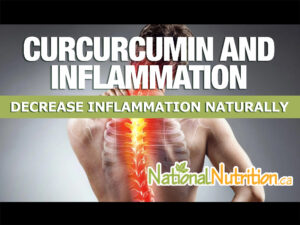
    Inflammation happens, but turmeric can help! Even if you eat well, stay active, and take care of ourselves, inflammation can sometimes creep in. Typically, when we think of inflammation, we think of joint pain due to arthritis. But inflammation can also manifest as joint pain, headaches, a skin rash, or a minor skin breakout. Thankfully there are natural ways to help with this, cue turmeric's anti-inflammatory properties.

    One of the best-known supplements to help manage inflammation is curcumin. Research has found that curcumin may help decrease inflammation by inhibiting pro-inflammatory enzymes and increasing levels of anti-inflammatory compounds.

    In this article, we'll cover what inflammation is and how curcumin, the active ingredient in turmeric, can help to tamper down the inflammatory response. Ready to learn? Let's go!

    What is Inflammation?

    We often think of inflammation as a negative reaction our body has, but inflammation isn't always bad.

    Inflammation is the body's response to injury or irritation. It helps heal wounds, clear infections, and remove damaged cells from the body. Inflammation occurs when white blood cells rush to an affected area to repair it and fight off infection. These cells release chemicals that cause nearby blood vessels to become larger and more permeable to bring more nutrients into the damaged tissue, a process called vasodilation.

    Inflammation also causes pain and swelling because it stimulates nerve endings in your skin (called nociceptors). This means that even minor injuries can trigger inflammation, increasing the sensitivity of these nerves. That's why it's important to have turmeric on hand, a natural anti-inflammatory.

    Inflammation And How Turmeric Can Helps

    Curcumin is a natural antioxidant that contains anti-inflammatory properties. It is derived from the root of turmeric and has been used in Ayurvedic medicine for centuries to treat various health conditions, including inflammation.

    Curcumin has been shown to reduce symptoms associated with arthritis and other inflammatory conditions such as Crohn's disease, psoriasis, and ulcerative colitis. Here's a summary:

    • Osteoarthritis is a type of joint pain related to aging and the wearing down of cartilage in your joints. It's especially common in the knees, hips, and hands. Curcumin from Turmeric has been shown to decrease inflammation and pain and swelling associated with osteoarthritis. However, it is not a cure for arthritis. Instead, curcumin works with your body's natural processes to ease the discomfort associated with arthritis.
    • Rheumatoid arthritis (RA) is an autoimmune disease that affects joints, especially in the hands and feet. Turmeric has long been used to treat arthritis, and studies have shown that curcumin can help reduce inflammation associated with rheumatoid arthritis.
    • Ulcerative colitis is an inflammatory bowel disease (IBD) that causes ulcers in your colon, rectum, and/or stomach lining. Turmeric has been shown to help with symptoms associated with ulcerative colitis, such as abdominal pain and diarrhea. Additionally, supplementing with curcumin was associated with a lower disease relapse rate.

    How does it do this? Turmeric helps reduce inflammation by inhibiting the production of pro-inflammatory molecules called cytokines, growth factors, and enzymes like COX-2. COX2 produces chemicals called prostaglandins that cause pain and swelling when there's an injury or infection. By inhibiting COX2 activity, curcumin reduces inflammation at its source.

    In addition to its anti-inflammatory properties, curcumin has antioxidant properties that can help protect against oxidative stress caused by free radicals or reactive oxygen species (ROS).

    Plus, studies have found that turmeric may be as effective as NSAIDs at treating joint pain and stiffness but with fewer side effects. This is also great news for anyone who is sensitive to this class of drugs.

    Supplementing With Turmeric For Inflammation

    Curcumin supplements can be taken by anyone who has an inflammatory condition. Additionally, turmeric is a great supplement to have on hand for other inflammation issues, such as:

    • Post-workout
    • To support headaches and muscle aches
    • To keep on hand for injuries

    It’s important to note that while curcumin is naturally occurring in turmeric, supplement forms are not always standardized. Some brands may contain more bioavailable forms of curcumin than others. Ideally, curcumin supplements should be standardized to 95% curcumin.

    People with gastrointestinal disorders, biliary obstruction, or active bleeding should use caution when taking turmeric. Do not use turmeric and heart medications, cholesterol medications, blood thinners, aspirin, or nonsteroidal anti-inflammatory drugs (NSAIDs) simultaneously. Stop using turmeric two weeks before surgery or dental procedures.

    In conclusion, inflammation is a normal response to injury or irritation, but it can become a problem when it becomes chronic or prolonged. Curcumin is a natural antioxidant with anti-inflammatory properties, these properties are what make turmeric great for reducing inflammation in the body. This means that if you have arthritis or other inflammatory conditions, curcumin may help relieve joint pain and stiffness while reducing the side effects associated with traditional medications like NSAIDs (nonsteroidal anti-inflammatory drugs).

    Curcumin FAQs

    Where Can I Buy Curcumin?

    You can shop our top curcumin picks here.

    Will Curcumin Lower Blood Pressure?

    Yes, curcumin has been shown to lower blood pressure and should be used with caution if you take medication to lower blood pressure.

    Is Curcumin Gluten-Free?

    Curcumin is gluten-free.

    Can I Take Turmeric With Ibuprofen for Inflammation or in General?

    Yes, turmeric can be taken with ibuprofen or other pain relievers without adverse effects.

    References

    https://pubmed.ncbi.nlm.nih.gov/25337545/

    https://pubmed.ncbi.nlm.nih.gov/22407780/

    https://pubmed.ncbi.nlm.nih.gov/3546166/

    https://pubmed.ncbi.nlm.nih.gov/16413584/

  • Understanding Omega 3 Essential Fats

    Omega 3 fatty acids are essential because they have to be taken in through diet, in order to have their many medicinal effects. Both flax and hemp seed/oils are the highest vegetable sources of omega 3, Alpha linolenic acid (ALA), considered a short chain fatty acid.

    How Your Body Uses Omega 3's

    Fish and fish oils contain EPA and DHA omega, long chain polyunsaturated fatty acids. In the human body, under optimal conditions, you can convert a certain amount of ALA to DHA and EPA. However, it is not always the case that we have excess ALA to convert, and it has been shown that our conversion process is very inefficient, converting anywhere from only 5% - 20% of what is needed. Women are said to be slightly more efficient at this conversion process than men.

    Food Sources Containing Omega 3 Fatty Acids

    If you would rather obtain their nutrients through food, as opposed to supplements it's important to note that you would need to eat a lot of fish to get adequate amounts of omega 3's and there are legitimate concerns with the over consumption of fish, especially during pregnancy, in terms of high levels of contaminants.

    In pregnancy, methyl-mercury, which crosses the placenta can impair development of the central nervous system. Fish contains both polychlorinated bi-phenyls and methyl-mercury, which among other health concerns has been found to be neurotoxic in high amounts.

    High quality fish oil supplements significantly reduce the levels of these contaminants and are a healthier solution for many. That being said, reviews dedicated to health risk benefit analysis of fish intake do state that the benefits of fish consumption for a number of health parameters, outweigh the risks.

    The exception to this rule seems to be the consumption of fish in pregnancy, although extremely beneficial, these women do need to be careful to limit their intake (6 oz./wk is the current recommendation) while pregnant.

    Vegan Options For Omega 3 Supplements

    For vegans, especially, this can make it virtually impossible to get adequate amounts of DHA and EPA. Fish and fish oils are by far the most most easy to find and highest source of these essential fats. That being said, recently, some supplement companies have released an algae based DHA source. Research is also looking into sachi inchi, a plant native to the Amazon rainforest, high in omega 3 fatty acids.

    Top Health Benefits of Omega 3 Fatty Acids

    The health benefits of Omega 3 fatty acids,EPA and DHA in particular, have been widely studied and are both numerous and widespread in terms of health promoting actions.

    In terms of heart health, omega 3 fatty acids have been shown to lower cholesterol, triglycerides and high blood pressure.

    There has also been significant research dedicated to omega 3 oils, DHA and EPA in particular, and its ability to protect against obesity. It has been shown to help reduce body fat, supporting a healthier BMI and hip to waist circumference ratio. All of these benefits serve to make it useful in terms of treating and preventing heart disease and metabolic syndrome.

    Omega 3 fatty acids have also been shown to have an affinity for the central nervous system, helping to treat and prevent cognitive decline, protect memory, treat depression, bipolar disorder, attention deficit disorders and schizophrenia.

    They are also an great option to support a variety of autoimmune conditions, including SLE, IBD and rheumatoid arthritis.

    Studies have also backed its use in Osteoporosis, Asthma, psoriasis, eczema, and other dermatological disorders, macular degeneration and PMS. Omega 3 fatty acids, DHA in particular, has been associated with the development of the brain, eyes, and immune system of a growing fetus, as well as decreased risk of low birth weight infants. Supplementation is highly recommended for both maternal and fetal health during pregnancy.

    Omega 3 Supplement Varieties, Dosing & Formats

    Dosage recommendations for omega 3 fatty acids vary depending on the disease process or overall goal. If your goal is to lower your triglyceride level, for instance, it is recommended you consume 3-4 g/day, whereas studies aimed at treating depression found that only 1 g of EPA/day showed better results than higher dosages of 2 and 3 grams. It is important to know that whatever dose you are recommended, you are looking at the right numbers. On the bottle you will see the total omega content, as well as the specific omega content; DHA, EPA, etc. If you have been advised to take 2 g of EPA + DHA/day, make sure you are looking at the breakdown and that you are following these numbers, rather than looking at the total omega count.

3 Item(s)

First name is required!
Last name is required!
First name is not valid!
Last name is not valid!
Please enter a valid email address.
Email address is required!
This email is already registered!
Password is required!
Enter a valid password!
Please enter 6 or more characters!
Please enter 16 or less characters!
Please ensure your passwords match.
Terms and Conditions are required!
Incorrect FormKey!
Incorrect Email or Password!
reCAPTCHA is mandatory. Click check box beside I am not a robot
Invalid login/register data, Kindly contact customer service agent.








