A-Z natural anti-inflammatory Articles

  • Boswellia

    Boswellia is a fragrant resin from the tree Boswellia serrata that is touted for its anti-inflammatory benefits. It is an established and well-known plant in Ayurvedic medicine that is often commonly called "Indian Frankincense." This herb contains boswellic acids, which have been shown to have anti-inflammatory properties and encourages healthy cell growth.

    Traditional Medical Uses For Boswellia

    In Ayurvedic medicine, boswellia has been traditionally used for infections such as dysentery, ringworm, boils and respiratory infections. It was used both internally and topically (applied to the skin).

    Key Health Benefits of Boswellia

    Anti-inflammatory and Alternative to NSAIDs

    There are a number of animal studies and some newly started clinical trials that are supporting the use of Boswellia extract in a number of inflammatory conditions such as: inflammatory bowel disease (IBD), rheumatoid arthritis (RA), osteoarthritis (OA), and asthma. This supplement is touted as a great alternative to NSAIDs (non-steroidal anti-inflammatory drugs) such as: aspirin, ibuprofen and naproxen. It is strongly effective in a number of conditions, while at the same time it does not cause the same gastrointestinal side effects, such as ulceration of the lining of the digestive tract.

    Encourages Healthy Cell Growth

    This extract has been studied for its ability to promote healthy cell growth. Some examples from the research show it's particularly good at helping healthy cells develop in the breasts, pancreas, and the brain. In each case Boswellia has been found to induce apoptosis (programmed "cell suicide") in the targeted abnormal cells. Further research is required, but the initial results look promising.

    Selecting Quality Boswellia Supplements

    Most boswellia supplements are made as encapsulated dried gum. Better quality supplements are standardized to the amount of boswellic acids (65% is recommended). This is an assurance that the product contains boswellia and has some active properties. Tinctures of the gum and resin are more difficult to find.

  • Ginger Essential Oil

    Plant Information

    Plant History

    Ginger oil is derived from the root of the Zingiber officinale herb, better known as the Ginger plant. It is originally from India, China and Java and in the 10th-15th centuries, was brought to Europe to be used as a spice. Although it makes a great condiment or flavouring agent, it had been documented in Sanskrit and Chinese texts for its exceptional medicinal properties. In Asian medicine, Ginger was dried and used to make teas to treat an upset stomach or to alleviatecold symptoms. In Ayurvedic medicine, Ginger essential oil has been used to soothe emotional turmoil such as; nervousness, sadness, low self-confidence and lack of enthusiasm by diffusing the oil or adding to warm baths. In its origins, Ginger and the oil were also known to be used to decrease inflammation, arthritic pain, assist fevers, colds and respiratory ailments, support feelings of nausea and menstrual cramps and was used in culinary dishes for its anti-microbial properties.

    Botanical Information

    Ginger is a perennial herb that belongs to the same family as turmeric and cardamom and can reach 3-4 ft in height. The narrow, spear shaped leaves grow up the stalk and white or yellow flowers grow from the root of the plant.

    Growing Information

    To successfully grow ginger, it is advised to soak the root in warm water overnight to prepare it for planting. It is best to plant right into the desired area, rather than uprooting later. If planting indoors, fill a wide pot (the roots grow horizontally) with a well draining potting soil that is rich with nutrients. If planting outdoors, provide adequate space between plants and also use a well draining soil that contains adequate nutrients or fertilizer. Place the soaked root with eye buds pointing up and cover with 1 or 2 inches of soil and lightly water. Since ginger originates from subtropical climates, this plant likes a warm, moderately lit environment and thrives when watered regularly. It requires some patience as it is a slower growing plant, however after a couple of weeks some shoots may start to perk up and after a few months, it may be ready for its first harvest. 

    Parts Used For Ginger Oil

    For culinary use, the rhizome is used and for essential oils, the root of the plant is used. 

    Ginger Oil Information

    Extraction Method for Ginger Essential Oil

    Ginger essential oil is extracted through steam distillation from the unpeeled or dried root that’s been ground up. The ground up root is then placed into a steam apparatus where it heats up the plant and the oils are drawn out. The steam and oil travel through the apparatus where they are then cooled and turned back into liquids. The oil is then siphoned off the top of the water and used in aromatherapy practices.

    Active Ingredients Found in Ginger Oil

    The active ingredients found in ginger oil are: Camphene, B-Phellandrene, a-Pinene, Geranial, Zingiberene, ß-Bisabolene, ß- Sesquiphellandrene and Curcumene. 

    Ginger Oil Benefits & Applications

    Pain Support

    Ginger oil supports arthritic, muscular and menstrual pain and has also been known to assist in healing bruises when applied topically to the area. To use it to relieve such pain:

    • Dilute 9 drops of ginger in 15ml of carrier oil of your choice and rub or massage onto affected area. 
    • Fill a warm bath with 20 drops ginger and relax in the tub until water starts to cool. 
    • In a bowl of warm-hot water, add 4 drops of ginger and dip a hot compress into water. Hold compress on affected area, being sure to move it around regularly to avoid burning.

    Respiratory Help

    This essential oil is an expectorant, therefore it makes for a great decongestant during cold and flu season, breaks up phlegm and relives congested feeling associated with allergies and sinusitis. To use ginger oil to support symptoms of congestion and make breathing easier:

    • Bring 2 cups of water to a boil and add 4 drops of ginger, with a towel over the head, hold face 4” from pot and take deep breaths to inhale and exhale steam.
    • Place 6 drops ginger in a diffuser and run throughout the day or night as a vaporizer.
    • Dilute 9 drops of ginger in 15ml of carrier oil of your choice and rub on chest before bed. 

    Digestive Support

    Ginger oil is a stimulant and can help alleviate feelings of stomach upset, nausea, diarrhea, bloating and indigestion. To use it topically to help support these digestive symptoms:

    • Mix 4 drops ginger with 4 drops peppermint oil into 15ml of carrier oil of your choice and rub in a clockwise motion on the whole abdomen. 
    • In a bowl of hot water, add 5 drops ginger and place a hot compress in the water, take out and move around abdomen to alleviate symptoms. 
    • In a roller ball, mix 4 drops ginger with 10ml of carrier oil and rub on wrists to smell all day or simply inhale when needed. 

    Buying Quality Ginger Oil

    When shopping for ginger essential oil, look for one that is pure, potent and solvent free. This can be done by selecting an oil that has been steam distilled. Here's a range of high quality ginger oil to shop.


  • Turmeric for Inflammation

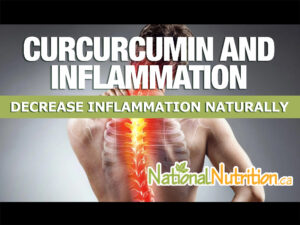
    Inflammation happens, but turmeric can help! Even if you eat well, stay active, and take care of ourselves, inflammation can sometimes creep in. Typically, when we think of inflammation, we think of joint pain due to arthritis. But inflammation can also manifest as joint pain, headaches, a skin rash, or a minor skin breakout. Thankfully there are natural ways to help with this, cue turmeric's anti-inflammatory properties.

    One of the best-known supplements to help manage inflammation is curcumin. Research has found that curcumin may help decrease inflammation by inhibiting pro-inflammatory enzymes and increasing levels of anti-inflammatory compounds.

    In this article, we'll cover what inflammation is and how curcumin, the active ingredient in turmeric, can help to tamper down the inflammatory response. Ready to learn? Let's go!

    What is Inflammation?

    We often think of inflammation as a negative reaction our body has, but inflammation isn't always bad.

    Inflammation is the body's response to injury or irritation. It helps heal wounds, clear infections, and remove damaged cells from the body. Inflammation occurs when white blood cells rush to an affected area to repair it and fight off infection. These cells release chemicals that cause nearby blood vessels to become larger and more permeable to bring more nutrients into the damaged tissue, a process called vasodilation.

    Inflammation also causes pain and swelling because it stimulates nerve endings in your skin (called nociceptors). This means that even minor injuries can trigger inflammation, increasing the sensitivity of these nerves. That's why it's important to have turmeric on hand, a natural anti-inflammatory.

    Inflammation And How Turmeric Can Helps

    Curcumin is a natural antioxidant that contains anti-inflammatory properties. It is derived from the root of turmeric and has been used in Ayurvedic medicine for centuries to treat various health conditions, including inflammation.

    Curcumin has been shown to reduce symptoms associated with arthritis and other inflammatory conditions such as Crohn's disease, psoriasis, and ulcerative colitis. Here's a summary:

    • Osteoarthritis is a type of joint pain related to aging and the wearing down of cartilage in your joints. It's especially common in the knees, hips, and hands. Curcumin from Turmeric has been shown to decrease inflammation and pain and swelling associated with osteoarthritis. However, it is not a cure for arthritis. Instead, curcumin works with your body's natural processes to ease the discomfort associated with arthritis.
    • Rheumatoid arthritis (RA) is an autoimmune disease that affects joints, especially in the hands and feet. Turmeric has long been used to treat arthritis, and studies have shown that curcumin can help reduce inflammation associated with rheumatoid arthritis.
    • Ulcerative colitis is an inflammatory bowel disease (IBD) that causes ulcers in your colon, rectum, and/or stomach lining. Turmeric has been shown to help with symptoms associated with ulcerative colitis, such as abdominal pain and diarrhea. Additionally, supplementing with curcumin was associated with a lower disease relapse rate.

    How does it do this? Turmeric helps reduce inflammation by inhibiting the production of pro-inflammatory molecules called cytokines, growth factors, and enzymes like COX-2. COX2 produces chemicals called prostaglandins that cause pain and swelling when there's an injury or infection. By inhibiting COX2 activity, curcumin reduces inflammation at its source.

    In addition to its anti-inflammatory properties, curcumin has antioxidant properties that can help protect against oxidative stress caused by free radicals or reactive oxygen species (ROS).

    Plus, studies have found that turmeric may be as effective as NSAIDs at treating joint pain and stiffness but with fewer side effects. This is also great news for anyone who is sensitive to this class of drugs.

    Supplementing With Turmeric For Inflammation

    Curcumin supplements can be taken by anyone who has an inflammatory condition. Additionally, turmeric is a great supplement to have on hand for other inflammation issues, such as:

    • Post-workout
    • To support headaches and muscle aches
    • To keep on hand for injuries

    It’s important to note that while curcumin is naturally occurring in turmeric, supplement forms are not always standardized. Some brands may contain more bioavailable forms of curcumin than others. Ideally, curcumin supplements should be standardized to 95% curcumin.

    People with gastrointestinal disorders, biliary obstruction, or active bleeding should use caution when taking turmeric. Do not use turmeric and heart medications, cholesterol medications, blood thinners, aspirin, or nonsteroidal anti-inflammatory drugs (NSAIDs) simultaneously. Stop using turmeric two weeks before surgery or dental procedures.

    In conclusion, inflammation is a normal response to injury or irritation, but it can become a problem when it becomes chronic or prolonged. Curcumin is a natural antioxidant with anti-inflammatory properties, these properties are what make turmeric great for reducing inflammation in the body. This means that if you have arthritis or other inflammatory conditions, curcumin may help relieve joint pain and stiffness while reducing the side effects associated with traditional medications like NSAIDs (nonsteroidal anti-inflammatory drugs).

    Curcumin FAQs

    Where Can I Buy Curcumin?

    You can shop our top curcumin picks here.

    Will Curcumin Lower Blood Pressure?

    Yes, curcumin has been shown to lower blood pressure and should be used with caution if you take medication to lower blood pressure.

    Is Curcumin Gluten-Free?

    Curcumin is gluten-free.

    Can I Take Turmeric With Ibuprofen for Inflammation or in General?

    Yes, turmeric can be taken with ibuprofen or other pain relievers without adverse effects.

    References

    https://pubmed.ncbi.nlm.nih.gov/25337545/

    https://pubmed.ncbi.nlm.nih.gov/22407780/

    https://pubmed.ncbi.nlm.nih.gov/3546166/

    https://pubmed.ncbi.nlm.nih.gov/16413584/

3 Item(s)

First name is required!
Last name is required!
First name is not valid!
Last name is not valid!
Please enter a valid email address.
Email address is required!
This email is already registered!
Password is required!
Enter a valid password!
Please enter 6 or more characters!
Please enter 16 or less characters!
Please ensure your passwords match.
Terms and Conditions are required!
Incorrect FormKey!
Incorrect Email or Password!
reCAPTCHA is mandatory. Click check box beside I am not a robot
Invalid login/register data, Kindly contact customer service agent.