A-Z wellness Articles

  • Ahcc

    The acronym AHCC stands for Active Hexose Correlated Compound, which is a registered trademark of Amino Up Co. Ltd. It is an extract of the root threads of shiitake (Letinula edodes) and other mushrooms fermented in rice bran. Let's explore how AHCC supplements can help your health and well being.

    Top Health Benefits of AHCC Supplements

    Immune Benefits

    AHCC has been found to benefit the innate immune response. Innate immune cells are those that do not require a previous exposure to a pathogen in order to respond. These are cells such as natural killer (NK) cells, macrophages, monocytes, neutrophils, and mast cells.

    Research has found that AHCC significantly increases natural killer (NK) cell activity in those with unhealthy cell growth. These NK cells are the immune cells responsible for directly attacking abnormal and virally infected cells in the body. In the same way, AHCC may be able to boost the immune response and actually prevent infections – particularly those caused by viruses. Some initial research has shown potential protection provided against the influenza (flu) and West Nile viruses, by a boosting of the innate immune response.

    Healthy Cell Renewal

    Interestingly, in addition to innate immune benefits, AHCC has also been shown to boost killer T cells and certain cytokines that promote a beneficial adaptive immune response in those with unhealthy cell growth. It has also been shown to improve healthy cell regeneration, most specifically in the liver. In fact, AHCC is widely used in Japan and China for these health issues, particularly to protect the immune system.

    Diabetes Support

    Some research has shown the diabetic patients can also benefit from supplementation of AHCC. It has been found to reduce blood sugar levels and help to promote blood sugar stabilization, which results in lower hemoglobin A1c levels (HbA1c). Further research is required in this area.

    Shopping For Quality AHCC Supplements

    This supplement can be found alone in tincture and powdered form, and there are a number of mushroom blends that contain AHCC. The recommended dose of AHCC has not yet been well established and recommended dosages range from 500mg to 3g daily, with lower doses being used for maintenance, while higher doses are used for more aggressive therapy.

  • Aromatherapy

    Aromatherapy is the use of volatile plant oils, including essential oils, for both physical and psychological well-being. The principles of aromatherapy share a common goal of helping clients to achieve a balance between body and mind.

    What Is Aromatherapy?

    There are two mechanisms to explain how aromatherapy works. The first follows the theory that the aroma of the oils has a direct influence on the brain through the olfactory system, our nose, and the aromas travel to the limbic system of the brain.

    The limbic system helps regulate emotions, memory, and hormone activity. It also plays a role in sensory perception and motor function, as well as olfaction, the sense of smell.

    What Are The Health Benefits of Aromatherapy?

    Versatile as a mode of treatment, aromatherapy offers improvement for mental and emotional issues such as anxiety, depression and insomnia while also treating symptoms like difficulty concentrating and muscle and joint pain. Aromatherapy may help relieve exhaustion, nausea, and headaches. It may also support respiratory health, stress management, and libido. Some studies suggest aromatherapy may also support healthy immune function.

    Practitioners use aromatherapy to support many health concerns. However, scientific evidence remains limited because treatments are highly individualized.

    Aromatherapy is a well-known treatment for low libido and overall stress reduction. Research is limited on aromatherapy because individualized treatment makes clinical research challenging.

    What To Expect At An Aromatherapy Session?

    Most, aromatherpay sessions include a massage using customized essential oil blends. However, some sessions may not include massage. The first session is likely to take between one and a half and two hours. The therapist will take a detailed description of your past and current medical history, as well as general information about your personality and temperament. It is common for the aromatherapist to take particular interest in how you feel on the day of your appointment, where you feel the primary concern  in the body, and what you want to achieve during the session. Many aromatherapists incorporate their knowledge of chakras and their energy into choosing which essential oils to use.

    Aromatherapists mix essential oils like sweet almond oil, wheat germ, or grapeseed oil. They should explain each oil's purpose and therapeutic effects. This blend will be specific to you and your condition on that day. 

    Long-term goals may require repeated use of the same blend. Practitioners may also adjust blends as healing progresses.

    During treatment, you typically lie face up or face down on a massage table. Aromatherapy massage differs from the more conventional Swedish or sports style in that there is very little deep muscle work, because the blend of oils should do the work for the therapist. Instead, it's likely to be slow, soft and rhythmic. The body absorbs the essential oils, and they start to work, relaxing the muscles, stimulating the mind, improving appetite, etc, depending on what you are looking to achieve. The actual massage might take up to an hour and a half.

    Before you leave, the aromatherapist is likely to offer some advice for the next twenty four hours - helping the client get the very best from the treatment. Longer-term advice tends to begin after a few sessions, as the therapist and client establish trust and rapport. Most therapists will offer advice on longer-term preventative steps the clients could take to improve their quality of life. Many practitioners provide your customized oil blend for home use. They also explain how to incorporate scents into your daily routine.

    Shop Aromatherapy products available at NationalNutrition.ca

  • Autoimmune Disease

    The immune system is a powerful component of our bodies and is responsible for regulating our internal cellular replication and for protecting us from insult from the outside world. It fights infections, clears out debris, and kills improperly replicating (precancerous) cells in our bodies. Unfortunately, sometimes this incredible power can be misdirected at our own healthy cells, in a process known as autoimmune disease.

    How Does The Immune System Develop?

    Interestingly, humans are born without a fully functioning immune system. We initially receive antibodies and other immune proteins through our mother’s milk, thus making her immunity our own for the first few months. As we develop, our natural immunity grows, and our immune cells are trained to recognize “self” proteins and to become tolerant to them. Thus, in healthy individuals, the immune cells will not react to the body’s cells, but only to those foreign particles that are “non-self”.

    Immune Malfunction

    When the cells of the immune system do not properly achieve tolerance to the body’s cells, or if that tolerance is lost along the way, a number of autoimmune conditions result. Ultimately, the type of autoimmune condition is determined by the cell type or body protein that the immune system begins to target.

    Why Does Autoimmunity Occur?

    To this date, there has been no definitive theory on the cause of autoimmune reactions and disorders. There have been some instances of medications causing an autoimmune response, however. Many of the other theories emphasize a disruption in the immune system's response to stimuli. For example, one theory suggests that infections can cause the immune system to attack itself as if it were an invader, and another theory is that certain foods cause similar defects in immune recognition. Energetic healers believe that autoimmunity is a manifestation of anger and conflict directed inward on the individual (self-hate). In this theory, the emotional energy from the conflict prompts the body’s immune system to attack cells.

    What Are Symptoms of Autoimmune Disease?

    The unique symptom set of each autoimmune condition is caused by the particular tissue or tissues under attack, but there are some symptoms that are common across the board. Because the immune system is mounting such a large attack, there are a number of symptoms that we would commonly associate with “feeling sick” and “run down”. Common experiences are: headache, fatigue, body aches, lightheadedness, nausea, fever, and malaise. Any combination of these symptoms may be present.

    Tips To Prevent Autoimmune Disease

    Unfortunately, because we do not yet understand the causes of autoimmune reactions, it is difficult to ensure prevention. We do, however, understand how to help reduce the risk of inflammation. Many things have been shown to help reduce the risk of autoimmune flare-ups. Maintaining healthy liver function is an excellent way to help ensure the smooth functioning of the immune system and to prevent future flares of autoimmunity. Avoiding allergenic foods and protecting the gut can also help to reduce autoimmunity, as over 70% of our immune system is actually located in our gut. It is of paramount importance to regulate the immune system by supporting its healthy function and preventing improper responses.

    What Are Common Autoimmune Conditions?

    Celiac Disease

    Interestingly, the cause of Celiac Disease has actually been established. When the intestinal lining is exposed to gluten, it causes an autoimmune cascade that quickly destroys the absorptive surface. This leaves the body unable to properly absorb nutrients, resulting in malabsorption and multiple nutrient deficiencies.

    Lupus (SLE)

    When the autoimmune attack is directed at the skin, organs, and joints, it causes a condition called systemic lupus erythematosus. This can lead to arthritis-like symptoms, scarring of the skin, and eventually organ damage. The most common diagnostic sign of Lupus is a “butterfly rash” across the cheeks and nose.

    Psoriasis

    A silvery-scaled rash is the characteristic sign of psoriasis. It is caused by an immune attack against the skin cells. This condition is not life-threatening but can have a significant impact on social interaction and self-esteem.

    Addison’s Disease

    Autoimmunity against the adrenal glands results in a reduced ability of the body to produce a number of steroid hormones. This results in a group of ambiguous symptoms, such as fatigue, fever, weight loss, abdominal pain, diarrhea, nausea and joint pain.

    Rheumatoid Arthritis (RA)

    Like most autoimmune conditions, the cause of rheumatoid arthritis (RA) is not completely understood. It consists of an autoimmune response against the joints and joint cartilage that causes redness, swelling, and stiffness. This can eventually lead to degeneration of the joints and loss of joint function.

    Multiple Sclerosis (MS)

    When the autoimmune response is directed against the myelin sheath surrounding our nerves, it can cause a number of problems. Without a protective nerve sheath, nerve transmissions can be lost, or “crossed wires” can occur. This results in episodes of blindness, dizziness, muscle weakness, numbness, stiffness, and pain. Eventually, complete loss of function can occur.

    Inflammatory Bowel Disease (IBD)

    Two conditions fit under the umbrella term known as Inflammatory Bowel Disease (IBD); these conditions are Crohn’s Disease and Colitis. The symptoms of both conditions are caused by an autoimmune attack against the intestinal lining. It is unclear whether this is an overzealous response against a pathogen or if it is a frank autoimmune attack against the body’s cells.

    Autoimmune Thyroiditis

    There are two major autoimmune attacks against the thyroid, one causes Graves’ disease, and the other results in Hashimoto’s Thyroiditis. In each case, the function of the thyroid becomes compromised, which results in a number of metabolic disturbances. For more information, please see our articles on Hashimoto’s Thyroiditis and Graves’ Disease.

  • Basil Essential Oil

    Basil essential oil is great for coughs, sore muscles and joints.

    Essentials oils have been used around the globe for centuries. They are used for both pleasure and medicinal purposes. Medicinally, certain essential oils can be ingested orally to have a biochemical effect on your body. Because essential oils are volatile, meaning they can evaporate into the air especially when added to hot water, they can be breathed in through your respiratory system.

    This can have a local effect on your sinuses, nasal passages and lungs. They can even enter your blood circulation through being inhaled which will then have a biochemical effect on your entire body. Topically essential oils work by penetrating your skin to affect an area locally and by penetrating your skin a small amount can enter your blood stream affecting your whole body. Applied topically, essential oils are absorbed through your olfactory nerve in your nose affecting your brain and nervous system. These various pathways can affect your health both mentally and physically. The study of Aromatherapy – the medicinal use of essential oils – falls under the new science called Psychoneuroimmunology, which is the study of the interaction of your psyche, nervous system and immune system. Science has shown that when you have a positive outlook and feel relaxed your immune system works better.

    Aromatherapy and the use of essential oils and resins from plants have been used in cultures globally since Biblical times. They were in such demand that they played an important role in international trade around the globe. In Egypt, high priests recorded the many medicinal uses of essential oils onto papyrus paper. Records show the Chinese used aromatic herbs and massage over 2000 years ago. And in Indian Ayurvedic medicine, essential oils were and still are used in massage and on pressure points to correct underlying imbalances and to improve health.

    How To Use Aromatherapy

    • inhaled through steam inhalation, humidifiers, diffusers, and vaporizers
    • added to a carrier oil and applied to your skin directly or as a hot or cold compress
    • spritzed onto objects like pillows, bedding and furniture
    • added to infusers, potpourri and candles to enhance the odour of an indoor space
    • applied to skin as perfume
    • used as a gargle or mouth wash, added to toothpaste, soaps, cleaning solutions, lotions and creams, face and body spray
    • added to baths, hot tubs, Jacuzzis, hand and foot baths and saunas

    What is Basil Essential Oil?

    Basil Essential Oil is oil extracted from the Basil herb widely used in cooking.

    Basil Essential Oil makes for a very potent concentration of Basil with all of its health benefits.

    Currently there are over 150 varieties of Basil and the variety called Ociumum basilicum is the most used for making an Essential Oil of Basil.

    Health Benefits of Basil Essential Oil

    Basil Oil can be used for many things. It is anti-viral and anti-bacterial. And it’s also great as a decongestant during colds, coughs or bronchitis. Basil opens your respiratory airways while it dries phlegm produced during a cough or cold. And in the process will kill the virus and bacteria causing the infection. So during a cold or cough rub Basil on your chest, neck and upper back, do steam inhalations, and put Basil Oil in a diffuser so it pervades your bedroom air at night, similar to how people use Eucalyptus Essential Oil.

    Basil Oil is also great for sore muscles and joints. So if you have arthritis apply some Basil oil to the affected area a few times daily for relief of aches and pains due to strained muscles and inflamed joints.

    Basil Oil is also great for headaches, migraines and menstrual pains. Apply Basil Oil topically to affected areas a few times a day for relief of pain.

    How Do You Use Basil Essential Oil?

    Topically: in a carrier oil like Jojoba, Sweet Almond or Grape Seed Oil:

    • Sore tense muscles
    • Aches and pains
    • Sore joints, Arthritis
    • Post exercise sore muscles
    • On chest and neck for colds, coughs, asthma, sinus infections
    • On affected areas for headaches, migraines or menstrual pain
    • On neck, chest and upper back for colds, coughs, bronchitis and other respiratory infections
    • Topically for tooth infections and tooth abscesses

    Inhaled via steam inhalation, vaporizer, bath, diffuser or humidifier:

    • Coughs, colds
    • Bronchitis, pneumonia
    • Sinusitis, sinus infections

    Works synergistically with:

    • For colds – Eucalyptus, Oregano, Ginger, Balsam Fir
    • For sore muscles and Joints – Frankincense, Ginger, Rosemary, Balsam Fir
  • Bee Propolis Benefits For Health

    Bee propolis is a plant resin collected by bees for use in building their hive. It has bacteria fighting properties and studies chow that it stimulates immune cells called macrophages. Macrophages chew up infected cells and cellular debris. Bee propolis is touted for its many health benefits, let's delve into what some of those are.

    Bee Propolis Benefits & How To Use It

    One of bee propolis benefits is when it's applied topically on bruises, scrapes and cuts helps to prevent infection and speeds tissue healing. Taken internally propolis fights infection in the respiratory tract, stops coughing and soothes irritated throats. Bee propolis is sometimes added to mouthwashes and toothpaste. It fights bad breath by killing bacteria that colonize the mouth.

    Bee Propolis Supplement Varieties

    Bee propolis can be purchased fresh, as an extract or encapsulated. Fresh bee propolis should be in an airtight container and should smell and taste fresh. Bee propolis is often found in combination with other bee products, like royal jelly and pollen, or in formulas for immune boosting or allergies. It may be added to toothpaste, mouthwash or other breath freshening products. If you are using bee propolis for allergies local propolis is most effective because it contains minute amounts of desensitizing local pollen.

    Cautions & Warnings

    Do not use bee propolis if you are allergic to bees. To ensure that you do not react to bee propolis take a small amount first and watch for signs of any reaction. They can include rash, hives, wheezing and swelling.

  • Cacao Health Benefits & Uses

    Cacao beans come from a small evergreen tree called the Theobroma Cacao tree. It is the key ingredient of most high-quality chocolates. It however is different than cocoa and chocolate. Many commercial cocoa and chocolate are stripped of the health benefits of the cacao bean due to its bitter taste.

    What is Cacao?

    Cacao is the raw form of what is used to make commercial chocolate.

    The less refined or raw form of Cacao is highly medicinal and is available in most health food stores. It’s made by cold-pressing unroasted Cocoa beans. Once roasted it loses much of its medicinal benefits.

    Cocoa powder for baking and making chocolate is made from raw Cacao that has been roasted.

    The healthiest form of Cacao is the raw unroasted version.

    Key Medicinal Properties In Cacao

    It is rich in agents that enhance the production of ‘feel-good’ chemicals in the brain, notably serotonin and dopamine. This means Cacao possesses anti-depressant and mood-elevating properties.

    One of these mood-modifying compounds is Anandamide (from the Sanskrit ananda meaning ‘bliss’). This is a naturally occurring substance found in Cacao known as a cannabinoid, a member of the same psychoactive substances found in cannabis. It binds to the same sites as THC, the active chemical in marijuana, and produces a global feeling of euphoria.

    Another constituent in cacao which alters mood in a pleasurable way is PEA or Phenethylamine. PEA stimulates the production of dopamine. Dopamine is a neurochemical directly associated with sexual arousal and pleasure. It’s also found to be increased in the brain when we are in love and is especially amplified during orgasm. The feeling is similar to the ‘high’ experienced by runners and the endorphin release after exercise.

    Health Benefits of Cacao

    Helps Increase Production of Serotonin

    It is also high in the amino acid tryptophan. Tryptophan increases the production of serotonin, the brain’s ‘feel-good’ chemical. It promotes a highly desirable mood state and is often the target of anti-depressant drugs. No wonder it makes us feel so good!

    Improves Cardiovascular Health

    Flavanols have been found in high concentrations in certain fruits and vegetables, wine, grape juice, and berries. Flavanols are particularly high in Cacao. Epicatechins are thought to be the flavanols responsible for many of the health benefits of Cacao, especially for cardiovascular health. Studies have shown that Epicatechins in Cacao have a short-term benefit on LDL (commonly referred to as 'bad') cholesterol, has been shown to reduce blood pressure, improve vascular platelet function, as well as decrease insulin resistance, indicating Cacao in the treatment and prevention of metabolic syndrome.

    Potent Antioxidant With Anti-Inflammatory Properties

    Epicatechins in Cacao are potent antioxidants and have both anti-inflammatory and Nitric Oxide (NO) synthase-activating effects. NO activation may play a role in the reduction of stroke, heart failure and diabetes; all of the major causes of death in North America.

    Some data has linked a deficiency in epicatechins to these diseases, which explains why Cacao is so protective in preventing these diseases. Island-dwelling populations off the coast of Panama who consume an abundance of raw Cacao have been shown to have lower blood pressure levels and no age-related decline in kidney function, as well as overall significantly less mortality resulting from cardiovascular events. This protective effect is lost on the same population when they migrate to nearby cities where there is less raw Cacao consumption.

    Cacao Nibs As a Superfood

    As a superfood, it is a good source of minerals, particularly magnesium, zinc, iron, calcium, and potassium. These minerals are all important for healthy muscle function, especially for the heart and blood vessels. They help the heart to pump efficiently and the blood vessels to dilate and constrict as needed, which helps blood pressure.

    It is also a low-glycemic food, high in fibre and lowers blood sugar and insulin resistance.

    Cacao is high in Resveratrol, a strong antioxidant which can cross the blood-brain barrier and protect your brain from oxidative damage. Antioxidants are also very important to protect against unwanted cellular damage from stress, environmental toxins and metabolic waste, which our bodies produce daily.

    Cacao Supplements: Powder, Paste and Nibs

    Cacao comes in powdered, paste and nib forms. It is great added to baked goods, curries, yogurt, hot cereal and health shakes. By adding it to your food it increases the nutritional value up to tenfold!

  • Genuine Health

    You may know them for their flagship product, Greens+, but Genuine Health has done a lot more in the last 30 years. Here is the story of Genuine Health.

    The History of Genuine Health

    Genuine Health started when its founder, Stewart Brown, opened a health food store on Church Street in Toronto. This was in the late 1980s when the AIDS epidemic was taking hold in the community. In his store, Stewart helped people every day who were looking for alternative products to support unpleasant side effects from HIV medication.

    One day, a man named Sam Graci came into Stewart’s store with a unique product that he had developed. Sam Graci was a former guidance counsellor who had spent 20 years formulating a product to help support at-risk youth. Sam Graci was raised in the Niagara region of Ontario by parents who owned a produce store, and you could say that he was raised to appreciate the benefits that plants have on our bodies and our brains. In his research, Sam Graci learned that when the kids’ diets improved through the inclusion of more colourful plant nutrients, so did their behaviour and outlook on life.

    The product Sam Graci brought in was called Greens+, and as soon as he saw the effect that it had on his store’s customers, Stewart Brown knew that he had to do something to bring this formula to more Canadians.

    He sold his store and created Genuine Health to distribute Greens+ across Canada, and the rest is history.

    A History of Research and Innovation

    As it turned out, Greens+ was a first-of-its-kind product in North America. At the time, a product like Greens+ was unheard of. Health food stores sold single nutrients like vitamin C, and a formula that combined nutrients from plants was a new concept. But people loved it, and soon, Stewart was receiving anecdotal accounts of how Greens+ had improved people’s lives, noting that their energy, digestion, and sleep were improving. Stewart put Greens+ to the test, investing in independent, third-party research and evaluation. To this day, greens+ is the only natural health product that has been validated by nine studies.

    Genuine Health has gone on to produce other first-of-their-kind products and categories of natural health supplements.

    A Commitment to Science and Efficacy

    In its 30 years of active business, Genuine Health has formulated products based on available research and only sought out ingredients that are shown to be the most effective. Lastly, products are tested once they are manufactured to ensure purity and label claims.

    Genuine Health Products

    From being the first company to introduce protein powder as a lifestyle category to helping pave the way for fish oil supplements in Canada to bringing eggshell membrane to Canadians and developing the first complete fermented protein powder, Genuine Health has helped pave the way for supplements today. Let’s look at some of their top products that we sell at National Nutrition.

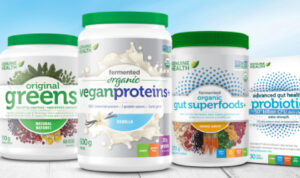
    • Greens+: This formula combines 23 different botanicals, superfoods, and sea vegetables into a single formula that does it all. For the last 30 years, die-hard Greens+ fans have relied on the product to enhance their energy, detoxification, and digestion, thanks to its rich blend of phytonutrients called polyphenols. Greens+ is available in different formulas to enhance energy, detoxification, and bone health.
    • Fast Joint Care+: This is a unique line of products designed to reduce joint pain in as little as five days. Made with a patented form of eggshell membrane that contains a range of naturally occurring proteins that nourish and repair joints. Fast Joint Care+ products are available in three different strengths, from mild joint pain to severe arthritis.
    • Fermented Organic Vegan Proteins+: This is another innovative product that our customers love. Launched in 2014, the formula is made with a blend of seven different vegan protein sources, the product is then fermented to reduce digestive upset and improve digestion (these are common complaints when people with digestive complaints take protein powders). The fermentation process also helps to make the protein more bioavailable to the body and can also contribute to gut health. And even though it’s fermented, it still tastes great! The company has since evolved the product to include only organic ingredients, earning it both Certified Organic and Non-GMO Project Verification.
    • Genuine Health Probiotic: Genuine Health’s advanced gut health probiotics were released in 2017 and have quickly become a favourite product line of National Nutrition customers. Made with a blend of probiotic strains to help mimic the ratios of lacto and bifidobacteria found in the gut for more efficient colonization of gut bacteria. Plus, this entire line is shelf-stable, making it a great choice for travel.

    Other popular product include, Genuine Health protein powders, Genuine Health green, collagen and omega 3's.

    Due to their well-developed products, it’s no wonder Genuine Health is a favourite amongst natural health enthusiasts and professionals alike. 

  • Nopal: A Nutritious Cacti

    Nopal is another name for the young, flat paddle portion of the prickly pear (Optunia spp.) cactus plant found in the Western United States and Mexico. It is not the fruit of this plant, and is different from prickly pear, although it can also be eaten.

    The Aztecs would use juice from this cactus to treat burns and other ailments, and they considered it sacred. This species is still consumed by people and wildlife today.

    Exploring The Nutrient Content of Nopal 

    Nopales contain fibre, vitamins, and minerals such as vitamin C, phosphorus, magnesium, potassium, and calcium. This is one of the reasons it is commonly used as a vegetable in many Mexican dishes.

    Key Health Benefits of Nopal

    Given nopal's nutrient content, it's no wonder it is packed with antioxidants which can help fight free radicals and protect your health. Other health advantages of nopal include:

    Nopales contain both soluble and insoluble fibre, which can help to lower cholesterol and stabilize blood sugar levels.Independent of its fibre content, nopal has also been found to help regulate blood sugar levels in non-insulin-dependent diabetes. This blood sugar effect was also seen in healthy individuals. Be sure to monitor your blood sugar levels closely when using this product and reduce your dose if you experience dizziness or fatigue.

    Potential Side Effects & Considerations

    While generally safe, nopal can have some side effects, including diarrhea, nausea, bloating, and heartburn. Pregnancy and breastfeeding: There isn't enough reliable information to know if prickly pear cactus is safe to use when pregnant or breastfeeding. 

  • Omega 9

    Omega 9 fatty acids are a subgroup of fats, many of which are essential for your body. Although omega 9 fats are extremely important for your health, it is not actually essential. In the presence of omega 3 and omega 6 fatty acids, our body can produce small amounts of omega 9.

    Understanding Fatty Acids

    A fatty acid consists of a carboxylic acid group with a long carbon chain tail. In science, these are drawn as kinky lines like this: ///////, with the ends and each point representing one carbon atom. In nature, there is usually an even number of carbon atoms in the chain. Omega 9 fatty acids get their name from having a double bond after the 9th carbon from the free tail of the chain.

    Symptoms of Fatty Acid Deficiency

    While omega 9 is not essential, deficiency can still result in certain physical symptoms in the body. Most commonly, a deficiency in omega 9 fatty acids results in dry, cracked, peeling skin, and dandruff. Because of its frequency in the diet, supplementation is only really necessary in severely deficient diets like those seen in starvation or anorexia.

    Key Health Benefits of Omega 9

    Omega 9 fatty acids may help to lower “bad” cholesterol (LDL) and raise “good” cholesterol (HDL), which can help to rebalance High Cholesterol. Normal dietary levels are sufficient for this effect.

    Omega 9 Food Sources

    The main types of omega 9 fatty acids that are important in the human body are oleic and erucic acids. Food sources of oleic acid are olive, peanut and sunflower oils. Erucic acid is found in rapeseed and mustard seed oils. Although canola oil is technically from rapeseed, it has been crossbred and genetically modified to reduce its erucic acid content. Foods that naturally contain omega 9 fats are: olives, avocados, sesame oil, and nuts, such as: almonds, peanuts, pecans, pistachios, cashews, hazelnuts, and macadamias. Simply using 1-2 Tablespoons of olive oil in your cooking each day will provide your body with more than enough omega 9 fats to sustain health.

  • Organika

    Organika has been making high-quality natural health supplements and foods right here in Canada for the last 30 years. They are a favourite brand of our customers here at National Nutrition (we've been carrying their products for the last 25 years). And it's for good reason: Organika's products are made to exacting quality standards and are available at a great price.

    Keep reading to learn more about Organika, including their humble beginnings, how they meticulously formulate their products, and which products you may want to discover here at National Nutrition.

    Organika's Brand History

    Organika Canada is a second generation family business operating out of beautiful British Columbia. They are passionate about making products that meet you wherever you are on your health journey, and support your overall health and wellbeing.

    Organika has had a long history of manufacturing high-quality supplements since 1990. The company began with a small line of supplements sold out of the back of Thomas Chin's van.

    Today, Organika is run by Thomas's son Aaron. The company has expanded rapidly, now manufacturing over 200 natural health products, including Organika Enhanced Collagen, Canada’s #1 selling collagen powder.

    At National Nutrition, we are proud to have a longstanding relationship with Organika. We have been selling Organika products for the last 25 years.

    Quality Manufactured Supplements in Canada: The Organika Way

    Organika formulates its supplements with ingredients that are non-GMO, high-potency, third-party tested, and organic where possible. All its products are free of artificial ingredients and fillers.

    Organika products are manufactured at Organika's own facility in Richmond, British Columbia, with the highest standards, from non-GMO ingredient selection to voluntary third party testing.

    Organika's products contain non-GMO, high potency, third-party tested, and organic ingredients whenever possible. Organika uses IGEN, a third party that verifies that ingredients are truly non-GMO.

    Organika products are free of artificial ingredients and fillers. To ensure safety, efficacy, and quality, Organika's products are reviewed, approved, and licensed by Health Canada before being sold. Organika goes one step further by testing all their products at Good Laboratory Practice (GLP) third-party certified labs. This level is not required by Health Canada; however, Organika chooses to go this extra step to ensure that their products are safe and effective for you.

    In addition, Organika's facility has regular 3rd party quality inspections by Health Canada and the Canadian Food Inspection Agency to ensure that the company delivers quality products that are safe for you.

    Organika also has a commitment to the environment. By 2025, the company's goal is to have 100% of their packaging transitioned to post-consumer recycled (PCR) plastics, resulting in less plastic in our oceans and a lower carbon footprint. That's something we can feel great about.

    Organika Products

    Organika makes well-known (and well-loved) products. Of the 200 products they make, these are the most popular in our store:

    • Grape Seed Extract: If you are looking for high antioxidant effects, reach for Organika's Grape Seed Extract instead of a glass of red wine. Grape seed extract contains a group of powerful antioxidants called oligomeric proanthocyanidins (OPCs). Studies show that OPCs are far more powerful than vitamins E and C. Additionally, they work with the body's main antioxidant, glutathione, to recycle vitamin C so it can continue fighting free radicals. OPCs are easily absorbed by the body and even cross the blood-brain barrier to provide protection to our brain and nerves. They are used for cardiovascular health because they strengthen the collagen lining of vessels, thus increasing circulation and decreasing inflammation and blood clots while keeping tissues like the skin elastic and preventing harmful cell formation. Each capsule of Organika's Grape Seed Extract contains GSE standardized to 85% to 95% Oligomeric Proanthocyanidin (OPC) in a base of citrus bioflavonoids.
    • Black Cumin Seed Oil: Organika's Black Cumin Seed Oil makes an excellent addition to a natural health regimen. It helps fight seasonal allergies and asthma, supports heart health, protects the liver, and provides overall immune support. Organika's Black Cumin Seed Oil provides 500 milligrams of cold-pressed Nigella sativa (black cumin seed oil) per serving.
    • Spirulina: Spirulina is a blue-green algae that is used as a natural health supplement. It is one of the most nutritious foods on earth, providing high amounts of protein, B vitamins, beta-carotene, and other antioxidants. Spirulina also contains small amounts of iron, calcium, and magnesium. Organika's 1000 mg of pure, premium-grade spirulina is packed with nutrients, including protein, vitamins, trace minerals, essential amino acids, carotenoids, and enzyme complexes. This superfood can be taken on its own or mixed into smoothies or juices.

    Where To Buy Organika Supplements

    As we mentioned, Organika also makes Canada's #1-selling collagen supplement. The Enhanced Collagen and Marine Collagen supplements from Organika have become best-sellers in recent years. The line includes powder and liquid collagens; Multi Collagen, which combines three sources of collagen; Electrolytes+ Enhanced Collagen, which combines hydrating electrolytes with collagen and vitamin C; Effervess tablets that combine collagen and vitamin C into handy effervescent tablets that can be taken on the go; and Beauty Enhanced Collagen to help you look younger.

    All these incredible products (plus many more!) are available at National Nutrition. We can't wait to have you stop by.

  • Red Clover

    The pretty flowering tops of the red clover are the medicinally active part of the plant. It is a phytoestrogenic agent. This means that it contains plant estrogens, compounds that look similar to human estrogen and can interact with estrogen receptors in the human body. The important thing to remember is that these plant estrogens only stimulate the receptors a fraction of the amount that the hormone estrogen would.

    Red Clover Health Benefits

    Red clover can be used to treat conditions of high estrogen activity, by blocking the activity of the hormone estrogen. It can also treat conditions of low estrogen activity by binding to vacant receptor sites and causing a bit of hormonal stimulation. It may be used to help menopausal symptoms, like hot flashes, anxiety and depression, and PMS. A liquid extract format is popular in Europe as a detoxification agent that targets the kidneys and liver.

    Choosing Quality Supplements

    Red clover supplements can be purchased as encapsulated herb, loose herb or liquid extract. Be sure to purchase a product that has been standardized to the isoflavone content. This is an assurance that the product contains red clover and has some active properties. It can also be found in formulas for hormonal balancing and detoxification.

    Cautions & Considerations

    Red clover should not be used concurrently with blood thinners or NSAIDs. Individuals with active bleeding or blood disorders should not use this herb. Breastfeeding mothers, pregnant women and those with a history of estrogen sensitive tumours should not use it. Discontinue use of this supplement 14 days prior to surgery or dental work. Theoretically it may alter levels of oral contraceptives or hormone replacement medication.

  • Resveratrol

    What is Resveratrol?

    As one of the most prevalent anti-aging supplements, resveratrol is an active polyphenolic nutrient found in common foods such as red wine, berries, and the skins of other brightly coloured fruits. In addition to its anti-aging benefits, this nutrient has been found to protect the cardiovascular system, and balance female hormones.

    Health Benefits of Resveratrol

    Healthy Cell Growth

    Animal studies on resveratrol showed dramatic results for reducing unhealthy cell growth, by acting directly on infected cells and causing programmed cell death (apoptosis). These studies showed that the experimental subjects taking this nutrient had far more unhealthy cell death than those not supplementing during their treatment. These same studies also showed that it inhibited the proliferation of affected cells. The best results in terms of treatment seem to be with issues in which the resveratrol can come into direct contact with the affected cells. For this reason, it may be particularly effective for gastrointestinal, as well as skin cell issues (if applied topically).

    Protecting the Cardiovascular System

    According to animal studies, resveratrol can also protect the heart and cardiovascular system from damage. These effects come from its ability to maintain the integrity of artery walls and to reduce viscosity of the blood. It has been shown to reduce the risk of clot formation, while it also promotes vasodilation (relaxing of the blood vessels). It has also been shown to possess significant anti-inflammatory properties, making it a promising option in atherosclerosis prevention. Some researchers believe that resveratrol is responsible for the "French Paradox", explaining why many French people can eat more fatty foods than North Americans, but suffer from fewer incidences of heart attack and stroke. The thinking is that this may be due in part to a higher red wine consumption.

    Female Hormone Balancing

    Resveratrol has also been shown to possess both estrogenic and anti estrogenic properties, based on the body's own levels and need. Similar to soy products, this may have an application in both estrogen dominant pathologies, as well as in such conditions as menopause, in which estrogen levels are low. In a sense, it helps to balance the body's estrogen levels naturally.

    Antiviral and Antioxidant

    There is also some promising research to suggest that resveratrol may inhibit viruses, such as: herpes simplex, varicella, influenza and others. Animal studies have confirmed that resveratrol can prevent and help to reverse free radical damage. Unfortunately, since it is metabolized so quickly, the powerful antioxidant claims may be slightly exaggerated when considered in the complex case of the human body. The antioxidant effect of resveratrol is stronger when stabilized in supplement form.

    Taking Resveratrol

    The levels of resveratrol used in all of these animal studies are far beyond levels that can be naturally reached through diet, nor is it safe or practical for people to drink enough red wine on a daily basis to have a significant health enhancing effect. It is for those reasons that supplementation is the preferred method of delivery. This nutrient can be found as a supplement in both capsule and liquid form, in varying concentrations. These supplements are usually made from Japanese knotweed, a concentrated plant source of resveratrol. Because of this, many supplement companies will advertise that their resveratrol products contain the equivalent of at least 20+ glasses of red wine. It is also important to note that currently there is very little research, based on clinical trials, supporting the efficacy of resveratrol in humans.

  • Sarsaparilla (Smilax)

    What is Sarsaparilla?

    Sarsaparilla is a climbing vine native to Central and South America, traditionally valued for its aromatic root and long history of use in herbal medicine. The route contains naturally occurring plant compounds like saponins, flavonoids, and phytosterols, which contribute to its wellness-supporting properties. Historically used to support skin health, joint discomfort, and detoxification, Smilax is now commonly found in teas, tinctures and supplements.

    Top Health Benefits of Sarsaparilla

    Smilax is used in the beverage industry as a flavouring agent in soft drinks like root beer. In terms of health, this herb removes toxins from the body by cleaning the blood, thus it is used for skin conditions, like acne, eczema, and psoriasis, which are considered to result from toxin accumulation.

    Sarsaparilla can also be used to cleanse toxins from the urinary tract by causing fluids to flush through the kidneys. This release of fluids is also helpful to reduce fluid retention and inflammation. This herb is recommended by natural health practitioners for a variety of conditions including:

    • Hives
    • Psoriasis
    • Rashes
    • Eczema
    • Arthritis
    • Swelling
    • Blood Impurity Disorders

    Sarsaparilla Supplement Varieties

    Sarsaparilla can be used as encapsulated root, dried root or tincture. Smilax can be used topically to treat skin conditions, just be sure to dilute any alcohol-based formulas to avoid skin irritation. It is found as a component of many cleansing formulas. It has traditionally been combined with yellow dock for the treatment of chronic skin conditions.

    Cautions & Important Information

    Sarsaparilla, in large doses, may cause stomach irritation. Do not take prescription medication at the same time of the day as sarsaparilla because the medication may not be absorbed. Smilax should be used cautiously by individuals with kidney disease because it alters kidney function and increases fluid loss.

  • Tea Varieties

    Did you know teahouses are becoming more hip than coffee joints? There are many tea varieties, including herbal teas, as well as those with a base of either green, white, black or red tea. Whether you're enjoying a cup of tea alongside pastries, or you're spilling the tea with your friends, here’s everything you should know about this popular beverage. 

    Exploring Tea Varieties

    The Skinny on Green Tea

    Green tea, white tea, oolong and black tea are actually all made from the leaves of the same plant, Camellia sinensis. The difference is that black tea is fermented to produce its characteristic flavour, and this process destroys most of its medicinal benefits. Green tea, as an unfermented option, is packed with antioxidants to fight off free radicals, prevent inflammation and ultimately disease.

    EGCG

    Green tea’s catechins have been well studied, particularly epigallocatechin gallate (EGCG). EGCG has been studied for its use in preventing unhealthy cell growth and for its ability to inhibit angiogenesis (the formation of new blood vessels that provide nutrients to support cells). It has also been used to support radiation therapy, while protecting the body’s normal cells.

    L-Theanine

    L-Theanine is an amino acid found in green tea. It has been shown to promote relaxation in brain waves, and is well-indicated for individuals with high stress and anxiety. The presence of L-Theanine in green tea explains why it can increase alertness, while still having a calming effect.

    Green tea has also been used to effectively treat a number of other health conditions, including, but not limited to:

    High cholesterol – Green tea has been shown to decrease LDL and increase HDL cholesterol levels. Thus, helping prevent plaque formation, stroke, and heart attack.

    Arthritis and poor bone health – EGCG is a demonstrated anti-inflammatory, preventing joint degeneration and osteoarthritis. It has also been used to help reduce the incidence of osteoporosis in the elderly.

    Weight loss – the catechins in green tea have been shown to increase the metabolic rate, reduce body fat, and improve overall weight loss. Studies also show that the caffeine in green tea has a synergistic effect, further promoting these weight loss parameters.

    Anti-aging – High in antioxidants, green tea can be used to reduce the visible signs of aging most commonly caused by free radical damage or oxidative stress.

    Green tea can be purchased in tea bags or as a loose tea, and comes in decaffeinated and flavoured varieties. Plain green tea only needs to be steeped for 45 seconds to 1 minute, at a temperature of approximately 175 degrees F. Flavoured green teas may need closer to 2 minutes of steeping time for the best results.

    What about Matcha?

    Matcha is simply a type of green tea that has been processed differently from other green teas. It is especially popular in Japan, where it is used in Japanese tea ceremonies. Matcha is purified and powdered so that when it is taken as tea or in food, the entire leaf is ingested. Green tea, on the other hand, consists of dried leaves steeped in hot water. This releases only some of the constituents, leaving many others still trapped in the leaves. As such, taking in matcha can provide you with the complete benefits of the nutritional and medicinal properties of green tea that simple steeping may miss.

    Matcha's Antioxidant Benefits

    Matcha takes the benefits of green tea up a notch with antioxidant levels that are between 10 and 200 times higher than regular green tea (depending on the quality of the green tea used for comparison)! Strong antioxidant powers mean that matcha can help to prevent and maybe even treat age-related disorders. In addition, one cup of relatively weak matcha tea (2 teaspoons of powder) will contain nearly 10 times the catechins found in one cup of regular green tea. So, in antioxidant and catechin content, one cup of matcha tea is actually almost the equivalent of 10 cups of regular green tea!

    Exploring White Tea

    White tea is a lightly oxidized tea, again from the buds and leaves of the Camellia sinensis plant. To make white tea, the leaves and buds are allowed to wither in natural sunlight before processing to prevent further oxidation. White tea is relatively new to the tea world, only coming into existence over the last two centuries. It is said to possess very similar health benefits to green tea, although it is actually thought to contain more (actually, the most) antioxidants!

    This tea can also be found in flavoured varieties, and is sold in tea bags and in loose-leaf tea. It also needs to be steeped at approx. 175 degrees, but unlike green tea, should be steeped for a total of 4-5 minutes for optimal enjoyment.

    Black Tea Varieties

    In terms of oxidation, black tea is king. It is oxidized longer than oolong, green and white teas, giving it a generally stronger flavour, with less medicinal benefit than the others. Black tea retains its flavour for several years, explaining why it has long been an article of trade and still stands as the most popular of the Camellia sinensis teas. There are a variety of black teas on the market, some of the more well known include: Assam, Darjeeling, and Ceylon. A few of the more well-known blends include earl grey, English breakfast, and chai, which is a combination of black tea, spices such as cinnamon, cloves and cardamom, along with milk and sugar or honey.

    Benefits of Black Tea

    Studies have shown that oxidized or not, black tea may still have some cardiovascular benefit, reversing endothelial dysfunction/damage in patients with coronary artery disease (CAD). A theaflavin found in black tea may also help to lower cholesterol.

    Black tea can generally be steeped at higher temperatures than other camellia sinensis teas; between 195-205 degrees F. It should be steeped for 2-3 minutes. There are a plethora of black teas and flavoured black teas on the market, most available in loose, bagged, or premade bottled varieties.

    Delve into Oolong Tea

    Oolong tea is a semi-oxidized tea, very popular in China. In fact, most regions of China have their own varieties, with distinct flavours and colours, depending on oxidation time and processing method. Another unique characteristic of oolong teas is that the leaves are rolled into curly leaves or wrapped into small beads, depending on the region and variety. Oolong tea has less caffeine than black tea, but can be steeped at similar temperatures for the same amount of time, roughly 195 degrees F. for 3 minutes. Oolong tea is most often found as a loose tea.

    What is Yerba Mate?

    /articles/supplements/yerba-mate/ is another plant (or tree, actually) altogether, coming from a species of holly called Ilex paraguariensis, native to subtropical South America. What some people do not know is that Yerba Mate is a caffeine-containing beverage. Mate is especially popular in Uruguay, where it is consumed from a guampa, or hollow gourd-like container, with a metal straw.

    When the mate is harvested, the branches are often dried with a wood fire, leaving a slightly smoky flavour and aroma. The caffeine levels, strength of flavour and nutrient levels in Yerba mate can vary greatly depending on whether it is made from the female or male plant.

    Mate may be vastly different from black and green teas in many ways, unless you are talking about health benefits! Some studies have shown similar lipid-metabolizing effects to green tea, with Ilex paraguariensis extracts supporting lowered LDL cholesterol levels in both healthy and hyperlipidemic individuals.

    There have been a few studies proposing that mate may increase the risk of oral, esophageal and laryngeal cancers. However, it has also been suggested that these findings may have more to do with the high temperatures at which the mate is consumed, rather than the mate itself. Mate is traditionally meant to be steeped at a high temperature of 208 degrees F, with a total steeping time of 5-6 minutes. Mate is now readily available in North America, and can be purchased in tea bags and loose leaf varieties, as well as prepared, bottled, and ‘iced’ varieties.

    Rooibos Tea Varieties

    Rooibos has become a well-known tea in North America over the last few years. Naturally caffeine-free, full of flavour, and health benefits, Rooibos is easily becoming the caffeine-free tea of choice. Rooibos, or Aspalathus linearis, is a member of the legume family of plants in South Africa. It is traditionally prepared very similarly to black tea, with added milk and sugar or honey to sweeten.

    Rooibos varieties, or Red bush tea, is packed full of antioxidants, free of caffeine, low in tannins, and contains flavones and flavanols galore. Two specific flavonoids in Rooibos, quercetin and luteolin, may have unhealthy cell-fighting qualities similar to EGCG of green tea. It is said that Rooibos can help relieve nervous tension, as well as being used to treat mild allergies and digestive issues, traditionally used for infantile colic in South Africa. There is also some research to suggest that Rooibos tea may help in the treatment of gout, as it may inhibit xanthine oxidase, which converts purine to uric acid.

    Rooibos tea has similar brewing instructions to Mate. It is said to be best when steeped at 208 degrees F, for a total of 5-6 minutes. It can also be found in tea bags and as loose tea, in a variety of flavours.

    Is There Fluoride in Tea?

    Lately, there has been a lot of talk about green tea and fluoride. Camellia sinensis naturally absorbs fluoride from the environment more effectively than other plants. And as it ages, the leaves absorb more fluoride, so the younger leaves have less fluoride than the older leaves. In practical terms, this means white tea (which is only very young leaves) has less fluoride than green, black or oolong teas, which include older leaves. In addition, the younger the leaves, make a higher the quality of the tea. Tea dust (in tea bags) and tea bricks (made from older leaves) have much higher levels of fluoride than high quality tea.

    What Teas Have The Most Fluoride?

    In order to understand the amount of fluoride in teas, you need to divide the teas into bottled, bagged, and loose-leaf. Bottled teas have much, much higher amounts of fluoride than bagged, which is higher than loose-leaf. This is partially because of the age of the leaves (bottled are the lowest quality and bagged are the next lowest quality).

    So here's the reality: a cup of loose-leaf green tea generally contains 0.3 to 0.4 mg of fluoride. So it would require 10 cups to hit the recommended daily dose and up to 30 cups to hit the daily maximum. However, this assumes you are only getting fluoride from your green tea, which is not the case. Unless you are filtering your water (or drinking bottled water), not using toothpaste and not taking virtually any medicine, you are receiving fluoride from other sources. In other words, don't max out on fluoride from tea because you are also getting it from other sources.

    The reality is that most people drink a few cups a day of green tea at most. Thus, limiting the dangers of fluoride toxicity.

    Tips To Reduce The Amount of Fluoride In Your Tea

    • Drink high-quality, loose-leaf teas - avoid bottled green teas in particular, which seem to have numerous times the fluoride in loose-leaf green teas (and a lot less antioxidants).
    • Drink more white teas - White teas have more antioxidants than green tea, so many of the health benefits are still there, but they have a much lower amount of fluoride. Green tea also has the benefit of EGCG, so don't cut out all of your green tea consumption.
    • Use filtered water to make your teas - This has the added benefit of making your tea taste better, but it also filters out the fluoride added to your drinking water, which reduces the amount of fluoride in your tea.
    • Drink more Japanese green tea - Because fluoride comes from the environment, soil matters. And for some reason, Japanese green teas have less fluoride than Chinese green teas. Green tea, white tea, oolong and black tea are actually all made from the leaves of the same plant, Camellia sinensis.

  • Thymus Glandular

    What is The Thymus Gland?

    The thymus is a small organ in your chest, just behind your breastbone, that plays a big role in your immune system when you're a child. As you grow older, it gets smaller and less active, often almost disappearing by adulthood. The thymus is key for creating special immune cells called T-cells, which help fight viruses and keep abnormal cell growth in check. Because of this, thymus extracts are sometimes used to support the immune system.

    Symptoms of Thymus Deficiency

    There is no condition caused by an insufficient thymus. In fact, the thymus gland performs its function of prepping our T-cell immune base to completion during childhood. Function slows in puberty, and by adulthood, the thymus has been mostly replaced by fat cells. There is no evidence of the thymus performing any function after puberty. Interestingly, children who have their thymus removed prior to puberty grow up to become adults who go through premature immune system aging, resulting in more opportunistic infections at an earlier age. It is suggested that their thymus did not complete its immune training prior to removal. This is the closest to a deficiency that has ever been reported.

    What is Thymus Glandular?

    It is theorized that supplementing with thymus glandular extracted from bovine (cow), porcine (pig), or ovine (sheep) sources can help to supplement the immune system. There is very little evidence available from research, which may be due to the research limitations shared by all glandular extracts. Also, the fact that the thymus does not play a large role in the adult immune system leaves this supplementation less supported.

    How Do I Take Thymus Glandular?

    Generally speaking, thymus glandular is found in combination products with other glandular extracts in small doses. There is no generally accepted dose, and each label's suggested dosing recommendations should be followed unless otherwise recommended by a healthcare professional. Check out our top-selling Thymus Glandular supplements

    Important Information

    There is little supportive evidence for the use of thymus glandular to help promote immune health. The thymus plays the largest role in immune health during childhood, but safety testing has not been performed on supplementation in children.

  • Understanding Omega 3 Essential Fats

    Omega 3 fatty acids are essential because they have to be taken in through diet, in order to have their many medicinal effects. Both flax and hemp seed/oils are the highest vegetable sources of omega 3, Alpha linolenic acid (ALA), considered a short chain fatty acid.

    How Your Body Uses Omega 3's

    Fish and fish oils contain EPA and DHA omega, long chain polyunsaturated fatty acids. In the human body, under optimal conditions, you can convert a certain amount of ALA to DHA and EPA. However, it is not always the case that we have excess ALA to convert, and it has been shown that our conversion process is very inefficient, converting anywhere from only 5% - 20% of what is needed. Women are said to be slightly more efficient at this conversion process than men.

    Food Sources Containing Omega 3 Fatty Acids

    If you would rather obtain their nutrients through food, as opposed to supplements it's important to note that you would need to eat a lot of fish to get adequate amounts of omega 3's and there are legitimate concerns with the over consumption of fish, especially during pregnancy, in terms of high levels of contaminants.

    In pregnancy, methyl-mercury, which crosses the placenta can impair development of the central nervous system. Fish contains both polychlorinated bi-phenyls and methyl-mercury, which among other health concerns has been found to be neurotoxic in high amounts.

    High quality fish oil supplements significantly reduce the levels of these contaminants and are a healthier solution for many. That being said, reviews dedicated to health risk benefit analysis of fish intake do state that the benefits of fish consumption for a number of health parameters, outweigh the risks.

    The exception to this rule seems to be the consumption of fish in pregnancy, although extremely beneficial, these women do need to be careful to limit their intake (6 oz./wk is the current recommendation) while pregnant.

    Vegan Options For Omega 3 Supplements

    For vegans, especially, this can make it virtually impossible to get adequate amounts of DHA and EPA. Fish and fish oils are by far the most most easy to find and highest source of these essential fats. That being said, recently, some supplement companies have released an algae based DHA source. Research is also looking into sachi inchi, a plant native to the Amazon rainforest, high in omega 3 fatty acids.

    Top Health Benefits of Omega 3 Fatty Acids

    The health benefits of Omega 3 fatty acids,EPA and DHA in particular, have been widely studied and are both numerous and widespread in terms of health promoting actions.

    In terms of heart health, omega 3 fatty acids have been shown to lower cholesterol, triglycerides and high blood pressure.

    There has also been significant research dedicated to omega 3 oils, DHA and EPA in particular, and its ability to protect against obesity. It has been shown to help reduce body fat, supporting a healthier BMI and hip to waist circumference ratio. All of these benefits serve to make it useful in terms of treating and preventing heart disease and metabolic syndrome.

    Omega 3 fatty acids have also been shown to have an affinity for the central nervous system, helping to treat and prevent cognitive decline, protect memory, treat depression, bipolar disorder, attention deficit disorders and schizophrenia.

    They are also an great option to support a variety of autoimmune conditions, including SLE, IBD and rheumatoid arthritis.

    Studies have also backed its use in Osteoporosis, Asthma, psoriasis, eczema, and other dermatological disorders, macular degeneration and PMS. Omega 3 fatty acids, DHA in particular, has been associated with the development of the brain, eyes, and immune system of a growing fetus, as well as decreased risk of low birth weight infants. Supplementation is highly recommended for both maternal and fetal health during pregnancy.

    Omega 3 Supplement Varieties, Dosing & Formats

    Dosage recommendations for omega 3 fatty acids vary depending on the disease process or overall goal. If your goal is to lower your triglyceride level, for instance, it is recommended you consume 3-4 g/day, whereas studies aimed at treating depression found that only 1 g of EPA/day showed better results than higher dosages of 2 and 3 grams. It is important to know that whatever dose you are recommended, you are looking at the right numbers. On the bottle you will see the total omega content, as well as the specific omega content; DHA, EPA, etc. If you have been advised to take 2 g of EPA + DHA/day, make sure you are looking at the breakdown and that you are following these numbers, rather than looking at the total omega count.

  • Vitamin E

    What is Vitamin E?

    Vitamin E is a group of fat-soluble vitamins that act as antioxidants and thus neutralize free radicals. Free radicals are unstable molecules with an unpaired electron that are extremely reactive and damage surrounding cell membranes, fats, and fat-soluble vitamins and nutrients. We encounter free radicals through environmental exposures, such as cigarette smoke, air pollution, and ultraviolet radiation from the sun (UV rays).

    Health Benefits of Vitamin E

    In doses less than 150IU per day, this vitamin has been shown to increase life span (by reducing all-cause mortality). Vitamin E is well known for its role in preventing cardiovascular disease through several mechanisms. First, it decreases platelet aggregation (clot formation), thus allowing the blood to flow more freely and bring more oxygen to the tissues. Also, as an antioxidant, this vitamin protects our artery walls from damage and prevents the oxidation of LDL cholesterol, both of which contribute to arterial plaque formation when left untreated.

    Antioxidant properties allow vitamin E to be useful in potentially helping to prevent unhealthy cell growth by reducing free radical damage to the cellular genetic material. This vitamin is also believed to be an anti-aging vitamin because its antioxidant effects reduce the cell damage that can lead to visible aging. Cataracts are caused by free radical damage of the lens of the eye and; therefore, this vitamin can help to prevent this damage. It has also been shown to be anti-inflammatory by inhibiting inflammatory pathways in the body. This vitamin has been found to be protective against Alzheimer's disease, atherosclerosis, and diabetes mediated liver damage, as well as PMS. It is also used to treat many existing conditions, including infertility, fibrocystic breasts, anemia, and topically for scars.

    Types of Vitamin E

    There are two groups of compounds that make up vitamin E: tocopherols and tocotrienols. Each group contains four different forms that are named by the Greek letters alpha, beta, gamma, and delta. The most biologically prevalent of these forms is the naturally sourced d-alpha-tocopherol.

    Although previously overlooked due to their lower levels, recent research has brought tocotrienols into the spotlight. It has been found that tocotrienols possess powerful neuroprotective, cholesterol-lowering and healthy cell growth properties outside those exhibited by tocopherols. This vitamin has also been looked at in relation to healthy cell growth, particularly in breast and colon cells. 

    Recent research suggests that the various forms of this vitamin are not redundant in their health benefits, and thus a supplement containing all subgroups of both tocopherols and tocotrienols is preferred for general supplementation, although specific conditions can be targeted with certain subgroups.

    Natural vs Synthetic Vitamin E

    Synthetic alpha-tocopherols are listed as "dl" (dl-alpha-tocopherols), as opposed to their natural d-alpha-tocopherol counterparts. These synthetic mixtures contain equal amounts of eight different stereoisomers of alpha-tocopherol, four of which are absorbed, and only one of which is the naturally occurring d-alpha-tocopherol. Thus, although synthetic alpha-tocopherols are less expensive, they are half as active by dose as naturally sourced options and may have different side-effects (see below).

    Supplement Varieties

    Vitamin E is available in an oil or water (dry tablet) base. Because this vitamin is fat-soluble, it is preferable to have it in an oil base to promote absorption. The water-based supplement is beneficial for those who do not digest fats well, for example, those with gallbladder dysfunction, and those whose conditions are aggravated by fats, for example, acne sufferers.

    Important Information

    There has been some controversy about the beneficial effects of vitamin E and whether or not supplementation may actually be detrimental. One well-publicized study on healthy cell growth showed that high-dose vitamin E supplementation was associated with a slightly reduced life span (increased risk of all-cause mortality). Another study showed that vitamin E supplementation may be implicated in increased risk of prostate cancer after over one year of stopping supplementation. Co-supplementation with selenium eliminated this increased risk, and an opposing study found that high blood levels of alpha and gamma-tocopherols in men were associated with a 50% lower risk of unhealthy prostate cell growth. It goes without saying that further research is required. It is also interesting to note that the negative prostate study involved the use of synthetic vitamin E, and the all-cause mortality study failed to specify the type of vitamin E used. Thus, whether or not the negative effects are unique to the synthetic forms has yet to be determined, but in any case, males supplementing with vitamin E in higher doses should co-supplement with selenium to avoid possible negative effects.

    It is also interesting to note that it has only been in the last few years that vitamin E research has begun studying each subset of tocopherol and tocotrienols separately. Thus, although high dosages of one form of vitamin E may be detrimental, others may actually elicit positive effects (e.g. High-dose alpha-tocopherol vs. alpha-tocotrienols) and dosage recommendations for each will be different.

  • White Tea

    White Tea comes from the same tea plant called Camellia sinensis, which also produces Black, Green and Oolong varieties. The difference in these teas comes from what happens once the leaves have been picked and the various processing involved.

    What is White Tea?

    This tea comes from the Camellia sinensis tea plant. The leaves are harvested once the buds of the plant have just opened. There is a white fuzz still on the immature tea leaves, which is where the name for the tea comes from. The dried tea looks yellow in appearance.
    From there, the opened buds are not fermented, dried or wilted but steamed. This preparation gives the tea a gentle, sweet, subtle flavour without the 'grassy' aftertaste associated with green tea.

    The benefit of steaming the leaves produces a delicate tasting tea and one which has greater health benefits than either black, green or oolong varieties.

    What is White Tea Used For?

    This tea has the highest concentration of an antioxidant called polyphenols, also called polyphenolics, than any of the other tea varieties. This is because white tea is the least processed of all the teas. Polyphenols are powerful antioxidants that fight unhealthy cells and protect your healthy cells from becoming damaged and potentially unhealthy.

    Antioxidants like Polyphenols also protect your arteries from atherosclerotic plaques. They protect your brain, eyes and skin from normal wear and tear associated with normal aging.

    In fact, this tea is known for its longevity characteristics. Because it protects you from aging and cellular damage, it promotes longevity.

    It's also great for your immune system. In a 2004 study from Pace University, it was concluded that white tea can help your immune system fight off viruses and infection-causing bacteria.

    White tea is also naturally high in fluoride, which cleans and fights dental decay by killing the organisms which cause infection and cavities. It also strengthens teeth and bones, which is important for osteoporosis prevention.

    How Does White Tea Work?

    White Tea's medicinal effects are largely from its high polyphenolic concentration of antioxidants.

    Antioxidants neutralize free radicals in your body, preventing them from causing cellular damage, which is also called oxidative damage.

    A study out of Oregon State University noted this tea has a very content of another antioxidant called Catechin. Catechin was found to inhibit the growth of mutated cells. According to the American Cancer Society, drinking white tea may reduce the recurrence of mutated breast cells in survivors.

    Catechins also reduce blood pressure by dilating blood vessels. Studies also show that drinking this tea reduces serum cholesterol levels.

    Catechins may also increase weight loss as they inhibit adipogenesis (the making of adipose cells) while also stimulating fat-burning activity in your body.

    Oxidative damage can harm your cardiovascular system, contribute to atherosclerosis, eye damage, vision impairment and skin damage.

    Specifically, how it works is by the antioxidant donating an electron to unstable free radicals. This neutralizes them and inactivates their harmful behaviour.

    Ways To Use It

    White tea can be drunk either hot or cold. Dosage is 1-2 tsp of loose leaf per 8 oz cup of hot water. Let steep 5 – 8 min. This tea can be consumed as much as you like. White tea does contain caffeine, although in lower amounts than black or green tea.

18 Item(s)

First name is required!
Last name is required!
First name is not valid!
Last name is not valid!
Please enter a valid email address.
Email address is required!
This email is already registered!
Password is required!
Enter a valid password!
Please enter 6 or more characters!
Please enter 16 or less characters!
Please ensure your passwords match.
Terms and Conditions are required!
Incorrect FormKey!
Incorrect Email or Password!
reCAPTCHA is mandatory. Click check box beside I am not a robot
Invalid login/register data, Kindly contact customer service agent.