


A-Z turmeric for inflammation Articles

  • Curcumin and Joints

    Are you among the one in five Canadians who suffer from arthritis? Beyond arthritis, joint pain affects people of all ages and is often caused by injury or joint stress. Joint pain can be debilitating and hinder your day-to-day life, especially if it’s chronic. Luckily the natural remedy, curcumin, is excellent for joints.

    Curcumin is a natural compound found in turmeric spice (Curcuma longa), which has been used as a traditional medicine and in cooking for thousands of years. Curcumin is what gives turmeric its beautiful, rich golden colour and has benefits for joint health, too! In recent years, research has shown that curcumin may help alleviate joint pain and inflammation. Keep reading to learn how.

    Curcumin for Joint Health

    Joints are where two bones meet, such as your hips and knees. Various things, including injury or overuse, can cause joint pain. It can also be associated with arthritis and other inflammatory conditions.

    Most people past age 30 have some joint degeneration, whether or not they have symptoms. Poor joint health, joint injuries, and arthritis can limit lifestyle choices, and depression can often result. Conventional treatments for joint pain include pharmaceutical and over-the-counter drugs for inflammation. These drugs can have serious side effects, and some even increase soft tissue degradation.

    The Inflammation Process and Joint Pain

    Joint pain is a complicated, multifactorial process. It begins with an injury to the joint, which causes pain and swelling. The body then responds by producing pro-inflammatory chemicals, such as histamine and prostaglandins. These chemicals increase blood flow to the injured area, allowing faster healing. However, when the inflammation doesn't reduce, it can lead to chronic pain. If the inflammation continues for long periods, it can destroy cartilage and bone tissue, ultimately leading to osteoarthritis. Osteoarthritis is the most common type of arthritis, characterized by a breakdown of the cartilage in the joints.

    The History of Turmeric

    Turmeric was originally used in Southeast Asian countries, including India, Thailand and Indonesia. It has been used as a spice in curry dishes and in medicinal practices because of its health benefits, like anti-inflammatory properties. Interestingly, these countries also see a lower number of dementia and joint pain in their population and researchers believe it’s because they consume curcumin on a regular basis in their daily diet. 

    Curcumin and Joint Pain

    Various studies have shown that curcumin can help reduce inflammation and joint pain. This is due to curcumin's ability to stop some of the pathways that cause pain. Here's a summary of some recent research on turmeric and joint pain.

    • Turmeric and osteoarthritis: Osteoarthritis is a type of joint pain related to aging and the wearing down of the cartilage in your joints. It's especially common in the knees, hips, and hands. Curcumin has been shown to decrease pain and swelling associated with osteoarthritis, and it has also been shown to improve mobility.
    • Turmeric and rheumatoid arthritis: Rheumatoid arthritis (RA) is a painful autoimmune disease that affects the joints, especially in the hands and feet. It can also cause inflammation in other body parts, such as tendons, muscles, and organs. Turmeric has long been used to treat arthritis, and studies have shown that curcumin can help reduce inflammation associated with rheumatoid arthritis. One study showed that curcumin was just as effective as ibuprofen in reducing pain in RA patients.

    Should You Take Curcumin for Your Joints?

    As you have learned, curcumin supplements are beneficial for reducing pain associated with arthritis. But what if you don't have arthritis? Can you use curcumin to support joint health? The answer is YES! You can use curcumin for the following benefits:

    • Reduce inflammation
    • Reduce pain
    • Improve mobility

    Additionally, taking curcumin can help facilitate healing after an injury or a procedure.

    Curcumin's Bioavailability

    Despite all its benefits, curcumin has low bioavailability, meaning it is quickly metabolized and eliminated by the body. This means it is difficult for your body to absorb and us se it.

    Curcumin Supplements

    Look for a curcumin supplement standardized to 95% curcuminoids for the best results. Take 500 to 1000mg daily with meals, and take it with a source of fat.

    Unlike many drugs used for joint pain, curcumin's safety profile is well documented and does not cause side effects. If you have been using a non-steroidal anti-inflammatory drug (NSAID) such as aspirin or ibuprofen to relieve your joint pain, you may be familiar with their common side effects, including stomach upset, bleeding ulcers, and liver damage.

    That said, people who are taking blood thinners like warfarin, clopidogrel (Plavix), and aspirin should avoid taking turmeric or curcumin supplements. These herbs are known to enhance the drugs' effects, so they could cause bleeding if taken together.

    Curcumin is a safe and effective supplement for many people. It has been shown to help reduce inflammation, which is one of the major causes of joint pain. Best of all, it does not cause side effects associated with conventional anti-inflammatory drugs.

    Curcumin FAQs

    How do I take curcumin supplements?

    The recommended dosage of curcumin supplements is between 500 mg and 1,000 mg per day. You should take the supplement with food to improve its absorption into your system.

    How does curcumin support joint health?

    Inflammation is the immune system’s response to infection, irritation, or injury. It provides anti-inflammatory compounds that reduce swelling and pain.

    Why is curcumin not bioavailable?

    The bioavailability of curcumin is low because it's poorly absorbed and rapidly metabolized in the gut. These days, supplement manufacturers have developed curcumin supplements that are more easily absorbed and utilized by the body by making formulations mixed with black pepper and with a smaller molecular make-up. 

    References

    https://pubmed.ncbi.nlm.nih.gov/22407780/

    https://pubmed.ncbi.nlm.nih.gov/3546166/ 
    https://pubmed.ncbi.nlm.nih.gov/16413584/
  • Turmeric for Inflammation

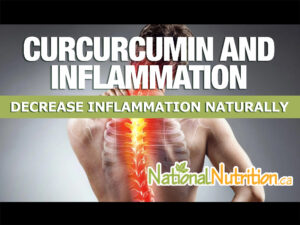
    Inflammation happens, but turmeric can help! Even if you eat well, stay active, and take care of ourselves, inflammation can sometimes creep in. Typically, when we think of inflammation, we think of joint pain due to arthritis. But inflammation can also manifest as joint pain, headaches, a skin rash, or a minor skin breakout. Thankfully there are natural ways to help with this, cue turmeric's anti-inflammatory properties.

    One of the best-known supplements to help manage inflammation is curcumin. Research has found that curcumin may help decrease inflammation by inhibiting pro-inflammatory enzymes and increasing levels of anti-inflammatory compounds.

    In this article, we'll cover what inflammation is and how curcumin, the active ingredient in turmeric, can help to tamper down the inflammatory response. Ready to learn? Let's go!

    What is Inflammation?

    We often think of inflammation as a negative reaction our body has, but inflammation isn't always bad.

    Inflammation is the body's response to injury or irritation. It helps heal wounds, clear infections, and remove damaged cells from the body. Inflammation occurs when white blood cells rush to an affected area to repair it and fight off infection. These cells release chemicals that cause nearby blood vessels to become larger and more permeable to bring more nutrients into the damaged tissue, a process called vasodilation.

    Inflammation also causes pain and swelling because it stimulates nerve endings in your skin (called nociceptors). This means that even minor injuries can trigger inflammation, increasing the sensitivity of these nerves. That's why it's important to have turmeric on hand, a natural anti-inflammatory.

    Inflammation And How Turmeric Can Helps

    Curcumin is a natural antioxidant that contains anti-inflammatory properties. It is derived from the root of turmeric and has been used in Ayurvedic medicine for centuries to treat various health conditions, including inflammation.

    Curcumin has been shown to reduce symptoms associated with arthritis and other inflammatory conditions such as Crohn's disease, psoriasis, and ulcerative colitis. Here's a summary:

    • Osteoarthritis is a type of joint pain related to aging and the wearing down of cartilage in your joints. It's especially common in the knees, hips, and hands. Curcumin from Turmeric has been shown to decrease inflammation and pain and swelling associated with osteoarthritis. However, it is not a cure for arthritis. Instead, curcumin works with your body's natural processes to ease the discomfort associated with arthritis.
    • Rheumatoid arthritis (RA) is an autoimmune disease that affects joints, especially in the hands and feet. Turmeric has long been used to treat arthritis, and studies have shown that curcumin can help reduce inflammation associated with rheumatoid arthritis.
    • Ulcerative colitis is an inflammatory bowel disease (IBD) that causes ulcers in your colon, rectum, and/or stomach lining. Turmeric has been shown to help with symptoms associated with ulcerative colitis, such as abdominal pain and diarrhea. Additionally, supplementing with curcumin was associated with a lower disease relapse rate.

    How does it do this? Turmeric helps reduce inflammation by inhibiting the production of pro-inflammatory molecules called cytokines, growth factors, and enzymes like COX-2. COX2 produces chemicals called prostaglandins that cause pain and swelling when there's an injury or infection. By inhibiting COX2 activity, curcumin reduces inflammation at its source.

    In addition to its anti-inflammatory properties, curcumin has antioxidant properties that can help protect against oxidative stress caused by free radicals or reactive oxygen species (ROS).

    Plus, studies have found that turmeric may be as effective as NSAIDs at treating joint pain and stiffness but with fewer side effects. This is also great news for anyone who is sensitive to this class of drugs.

    Supplementing With Turmeric For Inflammation

    Curcumin supplements can be taken by anyone who has an inflammatory condition. Additionally, turmeric is a great supplement to have on hand for other inflammation issues, such as:

    • Post-workout
    • To support headaches and muscle aches
    • To keep on hand for injuries

    It’s important to note that while curcumin is naturally occurring in turmeric, supplement forms are not always standardized. Some brands may contain more bioavailable forms of curcumin than others. Ideally, curcumin supplements should be standardized to 95% curcumin.

    People with gastrointestinal disorders, biliary obstruction, or active bleeding should use caution when taking turmeric. Do not use turmeric and heart medications, cholesterol medications, blood thinners, aspirin, or nonsteroidal anti-inflammatory drugs (NSAIDs) simultaneously. Stop using turmeric two weeks before surgery or dental procedures.

    In conclusion, inflammation is a normal response to injury or irritation, but it can become a problem when it becomes chronic or prolonged. Curcumin is a natural antioxidant with anti-inflammatory properties, these properties are what make turmeric great for reducing inflammation in the body. This means that if you have arthritis or other inflammatory conditions, curcumin may help relieve joint pain and stiffness while reducing the side effects associated with traditional medications like NSAIDs (nonsteroidal anti-inflammatory drugs).

    Curcumin FAQs

    Where Can I Buy Curcumin?

    You can shop our top curcumin picks here.

    Will Curcumin Lower Blood Pressure?

    Yes, curcumin has been shown to lower blood pressure and should be used with caution if you take medication to lower blood pressure.

    Is Curcumin Gluten-Free?

    Curcumin is gluten-free.

    Can I Take Turmeric With Ibuprofen for Inflammation or in General?

    Yes, turmeric can be taken with ibuprofen or other pain relievers without adverse effects.

    References

    https://pubmed.ncbi.nlm.nih.gov/25337545/

    https://pubmed.ncbi.nlm.nih.gov/22407780/

    https://pubmed.ncbi.nlm.nih.gov/3546166/

    https://pubmed.ncbi.nlm.nih.gov/16413584/

2 Item(s)

First name is required!
Last name is required!
First name is not valid!
Last name is not valid!
Please enter a valid email address.
Email address is required!
This email is already registered!
Password is required!
Enter a valid password!
Please enter 6 or more characters!
Please enter 16 or less characters!
Please ensure your passwords match.
Terms and Conditions are required!
Incorrect FormKey!
Incorrect Email or Password!
reCAPTCHA is mandatory. Click check box beside I am not a robot
Invalid login/register data, Kindly contact customer service agent.







