

Herbal Supplements
Top Herbal Supplements & How They Support Your Health
Medicinal herbs are natural substances derived from various parts of plants, such as leaves, roots, bark, flowers, and seeds, that have been used for centuries for their robust therapeutic properties. These herbs have played a significant role in the history of medicine and this list of medicinal herbs continues to be an essential component of traditional and alternative healing practices worldwide. Read more >-

Organic Connections certified organic peppermint leaf is offered in loose form so you can conveniently use it to make a minty tea or mix it with other herbs such as dandelion or lavender to make a tea blend or herbal concoction. Peppermint offers a slightly sweet, warm, pungent taste with a cooling after effect. Due to peppermints active ingredient, menthol, it’s historically been used for its ...
+ Earn 10 Reward PointsSale: $10.99
Reg.: $13.41 (Save $2.42)
Out of Stock
Get Notified When in Stock
-
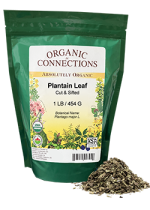
Plantain leaf is a weed native to Europe and parts of Asia. It has large, green leaves that grow in a small bushel close to the ground. It’s long been used by herbalists and in herbal formulas to support inflammation and skin irritations. While it has primarily been used as a tea, it can also be added to capsules or other herbal blends. Organic Connections offers plantain leaf in loose form and...
+ Earn 36 Reward PointsSale: $36.99
Reg.: $44.59 (Save $7.60)
Out of Stock
Get Notified When in Stock
-
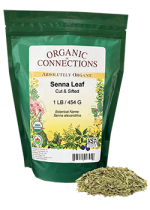
Organic Connections Senna leaf is grown without the use of pesticides, making it certified organic. Senna is part of the Fabaceae family, a flowering shrub that grows spiky branches with leaves and blooms yellow flowers. Organic Connections harvests the leaves of the plant and cuts and sifts them into a dried bulk herb. Traditionally, senna has been used as a tea to support intestinal health, d...
+ Earn 17 Reward PointsSale: $17.99
Reg.: $21.33 (Save $3.34)
Out of Stock
Get Notified When in Stock
-

Often referred to as red sorrel or sour weed, sheep sorrel is a species of flowering plant in the buckwheat family, Polygonaceae. The plant is native to Eurasia and the British Isles and grows close to the ground like a weed with smooth, reddish-brown flowers. The active ingredients in sheep sorrel include anthraquinones and oxalates, which is why it’s historically been used in herbal formulas ...
+ Earn 39 Reward PointsSale: $39.99
Reg.: $49.06 (Save $9.07)
Out of Stock
Get Notified When in Stock
-

Organic Connections harvests the bark from the white oak tree to make this certified organic bulk herb. They cultivate the bark because that’s where the tannins live which is why white oak bark has been used in herbal formulas for overall digestive and intestinal support. This particular white oak bark is cut and sifted to ensure no powder residue is left behind; therefore, you’re left with a h...
+ Earn 36 Reward PointsSale: $36.99
Reg.: $44.94 (Save $7.95)
Out of Stock
Get Notified When in Stock
-

The bark of white willow tree has a long history of medicinal use for pain. This is because it is a natural source of ASA, in fact, it is where this pain relieving compound was first isolated by back in the 19th century. This loose form of the bark of the white willow tree is ideal for making an astringent tasting tea. It has been cut into small bits of bark so that making a tea is easier, with...
+ Earn 24 Reward PointsSale: $24.99
Reg.: $30.58 (Save $5.59)
Out of Stock
Get Notified When in Stock
-

Yellowdock herb grows leaf stalks that are often used in salads, while the root and fruit of the plant has long been used in herbal medicine for pain, inflammation and respiratory support. The root contains most of the plants active ingredients, anthraquinones, which is why Organic Connections harvests the root of the plant using practices that keep the soil in tact. They then follow a process ...
+ Earn 22 Reward PointsSale: $22.99
Reg.: $29.10 (Save $6.11)
Out of Stock
Get Notified When in Stock
Top List of Medicinal Herbs
Medicinal herbs are natural substances derived from various parts of plants, such as leaves, roots, bark, flowers, and seeds, that have been used for centuries for their robust therapeutic properties. These herbs have played a significant role in the history of medicine and this list of medicinal herbs continues to be an essential component of traditional and alternative healing practices worldwide. Traditional Chinese Medicine (TCM) and Ayurvedic medicine in India are two of the most well-known systems that incorporate medicinal herbs into their holistic healing principles, focusing on restoring balance (homeostasis) and harmony within the body.
Early humans relied on their observation of nature to discover the healing properties of plants. This knowledge was passed down through generations, leading to the development of traditional herbal medicine systems in different cultures across the globe. Indeed, ancient civilizations, such as the Egyptians, Mesopotamians, Chinese, and Indians, had extensive knowledge of medicinal herbs. They documented their findings in written records, including papyrus scrolls, stone tablets, and ancient texts. For example, the Ebers Papyrus, an Egyptian medical document dating back to around 1550 BCE, contains detailed information about various herbal remedies, showcasing the Egyptians' advanced understanding of medicinal plants.
The Greeks, especially figures like Hippocrates and Dioscorides, contributed significantly to the study of medicinal herbs. Hippocrates, often regarded as the father of modern medicine, emphasized the importance of natural remedies and documented numerous plant-based treatments. Moreover, Dioscorides, a Greek physician and pharmacologist, authored "De Materia Medica," a comprehensive text that catalogued over 600 medicinal plants, their uses, and preparation methods. The Romans, too, adopted and expanded upon this knowledge, incorporating it into their medical practices.
Medicinal Herbs and Modern Science
The Age of Exploration brought about the discovery of new medicinal herbs as European explorers travelled to distant lands. Plants like quinine from the cinchona tree, which proved effective against malaria, and various herbs in the Americas further enriched the global pharmacopeia.
List of The Best Medicinal Herbs
Thousands of medicinal herbs have been identified and used in myriad therapeutic applications throughout history. Below are some is a list of the most recognized and popular medicinal herbs that are still widely used today:
Aloe Vera (Aloe barbadensis miller) - Known for its soothing properties, it is often used for skin ailments and burns.
Ginger (Zingiber officinale) - Used for digestive issues and to alleviate nausea.
Turmeric (Curcuma longa) - Contains the active compound curcumin, known for its potent anti-inflammatory properties.
Echinacea (Echinacea purpurea) - Offers immune system support and fights off colds.
Peppermint (Mentha × Piperita) - Helps with digestion and can relieve headaches and migraines.
Lavender (Lavandula angustifolia) - Provides calming effects and is often used in aromatherapy.
Chamomile (Matricaria chamomilla) - Has calming properties and is used to ease anxiety and sleep disturbances.
Garlic (Allium sativum) - It is revered for its powerful cardiovascular benefits and immune-boosting properties.
Ginseng (Panax ginseng) - An adaptogenic herb known for its energy-boosting effects.
St. John's Wort (Hypericum perforatum) - Used to alleviate symptoms of mild to moderate depression and anxiety.
Milk Thistle (Silybum marianum) - Supports liver health and helps optimize liver function.
Valerian (Valeriana officinalis) - A natural remedy for insomnia and anxiety.
Saw Palmetto (Serenoa repens) - Often used for prostate health and urinary tract issues.
Ginkgo Biloba (Ginkgo biloba) - Supports cognitive function and circulatory health.
Arnica (Arnica montana) - Used topically for pain relief and reducing bruising.
Rosemary (Rosmarinus officinalis) - Known for its cognitive and memory-enhancing effects.
Nettle (Urtica dioica) - Used for its anti-inflammatory properties and for alleviating allergies.
Holy Basil (Ocimum sanctum) - An adaptogenic herb that reduces stress and anxiety.
Feverfew (Tanacetum parthenium) - Used to prevent and alleviate migraines.
Cayenne Pepper (Capsicum annuum) - Contains capsaicin, which provides pain relief and improves circulation.
How To Use Medicinal Herbs
The list of medicinal herbs can be prepared as teas or infusions, allowing for a soothing and flavourful way to ingest their healing properties. Tinctures, extracted in alcohol or glycerin, offer a concentrated and easy-to-dose solution. Capsules and tablets are convenient for those who prefer a more standardized and easily transportable option. Creams and ointments enriched with herbal extracts can be applied topically for targeted relief. Additionally, herbs can be incorporated into culinary creations, adding both flavour and health benefits to dishes. With such versatility, it's easy for just about anyone to partake in the holistic healing benefits of medicinal herbs.
Shopping For Herbal Supplements
While herbal remedies offer valuable therapeutic benefits, they can also cause certain side effects, depending on the herb in question. In addition, some herbs can interact with pharmaceutical drugs, so it's crucial to consult a knowledgeable healthcare practitioner if you take prescription medications, have an underlying medical condition, or are pregnant or breastfeeding.
When selecting a high-quality herbal supplement, several key factors should be considered. First and foremost, it's essential to examine the product's label for clear and detailed information about the ingredients used and any standardized extracts. Look for third-party testing and certification from reputable organizations to ensure the product's purity, potency, and safety. Investigate the manufacturer's reputation, and history in the industry by looking at online reviews, and their commitment to quality control and Good Manufacturing Practices (GMP).
Back to Top ↑








