A-Z natural supplements Articles

  • Brain & Neurological Health

    The brain and nervous system work together to control every function in the body, from movement and memory to mood and energy levels. As modern lifestyles place increasing demands on cognitive performance and stress resilience, many people are turning to nervous system supplements to help support focus, mental clarity, and overall neurological health.

    Understanding how the nervous system functions and how to properly support it can play a key role in maintaining long-term wellness, balance, and optimal brain performance. 

    What is The Nervous System?

    The nervous system is a complex communication network that coordinates and controls the body's activities. The nervous system has two main parts: the central nervous system and the peripheral nervous system. Together, these systems send and receive signals that regulate everything from muscle movement and organ function to thoughts, emotions, and reflexes. The nervous system operates continuously to process information, respond to internal and external stimuli, and maintain bodily balance. Luckily, there are supplements, lifestyle factors and more that can keep your neurological health intact. 

    The primary component of brain tissue is fat. In fact, fat makes up about 60% of your brain. Picture your brain as a firm jelly, bathed in fluid and protected by a membranous coating. The coating provides a barrier that allows only certain substances access to the central nervous system. Nerves are like tiny wires. Fatty sheaths insulate and protect them. The nerves run through the spinal column, entering and exiting at different levels, depending on the area they innervate.

    What Causes Neurological Decline?

    There are many degenerative conditions that affect the brain. The following sections describe three common nervous system conditions.

    Alzheimer's Disease

    Alzheimer's disease is a progressive loss of mental function that interferes with one's ability to function. A decrease in cognitive ability is quite common as we age; however, Alzheimer's disease involves actual degeneration of nerve cells in the brain.

    Multiple Sclerosis

    Multiple sclerosis causes a breakdown of the myelin sheath surrounding the nerves of the brain and spinal cord. Without a sheath, the nerve cannot effectively conduct information around the body.

    Parkinson's Disease

    Parkinson's disease is a degenerative brain disease that results in the death of cells responsible for the production of dopamine and acetylcholine. These chemicals transmit nerve signals, and when they are lacking, one loses involuntary muscle control. The brain and nervous system have protective barriers. However, these barriers can also allow toxins to accumulate. Because it contains a significant amount of fat, fat-soluble toxins, such as heavy metals and environmental chemicals like DDT, can concentrate in the brain. Brain toxicity symptoms depend on the affected brain area and the type of toxin involved.

    Diet's Role in Neurological Health

    Poor diet hampers the functioning of the central nervous system because it is an extremely vital area that has high metabolic requirements. The brain mainly uses glucose for energy. Unlike other body cells, it doesn't easily use protein or fat if sugar is unavailable. Everyone has felt the foggy feeling in your head when your brain is lacking sugar. And then, after consuming a sugary snack or drink, you feel a temporary increase in alertness you feel.

    Fluctuating blood sugar is not conducive to optimal brain functioning and can become a more serious medical concern in conditions such as hypoglycemia and diabetes.

    Neurological Supporting Supplements

    Supplements like fats, amino acids, and vitamins must also be in abundant supply for neurological functioning. The brain and nerve sheaths contain fats often lacking in the standard North American diet. This results in compromised nerve conduction and brain cell communication. 

    Protein provides amino acids that the body uses to produce neurotransmitters. Neurotransmitters are nervous system hormones that coordinate brain cell functions. Several vitamins, especially B vitamins, are important for the production of neurotransmitters and the efficiency of nerve transmissions.

    Lifestyle Management for Neurological Health

    Stress and emotional upset impact brain functioning in several ways. Firstly, it depletes neurotransmitters. Stress also keeps the body in the sympathetic state; the body is on alert. The body's senses become highly alert, while nutrient digestion becomes less efficient. Finally, stress leads to a build-up of damaging agents called free radicals. Free radicals contribute to nervous system degeneration.

    How Can I Support Brain Health?

    The brain develops by leaps and bounds during fetal life and childhood as neural patterns are laid and areas of the brain mature. As we age, declines in brain function are normal, but there are many preventative and natural therapies one can use to maximize brainpower and memory.

    • As they say, "if you don't use it, you will lose it." Keeping mentally busy and learning new things has been found to sustain brain functioning.
    • Regular exercise and deep breathing increase circulation to the brain.
    • Make time in your schedule for enjoyable activities and sufficient rest.
    • Undergo regular detoxification to rid the body of toxins.
    • Drink 2L of filtered water daily to help to flush toxins from the system.
    • Essential fatty acids stabilize the nerve sheath. Flax, pumpkin and sunflower seed oils should be a daily addition to the diet. Fish also contain essential fatty acids, but are usually contaminated with heavy metals.
    • Saturated fats from animal sources, margarine, and shortening interfere with the use of essential fatty acids and should be avoided.
    • Consume foods that are high in lecithin and B vitamins including green, leafy vegetables, nutritional yeast and soy products.
    • Eat more fiber and protein, as it helps to stabilize blood sugar.
  • Energy

    Feeling energized throughout the day is essential for productivity, focus, and overall well-being. But for many people, maintaining consistent vitality can be a challenge. Busy schedules, stress, and poor nutrition can all take a toll, leaving you feeling drained and sluggish. Instead of relying on quick fixes, more people are turning to natural energy solutions for long-lasting vitality. In this article, we'll explore effective ways to boost your energy levels naturally and feel your best everyday. 

    How Does My Body Get Energy From Food?

    Picture your body as a machine. In order to get your body to work, your body needs fuel or food. It then transports that fuel to each cell. Inside each cell are little engines called mitochondria. They take in the fuel and process it to release energy.

    This processed energy is your body’s main source of energy as it is used to power all of the body’s cell processes. The glandular system is another important energetic body system that regulates which energy comes into the body and where it goes. It’s sort of like the fuel injector of your body. Blood cells carry oxygen all around the body, which is needed for cells to perform their duties, making this system another critical part of your body’s energy regulation.

    What Causes Low Energy?

    Lack of energy can be attributed to many causes. All of these causes must negatively impact your body’s ability to get fuel into the body, inhibit the mitochondria’s ability to turn it into energy or alter the functioning of the hormonal and blood system. Some of these factors are:

    • Poor Nutrition
    • Toxin accumulation from medications, environmental sources or food and water.
    • Lack of sleep
    • Stress and emotional issues
    • Lack of exercise

    Poor Nutrition

    Energy affects the body in clear and measurable ways. Without enough raw materials, the body becomes fatigued. 

    The standard North American diet lacks vitamins, minerals, and essential fatty acids. It also contains high levels of saturated fat, refined carbohydrates, and additives. These foods do not provide usable energy for the body. They also reduce energy efficiency by depleting enzymes and hormones needed for metabolism. 

    The body must process toxic byproducts from bleached flour, sugar, artificial flavours, and trans fats. As a result, energy shifts toward detoxification instead of growth, repair, and metabolism. 

    Food type also determines whether energy comes in quick bursts or in a steady release. Simple sugars and refined carbohydrates absorb quickly into the bloodstream. 

    This creates a rapid energy spike followed by a crash. These blood sugar swings place stress on the body and deplete hormones quickly. Afterward, the body struggles to restore balance with limited available energy. This pattern resembles repeated sprints instead of steady movement. 

    The brain relies primarily on glucose for fuel. Most people have experienced brain fog from low blood sugar levels. This shows that unstable food sugar impairs optimal brain function. 

    Red blood cell production depends on protein, B vitamins, and minerals like iron. Hemoglobin allows red blood cells to transport oxygen efficiently. 

    Without adequate oxygen, cells cannot produce energy effectively. This leads to reduced cellular energy production and increased fatigue. 

    Toxin Accumulation 

    Besides toxic by-products in our food, the body must also deal with the toxins taken in from our environment and toxins within medications. The body has effective ways of dealing with toxins and waste products using the liver, intestines, kidneys, lungs and skin. Environmental toxins can cause these pathways to become blocked. The backup of waste material makes it harder for the rest of the body to function normally and ultimately leads to a lack of energy. Since the environment in which we live makes it impossible for us to maintain a pristine lifestyle, all of us can suffer from a lack of energy due to the build-up of environmental toxins.

    The only way for medication to have a therapeutic effect is if it has a significant half-life in the body. Half-life means the length of time it takes for the body to eliminate half of the drug. Overwhelming the body’s detoxifying ability with medications has a negative effect on the organs of detoxification. It prevents the system from dealing with the accumulation of normal metabolic by-products, wears out the organs and depletes nutrients that are needed for the detoxification process.

    Lack of Sleep

    Sleep is an essential component of our body’s repair mechanisms. During sleep, the body is in an anabolic, or building, state. It has time to regenerate cells and replenish hormones, enzymes and neurotransmitters.

    Insomnia prevents the repair of normal damage from the body’s daily activity. Over time, this leads to a decrease in cellular functioning and ultimately causes fatigue. The brain also requires sleep in order to process information that is learned throughout the day.

    Stress

    Whether physical, mental or emotional, strain the body and ultimately leads to fatigue. Stress puts the body into sympathetic nervous system mode. In this mode, the body is on high alert, energy is being focused on the senses, heart and muscles. The digestive system receives less blood flow and cannot function to capacity. Therefore, the body is less able to take in fuel, and it is using it up at an increased rate.

    Mental and emotional stress also depletes neurochemicals that regulate our sense of well-being. If these neurochemicals are not replaced, then disorders, such as depression, can develop.

    Lack of Exercise

    Lack of exercise can lead to fatigue by compromising the circulation of all molecules around the body, including food particles, oxygen and hormones. Circulation is also responsible for flushing waste products out of the cells and taking them to the appropriate organs for processing and excretion. The venous system contains no valves, so blood flow back to the heart is dependent on the movement of the surrounding musculature.

    Medical Conditions That Impact Energy

    Any medical condition can alter the body’s functioning and cause feelings of fatigue. Here are a few conditions that directly impact energy levels:

    Adrenal Fatigue

    Adrenal glands are small glands located on the upper pole of each kidney. There are two main areas of the adrenals. The cortex produces sex hormones, stress hormones and other hormones responsible for water and sugar balance. The medulla produces the stress hormones adrenaline and norepinephrine. Adrenal depletion can be caused by a high-stress lifestyle, poor diet and abuse of drugs or alcohol. When the adrenal gland is unable to produce adrenaline in response to sympathetic stimulation, fatigue is one of the symptoms. With proper adrenal support, the gland can rebound quickly, and total adrenal failure is uncommon.

    Anemia

    This results in the decreased ability of red blood cells to carry oxygen. One of the first symptoms is fatigue and exhaustion after small amounts of activity. There are several types of anemia. Iron deficiency anemia is the most common. Megaloblastic anemia is due to a dietary deficiency of B12 and possibly folic acid. Pernicious anemia is also due to a deficiency of B12. This time it occurs because of a lack of the ability to absorb B12 in the stomach. Hemolytic anemia occurs when red blood cells are prematurely destroyed. It is an inherited blood disorder. Poisoning from toxic substances may also cause anemia. Anemia during pregnancy is common but is usually caused by increased blood volume as opposed to a lack of oxygen carrying ability.

    Diabetes

    Will occur when a person’s pancreas is unable to produce enough insulin to metabolize the amount of sugar that they are ingesting. Sugar can be transported to the cells but will not be taken into the cell without insulin. The cells are starving for fuel even though it is right outside the membrane. Progressive fatigue is one symptom of diabetes.

    Hypothyroidism 

    The thyroid gland sets the metabolic rate for the body. When the thyroid gland is low functioning, the body is in a hypothyroid state. Hypothyroidism causes many symptoms, including fatigue, an increased need for sleep, poor memory, weight gain, frequent infections, hair loss, dry skin, cold skin, poor nail growth, bowel changes and muscle and joint aches.

    Hormonal Health

    Sex hormone imbalances, such as menopause or andropause, can cause decreased energy because the ovaries and testicles are part of the hormonal gland axis, along with the adrenals and thyroid. As we age, and the functioning of the sex glands decreases, the adrenals and thyroid have to re-establish the body’s hormonal balance. The additional strain can lead to problems with the other glands, resulting in fatigue.

    What Are Natural Ways To Boost My Energy?

    Fortunately, there are many natural therapies that improve your body’s use of energy.

    Dietary Support

    Dietary support for increasing energy is as follows:

    • Decrease your consumption of alcohol, caffeine, tobacco, corticosteroids, fried foods, pork products, red meat, processed foods, sugar and white flour.
    • Eat more foods containing high amounts of vitamins and minerals, like green leafy vegetables, seaweeds, whole grains, nuts and seeds and legumes. Foods containing iron and B vitamins are green leafy vegetables, dried apricots, prunes, raisins, oats, blackstrap molasses, kidney beans, pinto beans, nutritional yeast, spirulina, meats and dairy products. Consume essential fatty acids in flax, pumpkin, hemp and sunflower seed oils or in fish.
    • Drink 2L of filtered water daily. Avoid chlorinated and fluoridated water because they block iodine receptors in the thyroid.

    Detoxification

    Detoxification involves dietary, supplemental and physical interventions. It usually focuses on one or more of the main organs of detoxification, the liver, kidneys, bowels, lungs or skin. To help detoxify the body, avoid packaged or fast foods, coffee, black tea, chocolate, alcohol, white sugar, salt, condiments, tobacco, dairy products, fried food, preservatives, or artificial sweeteners. Consume 2L of filtered water daily, herbal teas and 100% pure fruit juices. Eat fresh or steamed fruits and vegetables, whole grains, lean meats, fish, soy products, nuts, seeds, cold-pressed vegetable oils and spices. Drink a glass of warm water with the juice of half a lemon each morning to regulate bowel and liver function. Use supplementation to focus the detoxification on one or more organs.

    Sleep Hygiene

    Sleep hygiene is an essential component of healthy sleep. Go to bed only when you are tired and do not stay in bed if you're not sleepy. Use the bedroom only for sleep and sex. Get up at the same time each day. Do not nap unless it is a daily routine, and exercise during the day but not before bed. Take a hot bath or shower 1-2 hours before bed. Keep the bedroom quiet and comfortable. If necessary, use a white noise machine to generate background noise. Put worries out of your mind, and think of positive things.

    Emotional Health

    Support your emotional health by constructively releasing frustrations and anger. Take classes in yoga, biofeedback or anger management. Allow yourself to grieve after the loss of important people or things in your life. Seek out self-help groups and ask for help from family and friends during stressful times.

    Regular moderate exercise is a great natural way to boost your energy. It raises energy levels by increasing circulation and releasing stress. Find an activity that you enjoy and that you can comfortably undertake given your age and health status.

  • Genuine Health

    You may know them for their flagship product, Greens+, but Genuine Health has done a lot more in the last 30 years. Here is the story of Genuine Health.

    The History of Genuine Health

    Genuine Health started when its founder, Stewart Brown, opened a health food store on Church Street in Toronto. This was in the late 1980s when the AIDS epidemic was taking hold in the community. In his store, Stewart helped people every day who were looking for alternative products to support unpleasant side effects from HIV medication.

    One day, a man named Sam Graci came into Stewart’s store with a unique product that he had developed. Sam Graci was a former guidance counsellor who had spent 20 years formulating a product to help support at-risk youth. Sam Graci was raised in the Niagara region of Ontario by parents who owned a produce store, and you could say that he was raised to appreciate the benefits that plants have on our bodies and our brains. In his research, Sam Graci learned that when the kids’ diets improved through the inclusion of more colourful plant nutrients, so did their behaviour and outlook on life.

    The product Sam Graci brought in was called Greens+, and as soon as he saw the effect that it had on his store’s customers, Stewart Brown knew that he had to do something to bring this formula to more Canadians.

    He sold his store and created Genuine Health to distribute Greens+ across Canada, and the rest is history.

    A History of Research and Innovation

    As it turned out, Greens+ was a first-of-its-kind product in North America. At the time, a product like Greens+ was unheard of. Health food stores sold single nutrients like vitamin C, and a formula that combined nutrients from plants was a new concept. But people loved it, and soon, Stewart was receiving anecdotal accounts of how Greens+ had improved people’s lives, noting that their energy, digestion, and sleep were improving. Stewart put Greens+ to the test, investing in independent, third-party research and evaluation. To this day, greens+ is the only natural health product that has been validated by nine studies.

    Genuine Health has gone on to produce other first-of-their-kind products and categories of natural health supplements.

    A Commitment to Science and Efficacy

    In its 30 years of active business, Genuine Health has formulated products based on available research and only sought out ingredients that are shown to be the most effective. Lastly, products are tested once they are manufactured to ensure purity and label claims.

    Genuine Health Products

    From being the first company to introduce protein powder as a lifestyle category to helping pave the way for fish oil supplements in Canada to bringing eggshell membrane to Canadians and developing the first complete fermented protein powder, Genuine Health has helped pave the way for supplements today. Let’s look at some of their top products that we sell at National Nutrition.

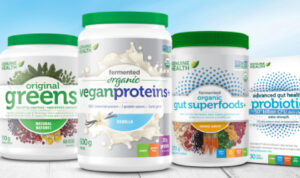
    • Greens+: This formula combines 23 different botanicals, superfoods, and sea vegetables into a single formula that does it all. For the last 30 years, die-hard Greens+ fans have relied on the product to enhance their energy, detoxification, and digestion, thanks to its rich blend of phytonutrients called polyphenols. Greens+ is available in different formulas to enhance energy, detoxification, and bone health.
    • Fast Joint Care+: This is a unique line of products designed to reduce joint pain in as little as five days. Made with a patented form of eggshell membrane that contains a range of naturally occurring proteins that nourish and repair joints. Fast Joint Care+ products are available in three different strengths, from mild joint pain to severe arthritis.
    • Fermented Organic Vegan Proteins+: This is another innovative product that our customers love. Launched in 2014, the formula is made with a blend of seven different vegan protein sources, the product is then fermented to reduce digestive upset and improve digestion (these are common complaints when people with digestive complaints take protein powders). The fermentation process also helps to make the protein more bioavailable to the body and can also contribute to gut health. And even though it’s fermented, it still tastes great! The company has since evolved the product to include only organic ingredients, earning it both Certified Organic and Non-GMO Project Verification.
    • Genuine Health Probiotic: Genuine Health’s advanced gut health probiotics were released in 2017 and have quickly become a favourite product line of National Nutrition customers. Made with a blend of probiotic strains to help mimic the ratios of lacto and bifidobacteria found in the gut for more efficient colonization of gut bacteria. Plus, this entire line is shelf-stable, making it a great choice for travel.

    Other popular product include, Genuine Health protein powders, Genuine Health green, collagen and omega 3's.

    Due to their well-developed products, it’s no wonder Genuine Health is a favourite amongst natural health enthusiasts and professionals alike. 

  • Hiatal Hernia

    Digestive discomfort can be frustrating and disruptive, especially when symptoms affect your ability to enjoy meals and feel at ease throughout the day. Finding ways to support your body and reduce irritation is key to maintaining comfort and long-term wellness. With the right combination of nutrition, lifestyle habits, and targeted support, it's possible to manage symptoms more effectively and improve overall digestive balance.

    What is a Hiatal Hernia?

    Hiatal hernias are a bulge of stomach tissue that has gone through the diaphragm and sits around the esophagus. It is asymptomatic unless the stomach valve weakens and allows stomach acid to reflux into the esophagus. They tend to occur in people over forty and becomes more common as tissues weaken due to aging. It is associated with poor eating habits, food allergies, obesity and the use of estrogen medications.

    What Are Common Symptoms of Hiatal Hernias?

    Symptoms of a hiatal hernia are noticeable after a meal. Heartburn and belching occur along with a reflux of stomach fluid into the throat. Lying down after a meal makes the symptoms worse. It is important to control this reflux of acid if it is recurrent because the acid can damage the lining of the esophagus, causing a raw sensation in the short term and potentially an ulcer in the long term. In addition to the dietary recommendations in this article, there are supplements that you can use to reduce the irritation this reflux can cause.

    What Are The Treatment Options For A Hiatal Hernia?

    Conventional Treatments

    Conventional treatment of a hiatal hernia involves the symptomatic treatment of heartburn. Prolonged use of antacids can cause mineral imbalances because they contain large amounts of sodium, aluminum, calcium and magnesium. Excess sodium can worsen hypertension, and aluminum has been connected to Alzheimer’s disease. Drugs to suppress acid production are also prescribed. Long-term use of these medicines can damage the stomach lining, leading to tumour formation. Other side effects include impotence or breast enlargement. In some cases, surgery is recommended to repair the hernia.

    Natural Supplements

    Natural treatment of hiatal hernia includes the use of supplements to improve digestion, to reduce the irritation caused by the reflux of acid, and to enhance the health of the stomach and esophogeal lining. For more information about supplements for each of these applications, please see the therapeutic list below.

    Preventative Measures & Tips

    To prevent the formation of a hiatal hernia, do not eat large meals late in the day because this puts pressure on the connective tissue. Avoid foods that stay in the stomach for long periods of time, for example, saturated fats, fried foods and oils.

    Eat slowly to avoid swallowing excess air. Eat foods that are high in fibre, especially raw foods and whole grains. Regular exercise will strengthen the abdominal muscles.

    To keep pain and discomfort to a minimum, be sure to avoid foods and drinks that increase stomach acid. Some of these irritating products are alcohol, coffee, tea, cola, aspirin, ibuprofen, tobacco and spicy food. In addition to these, any food to which you are sensitive should also be avoided. You might need to use an elimination diet to identify food allergens. A simple mantra to remember is to eat light meals, chew thoroughly, and don’t lie down after. Some foods that can help to relieve symptoms are endive, lettuce and artichokes – bitter, leafy greens. These can be eaten raw, like in a salad, or steamed to eat with soothing boiled potatoes. The esophagus will benefit from a nice carrot and cabbage coleslaw with yogurt or kefir. Fresh papaya contains digestive enzymes which will help to accelerate the breakdown of food.

    Lie on your left-hand side when you go to sleep or are resting – this will help to keep the stomach below the diaphragm and often prevents heartburn.

  • Konjac Glucomannan

    Simply put, (konjac) glucomannan absorbs water as it travels through the digestive tract, increasing the bulk of the stool and making the stool easier to pass or move through the colon. For individuals prone to constipation, this means less straining and a decreased risk of fissures or haemorrhoid formation. Many use glucomannan as a weight loss aid, in that it helps to get rid of excess water weight.

    Konjac: A Rich Source of Fibre

    Konjac promotes regular and healthy elimination and is an effective method of getting rid of excess toxins and hormones, including cholesterol, in the body. Efficient removal of these substances may give an individual more energy, make them less sluggish and fatigued (common side effects of toxic overload) and more apt to increase their exercise and eat a healthier, more well-balanced diet. All of which further contribute to weight loss. Studies have also shown that taking a glucomannan supplement one hour before eating can reduce caloric intake and keep individuals satisfied longer when compared with a placebo.

    Konjac Root Key Health Benefits

    Blood Sugar Support

    (Konjac) Glucomannan, much like any fibre, is also helpful in regulating blood sugar levels and can be beneficial for individuals with diabetes. Diabetics need to be cautious when taking glucomannan, as it may interfere with insulin and other blood sugar medications. This product needs to be taken 2-3 hours away from any medication and blood sugar levels should be monitored closely in case there is a need to adjust dosages for prevention of hyper or hypoglycemic states.

    Reduces Glycemic Index of Food

    Konjac root is particularly useful for reducing the glycemic index of foods. "Glycemic index" refers to how quickly a carbohydrate is metabolized by the body. When a food is described as having a lower glycemic index, this means that it will cause a lower increase in blood sugar than foods with a higher glycemic index (GI). Taken with food, konjac/glucomannan effectively slows the release of the sugars in the food down, allowing the body more time to burn the calories they contain as energy instead of storing them as body fat. This is part of the reason why Konjac is recommended as a weight loss supplement.

    It also helps to reduce the fluctuations in blood sugar that can occur when you eat unhealthy carbs that can lead to cravings and subsequent poor food choices and weight gain.

    Quality Konjac Supplement Varieties

    Konjac is available under a variety of trade names such as PGX, GO4Trim, FiberFlow, as well as simply konjac and glucomannan.

    Important Considerations & Potential Side Effects

    Health Canada has put out an advisory on (konjac) Glucomannan supplements in any form, stating that individuals need to take each gram of glucomannan with at least 8 oz of water to reduce the risk of choking or developing a blockage in the throat, esophagus or intestines. For these reasons, it is also recommended that these products be taken 2-3 hours before bed. Glucomannan can be taken on its own in capsule or powder form or is often combined with other forms of dietary fibre.

  • Moducare (Sterols & Sterolins)

    Phytosterols, plant sterols, look like human/animal cholesterol molecules but in contrast to animal-based cholesterol, are not easily absorbed into the body. They block the absorption of dietary cholesterol in the intestines, causing a decrease in blood cholesterol levels. Daily intake of phytosterols can lower LDL (harmful) cholesterol levels by an average of 10% to 14%. They do not alter the levels of triglycerides or HDL (beneficial) cholesterol. One type of sterol, beta-sitosterol has been well studied for its activity on the prostate gland.

    Sterol & Sterols Key Health Benefits

    Supplementation with beta-sitosterol increases urinary flow rate and decreases pain and burning on urination in men with benign prostates hypertrophy. Beta-sitosterol has also been studied as an anti-inflammatory agent and immune regulator in rheumatoid arthritis and other autoimmune diseases. Furthermore, beta-sitosterol stimulates insulin secretion and may contribute to better blood sugar control for diabetics. As more research is done on these molecules more health benefits are bound to be uncovered.

    Moducare: Sterol & Sterols Supplement Varieties

    Food manufacturers are adding phytosterols to products like margarine. Read the product label to see if significant amounts of phytosterols are present in the product. Phytosterols are available in capsules for supplementation. They should be standardized as an assurance of the amount of active sterols they contain. Phytosterols can be found in combination products for immune boosting, cholesterol control, blood sugar balancing and prostate health.

    Potential Side Effects & Considerations of Moducare

    There are no known contraindications for the plant sterols. Some studies show a reduction in the carotenes when plant sterols are taken. Consider supplementation with beta-carotene. Take plant sterols with meals for cholesterol control and away from meals for prostate disorders.

  • Policosanol

    Octacosanol makes up the greatest percentage of fatty alcohol content in policosanol, followed by another fatty alcohol called triacontanol. The first policosanol supplement was produced in Cuba, and although it is now used worldwide, continues to be a popular treatment in South America and the Caribbean.

    Policosanol Health Benefits

    Policosanol has been shown in some studies to lower LDL cholesterol, while increasing HDL cholesterol. It is also thought that it may have blood thinning and blood pressure lowering effects, making it an excellent option for those looking for overall cardiovascular support and prevention of cardiovascular disease. It has been shown to inhibit platelet aggregation induced by collagen and arachadonic acid. In individuals with coronary heart disease (CHD), after regular use of policosanol, exercise ECG findings showed increased functional capacity of the heart, as well as increased oxygen intake, and a reduction in chest pain or angina both at rest and during exercise, as well as a reduction in cardiac events.

    Research Findings on Policosanol

    Studies have also shown policosanol to out-perform some commonly prescribed statin medications in patients with type II hypercholesterolemia, in relation to its' cholesterol lowering effects. One of the proposed mechanisms of action by which it works to lower cholesterol is through the prevention of bile and HMG-CoA reductase absorption, necessary for cholesterol recycling and production. More recent research questions the findings that policosanol has any significant effect on cholesterol, good or bad. Further study needs to be conducted.

    Safety and Dosage Information

    Policosanol can be found on its own or in combination products aimed at treating high cholesterol and heart disease prevention. It is recommended at a dosage of 10-40 mg/day.

    It is considered safe and well-tolerated, even in those individuals on a number of medications, as there are very few interactions to note. Use caution is patients taking daily aspirin or other anti-platelet medications, as there will be a cumulative anti-platelet effect. Medication adjustments may also be necessary for those taking cholesterol or blood pressure lowering medications.

  • Primrose

    What is Primrose Oil?

    Primrose oil contains about 10 percent gamma-linolenic acid (GLA), an omega 6 essential fatty acid. The body cannot produce essential fats and they must be taken in through the diet. Your body uses GLA to produce hormone-like substances (eicosanoids) that support cardiovascular health. Let's further discover how primrose can support your health.

    Health Benefits of GLA

    As mentioned, primrose contains GLA, which supports heart health. It also helps maintain cholesterol levels because healthy fats build HDL cholesterol.

    HDL cholesterol is responsible for moving fat, from storage or plaques, into the liver where processing and excretion of fat occurs. By decreasing fatty build-up on arteries it helps to regulate blood pressure.

    GLA reduces the production of an inflammatory compound called arachidonic acid. Arachidonic acid causes pain and inflammation in conditions such as arthritis. GLA helps to make the sheath (myelin) that surrounds the nerves that conduct messages from the brain to the muscles and organs of your body, performing a similar function to the insulation sheathing of electrical wires. If this protective sheath degenerates (as in MS), a "shorting out" of the message that the nerve is carrying occurs.

    Since healthy fats play a large role in hormone formation, primrose oil can thus help optimize hormone levels in both men and women.

    Primrose Supplement Varieties

    GLA supplements are used to help atherosclerosis, high cholesterol, arthritis, attention deficit/hyperactivity disorder, PMS, menopausal discomforts, multiple sclerosis and liver cirrhosis.

    Ensure your primrose supplement is not processed with heat because it damages the acids and creates free radicals. Some of the damaged fats turn into trans-fatty acids, which are well known for their promotion of cardiovascular disease. Supplements should also contain some vitamin E to prevent rancidity.

    Primrose oil promotes estrogen production and so should not be used by cancer sufferers with estrogen receptor positive tumours. Instead, use black currant seed oil as a source of GLA.

  • Red Yeast Rice Extract

    Red yeast rice is traditional Chinese medicine made from a yeast that naturally grows on starch. For supplemental purposes it is cultivated on rice and then ground into a powder. Its active ingredients include, HMG Co-A reductase inhibitors, the same substances that are used in the cholesterol lowering medications that bear the same name.

    Health Benefits of Red Yeast Rice Extract

    HMG Co-A reductase is an enzyme that blocks the synthesis of cholesterol in the liver. Thus this extract inhibits the formation of harmful LDL cholesterol, reduces total cholesterol and increases HDL cholesterol. This extract may help lower high cholesterol, heart disease and heart attack risk. Other components in it, like essential fatty acids, amino acids, isoflavones, and trace minerals, support red yeast rice’s cardiovascular effects.

    Supplement Varieties

    Red yeast rice supplements are found encapsulated. These products should be standardized as an assurance of the amount of active components they contain. It can also be found in combination products for cholesterol control.

    Cautions & Limitations

    Red yeast rice should not be used in pregnancy, during lactation or by individuals with sensitivities to rice or yeast. It should be used with caution if you are taking other cholesterol lowering medications. It may interact with blood thinners, erythromycin, anti-fungals, cyclosporin, niacin and fibrinolytic agents, and it may cause gastrointestinal upset in sensitive individuals.

    HMG Co-A reductase inhibitor medication have many side effects that have not been reported in people taking this extract; however, theoretically, these side effects are possible. They include liver toxicity and muscle wasting disorders. Individuals with liver disease, serious infections, recent surgery, organ transplants or regular consumers of alcohol (more than 1-2 drinks daily) are at a greater risk when taking cholesterol lowering medication and, theoretically, red yeast rice extract.

  • Shark Cartilage

    Shark cartilage has been used for centuries in traditional medicine, but today it's widely available as a modern supplement. Made from the structural framework of sharks, this supplement is prized for its potential benefits in supporting joint health, cartilage maintenance, and overall inflammation reduction. As a natural source of structural proteins like collagen, these supplements are often explored for joint flexibility and mobility. While scientific evidence is mixed, many use these supplements as part of a holistic approach to joint and connective tissue support. 

    Past Research

    Past research on shark cartilage has explored its potential benefits, particularly in reducing inflammation and supporting joint health. Some studies suggest that certain compounds in shark cartilage, such as mucopolysaccharides, may help reduce joint pain and stiffness. 

    While some shark populations are declining, it's important to acknowledge that shark cartilage extraction differentiates from shark fin extraction, which typically involves removing fins and discarding the rest of the shark. Causing concern for sharks' welfare and population decline. These supplements are generally sourced from the entire shark, often as a byproduct of the fishing industry. 

    Key Health Benefits of Shark Cartilage

    Arthritis Support

    Today, the majority of these supplements are aimed at arthritis and joint health. Shark cartilage is made up, in large part, of calcium, obviously an important component of bone health. Another major constituent of shark cartilage are what are known as mucopolysaccharides (or Glycosaminoglycans) such as chondroitin sulfate. Chondroitin sulfate is a major player in maintaining the structural foundation of the body, specifically responsible for the 'resistance to compression' properties of cartilage.

    How Does Shark Cartilage Work in The Body?

    Cartilage is the shock absorber of the body, cushioning and protecting bone from damage. As we age, the human body is unable to regenerate damaged soft tissue (due to injury or everyday wear and tear) fast enough to keep cartilage, ligaments and tendons from deterioration. Over time, this deterioration can cause bone-on-bone articulations, leading to inflammation and pain. This is why supplementation is often recommended, to provide the body with the nutrients, primarily minerals that are typically lacking in high enough quantities from diet alone, to support the integrity of cartilage and joints.

    Shopping For Shark Cartilage Supplements

    The average recommended daily dosage is approximately 9000 mg/day. Most companies recommend this dosage for a minimum of 30 days, lowering the dosage to about half this for maintenance from that point on. Shark cartilage can be found as a supplement in either powder or capsule form, commonly found in a 750 mg/capsule dosage. Do not take this if you are pregnant or breastfeeding, or if you already have high blood calcium levels (hypercalcemia). Although this supplement is very safe for most individuals, some side effects, such as nausea/vomiting, constipation, dizziness, low blood pressure, and high blood sugar, have been reported.

  • Sytrinol

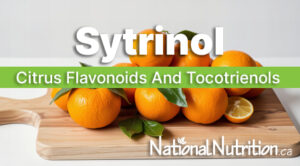
    Sytrinol is a patented, proprietary blend of nutrients developed by KGK Synergize. It's designed to support healthy blood cholesterol levels in those with elevated cholesterol. This unique formula combines specific plant extracts, vitamins, and minerals that work synergistically to promote cardiovascular health and maintain balanced lipid levels. By integrating these ingredients into daily routines, users may experience improved cardiovascular wellness and overall metabolic support. 

    Nutrients Found in Sytrinol

    The proprietary blend contains 270mg of polymethoxyflavones extracted from Mandarin and/or bitter orange peel, and 30mg of tocotrienols extracted from palm oil.

    Polymethoxyflavones (PMFs)

    PMFs are a subgroup of citrus bioflavonoids, which have an extra methyl group. This class of molecules has been studied for their anti-inflammatory and cholesterol-loweringeffects. Some studies have shown these PMFs to lower LDL levels by inhibiting the synthesis of both apolipoprotein B and triglycerides. These two substances are the building blocks of the LDL particle, with apolipoprotein B making up almost 90% of most LDL.

    Tocotrienols

    These molecules are subtypes of vitamin E that are known to have anti-inflammatory and antioxidant activity. There is conflicting scientific evidence on whether tocotrienols successfully reduce cholesterol levels. Generally, in the scientific community, the beneficial effects of tocotrienols are considered to be due to their antioxidant ability, which can help to prevent the development of atherosclerosis. The tocotrienols used in this particular formula are extracted from palm oil.

    Sytrinol Research

    There are only 2 published research studies on Sytrinol at the moment, with a third still in process. The initial results of the research are promising, with reductions as follows:

    Nutritional Information

    blood measurement
    decrease relative to placebo group
    total cholesterol
    20% – 30%
    ldl ("bad" cholesterol)
    19% – 27%
    apolipoprotein b
    (ldl subunit)
    21%
    triglycerides
    24% – 34%

    For more information on what each of these measurements means, please see our high cholesterol article here.

    The dose researched was 270mg per day of PMFs and 30mg per day of tocotrienols, which is their company's proprietary blend. This research appears extremely promising, although it is important to note that the two studies each consisted of only 10 people. Because of the extremely low number of people involved, it is difficult to be confident in the results of these studies. The tests were only performed for 12 weeks when the studies were published, so there is no evidence for the benefit longer than 3 months. The third, as of yet unfinished, study consists of 120 participants and is a longer-term study. The results of this will likely be more influential and will give a better idea of the benefits of this supplement. If it continues with the same results as its predecessors, this supplement may make statin medications obsolete!

    Taking Sytrinol Supplements

    This supplement has been studied at a dose of 150mg twice daily. It is not known how best to take this supplement beyond that limited information, due to a lack of research.

    Important Information

    Because it is a proprietary blend, there is very little research on the side effects and interactions of this medication. It is important that you speak with your healthcare professional before taking this if you are on any other medications or cardiovascular supplements. For the same reason, this supplement should not be used during pregnancy or breastfeeding.

  • Velvet Bean

    What is Velvet Bean?

    Velvet bean, also called Macuna, is a legume from Africa and Asia. It is a shrub with climbing vines which reach 15 metres in length. It has been used for centuries by traditional systems of medicine and in Ayurvedic medicine.

    Different parts of the herb are used for many conditions, ranging from scorpion bites to erectile dysfunction. However, the main use in northern hemisphere countries is for symptoms of depression.

    Uses & Benefits of Velvet Bean

    Velvet bean has many traditional medicinal usages, including treating:

    • Pain & Toothaches
    • Infertility
    • Scorpion & Snake bites
    • Low testosterone & Libido
    • Inflammation & Muscle spasms
    • Parasites
    • High blood sugar & High cholesterol
    • Fever
    • Stress

    Different countries use it for various ailments. For instance:

    Germany uses this herb for diabetes, high blood pressure, high cholesterol, intestinal gas, muscle pain, rheumatism, and intestinal worms. 

    Brazil uses it for as an aphrodisiac, diuretic, for stress, edema, and intestinal worms.

    India uses it for unhealthy cell growth, cholera, cough, debility, delirium, diabetes, diarrhea, dysentery, edema, fertility, gout, impotency, kidney stones, menstrual disorders, nervousness, scorpion stings, snakebites, tuberculosis, intestinal worms, as an aphrodisiac and uterine stimulant. 

    Clearly, this herb is a useful and versatile medicine.

    Mood Support

    Depression is another application for Velvet Bean. In North America, treating depression is one of the main uses for Velvet Bean. Depression has become a major concern in North America over the last 20 years. Antidepressants are one of the most commonly prescribed medications by MDs. There are many causes for depression, including a lack of daytime light (known as Seasonal Affective Disorder), poor sleep, emotional trauma, stress, chronic pain, substance abuse, hormonal disruption, nutritional deficiencies and even food sensitivities.

    Symptoms of depression range in severity and in a combination of symptoms from person to person. Symptoms can include: fatigue, an increase or decrease in sleep, loss of ability to function in daily activities, anxiety, foggy thinking, irritability, anger, weepiness, pain, and reclusiveness.

    Parkinson's Disease Support

    In North America and parts of Europe, Velvet Bean is also being used for its L-Dopa content for the treatment of Parkinson's disease. Parkinson’s disease is believed to be related to low levels of Dopamine in certain parts of the brain. Once L-DOPA, from Velvet Bean, has crossed from the bloodstream into the brain, it is converted into the neurotransmitter Dopamine. The resulting increase in Dopamine concentrations in the brain is thought to improve nerve conduction and to assist in lessening the movement disorders in Parkinson’s disease.

    Diabetes Support

    Another common application for the use of Velvet Bean is for the treatment of diabetes. Numerous laboratory studies have been conducted on the blood sugar-lowering effect of Velvet Bean. These studies consistently demonstrated that Velvet Bean can effectively lower blood sugar levels. An extract of Velvet Bean decreased blood sugar levels in rats by more than 30% and 50% after four months.

    How Do Velvet Bean Supplements Work In The Body?

    Velvet Bean naturally contains phytochemicals that make specific neurotransmitters in your brain, which results in a feeling of relaxation, clear thinking, and joy.

    Specifically, Velvet Bean contains small amounts of Serotonin, which increases your levels of naturally generated serotonin. Serotonin is one of the main neurotransmitters in your brain responsible for happiness. Velvet Bean also contains L-Dopa which goes into making a brain neurotransmitter called Dopamine. In addition to Dopamine being helpful in the treatment of Parkinson’s disease, it also helps promote enjoyment and interest in life. This is helpful for those suffering from depression.

    Dopamine Booster

    Dopamine is widespread in the brain as well as the rest of the nervous system. This neurotransmitter plays a critical role in the control of movement. It has a stimulating effect on the heart, the circulation, the rate of metabolism, and is able to stimulate the body's energy reserves. It helps to balance brain activity, control coordination and movement, and regulate the flow of information to different areas of the brain.

    When you have a lack of Dopamine you feel a lack of pleasure, an inability to feel love, a lack of remorse for your actions, difficulty focusing and a dislike of others.

    When you have sufficient Dopamine you have feelings of pleasure, joy, attachment, and love, concern and empathy for others, and your thoughts and emotions are integrated and healthy. Research shows that Dopamine is just as important as Serotonin to have a sense of happiness and fulfillment in your life.

    Blood Sugar Balancing Effects

    How it works to reduce blood sugar is a little different than how it acts to help depression and Parkinson’s. Mainly, it works on the liver of diabetics. When looking at liver enzymes involved in sugar or carbohydrate metabolism, one study using diabetic rats found that the normal suppression of an enzyme called Glucokinase associated with diabetes was partially reversed with Velvet Bean. Glucokinase is found in lower amounts in diabetics and is associated with normal sugar metabolism. In diabetics, it can be decreased by up to 78.08%. But with the administration of Velvet Bean, Glucokinase was increased by 23.96%. Studies show a similar increase in other enzymes involved with sugar metabolism, namely Hexokinase and Glucose-6-phosphatase. It is thought that the part of Velvet Bean that is responsible for these effects is called D-Chiro Inositol.

    Important Information

    This herb may interact with medications for Parkinson's Disease, antidepressants, antipsychotics, and blood pressure drugs. It may also affect individuals with hormone-sensitive conditions. Side effects can include nausea, headaches, digestive upset, or changes in mood if taken in high doses. Velvet bean is not recommended during pregnancy or breastfeeding. Always consult a healthcare professional before starting to take these supplements, especially if you have a medical condition or take prescription medications. 

12 Item(s)

First name is required!
Last name is required!
First name is not valid!
Last name is not valid!
Please enter a valid email address.
Email address is required!
This email is already registered!
Password is required!
Enter a valid password!
Please enter 6 or more characters!
Please enter 16 or less characters!
Please ensure your passwords match.
Terms and Conditions are required!
Incorrect FormKey!
Incorrect Email or Password!
reCAPTCHA is mandatory. Click check box beside I am not a robot
Invalid login/register data, Kindly contact customer service agent.