A-Z immune support Articles

  • Ahcc

    The acronym AHCC stands for Active Hexose Correlated Compound, which is a registered trademark of Amino Up Co. Ltd. It is an extract of the root threads of shiitake (Letinula edodes) and other mushrooms fermented in rice bran. Let's explore how AHCC supplements can help your health and well being.

    Top Health Benefits of AHCC Supplements

    Immune Benefits

    AHCC has been found to benefit the innate immune response. Innate immune cells are those that do not require a previous exposure to a pathogen in order to respond. These are cells such as natural killer (NK) cells, macrophages, monocytes, neutrophils, and mast cells.

    Research has found that AHCC significantly increases natural killer (NK) cell activity in those with unhealthy cell growth. These NK cells are the immune cells responsible for directly attacking abnormal and virally infected cells in the body. In the same way, AHCC may be able to boost the immune response and actually prevent infections – particularly those caused by viruses. Some initial research has shown potential protection provided against the influenza (flu) and West Nile viruses, by a boosting of the innate immune response.

    Healthy Cell Renewal

    Interestingly, in addition to innate immune benefits, AHCC has also been shown to boost killer T cells and certain cytokines that promote a beneficial adaptive immune response in those with unhealthy cell growth. It has also been shown to improve healthy cell regeneration, most specifically in the liver. In fact, AHCC is widely used in Japan and China for these health issues, particularly to protect the immune system.

    Diabetes Support

    Some research has shown the diabetic patients can also benefit from supplementation of AHCC. It has been found to reduce blood sugar levels and help to promote blood sugar stabilization, which results in lower hemoglobin A1c levels (HbA1c). Further research is required in this area.

    Shopping For Quality AHCC Supplements

    This supplement can be found alone in tincture and powdered form, and there are a number of mushroom blends that contain AHCC. The recommended dose of AHCC has not yet been well established and recommended dosages range from 500mg to 3g daily, with lower doses being used for maintenance, while higher doses are used for more aggressive therapy.

  • Barberry For UTI & Digestive Health

    Barberry (Berberis vulgaris) is an evergreen shrub that is often grown for ornamental purposes. It has been used for more than 2,500 years around the world in herbal healing. It is used in First Nation folk medicine to treat diarrhea, reduce fever, improve appetite, relieve upset stomach and improve the sense of well being. In Iran, it is currently used for gallbladder problems and for heartburn. Recent research has established the water extract to have beneficial effects on the cardiovascular and neural systems, which is likely due to its berberine content.

    Active Properties in Barberry

    Berberines

    The berries of this shrub are very high in vitamin C and are often dried and used to provide a source of berberines, berbamine, and palmatine. Berberines are the active constituents in a number of medicinal herbs. They have been found to have a wide variety of beneficial effects such as: antimicrobial activity, antioxidant, cardiovascular benefits, anti-diabetic, and anti-diarrheal.

    Berbamine

    Barberry contains other beneficial chemicals in addition to berberine. One of these is known as berbamine. In 2006, berbamine was found to inhibit leukemia cells in a test tube. Further research is required before we can be sure this would work in the human body as well.

    Key Health Benefits of Barberry

    Anti-infection
    Barberry and Goldenseal are often used for similar purposes since they both contain the active constituent berberine. Much like Goldenseal, Barberry is used to treat infections of all sorts: urinary tract, respiratory tract, and gastrointestinal tract. A recent 2011 study found that Barberry extract helps to suppress the virus that causes genital warts (HPV) and promotes health cell growth.

    Diarrhea
    Much like other herbs containing berberines, Barberry can be used to treat diarrhea because it helps to tighten the lining of the digestive tract and will also help to kill any microbes that are causing infection and irritation.

    How To Take This Supplement?

    Barberry can be found individually or in a number of combination formulas for treating bacterial or parasitic infections. In general, it is a good idea to take 250 – 500mg three times daily. Please see the quick facts box below for more information.

  • Bee Pollen Health Benefits

    Bee pollen packs many health benefits. It is a powder that is collected from flowering plants by bees. It is a nutritious substance, containing significant amounts of protein, B vitamins, vitamin C, carotene, minerals, essential fatty acids and plant sterols.

    Who Would Benefit From Bee Pollen Supplements?

    For individuals who lack energy and suffer from depression, bee pollen provides B vitamins, calcium, magnesium and iron. These vitamins and minerals support the adrenal gland (gives you the get-up-and-go energy), brain (supports the production of brain chemicals) and blood (boosts the oxygen carrying capacity of the blood).

    Bee Pollen Health Benefits

    Bee pollen contains plant sterols and vitamin C, both of which support the immune system. Plus bee pollen is an antimicrobial agent. It is used to treat seasonal allergies and colds and flus. People with intestinal diseases or cancer may find bee pollen helpful because of its easy to use nutrients and immune regulating properties.

    Supplement Varieties

    Bee pollen can be purchased fresh, freeze dried or encapsulated. Fresh bee pollen should be in an airtight container and should not clump together. Bee pollen is often found in combination with other bee products, like royal jelly and propolis, or in formulas for immune boosting or allergies. If you are using bee pollen for allergies local pollen is the most effective.

    Cautions & Warnings

    Do not use bee pollen if you are allergic to bees. To ensure that you do not react to bee pollen take a small amount first and watch for signs of any reaction. They can include rash, hives, wheezing and swelling.

  • Bee Propolis Benefits For Health

    Bee propolis is a plant resin collected by bees for use in building their hive. It has bacteria fighting properties and studies chow that it stimulates immune cells called macrophages. Macrophages chew up infected cells and cellular debris. Bee propolis is touted for its many health benefits, let's delve into what some of those are.

    Bee Propolis Benefits & How To Use It

    One of bee propolis benefits is when it's applied topically on bruises, scrapes and cuts helps to prevent infection and speeds tissue healing. Taken internally propolis fights infection in the respiratory tract, stops coughing and soothes irritated throats. Bee propolis is sometimes added to mouthwashes and toothpaste. It fights bad breath by killing bacteria that colonize the mouth.

    Bee Propolis Supplement Varieties

    Bee propolis can be purchased fresh, as an extract or encapsulated. Fresh bee propolis should be in an airtight container and should smell and taste fresh. Bee propolis is often found in combination with other bee products, like royal jelly and pollen, or in formulas for immune boosting or allergies. It may be added to toothpaste, mouthwash or other breath freshening products. If you are using bee propolis for allergies local propolis is most effective because it contains minute amounts of desensitizing local pollen.

    Cautions & Warnings

    Do not use bee propolis if you are allergic to bees. To ensure that you do not react to bee propolis take a small amount first and watch for signs of any reaction. They can include rash, hives, wheezing and swelling.

  • Black Seed Oil Uses & Benefits

    Black seed oil, also known as Black Cumin Seed, has been used for thousands of years as a medicine to cure just about everything. The prophet Mohammed proclaimed over fourteen hundred years ago that “Black Seed heals every disease except for death”. It was even found in King Tut's tomb, suggesting it was used medicinally as far back as his reign in Egypt.

    What Is Black Seed Oil?

    While different from the spice cumin, the Black Cumin Seed is also used in cooking practices worldwide. Black Cumin Seed comes from a beautiful flowing plant from the Ranunculaceae family. The seeds are harvested and used medicinally and for culinary purposes. Its oil is extracted from the seeds making Black Cumin Seed Oil also great for medicinal and culinary purposes.

    The main medicinal effects of Black Cumin Seed and Black Cumin Seed Oil are on your immune system and inflammation.

    Medicinal Applications of Black Seed

    Historically, Black Cumin Seed and its oil have been used to combat conditions we now understand to be related to fundamental, age-related, inflammatory and immunological disturbances.

    This can be anything from fighting acute and chronic infections to cardiovascular disease, allergies allergic asthma, and a low-functioning immune system.

    Black seed oil is also great if you just need an immune boost in the fall and winter. Or if want a potent antioxidant in food form.

    Key Health Benefits of Black Seed Oil

    Anti-Inflammatory and Immune Booster

    Studies show Black Cumin Seed oil contains components that re-establish optimal inflammation balance, while at the same time promoting healthy immune responses to infection.

    Many disease states are a result of chronic inflammation in the body – like cardiovascular disease, arthritis, tendinitis, inflammatory bowel disease, sinusitis, etc.

    Specifically, Black Cumin Seed combats inflammation by suppressing enzymes that produce pro-inflammatory cytokines called interleukins and leukotrienes. It also suppresses the activity of the master inflammatory regulator complex called NF-Kappa B. It inhibits 5-Lox and Cox1, which produce inflammatory mediators called leukotrienes and prostaglandins. Among other things, Black Cumin Seed reduces a compound called 5-HETE, a precursor to inflammatory molecules which increase inflammation.

    The other major benefit of Black Cumin Seed is it boosts your immune system. Specifically, studies have shown it increases anti-tumor cells, t-cells, and natural killer cells which deactivate bacteria, viruses and abnormal cells.

    And while Black Cumin Seed down-regulates chronic inflammation, it also increases inflammation when it comes to fighting infection. Specifically, it activates pro-inflammatory cytokines which are vital to overcoming infections.

    Asthma and Allergies

    Black Cumin Seed oil is very effective in treating allergies and allergic asthma. Because it decreases chronic inflammation common in allergic rhinitis, sinusitis and asthma, it helps with symptoms of a chronic stuffed runny nose and sinus pain from excess mucus and inflammation of the mucus membranes. Also, it combats infections in these areas which commonly go with chronic mucus production. Black Cumin Seed also acts as a bronco-dilator, anti-histamine, immune stimulant and anti-spasmodic, which is key to helping with asthma.

    Cardiovascular Disease

    Black Cumin Seed is great for cardiovascular disease, especially atherosclerosis, arteritis, phlebitis and other cardiovascular diseases involving chronic inflammation. Because many cardiovascular diseases involve chronic inflammation, Black Cumin Seed combats the reasons and the effects of chronic inflammation. It is also high in an antioxidant called Thymoquinone. This protects arteries from lipid peroxidase enzymes which damage fats and increase LDL cholesterol.

    How To Use Black Seed Supplements

    Black Cumin Seed and Black Cumin Seed Oil can be used on salads, cereal, Oatmeal or in a shake. Some people bake with it, but it is best not to heat the seeds or oil because they are fragile and can become damaged by the heating process.

    Black Cumin Seed Oil can also be found in capsule form which can be found at your trusted natural health food store both in person and online. 

  • Brazilian Suma Ginseng Uses & Supplements

    Suma is a term used for the root of a South American vine (Pfaffia paniculata) that has been traditionally used to support the body during stressful times, as an adrenal and nervous system tonic. Suma ginseng is an adrenal adaptogen that helps the body deal with stress and protects against the development of stress-related illnesses. Suma does this by modulating the immune system, which is often depleted by stress.

    It also supports blood production and maintains the blood's oxygen-carrying capacity, helping to prevent anemia and fatigue. Suma is alternatively called Brazilian ginseng because of its excellent adaptogenic effects similar to other ginsengs, although it is not a member of the true Panax ginseng family.

    What Does Suma Ginseng Do?

    Suma has been studied for its ability to increase sexual functioning and physical endurance. These effects may be due to Suma's support of testosterone production in the adrenal gland, the hormone responsible for libido and muscle growth. Natural health practitioners often recommend Suma for conditions like anemia, arthritis, unhealthy cell growth, impotence, menopausal complaints, Epstein-Barr virus and low immune functioning.

    Nutrients Found in Suma Ginseng

    In addition to its adaptogenic and immune-modulating effects, Suma also contains several different nutrients. It contains 19 different amino acids, as well as electrolytes and trace minerals, including iron, magnesium, phosphorous, potassium, calcium, cobalt, manganese, silica, zinc, selenium, and high levels of germanium. It also contains vitamins: A, thiamine (B1), riboflavin (B2), E, K, and pantothenic acid (B5).

    How Can I Take Suma Supplements?

    Suma can be purchased as a raw herb, liquid extract tincture and encapsulated herb. It can be found in combinations for menopausal support, sexual functioning, fatigue and athletic performance. There has not been sufficient research to recommend a dosage, although most preparations are taken at around 500mg of raw herb twice daily.

    Important Information & Potential Cautions

    Suma has not been studied in pregnancy and lactation; therefore, it shouldn't be taken during these times. It may increase the effect of sedative and anti-anxiety medication and should be avoided if you're taking these medications. It's always advisable to speak to your healthcare practitioner before starting new supplements if you're taking medications. 

  • Brewer's Yeast

    What Is Brewer's Yeast?

    Brewer’s yeast got its name because it is grown on hops, the primary ingredient in many types of beer. It is also referred to as nutritional yeast because contains 52% protein plus a variety of other nutrients including the B complex vitamins and minerals. Its high protein level helps to stabilize blood sugar if it is taken between meals.

    Who Would Benefit From Brewer's Yeast?

    The protein, vitamins and minerals make yeast a source of easy-to-use nutrients. It may be recommended for individuals who have compromised digestion from varying health issues. Its nutrients also improve the condition of the skin, cardiovascular system and nervous system. Natural health practitioners recommend this as a supplement for a variety of conditions including convalescence, hypoglycemia, diabetes, eczema, malabsorption, heart disease, stress and fatigue.

    Brewer's Yeast Supplement Varieties

    As a supplement, it can be found in tablet and powder formulas. Brewer’s yeast contains dead yeast cells, as opposed to baker’s yeast, which contains live cells and is not a supplement. 

    Powdered supplements can easily be mixed in juice or water. It is often de-bittered to improve its flavour and advised to be taken between meals as brewer’s yeast can provide an energy boost.

    Cautions & Considerations

    Do not use live baker’s yeast as a supplement. Do not use yeast if you are sensitive to fermented products, have a candida infection or suffer from osteoporosis. Due to the phosphorus content of yeast, it is advisable to take supplemental calcium if you use yeast.

  • Carotenoids Food Sources

    What Are Carotenoids?

    Carotenoids are a class of compounds that are produced in the chloroplasts of some plants, bacteria, algae and fungae. Since these molecules absorb light in the blue spectrum, foods containing them often appear yellow, orange, or red. Interestingly, this blue light easily excites other molecules to form free radicals, so by absorbing it, carotenoids act as antioxidants.

    Science has not yet discovered all of the carotenoids, although over 600 have been identified so far. Two major classifications are carotenes, an oxygenated form of carotenoid, and xanthophylls, which do not contain oxygen. Common xanthophylls are astaxanthin, lutein and zeaxanthin. The most well-known carotenes are lycopene and beta-carotene. Beta-carotene is the only carotenoid mentioned in this article that can be converted to vitamin A in humans.

    What Do Carotenoids Do?

    The function of each carotenoid is different, although each can be considered as an antioxidant that helps to protect the body against the damage caused by free radicals. The more common ones are involved in eye and vision health, as well as the prevention of cancer and the visible signs of aging.

    Types of Carotenoids

    Beta Carotene

    Beta-carotene is converted to vitamin A in the liver and is often used instead of vitamin A supplementation to avoid potential toxicity. The remaining beta-carotene that is not converted to vitamin A by the liver is a free radical scavenger (antioxidant).

    Lycopene

    Lycopene is the carotene pigment molecule that gives ripe tomatoes their bright red colour. It is a potent antioxidant with affinity for the prostate gland that may help lower the risk of unhealthy cell growth.

    Lutein and Zeaxanthin

    Lutein and zeaxanthin work in the eye as antioxidants. Studies show that lutein and zeaxanthin protect the eye from damage and can reduce the incidence of eye diseases such as macular degeneration and cataracts.

    Astaxanthin

    This red pigment molecule is responsible for making shrimp and lobster change colour when they are cooked. It is a strong antioxidant and plays a role in protecting the eye, heart, and liver as well as preventing diabetes, metabolic syndrome, and neurodegenerative diseases such as Parkinson's and Alzheimer's.

    Taking Carotenoids As A Supplement

    The carotenoids are most effective when taken together in a complex, likely because this is how they exist in food. It is recommended to use a natural beta-carotene or carotenoid complex for the best results. Some companies extract natural carotenoid complex from sea algae, to create a product called "Betatene".

    Important Information

    Absorption of carotenoids is inhibited by some medications including colchicine, mineral oil and some cholesterol-lowering medications. Most carotenoids have not been tested for supplementation use during pregnancy or lactation, because of this it is recommended that these women limit their intake to dietary sources.

  • Codonopsis

    The extract of the plant Bellflower (Codonopsis pilosula) is known as codonopsis in western medicine, and as dang shen in Eastern traditions. In both cases, the roots of the plant are used as a gentler and more economical substitute for Chinese ginseng, and it is actually sometimes called “poor man’s ginseng”.

    Revealing The Top Health Benefits of Codonopsis

    Brain Health Benefits

    Codonopsis has been shown to stimulate the central nervous system. One California study found that combining this supplement along with ginkgo biloba boosted cognitive function and overall health more effectively than ginkgo alone. Thus, this combination can be used to help boost health and vitality of the brain and entire body.

    Stomach Acid and Ulcers

    Animal studies have shown that codonopsis supplementation can reduce the secretion of acid and digestive enzymes in the stomach. This can potentially help to protect the digestive lining of those suffering from ulcers. This effect has not yet been proven in humans, although many healthcare practitioners use the herb for this effect.

    Blood Thinning

    In recent research, codonopsis was found to help prevent platelet aggregation in people suffering from coronary artery disease, which can help to prevent clot formation and potentially reduce the risk of heart attack. This can also help to reduce high blood pressure in those with hypertension.

    Supports Healthy Cell Growth

    Much of the most recent research studies performed on this nutrient have examined its ability to help with unhealthy cell growth. Some particular branched sugar constituents of codonopsis have been shown to directly have anti-tumor activity, while also helping the body’s natural immune response as well. For those combining natural and conventional treatment options, codonopsis has also been shown to help maintain healthy immune function.

    Immune Boosting Benefits of Codonopsis

    Maintaining immune function is also how codonopsis is used to help those with certain autoimmune disorders and helps slow their immune decline. Supplementation has been found to increase red and while blood cell counts. It has also been found to promote healthy weight gain, which can help protect depleted individuals. This is likely why this herb is considered a general tonic in Traditional Chinese Medicine.

    Supplementing With Codonopsis: How To Take This Supplement

    Most commonly, this herb is found in combination formulas for immune boosting as well as brain and cardiovascular health. It can also be found in Chinese Medicine tonic formulas. Codonopsis can be taken alone as powdered root directly or in a tea. It can also be found in tincture form. The ideal human dose of this supplement has not yet been established and recommended doses range widely. Be sure to follow the directions provided by the manufacturer for your particular formula.

    Shopping Tips For Codonopsis

    This supplement is available at your local natural health food store and online. When selecting a quality supplement, find one that uses pure and potent ingredients with best farming practices. Choose organic when possible and find one that offers a dosage that your health care practitioner recommends for your specific health profile.

  • Cold Sores

    Cold sores are a common viral condition that can be uncomfortable and frustrating. They often appear at the most inconvenient times and tend to recur, especially during periods of stress, fatigue, or weakened immunity. While topical treatments can help manage symptoms or outbreaks, cold sore supplements are another alternative to help prevent an outbreak from occurring by supporting your immune system; therefore, reducing the frequency of outbreaks. 

    Let's explore what causes cold sores and how targeted nutrients may help prevent them. 

    What Are Cold Sores?

    Cold sores are the result of an infection with herpes simplex virus (HSV-1). This highly contagious virus is usually contracted in childhood through skin contact.

    The virus then lies dormant in the body and only produces sores when triggered.

    What Triggers A Cold Sore Outbreak?

    Triggers for cold sores are individual, but some of the more common triggers are exposure to cold, wind or sun, food allergies, a decreased immune system due to other infections or stress and hormonal fluctuations.

    Initially, a cold sore will present a tingling or burning sensation around the lips. This is the cold sore forming. The next stage is the formation of a red bump that itches and turns into a blister filled with fluid. Next, the blister will break and form a crust, which indicates that the infection is no longer contagious. These breakouts usually last for approximately 10 days and will occasionally develop multiple sores. Along with these sores will be a mild fever and fatigue.

    Cold Sore Outbreak Prevention Tips

    Cold Sore Supplements & Nutrients 

    Supporting your immune system and maintaining the right nutrient balance can play a key role in reducing the frequency and severity of cold sore outbreaks. This is where management through diet and supplements comes in.

    1. Dietary help for preventing and treating cold sores involves decreasing the amino acid arginine in the diet. Arginine is used by the virus for replication. Avoid arginine-rich foods such as nuts, sesame seeds, sunflower seeds, peas, lentils, oats, corn, buckwheat, barley, chocolate and coconut.
    2. Increase the lysine content of your diet, because lysine inhibits herpes virus replication. Lysine-rich foods include fish, especially halibut, shrimp, poultry, milk, lima beans, mung bean sprouts and yeast.
    3. Use immune-boosting foods like flaxseed oil, raw fruits and vegetables, pumpkin seeds, wheat germ and seafood. And supplements like vitamin C, zinc, vitamin B complex, probiotics, and lemon balm.
    4. Avoid foods that decrease the immune system like white flour and sugar products, and trans-fat products like margarine and shortening.

    Lifestyle Tips

    Physical treatments for boosting the immune system include: alternating hot and cold water at the end of your shower (always ending with cold), regular exercise, relaxation exercises and dry skin brushing. Topical treatment of cold sores can be done with colloidal silver, licorice extract, vitamin E oil, and creams containing vitamin C and zinc. All of these treatments help to kill the virus and heal the skin.

  • Copper Supplement: Benefits, Uses & Formats

    The body uses copper in several systems. In the blood, it is a component of hemoglobin, the oxygen-carrying portion of the red blood cell. A deficiency of copper leads to anemia. It is important for wound healing and maintaining the integrity of the skin, bone, cartilage and tendons. A copper supplement works with zinc and vitamin C to form elastin and collagen, which provide structural stability to most tissues and play a special role in maintaining elasticity in areas like the lungs and skin.

    What Is Copper? 

    Copper is a component of melanin, the pigment that gives colour to the hair and skin. One of copper’s most important roles is its antioxidant properties, such as superoxide dismutase (SOD). SOD protects the red blood cells from damage by free radicals. Free radicals are unstable molecules that in their bid to become more stable must bump into healthy cells and cause damage.

    Key Health Benefits of Copper Supplements

    Copper is recommended by natural health care practitioners for:

    Shopping For Quality Copper Supplement Varieties

    Supplemental copper is available in many forms and as a single mineral or in a mineral complex. Chelated or citrated copper supplements are easier for the body to use. Chelated simply means that copper is bonded to a protein molecule or amino acid, and citrated means that copper is bonded to a citrate molecule. Both processes enhance copper’s absorption in the intestinal tract. It is often recommended to take a zinc supplement concurrently with copper, usually in a ratio of 10-15mg of zinc to 1mg of copper.

    Important Considerations When Taking A Copper Supplement

    It is important to balance one’s consumption of copper with zinc and vitamin C. High intake of vitamin C or zinc causes copper levels to decline and high copper intake causes levels of vitamin C and zinc to decline. If your diet is high in fructose, and fruit sugar, a copper deficiency is more likely to occur. 

    Some antibiotics and antiviral medications deplete copper. Oral contraceptives and hormone replacement therapy containing estrogen can increase serum copper levels. Eye tissue is particularly sensitive to damage from copper and those with eye disease should use copper cautiously.

    Potential Cautions & Side Effects

    While copper can have great antioxidant properties, if copper is taken in excess amounts it acts as an oxidant, produces free radicals and can cause tissue damage. Therefore, it is important to take copper in moderate amounts. 

  • DMG Supplements: Health Benefits & Uses

    DMG is a derivative of the amino acid glycine, as well as a building block for methionine, choline and many other hormones and neurotransmitters. It can be found in small amounts in a variety of whole grains, brewer's yeast, pumpkin and sunflower seeds and beef blood or by taking DMG supplements.

    What Is DMG?

    As a water-soluble amino acid, it is absorbed through the small intestine and metabolized in the liver. DMG has two methyl groups attached to it, and here is where it loses its first, becoming sorcosine. It eventually can donate both methyl groups to folate, in the form of tetrahydrofolate (THF), enhancing the body's ability to use folate, while enhancing folate activity. In the case of Autism spectrum disorders (ASD) and ADD/ADHD, by both enhancing folate metabolism and the production of other forms of folate, DMG leads to enhanced cellular perception and response and allows neuronal cells to better pay attention to incoming signals, all processes that are impaired if DMG is deficient.

    Key Health Benefits of DMG Supplements

    Cholesterol Support

    DMG's uses are widespread, from lowering cholesterol and normalizing blood pressure and blood sugar to being indicated in the treatment of epilepsy, ADD/ADHD and Autism spectrum disorders, as well as being known to enhance oxygen utilization in the body.

    Antioxidant Properties

    DMG is also a potent antioxidant or free radical scavenger, improving both circulation and oxygenation of blood, thereby increasing cardiovascular function. Studies dedicated to this use of DMG are showing promising results in terms of increased athletic performance. 

    Liver Detoxification

    Having an affinity for the liver, the antioxidant and anti-inflammatory capabilities of DMG have been shown to enhance and protect liver function, optimizing detoxification. DMG has been used to help alcoholism and drug addiction for these reasons. DMG has also been gaining attention for its immune-supporting abilities, as well as its potential for decreasing stress by regulating stress hormone production.

    Final Insights, Considerations & Supplement Varieties

    Overall, more studies need to be done, dedicated to the use of DMG in the treatment of a plethora of health concerns. Currently, there is not enough information to give a general recommendation in terms of a range of doses. This is better determined based on the need and condition to be treated. Like most B vitamins approx. 50-300 mg/day is generally recommended for adult usage. 

    DMG can be found in sublingual tablets, and capsules, and included in many combinations for cognitive support. It is not meant for long-term use, as of yet, and due to a lack of information, it is best to avoid it during pregnancy and breastfeeding. If high doses are recommended by your healthcare practitioner, it is advised to start low and gradually build up.

  • Echinacea Supplement Uses, Benefits & More

    Echinacea is the top natural supplement sold today, and for one good reason; it's an immune powerhouse! If we take a historical look back at the roots of ancient medicine, Echinacea has an impressive resume- especially when we associate it with the bounce-back time needed to recover from sickness. If that doesn't convince you, it was even in Dr. Oz's Top 3 Supplements for fighting against cold and flu.

    Key Health Benefits of An Echinacea Supplement

    Echinacea has several immune-specific actions in the body, including antibacterial, antimicrobial, anti-viral, anti-protozoal and anti-parasitic.

    It’s also a decongestant, lymphatic (meaning it helps to tonify the lymphatic system), anti-inflammatory, and effective immunostimulant. Immunostimulants are products that increase the functions of the immune system, which as we know, is the system of the body that is responsible for protecting us from infection. Immunostimulants can act on any number of immune cells and ward off infection in several ways.

    Immune System Support Properties

    Echinacea stimulates white blood cells, which scavenge for bacteria and cellular waste. It also stimulates helper 'T cells', which mobilize other immune cells to fight infection. Finally, if that weren't enough, echinacea stimulates the production of collagen which rebuilds damaged tissue. 

    For those of us who aren't Doctors, what does all this mean? It means that it can cut an individual’s chances of catching a cold or flu, as well as shorten the duration of these infections once caught. Echinacea is recommended by natural health practitioners for a variety of conditions including prevention and early treatment of colds and flu, as well as skin infections and ulcers, herpes, canker sores, eczema and wound cleansing. Before echinacea was used to fight against the dreaded cold and flu, it was used in part, to help with snakebites – this was before it was used as a herbal medicine.

    Anti-Aging Benefits

    Echinacea is a potent antioxidant and free radical scavenger. Free radicals are atoms that are missing an electron and steal them from healthy atoms, or cells; thus damaging healthy cells. Antioxidants stabilize free radicals, reducing their capacity for damage. Antioxidants protect healthy cells as well as protect your body from aging. 

    Different Types of Echinacea

    There are a few species of Echinacea, including the more commonly known and used angustifolia, purpurea, and pallida. Look for root extracts, as studies show the root to be more the source of medicinal content and responsible for its medicinal action. Echinacea can be purchased as a loose herb, encapsulated herb, tablets, extract or tincture. It is very often paired with goldenseal and other immune-specific herbs, for cold and flu support and prevention.

    Shopping For A Quality Echinacea Supplement

    Fortunately for us, Dr. Oz did his homework. Echinaforce by A. Vogel is one of the strongest lines of defence – Dr. Oz named A. Vogel and this product line specifically, as one of the Top 3 supplements to take at the onset of cold and flu. A. Vogel makes their herbal remedy using fresh, organically grown plants. 

    Tinctures are carefully concentrated under a vacuum and used for the production of their tablets, such as Echinaforce Extra, as well as their toothpaste and cream. A. Vogel's products are sugar and gluten-free and certified by Bio Suisse. It is best to take them at the first sign of infection. Along with echinacea, this tablet also contains organically grown dried roots. Echinaforce can also be purchased in liquid or lozenges.

    Interactions, Warnings and Side Effects

    Echinacea is in the same plant family as ragweed; therefore, it is not recommended that individuals with ragweed allergies use echinacea. Due to Echinacea’s immunostimulating action, those on immunosuppressive or immunoglobulin therapies, such as transplant recipients, should not use it. 

    Those with auto-immune conditions, such as lupus, RA, and diabetes, should use with caution and only under the supervision of a healthcare professional. Those with renal disease should not use Echinacea because it may lead to electrolyte imbalances. It's wise to remember that prolonged use of Echinacea is not recommended, as the body appears to become resistant to its immunostimulating properties. Long-term use of greater than 8 weeks is not advised.

  • Explore Korean Red Ginseng: Uses & Benefits

    Korean red ginseng, sometimes called Panax schinseng, is Panax ginseng grown in Korea and was traditionally used as a tonic to increase brain efficiency and as a treatment for diabetes mellitus.

    Korean ginseng is the same species as Chinese ginseng and still contains the active constituents called ginsenosides, but the different growing conditions and preparation methods make for differing effects and potency. Korean ginseng is often the most sought-after ginseng, as it is considered the highest grade in the herbal community.

    Korean Red vs White Ginseng

    Red Korean ginseng is grown for at least 6 years before harvesting. Once harvested, it is prepared by briefly boiling the root to cure it, before drying it for grinding into a powder. It is the most stimulating and least nourishing ginseng available and due to its extremely yang nature, is usually only recommended for men (who are inherently more yang than women). White Korean ginseng, on the other hand, is prepared by peeling and drying fresh ginseng root that has been grown for a shorter period of time. This type contains fewer medicinal constituents due to the shorter growing time and some loss during the drying process. The white preparation is slightly less stimulating (less yang) than the red variety and is a good choice for energy enhancement in women (who are innately more yin). Both of these varieties are not usually recommended for long-term use due to their stimulatory (yang) nature.

    Key Health Benefits of Korean Ginseng

    • Potent Antioxidant & Fights Free Radicals
    • Improve Brain Function
    • Support Erectile Dysfunction
    • Boosts Immune Health
    • Balance Blood Sugar

    Korean Red Ginseng Supplement Varieties & Shopping Tips

    Korean ginseng is generally taken between 100 and 600mg daily (standardized to a minimum of 5% ginsenosides). Because Korean ginseng is so stimulating, the recommended dosing regimen is 4 weeks on followed by 2 weeks off to allow the body to rebuild yin.

    Important Information & Potential Side Effects

    Korean ginseng contains components that have blood thinning, blood pressure altering and blood sugar-altering properties. Ginseng supplements should be used with caution by individuals with active bleeding, blood clotting disorders, high blood pressure, low blood pressure, diabetes and hypoglycemia. For the same reason, ginseng supplements should be discontinued before surgery or dental work. Ginseng can alter the effects of caffeine, stimulants, decongestants, blood thinners (including aspirin), anti-hypertensives, sedatives, insulin and oral hypoglycemics. Pregnant women and nursing mothers should avoid the use of Korean ginseng.

  • Geranium Oil: An Essential Oil For Good Health

    Geranium (Geranium maculatum), also known as spotted or wild geranium, is a decorative garden plant that has also been used as medicine for centuries. The flowers and leaves are edible and can be used as a garnish or added to salads. The entire geranium plant can be used to extract geranium oil which can be used as an astringent to tighten mucous membranes, smooth the skin, and help to stop bleeding.

    Traditionally, the First Nations people have used soaked geranium flowers as a gargle for treating sore throats, and toothaches, and as a tea for the treatment of diarrhea, upset stomach, and urinary irritations, while the root was traditionally used to stop bleeding.

    Key Health Benefits of The Geranium Flower & Oil

    Gastrointestinal Benefits

    When the powdered herb is taken internally or used in a tea, it can help to treat conditions such as diarrhea, sore throats, and urinary irritations. It does this by helping to tonify the mucous membranes and help seal out infection.

    As An Essential Oil

    The oil extracted from geranium is toxic to insects, particularly against head lice. Thus, topical use for the treatment of lice is common. As an essential oil, geranium is popular for use in skin balancing and to treat oily acne-prone skin. It is an astringent that can help treat hemorrhoids, eczema, ulcers, bruises, burns, and cuts. As is the case with the majority of essential oils, geranium oil must be diluted in carrier oil before use on the skin.

    DMAA & Geranium

    There is significant hype in the weight loss community about geranium extract containing Dimethylamylamine (DMAA). DMAA is a stimulant that is commonly found in pre-workout formulas and is occasionally used in higher concentrations as a recreational drug. This substance can cause false positives on amphetamine testing. Unfortunately, research is currently inconclusive on whether geranium extract naturally contains sufficient DMAA, or if this substance is added to powdered formulas for weight loss under pretenses. Be sure to use a manufacturer that you trust when using geranium for weight loss and energy boosting.

    Buying Quality Geranium Supplements & Oil

    Geranium is available in several different forms. Geranium essential oil is the most popular, and it can be diluted in carrier oil and applied to the skin for a variety of ailments. The plant or root can be dried, powdered encapsulated or used in a tea.

  • Ginseng Benefits & Varieties

    Several plants are commonly referred to as "ginseng". In the strict sense of the word "ginseng" refers to the Panax genus of plants, which includes Chinese Ginseng (Panax ginseng), Korean Ginseng (Panax schinsen) and American Ginseng (Panax quinquefolius). The active constituents of the Panax family are ginsenosides. The name Panax derives from the Greek word for "all healing," and it has been claimed to treat a very wide variety of conditions. Let's explore the different ginseng varieties and their benefits on your health. 

    Exploring Ginseng Varieties & The Benefits of Each

    Siberian Ginseng (Elutherococcus senticosus), Indian ginseng (Ashwagandha), Brazilian ginseng (Suma), and Peruvian ginseng (Maca) are not members of this genus but share similar medicinal effects to the true ginsengs and thus, they share the same general name. 

    Ginseng, as a category of plants, is renowned for its healing benefits, with some types having been used for more than 2,000 years. Ginseng was traditionally one of the most widely used plants across the globe and is still used all over the world today for its many health benefits. 

    Key Health Benefits of Ginseng Supplements

    The ginsengs are adaptogenic herbs, meaning they help your body adapt and cope during stressful mental times and recovery from illness and fatigue. Studies show that the active constituents of ginseng have structures similar to those of human steroid hormones and that they can directly affect your brain. This action in the brain results in stimulation of the adrenal gland and activation of your body's energy reserves. This response keeps you safe, allowing you to fight for survival, or to flee from dangerous situations. 

    Ginseng also increases heart rate; blood pressure and blood flow to the brain, muscles, lungs and heart. Thus leading to increased energy, mental performance and performance in physical tasks like athletics. Stimulation such as this can deplete the body over time (yang depleting yin – see below) so ginseng also contains substances that stimulate cell replication, protein synthesis, immune functioning and blood sugar regulation. 

    All of these properties nourish the body and aid in recovery from times of high activity, illness and stress. The ginsengs are recommended by natural health practitioners for a variety of needs including athletic performance, energy, recovery from illness or surgery, stress, support during cancer treatment, impotence, low libido and frequent colds and infections.

    Hormonal Effects

    Ginseng members of the Panax family (North American, Chinese and Korean) have been shown to enhance libido and sexual performance. It is not known whether these effects are due to changes in hormone secretion or due to the direct effects of the ginsenoside constituents on the nervous system and gonadal (sexual organ) tissues. It is known that in males, ginsenosides can stimulate penile erection. Certain ginsenosides have also been shown to have weakly phytoestrogenic effects, meaning that they can weakly act in the human body as estrogen. This allows them to either directly stimulate estrogen receptors in people with insufficient estrogen, or to compete for binding sites with natural estrogen in those with excessive levels. In addition to their direct hormonal actions, ginsengs are great examples of adaptogens. Because of their effect on the adrenal gland, they can both directly and indirectly affect many different hormones in the human body. The most obvious examples of these are aldosterone, cortisol, adrenaline, and sex hormones.

    Understanding Yin and Yang

    Traditional Chinese Medicine acknowledges that there is a delicate balance in the entire universe and everything in it between two forces known as yin and yang, woman and man. Yin represents females, rest and regeneration while yang represents males, action and energy. 

    The same universal balance exists within each of our bodies that can be disturbed by excess or deficiency on either side (yin or yang), resulting in illness. The ginsengs are renowned in Chinese culture for their energizing (yang) properties, complemented by their nutritive (yin) properties. This is the case in most ginsengs, except Korean Ginseng, which is far more yang, and thus cannot be taken for extended periods. For more information on the properties of each ginseng, please see the chart below.

    Comparing The Differences of Each Ginseng Subtype

    Cooling vs Warming

    Another means of viewing the properties of herbs is traditional to most societies on Earth with roots in Indian, Chinese, American (North and South), and European cultures. This categorizes the herbs on a scale between cooling and warming. Some obvious examples familiar to most are mint as a cooling herb and cayenne pepper as a warming. The various ginsengs are also in different positions on this scale. This is important information for treatment, based on the inherent nature of the condition for which each particular ginseng is being used. For example, warming herbs are better used for cold, stagnant conditions such as a head cold with stuffiness and chills. On the other hand, cooling herbs are better used for hot conditions such as excessive fevers, and anxiety. The requirement for heating or cooling may also be determined by the seasons for those in climates where the weather changes with the seasons. Warming herbs are better used in the winter and cooling herbs in the summer.

    White vs Red

    There are many different preparations of the various ginsengs, two popular types are called white and red. The preparation called white ginseng consists of fresh ginseng that is grown for 4-6 years, peeled and dried. White ginseng is air dried in the sun and thus, becomes a yellowish-white colour and may contain less of the therapeutic constituents. The preparation called red ginseng is grown for 6 years before it is harvested and immediately boiled to steam-cure it, and then the root is dried. This process causes it to have a reddish-brown colour and is thought to change its biochemical composition and also prevent the breakdown of the active constituents. Red ginseng is used more commonly for herbal preparations and is generally the form studied when examining the pharmacological activities of ginsenosides.

    Obtaining The Benefits of Ginseng: Selecting The Right One

    The difference in the ginsengs is the strength of their activity and the ratio of stimulation to nourishment of the body. This can also be seen as their yin/yang and/or warming/cooling natures in more traditional herbal understanding.

    Nutritional Information

    choosing the right ginseng for you
    nametemperatureyin/yang
    nourishing/ stimulating
    chinese ginseng warmingslightly yang
    slightly stimulating
    american ginseng cooling
    slightly yin
    more nourishing
    siberian ginseng cooling
    yinmore nourishing
    korean ginseng (red) warming
    yangvery stimulating
    korean ginseng (white) warmingyangstimulating
    sumawarming moderately yang slightly stimulating
    ashwagandhawarmingmoderately yang
    slightly stimulating
    macacoolingyinmore nourishing

    Choosing the right ginseng for you can depend on several factors including your underlying condition and the season where you live. If you suffer from a condition that is hot/cold or yin/yang excess, then you want to choose an herb that is the opposite of your current condition to help balance your health. If your condition does not have a particular hot/cold or yin/yang component, or if you are generally healthy and only dealing with a period of stress, then the time of year may be the most important factor in your choice as noted above. No matter what, it is very important not to take the more stimulating ginsengs if you are already depleted as they may further deplete your reserves and result in exhaustion. If you are at all unsure, it is often beneficial to consult with a healthcare practitioner when choosing the right herbs for you.

    Shopping For Quality Ginseng Supplements

    Ginseng can be found in a variety of different forms. Raw herbs, teas, single-serving liquid vials, tinctures, encapsulated herbs or capsules are all widely available. Ginseng products may also be found in combination products for energy, sexual function and memory, as well as many traditional Chinese formulas. Use caution when purchasing these formulas because their quality varies widely and they may contain toxic contaminants, as manufacturing practices in China are not well regulated. Purchase whichever type of ginseng suits your needs but be sure to buy a standardized product as an assurance of the quality of the ginseng you are ingesting.

    The dose and duration of use of each ginseng is unique to its particular species and preparation. Korean ginseng is not usually recommended for long-term use due to its more stimulatory nature, which drains yin. Siberian, Peruvian, and American ginseng are less stimulating and more nourishing, and thus are useful for everyone and can be used for longer periods.

    Important Information & Potential Side Effects of Ginseng

    Ginseng contains components that have blood thinning, blood pressure altering and blood sugar-altering properties. Ginseng supplements should be used with caution by individuals with active bleeding, blood clotting disorders, high blood pressure, low blood pressure, diabetes and hypoglycemia. For the same reason, ginseng supplements should be discontinued before surgery or dental work. Ginseng can alter the effects of caffeine, stimulants, decongestants, blood thinners (including aspirin), anti-hypertensives, sedatives, insulin and oral hypoglycemics. Ginseng should not be used by pregnant women or nursing mothers. Panax ginsengs containing ginsenosides may have estrogenic effects and should be avoided in people with estrogen-sensitive conditions and cancers. Each type of ginseng may have contraindications specific to its use, please click on the links provided for more information on each herb.

  • Glutamine Powder As A Supplement

    Glutamine is the most abundant amino acid found in the body, and it is called "non-essential" because glutamine can be biosynthesized by your body from other amino acids. Just because it is non-essential does not mean that the body cannot benefit from taking a glutamine powder supplement. It is especially useful for healing the gut lining in cases of leaky gut.

    Glutamine is also often used for promoting faster muscle recovery after strenuous exercise and increased lean muscle growth. There are several other benefits reaped from the supplementation of glutamine, let's explore them. 

    How Glutamine Impacts Your Body & Well-Being

    Glutamine is depleted by stress, physical injuries and inflammation, particularly in areas like the intestine. It promotes muscle growth (anabolism), and stops the catabolism of muscle caused by the stress hormone cortisol. Glutamine can also act as an alternative fuel source for the brain when glucose is not readily available.

    Key Health Benefits of Glutamine Powder Supplements

    Muscle Building (Anabolic)

    The promotion of lean muscle mass by glutamine is its most well-known quality. Athletes have been using glutamine as a performance-enhancing supplement for many years. Medically, glutamine can rebuild lean tissue following periods of convalescence, surgery or after muscle-wasting illnesses.

    Food for Gut Cells

    Glutamine is the primary fuel source for cells that line the digestive tract (enterocytes). These fragile cells can be rebuilt with L-glutamine after damage from intestinal inflammation like infection (food poisoning), ulcerative colitis, stomach ulcers, chemotherapy and radiation treatments.

    Liver, Immune & Mood Boosting Benefits

    In the liver, glutamine enhances the activity of glutathione, an antioxidant responsible for detoxifying drugs and alcohol. It has been shown to optimize immune function in cases of HIV infection. In the brain, glutamine provides energy to neurons and is helpful in cases of depression, senility and developmental disorders. Glutamine can also reduce cravings for sugar and alcohol.

    Exploring Glutamine Powder & Other Supplement Formats

    The biologically active and absorbable form of glutamine is L-glutamine. It is commonly found as a powder or in capsule form. Keep glutamine powder dry to prevent its degradation. It is often added to protein powders or other supplements to enhance athletic performance. It is also a component of formulas for the repair of the digestive tract. The dose of L-glutamine depends on the required effect and can range from 1.5 – 12g daily. Clinical doses may be higher as recommended by your healthcare practitioner.

  • Glutathione: Finding The Best Glutathione Supplement

    Glutathione is a sulfur-based molecule made from three amino acids cysteine, glycine, and glutamic acid. It is an important antioxidant in the liver’s detoxification pathways. Glutathione changes chemicals and metabolic byproducts into harmless substances for excretion from the body, by deactivating harmful free radicals. Free radicals are unstable molecules that in their bid to become more stable must bump into healthy cells and cause damage. Let's explore how to use and shop for the best glutathione supplement. 

    Key Glutathione Health Benefits

    Glutathione is responsible for detoxifying many compounds, including those found in cigarette smoke, alcohol, aspirin and acetaminophen. As an antioxidant in other parts of the body, glutathione protects red blood cells, helps immune cells kill invading microbes and stops cells from being harmed by radiation. Glutathione can be administered directly to the lungs to help reduce free radical damage in conditions such as chronic bronchitis, emphysema, and asthma. 

    This antioxidant is recommended by natural health practitioners for conditions such as:

    • Frequent Colds and Flus
    • Hair Loss
    • Peptic Ulcers
    • Drug, and Alcohol Overdose
    • Decreased Liver Functioning

    Shopping For The Best Glutathione Supplement

    Glutathione is available as an encapsulated powder. It must be in a reduced form to be metabolically active. Purchase only supplements that say “reduced” on the label. 

    There is controversy surrounding the body’s ability to absorb glutathione in the intestinal tract. Some studies show that taking the precursors to glutathione (L-cysteine or N-acetylcysteine), L-methionine or DHEA (dehydroepiandrosterone) raises the body’s glutathione levels more than taking glutathione itself. 

    Some practitioners can also administer glutathione as an inhalation for chronic respiratory disorders.

    Potential Side Effects Or Contraindications

    Glutathione administration may cause allergic reactions. There are no known drug interactions or toxicities associated with glutathione use.

  • Goldenseal Benefits For Better Health

    Goldenseal offers a plethora of health benefits, but it is most commonly used in combination with Echinacea for the treatment of common colds and respiratory infections. This herb was originally used by native North Americans for a variety of infectious complaints including those of the respiratory, urinary, and gastrointestinal tracts. In the herbal medicine community, Goldenseal is known as the "king of the mucous membranes".

    Key Medicinal Properties of Goldenseal

    Berberine

    The major constituent of Goldenseal is berberine, and it is the source of Goldenseal's infection-fighting ability. Berberine has anti-microbial activity against viruses, fungi, parasites and bacteria.

    Hydrastine

    Another constituent of Goldenseal is called hydrastine and is the component that relaxes smooth muscles. This is helpful to relieve coughs, and intestinal and stomach spasms and decrease blood pressure. This makes Goldenseal useful in the treatment of the common cold, irritable bowel syndrome (IBS), irritable bowel disease (IBD), and hypertension.

    Top Health Benefits of Goldenseal

    Anti-Inflammatory and Anti-Mucous Benefits of Goldenseal

    Additionally, goldenseal has been found to decrease secretions and inflammation in mucous membranes. Thus it can be used for the treatment of gastritis, inflammatory bowel problems, cystitis (bladder inflammation), sinusitis, bronchitis and rhinitis (nasal inflammation).

    Common Cold Benefits of Goldenseal

    Because it reduces secretions from mucous membranes and relaxes the muscles of the airway, Goldenseal can help reduce the symptoms of the common cold. It is also rich in antimicrobial berberines, thus it can help to treat the cause of the cold at the same time.

    Digestive Benefits of Goldenseal

    Because of its strong taste and effects on mucous membranes, Goldenseal can also be used as a digestive bitter. Digestive bitters are herbal preparations that help to stimulate the digestive system and promote increased secretion of saliva, stomach acid, bile, and digestive enzymes.

    Goldenseal Supplement Varieties

    Goldenseal can be purchased as a loose herb, encapsulated herb, tablet, extract or tincture. In general liquid preparations of goldenseal are stronger than dried preparations. Formulas often contain the whole plant but the root is where the most beneficial medicinal properties are found. 

    Goldenseal is found in formulas for colds and flu, gastrointestinal infections, urinary tract infections and healing mucus membranes. It can be taken orally or applied topically for skin infections.

    Potential Side Effects & Important Information

    Goldenseal can cause many side effects, including digestive irritation and upset, anxiety, contractions of the uterus, and jaundice in newborns. If taken in large amounts, goldenseal can cause seizures and respiratory failure and may affect the contraction of the heart. It is important to follow dosage directions on the supplement label or by the directive from your healthcare practitioner. 

  • Host Defense

    For thousands of years, medicinal mushrooms have been used for numerous health benefits. Medicinal mushrooms (of many different varieties) are well studied but not often well understood. Host Defense Mushrooms aims to bridge the gap between medicinal fungi and humans. They make well-formulated and studied products that benefit your body's systems. We know you'll love Host Defense Mushrooms and their trailblazing story.

    The Magical World of Mushrooms

    Mushrooms are one of the most unique and fascinating organisms on the planet. They have been used for medicinal purposes for thousands of years and are now being studied for their wide range of benefits to human health. Mushrooms are a type of fungus that is found in various parts of the world, including soil, dung, decaying wood, and leaf litter.

    Meet Legendary Mycologist Paul Stamets

    Host Defense Mushrooms was founded by world-renowned mycologist Paul Stamets. Paul Stamets believes that funghi (mushrooms) not only contribute to environmental ecosystems but to human health as well. He has dedicated his life to studying the world of mushrooms and has been involved in research involving using mushrooms for water filtration, ecological rehabilitation (including bee health), and, of course, their use in supplements for both human and planetary health.

    Paul Stamets' 40+ years of research into the power and potential of mushrooms has led to the invention of Host Defense's line of supplements. Some of these supplements include chaga, lion's mane, and turkey tail, as well as many formulas that blend multiple mushrooms for additional health benefits.

    It's All About the Mycelium

    While many mushroom companies extol the virtues of beta glucans, a type of fibre found in mushrooms, Host Defense has focused on mycelium research and incorporates it into all of their products.

    The mycelium is composed of root-like structures found growing below the ground. The mycelium is the part of the mushroom that's responsible for absorbing nutrients and water from the soil but it also happens to be where most of the benefits lie. The mycelium is made up of tiny filaments called hyphae (pronounced "hi-fah"), which are responsible for breaking down cellulose into its component parts—glucose, nitrogen, and carbon dioxide.

    Known as the "wood wide web," the mycelium is under the ground (and your feet) whenever you step on the earth. It is estimated that 90% of plants rely on the mycelium for nourishment.

    All Host Defense Mushrooms products make use of the valuable mycelium in addition to their fruiting bodies. Why the mycelium? Research has shown that the combination of constituents (meaning both the mycelium and fruiting bodies) creates the most benefit.

    Host Defense Mushroom Products

    Host Defense grows its mycelium on organic brown rice. In this process, the mycelium essentially ferments the brown rice, creating an entirely new substance with unique health benefits. A peer-reviewed study demonstrated that this new myceliated rice showed immune health benefits and that the benefits of mushrooms come from their wide range of constituents.

    Host Defense Mushrooms is proud of its innovative products. All of their products are certified organic, gluten-free, and non-GMO.

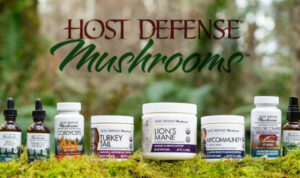
    At National Nutrition, we carry a wide range of innovative products from Host Defense Mushrooms that can be used to support respiratory, cardiovascular, and immune health. Allow us to introduce you to some of our top sellers:

    • Lion’s Mane: Host Defence Lion's Mane is beneficial for the brain, which is why it's often referred to as a "smart mushroom." It’s one of the most potent natural nootropics on the market today. The active ingredients in Lion's Mane promote nerve growth factor (NGF), which has been shown to help improve cognitive function and boost memory. Host Defense's Lion's Mane is created using organic mushroom mycelium grown in the United States. Mushroom mycelium is packed with polysaccharides, glycoproteins, ergosterols, triterpenoids, and other myco-nutrients. Each serving contains 1 g of mushroom mycelium to soothe your nervous system and help you focus.
    • Turkey Tail: Host Defense Turkey Tail is one of the most-studied and best-documented beneficial mushroom species in scientific research and has a wide spectrum of beneficial properties. It's best known for supporting immunomodulation and an engaged and balanced immune response via the gut. Turkey tail contains enzymes and prebiotics, which makes it especially beneficial for gut health. A healthy gut can, in turn, support a healthy immune system. In fact, one study funded by the National Institutes of Health found Host Defense Turkey Tail to be immunologically active.
    • MyCommunity: If you are looking for immune support, MyCommunity is the most comprehensive immune support product in the lineup. It is made with a blend of 17 potent mushrooms, with each carefully selected for its distinctive benefits to the immune system. All mushrooms in this formula are made with U.S.-grown organic mushrooms, including the mycelium and fruitbodies (these are the parts of the mushroom that live above ground and are also loaded with a spectrum of different health compounds). Plus, there is some evidence from third-party, peer-reviewed research that MyCommunity could help support an immune response in healthy individuals.
    • Stamets-7: Specially formulated by Paul Stamets, Stamets7 is made with U.S.-grown organic mushroom mycelium, which is packed with a full spectrum of health compounds, including polysaccharides, glycoproteins, ergosterols, triterpenoids, and other nutrients. This blend includes 7 different mushrooms—cordyceps, reishi, maitake, lion's mane, chaga, mesime, and royal sun clazei—commonly used to support overall immune function.

    If you would like to learn more about Host Defense mushrooms and get inspired by the incredible world of funghi, stop by our store or call to speak with one of our qualified educators.

  • Immune System

    What Is The Immune System's Role?

    The immune system is the police force of the body. It is a complex system of cells that defends the body from invading organisms, regulates inflammation and controls abnormal cell growth. Many organs are involved in the immune response, including the bone marrow, lymphatic system, thymus, liver and spleen. Bone marrow produces red blood cells, white blood cells and platelets.

    The spleen is a location where immune cells can monitor the blood for foreign matter. It also speeds up red blood cell production and activates blood clotting. The liver can increase body temperature and induce sweating to help fight off infections. The thymus produces B cells, which make antibodies, and T cells, which are part of the immune response.

    The immune system is capable of fighting off intruders and remembering them so that they are killed off quickly if they invade again. The immune system must be able to differentiate self from non-self in order to know what to attack. If it does not recognize the body’s own tissue, then autoimmune diseases occur.

    • The immune system can be compromised by:
    • physical or emotional stress
    • poor dietary habits
    • exposure to chemicals and medications
    • lack of sleep
    • deficiency in friendly bacteria
    • lack of physical activity

    Stress & The Immune System

    Physical and emotional stress has been shown in studies to depress the amount of circulating immune cells. Examples of possible stressors are excessive exercise, surgery, a long illness, and loss of a job or the death of a loved one. The sympathetic nervous system is activated by stress and causes increased heart rate and blood pressure, and a heightening of the body’s senses. It decreases the functioning of systems that are not essential for fighting or fleeing a situation. This includes immunity. Stress also causes increased inflammation and a buildup of damaging agents called free radicals. These substances can interfere with normal immune functioning.

    Diet & Immune Health

    Poor dietary habits inhibit the immune system by creating deficiencies in protein, vitamins and minerals. A healthy diet, with sufficient protein intake, supports the immune system because the immune cells are made of protein and are in a constant state of renewal. The immune cells use a variety of vitamins and minerals to carry out their jobs. The most important nutrients are vitamin A, vitamin B6, vitamin C, vitamin E, selenium, zinc and essential fatty acids. For example, vitamin C strengthens white blood cells and prevents the multiplication of bacteria and viruses. Deficiency of any one of these nutrients impairs the immune response.

    Dietary sugar, especially white sugar, has been directly linked to depression of the immune system immediately after its consumption. One study showed that eating three and a half oz. of simple sugar reduced the ability of white blood cells to destroy bacteria. Sugar also provides fuel for invading organisms, like bacteria and fungi, thus strengthening their attack.

    Sleep is an essential component of our body’s repair mechanisms. During sleep, the body is in an anabolic, or building, state. Insomnia prevents the renewal of immune cells. Over time, this leads to a decrease in immune functioning. Lack of sleep also stresses the body and usually occurs with an increase in sympathetic nervous system function. The immune system is depressed by the mechanism described in the previous paragraphs.

    How Medications Effect The Immune System

    Many medications, especially cortisone and antibiotics, affect the immune system, especially when taken for long periods of time. Cortisone suppresses the bone marrow, and antibiotics kill beneficial bacteria. Toxic substances, including excessive alcohol and heavy metals, depress the function of the immune system or cause immune cells to prematurely die.

    Probiotics Role In Immune Health

    Some of the most important players in the immune system are not part of our own body. Friendly bacteria, often called probiotics, line the digestive tract, sinuses and other mucosal surfaces. On all of the surfaces, they prevent infection with other microbes.

    In the digestive tract, they also break down food particles and manufacture vitamins. Friendly bacteria are in a constant state of renewal. Frequent infections can be due to an imbalance of friendly bacteria. It is easy to upset this balance by improper diet or taking medications like antibiotics.

    Conditions That Commonly Affect The Immune System

    Lack of Exercise

    Lack of physical activity weakens the immune response by hampering the ability of immune cells to get to where they are needed.

    The Lymphatic System

    The lymphatic channels act as highways for immune cells, but they contain no musculature of their own. They depend on the activity of surrounding muscles to push the lymph fluid around the body.

    Mutated Cells

    Mutated Cells are the result of abnormal cell growth and replication. In a healthy system, these abnormal cells are destroyed by the immune system. Tumours form when the abnormal cells multiply, unchecked by the immune system, into a mass of tissue. If the cells do not pose a threat to health, they are called benign or non-cancerous. Malignant tumours pose a threat to the body. They can damage surrounding tissues, move to other areas of the body and will grow back if removed.

    Colds and Flu

    Colds and flus are a part of everyday life. They are usually caused by viruses, although if left untreated, bacteria can move in and cause infection as well. Lingering or recurrent infection is a signal of an immune system that is overwhelmed.

    Environmental Allergies

    Environmental allergies can be any substance, but the most common ones are dust, pollen, animal hair, animal dander, insect bites, grasses, moulds and fungus, cleaning products and metal in costume jewellery. The immune system incorrectly views allergens as a threat to the body. When the allergen contacts a mucous membrane, inflammation occurs due to the release of chemicals such as histamine. Some researchers postulate that this condition may be due to the build-up of environmental toxins. These toxins cause an additional strain on the body’s immune system. The hyperactive system then responds inappropriately to stimuli that are normally found in the environment.

    Food Allergies

    Food allergies involve antibody responses to food. Allergens can be any food substance, but the most common ones are dairy products, peanuts, eggs, wheat, corn, soy, the nightshade family, food additives and preservatives and medications like penicillin and aspirin. Some researchers postulate that the early introduction of foods to infants causes food allergies. Other reasons for food allergies are the build-up of environmental toxins and heredity.

    Autoimmunity

    Autoimmunity is when our natural immunity turns against us and attacks our healthy body cells. Some common autoimmune conditions are: Celiac disease, lupus, psoriasis, Addison’s Disease, rheumatoid arthritis, multiple sclerosis, and inflammatory bowel disease.

    Tips For Optimizing Your Immune System

    • Consuming a nutrient-rich diet
    • Reducing physical and emotional stress
    • Getting adequate exercise, rest and relaxation
    • Limiting your exposure to environmental toxins & medications
    • Supplementing your diet with nutrients that support the immune system

    Choose lean meats, fermented dairy products and legumes to fill your daily protein requirements. Supplement with protein powder or an amino acid complex if you cannot consume enough protein. Eat fermented products to increase the amount of friendly bacteria in your system. A diet high in raw fruits and vegetables provides a good source of vitamins, minerals and antioxidants for the immune system. Onions and garlic are good sources of substances that make up anti-inflammatory compounds and help to kill microbes. Flaxseed and fish oils contain essential fatty acids that are anti-inflammatory. Avoid excess animal products, dairy products, processed foods, white flour and sugar products, all of which decrease the immune system.

    Stress puts a burden on the immune system and taxes the body’s resources. Use whatever stress-busting methods work for you to decrease your stress level. Avoid excessive exercise and hectic daily routines. Do regular physical activity that you enjoy and that is appropriate for your age and fitness level. Go to bed at the same time each night, before midnight is preferable, and sleep for about 8 hours. Incorporate time into your day for relaxing practices like hobbies, reading or meditating.

    If you suspect that your immune system is adversely affected by toxin build-up, undergo regular organ detoxification to cleanse your system. Include lymphatic cleansing in the protocol to decongest the immune cells’ transportation network.

  • Liposomal Vitamin C

    Because of its antioxidant properties and well-documented immune-boosting effects, Vitamin C is one of the most well-known and widely used supplements around the world. However, it’s also notoriously hard to absorb. Studies show only about 12 to 14 % of the vitamin C you consume in food is absorbed into your bloodstream – the rest being flushed out of your body. In supplement form, it’s even worse – with the body only absorbing 7-8% of the total amount. This is where the form of vitamin C comes in and liposomal vitamin C is more bioavailable, let's explore why. 

    What Does Liposomal Mean?

    Before we examine liposomal vitamin C, it’s important to establish what the term “liposomal” means. Liposomal refers to a supplement that has its active ingredient(s) encased in one or more fat particles. This liposome is a fat shell made up of fatty acids, manufactured synthetically from cholesterol and other forms of fat. Liposomes are both a protective agent, as well as a carrier for the active ingredients (in this case, vitamin C). Liposomes are not an innovation and have long been used to encapsulate nutrients like vitamins, minerals, and pharmaceuticals.

    What is Liposomal Vitamin C?

    Vitamin C, like many other nutrients, has to make its way through your digestive tract, which is a tall order! Because liposomal vitamin C is encapsulated in tiny fatty acid particles – liposomes – it avoids the digestive tract altogether. The liposomes protect the vitamin C from the harsh acids of the stomach and degradation by enzymes, so allows for easier absorption in the stomach and intestinal tract. Once broken down, the contents of the liposome are then released into your bloodstream, where it’s distributed to the various tissues inside your body.

    Understanding Why Liposomal Is Better

    Because of the protective effects of the liposome, the absorption of lipo Vitamin C reaches upwards of 85% - a significantly higher percentage than standard vitamin C supplements. This means that the liposomal format can raise your blood concentration of vitamin C quickly - even when you’re taking an extremely low dose. Research tells us that liposomal supplements can help increase the effectiveness of supplementation tenfold.

    The lipid envelope helps the fat-containing cells and tissues of the body to absorb what is normally a water-soluble vitamin but is delivered inside a fat-permeable layer that is the liposome.

    Key Applications and Benefits of Liposomal Vitamin C

    Liposomal Vitamin C offers powerful antioxidant properties, so protects all of the body’s tissues from free radical damage. It also helps stimulate and support your immune system, as well as helps optimize and speed up recovery from injuries, strains, sprains, and bruising. Liposomal C is also ideal to help protect brain health and cognitive function, as well as to support your cardiovascular system. It helps optimize bone health because it increases the absorption of calcium and iron, and is a great addition to most diets to help maintain, protect & preserve overall good health.

    When to Choose Liposomal Vitamin C Over Other Formats

    While a regular form of vitamin C may suit you if you’re in relatively good health, if you have a compromised immune system, lead an active and stressful lifestyle, are a hard trainer or an athlete, or are living with a chronic condition, a liposomal form of vitamin C, that can quickly and effectively raise your vitamin C blood concentration may be ideal.

    Tips For Taking Liposomal Vitamin C

    Liposomal vitamin C should be taken once or twice daily, depending on the dose and the purpose you’re using it for. Always follow the manufacturer’s recommended dosing. Because of the phospholipid nature of lipo vitamin C, it has a distinct gooey texture, which some people may not appreciate on its own. This is why it’s best to add it to water, juice, tea, or your favourite smoothie, or mixed into your yogurt or smoothie bowl, for a tasty & energizing immune boost!

  • Medicinal Mushrooms

    Mushroom species such as the Ganoderma species (reishi), grifola (shiitake), cordyceps and lentinula (maitake) have been used and studied for their powerful medicinal properties and effectiveness against the treatment of a variety of diseases. Perhaps most well-known and best studied for their use in healthy cell growth, many fungi or medicinal mushrooms are also powerful immune tonics, possessing anti-viral, anti-bacterial and anti-parasitic properties. Many are anti-inflammatory, as well as possessing specific action to support cardiovascular health. Lastly, some medicinal mushrooms are known to be hepatoprotective, as well as glycemic herbs, helping to regulate blood sugar. No wonder they have such a long history of medicinal use!

    Discover A Variety of Medicinal Mushrooms & How They Support Your Health

    Reishi Mushroom Health Benefits

    Reishi mushroom has several medicinal properties, perhaps none as well known or well studied as its immune-enhancing properties. The polysaccharide content of reishi mushroom is responsible for its immune-stimulatory effects and why it has potent anti-viral benefits, protecting against and treating flu viruses. It has been used to reduce symptoms such as sweating, insomnia, nausea and vomiting. Reishi has also been shown to slow blood clotting or inhibit the formation of blood platelets, as well as lowering blood pressure and possessing effective hepato-protective qualities. Reishi mushroom is to be used in short sessions, no longer than 6 months, as it could cause upset stomach, dry mouth, dizziness and nose bleeds.

    Shiitake Medicinal Mushroom

    Shiitake is also very well known for its effectiveness as an immune tonic. Again, a polysaccharide extract known as LEM has been deemed responsible for its action against various viral infections. There is also evidence to suggest that shiitake extract can help to lower cholesterol. A compound called eritadenine has been shown to possess these cholesterol-lowering properties. People taking blood thinners should only use Shiitake under medical supervision.

    Cordyceps & Their Health Advantages

    Cordyceps has an affinity for the lung and protecting/repairing lung function. This is why it is primarily indicated in cases of cough and phlegm, shortness of breath, COPD and asthma. It has also been used widely as an aphrodisiac for both men and women. Cordyceps also has an affinity for the kidney, which according to Traditional Chinese Medicine gets depleted as we age. For this reason, cordyceps is widely used in the older population to combat fatigue, low back pain and reduced kidney function. Again, as with most medicinal mushrooms, there is promising research dedicated to the use of Cordyceps for the inhibition and even reversal of unhealthy cell growth. It has also been used to effectively treat high cholesterol, as well as Hepatitis B. Be cautious when taking anti-diabetic or anti-retroviral medications in combination with cordyceps.

    Maitake Mushrooms

    In Japanese, maitake means "dancing mushroom". Another well-loved mushroom with a long history of use, maitake is also getting a lot of attention for its healthy cell growth properties. Maitake is also considered to have properties similar to alpha-glucosidase inhibitors, which impact how we digest carbohydrates and can help to lower blood sugar levels. It has also been shown to inhibit pro-inflammatory markers in the body.

    Lion's Mane Medicinal Mushroom Benefits

    Lion's mane or Hericium erinaceus is well known to both regulate blood sugar levels, as well as blood lipid levels. It is also a potent antioxidant. Animal studies have shown that it may also help to stimulate nerve cells in the brain, implicating it can offer neuroprotective support; however, further research is needed.

    Chaga Mushroom

    Unlike many of the other mushrooms mentioned to this point, Chaga seems to have its origins in Eastern Europe, as opposed to Asia. It has been found to grow, similar to a parasite, on the bark of birch trees. Chaga is high in both beta-glucan, as well as betulinic acid. It is extremely high in antioxidants thanks, in part to its high content of superoxide dismutase (SOD). Again, it has been shown to have powerful anti-inflammatory and immune-modulating effects. It has been studied for its effectiveness in fighting some autoimmune conditions, including psoriasis. Chaga has been studied for its use in unhealthy cell growth in the breast, uterus, liver and intestines. It has also been shown to lower cholesterol and improve insulin resistance. Use with caution in young children, pregnant or nursing women, and those with severe liver or kidney disease. This can lead to hypoglycemia in individuals already taking diabetic medications. Speak with your healthcare professional before taking it.

    Turkey Tail

    Turkey Tail, scientifically known as Trametes versicolor, is most known for enhancing cognitive function. Studies have shown that it has the potential to improve memory and enhance concentration and focus. Additionally, Turkey Tail is rich in potent antioxidants that protect the body and skin from oxidative stress. It's these antioxidants that provide Turkey Tail with its skin enhancing benefits, including glowing skin.

    Aside from its brain and skin support, Turkey Tail can also provide anti-inflammatory benefits which also improve gut health and immune health.

    Shopping For Quality Medicinal Mushrooms

    These mushrooms can all be found in supplement form at your local health food store. They are available in convenient capsule, powder or in loose, dried form to be made into tea or added to soups and other dishes. You can purchase these supplements as individual mushrooms or mushroom combination supplements which incorporate the various medicinal properties of each fungus into one combination.

  • Moducare (Sterols & Sterolins)

    Phytosterols, plant sterols, look like human/animal cholesterol molecules but in contrast to animal-based cholesterol, are not easily absorbed into the body. They block the absorption of dietary cholesterol in the intestines, causing a decrease in blood cholesterol levels. Daily intake of phytosterols can lower LDL (harmful) cholesterol levels by an average of 10% to 14%. They do not alter the levels of triglycerides or HDL (beneficial) cholesterol. One type of sterol, beta-sitosterol has been well studied for its activity on the prostate gland.

    Sterol & Sterols Key Health Benefits

    Supplementation with beta-sitosterol increases urinary flow rate and decreases pain and burning on urination in men with benign prostates hypertrophy. Beta-sitosterol has also been studied as an anti-inflammatory agent and immune regulator in rheumatoid arthritis and other autoimmune diseases. Furthermore, beta-sitosterol stimulates insulin secretion and may contribute to better blood sugar control for diabetics. As more research is done on these molecules more health benefits are bound to be uncovered.

    Moducare: Sterol & Sterols Supplement Varieties

    Food manufacturers are adding phytosterols to products like margarine. Read the product label to see if significant amounts of phytosterols are present in the product. Phytosterols are available in capsules for supplementation. They should be standardized as an assurance of the amount of active sterols they contain. Phytosterols can be found in combination products for immune boosting, cholesterol control, blood sugar balancing and prostate health.

    Potential Side Effects & Considerations of Moducare

    There are no known contraindications for the plant sterols. Some studies show a reduction in the carotenes when plant sterols are taken. Consider supplementation with beta-carotene. Take plant sterols with meals for cholesterol control and away from meals for prostate disorders.

  • MSM Supplement Uses & Benefits

    Methylsulfonylmethane (MSM) is a derivative of DMSO and is safer to use because it does not accumulate as rapidly in the body. It also does not have an offensive “rotten egg” odour. As a source of organic sulphur, an MSM supplement helps to build protein, connective tissue, hormones and enzymes. MSM supplements can be helpful for those individuals who have inflammatory conditions like arthritis, lupus and interstitial cystitis, suffer from seasonal allergies, or have pain due to other health conditions.

    Key Health Benefits of A MSM Supplement

    Analgesic – Pain Relief

    The pain-relieving activity of MSM is believed to be fourfold. Firstly it can directly reduce the transmission of pain signals along nerve fibers. Secondly, it increases blood flow to an inflamed area. Thirdly it reduces muscle spasms. And lastly, MSM stops the release of inflammatory compounds. All of these activities help MSM to reduce pain, particularlywhen it is due to inflammation.

    Anti-inflammatory - Arthritis

    In addition to its ability to directly and indirectly reduce pain in arthritic conditions, MSM can also be used to help treat those suffering from Osteoarthritis. Supplementation for 12 weeks (1123mg taken 3x daily) may improve pain and physical performance in osteoarthritis. Often, MSM will be combined with other joint support nutrients such as Chondroitin, Glucosamine and Collagen Type II to maximize the benefit to Joint Health. Interestingly, many of these supplements are beneficial for moderate to severe joint pain, whereas MSM is most beneficial for mild to moderate joint pains.

    Detoxification

    Supplementation of MSM can also help the body to detoxify by supporting the cleansing function of the liver. MSM is the natural breakdown product of DMSO in the body, which is a commonly used agent for the removal of mercury from the human body. Because of this, it is speculated that taking MSM may in itself help to clear mercury from the body. Interestingly, recent research has focused on the use of MSM in the prevention and treatment of some cancers, such as breast, colon and lung. Further research will be required to conclude these uses.

    Topical Use

    Many companies use MSM in topical preparations for arthritis pain relief. Interestingly, from this use, topical MSM has spread to use in other conditions such as Rosacea, Eczema, and even Acne. Initial research on its use in rosacea and eczema is promising, although further research is necessary.

    Finding Quality MSM Supplement Varieties

    Natural MSM can be found in raw dark green vegetables and raw red or yellow fruits and vegetables as well. It can also be found in fish, meat and poultry, as well as eggs and milk. MSM can be purchased as capsules or powder. Another name for MSM is DMSO2. It is often combined with other anti-inflammatory agents in formulas for musculoskeletal health, joint health, allergies and pain relief. MSM is often added to creams and ointments for the healing of skin conditions and relief of joint pain. Moisture and heat destroy the MSM content of foods and supplements. Taking vitamin C with your MSM will help to improve its effect. The therapeutic effects of MSM may take 3 weeks or longer to appear.

  • Pau D Arco

    The Pau D Arco tree is a tropical evergreen that grows in Central America, South America and the Caribbean. The medicinal effects of Pau D’Arco are attributed to lapachol.

    Key Health Benefits of Pau D Arco

    Pau D’Arco has also been found to have antiviral activity against cold sores, and anti-protozoal activity against malaria. Topically, Pau D’Arco tea can be used to treat bacterial and fungal infections, bites, minor skin injuries and psoriasis.

    What Parts of Pau D Arco Are Used Medicinally?

    Pau D’Arco’s most medicinally effective part is the inner bark. Unfortunately harvesting the inner bark often results in the death of the tree. Increased demand for this tree has made Pau D’Arco an endangered species in some South and Central American countries. You may want to inquire as to the harvesting practices of the company that provides the raw material for you.

    Pau D Arco Supplement Varieties

    Pau D’Arco supplements are made from a variety of species in the genus Tahebuia. Some supplements are made from the inner bark while others are a mixture of the bark with other less active plant parts. Few Pau D’Arco supplements are standardized to the lapachol content. All of these factors make it difficult to use Pau D’Arco safely. Due to the toxicity of lapachol internal use of Pau D’Arco is best undertaken with the guidance of a health professional.

    Pau D’Arco is available as dried bark, for tea, and encapsulated tree parts. Tea is traditionally used for its medicinal properties but very few of the medicinally active components of Pau D’Arco are water-soluble. Encapsulated dried bark, which is standardized, is the best supplemental form of Pau D’Arco.

    Cautions & Considerations

    Individuals with active bleeding or blood disorders should not use pau d’arco. Pau D’Arco interacts with blood thinners, aspirin and any herbal product that thins the blood. Pau D’Arco is not safe for use in pregnant and nursing women. High doses of lapachol can lead to anemia, diarrhea, dizziness, nausea and vomiting.

  • Pelargonium Sidoides (Umcka) Umckaloabo

    A species of geranium unique to South Africa, Pelargonium Sidoides also goes by the name Umckaloabo (or Umcka). Umckaloabo has been used to treat the common cold and flu virus – working to alleviate sinus inflammation congestion and sore throat, especially useful in cases of childhood infection that do not always respond well to antibiotic treatment, such as in Staph Aureus infection.

    Umcka has also been shown to effectively treat bronchitis and other upper respiratory tract infections. It has been shown to significantly and effectively shorten the duration of acute-stage bacterial and viral infections.

    Umcka's Key Health Benefits & Latest Research

    Studies have shown that Umckaloabo has both antibacterial and anti-viral effects in the body, thanks in large part to two major constituents; coumarins and gallic acid.

    Umckaloabo has been shown in studies to prevent both viruses and bacteria from attaching to the cells in the mucous membranes (sinuses, throat and respiratory tract), thereby preventing both bacteria and viruses from replicating. Studies have also confirmed that Umckaloabo activates macrophages within the body. These cells are responsible for engulfing and digesting pathogens, as well as recruiting other lymphocytes within the body to respond to pathogens.

    When there is excess mucous congestion, usually thick and sticky, in the sinuses, throat and chest it is a breeding ground for bacteria and viruses to multiply. Umckaloabo is an expectorant herb, meaning that any infection that does manage to attach itself is ultimately expelled within this contaminated mucous. This further eliminates the potential for these infections to grow. Gallic acid has also been shown to be immunomodulatory, meaning that Umckaloabo helps to balance out the immune system, regulating the inflammatory process.

    Tips For Taking Umcka Supplements

    Umckaloabo can be found as a standalone supplement in liquid, both by the drop or in a syrup form, in various tasty flavours. When using drops of the standardized root extract, adults are recommended to take 30 drops 3 times per day. Children ages 6-12 are advised to take 20 drops, 3 times per day.

    Umckaloabo can also be paired with other immune system herbs. Some complimenting herbs include:

    • Elderberry
    • Andrographis
    • Echinacea

    Umckaloabo works best when taken within 48 hours of the start of cold and or flu symptoms.

    Potential Side Effects & Considerations

    Talk to your healthcare professional before combining Umckaloabo with warfarin or other anticoagulant medications, although not universally the case, some individuals have found it to have blood thinning effects. Due to a lack of data, it is not advised during pregnancy or while breastfeeding.

  • Pomegranate, Packed With Antioxidants

    Pomegranate is the fruit of the shrub Punica granatum, which is native to Iran and Iraq, although now it is cultivated in many arid regions around the world. The seeds of this fruit are eaten for the sweet, tangy seed casings (arils). The juice from the seed casings is often extracted for its delicious flavour.

    Interestingly, grenadine syrup used in cocktails is actually concentrated and sweetened pomegranate juice. In addition to its delicious flavour, this fruit also provides a number of health benefits, and has been used in Ayurvedic medicine for thousands of years.

    Traditional Uses For Pomegranate

    Traditionally, the rind of the pomegranate fruit is used in India for the treatment of diarrhea, dysentery and intestinal parasites, and modern Chinese herbal medicine uses it for these purposes as well. The seeds and the juice are used to treat heart and throat conditions and to help balance a diet high in sweet and fatty foods. The seeds and rinds were once thought to prevent conception and are still used today as a folk-remedy for family planning in some parts of Africa. Fresh and dried pomegranate seed arils are used in many Persian, Greek, and Pakistani dishes as well for their sweet, tart flavour and nutritional benefits.

    Nutrient Profile of Pomegranates

    Pomegranate juice contains a relatively high dose of vitamin C, vitamin B5, and potassium. The seeds within the arils also contain large amounts of fibre, and a number of fatty acids, including oleic, linoleic, palmitic and punicic acids, which may explain some of its potential cardio-protective properties.

    Health Benefits of Pomegranate

    Cardiovascular Benefits

    Preliminary research has also shown pomegranate to be beneficial in reducing many of the risk factors associated with heart disease, particularly by reducing the oxidation of LDL cholesterol and by lowering blood pressure. It is also thought that the tannins present in the juice are responsible for balancing the “good” (HDL) and “bad” (LDL) cholesterol, by interfering with the oxidation of LDL cholesterol specifically. Interestingly, one human study found that pomegranate juice helped to treat carotid artery stenosis (narrowing) by reducing the thickness of the artery wall.

    Potent Antioxidant

    Pomegranate juice contains a large number of different phenolic compounds that act as strong antioxidants. In fact, the antioxidant capacity (ORAC) of this fruit has been measured as 2,860 per 100g. Some scientists and health professionals believe that pomegranate may play a role in the treatment of a variety of “silent” inflammatory processes, like those involved in cardiovascular disease, diabetes and more.

    Healthy Cell Growth

    One of the major active constituents in pomegranate juice is called ellagic acid, which is a natural phenol compound. It acts as a strong antioxidant that may boost healthy cell growth. Ellagic acid has the ability to directly prevent the binding of carcinogenic compounds with cellular DNA in a test tube. This is the mechanism by which Ellagic acid has been thought to help prevent unhealthy cell growth. Water extracts of the pomegranate rind, which are rich in different polyphenols, were found to promote differentiation of unhealthy cells, causing them to revert to normal cells. Further research is required before we can be sure of these effects.

    Shopping For Pomegranate Fruit & Supplements

    The fruit can be purchased at your local grocery or health food store, as can the bottled juice. Pomegranate extract can also be purchased as a supplement, in capsule form. Pomegranate extracts are usually standardized to include a certain percentage of polyphenols / ellagic acid. There is no consensus in terms of dosage or recommended juice consumption. Pomegranate juice has a very strong safety profile, and is generally considered safe. The rind should be used with caution by women who are pregnant or breast feeding.

  • Probiotic Strep. Thermophillus

    One of the less common probiotic strains you may see in your multi-strain probiotic is Streptococcus salivarius thermophilus. Although most people are familiar with Strep bacteria as the ones that cause Strep throat, this particular strain is actually good for us. It is commonly called Strep thermophilus and is a lactic acid bacterium (like Lactobacillus), meaning that it is commonly found in fermented milk products like yogurt and sour cream.

    Benefits of Strep. Thermophillus Probiotics

    Strep. Thermophillus is often used in these food products to help break down lactose, the sugar in milk that many people cannot digest. For more information please see our lactose intolerance article.

    Protection Against Diarrhea

    Strep. Thermophillus has been studied for use in chemotherapy patients and in antibiotic associated diarrhea. In both cases it has been found to reduce damage to the intestinal lining and help to prevent the growth of bad bacteria. This helps to reduce diarrhea and sometimes even prevent it entirely.

    How Can I Get More Strep Thermophilus?

    Usually Strep. Thermophillus will be found in a multi-strain probiotic in combination with other probiotic strains to help colonize the gut and prevent diarrhea and gut damage. These formulas can come in powder or capsule and can be mixed into food or taken with meals to help colonize the gut with beneficial bacteria.

  • Probiotics Bifidobacteria

    Bifidobacteria are a group of anaerobic lactic acid bacteria that commonly colonize the gastrointestinal tract and the vagina. They are one of the main bacteria present in the colon of adult humans, and along with Lactobacillus, they make up a majority of the gut flora. In breastfed infants on the other hand, Bifidobacteria alone actually make up the majority of the gut flora. Because of this, it is this genus of bacteria that are most commonly used in infant probiotics, although they are frequently found in well-balanced adult probiotics as well.

    Health Benefits of Bifidobacteria Probiotics

    Digestive Health

    Much like other probiotics, Bifidobacteria can have a number of health benefits. They can treat a wide variety of intestinal disorders, and promote proper digestion. This particular genus of bacteria has also been associated with lower risk of diarrhea when supplemented during antibiotic treatment. This effect was particularly seen in infants. It can also help to prevent other conditions of the intestines caused by radiation, chemotherapy, and autoimmunity such as Irritable Bowel Disease (IBD). Bifidobacteria are also associated with protection against Traveller's Diarrhea, and can also be used in treatment of this condition as well.

    Skin and Lung Health - Allergies

    Likely because of their role in helping to heal the gut and improve gut integrity, Bifidobacteria can also help to improve allergic conditions such as eczema and dermatitis. There is some preliminary research suggesting that Bifidobacteria may be able to directly inhibit allergic reactions by creating immune tolerance, but further research is required. Supplementation has also been shown to help speed children's recovery from respiratory infections.

    Healthy Cell Support

    Some species of Bifidobacteria have been shown to alter enzymes in the body that can cause the production of carcinogens, which helps to reduce their function. This can help to prevent the formation of unhealthy cells.

    Types Of Bifidobacteria

    There are a number of different species of Bifidobacteria that can each have unique effects in addition to the common ones listed above. Each species can also have a large number of different strains that may have slightly different effects, but that is beyond the scope of this article.

    B. bifidum

    This particular species is commonly found in the human digestive tract and in the vagina in women. It has been found to help protect against infection in the gut by pathological ("bad") bacteria. It has also been shown to be beneficial in the treatment of vaginitis in women. In addition, these bacteria help to synthesize B vitamins in the gut and help to convert vitamin K to its active K2 form.

    B. breve

    This bacterium is one of the more static species in the gut, and once it gets established, it can have a number of health benefits. Healthy individuals have gut flora consisting of at least 10% Bifidobacterium breve. This is also the form of Bifidobacteria that makes up the vast majority of the gut flora in infants. This species of bacteria is often used to protect against a serious condition in newborns called necrotizing enterocolitis. It is through the base colonization of the gut that B. breve helps to protect the gut against infection, particularly E. coli infection. This helps to reduce the occurrence of diarrhea and even of Irritable Bowel Disease (IBD). It is this particular species that is also able to protect the vagina against infection, particularly against Candida, thus protecting against Vaginal Yeast Infections in women.

    B. infantis

    This particular probiotic produces a wide variety of B vitamins in larger concentrations than most other species of Bifidobacteria. Supplementation with some specific strains of B. infantis (35624) has been associated with relief of the symptoms of Irritable Bowel Syndrome (IBS). It is also one of the main strains found in the pharmaceutical probiotic formula known as VSL#3, which has been shown to help in the treatment of Irritable Bowel Disease (IBD). Despite its name, B. infantis is actually commonly found in the digestive tracts of both adults and children.

    B. lactis / B. animalis

    This particular species of Bifidobacterium mainly establishes itself in the colon. One of these is the probiotic found in some Danone yogurt products touted for their regulatory benefits to digestive health. This type of bacteria has been found to speed digestive transit time in healthy adults.

    B. longum

    These bacteria are renowned for all of the benefits associated with Bifidobacteria listed above. It has also been shown to have excellent anti-cancer benefits, including protecting DNA against mutation, and potentially directly acting against tumour cells. These results have only been shown in rodents to date, so further research is required, but the implications are intriguing for the future treatment of cancer, particularly colon cancer. This is also another species of bacteria that is commonly used to help treat vaginal dysbiosis and vaginal infections.

    How To Increase Bifidobacteria Intake?

    Initially your gut is seeded with these probiotic bacteria through your mother's breast milk soon after you're born. After you finish breastfeeding, it becomes necessary for you to get these bacteria from other sources. Supplementation with a multi-strain probiotic is often the best way to boost your intake of Bifidobacteria. The dosage required for these bacteria is the same as other probiotics, and the greatest beneficial effect often occurs when they are all supplemented together. This is likely due to the fact that a vast diversity of microorganisms is the natural state in our digestive tracts.

    In general, probiotics are initially dosed at higher amounts for 4-6 weeks at a dose of 10 billion or more cells daily. Later, maintenance doses can be as little as 2- 4 billion cells daily. In each case, these beneficial gut bacteria should be supplemented with food to allow them safe passage into the digestive tract.

    When dosing children, the strain ratios and dosages will be different than those for adults. It may be best to purchase products targeted at your child's age range. In order to treat vaginal conditions, probiotics can be supplemented orally (by mouth) or can be provided in suppositories that can directly affect the local vaginal populations.

  • Probiotics Key Benefits

    What Are Probiotics?

    Probiotics are the beneficial microbial flora that we all need for optimal health. These "good" bacteria (and yeast) colonize our digestive and urinary tracts and the vagina in women where they grow and help to maintain the health of our mucous membranes. You can think of this in the same way as sowing your lawn with grass seed to create a thick, lush carpet of grass that can protect against the growth of weeds.

    Types of Friendly Bacteria

    In general, probiotics can be categorized by where they are used in the body. For example, there are friendly bacteria, which only grow in the small intestine and those that proliferate only in the large intestine (colon). But, believe it or not, beneficial bacteria exist in the mouth, urinary tract, stomach, vagina, and even on the surface of the skin. Certain strains colonize certain areas of the body more easily than others. More specific information can be seen below.

    What Do Probiotics Do?

    Probiotics feed your body with beneficial bacteria to help protect against the growth of pathological ("bad") microbes like E. coli and Candida. This helps no matter the location of the mucous membrane in the body: whether the vagina, bladder or GI tract. In the gut they also promote proper digestion and in some cases actually produce or functionally convert essential nutrients for our absorption and use. Many normal, bodily functions require healthy gut flora, and their effects range from healthy immune function to proper heart function and skin health.

    Probiotics Health Benefits

    Healthy Gut Flora

    Without healthy gut flora, a number of conditions can result including: poor assimilation of nutrients, intestinal irritation, diarrhea or constipation. Both naturopathic and medical doctors recognize the importance that the gut flora plays in overall health. Certain strains of Lactobacillus have been shown to be crucial for producing important immune factors, while others have been shown to be crucial for the reduction of bad cholesterol. Many infections are more common in those without proper body flora, including: gastroenteritis (the "stomach flu"), vaginal yeast infections, urinary tract infections (UTIs), and even skin conditions like acne.

    Immune Regulation

    Proper colonization of the gut by beneficial bacteria helps to regulate our entire immune system. Well over 70% of our immune cells are actually located in our gut tissue as "gut associated lymphatic tissue" (GALT). These cells are constantly interacting with the bacteria in our gut, and having good bacteria present can help to train our immune system to be properly active against pathogens and tolerant to everything else. This is how probiotics can help to reduce and prevent autoimmune diseases such as: lupus, rheumatoid arthritis, irritable bowel disease, psoriasis, and eczema.

    Anti-infection and Detox Support

    Candida infections can be particularly stubborn and often require long-term use of a probiotic in addition to the use of other therapies. The same need for probiotics exists in instances of food poisoning, which not only deplete gut flora, but can also cause damage to the intestinal lining; the use of a high cell count, therapeutic probiotic is therefore appropriate if you've had food poisoning. Another common use for probiotics is for preventing parasites and diarrhea while traveling. Whether the gut flora has been lost due to diarrhea or due to an intentional cleanse, probiotic supplements can perform a "rebuilding" function, helping to replenish friendly bacteria that have been depleted.

    Strains of Probiotics

    Lactobacillus

    Probably the most commonly known probiotic available on the market, Lactobacillus has a number of health benefits. There are four major species of Lactobacillius that are commonly supplemented: acidophilus, rhamnosus, casei, and plantarum. Each has its own unique beneficial effects, although all share the common digestive, immune and anti-cancer benefits provided by Lactobacilli in general.

    Bifidobacteria

    This genus of bacteria is another group of lactic acid bacteria that also colonizes the gastrointestinal tract and the vagina. These are the species of bacteria that make up the vast majority of the digestive flora in infants, and some species may be the first beneficial microorganisms to be introduced to our guts through our mother's breast milk. In addition to the benefits common to most probiotics, certain strains of Bifidobacteria are particularly able to help reduce allergies and help to prevent and treat Irritable Bowel Sydrome and Irritable Bowel Disease. Some strains may also help to prevent and treat certain tumours. For more information on Bifidobacteria, please click here.

    Strep thermophilus

    Although most of us associate Strep with a sore throat, this particular species has been found to be extremely beneficial for preventing and treating diarrhea in chemotherapy patients and those being treated with antibiotics. It may also help us digest lactose, and so may help those with sub-optimal lactase production, and Lactose Intolerance.

    Saccharomyces boulardii

    S. boulardii is a beneficial yeast that acts as a probiotic in the digestive tract. It is particularly useful for those who have had chronic diarrhea from C. difficile infection or even from food poisoning.

    Shopping For Quality Probiotics

    There are literally thousands of probiotic supplements available in health food stores today; with so many available it can be difficult to know which one is best for you or your family. A multi-strain probiotic is frequently the best way to go for most people. This type of probiotic can supply you with at least 6, 8 or even as many as 10 or 20 different strains of healthy bacteria. Your body naturally contains a wide variety of strains, so it makes sense to take a supplement with as broad a spectrum as possible. This will give you the greatest coverage to replenish or maintain the natural gut flora. The greater the diversity, the greater the strength of your body's flora.

    Probiotic Source

    There are a number of different sources of probiotics. Some companies get their strains from soil sources (like HSO's), while some get them from lab strains, and still others from strains extracted from healthy human sources. There are a mind-boggling number of strains of bacteria available of each species of bacteria. Lactobacillus acidophilus is a species of bacteria and it has a vast number of different strains that are labeled using a chain of letters and numbers. We know very little about the specific differences of each species, and so the medical community tends to group the bacteria by species and ignore the strain in most cases. In addition to bacteria, some probiotics are other organisms; one great example of this are beneficial yeast called S. boulardii.

    Targeted Probiotic Therapy

    That being said, there are particular therapeutic probiotics, which are targeted towards certain health concerns. The homeostatic soil organism (HSO) type of probiotic contains healthy bacteria from soils. In years past we would have ingested these from root vegetables grown in the ground, but in our modern sanitized world, where we purchase cleaned vegetables from supermarkets, it's difficult for us to get it from food unless we're growing them ourselves. This particular type of beneficial bacteria has been clinically proven to help remove Candida.

    Shelf Stability

    Because they are living organisms, probiotics have a shorter shelf life than standard nutritional supplements. It is best to store them in fridge, especially if you aren't going to finish the bottle quickly. When exposed to cooler temperatures, microorganisms slow their metabolism, which brings them near to a point of stasis; This allows them to be stored for longer periods of time without a nutrient source. At room temperature, the organisms must be preserved in some other manner: either chemically in a protective coating (microencapsulation) or they must be stored in much larger concentrations and with a food source such as FOS and glucose so they can "eat" in order to survive. Most high quality supplements intended for the fridge will remain shelf stable with their label count for up to two weeks at room temperature, but prolonged time exposed to elevated temperatures will eventually result in a die off of your chilled probiotic. Research is conflicted about how long probiotics degrade naturally at room temperature, which is likely the result of differences between strains and manufacturing methods. Some healthy gut flora supplements will degrade at less than 5% of the total active cell count under normal cupboard conditions over the span of about thirty days, which will allow them to last for several months without significant losses. Often these are the brands considered to be more shelf stable. Other supplements will lose their entire living microbial count within 2-3 weeks. In general, it is best to follow the instructions on the bottle for storage. Those that say "shelf-stable" are ones that have been properly preserved or have initial counts high enough to last until their expiry date with the counts stated on the label.

    Probiotic Potency & Active Cell Count

    Unlike vitamins, minerals, and herbs, probiotic supplements are measured by active cell count rather than milligram weight (some bacteria are "fatter" than others). A high potency probiotic would be considered in the 10 billion cell count or higher. These are excellent for use in times of depletion and stress on the gastrointestinal tract. They are also useful during times of infection, where higher probiotic counts can help to out-compete pathological "bugs". For regular maintenance, lesser counts may be sufficient, such as 2-4 billion daily.

    How To Take Probiotics

    Most probiotics come in powder or capsule form for easy supplementation. They can be mixed with warm or cold food directly (not hot), or simply taken with meals. Other supplements may come in powder and lozenge form probiotics help to inoculate the mouth and esophagus with millions of helpful bacteria.

    Multi-strain formulas are always the best option to ensure a wider base of colonization and protection. It is best to try to get at least 4 strains, although better products will contain 8 or more. Keep your counts in mind – 10 billion range for initial colonization and maintenance doses can be lower, in the 2+ billion range.

    Dosing may have to be adapted in times of added stress on the intestinal tract, during time of chemotherapy, antibiotic treatment, or diarrhea.

    Some foods are enriched with probiotics, but many do not provide a therapeutic dose, and they often fall short of what is required. Be sure to use the same requirements in your food sources as in your supplements when choosing where to spend your money on probiotics.

    When dosing children, the strain ratios and dosages will be different than those for adults. It may be best to purchase products targeted at your child's age range.

    Should Probiotics Be Taken With Food?

    Very recent research has finally solved the "with or without food" debate. It was found that taking probiotics with food helped larger numbers of them (up to 90%) survive into the intestines, vs. 50% survival on an empty stomach. Before, it was thought that taking probiotics on an empty stomach would help more viable bacterial cells to pass through the stomach to reach their destination in the small or large intestines than taking them with food. It turns out that food actually acts as a buffer to reduce stomach acidity and also promotes increased motility in the gut, helping to speed the probiotic to its destination. So it is best to take your probiotic supplement with a meal to improve its function.

    Maintenance Supplementation

    Some recent research has suggested that following an initial period of high-dose supplementation to seed the gut (perhaps 4 weeks), probiotic supplementation can be dosed in pulses and still maintain its beneficial colonization. Maintenance supplementation can involve 3 weeks of daily supplementation, followed by 4 weeks without supplementation, and beneficial levels of healthy gut bacteria will still be maintained. Unfortunately, because our diets are so far removed from natural sources of beneficial probiotics, maintenance supplementation is often necessary, particularly in individuals with compromised digestion.


  • S. Boulardii Probiotic

    What is S-Boulardii

    Saccharomyces boulardii (S. boulardii) is a tropical yeast strain that has been found to act as a probiotic when ingested and replenishes gastrointestinal flora, and gut health. This yeast grows at body temperature, and is a non-pathogenic organism, meaning that it does not cause disease in humans.

    It is also non-systemic, meaning it is limited to the digestive tract and does not spread throughout the body.

    Traditional Uses for S-Boulardii

    Traditionally, S. boulardii was ingested by people in South-East Asia, as a folk medicine to prevent and treat diarrhea of various causes, particularly cholera.

    To ingest this yeast, they chewed the skins of the mangosteen and lychee fruits, upon which S. boulardii has been shown to cultivate naturally. Because it is in the yeast family, it is inherently resistant to antibacterial antibiotics, and thus is a great choice of probiotic for treatment alongside these antibiotics to help reduce their unintended side effects.

    Key Benefits of S-Boulardii

    Traveller's Diarrhea

    In general, probiotics are beneficial microorganisms that coat the digestive tract much like the grass on your lawn. Seeding the lawn with a wide variety of beneficial grass creates a strongly rooted lawn that prevents weeds from growing. In the same way, seeding your gut with a wide variety of probiotics helps to ensure that any pathogenic organisms, such as bacteria that cause diarrhea, or the pathogenic yeast Candida albicans (the yeast that causes human yeast infections) cannot take hold. Research has shown that S. boulardii can inhibit the growth of pathogenic organisms such as Candida albicans, E. coli, Shigella spp., Salmonella, Pseudomonas, and Staphylococcus. In addition to helping prevent infection by these organisms, S. boulardii has been proven to prevent antibiotic-associated diarrhea in several clinical trials, and is effective in preventing 2/3 of cases of traveler's diarrhea when taken at least 5 consecutive days prior to exposure.

    S. boulardii and IBD (Crohn's and Ulcerative Colitis)

    Interestingly, current research is beginning to examine the role of this probiotic in protecting against gut inflammation. It has been found to decrease the amount of a proinflammatory cytokine called Interleukin 8 (IL-8), which could allow it to have a protective effect in inflammatory bowel disease. More research is required in this area before we can be sure of this protective effect.

    S. Boulardii and C. Difficile

    Clostridium difficile (C. difficile, or C. diff) is an extremely antibiotic-resistant organism that tends to cultivate in a hospital and clinical environments and infect people undergoing antibiotic treatments or who have compromised immune systems. One of the most exciting pieces of information to come out of current research on S. boulardii is its ability to protect against C. difficile in a number of different ways. It can reduce the symptoms of a current C. difficile infection by protecting the host against several toxins produced by this pathogenic bacteria. Also, co-supplementation of this probiotic with antibiotics targeted against C. difficile significantly reduced relapse of infection after treatment is completed. There is even preliminary evidence that it may be able to directly treat C. difficile infection, without the use of antibiotics in over 70% of those infected. In fact, the WHO (World Health Organization) has stated that it considers S. boulardii to be a possible treatment for recurrent C. difficile colitis.

    Taking S. Boulardii Supplements

    Currently, there are several preparations of S. boulardii available in viable freeze-dried formulations. S. boulardii is often marketed as a probiotic in a lyophilized form and in these cases is therefore referred to as Saccharomyces boulardii lyo (one well-known brand is Florastor). The recommended dosage is 750-1000mg of freeze-dried yeast per day in divided doses. Generally speaking, it is better to take probiotics with food to help protect them against your stomach acid so they can cultivate your intestines. Current doses are sufficiently high that capsules can be taken away from food if required. For protection against infection by pathogenic organisms, supplementation should begin at least 5 days prior to exposure.

    Important Information

    Although extremely rare, a few cases with Saccharomyces boulardii fungemia have been reported in patients with central intravenous lines. Careful use of Saccharomyces boulardii in patients with central lines is recommended.

  • Sarsaparilla (Smilax)

    What is Sarsaparilla?

    Sarsaparilla is a climbing vine native to Central and South America, traditionally valued for its aromatic root and long history of use in herbal medicine. The route contains naturally occurring plant compounds like saponins, flavonoids, and phytosterols, which contribute to its wellness-supporting properties. Historically used to support skin health, joint discomfort, and detoxification, Smilax is now commonly found in teas, tinctures and supplements.

    Top Health Benefits of Sarsaparilla

    Smilax is used in the beverage industry as a flavouring agent in soft drinks like root beer. In terms of health, this herb removes toxins from the body by cleaning the blood, thus it is used for skin conditions, like acne, eczema, and psoriasis, which are considered to result from toxin accumulation.

    Sarsaparilla can also be used to cleanse toxins from the urinary tract by causing fluids to flush through the kidneys. This release of fluids is also helpful to reduce fluid retention and inflammation. This herb is recommended by natural health practitioners for a variety of conditions including:

    • Hives
    • Psoriasis
    • Rashes
    • Eczema
    • Arthritis
    • Swelling
    • Blood Impurity Disorders

    Sarsaparilla Supplement Varieties

    Sarsaparilla can be used as encapsulated root, dried root or tincture. Smilax can be used topically to treat skin conditions, just be sure to dilute any alcohol-based formulas to avoid skin irritation. It is found as a component of many cleansing formulas. It has traditionally been combined with yellow dock for the treatment of chronic skin conditions.

    Cautions & Important Information

    Sarsaparilla, in large doses, may cause stomach irritation. Do not take prescription medication at the same time of the day as sarsaparilla because the medication may not be absorbed. Smilax should be used cautiously by individuals with kidney disease because it alters kidney function and increases fluid loss.

  • Sea Buckthorn

    What is Sea Buckthorn?

    The Sea Buckthorn plant thrive in harsh mountain conditions and as such have been consumed in Mongolia, China and Tibet both as a nutrient dense treat, and for its medicinal properties. The bright orange berries of the Seabuckthorn plant, only 1/3 the size of a blueberry, are both tart and bitter to taste and packed with antioxidants.

    Nutritional Profile of Sea Buckthorn

    This berry is a rich source of vitamins A, C, E and beta-carotene, as well as carotenoids and phenolics, such as catechins, gallocatechins and epigallocatechins.

    Seabuckthorn oil is also a source of Omega 3, 6, and 9, as well as the lesser-known omega 7 fatty acids (40% of Seabuckthorn oil is omega 7 fatty acids), vital to collagen production. Palmetoleic acid, (Omega 7), is a common constituent of adipose tissue as well as a component of skin. It is considered a monounsaturated fat, thought to be high in antioxidants. Having an affinity for the skin, as well as an antioxidant component, it can provide some protection from sun damage, and when applied topically has been shown to increase triglyceride concentration in the lipid barrier of the skin, effectively increasing the protective nature of the stratum corneum. It is said to decrease as we age, potentially making both internal and topical use more important the older we get. It can be used for a variety of skin related issues, including eczema (atopic dermatitis), for the treatment of burns, ulcerations, and infections and/or simply everyday use.

    Omega 7

    Due to the effects that Omega 7 fatty acid has on the stratum cornea of the skin, it has been reported to be beneficial in the prevention of fine lines and wrinkles, often called an anti-aging agent. There is some research to suggest this fatty acid may have anti-bacterial properties, as well, explaining why individuals use it both internally and topically for the treatment of acne. Omega 7 oils also have an affinity for the mucous membranes of the body, particularly those lining the urogenital and digestive tracts. This is one way in which the juice of the Seabuckthorn berries are said to aid in the prevention and treatment of constipation. They keep the intestinal tract healthy by keeping it moist and mucous secreting, allowing for better absorption of nutrients and healthy flow of wastes.

    Top Health Applications of Sea Buckthorn

    Most of the research on Seabuckthorn to date has been shown to be inconclusive. That being said, with further support, there may be evidence to suggest a wide number of health benefits associated with its use:

    • Skin irritations (such as burns and atopic dermatitis)
    • Gastric ulcer
    • Cardiovascular disease and various inflammatory conditions
    • Liver health and protection/prevention of cirrhosis
    • Weight loss
    • Acne
    • Wrinkles
    • Free radical protection
    • Eczema
    • Common colds & even pneumonia!

    Seabuckthorn has been suggested to benefit all of these conditions and more. In Traditional Chinese Medicine (TCM), Seabuckthorn juice and oil is commonly used as an expectorant and demulcent for coughs. Recently, animal studies have suggested it also has adaptogenic properties. The oil is often used topically in creams and acne remedies, as it is known to calm acne, help soothe and restore skin, prevent wrinkles, and leave the skin moisturized and protected from free radical damage.

    Seabuckthorn Supplement Forms & Dosages

    Seabuckthorn can be purchased in the form of pure juice, seed and berry oils, capsules and creams. There is little information about specific dosing recommendations, although 500 mg/day of the juice has been recommended for constipation, as has 5 g of the fruit or seed oil/day for a variety of other health concerns. Seabuckthorn is not advised for use during pregnancy and breastfeeding. Also, for individuals taking anticoagulant medications or supplements that can thin the blood (ginkgo biloba, garlic, saw palmetto, etc.), speak to a healthcare professional before starting seabuckthorn oil or juice, as there may be additive effects. For the same reasons, do not use Seabuckthorn 2 weeks prior to surgery, in order to ensure adequate clotting time.

    Cautions & Considerations

    Speak to your healthcare professional before combining Seabuckthorn products (internal) with any immune modulating, cholesterol or blood glucose-lowering medications. It may also interfere with medications that are broken down via the liver.

  • Selenium

    What is Selenium?

    Selenium is an essential trace mineral with a rich history dating back to early 20th-century research, when scientists began uncovering its role in animal and human health. Traditionally, it was sourced naturally from soil and foods like Brazil nuts, seafood, and grains. However, modern soil depletion in many regions, due to intensive farming and nutrient-poor soils, has reduced nutrient levels in our diets, making supplementation important.

    Selenium's primary function is as a potent antioxidant, neutralizing free radicals that can damage cells. Free radicals are unstable molecules that, in their quest to become stable, can harm healthy cells, contributing to oxidative stress. This damage can promote cardiovascular disease by oxidizing LDL cholesterol, leading to atherosclerotic plaques.

    Beyond heart health, free radicals can accelerate aging, contribute to neurodegenerative diseases, and impair immune function. By neutralizing these harmful molecules, selenium helps protect cells, preserve other vital nutrients, and support long-term health.

    Selenium Health Benefits

    Antioxidant Protection

    Selenium’s antioxidant properties also help in keeping cells healthy. Unhealthy cell growth can result from free radicals damaging the cellular genetic material. It is also believed to be an anti-aging vitamin because as an antioxidant, it protects the body against environmental pollutants other substances that and lead to aging.

    Metabolism Benefits

    Selenium regulates fat metabolism by controlling the production of thyroid hormone. Along with vitamin E, they act together to produce the antibodies which are important for protecting the body from infections.

    Men's Health Support

    Selenium supplementation is particularly important for men because it concentrates in the testicles and is lost through seminal fluid. Along with vitamin E and zinc, it has been shown to reduce prostate inflammation, and has been used to treat many conditions including male infertility, asthma, arthritis, cataracts, AIDS, hypothyroidism, alcoholic cirrhosis and high blood pressure.

    Shopping For Selenium Supplements

    Selenium supplements are available in tablet or capsule form. It is often grown on yeast and may not be suitable for those who are sensitive to yeast or have a tendency towards candida infections.

    Selenomethionine is another highly active form of this trace mineral that does not contain yeast. It works well with vitamin E, vitamin C, and beta-carotene and can often be found in a complex with these other antioxidants.

    Selenium levels may be decreased by high dose corticosteroid therapy (prednisone).

  • Shark Cartilage

    Shark cartilage has been used for centuries in traditional medicine, but today it's widely available as a modern supplement. Made from the structural framework of sharks, this supplement is prized for its potential benefits in supporting joint health, cartilage maintenance, and overall inflammation reduction. As a natural source of structural proteins like collagen, these supplements are often explored for joint flexibility and mobility. While scientific evidence is mixed, many use these supplements as part of a holistic approach to joint and connective tissue support. 

    Past Research

    Past research on shark cartilage has explored its potential benefits, particularly in reducing inflammation and supporting joint health. Some studies suggest that certain compounds in shark cartilage, such as mucopolysaccharides, may help reduce joint pain and stiffness. 

    While some shark populations are declining, it's important to acknowledge that shark cartilage extraction differentiates from shark fin extraction, which typically involves removing fins and discarding the rest of the shark. Causing concern for sharks' welfare and population decline. These supplements are generally sourced from the entire shark, often as a byproduct of the fishing industry. 

    Key Health Benefits of Shark Cartilage

    Arthritis Support

    Today, the majority of these supplements are aimed at arthritis and joint health. Shark cartilage is made up, in large part, of calcium, obviously an important component of bone health. Another major constituent of shark cartilage are what are known as mucopolysaccharides (or Glycosaminoglycans) such as chondroitin sulfate. Chondroitin sulfate is a major player in maintaining the structural foundation of the body, specifically responsible for the 'resistance to compression' properties of cartilage.

    How Does Shark Cartilage Work in The Body?

    Cartilage is the shock absorber of the body, cushioning and protecting bone from damage. As we age, the human body is unable to regenerate damaged soft tissue (due to injury or everyday wear and tear) fast enough to keep cartilage, ligaments and tendons from deterioration. Over time, this deterioration can cause bone-on-bone articulations, leading to inflammation and pain. This is why supplementation is often recommended, to provide the body with the nutrients, primarily minerals that are typically lacking in high enough quantities from diet alone, to support the integrity of cartilage and joints.

    Shopping For Shark Cartilage Supplements

    The average recommended daily dosage is approximately 9000 mg/day. Most companies recommend this dosage for a minimum of 30 days, lowering the dosage to about half this for maintenance from that point on. Shark cartilage can be found as a supplement in either powder or capsule form, commonly found in a 750 mg/capsule dosage. Do not take this if you are pregnant or breastfeeding, or if you already have high blood calcium levels (hypercalcemia). Although this supplement is very safe for most individuals, some side effects, such as nausea/vomiting, constipation, dizziness, low blood pressure, and high blood sugar, have been reported.

  • Shark Oil

    Shark oil, traditionally derived from the livers of deep-sea sharks, has been used for centuries in coastal cultures for its perceived health-supporting properties. Historically, Scandinavian and Japanese fishing communities valued shark liver oil as a folk remedy to promote resilience during harsh winters, support immune function, and enhance overall vitality. Today, it is available in capsule and liquid formats, continuing its legacy as a marine-based supplement rooted in traditional use while adapted for contemporary wellness practices.

    Key Shark Oil Health Benefits

    Shark liver oil is a supplement that contains alkylglycerols, squalamine and squalene. It has been added to lip balm and cosmetic products because squalene moisturizes prevent chapped skin and wrinkles. The alkylglycerols in this oil have been studied for their possible benefits against unhealthy cell growth and infections.

    In Europe, this oil is widely used to support healthy cell turnover because the alkylglycerols in shark liver oil may prime the immune system, causing unhealthy cells to come under attack and preventing spread of disease. The oil may also fortify healthy cells and ease the harsh side effects of cancer chemotherapy and radiation treatments. This oil has been used traditionally to protect against, as well as speed the healing of, colds, flu, and various minor skin infections. It may also be helpful for asthma, arthritis, and the skin inflammations of psoriasis because of its anti-inflammatory properties.

    Shark Oil Supplements

    Supplements are obtained from sharks caught off of Greenland, Norway, Sweden, and other coasts. The oil is available as a by-product of the commercial fishing industry; endangered sharks are not allowed to be killed solely for their oil. Some supplements are standardized to their alkylgylcerol content as a guarantee of their quality. It is important that supplement makers test and process the oil properly to remove potential toxins such as PCBs and mercury. Keep capsules away from heat because they can become rancid.

    Cautions & Considerations

    Mild digestive upset, including nausea, diarrhea, and indigestion, may occur, especially when you first start taking shark liver oil.

  • Siberian Ginseng (Eleuthero)

    What is Eleuthero (Siberian Ginseng)?

    Eleutherococcus senticosus is a woody shrub with thick twisted roots that is often called "Eleuthero" for short. It is found in the forests of south-eastern Russia, northern China, Korea and Japan. Eleuthero is also called "Siberian ginseng", and is often grouped with other ginseng herbs, although it has distinct chemical constituents called eleutherosides.

    Like the other ginsengs, eleuthero can be used as an adaptogen. It is also an antioxidant, a nervine (to decrease anxiety), an immune system tonic, and has anti-inflammatory and cholesterol reducing properties.

    Eleuthero is currently used by healthcare providers for the treatment of chronic fatigue, lupus, HIV, and cold and flu. It is also used to prevent herpes simplex outbreaks, and to treat adrenal and endocrine dysfunction due to chronic stress. It is particularly renowned for its mood and energy enhancing effects.

    Historical and Traditional Uses of Siberian Ginseng

    For over 2,000 years, Siberian Ginseng has been a key medicinal herb in Traditional Chinese Medicine. The root and root bark were used to prevent respiratory infections and serve as a cardiovascular tonic. It was renowned for restoring vitality, enhancing memory, stimulating appetite, boosting stamina, and improving overall well-being. Similarly, in Russian fold traditions, Eleuthera was valued for enhancing strength, endurance, and cognitive function. It was widely used to combat chronic fatigue, enhance physical performance, and support the immune system by warding off colds and flu.

    How Can I Take Siberian Ginseng?

    Eleuthero can be taken internally as an extract or by using the whole herb, dried and powdered. Often, Siberian ginseng will be found in combination formulas along with other ginsengs or other adaptogenic herbs and nutrients.

    In general, when taking the whole herb, the dose is 2-3 grams per day. But when taking a solid extract standardized to 0.8% eleutherosides, 300 to 400mg is the general dose per day. Liquid, alcohol-based extracts on the other hand, can be taken in divided doses of 8 to 10ml per day.

    Although it is taken in similar dosages to the other ginsengs, Eleuthero can be taken for longer periods of time without rest due to its gentle and more nourishing nature.

    Important Information

    There are minimal side effects reported with the use of Siberian ginseng, although some individuals may find it interferes with sleep if taken too close to bedtime. Eleuthero is not recommended for individuals with high blood pressure or cardiac disease, and must be used with caution for those on medication for high blood pressure. Also, be cautious when using digoxin with Eleuthero. Due to a lack of research, Eleuthero should not be used during pregnancy and lactation.

  • Suma

    What is Suma?

    Suma (Pfaffia paniculata), often called Brazilian Ginseng, is a climbing vine native to the Amazon rainforest of South America. Traditionally used in regional herbal practices as a vitality-supporting tonic, its root has been valued for promoting resilence and overall wellness. Botanically part of the Amaranthaceae family, it contains bioactive compounds like pfaffic acids, saponins, and beta-ecdysterone, along with trace minerals and amino acids that contribute to its nutritional and adaptogenic profile. 

    Health Benefits of Suma

    Adrenal Gland Support

    Suma optimizes the functioning of the adrenal gland, the organ responsible for the body’s adaptation to stress and for protection against stress-related illnesses. It does this indirectly through its adaptogenic properties rather than acting on the glands in a drug-like, targeted way. Adaptogens are plant compounds that help the body maintain balance during physical or emotional stress. The root contains saponins, pfaffic acids, and beta-ecdysterone, which are thought to influence the body's stress response and energy regulation. 

    It supports the adrenal in many ways, including:

    • Stress Resilience
    • Energy Metabolism
    • Anti-Inflammatory and Antioxidant Effects
    • General Tonic Effect

    Immune Support

    Suma also modulates the immune system, which is often depleted by stress. A good example of this is the cold or flu that someone comes down with immediately after the project has been completed or the last exam has been written. This herb also supports blood production. By maintaining the blood’s oxygen-carrying capacity, Suma prevents anemia and fatigue.

    Sexual Function Booster

    Suma has been studied for its ability to increase sexual functioning and physical endurance. This may also be due to Suma’s support of the adrenal gland because testosterone is produced in the adrenals and is responsible for libido and muscle growth. Natural health practitioners for conditions like anemia, arthritis, impotence, menopausal complaints, Epstein-Barr virus and low immune functioning recommend this herb.

    Shopping For Suma Supplements

    Suma can be purchased as raw herb, liquid extract or tincture and encapsulated herb. It can be found in combinations for menopausal support, sexual functioning, fatigue and athletic performance.

    Important Information

    Suma has not been studied in pregnancy and lactation. It may increase the effect of sedative and anti-anxiety medication.

  • Superfruits

    What Are Superfruits?

    Recent research has revealed a group of fruits that are exceptionally high in antioxidants and other nutrients, these are known as "superfruits". Some of the more exotic examples of these are: açaí, goji, noni and sea-buckthorn.

    Understanding Antioxidants Found in Superfruits

    Antioxidants are substances that have the ability to neutralize free radicals in the body. Free radicals are reactive substances that damage nutrients and body tissues.

    We are exposed to free radicals in air pollution, UV rays, cigarette smoke, and byproducts of our own metabolism. Free radical damage results in mutated cells, cardiovascular disease, physical degeneration, and the visible signs of aging. In order to know how powerful of an antioxidant each substance is, we use its oxygen radical absorbance capacity (ORAC).

    ORAC

    Oxygen Radical Absorbance Capacity (ORAC) is a laboratory test that is used as the general standard for measuring antioxidant capacity. Although ORAC is not a universal standard, it is a commonly accepted way of comparing water-soluble antioxidants like anthocyanins to each other. On this scale, all of the superfruits register many times the antioxidant capacity of ordinary fruits and vegetables. This indicates that, compared by weight, they probably do offer a greater health benefit. Different extracts and brands of each superfruit rate differently on the ORAC scale. This is likely because of the different ways that they have been processed. It has been recommended that the average person get at least 1670 ORAC per day, with additional health benefits occurring around 2,000 – 3,000 ORAC per day or more.

    Nutritional Information

    superfruit orac range
    superfruitorac range (per 100 grams)
    açaí· up to 102,700 (fruit-pulp-skin powder)
    goji
    · up to 25,300
    noni· up to 1,500
    sea-buckthorn
    · up to 70,000

    Açaí Berry

    Açaí berry is a fruit that is rich in antioxidants and has high levels of healthy omega fats like those in olive oil. Some studies show that açaí fruit pulp has even more antioxidant content than cranberry, raspberry, blackberry, strawberry, or blueberry. Açaí can be found in commercial juices and concentrated in supplements.

    Goji Berry

    Goji is considered a superfruit because of its high antioxidant capabilities and its relatively high protein, trace mineral, and soluble fibre content by weight. This superfruit has been found to protect the brain, liver, and eyes, as well as boost well-being and overall mental health. It can be found in supplements, but its benefits are most easily obtained by simply eating the dried fruit itself.

    Noni Fruit

    Noni fruit is a good source of fibre and is believed to contain more than 150 different nutrients. Some of the nutrients found in noni, include:

    • Vitamins (A, B1, B2, B3, C and E)
    • Minerals (calcium, iron, magnesium, potassium and selenium)
    • Protein
    • Amino acids (including all the essential amino acids)
    • Phytonutrients
    • Polysaccharides
    • Digestive enzymes

    Sea-Buckthorn

    Seabuckthorn is a rich source of vitamins A, C, E and beta-carotene, as well as carotenoids and phenolics, such as catechins, gallocatechins and epigallocatechins. It is also a source of Omega-3, 6, and 9, as well as the lesser-known omega-7 fatty acids (40% of Seabuckthorn oil is omega-7 fatty acids), vital to collagen production. This superfruit has implications in the treatment of a number of different health conditions.

    Health Benefits of Superfruits

    Because of their high nutritional and antioxidant levels, superfruits are able to go above and beyond basic nutrition. In general, the antioxidant levels of these fruits allow them to play a role in the prevention and treatment of disease. Free radicals have been particularly associated with cardiovascular disease, degenerative eye disease, aging, and unhealthy cell growth. Antioxidant-rich foods may help prevent and even treat some of these conditions. Research has also often implicated each superfruit in unique further health benefits. Because of this, superfruit supplementation is a great way to easily increase high doses of antioxidants and extra nutrients in your diet.

    Important Information

    It is important to note that there is a wide variety of differing opinions on the ORAC scores of each superfruit and which one "is the best". Often, the individual preparation or extraction of the fruit has the greatest impact on the antioxidant capability and nutrient content. Because of this, it is a good idea to either use the actual fruit and prepare it yourself if possible, or take supplements only from companies whose preparation methods you know and trust.

  • Trace Minerals: Benefits, Uses & Supplement Varieties

    Trace minerals are needed by the body in minute amounts. They perform a variety of functions, mostly having to do with the exchange of materials across the cell’s membrane and the speeding up of chemical reactions in the body (enzymes). In general, most individuals are deficient in trace minerals, and supplementation of trace mineral drops may be beneficial. Let's explore this further. 

    What Causes Trace Mineral Deficiency?

    The first cause for deficiency is that today's food supply is deficient in minerals. Farms’ soil is depleted after years of farming without allowing fields to lie fallow and replenish themselves. The second is that many people consume filtered water. To remove contaminants, some of these processes also must remove the trace minerals. Distilled and reverse osmosis water are two examples of water that have had all of their minerals removed.

    Who Should Consider Trace Mineral Supplements?

    Even those who are seemingly without any signs or symptoms of mineral deficiency will most likely benefit from replenishing their minerals. Health practitioners recommend trace mineral drops or therapy if you drink reverse osmosis or distilled water, those with hair and nail problems, those with cardiovascular diseases like hypertension, and those with neurological or emotional problems.

    How Are These Minerals Generally Sourced?

    Corcal calcium is a form of calcium carbonate that is naturally found in a complex with an array of trace minerals. Two types of coral calcium exist: fossilized and marine. 

    Fossilized coral is farmed after it floats to the top of the ocean, while marine-grade is live coral that is vacuumed from the ocean floor. There is a debate between the makers of both types as to which is better, with no clear winner emerging. One must consider the ecological effect of both processes when purchasing coral calcium. 

    Trace Mineral Supplements: Varieties, Potency & Formats

    Trace mineral supplements are commonly found as tablets, liquid suspension drops and powders. There is not much difference between the forms, so select the format that's most convenient for you to use. If you want to add your trace minerals to your water, it's easiest to mix the liquid minerals. The source of the minerals and the quality of the processing are important considerations when purchasing trace minerals. Ensure that the company is testing the supplement for contaminants and chemicals because most minerals are sourced from water deposits.

    Concentrace: Liquid Trace Mineral Drops

    Concentrace is a liquid trace mineral supplement that is naturally ionic and pH-balancing. It is sourced through solar evaporation from Utah's Great Salt Lake using clean harvesting methods, yielding a pure and potent supplement. 

    Concentrace contains a full spectrum of trace minerals, including ionic magnesium and is a natural source of electrolytes. Since it is 99% sodium-reduced, it's great for those following a low-sodium diet. Concentrace is also beneficial for anyone looking to increase their trace mineral consumption. 

    Shopping For Trace Mineral Supplements

    If a supplement is sourced from coral calcium, ensure it is tested for contaminants since the coral is farmed from the ocean. Even after purification, coral calcium contains minute amounts of heavy metals and should not be consumed by pregnant or nursing women. 

    Aside from purity, you will want to select a supplement that's low in sodium and has a full spectrum of minerals. You should also select a format that suits your preferences and lifestyle. 

    If you need further assistance, our knowledgeable team is happy to help. 

  • Vitamin A - Benefits, Uses, Dosage, Supplement Reviews

    What is Vitamin A?

    Vitamin A is a nutrient in the body that can be found in many forms. When it is being stored for later use, vitamin A is found in a form called retinol. The active form of this vitamin is called retinal, and is used in the retina (the back of our eye) for both low light and colour vision. These two forms are easily converted back and forth between them as the body requires. 

    Oxidized vitamin A is called retinoic acid and cannot be converted back to the other forms in the body. Interestingly, although humans cannot synthesize this vitamin directly, the liver can convert certain types of carotenoids, such as beta-carotene, into retinol as required.

    Carotenes and Vitamin A

    Vitamin A is absorbed through the digestion of animal products. The liver can also synthesize vitamin A from some carotenes that are found in vegetables. The only carotenes that can undergo this conversion in humans are: alpha-carotene, beta-carotene, gamma-carotene (xanthophyll) and beta-cryptoxanthin. This conversion is also dependent on an enzyme that may have reduced function in some individuals, resulting in an increased need for direct ingestion of vitamin A.

    Key Health Benefits of Vitamin A

    Vision Health

    In the retina of the eye, retinal binds to two different protein types called rods (rhodopsin), and cones (iodopsin). These proteins line the back of the eye in vast numbers, like the pixels of your computer screen. When these pigment molecules are exposed to light, enzymatic reactions occur that trigger the optic nerve to send a signal to the visual centre of the brain. The brain then processes the pattern of these reactions to produce the image we see in our minds. Interestingly, iodopsin is required to see colour, and rhodopsin is needed to see black and white, and for night vision. Vitamin A deficiency often initially presents with poor night vision or night blindness as one of the first symptoms. As deficiency progresses, colour vision may suffer as well.

    Retinoic Acid and Skin

    Another form of this nutrient in the body is called retinoic acid, which is created by irreversible oxidation. This form of vitamin A plays a role in gene transcription, either signalling or inhibiting gene expression. Retinoic acid also plays a role in skin health and can be synthesized in the body from retinyl palmitate. Thus, retinyl palmitate is often found in commercial acne treatments and skin creams. Tretinoin, a similar chemical, can be applied topically to reduce fine lines in the skin and fade age spots. In fact, one form of retinoic acid is used in high doses orally, and is a prescription medication for acne treatment, you probably know as "Accutane" (isotretinoin).

    Immune Effects

    This nutrient is also required for red blood cell production and overall immune function. It serves to enhance the immune response in epithelial tissues, like skin and mucous membranes, making them more resistant to infection. Some current research has been exploring the use of extremely high doses of vitamin A for the treatment of immunocompromised conditions, but severe toxic side effects have prevented further human trials.

    Signs of Vitamin A Deficiency

    In most of the world, deficiency in this nutrient is uncommon, but it is extremely common in developing countries, particularly Southeast Asia and Africa. When these deficiencies occur, they primarily affect the eye, causing dryness, night blindness or total blindness. Vitamin A deficiency can also result in growth issues and has been found to be associated with a variety of female reproductive system concerns. It is believed that this is due to its function in the development of mucous membranes. Individuals with amenorrhea, menorrhagia, cervical dysplasia, fibrocystic breasts, interstitial cystitis, and vaginitis will all benefit from either oral supplementation or topical applications of this nutrient.

    Increasing Vitamin A Intake

    Food sources of vitamin A include: 

    • Liver (beef liver, cod liver oil)
    • Carrot
    • Sweet potato
    • Spinach & Kale
    • Pumpkin
    • Butter, Cheddar cheese, Egg, and Milk

    Recommended dosing of Vitamin A in supplement form varies, but is from 2000-3000IU/day (600-900 μg/day). During lactation and pregnancy, the RDAs are slightly increased, but caution should be used as this nutrient can cause birth defects when taken in high doses.

    Important Information

    Osteoporosis is more likely to develop in individuals ingesting higher than recommended amounts of Vitamin A (5000IU/day or more). 

    High amounts of this nutrient are particularly hard on a developing fetus and can cause birth defects, particularly during the first trimester. Pregnant women should be careful to take the appropriate dosage. It may be preferable to supplement beta-carotene instead of directly supplementing this during these times to allow the body to only synthesize as much vitamin A as it requires.

    Vitamin A Toxicity

    Vitamin A is fat-soluble, so excesses are not easily excreted from the body (unlike most water-soluble vitamins), and large amounts can cause toxicity. Toxic signs and symptoms include: nausea, vomiting, jaundice, elevated liver enzymes, lack of appetite, blurry vision, headaches, hair loss, drowsiness, and altered mental state. A water-soluble form of vitamin A was synthesized in a lab, but was found to be significantly more toxic than its natural counterpart.

  • Vitamin C

    The Low-Down on Vitamin C

    Vitamin C is a water-soluble vitamin that is not stored within the body. Humans cannot manufacture their own vitamin C, either, meaning it must be taken in through diet and supplementation. This vitamin is the most widely used supplement. It is recommended that this vitamin be taken in divided doses throughout the day, as excess is lost in urine within a few hours of ingestion. 
    Vitamin C can be found in an abundant number of fruits and vegetables, including: 

    • Citrus fruits
    • Cantaloupe, Mango, Papaya & Pineapple
    • Berries
    • Leafy Greens, Broccoli & Brussels Sprouts
    • Cauliflower
    • Sweet Potatoes
    • Red and green peppers, Tomato/tomato juice, and Squash

    This vitamin is sensitive to heat, so it is recommended to eat these foods raw or only lightly cooked.

    Key Health Benefits of Vitamin C

    Collagen, Baby!

    This vitamin is essential for the production of a protein called collagen, which in turn plays an integral role in the formation of cartilage, tendons, ligaments, blood vessels, and skin. As such, this vitamin is necessary for the fast and effective healing of wounds and injuries to these areas, all over the body. It promotes less visible scarring during healing, as the body is only able to form new tissue with the help of this vitamin. Along with calcium, vitamin C also helps to repair and maintain bones and teeth.

    Protect Your Heart

    The role that this vitamin has in heart health can be summed up in one word. Protection. Studies have shown that this vitamin can protect the arteries of the body (remember, collagen plays a role here, as well) against damage. Being high in antioxidants, it has been shown to slow the progression of atherosclerosis. Research does not support claims that this vitamin can lower cholesterol in itself, but it does support findings that suggest it can reduce the damage or buildup of LDL (bad cholesterol) plaques within the blood vessels. Individuals with low levels of this vitamin have an increased risk of stroke, heart attack and peripheral artery disease. Individuals with diets high in antioxidants, such as those high in vitamin C-rich foods, are also at a decreased risk of developing high blood pressure.
    Healthy Cell Growth Support

    Diets rich in this vitamin have also been associated with decreased risk of developing unhealthy cells. Although high doses of this vitamin as a treatment for mutated cell growth are controversial, research and support seem to be growing for the administration of high-dose vitamin C intravenously. Vitamin C, in this form, has been shown to be selectively toxic to certain mutated cells. Some beneficial interactions with chemotherapy have also been observed, mainly increased tolerability.

    Immune Health

    Some practitioners swear by this vitamin for its treatment of cold, flu and other viral infections. The truth is, there is little research to support the use of this vitamin as a CURE for the common cold. That being said, studies do support its ongoing intake as a means to reduce the chance of complications due to cold (pneumonia, bronchitis, etc.), as well as help decrease the severity and duration of cold. Because this vitamin is depleted with stress, there is also evidence to suggest it may be beneficial for the prevention and treatment of stress related immune deficiencies.

    The list goes on…

    This vitamin has also been used for the treatment of the following conditions:

    • Macular degeneration
    • Asthma
    • Allergies
    • Gingivitis
    • Visible Signs of Aging
    • Preeclampsia
    • Inflammation

    Symptoms of Deficiency

    Severe deficiency of this vitamin is rare, but low levels are becoming more and more common. Signs and symptoms include poor wound healing, easy bruising, nose bleeds, rough/dry/scaly skin, and dry, splitting hair, gingivitis and decreased immunity. These symptoms can get quite severe, with extreme deficiency known as scurvy. Cigarette smoking can seriously lower levels of this vitamin. These individuals must compensate through diet or supplementation. Stress, physical and mental/emotional, can also deplete vitamin C levels, as can some medications, including Non-Steroidal Anti-Inflammatories (NSAIDs).
    Different Types of Vitamin C

    There are several types of this vitamin. Ascorbic acid is the basic form. To buffer the natural acidity of vitamin C, manufacturers bind it to other molecules. Two examples are calcium ascorbate (Ester-C) and ascorbyl palmitate. It also makes vitamin C easier for the body to absorb and decreases the loss of the vitamin through the urine. This increases the cost of the supplement, but it is beneficial to those taking high doses of this vitamin, those who cannot tolerate acidic substances, and those with compromised absorption or digestive processes. 

    This vitamin comes in a variety of dosage forms, including conventional capsules, time-released caps/tablets, syrups, powders and chewable tablets. A qualified practitioner can administer it intravenously. This vitamin is usually derived from corn or dextrose, but tapioca-sourced C is also available. This vitamin is often combined with bioflavonoids, like hesperidin and rutin. These substances work synergistically with this vitamin. Rose hips are a good substitute for straight vitamin C because they are the richest natural source of this vitamin. Rose hips are also a good source of bioflavonoids.

    Important Information

    Vitamin C needs are increased if you use oral contraceptives, antidepressants, analgesics, anticoagulants, steroids or alcohol. Cooking, light, oxygen, tobacco smoke and carbon monoxide destroy this vitamin, impacting internal levels. 

    Vitamin C supplements should be taken away from ginseng. Some diabetic medications and sulfa drugs may be less effective when taken with vitamin C. Individuals with hemochromatosis should not supplement with vitamin C. 

    High oral doses, usually over 2000 mg, can cause some abdominal cramping and diarrhea. Speak with your doctor before supplementing with this vitamin if undergoing conventional cancer treatments. This vitamin can interfere with some blood work, including glucose levels, causing false readings.

  • Vitamin D

    Often called the "sunshine vitamin," vitamin D plays a crucial role in many aspects of human health. Unlike most vitamins, this vitamin functions more like a hormone, influencing a myriad of processes throughout the body. It is produced in the skin when exposed to sunlight and can also be obtained from certain foods and supplements. 

    Best known for supporting strong bones by helping the body absorb calcium, this vitamin is also essential for immune function, mood regulation, muscle health, and overall well-being. 

    Because modern lifestyles limit sun exposure, deficiency in this vitamin has become increasingly common, making it an important nutrient to understand and maintain for optimal health.

    Important Health Benefits of Vitamin D

    Bone Health Benefits

    Vitamin D plays an integral role in bone health, promoting our absorption of both calcium and phosphorus from the digestive tract. For this reason, it is commonly used in the prevention and treatment of osteoporosis. Adequate levels of this vitamin help maintain proper bone mineralization, ensuring that bones remain strong and resilient. Without sufficient vitamin D, calcium cannot be effectively absorbed, which can lead to weakened bones, increased fracture risk, and conditions such as osteomalacia in adults or rickets in children. 

    Immune Health Support

    We are understanding more and more the importance that this vitamin plays in supporting immune function. Vitamin D has the ability to modulate the immune response, rather than simply strengthen it. In cases of immune dysregulation (autoimmune disorders, psoriasis), it serves to balance the response; therefore, decreasing the dangerous over-reaction to our own cells and tissues that is seen in many of these conditions. 
    Research studying the use of this vitamin in influenza and various respiratory tract infections has also shown some promising results. It is now considered one of the top supplements to use during cold and flu season to ward off the offending viruses and bacteria. Vitamin D deficiencies have been associated with an increased risk of influenza, as well as the common cold. 

    This fat-soluble vitamin has been shown to dramatically stimulate the expression of potent anti-microbial peptides, which exist in neutrophils, monocytes, natural killer cells, and in epithelial cells lining the respiratory tract. These cells play a major role in protecting the lung from infection.
    Healthy Cell Growth

    Research on the effects that vitamin D status has on the incidence of unhealthy cell growth, particularly colorectal and other digestive system cells, as well as female reproductive cells, is also more than convincing. 

    High vitamin D status was found to significantly decrease the incidence of unhealthy colorectal cell growth in men (40%), as well as the incidence of other digestive system mutated cells. This vitamin has been found to decrease proliferation, metastatic potential and angiogenesis of unhealthy cells, while simultaneously increasing differentiation and apoptosis.

    Heart Protection

    Vitamin D has heart-protective effects. It has been shown to lower high blood pressure and is useful in the prevention of cardiovascular disease. 

    Other Benefits

    Vitamin D is also being used in the management of Type II diabetes, as it has been shown to be involved in insulin secretion and glucose tolerance. 

    Many mental disorders are now being correlated with a deficiency of this vitamin, and supplementation is proving beneficial for many individuals suffering from depression, schizophrenia, seasonal affective disorder, manic/bipolar disorder and autism.

    Symptoms of Vitamin D Deficiency

    Vitamin D deficiency is considered less than 50 ng/ml of 25(OH)D, which is the active form of vitamin D in our bodies. Deficiency can occur with:

    • Inadequate Sun Exposure
    • Inadequate Dietary Intake
    • Kidney or Liver Disease
    • Alcoholism

    And those who are elderly, dark-skinned, obese, or have fat malabsorption syndromes or inflammatory bowel disease are at greater risk of deficiency.

    Deficiency causes rickets in children, leading to weak and deformed bones. In adults, deficiency can lead to osteomalacia, osteoporosis, dental problems, muscle weakness and tooth decay.

    Taking Vitamin D Supplements

    Although at one time 400IU was considered appropriate for supplementation, many health care practitioners are now recommending 1000-4000IU/day, with doses as high as 10,000IU/day still being considered safe and necessary depending on the condition and assuming you are under the supervision of a healthcare provider.

    When supplementing with Vitamin D, be sure to look for D3 (cholecalciferol) as it is significantly more efficient at raising 25(OH)D levels than the other form of D, D2 (ergocalciferol).

  • What Is Prunella Vulgaris?

    Prunella Vulgaris has been used for centuries on almost every continent in the world. It has numerous medicinal properties, including antibacterial, anti-inflammatory, antipyretic, anti-septic, anti-viral, astringent, carminative, diuretic, antioxidant and so much more. Prunella is also edible and can be added to and eaten in salads, soups and stews. In traditional Chinese medicine, “heal all” was associated with liver pathologies.

    The Prunella flower itself is thought to resemble a throat. It has been shown to have an affinity for the throat and is effective in treating throat afflictions. It also has a long-standing reputation as a wound-healing herb.

    What is Prunella Vulgaris?

    Prunella Vulgaris is a low growing perennial with an underground “weed” that sends up a red coloured stem ending in blue-violet flowers. These flowering stems, much loved by bees, are what give prunella its medicinal properties. Prunella grows in sunny, dry and open grasslands.

    Prunella Vulgaris Health Benefits

    Prunella is used for the effective treatment of sore throat, fever, diarrhea, headache, conjunctivitis, hemorrhoids, heavy menstruation, internal bleeding, nephritis and other kidney pathologies, weaknesses of the liver and the cardiovascular system. Prunella is a strong antibacterial that has been found useful in inhibiting the growth of pseudomonas, Bacillus typhi, E. coli and Mycobacterium tuberculi among others. As an immune tonic, studies are showing promising support using Prunella to help HIV, unhealthy cell growth, and herpes.

    Important Information

    There are no known side effects, toxicity or contraindications with the use of prunella. It has been shown safe in large doses up to 30 g/day, although oral doses tend to be prescribed at anywhere from 6-15 g/day. Individuals on blood thinners may want to exercise extra caution when also using Prunella, as it also has anti-coagulant properties.

  • Zinc Supplement Benefits & Food Sources

    Earl Mindell put it best in his book, The Vitamin Bible, when he wrote in the chapter Zinc Supplements, “The mineral zinc acts like a traffic policeman, directing and overseeing the efficient flow of bodily processes (and) the maintenance of enzyme systems and cells”. The specific term used is "coenzyme", which means that zinc is a helper in many of the natural chemical processes that occur every day in your body, and without which those same processes cannot occur.

    This explains why zinc is beneficial for so many body functions. And considering that soils have become depleted, taking a zinc supplement is essential these days to avoid health concerns associated with zinc deficiency. But what does this important mineral actually do that gives it such a well-deserved reputation for optimizing health? 

    What Zinc Does For The Body

    It is especially important in the prostate gland, where supplemental zinc has been shown to decrease prostate inflammation; Zinc concentrates in the reproductive glands, where it aids in normal fetal development and sperm maturation. Zinc is also a regulator of the immune system, ensuring that cells for identifying and killing microbes, viruses and cancerous cells are in good working order. Zinc is a cofactor for the antioxidant system superoxide dismutase (SOD). Antioxidants neutralize free radicals. They are unstable molecules that, in their bid to become more stable, must bump into healthy cells and cause damage. Zinc also speeds wound healing and is used for the healing of burns and surgical incisions. Zinc is involved in the sensory organs, the eyes, nose and taste buds.

    One of the first signs of zinc deficiency can be altered taste and smell. Zinc regulates the activity of insulin, for blood sugar control, thyroid hormone, for metabolism and the digestion of sugar and protein. Natural health practitioners use zinc for a variety of health concerns, including acne, benign prostatic hyperplasia, colds, flus, diabetes, diaper rash, stomach ulcers, macular degeneration, impotence, osteoporosis, eczema and wound healing.

    Zinc Supplement Benefits

    The benefits of taking a zinc supplement each day mean that you don't need to be as concerned about getting enough zinc from your food; it's very easy to simply take a tablet with a meal regularly. However, there are many forms and formats of this important trace mineral available in health food stores. 

    Formats of Zinc Supplements

    Zinc is available in a number of different forms, each of which has its own unique benefits for certain types of people shopping for zinc supplements:

    • Tablets - Zinc tablets are an easy way for most people to get their daily dose. They're also the most reasonably priced. However, they can sometimes be dry, making them a challenge to swallow for some people.
    • Capsules - Zinc capsules are a great alternative for those who don't swallow tablets well. Capsules are encapsulated in smooth gelatin, so they go down easily with water or juice. Plus, they are readily digested, making them effective for people with digestive issues.
    • Lozenges - Lozenges get absorbed directly through the tongue, mostly bypassing the rest of the digestive system altogether. This makes zinc lozenges the fastest-acting zinc supplement in restoring blood levels in the body. Other immune health supplements, such as Vitamin C, Echinacea, and Elderberry, are often included in zinc lozenges.
    • Liquid - Liquid zinc supplements offer superior absorption without the usual tableting or capsuling agents found in the other formats noted above. This makes liquids ideal for people shopping for as clean a supplement as possible.
    • Topical - Zinc Oxide is the most popular topical form, which is most often used as a natural sunblock, but it's also used as a healing zinc ointment for reducing skin irritation.

    Forms of Zinc Supplements

    The supplemental forms of zinc are the inorganic zinc sulphate and the organic zinc gluconate and zinc picolinate. The chelated, organic forms of zinc, picolinate and gluconate, are easier for the body to use. Zinc is usually found in tablet form or as lozenges, for use during colds. Zinc is also a part of multivitamin/mineral formulas and some immune boosting and antioxidant formulas. A special form of zinc called zinc monomethionine is used as an antioxidant. It has antioxidant activity equivalent to that of vitamin C, vitamin E and beta-carotene. As they can compete for absorption, it is often recommended to take a copper supplement concurrently with zinc, usually in a ratio of 10-15mg of zinc to 1mg of copper.  Some zinc supplements will actually include copper with them in the same tablet or capsule in order to prevent a copper deficiency during long term use.

    Foods High in Zinc

    Soil depletion is such a common phenomenon today that many people are deficient not just in zinc, but also in many other essential minerals. However, considering that organic farming is becoming more widely used, soils are once again becoming enriched with trace nutrients, albeit slowly. Foods that are high in zinc:

    • Seeds, especially pumpkin seeds
    • Nuts, especially Brazil nuts
    • Seafood, especially shellfish
    • Mushroom, in particular, shitake mushrooms
    • Whole Grains, such as quinoa and brown rice

    Zinc levels are decreased by diarrhea, kidney disease, liver disease, alcoholism and diabetes. It is not absorbed well when it is consumed with fibre, phytates (found in grains and legumes), hard water, calcium, and iron, so it's best to use it at least two hours away from any of those mentioned.  Zinc is lost through perspiration, so supplementation may be helpful for athletes, those who live in hot climates and those who regularly use saunas or steam rooms. Zinc is depleted by the following medications: oral contraceptives, some diuretics, ulcer medications, antiviral medications, and some antibiotics. Much of our food is deficient in zinc due to poor soil levels of the mineral. Food processing techniques destroy zinc.

46 Item(s)

First name is required!
Last name is required!
First name is not valid!
Last name is not valid!
Please enter a valid email address.
Email address is required!
This email is already registered!
Password is required!
Enter a valid password!
Please enter 6 or more characters!
Please enter 16 or less characters!
Please ensure your passwords match.
Terms and Conditions are required!
Incorrect FormKey!
Incorrect Email or Password!
reCAPTCHA is mandatory. Click check box beside I am not a robot
Invalid login/register data, Kindly contact customer service agent.