A-Z skin health Articles

  • Aloe Vera: A Plant For Digestive Regularity

    Aloe vera is a succulent (cactus-like) plant whose sap has been used as an herbal medicine for thousands of years. You can use it on the skin and take it internally to soothe the digestive tract. Most of us are familiar with the use of Aloe on sunburns, but did you know that you can also use it internally? Read on as we share the many benefits of aloe vera.

    External Use for Skin

    Aloe vera gel is best known for its benefits to the skin when used topically. This is because aloe gel has been found to have anti-inflammatory properties. When used externally, it speeds the healing of many types of skin burns, including those from sun, radiation, chemicals and heat. It can also help to reduce the discomfort associated with these conditions, when applied soon after the trauma. Although it does not directly reverse sun damage, Aloe can help to prevent sun damage after exposure by blocking certain pro-inflammatory pathways in the affected cells.

    You can use aloe vera topically to treat:

    • cuts
    • insect stings
    • acne
    • poison ivy
    • skin ulcers (including diabetic ulcers)
    • eczema

    There is some evidence that topical application can help to reduce outbreaks of genital herpes and psoriasis as well.

    Cosmetic Benefits

    Because of its ability to help reduce inflammation and speed the healing of the skin, Aloe is commonly used in a wide variety of cosmetic and skin-care products. It has been widely approved around the world as a natural food additive. It is also commonly used as a gentle antibacterial moisturizer.

    Aloe Antibacterial and Anti-fungal Benefits

    Because of its natural antibacterial and antifungal properties, Aloe vera gel is commonly used to protect damaged tissue from infection. It can also be used to topically treat minor skin Infections such as boils and Tinea infections. This makes it particularly useful in helping to treat conditions such as Acne. When taken internally, its antibacterial and anti-inflammatory properties heal the inner lining of the digestive tract, making it useful in treating ulcers, hemorrhoids and colitis.

    Aloe Juice (Latex)

    When the plant is harvested, the juice located in, and just beneath, the outer skin contains a far greater concentration of a constituent called aloin, which can create a laxative effect in the body. This substance is called the latex. In fact, many over the counter laxatives in North America contain this constituent. Thus, Aloe juice is a laxative that can be used for constipation and as a colon cleanser. The gel does not contain as much of a laxative effect and is more commonly used for its soothing properties.

    Those using Aloe internally should be careful about the preparation they use to ensure that they get the desired effects without any unwanted side effects. This is especially true in cases of Inflammatory Bowel Disease, where an irritating laxative can do more harm than good. Please read the labels carefully to make sure you purchase the form of Aloe your particular case requires.

    Laxative Effects of Aloe

    While the juice (latex) of the Aloe plant can be used as a laxative, the body will develop a tolerance over time. Consequently, it cannot be used too frequently or on an ongoing basis for the treatment of constipation. It can also have a strong laxative effect that can result in cramping and diarrhea. Use caution with your first use of any internal Aloe product to be sure you get the dosing right for your particular needs. Some forms of Aloe can coat and soothe the digestive tract and help to soften stools. Some Aloe acts as a soluble fibre, so it can bind medications and reduce their absorption. Be sure to take any form of Aloe away from other supplements and medications.

    Blood Sugar Benefits

    There is some initial evidence that Aloe may help to improve blood sugar control in diabetics and can also help to lower blood lipid levels in people suffering from hyperlipidemia. This effect is also seen in those with acute liver disease.

    How can I get Aloe Vera?

    Aloe vera can be purchased as a juice or gel. It is very sensitive to light and heat, and so it must be processed and stabilized immediately after harvest. The quality of Aloe vera supplements may vary amongst manufacturers because of the fragile nature of the Aloe gel. Be sure to use a manufacturer that you trust. If you have an Aloe plant at home, parts of the raw plant can be opened and the fresh juice or gel used topically or internally. Most commercial supplements contain the whole-leaf, and therefore, a mixture of juice and gel from all parts of the leaf. Be sure to take oral Aloe away from other supplements and medications as it can affect their absorption.

    Aloe Vera FAQs

    What is Aloe Vera?

    Aloe vera is a succulent plant. Its juice has been used as a remedy for centuries.

    How to use Aloe?

    You can use aloe both topically and internally. Topically, aloe gel works to moisturize and soothe the skin. When taken internally, aloe is typically used as a laxative. There is some evidence to suggest that it may also help to support healthy blood sugar.

    What is the difference between Aloe Vera juice and gel?

    Aloe juice is more similar to sap, and is what you would typically take internally. The gel, on the other hand, is the thicker substance that comes from the inside of the aloe leaves.

    Where can I buy Aloe Vera gel?

    You can buy aloe gel and juice at most health food stores.

  • Astaxanthin Supplements For Cardiovascular Health

    Astaxanthin is a xanthophyll carotenoid molecule that gives a reddish colour to various organisms such as microalgae, yeast, salmon, trout, krill, shrimp, crayfish, and some other crustaceans. This nutrient is a potent antioxidant with many different health benefits. Read on to discover them, and learn how to take astaxanthin supplements.

    Top Health Benefits of Astaxanthin

    Antioxidant Benefits

    Astaxanthin is a type of carotenoid, which means it's related to beta-carotene and lycopene, two other types of carotenoids that make carrots and tomatoes orange and red.

    When researchers measured their antioxidant activity against each other, they found that astaxanthin had more significant antioxidant activity than either beta-carotene or lycopene.

    This nutrient from the ocean is a potent antioxidant that can protect our cells against free radical damage. Free radicals are produced in your body when you exercise, experience stress, or come into contact with toxins from pollution. When unstable molecules—aka free radicals—come into contact with your cells, they can create a chain reaction that leads to cell damage. These free radicals can damage your skin, causing it to look older and less vibrant, as well as contribute to other diseases such as heart disease.

    But antioxidants prevent this damage by donating an electron to stabilize the free radicals. Antioxidants also help reduce inflammation in your body.

    This antioxidant protection allows astaxanthin to help to prevent and treat eye diseases such as age-related macular degeneration and neurodegenerative conditions.

    At the same time, this protects the skin against the physical signs of aging, including wrinkles and age spots. Because it is an anti-inflammatory and anti-allergy agent, it is beneficial for maintaining healthy skin, including helping skin retain a youthful glow.

    Skin Benefits

    Research shows that taking 6 mg of astaxanthin daily can improve skin texture, reduce wrinkles and spots, enhance skin elasticity, and increase moisture content.

    Neurologic Benefits

    Astaxanthin is highly beneficial in several neurological concerns. It can help prevent and treat neurodegenerative diseases such as Alzheimer's and Parkinson's and has also been shown to help recover from a stroke.

    Cardiovascular and Blood Sugar Benefits

    This nutrient has also been found to help reduce cholesterol levels and lower the risk of developing metabolic syndrome. Metabolic syndrome is a disease state that involves central obesity, high blood pressure, poor blood sugar control, and unhealthy cholesterol levels. It is also used to treat diabetes and to help prevent diabetic nephropathy. At the same time, current research has found that it protects the heart muscle against permanent damage from a heart attack.

    Other Astaxanthin Supplement Benefits

    In addition to its health benefits listed above, astaxanthin is effective in the treatment of:

    • chronic inflammatory diseases
    • gastrointestinal diseases
    • liver diseases
    • improving exercise performance
    • some cases of male infertility

    Where To Buy Astaxanthin Supplements

    Eating a diet sufficient in astaxanthin containing fish and shellfish, such as salmon, trout, krill, and shrimp can help increase your levels of this beneficial nutrient. However, because our environment puts us in contact with free radicals, it can also be helpful to supplement.

    Supplements are most often extracted from microalgae formally called Haematococcus Pluvialis and from the waste shells of commercially prepared shrimp. There is no established dosage for this supplement. So suggested dosages on the label of each product should be followed.

    Important Information

    It is used in farms across North America as a feed supplement for salmon, crabs, shrimp and chicken to impart a yellow-orange colour to the food. Interestingly, the freeing of this pigment is responsible for lobsters and shrimp turning red when cooked.

    The astaxanthin used in farms is often produced synthetically from petrochemical sources. Supplementation has not been studied in pregnant or breastfeeding women, so it should be obtained from food sources instead.

    Astaxanthin FAQs

    What is Astaxanthin?

    Astaxanthin is a carotenoid antioxidant that can be taken as a supplement to offset the effects of free radical damage. It is related to other carotenoid nutrients, such as lycopene and beta-carotene.

    What Are The Benefits of Astaxanthin?

    It has been shown to benefit the skin by improving skin's hydration and texture while reducing age spots and wrinkles. It also helps the cardiovascular system and eye health and can be used for neurological concerns.

    Are There Astaxanthin Side Effects?

    Astaxanthin is generally safe. However, it is recommended that pregnant people avoid it.

    Where Can I Buy Astaxanthin in Canada?

    Most health food stores will carry astaxanthin supplements.

  • Beef Tallow: 5 Health Benefits of This Ancient Fat

    In recent years, beef tallow has surged in popularity. What was once an age-old ingredient is now reemerging as a powerhouse in both kitchens and skincare routines.

    Once a staple in traditional cooking and ancestral healing practices, this fat has found a new place in today’s health-conscious communities because of its nutrient-rich profile and versatile uses. As people turn away from overly processed vegetable oils and synthetic skincare products to natural alternatives, beef tallow has been able to take centre stage.

    Let’s explore why beef tallow has become all the rage, how it can benefit your health, and how to add it to your daily routine.

    What is Beef Tallow?

    In short, beef tallow is essentially rendered fat.

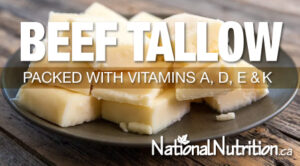
    It is beef fat derived from the kidneys and loins of cows. It's been cooked down and purified to remove all impurities, leaving a stable, shelf-ready substance that’s creamy, white and firm at room temperature. Unlike butter or lard, beef tallow is free from dairy and pork, making it suitable for different dietary preferences.

    Beef tallow is rich in fat-soluble vitamins like A, D, E, and K, as well as conjugated linoleic acid (CLA) and anti-inflammatory compounds. It has been used for centuries in both cooking and natural topical balms. Its more recent demand and popularity are due to the growing awareness around seed oil toxicity, nutrient depletion in modern diets, and the benefits of whole unprocessed fats.

    What is Beef Tallow Used For?

    Since beef tallow is packed with nutrients, it has a lot more to offer than just being used as cooking grease. It provides avariety of benefits for the body inside and out.

    Here are some of the top ways this fat can be used to support your overall health and wellness:

    1. Cooking & Nutrition

    Using beef tallow in the kitchen can be a game-changer. Because it has a high smoke point of 400 degrees Fahrenheit and doesn’t break down into harmful compounds like many seed oils, it is ideal for frying, sautéing and roasting your meals.

    For those following a keto diet, tallow is prized for its ability to promote satiety and metabolic stability. Unlike canola or soybean oils, which cause inflammation, tallow remains stable when heated, reducing the risk of oxidative stress and inflammation in the body.

    As previously mentioned, it is also loaded with nutrients, and it’s a dense source of healthy saturated fats that provide long-lasting energy, support hormone production, and protect cognitive function and cellular health.

    2. Skin Health & Topical Applications

    You may not have considered slathering solidified animal fat on your skin before, but beef tallow has gained popularity in the skincare industry for good reason. Its lipid profile closely mirrors that of human skin, making it highly compatible and easily absorbed. This compatibility makes beef tallow a powerful emollient, helping to deeply moisturize and nourish even the driest skin. Rich in vitamins A, D, E, and K, all essential for healthy skin function, beef tallow supports cell regeneration, boosts elasticity, and promotes a natural, healthy glow.

    Unlike many commercial moisturizers that rely on synthetic additives or seed oils, beef tallow contains only natural, bioavailable nutrients. Its fatty acid composition, particularly stearic and oleic acids, strengthens the skin's barrier while calming irritation and inflammation. This makes it an excellent choice for sensitive, eczema-prone, or mature skin.

    When used topically, beef tallow can replace conventional creams and balms, offering hydration without the use of harsh chemicals. Many natural skincare enthusiasts even use whipped tallow balm as a facial moisturizer, body butter, or healing salve for minor cuts, chapped lips, and diaper rash.

    Because beef tallow is shelf-stable and free from harsh preservatives, it's a sustainable, eco-friendly addition to any clean beauty routine. Sourced from grass-fed, pasture-raised cattle, it also aligns with regenerative and holistic wellness practices. However, due to its thick consistency, it isn't recommended for those with acne prone skin.

    In short, beef tallow isn't just an old-fashioned skincare secret, it's a science-backed, nutrient-dense moisturizer that works in harmony with your skin's natural biology, leaving it soft, balanced, and nourished.

    3. Immune Support

    Beef tallow is a functional fat that supports many bodily functions. The fat-soluble vitamins it contains, like vitamin D, are crucial for immune system strength and regulating immune responses, while vitamin K2 helps with calcium metabolism and cardiovascular health.

    With soil nutrient depletion and modern diets often being low in critical nutrients, consuming high-quality tallow from grass-fed, pasture-raised cows can help address fat-soluble vitamin deficiencies and promote a better immune response.

    4. Joint Health Support

    Because beef tallow is high in saturated fats, it also provides lubrication and cushioning for joints. Its anti-inflammatory response and ability to reduce stiffness would also make it a great addition to any joint supplement regimen, especially for athletes, aging adults, or anyone dealing with chronic inflammation, stiffness, or joint pain.

    5. Brain Health

    Beef tallow’s anti-inflammatory fatty acids, like Omega-9s and CLA, help reduce oxidative stress and support myelin sheath regeneration, which is vital for brain function, nerve communication, preventing neurodegenerative conditions, and supporting mental clarity.

    How to Use Beef Tallow Topically & Internally

    Incorporating beef tallow into your routine is fairly easy. Here are a few everyday ways to make use of this powerful fat:

    • Cooking: Use beef tallow in place of vegetable oils or butter when cooking your meals. It’s great to use when frying, roasting, or sautéing. You can also use it in baking as a substitute for lard. It provides a rich, savoury flavour, without overpowering your dish.
    • Skin Care: Apply tallow balm or whipped tallow butter directly to clean skin, focusing on dry areas, cuts, scars, or stretch marks. It can also be used on sore joints for topical relief from inflammation. Tallow balm is suitable for the face and body, and can be mixed with essential oils for added benefits. You can also use small amounts of tallow on the ends of dry hair or as a lip balm for intense, natural hydration without the additives found in commercial products.
    • Supplements: Some wellness brands offer tallow capsules for those who want the internal benefits of beef fat without having to cook. This can be helpful for those who struggle to eat enough healthy fats through food alone.

    Shopping For Beef Tallow & Tallow Balm

    When buying tallow, always opt for 100% grass-fed, pasture-raised sources to ensure purity and nutrient density. You can find quality tallow balm here at National Nutrition and receive friendly, expert advice, as well as competitive pricing and free shipping on Canadian orders over $79.

    Potential Beef Tallow Side Effects & Important Information

    While beef tallow is generally considered safe and beneficial for most people, there are a few considerations to keep in mind.

    Though rare, some individuals may experience topical irritation or breakouts when applying tallow to the skin, especially if it’s not pure and natural. It is always advised to patch test new skincare products.

    Also worth noting, tallow is high in saturated fat and should be consumed with other healthy fats like omega-3s. Overconsumption without sufficient fibre or micronutrients can contribute to imbalances in lipid levels for some individuals.

    It’s important to avoid poor-quality tallow from grain-fed, conventionally raised cattle because it can contain residues of hormones or antibiotics. Always select grass-fed and ethically sourced beef tallow for both your cooking and skincare needs.

    Though shelf-stable, tallow can become rancid over time if not stored in a cool, dark place. If it develops an off smell or unusual colour, it’s best to discard and replace your product.

  • Bentonite Clay Benefits

    Bentonite is a commercial name for a specific constituent of many medicinal clays called montmorillonite, which comes from volcanic ash. Bentonite Clay offers many benefits because it contains high concentrations of iron, calcium, magnesium and silica. It has been used for centuries, both topically and internally, for protection from toxins and radioactive substances, as well as heavy metal poisoning.

    How Does Bentonite Clay Work In My Body?

    When Bentonite reacts with water in the body, it swells up and acts as a sponge, attracting and neutralizing toxins and poisons (primarily throughout the intestinal tract), eliminating these harmful substances through the feces.

    Bentonite Clay Health Benefits

    Detoxification

    Given its action within the body, Bentonite is readily available as an effective cleanse/detoxification substance or paired with fibre as part of a complete detoxification program. It is also used in many yeast-busting formulas, to absorb excess pathogenic bacteria in the gut, helping to restore and balance gut flora. Healthy detoxification and elimination of excess yeast can both result in noticeable improvements in gut motility and absorption of nutrients from foods, improved immune function, increased energy and clearer complexion.

    Bentonite has also been reported to treat the following conditions:

    • Indigestion and ulcer
    • Constipation and diarrhea
    • Food allergies
    • Viral infection, flu, parasites
    • Radiation/ cancer treatment

    pH Balancing

    Acid-loving pathogens and diseases feed off an acidic internal environment. Unfortunately, due to poor diet, medications, and nutrient-poor soil conditions, among several other reasons, an overly acidic environment is all too common. See more on the health benefits of balanced pH. Bentonite clay is rich in minerals and naturally alkaline, supporting internal homeostasis, including a healthy pH. You can test your pH levels quickly and easily at home, using pH strips (note slightly different ranges, depending on whether testing salivary or urinary pH), available at your local health food/supplement store.

    Bentonite Clay Supplement Usage

    Bentonite clay is available as a supplement in both liquid and powder form. Look for a food-grade supplement as there are many topical application products on the market. Most should be mixed with water; however, it's important to follow the dosing instructions on the product closely.

    Safety Information

    Bentonite is not to be used during pregnancy and while nursing. It is also extremely important to take Bentonite away from all supplements and foods of nutritional value, as it will absorb these substances and negate their nutritional benefit. Take one hour before or two hours after a meal or ingestion of supplements or medications. It is recommended to take a probiotic following a round of Bentonite, as it can deplete levels of 'healthy' bacteria. Bentonite should be taken with plenty of water.

  • Beta Carotene Benefits & More

    Beta carotene is the carotenoid molecule responsible for the orange colour of some fruits and vegetables such as carrots and apricots. Once consumed, beta carotene benefits your health because it can be converted by the liver into vitamin A, in its active (retinal) or storage (retinol) form. This is considered a safer way of supplementing vitamin A, as beta-carotene is non-toxic and is converted to vitamin A in only the amount required by the body.

    Also, the beta-carotene ingested that is not converted to vitamin A, remains in the system, and can act as an antioxidant to protect the tissues from free radical damage.

    High Beta Carotene Foods

    Getting the benefits from beta carotene can be obtained from both supplements and diet. While you can get beta carotene from your diet, often nutrients obtained from food aren't always fully absorbed, decreased during the cooking process, or because of nutrient-poor soil, don't contain as many nutrients as they use to.

    Foods high in beta carotene include:

    • Carrots
    • Apricots
    • Spinach
    • Lettuce
    • Tomatoes
    • Sweet Potatoes
    • Broccoli
    • Cantaloupe
    • Winter Squash

    Beta Carotene & Vitamin A Benefits

    Benefits of beta-carotene include being easily converted by the body to vitamin A, it can be said to have all the benefits of vitamin A supplementation as well. Some examples of this are: vision protection, and boosted immune defence of the mucous membranes.

    In addition to these indirect benefits, beta-carotene can help with healthy cell growth by protecting the cellular genetic material (DNA) from damage by harmful free radicals. Supplementation of beta-carotene has been shown to reduce the risk of unhealthy cell growth. Through this antioxidant ability, beta-carotene also protects the body against environmental pollutants, UV rays, and other substances that can lead to aging.

    Cautions & Important Info

    While there are many health benefits to beta carotene, taking in a large quantity of beta-carotene can turn your skin slightly yellow, but this is not harmful to the body in any way. Beta-carotene supplementation is not recommended for people who smoke tobacco or drink alcohol as the combination of these things has been shown to increase the risk of certain cancers instead of decrease them. Those with hypothyroidism or diabetes may have a reduced ability to convert beta-carotene into vitamin A and should avoid high doses to prevent stressing the liver.

  • Biotin Supplements

    What Is Biotin?

    Biotin is a water soluble, sulphur-containing member of the B complex. Biotin supplements are well known for its promotion of healthy hair and skin. Cradle cap in infants and male pattern baldness may be related to low levels of biotin. Biotin also helps the functioning of the sweat glands, bone marrow and nerve tissue.

    Biotin is a cofactor for chemical reactions that occur in the cell’s engine, the mitochondria. Therefore biotin is an important vitamin in the production of fatty acids and the metabolism of food substances and B vitamins.

    How Do B Vitamins Work?

    All of the B vitamins work together and are best used by the body in a B complex, which is why many B complex supplements include a small dose of biotin in them. If additional supplementation of biotin is needed it should be taken in addition to a good B complex.

    Most B vitamins are water-soluble and any extra from large doses is flushed out of the body easily; therefore, it's best to take lower dosages of a B complex supplement several times a day than one larger dose. Spray or sublingual forms of B vitamins are easily absorbed, as are capsules - if your digestion is healthy, then the tablet form is usually suitable for most people.

    Important Information About Taking Biotin Supplements

    The absorption of biotin is inhibited by the consumption of raw egg whites because the egg protein avidin binds to biotin in the intestine. Rancid fats or oils, antibiotics, sulfa drugs, estrogen, alcohol, food processing and saccharin also inhibit the use of biotin in the body.

  • Bovine Collagen

    Collagen is a very popular natural health supplement, mainly due to its anti-aging benefits. With the many options, shopping for a quality collagen supplement can feel overwhelming. There are many formats and different sources collagen is extracted from. The two most popular sources of collagen are marine and bovine. While both will help with overall collagen enhancement, your health goals are important in selecting the right one. In this article, you will learn what collagen is and the benefits of bovine collagen and how to take it as a supplement.

    But First, What is Collagen?

    Collagen is a protein that makes up about 30% of the total protein in the human body. It is responsible for giving skin its elasticity and strength, as well as helping to heal wounds and repair muscles. Collagen is also found underneath the skin's surface, in connective tissue, including tendons, cartilage, bones, and teeth.

    As you age, your body produces less collagen. In fact, you produce 1% less collagen each year, which contributes to wrinkles on the skin as well as joint pain. Additionally, if you smoke, eat a lot of sugary or refined carbohydrates, or are exposed to excessive amounts of sunlight, you may also be at risk for decreased collagen production. However, not all hope is lost; when the correct type of collagen is taken, these supplements can help boost your body's production.

    Types of Collagen

    There are three main types of collagen: type I, type II, and type III. Type I is the most abundant form of collagen, making up about 90% of the total amount found in your body. This type is found in the skin and bones, as well as some organs like the kidney and heart. Type II collagen is less common in humans but can be found in cartilage, tendons, and ligaments. Type III is found in the skin, lungs, intestinal walls, and the walls of blood vessels. Interestingly, types I and III collagen are usually found together in tissues such as connective tissue.

    Therefore, when choosing the best collagen supplement, it's important to choose one that will work well with your natural collagen production. As stated, types I and III are the most abundant in the body, and bovine collagen has been shown to increase both of these types of collagen.

    An Introduction to Bovine Collagen

    Bovine collagen is the most popular source of collagen supplements on the market today. As the name suggests, it is a natural ingredient that is derived from cow hides. Bovine collagen is a source of Peptan collagen, which is type 1 collagen that offers the beauty and skin benefits most people turn to a collagen supplement for, as well as joint health benefits too.

    Benefits of Bovine Collagen

    Taking bovine collagen can provide many benefits: 

    • Bone health - type I collagen is the main component of bones. This is why supplementing with bovine collagen can help strengthen your bones. Collagen can be used in conjunction with osteoporosis treatments and can also be beneficial for anyone healing from a bone fracture.
    • Skin health - the collagen in your skin is primarily composed of types I and III collagen, making bovine collagen a potential anti-aging treatment for wrinkles, elasticity, and moisture.
    • Joint health and osteoporosis - bovine collagen provides the amino acids that your body needs to strengthen joints and more. In a study of 30 people with osteoarthritis affecting their knees, those who received 5 grams of bovine collagen each day for 13 weeks experienced improvements in symptoms.

    How is Bovine Collagen Made?

    Bovine collagen is extracted from cow hides. It is then processed and purified to produce collagen powder.

    Majority of bovine collagen supplements are hydrolyzed. Hydrolyzed supplements are broken down into smaller fragments called peptides. The reason for this is that it makes collagen easier to digest and is said to have better bioavailability than non-hydrolyzed collagen. Hydrolyzed collagen has been shown in studies to improve joint health, reduce pain, and have anti-aging benefits.

    Bovine Collagen Supplements - Formats, Dose & Precautions

    Bovine collagen is a powerful supplement for anyone who wants to improve the health of their joints and skin. People with joint issues including pain, inflammation, injuries, stiffness, and/or swelling, and those who want youthful skin can all benefit from bovine collagen. 

    Formats and Dosages

    Bovine collagen can be bought in capsule, tablet, or powder form. The dosage depends on the age, weight, and health condition of the person who will consume it.

    Generally, a beneficial dose of collagen is 600–1200 milligrams (or 6–12 grams) per day.

    Precautions and Safety

    It is important to point out that bovine collagen is completely safe and healthy. Collagen is considered a food supplement that can be found as an individual supplement or in combination formulas.

    As with any other product containing an animal-based product (such as gelatin), people who are allergic to bovine products may experience reactions if they use this product regularly. However, there have been no reported cases of adverse reactions associated with taking bovine collagen for cosmetic purposes or general health benefits. Therefore, this ingredient does not pose any significant health risks when used appropriately by otherwise healthy people.

    Peptan Collagen is a Superior Raw Material

    Peptan collagen is a superior raw material. It's derived from the bones and cartilage of grass-fed cows and contains more than 70% peptides. Peptides are small chains of amino acids that can be easily absorbed by your body. The body converts these small chains into larger, functional proteins in the presence of water. This makes it easier for your body to use this substance than other forms of collagen (such as gelatin).

    In addition to its unique structure, Peptan collagen is produced using a patented process. This process allows it to maintain its integrity while being processed into powder form. Which means you'll receive all the benefits of this superior raw material without having to worry about any fillers or additives.

    If you'd like to continue learning about collagen from National Nutrition and natural health experts, check out this video on our Youtube channel along with many other natural supplement reviews.

    References

    https://www.ncbi.nlm.nih.gov/pmc/articles/PMC5707681/

    https://pubmed.ncbi.nlm.nih.gov/24852756/ 
    https://www.ncbi.nlm.nih.gov/pmc/articles/PMC4057461/

  • Bruising

    Bruising is a common occurrence that you've experienced at some point. While usually harmless, frequent or slow-healing bruises can sometimes indicate underlying issues such as nutrient deficiencies or fragile blood vesels. Understanding what causes bruising and how to support your body's natural healing process can help improve recovery and overall skin health. In this article, we'll explore how bruises form, what contributes to bruising, and the supplements that may help reduce the severity of bruises and frequency. 

    What Are Bruises & How Do They Form?

    Bruises, also known as contusions, occur when small blood vessels (capillaries) beneath the skin break due to impact or injury. When these vessels rupture, blood leaks into the surrounding tissue, leading to the characteristic discolouration seen on the skin. 

    Bruises typically go through several colour changes as they heal:

    • Red or purple (fresh injury)
    • Blue or dark purple 
    • Green
    • Yellow or brown (healing phase)

    This colour progression reflects the breakdown and reabsorption of blood components by the body. Most bruises heal within one to two weeks, depending on their size and severity.

    Who's Susceptible To Bruising?

    People who are more prone to bruising may be deficient in nutrients that support the small vessels.

    They may also suffer from bleeding gums and wounds that are slow to heal. Repeated or severe bruising can be a sign of more serious health problems.

    For example, broken bones, blood disorders like anemia or hemophilia, allergies, obesity, liver dysfunction or mutated cells may lead to bruising. The following conventional treatments might disrupt blood clotting and result in easy bruising: penicillin, anticoagulants, antihistamines, aspirin, antidepressants and cortisone.

    What Causes Bruising?

    Bruising can occur for many reasons, ranging from simple physical impact to underlying health factors. 

    Minor Injury or Trauma

    The most common cause of bruising is physical impact, like bumping into an object or sustaining a minor injury during exercise. 

    Aging Skin

    As you age, your skin becomes thinner and loses some of its protective fat layer. Blood vessels also become more fragile, making bruising more likely and noticeable. 

    Nutrient Deficiencies

    Certain vitamin deficiencies can increase the likelihood of bruising. These include:

    • Vitamin C deficiency, which affects collagen production and blood vessel strength.
    • Vitamin K deficiency, which plays a role in blood clotting. 

    Medications

    Some medications can increase bruising by affecting blood clotting or vessel integrity. Medications can include: blood thinners (anticoagulants), aspirin, non steroidal anti-inflammatory drugs (NSAIDs), and corticosteroids. 

    Intense Exercise

    Strenuous workouts or heavy lifting can sometimes cause microtrauma to blood vessels, leading to mild bruising, especially in those new to exercise. 

    Underlying Health Conditions

    Frequent or unexplained bruising may be linked to conditions affecting blood clotting, circulation, or connective tissues. In these cases, medical intervention is recommended.

    How To Get Rid of Bruising & Supplements That Can Help

    To minimize the appearance of bruising following an injury, ensure that the area is elevated above your heart. Cold packs can be applied to the area as well and can be used every few hours for two days. Ensure that you use a cold pack because the cold acts by tightening the vessels surrounding the injury, whereas a hot pack actually increase the amount of bruising. Some other methods for decreasing bruising are to apply witch hazel or a raw, shredded potato to the injured area.

    A diet high in raw fruits and vegetables provides a good source of vitamins, minerals and antioxidants. Eat foods that are high in vitamin K, vitamin C and zinc for blood clotting and vessel healing. Examples of such foods are green leafy vegetables, buckwheat, chicken, eggs, soybean and wheat germ.

    Supplements that can help by supporting blood vessel strength, improving circulation, and promoting faster healing include:

    • Vitamin C - boosts collagen production, strengthening blood vessels and normal clotting function.
    • Vitamin K - essential for proper blood clotting. 
    • Bioflavonoids - strengthen capillaries and improve circulation.
    • Arnica - used topically to reduce bruising and swelling. 
    • Bromelain - reduces inflammation and swelling. Also useful after injury or surgery.
    • Zinc - supports tissue repair and wound healing. 
  • Cold Sores

    Cold sores are a common viral condition that can be uncomfortable and frustrating. They often appear at the most inconvenient times and tend to recur, especially during periods of stress, fatigue, or weakened immunity. While topical treatments can help manage symptoms or outbreaks, cold sore supplements are another alternative to help prevent an outbreak from occurring by supporting your immune system; therefore, reducing the frequency of outbreaks. 

    Let's explore what causes cold sores and how targeted nutrients may help prevent them. 

    What Are Cold Sores?

    Cold sores are the result of an infection with herpes simplex virus (HSV-1). This highly contagious virus is usually contracted in childhood through skin contact.

    The virus then lies dormant in the body and only produces sores when triggered.

    What Triggers A Cold Sore Outbreak?

    Triggers for cold sores are individual, but some of the more common triggers are exposure to cold, wind or sun, food allergies, a decreased immune system due to other infections or stress and hormonal fluctuations.

    Initially, a cold sore will present a tingling or burning sensation around the lips. This is the cold sore forming. The next stage is the formation of a red bump that itches and turns into a blister filled with fluid. Next, the blister will break and form a crust, which indicates that the infection is no longer contagious. These breakouts usually last for approximately 10 days and will occasionally develop multiple sores. Along with these sores will be a mild fever and fatigue.

    Cold Sore Outbreak Prevention Tips

    Cold Sore Supplements & Nutrients 

    Supporting your immune system and maintaining the right nutrient balance can play a key role in reducing the frequency and severity of cold sore outbreaks. This is where management through diet and supplements comes in.

    1. Dietary help for preventing and treating cold sores involves decreasing the amino acid arginine in the diet. Arginine is used by the virus for replication. Avoid arginine-rich foods such as nuts, sesame seeds, sunflower seeds, peas, lentils, oats, corn, buckwheat, barley, chocolate and coconut.
    2. Increase the lysine content of your diet, because lysine inhibits herpes virus replication. Lysine-rich foods include fish, especially halibut, shrimp, poultry, milk, lima beans, mung bean sprouts and yeast.
    3. Use immune-boosting foods like flaxseed oil, raw fruits and vegetables, pumpkin seeds, wheat germ and seafood. And supplements like vitamin C, zinc, vitamin B complex, probiotics, and lemon balm.
    4. Avoid foods that decrease the immune system like white flour and sugar products, and trans-fat products like margarine and shortening.

    Lifestyle Tips

    Physical treatments for boosting the immune system include: alternating hot and cold water at the end of your shower (always ending with cold), regular exercise, relaxation exercises and dry skin brushing. Topical treatment of cold sores can be done with colloidal silver, licorice extract, vitamin E oil, and creams containing vitamin C and zinc. All of these treatments help to kill the virus and heal the skin.

  • Collagen Booster

    Collagen supplements are abundant and people everywhere seem to be singing this supplement's praises for supporting healthy skin and joints. Collagen supplements are derived from animal products; however, people who do not consume animal products cannot take collagen. Luckily, there are many supplements known as a collagen booster, which can boost your body's natural production of this protein.

    Collagen is one of the most abundant proteins in the human body. It's a vital component of skin, hair, and nails. Collagen also helps keep connective tissues strong and healthy. However, as we age, our bodies produce less collagen than when we were young. This can lead to wrinkles, sagging skin, and brittle bones. That's where supplements come in.

    Why Choose A Collagen Boosters?

    If you’re looking for a natural alternative to marine or bovine collagen, why not try a collagen booster? These supplements provide the benefits of collagen without using animal products.

    Collagen boosters are also an option for those who have allergies or sensitivities to animal-based ingredients. If you follow a vegan diet, simply don’t want to consume animal products, or have other dietary restrictions that make it difficult or impossible to take animal-based supplements like marine and bovine collagens, then there are plenty of plant-based options for collagen boosters available on the market today.

    Before we get into these plant-based options, let's take a look at how collagen is made in the body.

    How Your Body Makes Collagen

    Collagen is a protein that composes much of the structure in your body, including bones, tendons, and skin. It gives hair its shine and strength, and it gives skin elasticity and hydration. Collagen also supports healthy joints—collagen fibres bind together to form cartilage so that you can move easily without pain or inflammation.

    Collagen is produced by fibroblasts, these are specialized cells in connective tissue. Fibroblasts make it possible to assemble amino acids into polypeptides, which are chains of amino acids. This is how collagen is made.

    As we age, our bodies produce less collagen than they did when we were younger. Without adequate amounts of this critical protein in your tissues and joints, you may experience symptoms such as joint pain, stiffness in the morning, dry skin, brittle nails, and wrinkles.

    The best collagen supplements will be hydrolyzed to support bioavailability, but let's take a look at some vegan ingredients that are beneficial as "collagen boosters." These ingredients help your body produce more collagen.

    Collagen Boosting Nutrients

    Collagen Booster 1: Silica

    Silica is one of the most important nutrients for producing collagen. As a supplement, it work by increasing your body’s ability to manufacture its silica deposits within the cells themselves, which then translates into stronger hair follicles and thicker nails or possibly even fewer wrinkles on your face. It also forms elastin, a connective tissue that is responsible for skin elasticity and the elasticity of blood vessels, lungs, and other body tissues.

    Dosing: 50 mg of elemental silicon per day.

    Collagen Booster 2: Vitamin C

    Vitamin C is a water-soluble vitamin that is needed for collagen production. It is a potent antioxidant and collagen booster, helping to protect the skin from free radical damage. It also helps to stimulate the production of elastin in your body. Elastin is one of the building blocks of healthy skin and connective tissue, so it’s important for preventing signs of aging like wrinkles, sagging, and loss of firmness.

    Dosing: Take 1000 mg at a time, up to a maximum of 4000 mg per day.

    Collagen Booster 3: Biotin

    Biotin is a B vitamin that the body cannot make on its own. It must be obtained from food or supplements. Biotin helps enzymes metabolize glucose, fatty acids, and amino acids, which build proteins. As a result, a biotin deficiency can lead to hair loss, brittle nails, and skin infections. Many people take biotin as a supplement to improve skin, hair, and nail health.

    Dosing: Up to 300 mcg daily.

    Collagen Booster 4: Grapeseed extract

    Grapeseed extract is another powerful ally for collagen production. It contains high levels of antioxidants and can help support the integrity of collagen in soft tissue, reducing fraying and maintaining elasticity. Grapeseed extract also has linoleic acid, which assists with the absorption of vitamin K, a key nutrient for healthy skin.

    Dosing: 25–300 mg daily, standardized to 40–80% proanthocyanidins or 95% polyphenols.

    Collagen Booster 5: Hyaluronic acid

    Hyaluronic acid (HA) is a naturally occurring substance in the body that helps to keep skin and joints healthy. HA is found in connective tissue, skin, eyes, and joints. Hyaluronic acid is a polysaccharide that is found in all living organisms, but especially in humans. Hyaluronic acid’s primary function is to help your body retain water, as it can hold as much as 1000 times its weight in water. HA's ability to draw water into the tissues is what keeps us hydrated and maintains skin turgor.

    Dosing: 200 mg, twice daily.

    Many different nutrients can help boost collagen production and be used as an alternative to collagen supplements. Some of these include silica, vitamin C, biotin, grapeseed extract, and hyaluronic acid. You can find these nutrients on their own or found combined into collagen booster formulas. To find the right formula for you, visit a good health food store and speak with one of their educators.

    If you are looking to boost your body's collagen production naturally, it's also important to eat a healthy diet with plenty of fruits and vegetables containing vitamin C, as well as other helpful antioxidants like flavonoids (found in berries) or carotenoids (found in carrots).

    References

    https://www.ncbi.nlm.nih.gov/pmc/articles/PMC6835901/

    https://www.ncbi.nlm.nih.gov/pmc/articles/PMC8824545 
    https://pubmed.ncbi.nlm.nih.gov/24852756/

  • Collagen Type 2

    Type II collagen (collagen type 2) is the primary component of all of the cartilage in your body, particularly the subtype known as hyaline cartilage. Cartilage is the connective tissue pad that acts as a cushion and eliminates friction in your joints. These cushions are found in all the joints of the body, including the knees, elbows, and between the vertebrae in the spine. Natural healthcare practitioners use type II collagen to support healthy cartilage synthesis in the body. 

    Learn How Collagen Type 2 Loss Happens

    Aging and Cartilage Loss

    As we age, the body's ability to make type II collagen decreases. At the same time, the loss of type II collagen from the cartilage decreases its integrity, making it less resilient. This type of degeneration is often associated with osteoarthritis and is the reason you may be more inclined to have "wear and tear" problems as you age. This loss of cartilage is accelerated by the presence of the stress hormone cortisol. Thus, stress reduction can help to protect the joint cartilage of the body.

    Joint Wear and Osteoarthritis

    Wear-and-tear injuries occur in the joint cartilage from overuse and cause less support, less cushioning and more friction. As a supplement, collagen acts as a source of amino acids for use in making and repairing connective tissue all over the body. Supplementation with type 2 collagen can help to support proper cartilage synthesis and help to repair the degeneration associated with osteoarthritis. Type II collagen also has anti-inflammatory properties, which help the joint to repair itself after injury, and prevent inflammatory destruction. This can also be beneficial in rheumatoid arthritis (RA).

    Different Collagen Type 2 Supplement Varieties

    Type II collagen can be found as an encapsulated powder or liquid. It is commonly called hyaline cartilage when seen in supplements. In general, it is combined with other joint-repairing nutrients and vitamins. Type II collagen is found as a component of both pain-relieving and anti-inflammatory formulas. 

    Collagen types I and III are also available and should be used after good results are found with type II to further rebuild damaged joints or tissue. Depending on the severity of joint destruction, collagen may need to be taken for a few months before results are seen.

    Shopping For A Quality Collagen Supplement

    There are many supplement options available when it comes to collagen. While we learned this nutrient is available in capsule or powder form, it's also available as a bovine, marine or vegan source. Each source offers slightly different health benefits due to the ratio of the differing types of collagen in each. 

    When shopping for a quality collagen supplement, be sure to choose one that's formulated with pure, potent ingredients that are clean, organic when possible and bioavailable. 

  • Collagen: A Guide To Its Uses & Health Benefits

    Collagen is one of the major proteins found in the soft tissue and connective tissue of humans and other mammals. As a supplement, it acts as a source of amino acids for use in making and repairing connective tissue all over the body. Thus this protein is used to repair skin that is damaged by wounds and burns, and it can also help to support healthy cartilage, ligaments and tendons in the body. Natural health practitioners commonly recommend collagen supplementation for joint injury, arthritis, joint inflammation, skin ulcers, burns, wounds, as well as joint strains and sprains.

    Top Health Benefits of Collagen Supplements

    Cartilage and Joint Support

    Cartilage is the connective tissue pad that acts as a cushion and eliminates friction in your joints. It is the cushion in your knees, and other large joints, and it forms the pads that space each vertebra to help protect the spinal cord. Wear-and-tear injuries occur in the joints and cause less support, less cushioning and more friction. Breakdown of cartilage is responsible for erosive conditions, such as osteoarthritis. Interestingly, the presence of the stress hormone cortisol in the blood promotes the breakdown of collagen into its amino acid building blocks.

    Skin Benefits

    Collagen is one of the main building blocks of the skin. The structure of this protein actually draws water into the tissues, resulting in firm, plump, youthful skin. Thus, a lack of sufficient cartilage can result in wrinkles and sagging of skin associated with aging. Collagen is often added to skin care products for topical application against wrinkles and age spots. In addition to keeping our youthful glow, the presence of this protein may help skin ulcers by repairing the skin and increasing the integrity of the arteries and veins. Because collagen provides the building blocks for skin repair, it can speed the healing of most wounds.

    Different Types of Collagen: An Intricate Balance

    There are a large number of collagen types in the body, referred to in the health industry by roman numeral. Four of these are the main ones used to form our tissues and organs.

    Type I & III

    Type I collagen is the type found in over 90% of the body. It is found in skin, tendon, vascular ligature, organs, bone, and scar tissue. In fact, collagen type I is the main organic component of the bone. Type III collagen is commonly found alongside type I in the human body. These types of collagen can also be used to provide the building blocks to help repair damaged ligaments and tendons.

    Type II

    Over 50% of cartilage protein is made of type II. This type is also commonly called hyaline cartilage. Cartilage is the tissue that eliminates friction in your joints. Because of this, type II collagen is often used as a supplement to provide the building blocks for the protection and repair of cartilage in the body. This allows it to be used to help treat wear-and-tear injuries, and erosive joint conditions like osteoarthritis.

    Type IV

    This particular type is found in the body's tissues and actually forms the vast majority of the basement membrane. This means that it forms the main connections between the bases of the cells of the tissues. This allows type IV collagen to support proper healing of wounds.

    Important Information When Shopping For Collagen Supplements

    Various types of this protein can be found as encapsulated powder or liquid. They are usually combined with other joint repairing nutrients and vitamins. Sometimes cartilage is directly supplemented to be a source of collagen, particularly type II. When found individually, type II collagen is found as a component of pain relieving and anti-inflammatory formulas. It is often added to anti-aging skin care products. Type I & III are also available and should be used after good results are found with type II to further rebuild damaged joints or tissue. Depending on the severity of joint destruction collagen may need to be taken for a few months before results are seen.

  • Dry Skin Tips

    Any skin type can be dehydrated, and most people suffer from this condition, which can be turned around through diet and skin products. Dry skin, however, consists of having irritated, lacklustre, flaky skin that often feels tight and appears to have a grey outer layer, which is actually dry skin build-up. If this sounds like your skin type, read on to learn some natural dry skin tips. 

    Top Dry Skin Tips

    Avoid extreme temperatures both indoors and outdoors, as well as harsh, cold wind. There are ways to make dry skin more manageable and less irritating by supplementing with vitamin D, collagen, vitamin C, omega oils and hyaluronic acid, as well as having a soothing and moisturizing skincare routine. An optimal skin care regimen for dry skin includes a cleanserserumeye creamface cream and SPF that contains important nutrients that will soothe dry skin and protect it from the elements. Treatments such as a gentle exfoliator and mask can also support dry skin when used sparingly and over time, and can help bring vitality back to your complexion. 

    Dry Skin Supporting Ingredients

    Hyaluronic Acid

    Hyaluronic acid (HA) isn’t as scary as it sounds. It’s naturally occurring in the body and provides hydration to the skin. HA provides hydration as well as plumps up the skin, which can even help soften wrinkles and fine lines. However, as a humectant, the skin needs to be dampened with water or a water skin spray when applying products containing hyaluronic acid. This way, the HA can draw that water into the skin, rather than drawing water from the skin, which would further dehydrate the skin. HA is an ingredient that anyone can benefit from, but for those with dry skin, this is an ingredient that will boost your skins deeper level hydration, while other ingredients can help your skins barrier and soothe dry skin.

    Product Recommendation: Hyaluronic Acid Cleanser

    Glycerin

    Glycerin is also a humectant; therefore, it draws water to it and into the skin. Like HA, it’s important that the skin is damp before using products with this ingredient so that water can hydrate the skin, rather than glycerin drawing water from the skin. Glycerin is a great ingredient for those with dry skin because it can help with inflammation, which many people with dry skin feel, and it helps hydrate the skin at a deeper level.

    Product Recommendation: Glycerin, Shea & Cocoa butter + Aloe Face Cream

    Plant Butter’s

    Plant butters like Shea butter, Cocoa butter, Jojoba butter are great ingredients for dry skin. They are emollients, which make them absorb well into the skin. Skin creams with these ingredients are often thicker, which soothes and nourishes dry skin, and helps moisturize well.

    Product Recommendation: Shea Butter Eye Cream

    Ceramides, Omega-3 fatty acids

    These are great ingredients that protect the barrier of skin. When the skin's barrier is intact, it locks in moisture and hydration, which helps against transepidermal water loss. Because of this, ceramides, glycerin, and omega-3 ingredients help keep skin supple and plump, soften skin and support irritation and flakiness associated with dry skin.

    Shopping Tips For Dry Skin Products

    When shopping for your skin care regimen, natural ingredients are often the better choice because many artificial ingredients can further irritate dry skin. When looking for these ingredients, look for products such as a milk cleanser to provide further moisture, a hyaluronic serum to help hydrate the skin on a deeper level, a rich cream for eyes and face to provide relief and to soothe dry skin, a moisturizing treatment mask and a gentle, yet hydrating exfoliator to use once a week. These weekly treatments can further moisturize skin and slough away dry skin build up on the surface to allow ingredients to better penetrate the skin. However, be sure to over-exfoliate the skin as it will strip it of its natural moisture barrier.

  • Flax Seed Oil Benefits

    Flax seed oil has many health benefits which can be attributed to its rich source of alpha-linolenic acid (ALA), an omega-3 essential fatty acid. “Essential” means that the body does not produce the fatty acids on its own and therefore they must be taken in through the diet. Most North American and Western diets are very low in Omega-3 and extremely high in Omega-6.

    Too many saturated fats are consumed and the ratio of ingested EFA's averages more like 20:1 Omega-6's to Omega-3's instead of the recommended 4:1.

    Key Health Benefits of Flax Seed Oil

    The ALA in flaxseed oil helps maintain cholesterol levels because healthy fats build HDL cholesterol. HDL cholesterol is responsible for moving fat, from storage or plaques, into the liver where processing and excretion of fat occurs. By decreasing fatty buildup on arteries it helps to regulate blood pressure. 

    Flax oil also provides valuable support for immune system function because many immune cells use omega-3 fats in their cell membrane. Having a properly functioning membrane allows the cells to do things like release packets of chemicals when they come in contact with foreign invaders. 

    Healthy fats also play a large role in hormone formation, ALA can thus help optimize hormone levels and strengthen male fertility. 

    Lastly, studies have shown that ALA is an anti-inflammatory compound that is beneficial for the treatment of arthritis.

    Flax Seed Oil Supplement Varieties

    There are various forms in which flaxseed can be consumed including oil, capsules and ground seeds. Purchasing oil is more cost-effective than purchasing capsules since the cost of the capsule is added on in addition to the cost of the oil. Ground flaxseed contains EFAs, fibre, magnesium and potassium and can be used as a nutritional supplement. It comes in both golden and brown varieties where the golden variety contains a higher amount of fatty acids per serving than brown.

    Final Cautions & Considerations When Using Flax Seed

    Flaxseed oil is best in its cold-pressed form, where there has been no heat influence on the oil. Do not use flaxseed oil for cooking! The fats and acids of the oil can be damaged and transformed by heat into trans-fatty acids and free radicals which cause disease; heart, or cardiovascular disease is a common result of consuming trans-fatty acids. It is important to refrigerate flaxseed oil and capsules to prevent spoiling.

  • Guggul Supplement: Benefits & Uses

    Guggulipids are a remedy that has been used in Ayurvedic medicine for centuries. In India, they are now considered a lipid-lowering drug. Another traditional use for guggulipids is as an anti-inflammatory agent. A guggul supplement works most effectively on types of high cholesterol where there is too much of the harmful cholesterol, called LDL, VLDL and triglycerides. They do not raise levels of beneficial, HDL, cholesterol. 

    Key Health Benefits of Guggul

    Understanding How A Guggul Supplement Supports Cholesterol

    The mechanism by which guggulipids alter cholesterol is four-fold:

    • Firstly, they block the production of cholesterol by the liver
    • Secondly, they increase the excretion of cholesterol through the bile
    • Thirdly, they increase the uptake of LDL by the liver
    • Lastly, they increase thyroid activity, thus stimulating the metabolism of LDL cholesterol

    Guggul supplements have been shown to decrease the severity and formation of cholesterol plaques and protect the body by neutralizing harmful free radicals.

    Guggul Supplement Varieties

    Guggulipids supplements are found as encapsulated herbs or liquid extracts. Guggulipid products should be standardized as an assurance of the amount of guggulsterones they contain. Guggulipids can be found in combination products for cholesterol control.

    Potential Cautions & Side Effects of Guggul 

    Guggulipids should not be used in pregnancy, during lactation or by individuals with thyroid disease, active bleeding, or blood disorders. Guggulipids should not be used with blood thinning medications, NSAIDs or aspirin and should be discontinued 2 weeks before surgery or dental work. Guggulipids can alter the metabolism of drugs that are metabolized in the liver such as anti-hypertensives, beta-blockers and calcium channel blockers. Guggulipid consumption can cause gastrointestinal upset in sensitive individuals.

  • Jasmine Essential Oil

    Essential oils have been used around the globe for centuries. They are used for both pleasure and medicinal purposes. Medicinally, food-grade essential oils can be ingested orally to have a biochemical effect on your body. Because essential oils are volatile, meaning they can evaporate into the air especially when added to hot water, they can be breathed in through your respiratory system. Let's explore the key benefits of jasmine essential oil. 

    How Essential Oils Help You Medicinally

    Essential oils can have a local effect on your sinuses, nasal passages and lungs. They can even enter your blood circulation through being inhaled which will then have a biochemical effect on your entire body. Topically essential oils work by penetrating your skin to affect an area locally and by penetrating your skin a small amount can enter your bloodstream affecting your whole body. Applied topically, essential oils are absorbed through the olfactory nerve in your nose affecting your brain and nervous system. These various pathways can affect your health both mentally and physically. The study of Aromatherapy – the medicinal use of essential oils – falls under the new science called Psychoneuroimmunology, which is the study of the interaction of your psyche, nervous system and immune system. Science has shown that when you have a positive outlook and feel relaxed your immune system works better.

    Aromatherapy and the use of essential oils and resins from plants have been used in cultures globally since Biblical times. They were in such demand that they played an important role in international trade around the globe. In Egypt, high priests recorded the many medicinal uses of essential oils on papyrus paper. Records show the Chinese used aromatic herbs and massage over 2000 years ago. In Indian Ayurvedic medicine, essential oils were and still are used in massage and on pressure points to correct underlying imbalances and to improve health.

    Ways To Use Essential Oils

    • inhaled through steam inhalation, humidifiers, diffusers, and vaporizers
    • added to a carrier oil and applied to your skin directly or as a hot or cold compress
    • spritzed onto objects like pillows, bedding and furniture
    • added to infusers, potpourri and candles to enhance the odour of an indoor space
    • applied to the skin as perfume
    • used as a gargle or mouthwash, added to toothpaste, soaps, cleaning solutions, lotions and creams, face and body spray
    • added to baths, hot tubs, Jacuzzis, hand and foot baths and saunas

    Discover Jasmine Essential Oil

    Jasmine is a shrub indigenous to the Mediterranean, with its sprawling vines which produce beautiful odiferous white and yellow flowers. If you have ever smelled fresh Jasmine flowers at dusk, with a mix of salty Mediterranean ocean air, you will know you have experienced bliss.

    To make Jasmine essential oil, oil from these white and yellow flowers is extracted.

    Key Applications For Jasmine Oil

    Jasmine essential oil has been used for many ailments.

    Studies show Jasmine essential oil increases circulation. Apply Jasmine oil topically or on alternating hot and cold compresses for arthritic conditions or post-injuries for healing. Increased circulation concentrates nutrients and healing cells to clean up and heal injuries. Increased circulation also increases collagen production and brings oxygen and anti-inflammatory cells to degenerated and inflamed joints. Jasmine oil is great for osteoarthritis, Rheumatoid Arthritis, Psoriatic Arthritis, Gout, Tendonitis, Myositis, fibromyalgia, and Rheumatism. Increasing circulation to the skin helps reduce signs of aging and increases collagen production in damaged or aging skin. This is why it’s healthy to add Jasmine Oil to face creams and lotions.

    Jasmine oil reduces conditions involving muscle tension and spasms. So it’s perfect for a massage with tense or hypertonic muscles. As a gargle or steam inhalation Jasmine is great to treat spasmodic coughs. It can be put in humidifiers in your bedroom for those with coughs which are worse at night. And topically it is great to help with restless legs and muscle spasms. Or use it topically on your belly monthly for menstrual pain. And for those with asthma, which is a condition producing a spasming of the bronchi, use Jasmine in a humidifier, vaporizer, steam inhalation or topically on your neck and chest.

    Studies show that Jasmine contains an odour component called Linalool, which affects autonomic nerve activity and mood states. Specifically, Jasmine relaxes your nervous system, decreases heart rate and produces calm and vigorous mood states. This is effective for nervous conditions, anxiety, depression, post-partum and insomnia due to an overactive mind. Relaxing your nervousness stimulates your libido, so Jasmine is considered an aphrodisiac.

    Different Ways To Use Jasmine Essential Oil 

    Topically: in a carrier oil like Jojoba, Sweet Almond or Grape Seed Oil:

    • tense muscles or spasms, for relaxation, and to elevate mood
    • abdomen for menstrual pains
    • neck and chest for colds, coughs, asthma
    • joints for pain and inflammation
    • hot and cold compresses for pain, inflammation and post-injury
    • face creams for anti-aging

    Inhaled via steam inhalation, vaporizer, bath, diffuser or humidifier:

    • asthma
    • spasmodic coughs
    • insomnia
    • relaxation

    Works synergistically with:

    • For relaxation – Lavender, lemon, chamomile, myrrh, ylang ylang
    • Coughs – Eucalyptus, ginger, rosemary
    • Injury and Inflammation – Wintergreen, Peppermint, Cinnamon, Clove
    • To elevate mood – Orange, lavender, Neroli, Eucalyptus
  • Lime Essential Oil

    Traditionally, lime essential oil has been used for its medicinal properties. This Citrus species is native to Southeast Asia. The history of limes is quite rich and intriguing. It's believed that limes were introduced to Egypt and Northern Africa around the 10th century. Three centuries later, they were introduced to Spain and spread from there throughout the rest of Europe.

    Key Health Benefits of Lime Essential Oil

    Top Uses For Lime Essential Oil

    In aromatherapy lime oil can be used in a variety of applications. Lime oil can be added to your favourite facial cleanser for a refreshing clean feeling and it helps clear acne and oily skin. It can also be mixed with creams and lotions for a zesty aroma that helps promote circulation and prevents varicose veins. Lime oil also makes a delightful room fragrance, encouraging mental clarity, and alertness and helps lift feelings of depression and lightens mood.

    Shopping Tips For Buying Quality Essential Oils

    When shopping for essential oils, it's important to purchase ones that are solvent-free. Selecting high-quality, oils that are pure and potent ensures a healthier aromatherapy experience. When shopping for lime oil specifically, look for oils that are cold pressed as this extraction process yields the purest product. 

  • Marine Collagen

    While collagen is a well known as a supplement, it is found in ample supply in your skin and connective tissues. What makes marine collagen supplements so popular is that, as you age, your natura production depletes. Because collagen helps keep joints strong and flexible and your skin supple and radiant by boosting elastin, many people turn to a high-quality collagen supplement.

    Collagen contains amino acids that play a key role in your immune system, protein synthesis (growth), wound healing, and hair growth. But did you know there are several types of collagen? In this article, we will explore one of the most popular types of collagen: marine collagen.

    Types of Collagen

    Marine collagen is a source of types I and II. Type I is the most abundant in the human body. It's mainly found in bones, tendons, and cartilage, while type II is found in skin and connective tissue.

    Marine collagen is broken down by the body into its component amino acids, which are then absorbed and utilized by the body. While it contains 18 amino acids, it also contains high levels of the amino acids glycine, proline, and hydroxyproline. However, it's important to note that marine collagen contains only eight out of the nine essential amino acids; therefore, it's not considered a complete protein.

    The Role of Collagen in the Body

    Collagen is a type of protein, and the main components of collagen are amino acids and minerals. These are the building blocks for healthy skin, hair, joints, and bones. Collagen is also found in your tendons and ligaments, which support your bones when you move around.

    Marine Collagen Benefits

    This form of collagen can help improve skin dryness, reduce wrinkles and fine lines, boost the immune system, and even strengthen tendons and joints. The benefits of this supplement have been backed up by several studies. The following are the researched advantages of taking a marine collagen supplement:

    Skin health: As the most abundant protein in your body, collagen helps to give structure and hydration to the skin. Collagen helps create a firm foundation for healthy-looking skin tone and promotes elasticity. In one study, women who took a supplement containing hydrolyzed type I collagen derived from tilapia showed fewer wrinkles and improved moisture retention in their skin compared to those who took a placebo.

    Joint health: Consumption of marine collagen can help your body produce this protein, which can lead to improved joint support as well as relief from joint pain caused by osteoarthritis or rheumatoid arthritis when used regularly over time.

    Gut health: Glycine and glutamine are two amino acids found in marine collagen that may be beneficial to gut health. Both play a role in supporting the tissue that lines the digestive tract. Glycine can help to reduce inflammation, making it helpful for managing inflammatory gut conditions, while glutamine is necessary for the health of enterocytes (epithelial cells) that line the gastrointestinal tract.

    How is Marine Collagen Made?

    Marine collagen is a type of protein that comes from fish and other marine animals. It's extracted from the collagenous connective tissue found in their skin, bones, cartilage, and fins. Often, the fish scales used for marine collagen are by-products of the fishing industry, making most of these products a sustainable choice. When shopping for marine collagen, look for a supplement made from deep-sea wild fish that are sustainably farmed.

    Once harvested, the collagen is extracted and purified before being processed into a powder for easy consumption.

    The best collagen supplement will be hydrolyzed, and the same goes for marine collagen. Hydrolyzed is superior because it means the collagen peptides are broken down into small pieces that are easier to digest. The more easily digested this supplement is, the better it works in your body. The hydrolysis process also makes your collagen easier to mix into beverages.

    Marine Collagen Formats and Dosages

    There are several formats of marine collagen to choose from, including capsules, tablets, and powder. The most common form is powder, which can be mixed into a drink or food like any other supplement. As for dosage, look for products containing 6 to 12 grams of collagen, as this is the dose range that has been shown to provide the most benefit.

    The best way to know if marine collagen is right for you is to start with a small amount and see how your body reacts. Then gradually increase the dosage until you feel results that meet your standards for relief or improvement in your health condition(s).

    Precautions and Side Effects

    There are no precautions required with marine collagen. This supplement is safe for most people and will not react with medications. However, anyone who is allergic to fish or shellfish should avoid taking marine collagen.

    Marine collagen is a great alternative to other types of collagen. It's a protein that you can use as part of your diet to improve your health as well as take advantage of its anti-aging properties. The benefits include: improved skin elasticity and hydration, stronger bones and joints, reducing inflammation throughout the body (including joint pain), increased energy levels due to increased blood flow wherever there are capillaries (i.e., throughout organs like the kidneys or liver), and lowered cholesterol levels by aiding in detoxification processes within liver cells themselves.

    References

    https://pubmed.ncbi.nlm.nih.gov/25660807/

    https://pubmed.ncbi.nlm.nih.gov/30681787/ 
    https://www.ncbi.nlm.nih.gov/pmc/articles/PMC4206255/

  • Marine vs Bovine Collagen

    The great collagen rivalry: Marine vs Bovine collagen.

    Touted as a supplement that will aid in healthy and strong hair, skin, and nails, collagen is actually a protein that's found throughout your body. It's especially concentrated in connective tissues, including skin, tendons, and ligaments, in the form of collagenous fibres composed of densely packed amino acid chains. 

    So why do so many people take this supplement? People often take collagen in supplement form because, even though your body naturally produces it, as you age, your natural production vastly decreases. 

    In supplemental form, collagen comes in two main varieties: bovine and marine. In this article, we will discuss the difference between the two, which form is better for certain health concerns and goals, and what to look for when purchasing a quality collagen supplement.

    What is Collagen?

    Before we can compare marine to bovine collagen, it’s important to understand what collagen is. Collagen is the most abundant protein in the human body, making up 30% of your body's protein content. It’s also a key component that provides structure and strength to all connective tissues, including skin, tendons, and ligaments.

    The main functions of collagen are:

    • To provide support for your bones and joints
    • To help maintain flexibility in your joints
    • To provide elasticity to your skin

    Types of Collagen: Marine vs Bovine Collagen

    You may have heard of the three main types of collagen before: types I, II, and III. However, there are actually at least 28 types of collagen. When it comes to marine collagen and bovine collagen, it's important to know which types of collagen each one contains.

    Types I, II, and III comprise about 90% of the collagen in the body, which is why they are the most well-known. 

    • Type I is most highly concentrated in bone, skin, and connective tissue such as ligaments and tendons. It is also found in the gut lining.
    • Type II is mainly found in the cartilage tissue that cushions our joints.
    • Type III is found in the skin, muscles, and blood vessels.

    Marine collagen contains types I and II collagen, while types I and III are found in grass-fed beef.

    The combination of types I and III makes grass-fed bovine collagen superior for overall health because it's these two types that are most abundant in your body. 

    Amino Acids and Collagen

    To understand more about the differences between marine collagen and bovine collagen, we must look at how collagen is broken down and absorbed by the body.

    The body doesn't simply absorb collagen in its entirety and deliver it directly where it needs to go. The individual amino acids in the collagen are absorbed and utilized by the body.

    Bovine collagen contains more of the amino acids glycine, proline, and hydroxyproline. These amino acids are used by the body as building blocks for protein synthesis. Bovine collagen contains less of the amino acid arginine, which is necessary for wound healing and tissue repair.

    Marine collagen contains more of the amino acid arginine. It also contains more of the amino acids aspartic acid and glutamine, both of which are known to be vital for tissue repair.

    Dietary Preferences

    Diet choice is a personal decision, so it's important to choose wisely. If you don't eat meat, you may want to consider marine collagen. But if you do eat animal products, you might choose bovine, depending on your health concerns. 

    How To Choose Marine vs Bovine Collagen

    When to Use Marine Collagen

    Marine collagen is a type of collagen that comes from fish. Most marine collagen supplements are made from the skin, cartilage, and bones of fish. But what else makes it different from bovine collagen?

    There are many different uses for marine collagen supplements because this type may be able to support hair health, joint health, and skin recovery from signs of aging. Marine collagen is used for skin care products as well.

    Studies have shown that marine collagen can help reduce the appearance of wrinkles on your face, improve the texture of your skin, reduce redness and inflammation around blemishes or acne scars, and even out your skin tone.

    When to Use Bovine Collagen

    Bovine collagen is extracted from the tendons, cartilage, and bones of cows, and it's rich in types I and III collagen. You can choose bovine collagen if you are interested in treating your skin health, bone health, or joint health.

    Marine vs Bovine Collagen: Which is Better? 

    So, which one is better? When it comes to choosing the best collagen supplement and comparing marine collagen to bovine collagen, It really comes down to your personal preferences and what you’re looking for in a supplement. If you want something that’s easier on the stomach, then bovine collagen may be a good choice for you. But if you have joint pain or other health issues that require marine collagen, it may be worth trying. You can also note that those without dietary preferences often alternate between these two collagens on a daily basis to reap the maximum benefits.

    When shopping for a collagen supplement, regardless of type, it’s advised to look for a hydrolyzed formula because this enhances digestibility and absorbability. Here are a few key things to look out for when shopping for a collagen supplement: 

    • When choosing bovine collagen, you will want to make sure it’s sourced from grass-fed cattle, organic when possible, and doesn’t contain contaminants such as hormones or antibiotics.
    • If you prefer marine collagen, make sure you look for one that’s wild-caught and third-party tested to make sure it’s free from contaminants and mercury. On the plus side, marine collagen is often considered one of the cleaner forms of collagen.
  • Oregon Grape

    Oregon grape (Mahonia aquifolium) is an evergreen shrub closely related to Barberry. For more information on Barberry, please click here. Although it is called the Oregon grape, this plant is not a true grape (Vitaceae) family and has very different effects. The root has traditionally been used for hundreds of years by First Nations peoples in the treatment ofmany infections, as well as diarrhea and stomach ulcers. It is often used as an alternative to Goldenseal in herbal formulas when Goldenseal is not available, as both are rich in berberines. 

    Compounds Found In Oregon Grape

    Berberines

    The main constituent of Oregon grape is berberine, which gives this herb its antimicrobial and anti-inflammatory capabilities. Berberines have also been found to benefit: diabetes, Alzheimer's, depression, and cardiovascular disease. 

    Top Uses For Oregon Grape Supplements

    Preventing Multi-Drug Resistant Bacteria

    Interestingly, the active constituents in Oregon grape have been shown to inhibit the immunity of multi-drug resistant(MDR) bacteria, such as MRSA to antibiotics. These bacteria use a pump to shuttle the antibiotic back out of their cells as soon as it is absorbed. Oregon grape prevents the function of this pump, thus making the multi-resistant bacteria once again susceptible to prescription antibiotics. Because of this, it can be used in combination with antibiotics to help treat infections with these bacteria.

    Psoriasis

    It has been established by research that Oregon grape applied topically in a 10% concentration to psoriasis lesions can significantly reduce their severity and can improve the quality of life of psoriasis sufferers. Some evidence suggests that taking it internally may help as well. Further research is required, but this has interesting potential.

    Tips For Taking Oregon Grape Supplements

    Oregon grape can be found in capsules or tablets on its own or in combination formulas for antimicrobial, and anti-diarrheal purposes. It can also be found in skin creams for the treatment of psoriasis. The oral dosage has not yet been established by research, so following the manufacturer's label instructions is best practice.

  • Paba

    PABA is a member of the B family of vitamins. Its most important functions are related to the use of folic acid and B5, pantothenic acid. As an antioxidant, PABA protects the cell from damage and prevents the oxidation of other vitamins and nutrients. It does this by neutralizing free radicals. They are unstable molecules that in their bid to become more stable, must bump into healthy cells and cause damage.

    Health Benefits of PABA

    PABA protects the body from sunburn, unstable cells, second-hand smoke, ozone and other air pollutants. It is used to increase flexibility and decrease inflammation in arthritis sufferers. It has been reported to reverse hair turning grey due to stress or poor nutrition. PABA can slow the rate of hormone metabolism in the liver, thus enhancing the effects of estrogen, cortisone and all other hormones. This may be beneficial for menopausal symptoms caused by low hormone levels.

    Taking PABA As A Supplement

    All of the B vitamins work synergistically and are best used by the body in a B complex, which is why many B complex supplements include a small dose of PABA. If additional supplementation of PABA is necessary it should be taken in addition to a good B complex. Most B vitamins are water-soluble, and any extra from large doses is flushed out of the body easily. Therefore, it's best to take lower dosages of the B complex several times a day than one larger dose. Spray or sublingual forms of B vitamins are easily absorbed, as are capsules - if your digestion is healthy, then the tablet form is usually suitable for most people.

    Cautions & Considerations

    PABA is depleted by the use of estrogen, sulfa drugs, alcohol and food processing techniques.

  • Patchouli Essential Oil

    Most remember this woody aroma from the 1960s when it was popular among travelling hippies who took to wearing the oil as a perfume. The earthy, musky scent of Patchouli oil is positively unique and has been noted as a mild aphrodisiac. It was traditionally used in India to scent clothes and linen. In Japan and China, it was a remedy for various ailments, including headaches and nausea.

    Key Uses of Patchouli Oil

    Today, this oil is still quite popular. Its heady scent is frequently used as a lingering, earthy perfume and deodorant. In aromatherapy, it is known to be helpful for stress-related conditions; its rich, warm, musky fragrance has a calming yet uplifting effect on the mind. 

    Medicinally, patchouli essential oil is used to treat many skin conditions, including acne, eczema, dermatitis, oily and/or dry skin, and athlete’s foot.

    Tips For Using Essential Oils

    Like any essential oil, patchouli oil must be diluted before applying to your skin. If you'd like your oil to absorb quickly, mix patchouli with grapeseed oil. If you're looking for a more oily consistency that stays on your skin's surface longer, for massage or perfume, for example, mix patchouli with avocado oil.

    Important Information

    Only food-grade oil should be ingested. Do not ingest essential oils. If you have a pet, make sure the essential oil you'rediffusing or using is safe for them. 

  • Primrose

    What is Primrose Oil?

    Primrose oil contains about 10 percent gamma-linolenic acid (GLA), an omega 6 essential fatty acid. The body cannot produce essential fats and they must be taken in through the diet. Your body uses GLA to produce hormone-like substances (eicosanoids) that support cardiovascular health. Let's further discover how primrose can support your health.

    Health Benefits of GLA

    As mentioned, primrose contains GLA, which supports heart health. It also helps maintain cholesterol levels because healthy fats build HDL cholesterol.

    HDL cholesterol is responsible for moving fat, from storage or plaques, into the liver where processing and excretion of fat occurs. By decreasing fatty build-up on arteries it helps to regulate blood pressure.

    GLA reduces the production of an inflammatory compound called arachidonic acid. Arachidonic acid causes pain and inflammation in conditions such as arthritis. GLA helps to make the sheath (myelin) that surrounds the nerves that conduct messages from the brain to the muscles and organs of your body, performing a similar function to the insulation sheathing of electrical wires. If this protective sheath degenerates (as in MS), a "shorting out" of the message that the nerve is carrying occurs.

    Since healthy fats play a large role in hormone formation, primrose oil can thus help optimize hormone levels in both men and women.

    Primrose Supplement Varieties

    GLA supplements are used to help atherosclerosis, high cholesterol, arthritis, attention deficit/hyperactivity disorder, PMS, menopausal discomforts, multiple sclerosis and liver cirrhosis.

    Ensure your primrose supplement is not processed with heat because it damages the acids and creates free radicals. Some of the damaged fats turn into trans-fatty acids, which are well known for their promotion of cardiovascular disease. Supplements should also contain some vitamin E to prevent rancidity.

    Primrose oil promotes estrogen production and so should not be used by cancer sufferers with estrogen receptor positive tumours. Instead, use black currant seed oil as a source of GLA.

  • Pycnogenol

    What is Pycnogenol? Pycnogenol is a US registered trademark name for an extract of the bark of the French maritime pine tree (Pinus pinaster) that is standardized to contain 70% procyanidin. The constituents of Pycnogenol can also be found in grape seeds and witch hazel bark. Because of its pharmaceutical backing, there are a number of studies on the benefits of Pycnogenol.

    Key Benefits of Pycnogenol

    Procyanidin - Antioxidant Support

    The main constituent of Pycnogenol is procyanidin, which is a powerful antioxidant. In studies on lipids from retinal (eye) cells, Pycnogenol was found to be even more protective against oxidative damage than Vitamin C, Vitamin E, Alpha Lipoic Acid and Grape Seed Extract. It has also been shown to stimulate synthesis of antioxidant enzymes in the cells lining our arteries. Because of this, it is theorized to provide twice the antioxidant benefit to cardiovascular system. It also has a number of other benefits attributed to antioxidants such as: reducing the physical signs of aging and improving mental health.

    Cardiovascular Health

    Pycnogenol has been tested in those suffering from medicated and non-medicated hypertension. It has a mild blood pressure lowering effect that can prevent the need for medication in milder cases, and can help to reduce the dose required in those already medicated for hypertension. It has also been shown to be as effective in reducing platelet adhesion (stickiness) as aspirin, but without the side effect of increasing bleeding time. Thus, Pycnogenol is also an effective blood-thinning agent without the side effects associated with other blood thinners. Also, longer-term supplementation (1 – 3 months or more) has been shown to reduce LDL (“bad”) cholesterol and slowly increase HDL (“good”) cholesterol, thus helping to reduce the risk for arteriosclerosis.

    Diabetes Support

    A daily dose of Pycnogenol has been shown to lower both fasting and non-fasting blood sugar levels over a period of 3 weeks of supplementation. It was also shown to help lower hemoglobin A1c levels as well, which is the molecule used to monitor long-term blood sugar stability. When taken with other blood sugar lowering medications, Pycnogenol was shown to cause further reduction. Its antioxidant properties can also help to protect the cardiovascular system against damage by reactive sugar-bound molecules that occur in cases of uncontrolled blood sugar.

    Immune Regulation

    Pycnogenol has been shown to help regulate the immune system and promote its response against foreign agents and cancer cells. Daily dosing has also been shown to reduce C-reactive protein (inflammatory marker) in the blood of osteoarthritis patients. It was also shown to reduce pain in these patients, such that they required less pain medication than before supplementation. Daily supplementation has also been shown to help treat asthma. It reduces the inflammatory markers associated with asthma, and to improve breathing quality and reduce the number of attacks during the treatment period.

    How Can I Increase Pycnogenol Intake?

    Pycnogenol is available in powdered form alone and in combination formulas. It is also available in gels and creams for skin protection and preventing the signs of aging. The dose of Pycnogenol depends on the condition targeted. For diabetes, 50mg daily provides benefit while 100mg and 200mg daily showed was even better. For the treatment of cardiovascular disease the recommended dose is 100mg daily. Poor circulation was found to require 50 - 100mg three times daily (150-300mg daily).

  • Ringworm: Symptoms & Treatments

    There is a wide variety of skin conditions (mycoses) caused by various strains of a fungus called Tinea, also known as ringworm. It is called this because of the appearance of the resulting rash. This name is a misnomer, since the rash is actually caused by a type of fungus (dermatophyte). In general, these microbes prefer warm, moist areas that are protected from air and light. All types of tinea are contagious and are easily passed from one individual to another. With tinea, an ounce of prevention is worth a pound of cure.

    What is Ringworm?

    Although ringworm rash can appear anywhere on the body, it tends to be in skin creases and other areas prone to retaining moisture. Ringworm presents with red, itchy skin, burning pain, and even small blisters. The rash often forms as a ring of darker red around the outside and a lighter, less inflamed area in the middle. Some people may even experience a darkening of the skin in the area.

    Athlete's Foot (Tinea Pedis)

    The most common type of tinea is called tinea pedis, also known as athlete’s foot. As the name suggests, it is commonly found on the feet; however, the infection can spread to the palms and between the fingers. Tinea pedis is commonly seen on athletes since wearing moist, closed-in shoes for a prolonged period of time is the highest risk factor for developing it. This is why the condition is also called athlete’s foot. Tinea is also passed between people in pools and communal showers because of the favourable warm and moist conditions.

    Jock Itch (Tinea Cruris)

    When tinea infection occurs in the groin area, it is most commonly caused by tinea cruris. It most commonly affects men and adolescent boys, and is triggered by friction from clothing and prolonged moisture in the groin area, often due to sweating. In this case, the rash is located in the groin, thigh skin folds and around the anus. Failing to wash athletic cups and swimwear frequently enough can lead to an ongoing infection.

    Fungal Nail Infection (Type of Fungus)

    Scratching at ringworm (tinea) infections on other areas of the body can cause the fungus to infect the nails. It is also common for athlete's foot to spread to the toenails. Getting manicures or pedicures with unclean spa tools is another common source of infection. When this occurs, the nails become brittle and sometimes can even crumble. If the infection continues, the nails can begin to grow in differently and can appear irregular and thicker.

    Scalp Infection (Tinea of Capitis)

    The tinea that most commonly infects the scalp is called tinea capitis. It most commonly affects children, although it can affect people of any age. Tinea is highly contagious and is easily passed by sharing combs, hats, or clothing. Interestingly, this particular infection can also be spread by infected pets. The infected area is red and itchy, like other tinea infections, but tinea capitis also causes a circular bald spot wherever it occurs.

    How Can I Prevent Ringworm?

    Wear loose-fitting, breathable, cotton clothing and well-ventilated shoes as much as possible. Make sure to keep the skin clean and dry, and change clothing as much as necessary to maintain skin dryness, especially in high-risk areas. Wash skin with soap and water, and make sure to dry thoroughly afterwards.

    Always wear protective footwear in public showers or pools, such as sandals or flip-flops, to reduce exposure. Wash and dry skin thoroughly after swimming, bathing, or sweating. Do not share clothing or towels. Avoid wearing clothing that rubs and irritates the affected area. Keeping the immune system in peak shape also helps prevent infections in the skin.

    How To Diagnose Ringworm

    Most fungal infections can be tested for by skin culture or using a skin KOH test. A simple scraping is taken from the affected area and checked for the presence of fungal spores. There is a lamp called a Wood's lamp that can be used to diagnose fungal scalp infection. In some cases, a skin biopsy may also be necessary.

    What Are Ringworm Treatment Options?

    Conventional Treatment of Ringworm

    There are a wide variety of over-the-counter antifungal powders or creams that are used to help control fungal infection. Most of these will contain medications like tolnaftate or ones that end in -azole. If you choose to use these medications, be sure to continue treatment at least one week after all symptoms have resolved to prevent recurrence.

    Natural Treatment for Ringworm

    Be sure to follow the prevention methods listed above. Wash the affected area thoroughly with soap and water at least twice daily. Be sure to dry the area carefully and completely. Be careful to use a fresh towel for each washing, and do not reuse any clothing during this time to prevent reinfection. A number of natural products can be used topically to help treat the infection, the most common of which is Tea Tree oil, although some people use oregano oil and colloidal silver.

    Topical treatment may need to be continued for several weeks to ensure complete eradication of the infection. Wash your hands thoroughly after touching any infected skin.

  • Rosacea

    Persistent facial redness and skin sensitivity can be frustrating to manage and may affect both comfort and confidence. Stress, diet, environmental triggers, and inflammation often influence rosacea flare-ups. These factors make a holistic approach especially important. In this article, we'll explore practical strategies and rosacea treatment options that may help promote clearer, healthier-looking skin. 

    What is Rosacea?

    Rosacea is a chronic skin condition in which acne-like pustules form in people over the age of 30. The first stage involves a reddening of the skin on the cheeks and nose, and later, the forehead and chin. Acne forms and pustules are visible. Tiny blood vessels can be seen below the skin’s surface. In men, rhinophyma can occur. In this severe form of rosacea, the nose becomes red and swollen.

    What Causes Rosacea?

    It is caused by an increase in sebum production. Underlying causes can be toxin accumulation, improper nutrition, insufficient stomach acid, food sensitivities, liver or gallbladder dysfunction, hypertension or genetics.

    What Triggers Rosacea Flare-Ups?

    Stress, worry, sunlight, and exposure to heat or cold can worsen rosacea flare-ups. Coffee, alcohol, spicy foods, and hot beverages can also trigger symptoms. Intense exercise, wind exposure, certain skincareproducts, and emotional stress may contribute to flare-ups. Some people also react to specific foods, medications, or temperature changes.

    Rosacea Treatment Protocols

    Conventional Approaches

    The conventional treatment of Rosacea usually involves antibiotics to treat the acne that develops as a consequence of the changes it causes to blood vessels under the skin. If you are taking an antibiotic prescribed by your practitioner for rosacea, it is important that you take an acidophilus supplement to help prevent the depletion of friendly bacteria in the intestines. The prescription duration is usually long-term, so taking a supplement to enhance the health of the intestinal lining is important, too, as most antibiotics will cause damage to it over the long term. The amino acid glutamine and DGL can optimize the health of the G.I. lining.

    Natural Approaches

    The nutritional approach to treating rosacea focuses on strengthening blood vessel walls, reducing infection, and improving the overall health of the skin.

    Blood vessel walls - Vitamin C and bioflavonoids can help strengthen blood vessel walls. These nutrients help maintain elasticity and may reduce blood vessel fragility. Grape seed extract and pycnogenol pine bark extract may provide similar benefits. Research suggests these compounds can help support healthy blood vessels.

    Infection from rosacea takes the form of pimple-like blemishes on the skin. You can use Echinacea two weeks out of the month to help reduce the appearance of these blemishes. You might also consider taking astragalus, which can be used consistently to optimize the activity of your immune system. Zinc can be used to optimize immunity and also enhance the healing of the skin. For dosages of these nutrients, please see the table below.

    The health of the skin takes on greater significance when you have a disorder like rosacea. Primrose oil / borage oil, flax oil, and fish oil all contain essential fats that can make a substantial difference for your skin’s ability to heal itself. They should be used in combination with each other as absorption and activity is enhanced. If you have trouble digesting fats, you can take these with the supplement lecithin - it can help with the absorption of fats. The mineral silica (derived from horsetail grass) helps the skin maintain its elasticity and boosts collagen production, which the skin needs to repair itself. Supporting nutrients like vitamins A and E can also be taken to improve skin health.

    Topical Applications

    Treat rosacea topically with antibacterial agents, like tea tree oil, grapefruit seed extract and lavender essential oil. There are also many cleansing products available with one or more of these antibacterial agents. Green clay masks and compresses made of horsetail and witch hazel also help to detoxify the skin and disperse blood from the face. Calendula ointment can be used to heal lesions. Avoid friction against the skin, and if you must wear makeup, choose all-natural, water-based products.

    Dietary Changes

    Dietary changes and stress reduction can also make a significant difference. All foods that promote detoxification of the body are essential. They include high-fibre foods and lots of water. See the detoxification article for more information. Avoid any foods that you are sensitive to, especially sugary foods, unfermented dairy products, fried foods and processed foods. Consider undergoing food allergy testing, like the ALCAT. See the article on food allergies for more information.

    Vasodilating foods and supplements, including hot foods, coffee, alcohol, salt, spicy food, niacin and ephedra, should be avoided. Eat fermented dairy products to replenish good bacteria in the intestinal tract. Start each meal with a teaspoon of apple cider vinegar to increase stomach acid. Eat pineapple and papaya for their protein-digestive enzymes.

  • Rosewood Essential Oil

    Rosewood essential oil is a warm, woody, and subtly floral botanical extract cherished for its calming aroma and skin-nourishing properties. Traditionally distilled from the wood of the rosewood tree, this oil has been used in aromatherapy and beauty products throughout the ages. Let's further delve into its uses, benefits and how you can use it at home.

    What is Rosewood?

    It is a mighty evergreen tree most commonly found in Brazil and Peru. This tree produces a beautiful, amber coloured wood that is often used by the Japanese to make furniture, chopsticks and other utensils. The oil extracted from the wood has a warm flora aroma with a hint of spice. Sadly, Rosewood is now considered to be an endangered species. Because of this the Brazilian legislation has said for every tree cut down a new one must be planted.

    Key Uses for Rosewood Oil

    In aromatherapy, this oil is used to calm and relax. In a diffuser or burner the unique aroma of Rosewood helps ease nervous tension, nausea and headaches. Rosewood also helps stimulate immune function when used in a bath, massage or rub. It is often added to facial creams and moisturizers as it helps reduce the signs of aging skin, wrinkles and scars. The woody-floral aroma is also delightful as a perfume or deodorant.

    Cautions & Considerations

    Rosewood essential oil s highly concentrated and should always be diluted with a carrier oil before applying to the skin to reduce the risk of irritation or sensitivity. Perform a patch test prior to regular use, especially if you have sensitive skin or allergies. Avoid contact with your eyes and mucous membranes. Those who are pregnant, breastfeeding, or managing health conditions should consult a healthcare professional before use. Store in a cool, dark place and keep out of reach of children.

  • Safflower

    Key Health Benefits of Safflower

    Safflower and Heart Health

    There is research suggesting that safflower oil is effective in lowering LDL cholesterol, as well as having some blood thinning/clot-preventing benefits, potentially dilating blood vessels, and helping to lower blood pressure.

    All of these effects leading to decreased risk of atherosclerosis and stroke. It has also been shown to reduce c reactive protein levels, a marker of inflammation, often high in cardiovascular-related pathologies.

    Safflower and Weight Loss

    People are paying attention to Safflower in regards to its weight loss effects. Although more research is needed, it seems that this oil may help reduce weight in postmenopausal women who are already obese or overweight and suffering from diabetes, or are prediabetic. Studies have shown that in cases of metabolic syndrome, supplementing with safflower oil has been shown to reduce weight and fasting glucose levels, and mildly decrease HbA1C levels in the blood (a marker of long-term blood sugar status) while also increasing insulin sensitivity. This oil is high in linoleic acid, studied in isolation for its weight loss effects. CLA has been shown to reduce both body fat mass, as well as measures of sagittal abdominal diameter. Abdominal obesity has been strongly linked to metabolic syndrome.

    Maintaining a Healthy Ratio of Omega 6: Omega 3's

    Although safflower oil is an amazing source of omega 6 fatty acids, it is necessary to maintain an equally high intake of Omega 3 fatty acids. Nowadays, we are averaging about 10-30:1 of Omega 6: Omega 3 fatty acids in our diet. We want to aim for a 2:1 ratio. Omega 6 fatty acids do have a greater propensity to create inflammatory compounds (as opposed to omega 3's which create anti-inflammatory substances). Furthermore, Omega 6 fatty acids and omega 3 fatty acids utilize the same enzymes and transport systems, meaning they compete. If the ratio of omega 6: omega 3 fats is 20:1, there is very little raw material left for omega 3's to create and exert their anti-inflammatory benefits.

    Shopping For Quality Products

    Look for a high quality organic, RAW safflower oil, if using it as a supplement. Many of the processes used to refine this oil, along with a number of omega 6 fatty acids, strip the oil of its nutrients.

    Safety Information

    There is no known therapeutic dosage of safflower oil. Safflower oil can be purchased at your local grocery store, although make sure to bring your reading glasses, as it is important to stay away from highly refined or processed oils. Again, look for organic, raw or even cold-pressed varieties. Safflower oil can also be purchased in supplement form, usually in liquid or softgel. Do not take in therapeutic amounts during pregnancy or while breastfeeding. It may cause uterine contractions. Safflower may cause an allergic reaction in those with a ragweed allergy. Safflower does have mild blood thinning effects. When using as medicine, be sure to stop using about 2 weeks prior to scheduled surgery and speak with your Naturopath or doctor before using if you have a bleeding disorder.

  • Sandalwood Essential Oil

    History of Sandalwood Oil

    Sandalwood is an exotic, rich oil. Its many different uses have made it quite valuable around the world. Used throughout history by Buddhists, Hindus and Muslims in purification and religious ceremonies. Sandalwood has also been an important ingredient in many medicines, perfumes, cosmetics and incense.

    Sandalwood Oil Extraction Method

    The essential oil is extracted through steam distilled wood from matured sandalwood trees aged 40-80 years, although it is thought that the older the tree the better. This is because the older it is the more oil that is available and the aroma is stronger.

    Sandalwood Uses & Applications

    The deep-woody scent of sandalwood intensifies when applied to the skin and clothing, often lingering for days. Aromatherapy practitioners often use this popular oil to soothe anxiety and promote relaxation and tranquility. It has also been known to stimulate sensuality and is considered by some to have mild aphrodisiac qualities. Sandalwood is commonly used for skin and lung concerns.

    Common conditions that this essential oil can benefit are:

    • Bronchitis
    • Laryngitis
    • Chapped/Dry Skin
    • Oily Skin
    • Scars
    • Stretch marks

    Sandalwood should be used with prudence as this very popular tree is slowly returning from near extinction.

    Cautions & Considerations For Essential Oils

    When using sandalwood essential oil, it's important to dilute it with a carrier oil (jojoba, grape seed, avocado etc) before applying it topically, as it can be potent and may cause skin irritation otherwise. Conduct a patch test first, especially if you have sensitive skin or allergies.

    All essential oils should never be ingested, and steer clear of use during pregnancy or with certain medical conditions. If you're taking medications or have concerns, consult a healthcare provider before use.

  • Sarsaparilla (Smilax)

    What is Sarsaparilla?

    Sarsaparilla is a climbing vine native to Central and South America, traditionally valued for its aromatic root and long history of use in herbal medicine. The route contains naturally occurring plant compounds like saponins, flavonoids, and phytosterols, which contribute to its wellness-supporting properties. Historically used to support skin health, joint discomfort, and detoxification, Smilax is now commonly found in teas, tinctures and supplements.

    Top Health Benefits of Sarsaparilla

    Smilax is used in the beverage industry as a flavouring agent in soft drinks like root beer. In terms of health, this herb removes toxins from the body by cleaning the blood, thus it is used for skin conditions, like acne, eczema, and psoriasis, which are considered to result from toxin accumulation.

    Sarsaparilla can also be used to cleanse toxins from the urinary tract by causing fluids to flush through the kidneys. This release of fluids is also helpful to reduce fluid retention and inflammation. This herb is recommended by natural health practitioners for a variety of conditions including:

    • Hives
    • Psoriasis
    • Rashes
    • Eczema
    • Arthritis
    • Swelling
    • Blood Impurity Disorders

    Sarsaparilla Supplement Varieties

    Sarsaparilla can be used as encapsulated root, dried root or tincture. Smilax can be used topically to treat skin conditions, just be sure to dilute any alcohol-based formulas to avoid skin irritation. It is found as a component of many cleansing formulas. It has traditionally been combined with yellow dock for the treatment of chronic skin conditions.

    Cautions & Important Information

    Sarsaparilla, in large doses, may cause stomach irritation. Do not take prescription medication at the same time of the day as sarsaparilla because the medication may not be absorbed. Smilax should be used cautiously by individuals with kidney disease because it alters kidney function and increases fluid loss.

  • Scars: A Guide To Natural Scar Support

    The skin is the largest organ in our body. It completely encloses the rest of our tissues and helps to protect them against pathogens and toxins in the outside environment. When our skin is injured or cut, it must repair itself to maintain the protective integrity, or infection can occur. There are a number of vitamins, minerals, and herbs that can help to support healthy scar formation and return to normal skin appearance and function.

    Understanding Scar Formation

    Any trauma to the tissue is quickly sealed by clotting blood, and immune cells immediately migrate to the area to begin repair. This is all a natural part of the healing process. Repair cells called fibroblasts move to the cut region and begin to lay down strands of collagen, much like those found in normal tissue. Scar tissue is more organized than normal tissue, and most of the collagen strands are laid in line with one another, which results in the more dense and shiny tissue we know as a "scar". This scar formation begins in the deepest layers of tissue and finishes at the surface.

    What Are The Different Types of Scars?

    Hypertrophic Scars

    Sometimes during growth and repair, a scar can grow to become raised beyond the normal skin level, without growing beyond the boundaries of the original wound. This type of overgrowth is known as a hypertrophic scar.

    Keloids

    A keloid forms when the hypertrophy of a scar passes beyond the original wound boundaries and begins to expand in claw-like growths over normal tissue. Keloids can become quite large. They are firm, rubbery, shiny tissue masses that are often accompanied by severe itchiness and pain. Keloids are more commonly found in darker-skinned females and most often form on the head, neck and chest. Many medical doctors will attempt surgical removal of the keloid, but in more than 50% of cases, it will grow back. Those who have had one keloid form are at a much greater risk of forming another in the future and should avoid injury and surgeries that will create scars whenever possible.

    Stretch Marks

    During periods of sudden growth or weight gain, like during puberty or pregnancy, the skin cannot keep up with the growth of the rest of the body. Stretching skin beyond its limits creates small tears. The body fills these breaks with scar tissue. This process creates the pink lines commonly called stretch marks. Over time, these scar lines will contract and pale in colour, helping them to become less noticeable. Research has shown that high levels of the stress hormone cortisol increase the likelihood of forming stretch marks. Thus, proper stress management can help to prevent the formation of stretch marks during times of growth and weight gain.

    Organ Scarring

    Damage from poor blood flow or toxins can reduce organ function. Moderate to severe heart attacks and liver cirrhosis can cause this damage. Scar tissue can replace healthy tissue and reduce organ performance. Adhesions form when scar tissue develops between organs. These scars can tighten over time and affect function.

    What Supplements Support For Good Scar Formation?

    Collagen

    Much like the rest of our tissue, scar tissue is made up mostly of collagen. The collagen laid down in scar tissue is mostly type I and type III collagen. These help reinforce the tissue structure and hold the edges of the wound together again. Supplementation with collagen during the healing process can help promote proper scar formation.

    Vitamin C

    Without sufficient vitamin C, the body cannot complete scar formation. In fact, during the remodelling of scars, a lack of vitamin C causes the scars to reopen because the body cannot form new tissue. This reopening of old scars is one of the symptoms of scurvy, the common name for vitamin C deficiency. Mant scar creams, oils, and ointments contain vitamin C. Research suggests vitamin C supports collagen formation and wound healing. These processes may help improve scar appearance over time.

    Minerals

    There are a number of trace minerals that play an essential role in proper wound healing and scar formation. The most important are: zinccopper and manganese. These processes involve signaling pathways that support wound healing. They also rely on the structural building blocks of tissue.

    Calendula

    After a scab falls away, calendula creams may help smooth and soften healing skin. This can help to speed healing and promote a less visible scar in future. Be sure not to use calendula prior to complete closure of the wound, as it can cause the superficial layers of skin to heal too quickly, which can accidentally seal in a pocket of infection below.

    Vitamin E

    Topical vitamin E has long been used to aid the treatment of new scars. Recent research has found that this may not be successful in up to 1/3rd of cases and in some cases may actually cause hypertrophy of the scar. A large number of scar treatment creams and oils still contain vitamin E, and many still swear by its use.

  • Sea Buckthorn

    What is Sea Buckthorn?

    The Sea Buckthorn plant thrive in harsh mountain conditions and as such have been consumed in Mongolia, China and Tibet both as a nutrient dense treat, and for its medicinal properties. The bright orange berries of the Seabuckthorn plant, only 1/3 the size of a blueberry, are both tart and bitter to taste and packed with antioxidants.

    Nutritional Profile of Sea Buckthorn

    This berry is a rich source of vitamins A, C, E and beta-carotene, as well as carotenoids and phenolics, such as catechins, gallocatechins and epigallocatechins.

    Seabuckthorn oil is also a source of Omega 3, 6, and 9, as well as the lesser-known omega 7 fatty acids (40% of Seabuckthorn oil is omega 7 fatty acids), vital to collagen production. Palmetoleic acid, (Omega 7), is a common constituent of adipose tissue as well as a component of skin. It is considered a monounsaturated fat, thought to be high in antioxidants. Having an affinity for the skin, as well as an antioxidant component, it can provide some protection from sun damage, and when applied topically has been shown to increase triglyceride concentration in the lipid barrier of the skin, effectively increasing the protective nature of the stratum corneum. It is said to decrease as we age, potentially making both internal and topical use more important the older we get. It can be used for a variety of skin related issues, including eczema (atopic dermatitis), for the treatment of burns, ulcerations, and infections and/or simply everyday use.

    Omega 7

    Due to the effects that Omega 7 fatty acid has on the stratum cornea of the skin, it has been reported to be beneficial in the prevention of fine lines and wrinkles, often called an anti-aging agent. There is some research to suggest this fatty acid may have anti-bacterial properties, as well, explaining why individuals use it both internally and topically for the treatment of acne. Omega 7 oils also have an affinity for the mucous membranes of the body, particularly those lining the urogenital and digestive tracts. This is one way in which the juice of the Seabuckthorn berries are said to aid in the prevention and treatment of constipation. They keep the intestinal tract healthy by keeping it moist and mucous secreting, allowing for better absorption of nutrients and healthy flow of wastes.

    Top Health Applications of Sea Buckthorn

    Most of the research on Seabuckthorn to date has been shown to be inconclusive. That being said, with further support, there may be evidence to suggest a wide number of health benefits associated with its use:

    • Skin irritations (such as burns and atopic dermatitis)
    • Gastric ulcer
    • Cardiovascular disease and various inflammatory conditions
    • Liver health and protection/prevention of cirrhosis
    • Weight loss
    • Acne
    • Wrinkles
    • Free radical protection
    • Eczema
    • Common colds & even pneumonia!

    Seabuckthorn has been suggested to benefit all of these conditions and more. In Traditional Chinese Medicine (TCM), Seabuckthorn juice and oil is commonly used as an expectorant and demulcent for coughs. Recently, animal studies have suggested it also has adaptogenic properties. The oil is often used topically in creams and acne remedies, as it is known to calm acne, help soothe and restore skin, prevent wrinkles, and leave the skin moisturized and protected from free radical damage.

    Seabuckthorn Supplement Forms & Dosages

    Seabuckthorn can be purchased in the form of pure juice, seed and berry oils, capsules and creams. There is little information about specific dosing recommendations, although 500 mg/day of the juice has been recommended for constipation, as has 5 g of the fruit or seed oil/day for a variety of other health concerns. Seabuckthorn is not advised for use during pregnancy and breastfeeding. Also, for individuals taking anticoagulant medications or supplements that can thin the blood (ginkgo biloba, garlic, saw palmetto, etc.), speak to a healthcare professional before starting seabuckthorn oil or juice, as there may be additive effects. For the same reasons, do not use Seabuckthorn 2 weeks prior to surgery, in order to ensure adequate clotting time.

    Cautions & Considerations

    Speak to your healthcare professional before combining Seabuckthorn products (internal) with any immune modulating, cholesterol or blood glucose-lowering medications. It may also interfere with medications that are broken down via the liver.

  • Shingles: A Guide To Managing Symptoms

    What Are Shingles?

    Shingles is an infection that occurs as a result of the reactivation of the chicken pox virus. After an initial chicken pox infection (for most people usually as a child), the virus remains in the central nervous system. Extreme stress, illness, or immune-suppressing therapies can reactivate the virus during weakened immunity.

    Shingles Symptoms

    The length and severity of each outbreak vary. Attacks may begin with flu-like symptoms. Then the virus inflames nerves just below the surface of the skin, causing burning pain and redness. The characteristic water-filled blisters emerge, burst and crust over but usually do not leave scars. Nerve pain can last long after the infection retreats. The outbreak usually happens along one nerve branch, on the back, chest or face, but ocular eruptions do happen and can have serious complications. Shingles is contagious only to those people who have not had chicken pox in the past.

    How Can I Treat Shingles?

    There is no known way to eradicate the chicken pox virus with conventional medication. Start antiviral medications within a few days of symptom onset to help reduce symptoms. Doctors use pain medications, from over-the-counter options to narcotics, to manage pain. Topical treatments often include pharmaceutical capsaicin creams and lidocaine.

    Topical Applications

    Symptoms of shingles can be reduced topically with capsaicin cream, which is derived from the herb cayenne. It disrupts the pain messages that send the sensation of pain from your body to your brain. Homeopathic St. John’s wort (called Hypericum) is effective in reducing nerve pain.

    Supplements For Shingles: Boost Your Immune System 

    Nutritional supplements can help in cases of shingles in three different ways:

    • By boosting the immune system
    • By reducing the symptoms
    • By helping the body cope with stress effectively

    The activity of your immune system can be enhanced with several different nutritional supplements and herbs. Use vitamin C with bioflavanoids to enhance your immune system reaction. Echinacea and oregano oil have proven antiviral activity; you can use them to combat the virus that causes shingles. The amino acid lysine is one of the most important supplements for a shingles regimen. It helps prevent viral replication.

    Lifestyle Modifications For Shingles

    Controlling stress is crucial to reducing the duration and severity of a shingles outbreak.

    Stress will deplete many nutrients and reduce the activity of your immune system. B complex should be used. Also consider a good adrenal support formula with licorice, siberian ginseng and ashwaghanda. Weakened adrenals prevent your body from coping with stress. You can use the herbs St. John's wort and Valerian to help you feel more relaxed. Use melatonin if you have trouble sleeping. If you experience recurrent shingles, you can use these supplements for prevention and treatment support.

    Physical treatments for boosting the immune system include: 

    • Alternating hot and cold water at the end of your shower (always ending with cold)
    • Regular exercise
    • Relaxation exercises
    • Dry skin brushing

    People often use colloidal silver, licorice extract, and vitamin E oil for topical shingles support. Some creams also contain vitmain C and zinc. All of these treatments help to kill the virus and heal the skin. Red pepper (capsicum) cream has been studied, with encouraging results, for pain after an outbreak. Find a cream that is standardized for its capsaicin content. Another treatment for pain after an outbreak is an apple cider vinegar compress.

    Dietary Support For Immune Health & Shingles

    Support the nervous and immune systems through your diet. Eat whole grains, legumes, nutritional yeast, eggs and fish, which provide B vitamins for nerve health. Eat yellow, orange and green vegetables and citrus fruits for their vitamin A and C content. These vitamins help to heal the skin. Calcium and magnesium rich foods are also important, for example, green, leafy vegetables and quinoa. They promote the proper transmission of nerve impulses. Increase the lysine content of the diet because lysine inhibits viral replication. Lysine-rich foods include fish, especially halibut, shrimp, poultry, milk, lima beans, mung bean sprouts and yeast. Avoid foods that decrease the immune system, like white flour, sugar products, and trans-fat products like margarine and shortening. Use immune-boosting foods like flaxseed oil, pumpkin seeds and wheat germ.

  • Silica

    What is Silica?

    Silicon is the Earth's second most abundant element and a vital trace mineral for human health. It plays a key role in forming structural components of bone and connective tissues, such as collagen and elastin, which provide strength and elasticity to skin, blood vessels, and bones. Silicon is especially crucial in early bone mineralization and is concentrated in growth plates.

    In the body, silicon is primarily present as silica, or silicon dioxide. This is a bioavailable form that supports collagen synthesis and connective tissue health. Natural health practitioners often recommend silicon for:

    • Bone strength
    • Cardiovascular health
    • Brain health
    • Potential to slow neurodegenerative aging

    In essence, silicon becomes bioactive as silica, bridging the gap between the element and its beneficial roles in supporting structural and connective tissue in your body. 

    The Difference Between Silicone & Silica

    Not to be confused with silicone (the breast implant material), silicon is the inorganic mineral form of this atom, which is the type found in the soil. Silicon is commonly found bonded to oxygen in plants and animals, which is a form called silica or silicon dioxide. This is the organic and supplemental form that is available to our bodies.

    Top Health Benefits of Silica

    Strengthens Hair and Nails

    When used topically, silica creams and gels are shown to benefit hair and nail strength. Supplementation thickens both hair and nails, and can be a simple way to solve problems with brittle growth. Unfortunately, if a deficiency was not the cause of the brittle hair and nails, silicon supplementation will not make a huge difference. If you do not see results in a few weeks, consult with your healthcare practitioner for other options.

    Bone Formation

    During your late teens and early 20’s, supplementing with silica can help to promote the synthesis of stronger bones. Unfortunately, this effect is only seen in growing bones, so there is less of an effect on bone health with silica supplementation in our later years.

    Cognitive Protection and Aging

    Silicon is thought to protect the body from aluminum accumulation. Silicon levels decline with age and a deficiency of silica may lead to degeneration of the vessels, bones and connective tissue that is commonly seen in the elderly. One 2008 study found that higher silica levels in water helped to reduce the risk of dementia by 11%.

    Silicon and Wound Healing

    There has been some recent research into the use of silicon gels in the treatment of wounds and burns to prevent excess scarring. The research is not conclusive, but this is an interesting area for further research.

    How Can I Get More Silica?

    It can be taken as a liquid or in capsules. Encapsulated silica supplements are usually made from the Horsetail herb, which naturally concentrates silica from the soil. Silicon is naturally abundant in the husks of grains and other high fibre foods, but is lost from foods during the refining process. Because this is only a trace mineral in the body, high doses are not necessary and may even cause problems. Stay within the recommended dosages.

  • Skin Health

    The Skin's Role in Good Health

    Discover some skin health tips. The skin is the largest organ in the body. It has several important functions, including acting as a barrier to the external environment including harmful microbes, chemicals and radiation. The skin allows the exchange of water and some nutrients. It can eliminate toxins, minerals and other substances that have built-up inside the body.

    Skin helps regulate body temperature and supports internal balance. The body also uses skin to activate vitamin D into usable forms. Skin often shows early signs of nutrient deficiences or health concerns. These signs may appear before symptoms affect other body systems.

    Understanding Skin Health

    Healthy skin also impacts on our mental and emotional well-being because skin is one of the first things we notice when we see someone. Skin can be a sign of age, health, and social status. Consumers spend billions each year on cosmetics and personal care products worldwide. A great majority of this is to make our skin look healthier and more youthful. What can we do naturally to help our skin so that it will be healthy and maintain its youthful appearance?

    Skin is made up of several layers. The epidermal outer layer contains keratinized skin cells. It is the fibrous, protective shield for the body. The epidermis is firmly attached to inner layers of irregular connective tissue, the dermis. The dermis contains collagen, the structural support, and elastin, the stretchy support. Only the dermis has a blood supply; nutrients reach the outer skin layers only by diffusion.

    What Causes Healthy Skin To Break Down?

    Degeneration of The Skin occurs for several reasons:

    • Free radical damage
    • Lack of moisture (water) and oil
    • Lack of nutrients and protein

    Free radicals are unstable molecules that, in their bid to become more stable, must bump into healthy cells and cause damage. This can cause cell death, alterations in genetic material and autoimmune reactions to damaged cells. Ultraviolet radiation from the sun is the major contributor of free radicals that build up in the skin.

    Skin oil is produced in the sebaceous glands. Its job is to coat the skin and prevent too much water from evaporating off the skin’s surface. Water keeps the skin hydrated. The connective tissue in the dermis is composed of elastin and collagen. These substances need a supply of protein and nutrients to repair damage and form new tissue when needed.

    Sunlight, poor diet, dehydration, environmental factors, chemicals, medications, hygiene routines, stress and disease elsewhere in the body all decrease the body’s ability to maintain healthy skin. This can result in poor skin quality.

    What Are Some Common Skin Conditions?

    Acne

    A common skin complaint that is characterized by pimples, blackheads, and whiteheads. It affects most of our society at some point in their life.

    Nutritional deficiencies, exposure to environmental toxins, stress, genetics, hormonal imbalances and some pharmaceutical drugs can cause acne. It is rarely caused by uncleanliness.

    Dermatitis 

    It means inflammation of the skin. It is a general term that describes skin that scales, flakes, thickens, and weeps, crusts and itches. The skin may also change colour. People often use eczema and dermatitis interchangeably. Allergies, temperature changes, stress, and infections can trigger atopic dermatitis. Skin contact with irritants or allergens causes contact dermatitis. Seborrheic dermatitis is dermatitis affecting the scalp or face.

    Dry Skin 

    This condition can be simple or complex. Simple dry skin occurs when the skin is deficient in natural oils and fails to hold water in skin cells. Oil normally lubricates the skin and acts as a barrier to avoid excessive evaporation of water from the upper layers of the dermis. Simple dry skin usually occurs in women under the age of 35. Complex dry skin lacks both oil and moisture. Prolonged UV exposure can damage skin proteins. Complex dry skin often develips brown spots, fine lines, and enlarged pores. Complex dry skin commonly affects older adults and often occurs with aging.

    Psoriasis

    It is a common skin condition in which there is an increase in the production of skin layers. Thick, silvery scales surrounded by a red border characterize psoriasis patches. Triggers for psoriasis include hormonal changes, emotional stress, recurrent skin irritations, surgery, cuts, medications, poor diet, poor digestive function and alcohol consumption.

    Rosacea

    This is a chronic skin condition in which acne-like pustules form in people over the age of 30. It is caused by an increase in sebum production. The first stage involves a reddening of the skin on the cheeks and nose, and later, the forehead and chin. Acne forms and pustules are visible. Tiny blood vessels may appear beneath the skin's surface. Underlying causes can be toxin accumulation, improper nutrition, insufficient stomach acid, food sensitivities, liver or gallbladder dysfunction or hypertension. Stress, worry, sunlight, heat, coffee, and alcohol can worsen rosacea flare-ups.

    Wrinkles

    They form when the skin loses its elasticity and maintains a permanent crease. It usually happens around the eyes, cheeks and lips because these areas repetitively form facial expressions like smiling or frowning. The most important factor in the development of wrinkles is sun exposure. Damage from UVA rays, which are present all year round, can contribute to up to 90 percent of skin aging. Other factors that contribute to wrinkled skin are nutritional status, habitual facial expressions, stress, skin care, environmental pollutants, smoking and heredity.

    What Are Some Healthy Skin Care Tips?

    You can optimize your skin health and protect against skin degeneration in many ways, including:

    • Follow a healthy dietary plan.
    • Drink lots of filtered water.
    • Reduce the accumulation of toxins and waste products with regular organ detoxification.
    • Have a balanced lifestyle with time for exercise and relaxation.
    • Minimize exposure to the sun and wear sunscreen year-round. Do not smoke.
    • Have a daily skin regimen that includes skin-nourishing hygiene products.
    • Use appropriate nutritional and herbal supplements.

    Dietary Considerations 

    Dietary modifications can be made to optimize skin health and decrease free radical damage. Consuming antioxidants and including whole grains, raw fruits and vegetables into your diet will not only benefit your overall health but also the health of your skin. Fruit, especially mango and apricot, will provide water and alpha-hydroxy acids. Whole grains, sunflower seeds and raw nuts are high in zinc and sulphur rich foods like eggs, asparagus, onions and garlic help to build protein in the skin. Essential fatty acids that should be included for optimal skin health can be found in cold-pressed oils such as olive, sunflower, flax and safflower. Consuming too much of the following is detrimental to skin health: chocolate, soft drinks, sugar, fried and fast foods, cigarettes, alcohol and hydrogenated fats.

    Drink lots of filtered water to hydrate the skin. Depending on your body size, 1.5 to 2L of water daily is usually sufficient. Increase this amount if you exercise, are in a hot climate, drink alcohol or coffee or are taking medications that cause you to lose water.

    Detoxification 

    This promotes skin health by reducing the build-up of toxins and waste products throughout the body. To help detoxify the body, avoid packaged or fast foods, coffee, black tea, chocolate, alcohol, white sugar, salt, condiments, tobacco, dairy products, fried food, preservatives, or artificial sweeteners. Consume 2L of filtered water daily, herbal teas and 100% pure fruit juices. Eat fresh or steamed fruits and vegetables, whole grains, lean meats, fish, soy products, nuts, seeds, cold-pressed vegetable oils and spices. Drink a glass of warm water with the juice of half a lemon each morning to regulate bowel and liver function. Use supplementation to focus the detoxification on one or more organs.

    Lifestyle Factors

    Lifestyle factors like emotional stress and inactivity, negatively affect skin health. Stress increases the production of free radicals. When an individual is under stress, their diet tends to suffer, which can also compromise skin health. Inactivity decreases circulation to the whole body, including the skin.

    To prevent free radical damage to the skin, avoid direct sunlight. Use sunscreens with full UV protection of at least SPF 15. Smoking generates large amounts of free radicals and contributes to skin wrinkling.

    Avoid chlorinated tap water for bathing. Use gloves while handling any substance that irritates the skin. Avoid perfumes and colourings in laundry and personal hygiene products. Use glycerin and natural soaps to wash your body, face and hair. Bath or steam the skin with herbs for healing and rejuvenation. Invest in high-quality natural cosmetics. Dry skin brushing is a wonderful way to exfoliate the skin, increase circulation to the skin and invigorate the body. Use a natural bristle brush.

  • Skin Infections

    The skin is the largest organ in our body. It completely encloses the rest of our tissues and helps protect them against pathogens and toxins in the outside environment. Unfortunately, sometimes the integrity of the skin becomes compromised, and this can allow for infection. Keeping the skin healthy is incredibly important to overall health. Let's explore different skin infections and how to prevent them or treat them if you do contract one. 

    Skin and Immune Health

    Normal skin provides a strong barrier against the invasion of pathogens. Thus, it is most commonly when the integrity of the skin is broken that infections occur. Things that can interrupt the protective integrity of the skin are:

    • Trauma
    • Burns
    • Pre-existing skin disease
    • Poor hygiene
    • Extremely dry skin
    • Impaired immune function

    Types of Skin Infections

    Bacterial Infections

    The most common skin infections are caused by two types of bacteria: called Staphylococcus aureus and Streptococcus pyogenes, which are commonly referred to as Staph and Strep, respectively. More recently, an increasing number of cases have been caused by MRSA (methicillin-resistant Staphylococcus aureus). There are a number of other organisms that can infect the skin, and generally these will cause pus at the site from the resulting immune response. The colour of the pus can help distinguish the infecting bacteria, so be sure to mention the colour to your healthcare practitioner. Acne is one of the most common skin infections, but is beyond the scope of this article.

    Impetigo

    Infection of broken skin with certain types of Staph (and less commonly Strep) can cause small pustules or larger blisters that rupture and leave behind a golden crust that appears much like dried honey. This type of infection is called impetigo.

    Cellulitis

    When skin infections become deeply rooted, they can spread beneath the surface and create a widening area of redness and inflammation. The skin becomes tight and looks stretched and shiny as the inflammation progresses, which is often accompanied by pain and tenderness. If the infection continues to spread, then symptoms can progress to fever, chills, nausea, vomiting and a general feeling of being unwell. This makes it a risk for developing a blood infection that can spread throughout the body (sepsis). This type of infection is very serious, and if you are suffering from these symptoms you should seek emergency medical attention immediately. Conventional treatment is to take blood cultures and do a course of antibiotics over 7-10 days.

    View Post

    Viral Infection - Warts

    Although we initially think of viral infections as those that cause the common cold and the flu, warts are actually caused by a viral infection as well. The human papillomavirus causes a rough bump to grow on the skin, either alone or in clusters. Warts are more common in areas of repeated injury like the soles of the feet, or in those with reduced immune function. Be sure to avoid touching or picking at the wart, as this can result in spread of the virus to other areas.

    Fungal Infection - Ringworm and Candida

    When fungi are able to infect the skin, it is often a sign of immunodeficiency. This can be due to an underlying disease state, or because of chronic stress. There are a number of different types of fungi that cause a variety of conditions such as: thrush (Candida), athlete's foot, jock itch, and ringworm (Tinea species).

    Wound Care

    If the skin does become damaged, it is essential to quickly clean and disinfect any broken skin. This can stop any infection from starting in the wound. Be sure to remove any foreign debris and wash it gently with warm water. Shallow wounds can be disinfected with rubbing alcohol or peroxide and covered with a sterile bandage. Bandages help to protect the skin against infection while the skin is allowed to heal over once more. For deeper wounds, be sure to seek the appropriate medical attention.

    How Can I Prevent Skin Infections?

    Although some causes are unavoidable, there are some general tips that can help prevent skin infection. It is extremely important to do everything possible to maintain the integrity of the skin. Be careful to avoid trauma, and be sure to wear safety equipment during sports and activities. Wearing protective footwear while visiting public pools can help to protect against athlete's foot and warts. Washing the skin regularly using warm water and gentle soap can help to protect against infection. It is most important to wash hands frequently, especially when using public places and after being in contact with anyone carrying infection. Moisturizing daily can help to protect the skin against cracking and peeling, which can help to maintain skin integrity.

    How Can I Treat A Skin Infection?

    Each particular skin infection may require a slightly different treatment protocol, so be sure to understand what type of infection you have before you begin treatment. If you are unsure, your healthcare practitioner can help to guide you. There are a number of supplements that can help prevent and treat infections; please see the list below for more information.

  • Sulphur: An Antioxidant Rich Mineral

    What Is Sulphur?

    Sulphur's an essential mineral that plays a critical role in forming amino acids, including methionine, cysteine, taurine, and glutathione. These compounds are vital for protein synthesis, helping the body break down fatd snf prevent harmful buildup in organs and blood vessels. Additionally, sulphur-containing compunds act as potent antioxidants, protecting cells from oxidative stress and damage. Beyond that, supporting liver function and metabolic balance.

    Found naturally in foods like cruciferous vegetables, garlic, and onions, this mineral also supports healthy skin, joint comfort, and overall immune function. As a cornerstone of mayn biochemical processes, it's a vital element for long-term wellness.

    The Antioxidant Benefits Found in Sulphur

    Antioxidants protect cells from damage and prevent the oxidation of other vitamins and nutrients. They do this by neutralizing free radicals. Free radicals are unstable molecules that, in their bid to become more stable, must bump into healthy cells and cause damage.

    Free radicals contribute to cardiovascular disease by producing oxidized LDL cholesterol, which causes atherosclerotic plaques. Thus, this mineral is important for the health of the cardiovascular system. Sulphur’s antioxidant properties also help in protecting against unhealthy cell growth and the side effects of radiation therapy, which can result from free radicals damaging cellular genetic material. Sulphur's believed to be an anti-aging supplement because, as an antioxidant, it detoxifies environmental pollutants and other substances that lead to aging. It is also needed for the synthesis of collagen, which makes the skin appear vital and young.

    How To Increase Sulphur Intake

    Most people’s diets contain sufficient amounts of this mineral through the intake of protein. Organic sulphur can be supplemented in the diet by the use of amino acid complexes, methyl-sulfonyl-methane (MSM) and dimethylsulfoxide (DMSO). Amino acid complexes are simply protein tablets that have been pre-digested into its amino acid building blocks, making it easy for the body to take them in.

    MSM is a sulphur-containing compound that is also used as an analgesic and anti-inflammatory. It can be helpful for those individuals who require more of this mineral and have inflammatory conditions like arthritis. MSM can be purchased as capsules or powder. DMSO is a sulphur-containing liquid that is used topically to heal injuries. The sulphur compounds gain entrance to the body through the skin. Sulphur, as DMSO or other organic compounds, is often added to creams and ointments for the healing of skin conditions and relief of joint pain.

    Important Information

    Moisture and heat destroy the sulphur content of foods and supplements.

  • Superfruits

    What Are Superfruits?

    Recent research has revealed a group of fruits that are exceptionally high in antioxidants and other nutrients, these are known as "superfruits". Some of the more exotic examples of these are: açaí, goji, noni and sea-buckthorn.

    Understanding Antioxidants Found in Superfruits

    Antioxidants are substances that have the ability to neutralize free radicals in the body. Free radicals are reactive substances that damage nutrients and body tissues.

    We are exposed to free radicals in air pollution, UV rays, cigarette smoke, and byproducts of our own metabolism. Free radical damage results in mutated cells, cardiovascular disease, physical degeneration, and the visible signs of aging. In order to know how powerful of an antioxidant each substance is, we use its oxygen radical absorbance capacity (ORAC).

    ORAC

    Oxygen Radical Absorbance Capacity (ORAC) is a laboratory test that is used as the general standard for measuring antioxidant capacity. Although ORAC is not a universal standard, it is a commonly accepted way of comparing water-soluble antioxidants like anthocyanins to each other. On this scale, all of the superfruits register many times the antioxidant capacity of ordinary fruits and vegetables. This indicates that, compared by weight, they probably do offer a greater health benefit. Different extracts and brands of each superfruit rate differently on the ORAC scale. This is likely because of the different ways that they have been processed. It has been recommended that the average person get at least 1670 ORAC per day, with additional health benefits occurring around 2,000 – 3,000 ORAC per day or more.

    Nutritional Information

    superfruit orac range
    superfruitorac range (per 100 grams)
    açaí· up to 102,700 (fruit-pulp-skin powder)
    goji
    · up to 25,300
    noni· up to 1,500
    sea-buckthorn
    · up to 70,000

    Açaí Berry

    Açaí berry is a fruit that is rich in antioxidants and has high levels of healthy omega fats like those in olive oil. Some studies show that açaí fruit pulp has even more antioxidant content than cranberry, raspberry, blackberry, strawberry, or blueberry. Açaí can be found in commercial juices and concentrated in supplements.

    Goji Berry

    Goji is considered a superfruit because of its high antioxidant capabilities and its relatively high protein, trace mineral, and soluble fibre content by weight. This superfruit has been found to protect the brain, liver, and eyes, as well as boost well-being and overall mental health. It can be found in supplements, but its benefits are most easily obtained by simply eating the dried fruit itself.

    Noni Fruit

    Noni fruit is a good source of fibre and is believed to contain more than 150 different nutrients. Some of the nutrients found in noni, include:

    • Vitamins (A, B1, B2, B3, C and E)
    • Minerals (calcium, iron, magnesium, potassium and selenium)
    • Protein
    • Amino acids (including all the essential amino acids)
    • Phytonutrients
    • Polysaccharides
    • Digestive enzymes

    Sea-Buckthorn

    Seabuckthorn is a rich source of vitamins A, C, E and beta-carotene, as well as carotenoids and phenolics, such as catechins, gallocatechins and epigallocatechins. It is also a source of Omega-3, 6, and 9, as well as the lesser-known omega-7 fatty acids (40% of Seabuckthorn oil is omega-7 fatty acids), vital to collagen production. This superfruit has implications in the treatment of a number of different health conditions.

    Health Benefits of Superfruits

    Because of their high nutritional and antioxidant levels, superfruits are able to go above and beyond basic nutrition. In general, the antioxidant levels of these fruits allow them to play a role in the prevention and treatment of disease. Free radicals have been particularly associated with cardiovascular disease, degenerative eye disease, aging, and unhealthy cell growth. Antioxidant-rich foods may help prevent and even treat some of these conditions. Research has also often implicated each superfruit in unique further health benefits. Because of this, superfruit supplementation is a great way to easily increase high doses of antioxidants and extra nutrients in your diet.

    Important Information

    It is important to note that there is a wide variety of differing opinions on the ORAC scores of each superfruit and which one "is the best". Often, the individual preparation or extraction of the fruit has the greatest impact on the antioxidant capability and nutrient content. Because of this, it is a good idea to either use the actual fruit and prepare it yourself if possible, or take supplements only from companies whose preparation methods you know and trust.

  • Vitamin A - Benefits, Uses, Dosage, Supplement Reviews

    What is Vitamin A?

    Vitamin A is a nutrient in the body that can be found in many forms. When it is being stored for later use, vitamin A is found in a form called retinol. The active form of this vitamin is called retinal, and is used in the retina (the back of our eye) for both low light and colour vision. These two forms are easily converted back and forth between them as the body requires. 

    Oxidized vitamin A is called retinoic acid and cannot be converted back to the other forms in the body. Interestingly, although humans cannot synthesize this vitamin directly, the liver can convert certain types of carotenoids, such as beta-carotene, into retinol as required.

    Carotenes and Vitamin A

    Vitamin A is absorbed through the digestion of animal products. The liver can also synthesize vitamin A from some carotenes that are found in vegetables. The only carotenes that can undergo this conversion in humans are: alpha-carotene, beta-carotene, gamma-carotene (xanthophyll) and beta-cryptoxanthin. This conversion is also dependent on an enzyme that may have reduced function in some individuals, resulting in an increased need for direct ingestion of vitamin A.

    Key Health Benefits of Vitamin A

    Vision Health

    In the retina of the eye, retinal binds to two different protein types called rods (rhodopsin), and cones (iodopsin). These proteins line the back of the eye in vast numbers, like the pixels of your computer screen. When these pigment molecules are exposed to light, enzymatic reactions occur that trigger the optic nerve to send a signal to the visual centre of the brain. The brain then processes the pattern of these reactions to produce the image we see in our minds. Interestingly, iodopsin is required to see colour, and rhodopsin is needed to see black and white, and for night vision. Vitamin A deficiency often initially presents with poor night vision or night blindness as one of the first symptoms. As deficiency progresses, colour vision may suffer as well.

    Retinoic Acid and Skin

    Another form of this nutrient in the body is called retinoic acid, which is created by irreversible oxidation. This form of vitamin A plays a role in gene transcription, either signalling or inhibiting gene expression. Retinoic acid also plays a role in skin health and can be synthesized in the body from retinyl palmitate. Thus, retinyl palmitate is often found in commercial acne treatments and skin creams. Tretinoin, a similar chemical, can be applied topically to reduce fine lines in the skin and fade age spots. In fact, one form of retinoic acid is used in high doses orally, and is a prescription medication for acne treatment, you probably know as "Accutane" (isotretinoin).

    Immune Effects

    This nutrient is also required for red blood cell production and overall immune function. It serves to enhance the immune response in epithelial tissues, like skin and mucous membranes, making them more resistant to infection. Some current research has been exploring the use of extremely high doses of vitamin A for the treatment of immunocompromised conditions, but severe toxic side effects have prevented further human trials.

    Signs of Vitamin A Deficiency

    In most of the world, deficiency in this nutrient is uncommon, but it is extremely common in developing countries, particularly Southeast Asia and Africa. When these deficiencies occur, they primarily affect the eye, causing dryness, night blindness or total blindness. Vitamin A deficiency can also result in growth issues and has been found to be associated with a variety of female reproductive system concerns. It is believed that this is due to its function in the development of mucous membranes. Individuals with amenorrhea, menorrhagia, cervical dysplasia, fibrocystic breasts, interstitial cystitis, and vaginitis will all benefit from either oral supplementation or topical applications of this nutrient.

    Increasing Vitamin A Intake

    Food sources of vitamin A include: 

    • Liver (beef liver, cod liver oil)
    • Carrot
    • Sweet potato
    • Spinach & Kale
    • Pumpkin
    • Butter, Cheddar cheese, Egg, and Milk

    Recommended dosing of Vitamin A in supplement form varies, but is from 2000-3000IU/day (600-900 μg/day). During lactation and pregnancy, the RDAs are slightly increased, but caution should be used as this nutrient can cause birth defects when taken in high doses.

    Important Information

    Osteoporosis is more likely to develop in individuals ingesting higher than recommended amounts of Vitamin A (5000IU/day or more). 

    High amounts of this nutrient are particularly hard on a developing fetus and can cause birth defects, particularly during the first trimester. Pregnant women should be careful to take the appropriate dosage. It may be preferable to supplement beta-carotene instead of directly supplementing this during these times to allow the body to only synthesize as much vitamin A as it requires.

    Vitamin A Toxicity

    Vitamin A is fat-soluble, so excesses are not easily excreted from the body (unlike most water-soluble vitamins), and large amounts can cause toxicity. Toxic signs and symptoms include: nausea, vomiting, jaundice, elevated liver enzymes, lack of appetite, blurry vision, headaches, hair loss, drowsiness, and altered mental state. A water-soluble form of vitamin A was synthesized in a lab, but was found to be significantly more toxic than its natural counterpart.

  • Vitamin B-2: Riboflavin

    What is Riboflavin?

    Riboflavin is a water-soluble B vitamin also known as vitamin B2. It is involved in the digestion of fats, carbohydrates and protein, and in energy production in our cells. It supports blood cell development and acts as an antioxidant in the body. The active form of riboflavin is a phosphorylated product called either riboflavin-5-phosphate (R5P), also known as flavin mononucleotide (FMN), or riboflavin-5-adenosine-diphosphate, also known as flavin adenine dinucleotide (FAD), in the body.

    Both of these act as coenzymes in energy production pathways in the body. Riboflavin is phosphorylated in the intestines prior to absorption, and thus is absorbed as FMN or FAD.

    Health Advantages of Riboflavin

    Energy Production

    All of our cells need vitamin vitamin B2 to to produce energy through cellular respiration, which is a set of chemical reactions that allow cells to use food to make energy. Vitamin B2 is a part of the flavin coenzymes (FAD and FMN), which both increase the rate at which our cells can make energy from the food that we eat. Thus, riboflavin also helps the body to digest fats, carbohydrates, and proteins and to convert them into energy used for growth and repair.

    Cell Replication and Red Blood Cell Production

    Sufficient riboflavin is important for a number of different types of cell replication and growth. It is an important vitamin for the formation of red blood cells, which circulate oxygen to our tissues. Thus, riboflavin can help to prevent anemia. It also aids the replication of immune cells and antibodies to ensure the proper functioning of the immune system. It can also be used to treat carpal tunnel syndrome, dandruff and deficient growth of hair and nails. A lack of riboflavin can cause birth defects in a fetus even if a mother shows no signs of deficiency.

    Antioxidant Properties

    Riboflavin is an antioxidant, meaning that it neutralizes damaging molecules called free radicals. Because of this, it is used to help prevent cataracts, which result from free radical damage in the eye. In this way, it can also help to reduce other oxidative damage that causes the physical signs of aging.

    Food Fortification and Deficiency

    Deficiency symptoms appear as anemia, mouth or lip sores (particularly cracks at the corners of the mouth), skin lesions, dizziness, insomnia, poor digestion, and swelling of mucous membranes. Often, it can also appear as a sensation of burning in the soles of the feet, migraines, and muscle cramps. Most commercial bread and cereals are fortified with riboflavin, which means that vitamin B2 is directly added to these foods during the manufacturing process. Because of this, deficiency is rare in North America, although it is more frequently seen in the elderly and those with impaired digestion.

    Co-Supplementation

    Vitamin B2 is required for the proper absorption of iron in the gut, so deficiency can cause a resultant iron deficiency. Taking riboflavin with iron can help to prevent this effect. All of the B vitamins work together and are best used by the body in a B complex, which is why many B complex supplements include a small dose of riboflavin in them. If further supplementation of riboflavin is needed, it should be taken in addition to a good B complex.

    Taking Riboflavin Supplements

    Because it is water-soluble, excess B2 is easily flushed out of the body. As such, it is best to take a lower dosage of the B complex several times a day, rather than one large dose. Spray or sublingual forms of B vitamins are easily absorbed, as are capsules - if your digestion is healthy, then the tablet form is usually suitable for most people. General supplementation of vitamin B2 can be quite low, with doses around 5-10mg per day helping to prevent deficiency. For medicinal effects, dosages are generally between 30 and 300mg daily. Taking riboflavin in its R5P absorbable form may help to increase uptake in the intestines for those with difficult digestion.

    Important Information

    Vitamin B2 is depleted by the use of oral contraceptives, antibiotics and alcohol. Heavy exercise decreases levels of riboflavin in the body. Diets recommended for ulcers and diabetes are usually deficient in riboflavin. This vitamin is easily destroyed by light. High levels of riboflavin hinder the action of some anti-cancer medications. Excess B2 is excreted in the urine and can cause the urine to change to a harmless bright yellow or yellow-orange colour. Toxicity is rare, but very high doses over long periods of time may cause itching, numbness, cataracts or retinal disease.

  • Vitamin B-3 Niacinamide

    What Is Niacinamide?

    Niacinamide, also known as nicotinamide, is a water-soluble vitamin much like niacin but with a different chemical group attached. Although it can function as a vitamin in the body much like niacin, because of the additional group, niacinamide does not cause a niacin "flush" response, but it also does not reduce cholesterol or provide the benefits given by the flush response. It is sometimes referred to as "no-flush niacin", although it should not be confused with inositol hexaniacinate (IHN), which is also given this title.

    Key Health Benefits of Niacinamide

    Niacinamide is supplemented to prevent niacin deficiency without causing the flushing side effect of niacin supplementation. This form of vitamin B3 is easily converted in the body to NADH, a molecule involved in energy production in our cells. Thus, niacinamide can have the same metabolic, nervous system, and mental health benefits as regular niacin without causing discomfort with supplementation. This form of vitamin B3 has also been shown to have anti-inflammatory actions that may benefit those with inflammatory skin conditions.

    Anti-Inflammatory and Skin Benefits

    Niacinamide has been used topically to treat inflammatory skin conditions such as acne vulgaris and rosacea. Studies have shown that topical application of 4% niacinamide gel was more effective at treating acne vulgaris than antibiotic cream. It has also been shown to improve skin barrier function in rosacea sufferers, allowing them to become less sensitive to topical irritants such as soap and detergents. This vitamin is also currently being studied for its potential ability to increase skin hydration and help to reduce fine lines and wrinkles. More research is required but preliminary results look promising.

    Metabolism

    Niacin and niacinamide are involved in a number of different metabolic processes in the body, and they even play a part in the production of stomach acid and bile for the initial digestion of food. Vitamin B3 affects blood sugar by acting as a component of glucose tolerance factor, one of the blood-sugar regulatory molecules in the body. In this way, it can act as a therapeutic agent for diabetes. It also helps with the digestion of fats, carbohydrates, and protein because niacinamide is converted to NADH in the body. NADH increases the rate of chemical reactions in the body and helps to repair damaged DNA.

    Nervous System and Mental Health

    Vitamin B3 is an important vitamin for the proper functioning of the nervous system, and has been well researched for its ability to improve the outcomes of mental illness, such as schizophrenia. It has also been used to help treat depression and anxiety.

    Niacinamide Vs Niacin

    Although both molecules are different versions of the same vitamin known as B3, niacinamide does not have the cholesterol-lowering or allergy inhibiting properties of niacin. These effects are the result of the conversion of niacin in the body, and do not occur when niacinamide is converted. Also, niacinamide has been shown to be toxic to the liver in much smaller doses than niacin or IHN. It has been shown to be liver toxic at doses as low as 3g per day.

    Symptoms of Niacin Deficiency

    Niacin deficiency is known as "pellagra", which often appears with symptoms of: diarrhea, dementia, dermatitis, and eventually results in death ("the 4 D's"). It can also cause swollen tongue, an enlarged heart, and extreme sensitivity to sunlight. Because it can act as niacin in the metabolic pathways of our bodies, supplementation of niacinamide can help protect against niacin deficiency.

    Taking Niacinamide Supplements

    In general, it is always a good idea to take B vitamins in a B complex, as they all work together in the body. Niacinamide can be found alone, and is sometimes referred to as "no-flush" or "flush-free" niacin. It can sometimes be found in B complex formulas as a non-flushing alternative for health benefits such as improved mental health and increased metabolism. It is useful for supplementation in individuals who cannot tolerate the flush response of regular niacin. The dosage recommendations for niacinamide vary widely depending on the application. Daily supplementation for general health is usually suggested at between 40 and 300mg of niacinamide per day. Doses of 3000mg (3g) or more per day have been associated with liver toxicity. Because of this, high dose oral supplementation of niacinamide is not recommended. Niacinamide can also be found in topical preparations for inflammatory skin conditions. The research in this area is new, but suggests that a 4% niacinamide gel applied topically has benefits for these conditions.

    Important Information

    The elderly and those with impaired digestion are particularly prone to deficiency of B vitamins in general, so it is often a good idea to supplement with a B complex in these individuals. Niacinamide does not have the same cardiovascular benefits as niacin. Use regular niacin instead for these conditions. Time-release forms of B3 may increase the risk of liver toxicity. Do not crush or break tablets. Caution should be used when supplementing niacinamide if you have a stomach ulcer, active bleeding, or liver or kidney disease. Vitamin B3 should not be used by pregnant or nursing mothers as it may cause harm to the baby. Vitamin B3 can interact with: blood thinners, blood pressure, and heart medications, sleeping pills, estrogen, alcohol and sulfonamide antibiotics.

    Niacin Toxicity

    Immediate toxicity of niacinamide will be slightly different from niacin, as it does not have the same flushing properties. It can appear as nausea, dizziness, palpitations, high blood sugar, and vomiting. It is important to note that high doses of niacinamide have been associated with liver toxicity. Doses exceeding 500mg per day are not recommended.

  • Vitamin C

    The Low-Down on Vitamin C

    Vitamin C is a water-soluble vitamin that is not stored within the body. Humans cannot manufacture their own vitamin C, either, meaning it must be taken in through diet and supplementation. This vitamin is the most widely used supplement. It is recommended that this vitamin be taken in divided doses throughout the day, as excess is lost in urine within a few hours of ingestion. 

    Vitamin C can be found in an abundant number of fruits and vegetables, including: 

    • Citrus fruits
    • Cantaloupe, Mango, Papaya & Pineapple
    • Berries
    • Leafy Greens, Broccoli & Brussels Sprouts
    • Cauliflower
    • Sweet Potatoes
    • Red and green peppers, Tomato/tomato juice, and Squash

    This vitamin is sensitive to heat, so it is recommended to eat these foods raw or only lightly cooked.

    Key Health Benefits of Vitamin C

    Collagen, Baby!

    This vitamin is essential for the production of a protein called collagen, which in turn plays an integral role in the formation of cartilage, tendons, ligaments, blood vessels, and skin. As such, this vitamin is necessary for the fast and effective healing of wounds and injuries to these areas, all over the body. It promotes less visible scarring during healing, as the body is only able to form new tissue with the help of this vitamin. Along with calcium, vitamin C also helps to repair and maintain bones and teeth.

    Protect Your Heart

    The role that this vitamin has in heart health can be summed up in one word. Protection. Studies have shown that this vitamin can protect the arteries of the body (remember, collagen plays a role here, as well) against damage. Being high in antioxidants, it has been shown to slow the progression of atherosclerosis. Research does not support claims that this vitamin can lower cholesterol in itself, but it does support findings that suggest it can reduce the damage or buildup of LDL (bad cholesterol) plaques within the blood vessels. Individuals with low levels of this vitamin have an increased risk of stroke, heart attack and peripheral artery disease. Individuals with diets high in antioxidants, such as those high in vitamin C-rich foods, are also at a decreased risk of developing high blood pressure.

    Healthy Cell Growth Support

    Diets rich in this vitamin have also been associated with decreased risk of developing unhealthy cells. Although high doses of this vitamin as a treatment for mutated cell growth are controversial, research and support seem to be growing for the administration of high-dose vitamin C intravenously. Vitamin C, in this form, has been shown to be selectively toxic to certain mutated cells. Some beneficial interactions with chemotherapy have also been observed, mainly increased tolerability.

    Immune Health

    Some practitioners swear by this vitamin for its treatment of cold, flu and other viral infections. The truth is, there is little research to support the use of this vitamin as a CURE for the common cold. That being said, studies do support its ongoing intake as a means to reduce the chance of complications due to cold (pneumonia, bronchitis, etc.), as well as help decrease the severity and duration of cold. Because this vitamin is depleted with stress, there is also evidence to suggest it may be beneficial for the prevention and treatment of stress related immune deficiencies.

    The list goes on…

    This vitamin has also been used for the treatment of the following conditions:

    • Macular degeneration
    • Asthma
    • Allergies
    • Gingivitis
    • Visible Signs of Aging
    • Preeclampsia
    • Inflammation

    Symptoms of Deficiency

    Severe deficiency of this vitamin is rare, but low levels are becoming more and more common. Signs and symptoms include poor wound healing, easy bruising, nose bleeds, rough/dry/scaly skin, and dry, splitting hair, gingivitis and decreased immunity. These symptoms can get quite severe, with extreme deficiency known as scurvy. Cigarette smoking can seriously lower levels of this vitamin. These individuals must compensate through diet or supplementation. Stress, physical and mental/emotional, can also deplete vitamin C levels, as can some medications, including Non-Steroidal Anti-Inflammatories (NSAIDs).

    Different Types of Vitamin C

    There are several types of this vitamin. Ascorbic acid is the basic form. To buffer the natural acidity of vitamin C, manufacturers bind it to other molecules. Two examples are calcium ascorbate (Ester-C) and ascorbyl palmitate. It also makes vitamin C easier for the body to absorb and decreases the loss of the vitamin through the urine. This increases the cost of the supplement, but it is beneficial to those taking high doses of this vitamin, those who cannot tolerate acidic substances, and those with compromised absorption or digestive processes. 

    This vitamin comes in a variety of dosage forms, including conventional capsules, time-released caps/tablets, syrups, powders and chewable tablets. A qualified practitioner can administer it intravenously. This vitamin is usually derived from corn or dextrose, but tapioca-sourced C is also available. This vitamin is often combined with bioflavonoids, like hesperidin and rutin. These substances work synergistically with this vitamin. Rose hips are a good substitute for straight vitamin C because they are the richest natural source of this vitamin. Rose hips are also a good source of bioflavonoids.

    Important Information

    Vitamin C needs are increased if you use oral contraceptives, antidepressants, analgesics, anticoagulants, steroids or alcohol. Cooking, light, oxygen, tobacco smoke and carbon monoxide destroy this vitamin, impacting internal levels. 

    Vitamin C supplements should be taken away from ginseng. Some diabetic medications and sulfa drugs may be less effective when taken with vitamin C. Individuals with hemochromatosis should not supplement with vitamin C. 

    High oral doses, usually over 2000 mg, can cause some abdominal cramping and diarrhea. Speak with your doctor before supplementing with this vitamin if undergoing conventional cancer treatments. This vitamin can interfere with some blood work, including glucose levels, causing false readings.

  • Vitamin E

    What is Vitamin E?

    Vitamin E is a group of fat-soluble vitamins that act as antioxidants and thus neutralize free radicals. Free radicals are unstable molecules with an unpaired electron that are extremely reactive and damage surrounding cell membranes, fats, and fat-soluble vitamins and nutrients. We encounter free radicals through environmental exposures, such as cigarette smoke, air pollution, and ultraviolet radiation from the sun (UV rays).

    Health Benefits of Vitamin E

    In doses less than 150IU per day, this vitamin has been shown to increase life span (by reducing all-cause mortality). Vitamin E is well known for its role in preventing cardiovascular disease through several mechanisms. First, it decreases platelet aggregation (clot formation), thus allowing the blood to flow more freely and bring more oxygen to the tissues. Also, as an antioxidant, this vitamin protects our artery walls from damage and prevents the oxidation of LDL cholesterol, both of which contribute to arterial plaque formation when left untreated.

    Antioxidant properties allow vitamin E to be useful in potentially helping to prevent unhealthy cell growth by reducing free radical damage to the cellular genetic material. This vitamin is also believed to be an anti-aging vitamin because its antioxidant effects reduce the cell damage that can lead to visible aging. Cataracts are caused by free radical damage of the lens of the eye and; therefore, this vitamin can help to prevent this damage. It has also been shown to be anti-inflammatory by inhibiting inflammatory pathways in the body. This vitamin has been found to be protective against Alzheimer's disease, atherosclerosis, and diabetes mediated liver damage, as well as PMS. It is also used to treat many existing conditions, including infertility, fibrocystic breasts, anemia, and topically for scars.

    Types of Vitamin E

    There are two groups of compounds that make up vitamin E: tocopherols and tocotrienols. Each group contains four different forms that are named by the Greek letters alpha, beta, gamma, and delta. The most biologically prevalent of these forms is the naturally sourced d-alpha-tocopherol.

    Although previously overlooked due to their lower levels, recent research has brought tocotrienols into the spotlight. It has been found that tocotrienols possess powerful neuroprotective, cholesterol-lowering and healthy cell growth properties outside those exhibited by tocopherols. This vitamin has also been looked at in relation to healthy cell growth, particularly in breast and colon cells. 

    Recent research suggests that the various forms of this vitamin are not redundant in their health benefits, and thus a supplement containing all subgroups of both tocopherols and tocotrienols is preferred for general supplementation, although specific conditions can be targeted with certain subgroups.

    Natural vs Synthetic Vitamin E

    Synthetic alpha-tocopherols are listed as "dl" (dl-alpha-tocopherols), as opposed to their natural d-alpha-tocopherol counterparts. These synthetic mixtures contain equal amounts of eight different stereoisomers of alpha-tocopherol, four of which are absorbed, and only one of which is the naturally occurring d-alpha-tocopherol. Thus, although synthetic alpha-tocopherols are less expensive, they are half as active by dose as naturally sourced options and may have different side-effects (see below).

    Supplement Varieties

    Vitamin E is available in an oil or water (dry tablet) base. Because this vitamin is fat-soluble, it is preferable to have it in an oil base to promote absorption. The water-based supplement is beneficial for those who do not digest fats well, for example, those with gallbladder dysfunction, and those whose conditions are aggravated by fats, for example, acne sufferers.

    Important Information

    There has been some controversy about the beneficial effects of vitamin E and whether or not supplementation may actually be detrimental. One well-publicized study on healthy cell growth showed that high-dose vitamin E supplementation was associated with a slightly reduced life span (increased risk of all-cause mortality). Another study showed that vitamin E supplementation may be implicated in increased risk of prostate cancer after over one year of stopping supplementation. Co-supplementation with selenium eliminated this increased risk, and an opposing study found that high blood levels of alpha and gamma-tocopherols in men were associated with a 50% lower risk of unhealthy prostate cell growth. It goes without saying that further research is required. It is also interesting to note that the negative prostate study involved the use of synthetic vitamin E, and the all-cause mortality study failed to specify the type of vitamin E used. Thus, whether or not the negative effects are unique to the synthetic forms has yet to be determined, but in any case, males supplementing with vitamin E in higher doses should co-supplement with selenium to avoid possible negative effects.

    It is also interesting to note that it has only been in the last few years that vitamin E research has begun studying each subset of tocopherol and tocotrienols separately. Thus, although high dosages of one form of vitamin E may be detrimental, others may actually elicit positive effects (e.g. High-dose alpha-tocopherol vs. alpha-tocotrienols) and dosage recommendations for each will be different.

  • What Is Prunella Vulgaris?

    Prunella Vulgaris has been used for centuries on almost every continent in the world. It has numerous medicinal properties, including antibacterial, anti-inflammatory, antipyretic, anti-septic, anti-viral, astringent, carminative, diuretic, antioxidant and so much more. Prunella is also edible and can be added to and eaten in salads, soups and stews. In traditional Chinese medicine, “heal all” was associated with liver pathologies.

    The Prunella flower itself is thought to resemble a throat. It has been shown to have an affinity for the throat and is effective in treating throat afflictions. It also has a long-standing reputation as a wound-healing herb.

    What is Prunella Vulgaris?

    Prunella Vulgaris is a low growing perennial with an underground “weed” that sends up a red coloured stem ending in blue-violet flowers. These flowering stems, much loved by bees, are what give prunella its medicinal properties. Prunella grows in sunny, dry and open grasslands.

    Prunella Vulgaris Health Benefits

    Prunella is used for the effective treatment of sore throat, fever, diarrhea, headache, conjunctivitis, hemorrhoids, heavy menstruation, internal bleeding, nephritis and other kidney pathologies, weaknesses of the liver and the cardiovascular system. Prunella is a strong antibacterial that has been found useful in inhibiting the growth of pseudomonas, Bacillus typhi, E. coli and Mycobacterium tuberculi among others. As an immune tonic, studies are showing promising support using Prunella to help HIV, unhealthy cell growth, and herpes.

    Important Information

    There are no known side effects, toxicity or contraindications with the use of prunella. It has been shown safe in large doses up to 30 g/day, although oral doses tend to be prescribed at anywhere from 6-15 g/day. Individuals on blood thinners may want to exercise extra caution when also using Prunella, as it also has anti-coagulant properties.

  • Yellow Dock

    Yellow dock is considered an alternative herbal remedy that has been used for centuries to support digestion, liver function, and detoxification. Derived from the root of the Rumex crispus plant, it has been valued in herbal medicine for its ability to support gentle cleansing of the digestive system and promote healthy elimination. 

    Today, this herb is commonly used in herbal formulas designed to support liver health, skin wellness, and digestive balance. 

    What is Yellow Dock?

    Yellow dock (Rumex crispus), sometimes called curly dock, is a perennial plant belonging to the Polygonaceae family. It is native to Europe and parts of Asia, but now grows widely throughout North America. 

    The plant can grow up to three feet tall and is easily recognized by its long, narrow leaves with wavy edges and tall seed stalks. The medicinal portion of the plant is the root, which contains a bright yellow interior that gives the plant its name. 

    Historically, this root has been used in traditional herbal medicine as a digestive tonic and a gentle cleansing herb. Herbal practitioners have recommended this herb to support liver function, improve nutrient absorption, and encourage healthy bowel function. 

    Compounds Found in Yellow Dock

    The health benefits of yellow dock are attributed to its naturally occurring plant compounds. These include:

    • Anthraquinones - compounds known to support gentle bowel stimulation
    • Tannins - plant compounds with astringent properties that support digestive health
    • Iron - it contains small amounts of naturally occurring iron
    • Flavonoids - antioxidant compounds that help protect cells from oxidative stress
    • Oxalic acid - a naturally occurring compound found in many leafy plants 

    Together, these compounds contribute to the herb's traditional use as a digestive support and cleansing botanical. 

    Health Benefits of Yellow Dock

    Digestive Health

    One of the most common uses of yellow dock is supporting digestive function. Compounds in yellow dock root may stimulate digestive secretions and encourage healthy bile flow. This can help improve digestion and nutrient absorption.

    Because of this, this herb has historically been used as a digestive tonic to support those with sluggish digestion.

    Gentle Detoxification

    In herbal medicine, this herb is often included in cleansing formulas designed to support the body's natural detoxification processes. The herb is believed to support liver function and healthy elimination, which are essential for removing waste products from the body. 

    By supporting digestive and liver function, this herb may promote overall metabolic balance. 

    Healthy Bowel Function

    The anthraquinones present in the root may help promote gentle bowel stimulation. For this reason, the herb has historically been used to support regular bowel movements and relieve occasional constipation. 

    Unlike harsher stimulant laxatives, this herb is often considered a mild herbal option. 

    Skin Health

    Traditional herbal practitioners have long associated digestive and liver health with the appearance of the skin. Because this herb removes toxins from the body, it's been said to help skin conditions like acne, eczema, and psoriasis, all of which are considered to result from toxin accumulation. This is why this herb has been included in herbal blends designed to support skin clarity and overall skin health.

    Antioxidant Support

    The flavonoids found in yellow dock act as antioxidants that help protect the body's cells from oxidative stress. Antioxidants are important for supporting overall wellness and reducing damage caused by free radicals. 

    Yellow Dock Supplements

    Today, yellow dock is available in several supplement forms. The most common include:

    • Capsules or tablets containing the powdered root
    • Liquid herbal extracts or tinctures
    • Herbal teas
    • Herbal detox or digestive formulas containing yellow dock as a supporting ingredient

    When choosing a supplement, it's best to look for products from reputable manufacturers that provide quality assurance and clearly list the botanical name (Rumex crispus) on the label. 

    Standardized herbal supplements or products made specifically from yellow dock root may provide more consistent potency than those made from whole plant material. It can also be applied topically to treat skin conditions as long as it's diluted if it's an alcohol-based formula. 

    Safety Considerations

    Although this herb has a long history of traditional use, it should be used responsibly. 

    Important safety considerations include:

    • Large amounts of yellow dock may cause digestive upset or loose stools.
    • Because it contains oxalic acid, those with kidney stones or kidney disorders should use caution.
    • It may stimulate bowel movements and should not be used excessively. 
    • If you are pregnant or breastfeeding, or taking other medications, you should consult a healthcare practitioner prior to use
    • Yellow dock leaves may contain high levels of oxalic acid and can be poisonous in large quantities.
  • Zinc Supplement Benefits & Food Sources

    Earl Mindell put it best in his book, The Vitamin Bible, when he wrote in the chapter Zinc Supplements, “The mineral zinc acts like a traffic policeman, directing and overseeing the efficient flow of bodily processes (and) the maintenance of enzyme systems and cells”. The specific term used is "coenzyme", which means that zinc is a helper in many of the natural chemical processes that occur every day in your body, and without which those same processes cannot occur.

    This explains why zinc is beneficial for so many body functions. And considering that soils have become depleted, taking a zinc supplement is essential these days to avoid health concerns associated with zinc deficiency. But what does this important mineral actually do that gives it such a well-deserved reputation for optimizing health? 

    What Zinc Does For The Body

    It is especially important in the prostate gland, where supplemental zinc has been shown to decrease prostate inflammation; Zinc concentrates in the reproductive glands, where it aids in normal fetal development and sperm maturation. Zinc is also a regulator of the immune system, ensuring that cells for identifying and killing microbes, viruses and cancerous cells are in good working order. Zinc is a cofactor for the antioxidant system superoxide dismutase (SOD). Antioxidants neutralize free radicals. They are unstable molecules that, in their bid to become more stable, must bump into healthy cells and cause damage. Zinc also speeds wound healing and is used for the healing of burns and surgical incisions. Zinc is involved in the sensory organs, the eyes, nose and taste buds.

    One of the first signs of zinc deficiency can be altered taste and smell. Zinc regulates the activity of insulin, for blood sugar control, thyroid hormone, for metabolism and the digestion of sugar and protein. Natural health practitioners use zinc for a variety of health concerns, including acne, benign prostatic hyperplasia, colds, flus, diabetes, diaper rash, stomach ulcers, macular degeneration, impotence, osteoporosis, eczema and wound healing.

    Zinc Supplement Benefits

    The benefits of taking a zinc supplement each day mean that you don't need to be as concerned about getting enough zinc from your food; it's very easy to simply take a tablet with a meal regularly. However, there are many forms and formats of this important trace mineral available in health food stores. 
    Formats of Zinc Supplements

    Zinc is available in a number of different forms, each of which has its own unique benefits for certain types of people shopping for zinc supplements:

    • Tablets - Zinc tablets are an easy way for most people to get their daily dose. They're also the most reasonably priced. However, they can sometimes be dry, making them a challenge to swallow for some people.
    • Capsules - Zinc capsules are a great alternative for those who don't swallow tablets well. Capsules are encapsulated in smooth gelatin, so they go down easily with water or juice. Plus, they are readily digested, making them effective for people with digestive issues.
    • Lozenges - Lozenges get absorbed directly through the tongue, mostly bypassing the rest of the digestive system altogether. This makes zinc lozenges the fastest-acting zinc supplement in restoring blood levels in the body. Other immune health supplements, such as Vitamin C, Echinacea, and Elderberry, are often included in zinc lozenges.
    • Liquid - Liquid zinc supplements offer superior absorption without the usual tableting or capsuling agents found in the other formats noted above. This makes liquids ideal for people shopping for as clean a supplement as possible.

    • Topical - Zinc Oxide is the most popular topical form, which is most often used as a natural sunblock, but it's also used as a healing zinc ointment for reducing skin irritation.

    Forms of Zinc Supplements

    The supplemental forms of zinc are the inorganic zinc sulphate and the organic zinc gluconate and zinc picolinate. The chelated, organic forms of zinc, picolinate and gluconate, are easier for the body to use. Zinc is usually found in tablet form or as lozenges, for use during colds. Zinc is also a part of multivitamin/mineral formulas and some immune boosting and antioxidant formulas. A special form of zinc called zinc monomethionine is used as an antioxidant. It has antioxidant activity equivalent to that of vitamin C, vitamin E and beta-carotene. As they can compete for absorption, it is often recommended to take a copper supplement concurrently with zinc, usually in a ratio of 10-15mg of zinc to 1mg of copper.  Some zinc supplements will actually include copper with them in the same tablet or capsule in order to prevent a copper deficiency during long term use.

    Foods High in Zinc

    Soil depletion is such a common phenomenon today that many people are deficient not just in zinc, but also in many other essential minerals. However, considering that organic farming is becoming more widely used, soils are once again becoming enriched with trace nutrients, albeit slowly. Foods that are high in zinc:

    • Seeds, especially pumpkin seeds
    • Nuts, especially Brazil nuts
    • Seafood, especially shellfish
    • Mushroom, in particular, shitake mushrooms
    • Whole Grains, such as quinoa and brown rice

    Zinc levels are decreased by diarrhea, kidney disease, liver disease, alcoholism and diabetes. It is not absorbed well when it is consumed with fibre, phytates (found in grains and legumes), hard water, calcium, and iron, so it's best to use it at least two hours away from any of those mentioned.  Zinc is lost through perspiration, so supplementation may be helpful for athletes, those who live in hot climates and those who regularly use saunas or steam rooms. Zinc is depleted by the following medications: oral contraceptives, some diuretics, ulcer medications, antiviral medications, and some antibiotics. Much of our food is deficient in zinc due to poor soil levels of the mineral. Food processing techniques destroy zinc.

46 Item(s)

First name is required!
Last name is required!
First name is not valid!
Last name is not valid!
Please enter a valid email address.
Email address is required!
This email is already registered!
Password is required!
Enter a valid password!
Please enter 6 or more characters!
Please enter 16 or less characters!
Please ensure your passwords match.
Terms and Conditions are required!
Incorrect FormKey!
Incorrect Email or Password!
reCAPTCHA is mandatory. Click check box beside I am not a robot
Invalid login/register data, Kindly contact customer service agent.