

Calcium Magnesium Mineral Supplements
-
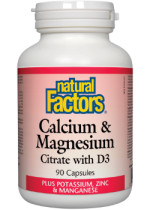
CALCIUM AND MAGNESIUM IN A 1:1 RATIO FROM NATURAL FACTORS. Providing 125 mg each of calcium and magnesium plus vitamin D in an easy to swallow capsule form. Ideal for people who don't swallow tablets very well! This Cal-Mag formula is enhanced with minerals potassium, zinc and manganese for maximum absorption and utilization. [CAPSULE]
+ Earn 7 Reward PointsSale: $7.99
Reg.: $12.99 (Save $5.00)
In Stock -
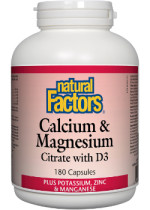
CALCIUM AND MAGNESIUM IN A 1:1 RATIO FROM NATURAL FACTORS. Providing 125 mg each of calcium and magnesium plus vitamin D in an easy to swallow capsule form. Ideal for people who don't swallow tablets very well! This Cal-Mag formula is enhanced with minerals potassium, zinc and manganese for maximum absorption and utilization. [CAPSULE]
+ Earn 14 Reward PointsSale: $14.99
Reg.: $19.99 (Save $5.00)
In Stock -
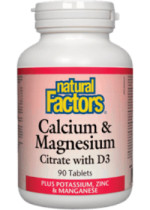
CALCIUM AND MAGNESIUM WITH VITAMIN D IN A 1:1 RATIO FROM NATURAL FACTORS. Providing 250 mg each of calcium and magnesium, plus 100 IU of Vitamin D in the active citrate form. This optimum potency Cal-Mag formula is ideal for anyone who needs more calcium in their diet. With added Manganese, Potassium and Zinc this complete formula may offer protection against osteoporosis and other bone relate...
+ Earn 9 Reward PointsSale: $9.99
Reg.: $12.99 (Save $3.00)
In Stock -
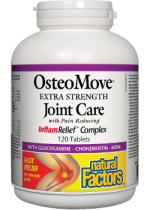
OSTEOMOVE EXTRA STRENGTH OFFERS FAST RELIEF FOR CHRONIC PAIN OsteoMove provides nutritional support by incorporating the key joint-building nutrients glucosamine, chondroitin, and MSM. OsteoMove also includes standardized extracts of boswellia and turmeric, two anti-inflammatory botanicals. This combination provides the body with the nutrients it needs to support and protect connective tissue...
+ Earn 29 Reward PointsSale: $29.99
Reg.: $39.99 (Save $10.00)
In Stock -
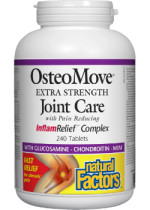
OSTEOMOVE EXTRA STRENGTH OFFERS FAST RELIEF FOR CHRONIC PAIN OsteoMove provides nutritional support by incorporating the key joint-building nutrients glucosamine, chondroitin, and MSM. OsteoMove also includes standardized extracts of boswellia and turmeric, two anti-inflammatory botanicals. This combination provides the body with the nutrients it needs to support and protect connective tissue...
+ Earn 59 Reward PointsSale: $59.97
Reg.: $79.99 (Save $20.02)
In Stock -
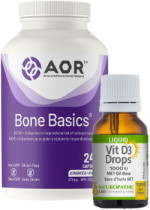
BONE BASICS FROM AOR. Bone Basics is a multi-nutrient combination designed to support bone health. It features a hydroxyapatite complex (MCHC), an extract of bovine bone derived from Australian pasture-fed, free-range livestock not subjected to routine antibiotics or rBGH. Calcium intake, when combined with sufficient vitamin D, a healthy diet, and regular exercise, may reduce the risk of dev...
+ Earn 46 Reward PointsSale: $46.00
Reg.: $57.50 (Save $11.50)
In Stock(Click Add to Select Bonus)
-
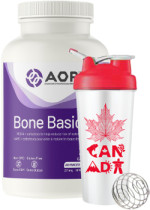
AOR Bone Basics Bone Basics is a multi-nutrient combination designed to support bone health. It features a hydroxyapatite complex (MCHC), an extract of bovine bone derived from Australian pasture-fed, free-range livestock not subjected to routine antibiotics or rBGH. Calcium intake, when combined with sufficient vitamin D, a healthy diet, and regular exercise, may reduce the risk of developing...
+ Earn 58 Reward PointsSale: $58.08
Reg.: $72.60 (Save $14.52)
In Stock(Click Add to Select Bonus)
-

ORTHO-BONE VEGAN FROM AOR Ortho-Bone is a multi-nutrient combination designed to support bone health. It features active vegan forms of calcium plus synergistic bone health supporting nutrients to optimize your calcium density and mineralization of bone tissue. [VCAP]
+ Earn 48 Reward PointsSale: $48.40
Reg.: $60.50 (Save $12.10)
In Stock -
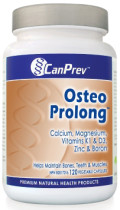
Osteo Prolong is an advanced formulation specifically designed for maintaining optimal bone health. it contains the perfect blend of the finest natural ingredients, in doses required to be truly effective. there is a general misconception that osteoporosis is caused by a deficiency of dietary calcium and that this deficiency can be remedied by taking a basic calcium supplement. in reality, othe...
+ Earn 26 Reward PointsSale: $26.99
Reg.: $33.99 (Save $7.00)
In Stock -
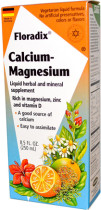
CALCIUM MAGNESIUM ZINC & VITAMIN D FROM SALUS. Salus Calcium Magnesium Liquid contains delicious tropical fruit juices that add the proper acid balance needed to ensure maximum absorption. Calcium intake is vital both for developing and for mature bones. Yet many factors prevent us from properly absorbing and using this very important mineral, including the form of the calcium, lack of stomac...
+ Earn 23 Reward PointsSale: $23.99
Reg.: $30.49 (Save $6.50)
In Stock -
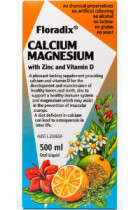
SALUS CALCIUM MAGNESIUM LIQUID SUPPLEMENT WITH ADDED ZINC & VITAMIN D. Unlike most cal-mag supplements this combination contains a higher magnesium to calcium ratio. Optimal bone health requires sufficient amounts of both magnesium and calcium. Magnesium is essential for proper utilization of calcium to help prevent calcium deposits. Studies suggest magnesium is just as important as calcium in...
+ Earn 39 Reward PointsSale: $39.99
Reg.: $49.99 (Save $10.00)
In Stock -
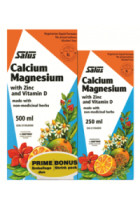
SALUS CALCIUM MAGNESIUM LIQUID SUPPLEMENT WITH ADDED ZINC & VITAMIN D. Unlike most cal-mag supplements this combination contains a higher magnesium to calcium ratio. Optimal bone health requires sufficient amounts of both magnesium and calcium. Magnesium is essential for proper utilization of calcium to help prevent calcium deposits. Studies suggest magnesium is just as important as calcium in...
+ Earn 45 Reward PointsSale: $45.99
Reg.: $59.99 (Save $14.00)
In Stock -
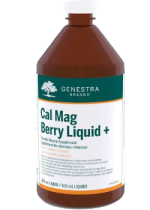
CITRATE FORMULA WITH VITAMINS D&K IN A TASTY BLUEBERRY LIQUID CAL:MAG BERRY LIQUID + BLUEBERRY BY GENESTRA makes it easier to obtain the calcium you need for healthy bones and teeth. It is difficult to get the amount of calcium our body craves from our foods. Cal:Mag berry liquid+ from Genestra is a great tasting way to replenish 500 mg of Calcium, along with 200 mg of magnesium per dose. Alon...
+ Earn 44 Reward PointsOur Price: $45.00In Stock -
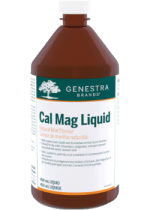
CALCIUM AND MAGNESIUM SUPPLMENTATION IN A TASTY LIQUID! CalMag Liquid by Genestra makes is easier to obtain the calcium you need for healthy bones and body. It is difficult to get the amount of calcium our body craves from our foods. CalMag liquid from Genestra is great tasting way to replenish 600 mg of Calcium carbonate, along with 300 mg of magnesium per dose. The perfect ratio of calcium a...
+ Earn 41 Reward PointsOur Price: $41.75In Stock -
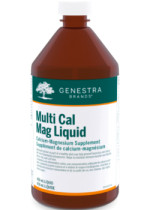
MULTI CAL MAG LIQUID - Calcium, Magnesium, multi-mineral formulation in liquid Multi Cal Mag Liquid provides a premium unique combination of elemental calcium, magnesium, and a balanced amount of macrominerals and organic-sourced microminerals in a liquid colloidal form. This great-tasting almond-flavored formula is ideal for adults who dislike or have difficulty swallowing pills. Containing a...
+ Earn 48 Reward PointsOur Price: $49.00In Stock -
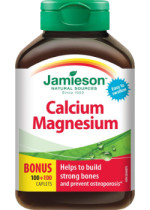
OPTIMAL 2:1 RATIO Calcium Magnesium from Jamieson offers a highly absorbable formula that combines calcium and magnesium at the optimal ratio of 2:1. Jamieson Cal Mag helps to support strong bones and healthy muscle function, containing 333mg of elemental calcium, from a complex of carbonate, citrate, fumarate, malate, and succinate, in addition to 167mg of a complex of magnesium oxide, citra...
+ Earn 9 Reward PointsSale: $9.99
Reg.: $12.99 (Save $3.00)
In Stock -
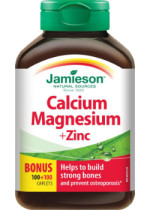
OPTIMAL 2:1 CALCIUM MAGNESIUM RATIO Calcium Magnesium from Jamieson offers a highly absorbable formula that combines calcium and magnesium at the optimal ratio of 2:1, and is enriched with 16.66mg of zinc gluconate for added mineral support. Jamieson Cal Mag + Zinc helps to support strong bones and healthy muscle function, containing 333mg of elemental calcium, from a complex of carbonate, ci...
+ Earn 9 Reward PointsSale: $9.99
Reg.: $12.99 (Save $3.00)
In Stock -
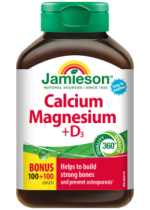
BONE BUILDING WITH THE BENEFITS OF VITAMIN D Calcium Magnesium from Jamieson offers a highly absorbable formula that combines calcium and magnesium at the optimal ratio of 2:1, with the added benefits of 200IU of high grade vitamin D3. Jamieson Cal Mag + D3 helps to support strong bones and healthy muscle function, containing 333mg of elemental calcium, from a complex of carbonate, citrate, f...
+ Earn 12 Reward PointsSale: $12.99
Reg.: $18.99 (Save $6.00)
In Stock -
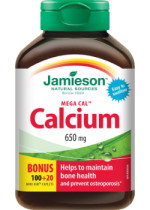
NEW MINI TAB FORMAT! Mega Cal Calcium from Jamieson is a highly absorbable complex of 5 calcium sources including carbonate, citrate, malate, fumarate, and succinate. Each mini-tab of Jamieson Mega Cal offers a high potency 650mg of elemental calcium to help develop and maintain strong bones and healthy teeth. [TABLET]
+ Earn 10 Reward PointsSale: $10.49
Reg.: $12.99 (Save $2.50)
In Stock -

Opto-Cal/Mag Complex with Vitamin K2 from Life Choice is a multi-vitamin/mineral supplement that helps in the development and maintenance of bones and teeth. It has been formulated to assist with calcium intake and absorption, when combined with sufficient vitamin D, a healthy diet, and regular exercise, may reduce the risk of developing osteoporosis. Another benefit is that it can help maintai...
+ Earn 47 Reward PointsSale: $47.60
Reg.: $51.99 (Save $4.39)
In Stock
Calcium Magnesium
What is Cal-Mag?
Most people know that nutrition plays a central role in the development and maintenance of strong bones across the lifespan. But did you know that calcium and magnesium are crucial nutrients for bone health? Indeed, research has demonstrated that adequate calcium IN COMBINATION with adequate magnesium intake throughout life correlates with higher bone mass in children as well as adults. A sufficient intake of calcium in tandem with magnesium has also been shown to reduce the risk of bone loss after the age of 30. So why is it important to combine calcium and magnesium? Let’s explore.
As the most abundant mineral in the human body, calcium is needed for cell to cell communication, to help build muscle tissue, and to support the production and secretion of certain hormones. Calcium is also essential for bone health. We reach our peak bone mass around age 30, after which bone-building gradually starts to slow down, and bone breakdown accelerates. An adequate calcium intake helps slow this decline. But of course, calcium is not the only player, magnesium is also key.
Magnesium is needed for calcium absorption. It also stimulates the hormone calcitonin which prevents the accumulation of calcium in the blood and soft tissues and draws it into the bones, where it is needed. When magnesium concentrations are too low in the body, calcium is deposited in soft tissues, kidneys, and arteries, all of which can lead to dire health conditions. Magnesium also assists in the activation of vitamin D, which helps regulate calcium and phosphate homeostasis in the body, to stimulate the growth and maintenance of bones.
Benefits Of Calcium Magnesium
- Helps in the Development of Strong Bones & Teeth
- Supports healthy Bone Health
- Supports Healthy Muscles & Blood Vessels Required for Optimal heart Function
- Supports Tissue Formation
Who Needs Calcium Magnesium?
Cal-Mag supplements are typically recommended to support bone health across the lifespan. More specifically for postmenopausal women, amenorrheic women, female athletes, vegetarians and vegans, individuals with lactose intolerance, and osteoporosis. Cal-Mag supplements are also recommended to prevent cardiovascular disease and to maintain healthy blood pressure.
Calcium Magnesium Potency, Forms & Formats
Cal-Mag Potency
Most experts recommend a 2:1 calcium to magnesium ratio. In other words, 1,000 mg per day of calcium, and 500 mg a day of magnesium, as a general ballpark. A slightly higher dose is recommended in adolescence and pregnancy, 1,300 mg/650 mg, as well as for women over 50, 1,200 mg/600 mg.
Cal-Mag Forms
Cal-Mag blends come in a few different forms. The carbonate form of calcium is the most common. This form must be taken with meals because it requires stomach acid to liberate the calcium from the carbonate. Other forms such as calcium citrate (often considered the preferred form), calcium orotate, and calcium bisglycinate do not need to be taken with food.
For magnesium, the oxide form is the most common, but not necessarily the most desirable, as it has a laxative effect. Other forms include citrate, chelate, and bisglycinate, all of which are gentler on the stomach and don’t typically cause diarrhea.
Cal-Mag Formats
Cal-Mag supplements are available in capsules, tablets, as well as liquid and powder forms.
Choosing The Right Cal-Mag For You
As critical as calcium and magnesium are to bone health, other nutrients are also essential. This is why complete bone health formulas are a superior option. These will typically include boron, phosphorus, vitamin D3, vitamin K2, zinc, copper, manganese, vitamin C, strontium, and silica.
Take Cal-Mag in divided doses throughout the day for best results. Taking it before bed can also help relax your body and encourage restful sleep.
Back to Top ↑








