A-Z detoxification Articles

  • Bentonite Clay Benefits

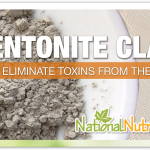
    Bentonite is a commercial name for a specific constituent of many medicinal clays called montmorillonite, which comes from volcanic ash. Bentonite Clay offers many benefits because it contains high concentrations of iron, calcium, magnesium and silica. It has been used for centuries, both topically and internally, for protection from toxins and radioactive substances, as well as heavy metal poisoning.

    How Does Bentonite Clay Work In My Body?

    When Bentonite reacts with water in the body, it swells up and acts as a sponge, attracting and neutralizing toxins and poisons (primarily throughout the intestinal tract), eliminating these harmful substances through the feces.

    Bentonite Clay Health Benefits

    Detoxification

    Given its action within the body, Bentonite is readily available as an effective cleanse/detoxification substance or paired with fibre as part of a complete detoxification program. It is also used in many yeast-busting formulas, to absorb excess pathogenic bacteria in the gut, helping to restore and balance gut flora. Healthy detoxification and elimination of excess yeast can both result in noticeable improvements in gut motility and absorption of nutrients from foods, improved immune function, increased energy and clearer complexion.

    Bentonite has also been reported to treat the following conditions:

    • Indigestion and ulcer
    • Constipation and diarrhea
    • Food allergies
    • Viral infection, flu, parasites
    • Radiation/ cancer treatment

    pH Balancing

    Acid-loving pathogens and diseases feed off an acidic internal environment. Unfortunately, due to poor diet, medications, and nutrient-poor soil conditions, among several other reasons, an overly acidic environment is all too common. See more on the health benefits of balanced pH. Bentonite clay is rich in minerals and naturally alkaline, supporting internal homeostasis, including a healthy pH. You can test your pH levels quickly and easily at home, using pH strips (note slightly different ranges, depending on whether testing salivary or urinary pH), available at your local health food/supplement store.

    Bentonite Clay Supplement Usage

    Bentonite clay is available as a supplement in both liquid and powder form. Look for a food-grade supplement as there are many topical application products on the market. Most should be mixed with water; however, it's important to follow the dosing instructions on the product closely.

    Safety Information

    Bentonite is not to be used during pregnancy and while nursing. It is also extremely important to take Bentonite away from all supplements and foods of nutritional value, as it will absorb these substances and negate their nutritional benefit. Take one hour before or two hours after a meal or ingestion of supplements or medications. It is recommended to take a probiotic following a round of Bentonite, as it can deplete levels of 'healthy' bacteria. Bentonite should be taken with plenty of water.
  • Black Radish Supplement Benefits

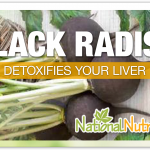
    You may be used to seeing red radishes in the grocery store, but have you ever seen a black radish? In fact, there are many different kinds of radishes and you’ll find the tastiest, heirloom varieties at your local farmer’s market. While they each possess different nutrients, black radishes have many health benefits and can be found in supplement form.

    What is Black Radish?

    Black radish is a type of winter radish that has rough black skin and hot white flesh. It tends to be larger and hotter that your average spring, red radish.

    Black radishes have been planted in Europe since Medieval times because they are hardy vegetables that grow in cool seasons and can be stored for use in the winter. You can store them in moist soil in a box where they won’t freeze, however the more modern way to store them is in a perforated bag in the refrigerator after they are washed and dried well. Look for black radishes in your winter or spring CSA (Community Supported Agriculture) box from your local farmer.

    Health Benefits of Black Radish Supplements

    Black radish is very detoxifying to the liver and improves the health of the gallbladder. It is used as a cleansing food and is recommended to eat during seasonal detoxification programs. It also improves digestion because it stimulates the gallbladder and reduces inflammation in the mouth and throat. Historically, black radish was used to fight infections, especially respiratory infections. In Asia, black radish juice is used to treat coughs, colds and bronchitis.

    How Does It Help Health?

    The world we live in has become increasingly more toxic and our liver has to work hard to protect our body from the harmful effects of chemicals in our environment. Regularly detoxifying your liver is the key to optimum health and using vegetables like black radish is a great strategy. Black radish works to stimulate bile production in the liver and bile release by the gallbladder. Increasing bile production is a natural way to detoxify the liver and to keep it from becoming sluggish. This is particularly important for the detoxification of fat soluble toxins, making black radish a great addition to weight loss programs that tend to release fat soluble toxins into the bloodstream.

    Black radish also has antimicrobial properties and works to kill bacteria, viruses and fungus. It has been shown to kill E.coli in research studies and is very effective for respiratory infections because of its antimicrobial action.

    How To Use Black Radish Supplements

    You can use black radish to cook with or you can eat it raw. It tastes great roasted and some people mash it after cooking it to make a zesty sauce for meats. You can add it to salads like you would use red radishes, but be prepared for more zing in your salad. Juicing black radish is another way to use it and is the best way to use it if your digestion is compromised. It tastes great mixed with celery, cucumber and tomato if you want to try making detoxifying, antimicrobial juice. However, if you do not like the potent taste of black radish, you can find the dried herb in capsule form. Often, you will find black radish added to liver detoxification supplement formulas, which makes it easy to get every thing your liver needs to work optimally.

  • Chlorophyll Drops & Other Supplement Varieties

    Chlorophyll is found in all plant life, giving plants their green pigment. These pigments allow plants to capture energy from the sun and convert it into chemical energy, sustaining all plant life (photosynthesis). Chlorophyll can be found in high amounts in most leafy green vegetables, including wheatgrass, barley and alfalfa. It can also be found in supplements in the form of chlorophyll drops, liquids, powder and capsules.

    Key Health Benefits of Chlorophyll Drops & Supplements

    Blood Cleanser

    Chlorophyll is known to be a ‘cleanser extraordinaire’, mainly to do with its ability to cleanse or purify the blood. Its properties support the efficient removal of toxic substances from the bloodstream. It also replenishes the blood, containing nutrients specific to red blood cell health. The chlorophyll molecule has a similarity to the hemoglobin molecule in human blood. It has been shown to do the work of hemoglobin in the bloodstream and has been used to support anemia, among other conditions. It is also an antioxidant, inhibiting cellular damage from free radicals.

    Breath & Body Freshener

    Chlorophyll is also very well known as a deodorizing and breath-freshening agent, working from the inside out, literally starting at the cellular level. Although it does not possess any antiseptic properties of its own, it very effectively supports the body’s own ability to fight bacteria. Commercial chewing gums, toothpastes, and mouthwashes often have chlorophyll added to them for this reason. It has been shown to enhance the disease resistance of cells and inhibit the growth of bacteria.

    Immune Booster

    Chlorophyll can be used as an overall immune support and treatment, working to fight both superficial and chronic infections. Studies using chlorophyll intravenously for the treatment of chronic pancreatitis are showing some promising results.

    Source of Bioavailable Minerals

    Chlorophyll is nutrient-dense, containing a readily absorbable form of magnesium, and a handful of other important minerals, including iron, potassium and copper. Its nutrient breakdown also means that chlorophyll is highly alkaline, which in itself has numerous health benefits and is especially important for preserving the calcium content of bone, as in osteoporosis.

    Shopping For Quality Chlorophyll Drops & Supplement Varieties

    If eating your greens is not an option, try chlorophyll as a supplement. It can be found at your local health food store in capsule, tablet or liquid form. The liquid form is usually concentrated and should be diluted with water. Sometimes mint is added to chlorophyll liquid to give it a fresh taste; otherwise, there is no taste or odour. Most green food supplements are combinations of medicinal foods and herbs that are high in chlorophyll and other nutrients.

    Important Information & Considerations When Taking Chlorophyll Drops

    Chlorophyll can potentially cause photosensitivity in some individuals. Be cautious with unprotected sun exposure when consuming or supplementing with high amounts of chlorophyll. There is very little research dedicated to the safety of using chlorophyll during pregnancy and while breastfeeding. It is best to avoid its use at these times.

  • Cilantro Health Benefits

    Cilantro is one of those herbs that you either love or hate. It seems there is very little middle ground when it comes to this plant and if you Google cilantro, you will see whole websites devoted to loving or hating this culinary herb. But regardless of what side of the great cilantro debate you're on, there's no denying its many health benefits.

    People who dislike cilantro describe it as tasting and smelling like soap or bugs; however, those who love it enjoy the strong, unique taste and aroma of this herb. Science hasn’t confirmed why people seem to have such different experiences with this herb, but some evidence is pointing to a genetic influence. Some people even start off hating the taste of cilantro and over time grow to love it. Regardless of your preferences, cilantro is more than a culinary treat; it’s good for you too!

    What is Cilantro? A Controversial Herb

    Cilantro can be a little confusing because it is also called coriander. Coriander refers to the dried seeds of the plant, which is used as a spice in foods. The leaves are called fresh coriander, coriander leaves or cilantro and they have the unique flavor and aroma that creates all the controversy. Cilantro is often used in Mexican, Asian, Indian and South American cuisine. If you like cilantro, you’ll love it in tacos, guacamole, salsa, chutneys, salads and rice dishes to name a few.

    What Are The Health Benefits of Cilantro?

    Obviously, cilantro is used to add flavour and interest to cuisine. Cilantro also has many medicinal qualities including reducing cholesterol and triglyceride levels, enhancing liver function, chelating heavy metals, promoting detoxification and improving digestion. It is also a good source of antioxidants and vitamin C. Interestingly, cilantro has a historical use in preventing food spoiling and its antibacterial effects against salmonella may prevent food poisoning. It also has antibacterial effects against H. pylori and E.coli.

    Active Ingredients In Cilantro & Their Many Health Benefits

    First of all, cilantro is a green leafy herb that is full of nutrients like vitamin C and antioxidants, which enhances the diet and fights the damaging effects of free radicals. It also has numerous active ingredients that work to protect the liver, while also enhancing liver function. Many of the active ingredients are antibacterial and work to kill bacteria like E.coli and salmonella. Cilantro also has the ability to chelate heavy metals like lead and mercury. The unique chemical structure of cilantro can bind to heavy metals in deep body tissues like the brain and spinal cord so they can be excreted through the stool and urine. Often cilantro will mobilize heavy metals in deeper tissues to more superficial, peripheral tissues and other chelating agents can be used to completely remove the heavy metals from the body.

    Different Ways To Consume Cilantro: From Culinary Uses To Supplement Varieties

    Fresh cilantro is easy to add to most culinary dishes, just chop and add it. It’s most flavorful raw and loses some of its taste as you cook it. It’s very tasty when added to salads, salsas, guacamole, tacos, bean salads or any dish you feel needs fresher, citrus-like tastes. You can find cilantro in capsules form, which is most often used for heavy metal detoxification. At this time there is no known, researched optimum dosage for supplemental cilantro so simply follow the manufacturer’s directions. Some historical sources suggest 2 teaspoons of cilantro pesto taken daily for three months will detoxify the body of heavy metals like mercury, lead, aluminum and tin.

  • Cysteine Supplements: Discover Its Benefits, Forms & More

    Essential amino acids are ones your body cannot produce on its own; therefore, they need to be taken in through the diet or supplementation. One of these essential amino's includes cysteine. Cystine simply contains two molecules bonded together, increasing stability. Cysteine and cysteine supplements play an important role in the formation of keratin, collagen, and in the detoxification processes in the liver.

    Understanding How Cysteine Benefits Your Health

    As mentioned, cysteine plays an important role in the formation of keratin and collagen. Keratin gives strength to the fingernails, toenails, skin and hair, while collagen gives elasticity to all connective tissue including the skin and cartilage found in the joints. Thus, cysteine helps maintain a youthful physical appearance and activity level.

    Cysteine contains sulfur and forms sulphur-containing amino acids, like glutathione, which is used by the liver to detoxify harmful chemicals including those found in cigarette smoke, alcohol, aspirin and acetaminophen. It also protects the body from radiation like that from the sun, industry or medical testing.

    Cysteine also increases the fluidity of mucus, making it beneficial for clearing and improving healing of the respiratory tract.

    Who Should Consider Taking Cysteine Supplements?

    Natural health practitioners often recommend a cysteine supplement for liver detoxification, skin problems, radiation damage, metal toxicity, respiratory disease and rheumatoid arthritis.

    Different Forms of Cysteine Supplements + Formats & Potency

    Cystine is a stable molecule that combines two molecules of cysteine together, the body converts them back and forth easily. The more soluble form is L-cysteine, making it a more effective supplement. In supplement form, you'll often see it as N-acetyl cysteine (NAC), which is an activated form of cysteine that is used for increasing levels of the antioxidant glutathione, protecting against age-related damage and preventing side effects from radiation therapies.

    Cysteine supplements are commonly found in capsule formats. While it's best to follow the directions on the manufacturer's label, amino acid supplements should be taken at least 1/2 hour before or after a meal to maximize their absorption. To keep the proper amino acid balance in your body, if you take an individual amino acid supplement for longer than one month, take it with an amino acid complex to prevent the deficiency of other amino acids.

    Potential Side Effects & Cautions of Cysteine Supplements

    Toxicity with doses over 1000 mg is possible; however, some chronic diseases require these doses to see a medicinal effect. In this case you should follow instructions from your health care provider.

    Diabetic's need for insulin may increase with cysteine use. Do not use cysteine if you have cystinuria, an inherited kidney disorder.

  • D-Glucarate

    Did you know, that glucaric acid is naturally produced by the body and can be taken in by eating fruits and vegetables? Supplemental glucaric acid is formed by adding calcium to produce calcium D-glucarate. Let's further explore this supplement and how it can support your health. 

    Key Health Benefits of D-Glucarate Supplements

    Liver & Kidney Support of Glucaric Acid

    D-Glucarate is a detoxifying agent that works to increase liver processes that neutralize harmful chemicals and metabolic byproducts. It is also a great nutrient for kidney health. Animal models have shown that it can decrease kidney damage that is caused by antibiotic use. 

    D-Glucarate & Healthy Cell Management

    Preliminary studies have been done on calcium D-glucarate to see its effects on abnormal cell growth and it has been shown to decrease enzymes that are thought to stimulate this type of unhealthy cell growth. Calcium D-glucarate also helps with hormonally related abnormal cell growth by decreasing the resorption of estrogen from the gastrointestinal tract. 

    Glucaric Acid & Healthy Cholesterol Control

    Glucaric acid may also be of benefit for individuals with high cholesterol by decreasing the resorption of cholesterol from the bile, as it travels through the intestines. 

    How To Increase Your Intake of Glucaric Acid

    Glucaric acid is a nutrient found in many fruits and vegetables, like oranges, apples, grapefruit, and cruciferous vegetables. Supplemental glucaric acid is bound to calcium for stability and is available in capsule or tablet form.

    The use of calcium D-glucarate in pregnancy and lactation has not been studied. There are no reported side effects of this supplement. Calcium D-glucarate may interact with drugs such as diflunisal, ketoprofen, lorazepam, and morphine which are processed by the same set of enzymes in the liver. Alcohol may decrease the effectiveness of this supplement.

  • DIM As A Supplement

    Diindolylmethane (DIM) is a natural condensation product of indole-3-carbinol (I3C), which is found in cruciferous (Brassica family) vegetables such as cauliflower, cabbage, cress, bok choy, broccoli, kale, and similar green leaf vegetables. Increased dietary intake of these foods has been associated with a lowered risk of unhealthy cell growth, particularly those with a hormonal influence on proliferation.

    Part of this effect is likely due to DIM's role in estrogen metabolism balance in the body. There is also preliminary research implicating DIM as an immunomodulating supplement against auto-immune disease, although further research is required.

    Understanding The Relationship Between DIM and I3C

    DIM is a natural diindole condensation product of I3C created during digestion in the presence of sufficient stomach acid. This chemical is more shelf-stable and more easily absorbed in the digestive tract than I3C. Recent research has implied that benefits previously attributed to I3C may be the result of DIM created through conversion in the digestive tract. Further research is required to confirm these results before attributing all of the beneficial effects of I3C to DIM.

    Key Health Benefits of DIM

    DIM and Unhealthy Cell Growth

    Diindolylmethane has been associated with potent effects on unhealthy cell growth. Emerging evidence has shown that exposure of damaged human cells to I3C or DIM triggers transcriptional, cell signalling, enzymatic, and metabolic changes that directly lead to the stoppage of replication and/or apoptosis (regulated cell death). It has also been implicated in down-regulating genes required for damaged cells in the breast, although I3C has been studied in far greater detail for this activity.

    DIM and Estrogen Balance

    Both males and females produce estrogen naturally in their bodies, although women produce significantly higher levels. This endogenous estrogen can either be metabolized to 16alpha-hydroxyestrone (16OHE1) or 2-hydroxyestrone (2OHE1). In contrast to 2OHE1, 16OHE1 is highly estrogenic and has been found to stimulate the proliferation of several estrogen-sensitive damaged cell lines. Research suggests that DIM preferentially promotes the metabolism of estrogen to the less harmful, and less active 2-hydroxyestrone form.

    Diindolylmethane and Male Hormone Health

    DIM has been directly studied as an anti-androgen supplement that can prevent the proliferation of damaged prostate cells. It has also been found to reduce PSA expression and act as a strong competitive inhibitor of dihydrotestosterone (DHT), a hormone responsible for many male-associated problems. DIM is likely the first example of a pure androgen receptor blocker extracted from plants.

    As men age, they naturally produce lowered levels of testosterone and over time estrogen can be found in higher concentrations in their tissues, resulting in a loss of muscle mass. Testosterone is one of the hormones responsible for anabolic muscle growth in the body. There is a natural balance of the conversion of testosterone to estrogen in the body. As noted above, DIM has been shown to regulate the metabolism of estrogen in the body to be less active. This helps to shift the hormonal balance more favourably in men entering andropause ("male menopause").

    Taking DIM Supplements

    Diindolylmethane can be absorbed directly from eating cruciferous vegetables from the Brassica family, such as cauliflower, cabbage, cress, bok choy, broccoli, kale, and similar green leaf vegetables. It is important that if cooking these vegetables, not to boil them, as it will significantly reduce their beneficial content.

    To get higher doses, DIM can be supplemented using capsules or combination formulas. When supplementing DIM, it is generally taken between 100 and 200 mg per day. A dose of 200 mg was found by a preliminary safety study to be the highest dose that did not produce negative side effects in the research group.

    Final Insights, Considerations & Potential Side Effects

    DIM is considered safe in both food/diet amounts and therapeutic dosages. Excess supplementation may result in skin rashes, increased liver enzymes, as well as nausea and vomiting. Overuse and/or preventative use of DIM is further ill-advised because of its hormone-altering effects in normal individuals that can result in systemic hormone dysregulation. For this reason, do not use it as a supplement while pregnant or breastfeeding.

  • Geranium Oil: An Essential Oil For Good Health

    Geranium (Geranium maculatum), also known as spotted or wild geranium, is a decorative garden plant that has also been used as medicine for centuries. The flowers and leaves are edible and can be used as a garnish or added to salads. The entire geranium plant can be used to extract geranium oil which can be used as an astringent to tighten mucous membranes, smooth the skin, and help to stop bleeding.

    Traditionally, the First Nations people have used soaked geranium flowers as a gargle for treating sore throats, and toothaches, and as a tea for the treatment of diarrhea, upset stomach, and urinary irritations, while the root was traditionally used to stop bleeding.

    Key Health Benefits of The Geranium Flower & Oil

    Gastrointestinal Benefits

    When the powdered herb is taken internally or used in a tea, it can help to treat conditions such as diarrhea, sore throats, and urinary irritations. It does this by helping to tonify the mucous membranes and help seal out infection.

    As An Essential Oil

    The oil extracted from geranium is toxic to insects, particularly against head lice. Thus, topical use for the treatment of lice is common. As an essential oil, geranium is popular for use in skin balancing and to treat oily acne-prone skin. It is an astringent that can help treat hemorrhoids, eczema, ulcers, bruises, burns, and cuts. As is the case with the majority of essential oils, geranium oil must be diluted in carrier oil before use on the skin.

    DMAA & Geranium

    There is significant hype in the weight loss community about geranium extract containing Dimethylamylamine (DMAA). DMAA is a stimulant that is commonly found in pre-workout formulas and is occasionally used in higher concentrations as a recreational drug. This substance can cause false positives on amphetamine testing. Unfortunately, research is currently inconclusive on whether geranium extract naturally contains sufficient DMAA, or if this substance is added to powdered formulas for weight loss under pretenses. Be sure to use a manufacturer that you trust when using geranium for weight loss and energy boosting.

    Buying Quality Geranium Supplements & Oil

    Geranium is available in several different forms. Geranium essential oil is the most popular, and it can be diluted in carrier oil and applied to the skin for a variety of ailments. The plant or root can be dried, powdered encapsulated or used in a tea.

  • Juniper

    Juniper shrubs produce berries that are the principal flavouring agent in gin. Unfortunately, there aren’t enough of the medicinally active oils in gin to make it a form of supplementation. The most well-known use of this herb is as a treatment for bladder infection. Let's explore how this herb can help your health. 

    Key Health Benefits of Juniper

    Juniper is a diuretic and antiseptic in the urinary tract. These properties are due to the volatile oils found in the berries. Furthermore, it is also used to relieve chronic arthritis and gout.

    This herb contains bitter substances that cause the release of saliva and digestive juices when it is tasted. This makes it useful for indigestion and lack of appetite. Juniper may also be recommended by natural health practitioners for prostate disorders or swelling in the lower legs.

    Taking Juniper & Finding Quality Supplements

    These berries can be used as raw berries, dried berries, encapsulated berries, tincture or tea. Fresh berries must be harvested in the second year to get high amounts of medicinal activity. Much of the essential oil content of the berries is lost during drying so fresh berries or liquid preparations are usually the most potent forms of this herb. It can be found as a component of formulas for urinary infections, arthritis and prostate disorders. If it is used as a digestive aid then forms other than encapsulated berries should be used so that the herb is tasted.

    Potential Side Effects Or Contraindications

    There are possible interactions between juniper and diuretics or hypoglycemic medication. Juniper inhibits the absorption of minerals like iron and supplementation is advisable if you use juniper for long periods. Pregnant women and people with kidney disease should not use this herb.

  • Liver Health and Detoxification

    The liver is one of your body's most vital organs. It's responsible for filtering toxins, metabolizing nutrients, and supporting overall metabolic balance. Every day, it works tirelessly to process environmental toxins, hormones, and waste products to keep the body functioning optimally. Due to this constant demand, supporting liver function has become a key focus in modern wellness. In this article on liver health and detoxification, we'll explore how the liver supports natural detox processes, and maintaining its health is essential, and how lifestyle and nutrition can help optimize performance. 

    What is The Liver's Function?

    The liver is the largest gland in the body and one of the most important organs. It has many functions. It produces bile, the digestive juice that breaks down fats and helps to absorb fat-soluble vitamins. Bile also stimulates intestinal contractions, promotes regularity, and converts beta-carotene into Vitamin A. 

    The liver acts as the filter for all of the blood in the body. Blood from the intestines, carrying nutrients, goes to the liver, where some vitamins and minerals are stored. The liver also metabolizes fat into cholesterol, phospholipids (for cell membranes), and lipoproteins (for carrying other molecules). The liver plays a role in blood sugar regulation by making the glucose tolerance factor. Sugar can be stored in the liver for later use, and extra food is converted to fat by the liver and then transported to the fatty tissue.

    The liver also filters ammonia, a natural by-product of protein breakdown, environmental toxins, medications, and alcohol. It changes these harmful products into less harmful metabolites that can then be put back into circulation and excreted by the kidneys and intestines.

    The last function of the liver is in hormone metabolism. It converts thyroid hormone into its most active form and breaks down hormones like sex hormones, adrenaline, and insulin when they are not needed.

    What Can Harm The Liver?

    The liver can become damaged from infection, excessive alcohol consumption, medications, recreational drugs, environmental toxins, and stress. Fortunately, it is also the only internal organ that has the capacity to regenerate itself.

    Hepatitis is an inflammation of the liver. The hepatitis virus, medications or toxins cause it. There are 5 types of hepatitis viruses, A-E. Hepatitis A is an infection that comes from contaminated food and water. It is usually only seen in North Americans who return from visiting tropical destinations. It usually resolves itself in one to two months and does not become chronic. Hepatitis B-E is spread through contaminated blood, blood products or sexual contact. The first signs of these infections often occur several months after the infection. These viral types usually result in chronic liver inflammation that leads to liver damage and can be life-threatening. Overuse of alcohol, acetaminophen or ibuprofen can also cause hepatitis. Chlorinated hydrocarbons and arsenic are environmental toxins that are known to damage the liver.

    Cirrhosis of the liver occurs when inflammation causes hardening and scarring of the liver tissue. Eventually, this scarring compromises blood flow to the liver. The most common cause is excessive alcohol consumption. Other causes are hepatitis C and toxicity.

    How can you naturally support the many functions of this important organ?

    • Liver supportive diet
    • Healthy lifestyle and exercise
    • Regular liver cleansing
    • Liver supportive nutrients and herbs

    Nutrients That Support The Liver & Detoxification

    Liver supportive foods include: artichokes, black radish, beets, carrots, spinach, sauerkraut, tomatoes, and watercress. Make sure that you are getting enough water-soluble fibre in your diet, as found in apples, oats, and supplemental inulin.

    Liver Detox Tips

    Sometimes the liver pathways are not working up to speed or become blocked. The backup of waste material makes it harder for the rest of the body to function normally and ultimately leads to disease. Since the environment in which we live makes it impossible for us to maintain a pristine lifestyle, regular liver cleansing is essential. Liver detoxification involves dietary, supplemental and physical interventions. For more information, see the article on detoxification.

    There are many vitamins, minerals, and nutraceuticals that can be used to support the liver. Always consult a health professional before using liver supporting nutrients because speeding up the liver's processing can affect medication levels in your body.

    They help to eliminate bile and toxins from the intestines.  Avoid sugar, alcohol, red meat, trans-fatty acids and processed foods.  They are difficult for the liver to process.  Avoid high doses of niacin and vitamin A because they can raise liver enzymes.

    Avoid excessive use of alcohol, medications and recreational drugs. Exercise promotes liver health by increasing circulation.  It also stimulates the bowels to release processed toxins. Slow bowel transit time allows toxins to re-circulate in the body and forces the liver to repeat its detoxifying activity.

    Traditional Asian medicine identifies emotions as a contributing agent in many disease processes.  The liver is affected by anger.  Anger reduction techniques, like biofeedback, or activities, such as yoga, can improve liver functioning.

  • Methionine

    The body can't produce essential amino acids, so you must obtain them through your diet. Methionine is one of these amino acids. Some people take methioneine supplements to meet their needs. Methionine plays an important role in the metabolism of protein and the production of enzymes, and it can relieve and prevent seasonal allergies. Methionine is a precursor for the production of several substances. The same is methionine bonded to ATP, the major source of energy in the body. SAMe donates molecules to other substances as a way to stabilize the molecules and reduce damage to body tissues.

    SAMe helps form sulfur-containing compounds, including glutathione. The liver uses glutathione to detoxify harmful chemicals. These chemicals include cigarette smoke, alcohol, aspirin, and acetaminophen. SAMe produces molecules that keep our cells growing and replicating at the proper rate.  B vitamins convert homocysteine into methionine. This process helps neutralize homocysteine, which can damage the cardiovascular system.

    What is Methionine?

    Methionine decreases histamine levels in the body. Researchers have linked histamine to schizophrenia and seasonal allergies. Methionine and other amino acids form creatine. It is responsible for muscle growth and energy production. Natural health practitioners for liver detoxification, heart disease, metal toxicity, schizophrenia and allergies recommend methionine.

    Methionine Supplements

    The biologically active form of methionine is L-methionine. It is commonly found in capsules. The body for the production of brain chemicals easily depletes methionine. Supplementing with choline or lecithin provides an alternative source of choline for the brain and saves methionine for other processes. S-adenosyl methionine (SAMe) is an activated form of methionine that is used for depression. Take amino acid supplements at least 1/2 hour before or after a meal to maximize their absorption. If you take an individual amino acid supplement for longer than one month, add an amino acid complex to the protocol to prevent the deficiency of other amino acids.

    Important Information

    Symptoms of toxicity, with extremely high doses, are rare but include hyperactivity, blood disorders, growth impairment, loss of appetite, and hallucinations. Take a vitamin B complex with methionine to avoid the conversion of methionine intohomocysteine. Homocysteine damages vessels and increases the risk of heart disease.

  • Milk Thistle Supplements: Benefits & Uses

    Milk thistle was used historically as a digestive aid to promote the flow of digestive juices, and as a tonic for nursing mothers to increase milk supply. Nowadays, its popularity stems from its ability to detoxify and protect the liver. Milk Thistle supplements can be found in a variety of formats. Let's further explore them. 

    Understanding The Liver's Role

    The liver is responsible for filtering out toxins that should not be in your body and processing them so that they don’t cause damage to other cells. It also metabolizes hormones and fats and makes sure that the transportation system for fats (cholesterol) is working properly. The liver's secretions, called bile, carry metabolized waste products out into the intestine, where they can be excreted. The medicinal activity of milk thistle is in a molecule called silymarin. It causes liver cells and hepatocytes to resist toxic compounds and regenerate themselves. It also increases glutathione in the liver.

    Glutathione is an antioxidant that the liver uses to catch damaging free radicals that are created when the liver changes toxins into harmless chemicals. Silymarin also blocks the toxic effects of drug overdoses and poisonings. Milk thistle is a bitter herb that causes the release of digestive juices and bile, thus helping with indigestion and intestinal cleansing. Natural health practitioners recommend milk thistle for liver toxicity, indigestion, poisonings, drug overdoses, hepatitis, jaundice, gallbladder dysfunction and high cholesterol.

    Milk Thistle Supplement Varieties & Formats

    Milk thistle supplements can be purchased as encapsulated herb, dried herb, tincture or liquid extract. Milk thistle’s active components are not soluble in water, and therefore, there is little medicinal value in drinking it as a tea. Concentrated extracts or capsules are the best forms to use. Milk thistle is found as a component of many cleansing formulas. To help with digestion, bitter herbs must be tasted, like when you take in a tincture or tea. Encapsulated herbs are swallowed, thus bypassing the taste buds, and will not stimulate digestion.

    Potential Side Effects & Considerations

    Milk thistle is a very safe herb, but it does have detoxifying properties. Individuals with serious liver disease or high levels of toxic compounds in their bodies should use milk thistle under the guidance of a health professional.

  • Sarsaparilla (Smilax)

    What is Sarsaparilla?

    Sarsaparilla is a climbing vine native to Central and South America, traditionally valued for its aromatic root and long history of use in herbal medicine. The route contains naturally occurring plant compounds like saponins, flavonoids, and phytosterols, which contribute to its wellness-supporting properties. Historically used to support skin health, joint discomfort, and detoxification, Smilax is now commonly found in teas, tinctures and supplements.

    Top Health Benefits of Sarsaparilla

    Smilax is used in the beverage industry as a flavouring agent in soft drinks like root beer. In terms of health, this herb removes toxins from the body by cleaning the blood, thus it is used for skin conditions, like acne, eczema, and psoriasis, which are considered to result from toxin accumulation.

    Sarsaparilla can also be used to cleanse toxins from the urinary tract by causing fluids to flush through the kidneys. This release of fluids is also helpful to reduce fluid retention and inflammation. This herb is recommended by natural health practitioners for a variety of conditions including:

    • Hives
    • Psoriasis
    • Rashes
    • Eczema
    • Arthritis
    • Swelling
    • Blood Impurity Disorders

    Sarsaparilla Supplement Varieties

    Sarsaparilla can be used as encapsulated root, dried root or tincture. Smilax can be used topically to treat skin conditions, just be sure to dilute any alcohol-based formulas to avoid skin irritation. It is found as a component of many cleansing formulas. It has traditionally been combined with yellow dock for the treatment of chronic skin conditions.

    Cautions & Important Information

    Sarsaparilla, in large doses, may cause stomach irritation. Do not take prescription medication at the same time of the day as sarsaparilla because the medication may not be absorbed. Smilax should be used cautiously by individuals with kidney disease because it alters kidney function and increases fluid loss.

  • Triphala: Benefits, Uses, Dosage, Supplement Reviews

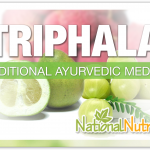
    Triphala, translated to "three fruits", is an Ayurvedic herbal mixture of the fruits of:

    • Amla (Emblica officinalis or Phyllanthus emblica)
    • Bihara (Terminalia belerica)
    • Harada (Terminalia chebula)

    It is used as a colon cleanser, digestive, detoxifier, and laxative in the natural healthcare community.

    There is one popular folk saying in India: "No mother? Do not worry, so long as you have Triphala." In Indian culture, this herbal remedy has long been used to boost overall health, promote detoxification and help promote weight loss.

    Herbs & Nutrients In Triphala

    Amla - has traditionally been used to treat ulcers and inflammation in the digestive tract. It is an excellent source of natural vitamin C and bioflavonoids essential to immune and blood vessel health. More recent research has also found it to have antimicrobial properties and to help reduce inflammatory conditions. Further research is required to further support these effects.

    Bihara - has been associated with the earth and water elements in Ayurvedic medicine, it helps to reduce allergies and balance excess mucus production in the body. It is also used to nourish the digestive, urinary and respiratory tracts.

    Harada - fruit has laxative, astringent, digestive, lubricant, antispasmodic and calming effects. Because of this, it has traditionally been used to treat both constipation and nervousness and anxiety. Its antispasmodic properties can also help it to lower blood pressure. This herb is associated with detoxification in Indian culture and has strong purgative laxative effects.

    Benefits of Triphala Combinations

    As A Digestive Tonic

    Triphala is considered a great digestive tonic. It is a purgative laxative and colon cleanser that works similarly to Senna.

    This combination of herbs also acts as a fibre bulk laxative and a demulcent, which is a gentler and softer means of relieving constipation by bulking the stool and lubricating the digestive tract. Combining these two laxative effects means that Triphala is good for those with liver and gallbladder congestion, and for those with constipation. It stimulates gallbladder function, which can help to flush out both the liver and gallbladder and also helps to promote better overall digestion.

    Detoxifying and Antibacterial Efficacy

    In addition to its ability to act as a laxative, allowing the body to more effectively shed its own toxins, the herbs in Triphala are also alternatives, which means that they directly act to purify the blood. The herbs in Triphala have also been clinically proven to have antibacterial activity that is similar to a number of commonly used antibiotics. Thus, this herbal remedy can help to eliminate any low-grade bacterial infections in the body, particularly in the digestive tract. This can further help to normalize digestive function.

    Nutritional Facts

    Triphala contains high levels of vitamin C and linoleic acid (an essential oil), so it can act as a nutritive tonic in addition to its laxative abilities. Thus, although it is stimulating to the digestive tract and promotes stool passage, it is also able to provide nutrition and tonify the body to prevent depletion from the process of detoxification.

    How Much Do I Take Triphala?

    This herbal remedy can be found in powder, in capsules or tablets. The dose depends on the desired effect; lower doses tend to have a gentle and gradual blood-purifying effect, while larger doses act as a laxative, with the largest doses being extremely purgative. Because of its simulative laxative ability, larger doses should not be continued for longer than 7 days. Powder can be taken at ½ - 3tsp in a cup of water up to 3 times daily. Capsules can be taken according to the dosing instructions on the bottle. Start with the lowest dose and slowly increase to prevent diarrhea and to give your digestive tract time to adapt. Be sure to drink sufficient water with your dosing and take this supplement away from medication and other supplements.

  • Yeast Detox Tips

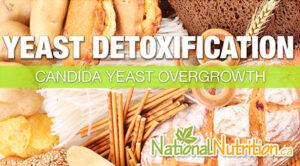
    Candida albicans is a fungus that naturally lives in the gastrointestinal and genital tracts. A candida infection develops when yeast overgrows or spreads to other body areas. People with candida overgrowth often report fatigue and difficulty concentrating. The yeast produces toxins that the intestinal lining can absorb into the body. You can ask your practitioner to do a test for this toxin to make a diagnosis. Let's explore yeast detox tips to help you stay healthy.

    What Causes Candida?

    Unfortunately, because this infection can cause such a litany of other concerns, it is sometimes over-diagnosed, and treatment is touted as a cure-all. Be sure to discuss the possibility of candidiasis with your healthcare provider to ensure it is the root cause of your concerns. Of course, you can always try treating it first to see if it makes a difference for your symptoms, if you prefer the do-it-yourself path. There are many risk factors for developing Candida overgrowth in the intestines. Some of the risks are common health concerns that create an environment in the body that allows yeast to grow out of control, while others are environmental factors. Here is a list of some (but not all) factors that can leave you predisposed to developing candidiasis:

    • Low Thyroid: The lower body temperature caused by hypothyroid creates a suitable environment for the yeast to proliferate.
    • Diabetes or Hypoglycemia: Blood sugar fluctuations and cravings for sweet foods make sugar more available and can make it easier for the yeast to grow.
    • Antibiotic Use: The use of antibiotics can kill off the natural, "good" bacteria that help to keep yeast in check.
    • Stress: Extended stress can exhaust your adrenal glands, thus lowering your body temperature. Stress also reduces your immune system, thus preventing your body's natural response to infection.
    • Menopause or PMS: These conditions cause hormonal fluctuations that can kill off the natural bacteria in the body and boost the growth of yeast.
    • Intestinal Toxicity: Yeast can proliferate in a toxic colon with the accumulated waste matter.
    • Low Immunity: The immune system will normally keep the yeast in check, but if it gets compromised, the yeast can be allowed to grow out of control.
    • Leaky Gut: Small perforations in the intestinal lining can harbour yeast cells and provide them with a more direct source of nutrients.

    What Are Symptoms of Candida?

    Apart from the above test, a definitive diagnosis of candidiasis is difficult because the symptoms can be non-specific and can vary depending on the part of the body that is involved. For example, Candida can cause: 

    • Headaches
    • Fatigue
    • Rashes
    • Athlete's foot
    • Itching
    • Tingling or burning sensations
    • Memory loss
    • Joint and muscle pain
    • Constipation or diarrhea
    • PMS
    • Prostatitis
    • Diabetes or hypothyroidism

    The symptoms may be worse in damp or mouldy places. They may also worsen after consuming high-sugar or yeast-based foods. Visually, a topical (skin or mucous membrane) candida infection appears as white patches that may grow together. The skin surrounding the spots is very irritated and red. There may be a white, curd-like discharge with a yeasty smell. Many of the symptoms of gastrointestinal candidiasis mimic those of Leaky Gut Syndrome, and these two conditions can often co-exist.

    What Are Some Yeast Detox Tips?

    Conventional Candida Treatments

    Conventional treatment of candida involves antifungal agents applied topically or taken orally. These medications take care of the current infection but do not address the root cause of why the infection occurred in the first place. Candida often returns, and eventually the strains become drug-resistant.

    Treating Candida Through Diet

    Dietary therapy depends upon the severity of the condition. It is aimed at starving out the yeast by removing its food source, sugar.

    The most severe dietary restrictions involve a total elimination of all sugar, yeast and fungal products from the diet. This includes: fruit, aged cheese, alcohol, baked goods (including bread), chocolate, fermented foods, gluten-containing grains, ham, honey and all sweeteners, nut butters, potatoes, mushrooms, soy sauce, sprouts and vinegar.

    Less severe cases restrict all of the above-mentioned products for a short period of time, and then allow some products back into the diet. Vegetables, fish and gluten-free grains are the bulk of the diet. Fresh, live yogurt or other products containing live bacterial cultures can be added at a later time. 

    What Happens When I Do A Yeast Detox?

    Candida Die-Off Reactions

    When you initially go to kill off the yeast in your body, beware that you will likely feel pretty terrible for a few days. Candida cells naturally produce toxins as part of their life cycle. When many yeast cells die at once, they can release large amounts of toxins. The intestines may absorb some of these toxins. This can result in flu-like symptoms, similar to those experienced during a detox or a cleanse. The symptoms will go away once the yeast is under control. 

    Drinking filtered water may help support hydration during treatment. Eating more fibre may help support digestion and regular elimination. These supplements may also help prevent or manage candida infections. Treatment focuses on reducing yeast overgrowth and supporting the body's natural defences. Adult doses are given. Ensure all products are yeast-free. If you are pregnant or breastfeeding, seek advice from a health professional before beginning treatment.

15 Item(s)

First name is required!
Last name is required!
First name is not valid!
Last name is not valid!
Please enter a valid email address.
Email address is required!
This email is already registered!
Password is required!
Enter a valid password!
Please enter 6 or more characters!
Please enter 16 or less characters!
Please ensure your passwords match.
Terms and Conditions are required!
Incorrect FormKey!
Incorrect Email or Password!
reCAPTCHA is mandatory. Click check box beside I am not a robot
Invalid login/register data, Kindly contact customer service agent.