A-Z herbal medicine Articles

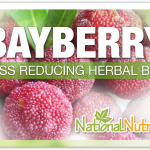
  • Bayberry

    Bayberry is the common name for a shrub in the Myrica family that has small berries with a thick wax coating. This indigestible wax coating was used in the past to make candles. The root bark contains a very high concentration of tannins, which are constituents that promote the tightening of mucous membranes and help to protect against infection. Bayberry has been used traditionally as an anti-diarrheal medicine as it reduces the leaking of fluid into the digestive tract, and thus helps to prevent watery stools.

    Key Health Benefits of Bayberry

    Anti-infection
    Bayberry root bark is used for the topical treatment of infection. Diluted tea can be gargled for sore throats or used as a vaginal douche for vaginitis. Bayberry extract has been shown to inhibit growth and toxic release by the bacteria that causes cholera. It can also be used to treat skin infections and wounds to prevent bacterial growth.

    How To Take These Supplements

    The root extract of Bayberry can be used topically as needed for wounds or infections. Internally, for the treatment of diarrhea, there is no known standardized dosing. Because of this, it can be dosed according to the manufacturer's label instructions.

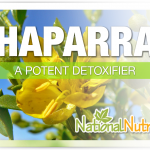
  • Chaparral As A Health Supplement

    Chaparral is an herb that has been used traditionally by Native North Americans for many years. It is a powerful herb that's best used with caution and for short periods. It has powerful anti-viral activities that have been studied for their ability to eliminate difficult-to-treat viruses.

    Key Health Benefits of Chaparral

    Some manufacturers claim chaparral can decrease the viral load significantly so that no trace of the virus remains in the body. This claim is unique amongst natural health products and most pharmaceutical medications, which usually only claim to reduce viral load or outbreaks.

    Chaparral may also support healthy cell growth and division. It inhibits unhealthy cell replication and prevents cells from properly using fats and proteins, thus leading to the death of unhealthy cells. This inhibition effect is also seen in normal cells, which is why this herb can be toxic to the body.

    Topically, it has traditionally been used to heal wounds caused by sunburn and radiation treatments.

    Chaparral is also an antioxidant which helps diminish free radicals in your body. Free radicals are unstable molecules that in their bid to become more stable, must bump into healthy cells and cause damage. Chaparral’s antioxidant properties neutralize free radicals. It may be recommended to protect healthy cells during heavy metal detoxification.

    Types of Chaparral Supplements

    Chaparral is most safely purchased as a proprietary extract from various manufacturers, like Virox. Some manufacturers have done extensive clinical studies on the effects of their products and the appropriate dosing regimens, decreasing the risk of side effects.

    Dried chaparral leaves can be made into a tea or purchased in tincture form. However, these products are not tested for their chemical constituents, which increases the risk associated with their use.

    When using this topically for skin conditions, dilute any alcohol-based formulas to avoid skin irritation or make a tea and apply it to the affected area.

    Potential Cautions & Contraindications

    Due to chaparral’s long list of cautions and contraindications, it is advisable to use this herb under the guidance of a health professional.

    Prolonged use or high doses of chaparral have been noted to cause liver and kidney toxicity in humans. Those with liver or kidney disease should not use this supplement. Chaparral inhibits cell replication and should not be used by pregnant women. The chemical components of this herb are transferred into breast milk, making chaparral contraindicated for nursing mothers.

    Allergic reactions to this herb have been noted from both topical and internal use.

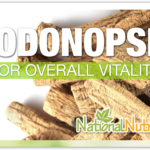
  • Codonopsis

    The extract of the plant Bellflower (Codonopsis pilosula) is known as codonopsis in western medicine, and as dang shen in Eastern traditions. In both cases, the roots of the plant are used as a gentler and more economical substitute for Chinese ginseng, and it is actually sometimes called “poor man’s ginseng”.

    Revealing The Top Health Benefits of Codonopsis

    Brain Health Benefits

    Codonopsis has been shown to stimulate the central nervous system. One California study found that combining this supplement along with ginkgo biloba boosted cognitive function and overall health more effectively than ginkgo alone. Thus, this combination can be used to help boost health and vitality of the brain and entire body.

    Stomach Acid and Ulcers

    Animal studies have shown that codonopsis supplementation can reduce the secretion of acid and digestive enzymes in the stomach. This can potentially help to protect the digestive lining of those suffering from ulcers. This effect has not yet been proven in humans, although many healthcare practitioners use the herb for this effect.

    Blood Thinning

    In recent research, codonopsis was found to help prevent platelet aggregation in people suffering from coronary artery disease, which can help to prevent clot formation and potentially reduce the risk of heart attack. This can also help to reduce high blood pressure in those with hypertension.

    Supports Healthy Cell Growth

    Much of the most recent research studies performed on this nutrient have examined its ability to help with unhealthy cell growth. Some particular branched sugar constituents of codonopsis have been shown to directly have anti-tumor activity, while also helping the body’s natural immune response as well. For those combining natural and conventional treatment options, codonopsis has also been shown to help maintain healthy immune function.

    Immune Boosting Benefits of Codonopsis

    Maintaining immune function is also how codonopsis is used to help those with certain autoimmune disorders and helps slow their immune decline. Supplementation has been found to increase red and while blood cell counts. It has also been found to promote healthy weight gain, which can help protect depleted individuals. This is likely why this herb is considered a general tonic in Traditional Chinese Medicine.

    Supplementing With Codonopsis: How To Take This Supplement

    Most commonly, this herb is found in combination formulas for immune boosting as well as brain and cardiovascular health. It can also be found in Chinese Medicine tonic formulas. Codonopsis can be taken alone as powdered root directly or in a tea. It can also be found in tincture form. The ideal human dose of this supplement has not yet been established and recommended doses range widely. Be sure to follow the directions provided by the manufacturer for your particular formula.

    Shopping Tips For Codonopsis

    This supplement is available at your local natural health food store and online. When selecting a quality supplement, find one that uses pure and potent ingredients with best farming practices. Choose organic when possible and find one that offers a dosage that your health care practitioner recommends for your specific health profile.

  • Comfrey Benefits, Uses & Supplements

    Comfrey is also known as 'knit bone' for its ability to speed the healing of broken bones. However, comfrey has many more health benefits. It contains agents that help heal the skin, reduce bruising, decrease inflammation and reduce pain.

    Key Health Benefits of Comfrey

    Topical comfrey is commonly recommended by natural health practitioners for the following conditions: 

    • Broken bones
    • Muscle injury
    • Sprained ligaments
    • Pulled tendons
    • Bruises
    • Insect bites and stings
    • Skin ulcers
    • Eczema, psoriasis & rashes
    • Healing sunburns

    Active Properties & Uses For Comfrey

    Comfrey root contains more active ingredients than the leaf. In Canada, the sale of comfrey, in any form, is currently illegal. If you are cultivating your own comfrey you can make a decoction or tea from the leaves and root. 

    It can also then be used as a wash or soaked into a poultice. Comfrey can also be used in creams and salves. Homeopathic comfrey is also used for injuries. However, ingesting homeopathic comfrey can be dangerous because the dosage needed to see medicinal effects is also close to the dosage that causes toxicity. This is why this herb isn't legal for sale in Canada because it needs close guidance from a healthcare practitioner. External use in creams or salves; however, is deemed safe. 

    Final Cautions & Considerations of This Herb

    Those who are pregnant or breastfeeding or those with liver disease should not take comfrey. This is because the alkaloids in comfrey may be absorbed, in small amounts through broken skin. If taken internally, comfrey can be highly toxic and should not be ingested. 

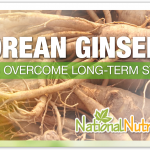
  • Explore Korean Red Ginseng: Uses & Benefits

    Korean red ginseng, sometimes called Panax schinseng, is Panax ginseng grown in Korea and was traditionally used as a tonic to increase brain efficiency and as a treatment for diabetes mellitus.

    Korean ginseng is the same species as Chinese ginseng and still contains the active constituents called ginsenosides, but the different growing conditions and preparation methods make for differing effects and potency. Korean ginseng is often the most sought-after ginseng, as it is considered the highest grade in the herbal community.

    Korean Red vs White Ginseng

    Red Korean ginseng is grown for at least 6 years before harvesting. Once harvested, it is prepared by briefly boiling the root to cure it, before drying it for grinding into a powder. It is the most stimulating and least nourishing ginseng available and due to its extremely yang nature, is usually only recommended for men (who are inherently more yang than women). White Korean ginseng, on the other hand, is prepared by peeling and drying fresh ginseng root that has been grown for a shorter period of time. This type contains fewer medicinal constituents due to the shorter growing time and some loss during the drying process. The white preparation is slightly less stimulating (less yang) than the red variety and is a good choice for energy enhancement in women (who are innately more yin). Both of these varieties are not usually recommended for long-term use due to their stimulatory (yang) nature.

    Key Health Benefits of Korean Ginseng

    • Potent Antioxidant & Fights Free Radicals
    • Improve Brain Function
    • Support Erectile Dysfunction
    • Boosts Immune Health
    • Balance Blood Sugar

    Korean Red Ginseng Supplement Varieties & Shopping Tips

    Korean ginseng is generally taken between 100 and 600mg daily (standardized to a minimum of 5% ginsenosides). Because Korean ginseng is so stimulating, the recommended dosing regimen is 4 weeks on followed by 2 weeks off to allow the body to rebuild yin.

    Important Information & Potential Side Effects

    Korean ginseng contains components that have blood thinning, blood pressure altering and blood sugar-altering properties. Ginseng supplements should be used with caution by individuals with active bleeding, blood clotting disorders, high blood pressure, low blood pressure, diabetes and hypoglycemia. For the same reason, ginseng supplements should be discontinued before surgery or dental work. Ginseng can alter the effects of caffeine, stimulants, decongestants, blood thinners (including aspirin), anti-hypertensives, sedatives, insulin and oral hypoglycemics. Pregnant women and nursing mothers should avoid the use of Korean ginseng.

  • Horny Goat Weed: An Herb For Sexual Health

    Horny goat weed (HGW) has been used for centuries in Traditional Chinese Medicine as a way to increase both male and female libido, while also improving erectile function in men. Icariin is said to be the active constituent in the epimedium species, responsible for its action in terms of alleviating erectile dysfunction, specifically.

    Key Constituents in Horny Goat Weed

    Icariin has been shown to restore the expression of Nitrogen Oxide Synthase in erectile dysfunction of arteriogenic causes. Endothelial Nitrogen oxide synthase (eNOS) supports the production of nitrogen oxide from L-Arginine and has the specific function of controlling vascular tone. By improving vascular tone to the penile corpus cavernosum, improved circulation/blood flow to the area is achieved, creating a stronger erection. Some studies have indicated that this herb may be as effective as many erectile dysfunction medications, without the risk of side effects.

    Other Health Benefits of Horny Goat Weed

    Although much less commonly known and supported for its other uses, HGW has also been researched for use in the following conditions:

    • Weak back and knees /joint pain
    • Osteoporosis
    • High blood pressure
    • Heart disease
    • Memory loss

    Horny Goat Weed Supplement Varieties

    It is available in capsule, liquid tincture form, and tea, as well as in combination supplements for both men and women, aimed at improving libido and sexual dysfunction. In supplement form, HGW is often combined with Maca as an overall sexual tonic. There is currently no known therapeutic dosage. Typical dosages range anywhere from 120-500 mg/capsule and usually contain a standardized Icariin content.

    Key Thoughts To Consider

    Talk to your healthcare professional before using this herb if you are currently taking medication for high blood pressure, or to slow blood clotting (anticoagulants), as Horny goat weed can have an additive effect with these medications. This herb is not recommended during pregnancy and while breastfeeding.

  • Nettle Supplement Uses & Benefits

    Stinging nettle is a commonly seen plant in North America. Several parts of the plant have been studied for their medicinal benefit. A nettle leaf supplement has been known to decrease allergy symptoms like runny nose, watery eyes and congestion. It does this by stabilizing cells that release histamine, called mast cells.

    Exploring The Health Advantages of Nettle 

    Histamine is responsible for inducing the allergic response by signalling inflammatory cells to go to the mucus membranes. Nettle leaf is also used to increase the excretion of uric acid in the kidney and increase its transportation out of tissues.

    This will help gout sufferers because it is the crystallization of uric acid in the joints that leads to gouty arthritis. Nettle root is used for prostate disorders like BPH. Components in nettle bind to hormone receptors in the prostate thuspreventing the stimulation of the gland, which ultimately may prevent the prostate’s enlargement.

    Shopping For A Quality Nettle Supplement

    Nettle can be used as a dried herb, encapsulated herb, tincture or tea. Make sure that you get the appropriate supplement for your needs. The leaf is used for allergies (especially freeze-dried leaf) and gout. The root is used for prostate disorders.

    Key Considerations & Cautions

    Pregnant women should not use nettle because it theoretically may cause uterine stimulation. However, some health professionals do recommend moderate usage for the nettle’s nutrient qualities. Individuals with kidney disease, gout or a history of uric acid stones should use nettle only under professional supervision due to the silica content and uric acid excretion. There are possible interactions between nettle and warfarin due to nettle’s vitamin K content.

  • Oregon Grape

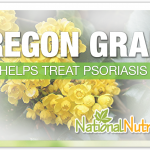
    Oregon grape (Mahonia aquifolium) is an evergreen shrub closely related to Barberry. For more information on Barberry, please click here. Although it is called the Oregon grape, this plant is not a true grape (Vitaceae) family and has very different effects. The root has traditionally been used for hundreds of years by First Nations peoples in the treatment ofmany infections, as well as diarrhea and stomach ulcers. It is often used as an alternative to Goldenseal in herbal formulas when Goldenseal is not available, as both are rich in berberines. 

    Compounds Found In Oregon Grape

    Berberines

    The main constituent of Oregon grape is berberine, which gives this herb its antimicrobial and anti-inflammatory capabilities. Berberines have also been found to benefit: diabetes, Alzheimer's, depression, and cardiovascular disease. 

    Top Uses For Oregon Grape Supplements

    Preventing Multi-Drug Resistant Bacteria

    Interestingly, the active constituents in Oregon grape have been shown to inhibit the immunity of multi-drug resistant(MDR) bacteria, such as MRSA to antibiotics. These bacteria use a pump to shuttle the antibiotic back out of their cells as soon as it is absorbed. Oregon grape prevents the function of this pump, thus making the multi-resistant bacteria once again susceptible to prescription antibiotics. Because of this, it can be used in combination with antibiotics to help treat infections with these bacteria.

    Psoriasis

    It has been established by research that Oregon grape applied topically in a 10% concentration to psoriasis lesions can significantly reduce their severity and can improve the quality of life of psoriasis sufferers. Some evidence suggests that taking it internally may help as well. Further research is required, but this has interesting potential.

    Tips For Taking Oregon Grape Supplements

    Oregon grape can be found in capsules or tablets on its own or in combination formulas for antimicrobial, and anti-diarrheal purposes. It can also be found in skin creams for the treatment of psoriasis. The oral dosage has not yet been established by research, so following the manufacturer's label instructions is best practice.

  • Traditional Chinese Medicine

    Traditional Chinese Medicine (TCM) has been the primary form of medicine in Asia for centuries, even thousands of years, and includes Chinese Herbal medicine, nutritional therapy and acupuncture. Some TCM practitioners also include Shiatsu or Tui Na massage as a regular part of their practice. There are many theories on which Chinese medicine is based. Keep reading to learn more about Traditional Chinese Medicine. 

    What is Traditional Chinese Medicine?

    One of the core principles of TCM is the idea that there must be a balance of yin and yang for the body to function at its optimal level. Practitioners believe this balance supports qi, or life force energy. TCM theory also emphasizes blood and jing, often called the body's essence. Practitioners believe jing naturally declines with age. The organs can also be classified in terms of their yin (or Zang) and yang (Fu) functions. The functions of the liver, heart, spleen, lung, kidney, and pericardium make them Zang organs, while the small intestine, large intestine, gallbladder, urinary bladder and stomach are all Fu, or Yang organs. TCM pairs each yin organ with a corresponding yang organ. These pairings aim to maintain balance within body systems. Examples include the heart and small instestine. Other examples include the liver and gallbladder.

    There are also meridians or channels along the body which correspond to these different organ systems. Acupuncture points sit along pathways called meridians or channels. Practitioners believe these points influence specific functions along each channel. TCM practitioners assess patterns involving qi, blood, and essence. They may describe these patterns as excesses or deficiencies.

    What To Expect At A TCM Appointment

    Your TCM practitioner may ask you a series of questions about your temperature, emotional tendencies, specific symptomology, cravings, food intake and appetite, thirst, sleep, and if your a woman, about your menstrual cycle. They will also look at your tongue, as TCM practitioners see the tongue as a map of the body. Colour, shape, consistency and distribution of coat all correspond to certain organ systems of the body, and again point to either an excess or deficiency and therefore an imbalance in yin or yang. They will also feel your wrist pulses. There are said to be three pulses on each arm, and again the rate, rhythm and characteristics of these pulses signify pathology in terms of excess or deficiency in one or more of the organ systems.

    After diagnosis, TCM practitioners may recommend herbs, acupuncture, dietary changes, or combined approaches. These therapies aim to restore balance and support symptom management. Practitioners may recommend warming or cooling foods based on TCM principles. Food choices often focus on supporting yin or yang balance. Practitioners choose acupuncture points based on symptoms and affected systems. They may also select local or distant points along related meridians. These approaches aim to strenghen or reduce activity within specific systems.

    Today, acupuncture is being studied in terms of its ability to reduce inflammation by calling attention to certain areas of the body. Studies are showing efficacy with the use of acupuncture for pain management, including: low back pain, neck pain and headache. Research devoted to acupuncture and infertility or menstrual irregularity is also showing promising results. Practitioners use Traditional Chinese Medicine for many acute and chronic health concerns. Some healthcare professionals incorporate acupuncture and Chinese herbs into treatment plans. Many people hesitate because acupuncture uses needles. Some people find acupuncture more comfortable than expected after trying it. Combined with some very powerful and effective TCM herbs, acupuncture can lead to significant improvements. Some people find it a relaxing and even addictive experience.

    Common Herbs Used in Traditional Chinese Medicine

    • Asian Ginseng (Ren Shen): An adaptogen used to boost vitality, combat fatigue, and support immune function. 
    • Astragalus Root (Huang Qi): Prized for its properties to tonify Qi and strengthen the immune system. 
    • Goji Berry (Gou Qi Zi): Mostly used in herbal soups and tonics, these berries help nourish the liver and kidneys while also providing antioxidants. 
    • Licorice Root (Gan Cao): This herb is known to harmonize and is added to many formulas to balance harsher ingredients, soothe digestion, and detoxify the body. 
    • Ginger (Sheng Jiang): Ginger is a warming herb used to aid digestion, relieve nausea, and dispel cold from the body.
    • Reishi Mushroom (Lingzhi): Celebrated in TCM as the ultimate herb for longevity, it is used to protect liver health and calm the mind.
    • Dong Quai (Dang Gui): Often called "female ginseng," this root is frequently used to promote healthy blood circulation and regulate menstrual irregularities
  • Wormwood

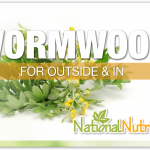
    Wormwood (Artemisia absinthium) is a tall bush whose characteristic odour makes it useful in the garden as a means of inhibiting weeds and pests such as insects and larvae. Many are familiar with its use in the bright green spirit called absinthe that is strictly regulated in North America due to its thujone content. Water extracts of wormwood will contain very little thujone.

    Health Benefits of Wormwood

    Digestive Support

    It is primarily used for stimulating increased movement in the gastrointestinal tract and promoting the release of digestive juices. In the stomach, increased digestive juices can stimulate appetite and help with indigestion. In the intestines, increased bile and pancreatic juices can alleviate the heaviness that one feels after a large meal. It can also improve the digestion of fats and proteins. At the level of the large intestine, wormwood acts as a laxative by increasing gut motility, the speed at which the intestines push food and waste through. 

    Anti-parasitic and Antimicrobial

    Wormwood is often used as an aid in the treatment of parasitic infections, as it can be used to flush the body of parasites that have already been killed by other herbs. Because of this, it is often found in combination formulas for the treatment of parasitic infections. Wormwood has also been found to have antimicrobial acitivity, especially against Gram-positive bacteria, like Staph and Strep. Externally, it has been used to heal wounds, ulcers, acne and insect bites.

    Shopping For Quality Wormwood Supplements

    Most wormwood supplements are made as encapsulated dried herb, a tincture of the same plant parts or loose dried herb. It is often found as a component of anti-parasitic and laxative formulas. 

    When doing a parasite cleanse, it is advisable to seek help from a health professional who can monitor your progress and decrease possible treatment side effects. The essential oil of wormwood is extremely toxic and should only be used under professional supervision. 

    Wormwood is also commonly found in digestive bitter combinations. In order to help with digestion, bitter herbs must be tasted, like when you take in a tincture or tea. Encapsulated herbs are swallowed, thus bypassing the taste buds, and will not stimulate digestion.

  • Yarrow

    What is Yarrow?

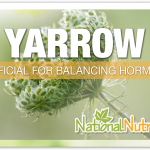
    Yarrow (Achillea millefolium) is a flowering plant that was used in ancient times to stop the bleeding from battle wounds. More recently, it has primarily been thought of as a tonic for the digestive and female hormonal systems. Yarrow has a number of beneficial effects on health; It is useful as a sedative, anti-inflammatory, digestive, antispasmodic, and tonic. It can be used to treat conditions such as insomnia, anxiety, muscle spasms, digestive disturbance, diarrhea, headaches, pain, fevers, and the symptoms of the common cold.

    Key Health Benefits of Yarrow

    Digestion and Antispasmodic

    Yarrow can be used as a digestive bitter that promotes the increased secretion of digestive juices. This increases the secretion of saliva, stomach acid, digestive enzymes and bile, all of which promotes better digestion and help to alleviate symptoms of gas, bloating, and constipation. Because it also has antispasmodic abilities, it can help to reduce spasms in the digestive tract, including IBS and gallbladder attacks.

    Hormonal Effects

    Recent research has indicated that yarrow may contain phytoestrogens, which are plant-derived chemicals that act on estrogen receptors in the human body. This allows it to help balance female hormones by covering for a deficiency and blocking an excess of estrogen. It was also traditionally used as a tonic for the uterus, which helps to relieve menstrual cramps and stop excessive menstrual bleeding.

    Slows Bleeding

    The traditional use of yarrow to stop the bleeding from open wounds has since been supported by research. Applying the leaves to a wound can help to slow the bleeding. It has also been found to slow excess menstrual bleeding. Interestingly, taking it internally has also been shown to stimulate circulation and may be able to help lower blood pressure. Because of this, yarrow is thought to be a blood regulator, and will either promote circulation or slow the blood as required.

    Antibiotic

    The aerial parts of yarrow are also used to help break up phlegm, a common symptom of infection. Extracts of yarrow have been shown to have antibiotic activity and also to act against certain mutated cell types in a test tube.

    Anti-inflammatory

    The ability of yarrow to reduce inflammation and inflammation-associated pain has been well established. It can help to reduce the effects of the common cold and can help with the treatment of fever by promoting a healthy sweat.

    Cosmetics

    Yarrow is often added to cosmetics and personal hygiene products. It is valued for its astringent, cleansing and tonic effects on the skin. Since it is high in antioxidants, it is also valued for its protective and anti-aging effects.

    Shopping For Yarrow

    Most yarrow supplements are made as encapsulated or loose dried herb, or a tincture. It can be found alone or in combination formulas for digestion, bleeding, hormone regulation, and anti-inflammatory effects. The essential oil of yarrow contains thujone, a substance that is toxic and should only be used under professional supervision. It used to often be added to massage oils to be used topically as an anti-inflammatory for inflamed joints. It is also often found in cosmetics and cleansing hair products. The typical dose for loose or encapsulated herb is 4.5g per day in divided doses, although this is not based on research. Follow the manufacturer's directions on the product label of your supplement.

  • Yellow Dock

    Yellow dock is considered an alternative herbal remedy that has been used for centuries to support digestion, liver function, and detoxification. Derived from the root of the Rumex crispus plant, it has been valued in herbal medicine for its ability to support gentle cleansing of the digestive system and promote healthy elimination. 

    Today, this herb is commonly used in herbal formulas designed to support liver health, skin wellness, and digestive balance. 

    What is Yellow Dock?

    Yellow dock (Rumex crispus), sometimes called curly dock, is a perennial plant belonging to the Polygonaceae family. It is native to Europe and parts of Asia, but now grows widely throughout North America. 

    The plant can grow up to three feet tall and is easily recognized by its long, narrow leaves with wavy edges and tall seed stalks. The medicinal portion of the plant is the root, which contains a bright yellow interior that gives the plant its name. 

    Historically, this root has been used in traditional herbal medicine as a digestive tonic and a gentle cleansing herb. Herbal practitioners have recommended this herb to support liver function, improve nutrient absorption, and encourage healthy bowel function. 

    Compounds Found in Yellow Dock

    The health benefits of yellow dock are attributed to its naturally occurring plant compounds. These include:

    • Anthraquinones - compounds known to support gentle bowel stimulation
    • Tannins - plant compounds with astringent properties that support digestive health
    • Iron - it contains small amounts of naturally occurring iron
    • Flavonoids - antioxidant compounds that help protect cells from oxidative stress
    • Oxalic acid - a naturally occurring compound found in many leafy plants 

    Together, these compounds contribute to the herb's traditional use as a digestive support and cleansing botanical. 

    Health Benefits of Yellow Dock

    Digestive Health

    One of the most common uses of yellow dock is supporting digestive function. Compounds in yellow dock root may stimulate digestive secretions and encourage healthy bile flow. This can help improve digestion and nutrient absorption.

    Because of this, this herb has historically been used as a digestive tonic to support those with sluggish digestion.

    Gentle Detoxification

    In herbal medicine, this herb is often included in cleansing formulas designed to support the body's natural detoxification processes. The herb is believed to support liver function and healthy elimination, which are essential for removing waste products from the body. 

    By supporting digestive and liver function, this herb may promote overall metabolic balance. 

    Healthy Bowel Function

    The anthraquinones present in the root may help promote gentle bowel stimulation. For this reason, the herb has historically been used to support regular bowel movements and relieve occasional constipation. 

    Unlike harsher stimulant laxatives, this herb is often considered a mild herbal option. 

    Skin Health

    Traditional herbal practitioners have long associated digestive and liver health with the appearance of the skin. Because this herb removes toxins from the body, it's been said to help skin conditions like acne, eczema, and psoriasis, all of which are considered to result from toxin accumulation. This is why this herb has been included in herbal blends designed to support skin clarity and overall skin health.

    Antioxidant Support

    The flavonoids found in yellow dock act as antioxidants that help protect the body's cells from oxidative stress. Antioxidants are important for supporting overall wellness and reducing damage caused by free radicals. 

    Yellow Dock Supplements

    Today, yellow dock is available in several supplement forms. The most common include:

    • Capsules or tablets containing the powdered root
    • Liquid herbal extracts or tinctures
    • Herbal teas
    • Herbal detox or digestive formulas containing yellow dock as a supporting ingredient

    When choosing a supplement, it's best to look for products from reputable manufacturers that provide quality assurance and clearly list the botanical name (Rumex crispus) on the label. 

    Standardized herbal supplements or products made specifically from yellow dock root may provide more consistent potency than those made from whole plant material. It can also be applied topically to treat skin conditions as long as it's diluted if it's an alcohol-based formula. 

    Safety Considerations

    Although this herb has a long history of traditional use, it should be used responsibly. 

    Important safety considerations include:

    • Large amounts of yellow dock may cause digestive upset or loose stools.
    • Because it contains oxalic acid, those with kidney stones or kidney disorders should use caution.
    • It may stimulate bowel movements and should not be used excessively. 
    • If you are pregnant or breastfeeding, or taking other medications, you should consult a healthcare practitioner prior to use
    • Yellow dock leaves may contain high levels of oxalic acid and can be poisonous in large quantities.


12 Item(s)

First name is required!
Last name is required!
First name is not valid!
Last name is not valid!
Please enter a valid email address.
Email address is required!
This email is already registered!
Password is required!
Enter a valid password!
Please enter 6 or more characters!
Please enter 16 or less characters!
Please ensure your passwords match.
Terms and Conditions are required!
Incorrect FormKey!
Incorrect Email or Password!
reCAPTCHA is mandatory. Click check box beside I am not a robot
Invalid login/register data, Kindly contact customer service agent.