A-Z skin care Articles

  • Apple Cider Vinegar: A Healthy Digestive Aid

    What is Apple Cider Vinegar?

    Apple cider vinegar (ACV) has been a tried, tested, and true folk remedy for centuries. Some people swear by its positive and broad spectrum of health effects. Made from apples in the process of fermentation by bacteria and yeast, the apples are first fermented into alcohol and then, left long enough, turn into vinegar. The word vinegar means sour wine… The end product contains primarily acetic acid. Although the USDA claims it has no vitamins and minerals, some say it has small amounts of amino acids, mineral salts, vitamins, and other acids. It is correct that it is a highly acidic liquid which may be the reason for its broad range of effects.

    The challenge with ACV is that very little research has been done on human subjects. Most of its notoriety is simply from peoples’ experiences over the centuries. This is called empirical data because it is not research conducted as a double-blind placebo-based laboratory study. A few studies have been conducted on animals, but these studies have been limited. Despite the lack of formal research, people still claim organic apple cider vinegar has helped them with many health concerns.

    What is Apple Cider Vinegar Used For?

    Traditionally Apple Cider Vinegar has been used to treat just about everything…from Diabetes to high cholesterol to digestive complaints like acid reflux and weight loss.

    Diabetes

    Some formal research conducted on humans by the American Diabetes Foundation in 2004 tested Apple Cider Vinegar’s effects on type 2 diabetes. It showed that taking ACV before meals increased insulin sensitivity and lowered insulin and glucose spikes after meals. Another study conducted in 2007, quoted by WebMD, showed a 4-6 % decrease in morning fasting glucose in those who took 2 Tbsp of it before bed. These studies show promising results from using Apple Cider Vinegar in treating type 2 diabetes.

    Cholesterol

    Although people claim to have seen improvements in their cholesterol levels by taking Apple Cider Vinegar, no human trials have supported this. However, one study conducted in 2006 showed ACV decreased total cholesterol in one animal study. But again, many claim it helps reduce their LDL cholesterol.

    Most people use Apple Cider Vinegar for healthy digestion and to help establish a neutral ph in their body.

    ACV and Digestion

    Furthermore, despite popular medical belief, acid reflux is more often caused by too low stomach acid, called hypochlorhydria. Increasing stomach acid by taking Apple Cider Vinegar will reduce symptoms of acid reflux because your food will be digesting properly with sufficient stomach acid.

    Another benefit of this ‘acid tonic’ comes from normalizing stomach acid. As mentioned, normalizing stomach acid results in better digestion and absorption of minerals. This leads to an overall balance of ph in your body. A balance of ph is essential for numerous reasons. Your body needs to keep a narrow ph window, especially in the blood. When your body becomes acidic, your body uses Calcium from your bones to neutralize this acidity. This, over time, can lead to diseases like Osteoporosis. Your body operates ideally at a ph of 7, considered neutral. You can measure ph via saliva or urine using ph strips, readily found at health food stores.

    So although your stomach needs to be acidic it is very important for optimal health that your body remains neutral ph.

    How Does ACV Work Inside Your Body?

    Theoretically, its claim to fame as a cure-all for so many symptoms could be related to the fact it is an ‘acidic tonic’ for your stomach. It contains acetic acid, lactic acid, citric and malic acids. How these acids benefit and work in your system is as follows:

    • Your stomach secretes acid to kill organisms and break down your food when you eat.
    • This acid also helps you absorb minerals and B12, which need an acidic environment for absorption.
    • Proper acid levels in your stomach are necessary to break down food properly. Without adequate breakdown, food can ferment, leading to gas formation, indigestion and the growth of Candida yeast and other organisms.

    So Apple cider vinegar aids digestion by its nature as an ‘acid tonic’ for your stomach.

    Apple Cider Vinegar FAQs

    How to drink apple cider vinegar?

    Simply mix 1-2 tablespoons of ACV into one cup of water and drink up. Diluting the ACV with water will protect your esophagus.

    What does it do?

    ACV acts as an "acid tonic" that aids in digestion. It may also support healthy blood sugar as well as cholesterol levels.

    How much should I take?

    Most people benefit from 1-2 tablespoons each day, taken before meals.

    Where can I buy apple cider vinegar?

    You can find it at most health food stores. It is also available in chewable apple cider gummies.

    Is apple cider vinegar safe?

    It is safe to take up to 2 tablespoons of ACV each day. However, if you are taking medication for heart disease or diabetes, you may want to discuss taking ACV with your doctor.

  • Burns & Sunburn

    The skin is the largest organ in the body. Burns can severely injure the skin and can require medical attention. First-degree burns make the skin turn red. Second-degree burns form blisters. Third-degree burns look charred and cause damage to both the skin and underlying tissue. Excessive heat, friction, chemicals, electricity and radiation can cause burns. Sunburns are a form of radiation burn. Luckily, with modern first-aid and natural therapies, there are many treatment options for burns.

    What Happens To The SKin When It's Burned?

    Burns dehydrate the skin and weaken the immune system. Damaged skin loses its protective barrier, increasing infection risk. The immune system also focuses on healing the burn.

    How Can I Immediately Treat A Burn?

    Seek medical attention for severe burns. Keep the person calm and well hydrated until help arrives. It’s important to prevent the individual from going into shock. For less severe burns, there are topical agents that will ease symptoms and speed recovery. If there is no open wound, apply vitamin E oil to reduce swelling and scarring. Aloe vera gel will work to cool the burn and lessen the pain. One way to prevent infection is to apply diluted calendula tincture.

    Do not use greasy substances for first aid. They prevent heat dissipation and may worsen the burn. Once the burn has begun to heal, the goal of treatment is to reduce scarring. Vitamin E, rosa mosqueta or calendula cream can help.

    Preventing Long-Term Treatment For Burns & Sunburns

    Use sunscreens to protect against sunburn. Sunscreens containing physical sun blockers like zinc oxide and titanium dioxide block both UVA and UVB rays. New technology makes the particles so small that they go onto the skin with no white coating. The protective agents need not be absorbed into the skin in order to work; therefore, they are less harmful to the body. You can find these sunscreens at health food stores and through National Nutrition.

    Nutrients That Offer Treatment For Skin Health & Improve Burns

    A diet high in whole grains, raw fruits and vegetables provides a good source of vitamins, minerals and antioxidants. Drink lots of water to prevent dehydration. Eat yellow fruits and vegetables rich in vitamin A. Consume nutritional yeast for B vitamins to support immune function. Eat potassium-rich foods like bananas, potateos, and tomatoes to help maintain electrolyte balance. Consume ocean-going fish, nuts, seeds and cold-pressed oils for essential fatty acids.

    Important Information

    The most common complications of a burn are shock, dehydration and infection. The skin plays a large role in fluid regulation.

  • Calendula Benefits, Uses & Products

    What Is Calendula?

    Due to its bright colour, the beautiful Marigold flower was historically thought to elevate people's moods and encourage cheerfulness. Medicinally, calendula is used for its benefits that decrease inflammation and stimulate the growth of skin and mucus membranes. 

    Extracts of calendula have also been shown to inhibit the growth of bacteria and viruses. All of these medicinal properties make calendula excellent for wound healing and a good addition to your first aid kit.

    Health Benefits of Calendula

    Calendula is an herb that's been used for many years for its multiple healing benefits. Due to its antibacterial and anti-inflammatory properties, Calendula is commonly used as a topical remedy for burns, cuts, rashes, acne, eczema, psoriasis and any other skin conditions. Some calendula products that are formulated for internal use can be gargled to heal sores, and abrasions in the mouth or stop toothaches.

    Other internal benefits of ingestible calendula include soothing the stomach lining and it is often recommended for gastritis and stomach ulcers. 

    Calendula Supplements & Products

    Given the different applications for calendula, topical or internal, it is available in a range of formats. For external use, calendula can be found in many herbal salves and creams. Dried flowers can also be used as a wash or soaked into a poultice. 

    For internal consumption, dried calendula can also be made into tea or can be found as a supplement in capsule or tincture formats

    Calendula Cautions & Considerations

    Calendula should not be used internally in pregnancy because it may lead to miscarriage. Calendula is a member of the ragweed family and should be used with caution by sensitive individuals.

  • Clean Body Care: What’s The Difference?

    You've probably heard the term clean body care thrown around, but what's the deal? Is it different from conventional body care? And should you try it? Read on to learn.

    Skin Health: Why It Matters

    Your skin is your body's largest organ; therefore, it’s important to take care of it. Skin health impacts your overall health, as the skin is a protective barrier. It’s the first line of defense against infection, harmful chemicals and other irritants. Any chemicals that come in contact with your skin can be absorbed into your body, where they must be processed by your liver to be eliminated. Not only is clean body care better for your health, healthy skin also looks better, it has more elasticity and fewer wrinkles.

    So what is clean body care? Since most conventional skin care products contain at least one chemical ingredient (and often many) that have been linked to health problems, it's helpful to switch to clean body care. Clean body care means using products that are free from potentially toxic ingredients, such as artificial fragrances, phthalates (DEHP), parabens and sodium laureth sulfate (SLS). The term “clean” refers to products that are free from these ingredients.

    Signs You May Need Clean Body Care

    Clean body care can be a great addition to your skincare routine, especially if you have dry skin or are prone to eczema or rosacea. This category of products is ideal for anyone with sensitive skin and those who want a gentle way to clean their bodies without harsh chemicals.

    Clean body care products are designed for people with these conditions because they will not irritate them as much as regular soaps or cleansers. Cleaning your skin too aggressively can cause irritation and worsen any existing condition.

    Additionally, if you find that you have allergies or sensitivities to foods and chemicals, or have been told that you should detoxify your body, clean body care may be for you.

    Clean vs Toxic Body Care

    Clean products are free from harmful chemicals, which can irritate the skin and contribute to an accumulation of toxins in your system. Such chemicals have also been linked hormonal imbalances, premature aging and other issues.

    Choose Your Own Clean Skin Care Adventure

    If you've never tried clean body care, or are looking to increase your use of clean products, we've put together a "choose your own adventure" with some product ideas. If you've never tried clean body care, start with step 1.

    Step 1: Try clean body care. The skin on your body takes up more surface area than your face; therefore, we recommend that you try switching to clean body wash and moisturizers if you're new to clean skincare. Clean skincare smells great (products use essential oils rather than fragrance) and feels so nice on your skin, we promise you won't miss your conventional products. We know you'll love all the options we have from Sukin Australia, and just as important, check out our new sunscreen options from Derma-E.

    Step 2: Natural shampoo and conditioner can support beautiful hair. If you've never dipped your toes into clean hair care, there are now more options than ever. Even if you have colour-treated hair, you will be surprised by the salon-quality options available. We know you'll love HiBar, an innovative bar shampoo and conditioner (this means less packaging, water and waste). HiBar shampoo and conditioners are plastic-free and available in volumizing and moisturizing formulas.

    Step 3: Check out what's available for your facial skin care needs. We think you will love the new skincare routine products from Andalou Naturals. We've just added Andalou Naturals Get Started Skin Care Essentials kits to our shelves. With three kits designed to target different skin care needs, these kits make it easy for anyone to start building a healthy skin care regimen.

    Step 4: Consider adding clean makeup to the mix. Make up gets pushed into your skin, with all the toxins most brands have, moving to mineral-based, clean body care and make up can be a game changer to your skin and overall health. Nowadays, there are more options than ever before for using clean and low-allergen makeup. It's estimated that the average woman wears 12 different chemicals on her face each day. Mineral Fusion makeup is 100%-natural and non-comedogenic, and it's cruelty-free. Whether you're looking for foundation, powder, blush, mascara or eyeshadow, you will find a quality Mineral Fusion product that is highly pigmented and long-wearing.

    How Diet & Supplements May Help

    When you’re looking to improve your overall health, clean skin care is only one piece of the puzzle.

    A good diet can help support skin health and reduce inflammation. Load up your plate with colourful veggies and fruits, add some healthy fats like extra virgin olive oil, flax or pumpkin seed oil, and choose high-quality lean proteins.

    Diet and supplements can help reduce your body’s toxic burden and support the body’s natural detoxification process, which in turn helps to keep your skin looking younger and healthier. Consider trying a short-term cleanse and filtered water to detoxify some of the conventional chemicals in your body. National Nutrition carries excellent cleanse kits that are safe and effective, as well as stand-alone ingredients that support a healthy liver, including milk thistle.

    Finally, a healthy diet can also support skin elasticity by providing building blocks for collagen production. Collagen is a protein that gives you firm, youthful-looking skin.

    There’s no denying that clean body care is a good idea. And as a bonus, clean body care products aren't just good for you; clean products are better for the environment, too. Whether you're looking to step up your clean skincare regime, or just want to start somewhere, National Nutrition has the perfect solution for you.

  • Coconut Oil: Nutrition Facts & Uses

    Coconut oil has gained popularity in recent years due to its numerous health benefits and versatile uses. Packed with essential nutrients, it is rich in healthy fats, including medium-chain triglycerides (MCTs), which are easily digested and provide a quick source of energy. Additionally, coconut oil contains antioxidants that support overall well-being. From cooking to skincare, this tropical oil can be used in a variety of ways. Let's explore the nutrition facts of coconut oil and discover its diverse applications for a healthier lifestyle.

    The Controversy Surrounding Coconut Oil

    Like most things, coconut oil should be consumed in moderation. But, if used correctly, it is most definitely a health-promoting food. Years ago, when the connection between saturated fat (something that coconut oil is high in) and heart disease was made, the public and health professionals alike, deemed coconut oil 'unhealthy'. At that point, it was lumped in with trans fat and all the health risks associated with the regular ingestion of foods high in trans fatty acids. The truth is, that the nutrients found in coconut oil can be attributed to the fact that it's a naturally saturated, non-hydrogenated fat. It is also the only saturated fat containing lauric acid, the component of coconut oil that sets it apart and is thought to be responsible for its many health benefits.

    Key Nutrition Facts About Coconut Oil

    Coconut oil contains many nutrients to benefit your health, including medium-chain fatty acids (MCFAs). A diet high in MCFA's provides the brain with ketones for energy and nourishment, instead of glucose. MCFAs contain 6-10 carbons, compared to long-chain fatty acids, which contain 10+. Medium chain fatty acids differ significantly from their longer chained counterparts and maybe a more fat-friendly, abundant, rapidly used and available source of energy. Studies are now showing that coconut oil may be useful in controlling weight gain and obesity, thanks to this, as well as its lauric acid component. 

    Lauric acid makes up the largest proportion of saturated fat in coconut oil. Lauric acid has been shown to increase HDL cholesterol (the 'good' cholesterol) in the body, creating a more favourable cholesterol profile. Lauric acid is converted in the body to monolaurin, an MCFA whose only other natural source is breast milk and is responsible for the absorption of necessary minerals, like calcium and magnesium. Lauric acid is also naturally antibacterial and anti-viral. It has been shown to destroy lipid-coated viruses, such as herpes, CMV, and influenza, as well as bacteria like helicobacter, and protozoa such as giardia. Some researchers have also suggested that monolaurin from lauric acid interferes with signal transduction between virus and bacteria, as well as interfering with virus assembly and maturation. The immune benefits of coconut oil (and specifically its MCFA content, including lauric acid) have been clearly demonstrated.

    Beyond Its Nutrient Profile: Other Uses & Benefits of Coconut Oil 

    All that being said, the benefits and uses of coconut oil hardly stop at its nutrient profile. It has recently exploded in the beauty world, as well as a topical solution to dry skin and so much more. Let's further explore other ways you can reap the benefits of coconut oil. 

    Hair & Skin Benefits of Coconut Oil

    Fight Frizz – rub a small amount of coconut oil on your hands and rub together – lightly smooth over flyaway hairs.

    Deep Condition – soak hair in coconut oil for one hour, then shampoo out [no spa needed]

    Homemade Shampoo – mix 1/4 cup coconut milk, 1/3 cup liquid soap, 1 tbs coconut oil, 1tsp almond/olive oil, 10 – 20 drops of essential oil.

    Dandruff Control – rub a small amount of coconut oil into the scalp

    Face and Body Scrub – mix coconut oil with honey, dry ground coffee, sugar and salt [here is a good recipe]

    Makeup Remover – a small amount of coconut oil goes a long way [and moisturizes at the same time]

    Lip Balm/ Skin Moisturizer – again, a small amount of coconut oil goes a long way. Think dry feet, hands, face, and nail cuticles. It has been known to help people with such skin problems as psoriasis, dermatitis and eczema.

    Shaving – you can make your own shaving cream by using a small amount of coconut oil and water, it is also a good idea to use this to soothe cuts and razor rash.

    Massage Oil/Lubricant - Coconut is a safe, inexpensive and effective lubricant during intercourse.

    Sunscreen – I know, seems crazy using an oil as a sun protectant but people claim it works at an SPF 4. Maybe test this out on your skin first just to be safe before you stand out all day in the sun like a Thanksgiving turkey.

    Toothpaste – mix coconut oil with baking soda and brush, brush brush. Or use it for oil pulling

    Stretch Mark Cream – coconut oil is fabulous for nourishing skin, hence why we use it as a moisturizer but it can help reduce pesky stretch marks too.

    Nipple Cream/Milk Enrichment – for new mommies, this is a perfect way to naturally nourish cracked, sore or dry nipples. It's okay to leave it on there between feedings, just make sure to wipe it off before the next feeding. Eating some of the coconut oil yourself will also help to enrich the quality of the milk you produce.

    Diaper Irritation – using a bit of lotion is very soothing to your baby's bottom and it's all natural. It also works for cradle cap.

    Bug Bites – apply directly to a bug bite to aid in the relief of itching and burning.

    Digestive & Therapeutic Benefits

    Swimmers Ear – it is said that mixing coconut oil with garlic oil and putting a few drops into affected ears for 10 mins – do this 2-3 times a day.

    Stress Relief – because coconut oil's aroma is extremely soothing, it helps to lower stress levels. Try applying some to your fingertips and massaging into your temples, in light circular motions.

    Digestion – the saturated fats in coconut oil have anti-bacterial and anti-protozoal properties that help control parasites and bacteria that cause indigestion and other digestion-related problems. MCFA's have also been used widely in the treatment of malabsorption pathologies, such as pancreatitis, Crohn's, celiac's, and cystic fibrosis, showing a huge benefit over low-fat diets in terms of maintaining adequate nutrition and weight. The good fats in the coconut oil also aid in the absorption of vitamins, minerals and amino acids – which is exactly what we like to hear.

    Weight-loss – coconut oil has been proven to stimulate your metabolism, improve thyroid function and escalate energy levels [try taking some before you workout], all of which help decrease unwanted fat and increase lean muscle. Coconut oil can also reduce food cravings.

    Nose Bleeds – we don't want to go into details about how you have to get the coconut oil in your nasal passage – as we think you get the right idea – but with its moisturizing qualities, coconut oil can help prevent nose bleeds caused by dry, cracking nasal passages.

    So Much More – coconut oil is said to support cognition, memory and brain health, candida albicans, maintain healthy cholesterol [improves HDL, good cholesterol], chronic fatigue, circulation, mental health including mood support, athletes food, back pain/sore muscles, acne, cellulite and open cuts when applied topically. 

    Culinary Uses

    Replacement for Butter/Oil – coconut oil can be substituted in cooking/baking recipes for butter and oils. The ratio would be 1 cup coconut oil per 1 cup [insert your ingredient name here]. It is also a great idea to use coconut oil for any other methods, such as sauteing for example.

    Baking – use coconut oil for greasing pans and in pie and other baked goods. Replaces butter/lard/Crisco/PAM

    Hint: If you are adding it to baking recipes, it is best to turn it into a liquid state before adding a measured amount.

    Nutritional Supplement – some people take coconut oil on a spoon, while others blend it into their favourite smoothie to get the goodness.

    Ideas – smoothies, cookies, as a coffee creamer, stir fry, spreads/dips, popcorn, oatmeal, pancakes, curries, and more.

    Coconut Oil Benefits for Pets & Home

    Insect Repellent – mix coconut oil with peppermint oil extract and use it like regular bug repellant, only this is natural and much safer.

    Pets – some people melt coconut oil and mix it in their animal's food/water to aid in the overall health of their pet. But just to be on the safe side, please consult your veterinarian before doing so.

    Goo Gone – mix equal parts coconut oil and baking soda into a paste. Apply to a sticky area, let it sit for roughly 10 minutes and try wiping it off [using an old toothbrush may help, also]

    Gum in your hair? - rub some coconut oil all over the mess [aka. Hair and gum], leave it there for roughly half an hour and gently roll the gum between your fingers – it should come right out.

    Furniture Polish – mixing coconut oil with a bit of lemon juice is great for polishing wood furniture while leaving a pleasant scent; it's wise to test it out in an inconspicuous spot first, just to make sure. It is also said that if you use coconut oil on a cotton ball, you can use it to polish bronze. Again, test it out first.

    Conditioning things – coconut oil is great for seasoning animal hides, and cookware, and is a great moisturizer for leather products.

    Shopping Tips For Finding A Quality Coconut Oil

    When shopping for coconut oil, you should always look for one that's non-hydrogenated and extra virgin. Cold-pressed oils are also of higher quality for consuming and applying topically. Coconut oil is a great cooking oil because it can withstand high temperatures, some brands have a flavourful taste and tropical aroma and others are less fragrant and can be used topically to support skin health. There are many varieties of coconut oil available at natural health food stores, including those that have a buttery taste and make a great butter replacement on snacks, other food items and when cooking. 

  • Dermatitis

    Dermatitis literally means “inflammation of the skin”. It is a general term used to describe any skin that may scale, flake, thicken, weep, crust and itch or hurt. The skin will also often change colour and become reddened or less pigmented than the surrounding skin. People often use eczema and dermatitis interchangeably. However, eczema is one subtype of dermatitis called atopic dermatitis. There are many different forms and causes of dermatitis. Because of this, the treatment for dermatitis can also vary. Let's explore some natural support options for the different types of dermatitis to keep your skin healthy.

    What Are The Types of Dermatitis?

    An immune hypersensitivity reaction causes atopic Dermatitis (eczema). Chemicals or foods can trigger this reaction after inhalation or indigestion. Eczema often occurs alongside asthma and seasonal allergies. Stress and temperature changes commonly worsen symptoms. The rash results in breaks in the skin that can create easy openings for infection. Staphylococcus is a common secondary infection of eczema. Treatment for atopic dermatitis is the removal of the allergic substances from the diet or environment.  When this is not possible, there are supplements that can help to reduce the excessive immune response to help clear the physical symptoms.

    Contact Dermatitis is an inflammation of the skin that results from direct skin contact with a particular substance, much like the name implies. This contact can cause irritation or an allergic reaction.  Common causes of irritation are detergents, fabric softeners, soaps, and other chemicals. Irritant dermatitis most commonly appears as a burn on the skin. Allergic reactions can occur with any substance, depending on your body’s unique sensitivity. Some causes of allergic contact dermatitis are far more universal, such as poison ivy, poison oak, and some fragrances.

    Seborrheic dermatitis affects the scalp or face. A fungal infection commonly causes this form of skin irritation.

    What Are Natural & Conventional Dermatitis Support Options?

    Conventional Treatment

    Most cases of dermatitis are conventionally treated with the use of corticosteroid cream or oral corticosteroids. This treatment suppresses the immune response and thus can improve the symptoms of dermatitis, but does not treat the underlying cause and will not prevent its reoccurrence. Side effects of this medication include skin-thinning, immune suppression and decreased bone density with prolonged use.

    Lifestyle Changes

    To fight dermatitis, topically avoid chlorinated tap water for drinking and bathing. Use gloves while handling any substance that irritates the skin.

    Avoid perfumes and colourings in laundry and personal hygiene products. Use glycerin and natural soaps to wash your body, face and hair. For dermatitis in the scalp, make a concentrated tea with rosemary, nettle, witch hazel and tea tree oil. Apply it to the scalp after shampooing and leave on for 10-15minutes.  You can also take oatmeal baths to relieve itching.

    Natural Dietary Changes For Dermatitis Support

    By including detoxifying foods in your diet, like high-fibre foods, and drinking lots of water, you can take an important step in preventing dermatitis. Some foods that people tend to be sensitive to include: dairy products, alcohol, fried foods, products with high sugar content, caffeine, raw eggs, strawberries, peanuts, chocolate and soy. If making small dietary changes does not help, then consider going on a hypoallergenic diet for a minimum of 2 months, where you will eliminate suspect foods entirely. It’s important to eat foods high in zinc, such as sunflower seeds, raw nuts and whole grains. Raw foods like almonds, beets, chard and cashews contain helpful oxalic acid and fruit, like mango and apricot, will provide you with hydration and alpha-hydroxy acids.

    Natural Topical Dermatitis Support

    There are an incredibly large number of topical treatments on the market for dermatitis. Unfortunately, we must determine the underlying cause to completely eradicate symptoms. While we are figuring out the root cause, topical creams and ointments can help to manage the symptoms. Calendula or vitamin E cream or ointment can be used to help heal the skin more quickly. Application of medicinal clay to the affected area will help to draw out toxins and speed healing. It is important to keep the area moisturized and avoid picking and scratching at scales and dry skin to prevent infection. If an area does become infected, diluted tea tree oil or grapefruit seed extract can be used to clean the area. If your rash persists despite treatment, be sure to get tested by your healthcare practitioner to rule out a fungal infection.  

  • Emu Oil - A Healing Oil From The Land Down Under

    The use of emu oil originates from Australia and has been used for centuries by Australian Aboriginal culture, dating back over 40,000 years. This oil is high in Oleic acid, an omega-9 fatty acid. It also contains smaller amounts of omega 6 and omega 3 fatty acids, which makes it a great skin oil when applied topically. However, this oil's health benefits aren't only skin deep, this oil has long been used as a cold and flu remedy, for joint pain and more. 

    Key Health Benefits of Emu Oil

    This oil has been used topically for its medicinal benefits ranging from:

    • Speeding Healing of Burns, Wounds & Bruises
    • Alleviates Minor Aches & Pains, including Joint Pain
    • Protect Skin from the Elements

    When used for internal purposes, it has been shown to:

    • Decrease Cholesterol Levels
    • Promote Healthy Weight Loss
    • Cough Suppressant 
    • Cold & Flu Remedy

    Today, almost all studies focus on the anti-inflammatory and wound-healing properties of emu oil. It appears to have great potential as a treatment for arthritis conditions as well as after injury or surgery to speed healing. There is some evidence to suggest that it works better for acute inflammation, rather than as a remedy for long-standing or chronic problems. It is gaining popularity in the beauty industry, as an all-natural body and hair moisturizer, as well as frequently used in cosmetic properties.

    Shopping For & Using Quality Emu Oil

    Emu oil is recommended both internally and externally as a topical application. If using topically, use 2-3x/day over the affected areas. Currently, there are no established dosage recommendations for internal use; therefore, you'll want to make sure you select a product that's formulated for ingestion and has internal dosing recommendations on the label. 

    Final Cautions & Considerations

    Emu oil is not advised during pregnancy or while breastfeeding. Although rare, some people experience skin irritation or allergic reaction to this oil. It's advised to spot-test before using it all over. 

  • Gotu Kola Benefits & Uses

    Gotu kola is an herb that helps to benefit the healing of damaged tissues. It is not related to the kola nut and does not contain caffeine. Gotu kola stimulates the production of connective tissue including keratin; the material that your body uses to repair breaks in the skin.

    Main Health Benefits of Gotu Kola 

    As mentioned, Gotu Kola has great benefits for the skin, while it can help repair the skin barrier, when applied topically it can also:

    • Treat Wounds
    • Fight Skin Infection
    • Alleviate Psoriasis Symptoms
    • Heal Surgical Wounds

    Key Constituents Found in Gotu Kola

    Gotu kola has some antioxidant properties. Free radicals are unstable molecules that in their bid to become more stable must bump into healthy cells and cause damage. Gotu kola’s antioxidant properties neutralize free radicals and therefore, reduce damage to the skin and vascular system. This makes gotu kola a good herb for conditions of vein laxity and poor circulation such as varicose veins and hemorrhoids.

    Gotu kola also increases the levels of antioxidants that are found in the liver. These molecules help the body to process and excrete toxins. Finally, gotu kola increases circulation and has been used to aid memory, alleviate fatigue and increase libido.

    Gotu Kola Supplement Options

    Gotu kola is commonly purchased as tea, encapsulated herb or tincture. Gotu kola products should be standardized as an assurance of the amount of active compounds they contain. Gotu kola can be found in combination products for memory, sexual functioning and vein support. Topically tea, creams and salves can be used to help heal wounds or treat skin conditions.

    Potential Contraindications & Cautions 

    Individuals taking sedatives or anti-anxiety medication, because gotu kola may add to their effect, should use gotu kola supplements with caution. Gotu kola should not be used during activities that require alertness. Gotu kola should not be used in pregnancy because it can cause miscarriage. Topical application of gotu kola may cause contact dermatitis.

  • Hemp Seed Oil Benefits

    Hemp oil is 75-80% essential fatty acids. The essential fatty acids (EFAs) contained in hemp seed oil offer multiple benefits and are required in your diet more than any other vitamin, yet your body does not naturally produce them, therefore, they must be obtained from external sources in the food you eat or supplements you take.

    Hemp Seed Oil & EFA Health Benefits

    North Americans have a high dietary deficiency in EFAs due to our high intake of animal fats versus plant fats, caused by our high consumption of processed foods and meats versus natural organic foods. Essential fatty acids have been used to support:

    • Eczema & psoriasis
    • Attention deficit/hyperactivity disorder
    • Atherosclerosis
    • Hypertension
    • Diabetes
    • Multiple sclerosis
    • Menopause and PMS 
    • Improve hair and skin
    • Prevent blood clots
    • Improve memory
    • Regulate hormone levels

    Understanding Hemp Seed Oil Products & Supplements

    Hemp seed oil contains a 3:1 ratio of omega 6 (linoleic/ LA) to omega 3 (alpha-linolenic/ ALA) essential fatty acids, determined to be the optimum requirement for long-term healthy human nutrition. 

    In addition, it also contains smaller amounts of 3 other polyunsaturated fatty acids gamma-linolenic acid (GLA), oleic acid and stearidonic acid. This EFA combination is unique among edible oil seeds. 

    Hemp seed oil offers many health benefits because it also provides an adequate supply of vitamin E, carotene, phytosterols, phospholipids and a number of minerals including calcium, magnesium, sulphur, potassium, and phosphorus, along with modest amounts of iron and zinc.

    Key Tips When Using Hemp Oil Supplements

    Ensure your hemp seed oil supplement is not processed with heat because it damages the acids and creates free radicals. Some of the damaged fats turn into trans-fatty acids, which are well known for their promotion of cardiovascular disease. Refrigerate all liquid hemp seed oil supplements and keep capsules away from heat because they can become rancid. Using liquid hemp seed oil is more cost-effective than capsules because numerous capsules must be taken to make an equivalent amount of liquid oil. Do not use hemp seed oil for cooking or frying.

    Potential Side Effects of Hemp Oil

    Although rare, hemp seed oil may cause sleepiness, bloodshot eyes, and liver problems in children. While hemp is extracted from a different plant than marijuana, it does belong to the cannabis family; therefore, if you have a cannabis allergy, you might also have an allergic reaction to hemp. Use hemp with caution if you are allergic to cannabis. If you have surgery scheduled, note that hemp protein might lower blood pressure.

  • Jojoba Oil - Versatile and Natural Skin Care

    The jojoba plant (Simmondsia chinensis) is naturally found in the Southern United States and Mexico. The seeds of this plant contain nearly 50% oil by weight. This extracted oil is technically a wax ester, making it extremely similar to the oil normally produced by our skin (sebum). Since jojoba oil mimics our body’s own naturally occurring oils, it is excellent at nourishing dry skin.

    The Advantages of Simmondsia Chinensis Oil

    Unlike most vegetable oils, jojoba is technically a wax ester and does not contain triglycerides. Because of this, it is more shelf-stable than safflower, canola, and almond oils. It is also more easily absorbed and used by our skin than other oils because of its similarity to sebum.

    Cosmetic Uses For Jojoba Oil

    Back in the early 1970s, jojoba oil was initially brought into the spotlight because of the removal of whale oil from the market due to whaling bans. Jojoba became the most common replacement for whale oil in cosmetics at that time. Jojoba is now commonly found in lotions, moisturizers, shampoos and conditioners. Pure oil can also be purchased as a moisturizing product for many different parts of the body. It can also be used as a natural makeup remover, facial cleanser, moisturizer, cuticle oil, and lip balm. If massaged into the hair and then washed out 15-30 minutes later, jojoba oil can also act as a deep conditioner for the hair. Jojoba is also commonly used as a shaving lotion that is applied before shaving cream to give an extremely smooth shave and leave the skin feeling soft and supple.

    Medicinal Uses of Jojoba Oil

    Because jojoba oil can so closely replace our body’s natural sebum production, it functions as an excellent moisturizer for dry skin. It is also able to dissolve oil-based grime on the face and in the pores. It can be applied to the skin and wiped away to cleanse the face naturally while also providing moisture. This is often beneficial in cases of acne and Dermatitis, particularly on the face. It can help to unclog hair follicles, which can help to prevent folliculitis, some pimples, and even some cases of hair loss. Application to lips overnight and to sunburns can soothe chapped and irritated skin, and help to speed healing.

  • Lysine Supplement Health Benefits

    The amino acids that the body cannot produce and need to be taken in through the diet, are called essential. Lysine is one of these amino acids and should be taken as a supplement or through dietary choices. Lysine plays an important role in the metabolism of protein, carbohydrates and fatty acids. Thus it builds muscle (athletic enhancement) and rebuilds muscle after periods of illness or inactivity. It is also a component of connective tissue and brain chemicals.

    Top Health Benefits of A Lysine Supplement

    Lysine is involved in growth and bone development because it increases the absorption and deposition of calcium. Lysineand another amino acid, methionine, form carnitine. Carnitine helps cells use fats for energy production.

    By competing with arginine for absorption, lysine limits the reproduction of herpes virus and prevents herpes outbreaks (cold sores). Lysine improves cardiovascular health by removing components of atherosclerotic plaques. It has been shown to increase the diameter of vessels and improve blood flow. Natural health practitioners for angina, poor circulation, herpes simplex, osteoporosis, improved athletic performance, convalescence and high triglyceride levels recommend lysine.

    Discover Lysine Supplement Varieties & Formats

    The biologically active form of lysine is L-lysine. It is commonly found in capsules. Lysine and arginine compete for absorption so supplements of these amino acids should be taken at different times. It is often combined with vitamins and anti-viral agents for the prevention of herpes outbreaks. Take amino acid supplements at least 1/2 hour before or after a meal to maximize their absorption. If you take an individual amino acid supplement for longer than one month, add an amino acid complex to the protocol to prevent the deficiency of other amino acids.

    Potential Side Effects & Key Considerations

    While lysine in the diet is considered safe, excessive doses may cause gallstones. There have also been reports of renal dysfunction, including Fanconi syndrome and renal failure. High arginine intake will lower lysine levels. Individuals with kidney disease should use lysine cautiously. 

    Talk to your doctor before taking supplemental lysine if you have kidney disease, liver disease, or if you are pregnant or breastfeeding. 

  • Poison Ivy

    Coming into contact with poison ivy can quickly lead to uncomfortable itching, redness, and skin irritation that may linger for days or weeks. Finding effective ways to soothe the skin and support healing is essential for reducing discomfort and preventing further irritation. Alongside proper skin care and hygiene, many people look for natural approaches to poison ivy treatment to help calm inflammation and promote recovery. In this article, we'll explore practical strategies to help relieve symptoms and support healthy skin.

    What Is Poison Ivy?

    Poison Ivy, Oak and Sumac are a family of plant found all over North America, most commonly in wooded areas. These plants all produce urushiol, a sap or resin that causes an allergic reaction or contact dermatitis when it comes in contact with skin. This results in severe itching and an often painful rash. Some individuals are more sensitive than others.

    15-30 % of the population will have no reaction, while a small percentage of the population can have an anaphylactic episode, following exposure. With repeated exposure, the reaction is often more severe. The typical rash will develop within a few hours to one week following exposure and the rash can last anywhere from one to four weeks. There is no way to distinguish a poison ivy rash from that of poison oak or poison sumac.

    What To Do If You Come In Contact With Poison Ivy

    Poison ivy, oak, and sumac are not contagious, but can spread very easily if the resin is not removed from the skin. Be sure to thoroughly wash all exposed areas and clothing as soon as possible to prevent spreading to other parts of the body.

    Animals can also spread poison ivy, although they do not often have symptoms themselves. If you suspect your pet may have poison ivy, give them a thorough washing (wear gloves) so they do not pass it on to you.

    Poison Ivy Prevention Tips

    The best prevention is simply to avoid contact, which means you need to know what to look for. These plants commonly grow along the edges of wooded areas. Poison ivy and poison oak fature clusters of three leaflets. Their leaves appear red or reddish-orange in spring and fall. They appear bright green or yellow-green during summer. Each leaflet cluster grows on its own stem. That stem connects to the main vine. Posion sumac typically produces five, seven, or more leaflets. Some plants may appear hairy on their stems or leaflets. None of these plants produce thorns.

    There is a small amount of research suggesting that quercetin and high dose vitamin C (3000-8000mg/day in divided doses. 1000 mg at a time) during the spring months, when poison ivy is at its most irritating (when it is full of sap) can help to prevent a reaction, or minimize a reaction in those who are most sensitive. Vitamin C is a natural anti-histamine and helps to reduce swelling, so it is also useful in these doses as a treatment. Bentoquatam (Ivy block) is a bentonate-based topical medication intended to act as a shield against exposure to urushiol, the oil found in plants such as poison ivy or poison oak. Contact your pharmacist to see if this product is available in your area.

    Poison Ivy Treatment Options

    You can take black walnut internally or apply it directly to rashes and blisters. Black walnut works best for acute treatment of lingering infections. It helps fight infection and limit spreading. You can also take goldenseal internally or apply it topically. Goldenseal works especially well when swelling or inflammation occurs. Aloe Vera and Witch Hazel are also good topically for relieving the itch and healing the skin once the infection is on its way out. Rhus Toxidendron is the stand-by homeopathic for the treatment poison ivy. It has been shown to relieve itching and promotes faster healing.

    Calamine

    Calamine lotion, a combination of zinc oxide and iron oxide, is widely used as an anti-pyretic (anti-itch) remedy for the treatment of poison ivy, chicken pox, stings, and more. Unfortunately, there is little to no research supporting its safety or effectiveness for these uses.

    Nutritional Information

    poison ivy - quick facts
    black walnuttake as directed. apply topically as needed
    used to treat infection and skin wounds. high in tannins, to diminish pain and swelling.
    goldensealoral: 500-1000 mg/day. apply topically as needed antimicrobial and anti inflammatory. astringent and antiseptic.
    quercetin with vitamin cquercetin 300-1500 mg/day with 1000-5000 vitamin c daily in divided doses. natural anti-histamines, balancing immune reaction.
    aloe veraapply topically as needed. protects tissue from infection, possesses anti-inflammatory properties, soothes and helps to heal skin.
    rhus toxidendron200ch or 30 ch, consult homeopathic doctor for individual dose recommendations. traditional homeopathic for the treatment of poison ivy/oak/sumac.
  • Psoriasis Relief

    Chronic, recurrent, and often difficult to manage with conventional treatment, psoriasis is an autoimmune disorder in which your body’s immune system attacks the skin, causing an increase in the production of skin layers. Triggers for someone predisposed to psoriasis include hormonal changes, emotional stress, recurrent skin irritations, surgery, cuts, medications, poor diet, poor digestive function, other autoimmune disorders, and alcohol consumption.

    What is Psoriasis?

    Toxicity in the body, especially the liver, can play a significant role in aggravating a flare-up.

    Psoriasis is characterized by patches of thick, silvery scales surrounded by a red border. Often these patches can be raised up like a thick scab. Scratching the scales produces pinpoint bleeding. It is not itchy and does not cause scarring. Typical locations are on the elbows, knees, scalp and lower back, although any area can be affected. Psoriasis near the nails causes ridges and pitting.

    What Are Psoriasis Treatment & Support Options?

    Conventional Methods

    Conventional treatment of psoriasis involves using creams and ointments to remove the scales. Corticosteroid creams decrease the multiplication of skin cells but cause skin thinning, immune suppression, and decreased bone density. In severe cases, strong medications like methotrexate, acitretin and etretinate are used. Some of these medications have lots of side effects. None of these treatments will prevent psoriasis recurrence.

    Natural Methods For Psoriasis Relief

    Treating psoriasis nutritionally can involve three different approaches; a combination of all four usually works best: 

    • Reducing the autoimmune reaction
    • Improving the overall health of the skin
    • Detoxification

    Reduce The Autoimmune Reaction

    Reducing the autoimmune response involved in psoriasis can be challenging. However, certain supplements may support immune balance. Research shows plant sterols and sterolins help regulate immune activity and support overactive immune cells. Moducare is a well-known option, with other sterol and sterolin products also available. Evening primrose oil may also support immune function. Some people combine these supplements as part of a psoriasis support plan.

    Strengthen Skin Health

    Skin health depends on many factors, especially essential fatty acids. These fats support skin moisture and repair. Combine borage or evening primrose oil with flax and fish oil for omega-3, omega-6, and omega-9 balance. People with psoriasis may use more essential fats than usual. Silica, vitamin A, and vitamin D may also support healthy skin function.

    Detoxification

    Detoxifying the blood and liver may help reduce psoriasis flare severity and duration. Toxin buildup increases immune stress in autoimmune conditions like psoriasis. Some people use red clover, burdock, and dandelion to support blood cleansing. Milk thistle may support liver function and has been studied in psoriasis cases. Glutamine supports intestinal lining health and may help maintain gut barrier integrity.

    Dietary Tips For Psoriasis Support

    Dietary changes can support psoriasis management. High-fiber foods and water support detoxification when elimination systems become overburdened. Avoid foods that trigger sensitivities, including sugar, dairy, alcohol, caffeine, chocolate, fried foods, and processed foods. Some people also avoid strawberries, peanuts, nuts, citrus products, and red meat due to potential inflammatory responses. Choose plant proteins like tofu, beans, potatoes, and nuts. Include flaxseed, fish oil, and fatty deep-sea fish for essential fatty acids. Eat raw fruits and vegetables, especially yellow root vegetables. Liquid whey may support skin balance if you tolerate dairy.

    Topical Applications For Psoriasis Treatment & Relief

    To fight psoriasis topically, avoid chlorinated tap water for drinking and bathing, perfumes, and colourings in laundry and personal hygiene products. Instead, opt for natural soaps containing tar to wash your body, face and hair. If psoriasis is on the scalp, always blow-dry your hair. Moderate sunbathing often decreases psoriasis outbreaks, as does applying a seawater compress, liquid whey, comfrey, lavender or stinging nettle to affected areas. Salicylic Acid is also known to soften and removes psoriasis scales. Lastly, avoid stress and ensure regular sleep patterns.

  • Sweet Almond Oil

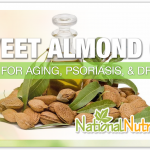
    Derived from the kernels of the sweet almond tree (Prunus amygdalus), this oil has been cherished for centuries in both culinary and medicinal traditions. Originating in the Mediterranean region, it was used by ancient cultures for its mild, nourishing properties. Rich in vitamins E and A, it supports soft, supple skin, healthy hair, and acts as a gentle moisturizer. Historically, it was applied to soothe dry skin, improve complexion, and even used in traditional massage therapies. Today, it remains a staple in natural beuty and wellness routines.

    What is Sweet Almond Oil And Its Uses?

    This oil comes from the almond tree. Cold-pressed from the edible nut kernels (or fruit) of the almond tree, sweet almond oil is an excellent skin-softening (emollient) oil.

    Its Many Uses

    Historically, this oil has been used for centuries in skin care. Today it's widely used in natural skin care and cosmetic lines. It is frequently combined with other natural ingredients in skin cleansers and milk for your face. It's also added to many facial creams and in shaving creams. Lastly, this oil is also great to use if you suffer from dry skin in the winter.

    Nutrients Found in Sweet Almond Oil

    Sweet Almond Oil is mild, lightweight and easily absorbed into the skin where it can moisturize and have its effect. It's rich in unsaturated fats and essential fatty acids, such as linoleic acid which supports healthy cells, decreases inflammation and moisturizes.

    As such, this oil has a calming and soothing effect especially against dry, itchy skin and improves the skin’s protective function against chemicals, air pollution, sun damage or winter elements.

    Using Oils on Skin

    This oil is great when used as a carrier oil for essential oils. This means when using essential oils you add a few drops to a carrier oil to dilute the essential oil. It is ideal because it absorbs into your skin with ease.

    This oil is frequently combined with other natural health products in skin care and cosmetics. It is also great to use on its own after a shower for dry skin or for skin conditions like eczema and psoriasis. You can apply it directly to your skin.

  • Using Argan Oil for Hair and Skin

    What is Argan Oil?

    Argan oil is extracted from the kernels of the argan tree, which grows in the sandy semi-desert soil in Morocco. Traditionally, this oil has been used as a dip for bread, as a dressing on couscous and salads, and it has also been used as a treatment for skin diseases. It contains high vitamin E (tocopherols), carotenes, antioxidants, and essential fatty acids.

    Depending on the extraction method, it may also be more resistant to oxidation than even olive oil (an oil renowned for its relative stability). In addition to its continuing popularity in skin creams and as a treatment for hair growth, argan oil has recently been researched for its reduction in cardiovascular disease risk factors.

    Benefits of Argan Oil

    Argan for Hair and Skin

    Argan oil contains oleic acid, palmitic acid, and linoleic acid, all of which are beneficial for the skin. It is also a good source of vitamin E (tocopherols) as well as other antioxidants, such as ferulic acid. Because of this, argan oil has gained popularity in cosmetic uses to benefit dry skin and prevent the visible signs of aging caused by free-radical damage. Interestingly, these results could likely also be achieved by ingestion instead of topical use, with the added benefit of cardioprotective effects.

    Argan is also helpful for hair growth. Its rich fatty acid content helps moisturize the scalp and the hair shaft. Its rich antioxidants can promote a healthy scalp and offer some antifungal properties. There is some emerging evidence that it could also help to prevent damage as a result of heat styling or hair colouring due to its rich content of linoleic and oleic acids.

    Argan Oil and Cardiovascular Disease

    It has become generally accepted in the literature that argan reduces cardiovascular disease risk, and that it can be used to prevent risk factors for atherosclerosis. Studies examining the effects of supplementation found that people taking this oil had higher vitamin E levels, approximately 10% lower total and LDL (bad) cholesterol, and nearly 12% lowered triglycerides. In Type II diabetics with dyslipidemia, it was also found to have a lasting antioxidant effects that protected against further oxidation of fats in the body even after supplementation had been ceased. The alteration of blood lipid profiles and the increase in antioxidant status both work together to help prevent atherosclerosis and resulting cardiovascular disease.

    How Do I Take Argan Oil?

    Argan is available by itself or in combination with several supplements. It can also be found in cosmetic products and skin creams. It can be used in its pure form to moisturize both hair and skin topically. There is no recommended dose for topical use. 

    The current recommended dose for ingestion is 1-2 Tablespoons daily.

    Important Information

    This oil is high in oleic acid, which is comedogenic and may clog the pores when used topically. There is no available safety information for use during pregnancy and lactation, so oral supplementation should be avoided.

    Argan Oil FAQs

    What is Argan Oil?

    This is an oil extracted from the kernels of the argan tree, which is found in Morocco. The oil is most often used topically to promote hair and skin health, but can also be taken orally.

    How does Argan Oil work?

    The oil is high in vitamin E and antioxidants like ferulic acid. Because of its high antioxidants and fatty acids, the oil is beneficial for encouraging hair growth and preventing skin dryness.

    How to use Argan on hair?

    You can use this oil for hair as a hair mask to moisturize and strengthen the hair shaft. Simply massage up to 10 drops of the oil into your hair and let it sit for at least an hour (or overnight). The next morning, shampoo and condition your hair as you normally would, and style.

    How to use Argan Oil on skin?

    Argan can be used topically as a skin moisturizer.

    Where to buy Argan Oil?

    You can find the oil at most health food stores.

  • Witch Hazel

    Witch hazel is a small shrub/tree with twisting stems and long, forking branches. It has nothing to do with witches, but rather comes from the word 'wych', meaning a pliable branch, as it was used centuries ago to locate underground water and precious metals.

    Effects of Witch Hazel

    Witch hazel has well-known astringent properties, and therefore is commonly used as a topical solution to treat:

    • Skin irritations
    • Decrease bleeding
    • Bites, burns, poison ivy
    • Inflamed eyes
    • Headaches, muscle pains, back pain
    • Sprains, bruises
    • Arthritic joints

    Given its strong astringent properties, it is also widely used as a remedy for varicose veins and hemorrhoids, when applied topically to these areas. Studies have confirmed that extracts of this substance do act to constrict veins. As astringents can act as topical anti-inflammatories, this one is basically indicated wherever and whenever there is inflammation due to irritation, injury, over use and more. It has also been shown to exhibit anti-viral activity against the herpes simplex virus.

    Using Witch Hazel

    It can be found on its own as an undistilled or distilled witch hazel water extract, or it is often combined in natural skin products to help refine skin and tighten pores, or as a hemorrhoid treatment. Although it is generally recommended for external application, it has been used internally to treat bleeding, diarrhea and dysentery. Please consult a health care practitioner before using it for these purposes. As a topical remedy, it can be applied to affected areas twice daily or as needed.

    Important Considerations

    Witch hazel contains a large amount of tannins, which give it its astringent, antiseptic and hemostatic properties, but also what can make it somewhat dangerous when taken internally, if not under the direct supervision of a healthcare practitioner. It is also high in flavonoids and essential oils. It has also been shown to have significant antioxidant effects.

16 Item(s)

First name is required!
Last name is required!
First name is not valid!
Last name is not valid!
Please enter a valid email address.
Email address is required!
This email is already registered!
Password is required!
Enter a valid password!
Please enter 6 or more characters!
Please enter 16 or less characters!
Please ensure your passwords match.
Terms and Conditions are required!
Incorrect FormKey!
Incorrect Email or Password!
reCAPTCHA is mandatory. Click check box beside I am not a robot
Invalid login/register data, Kindly contact customer service agent.